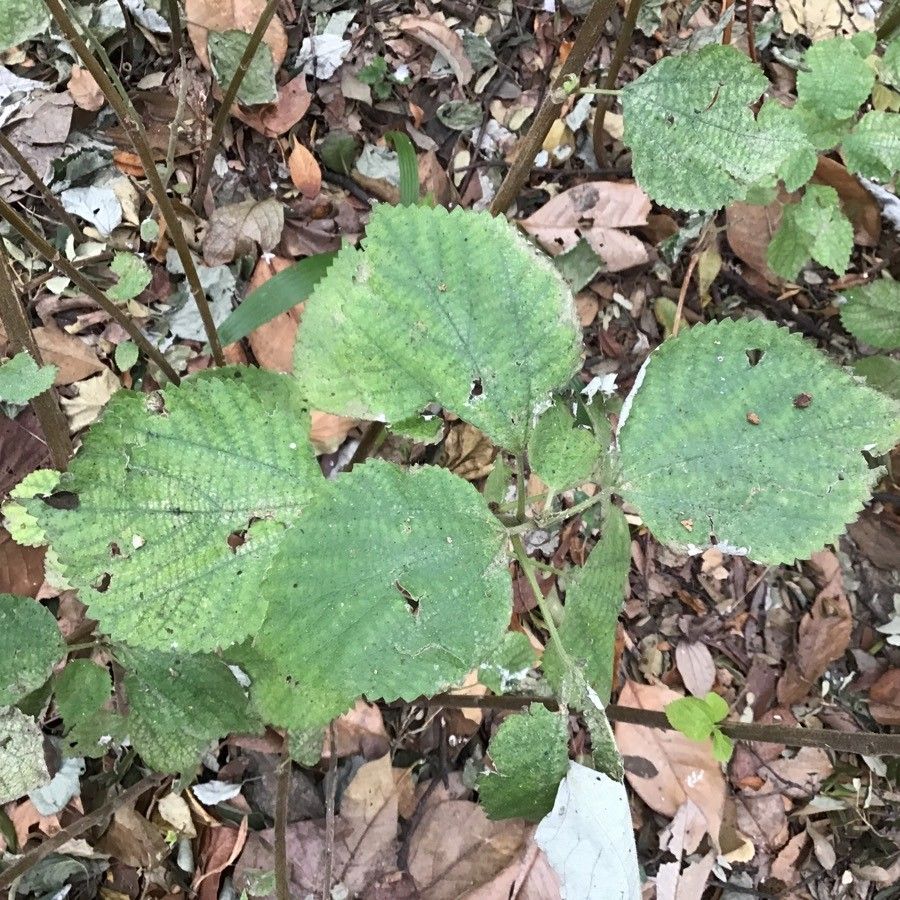
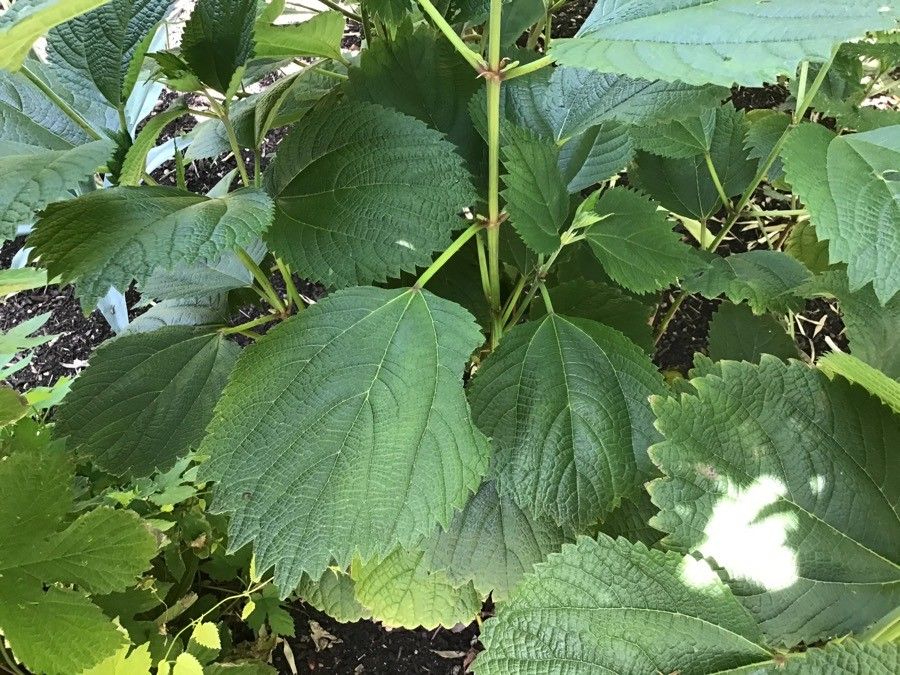
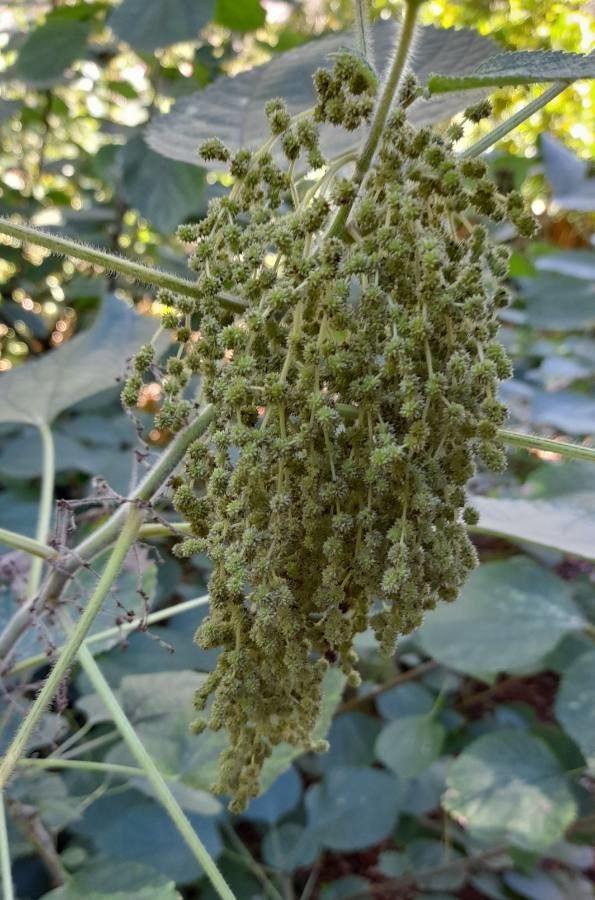
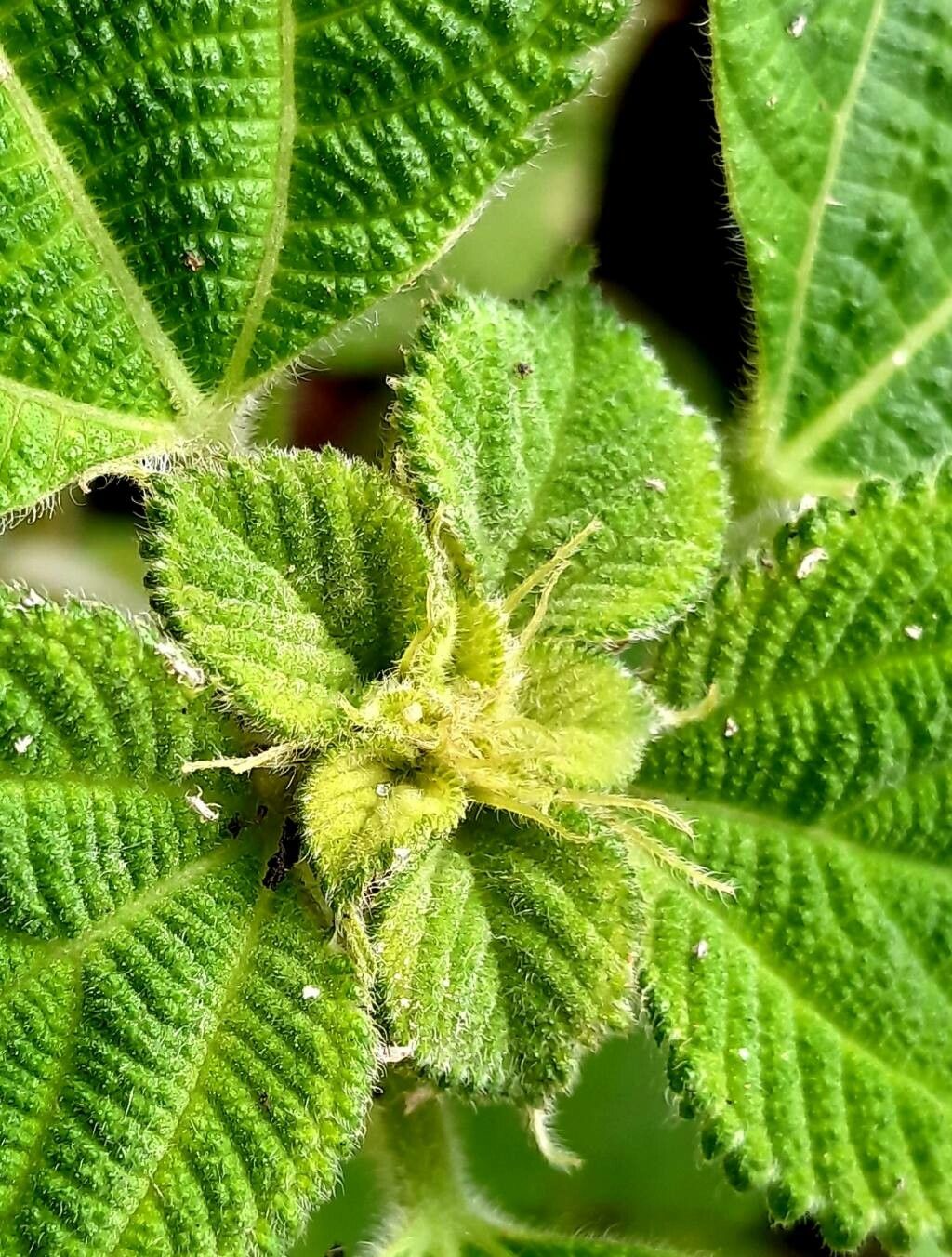
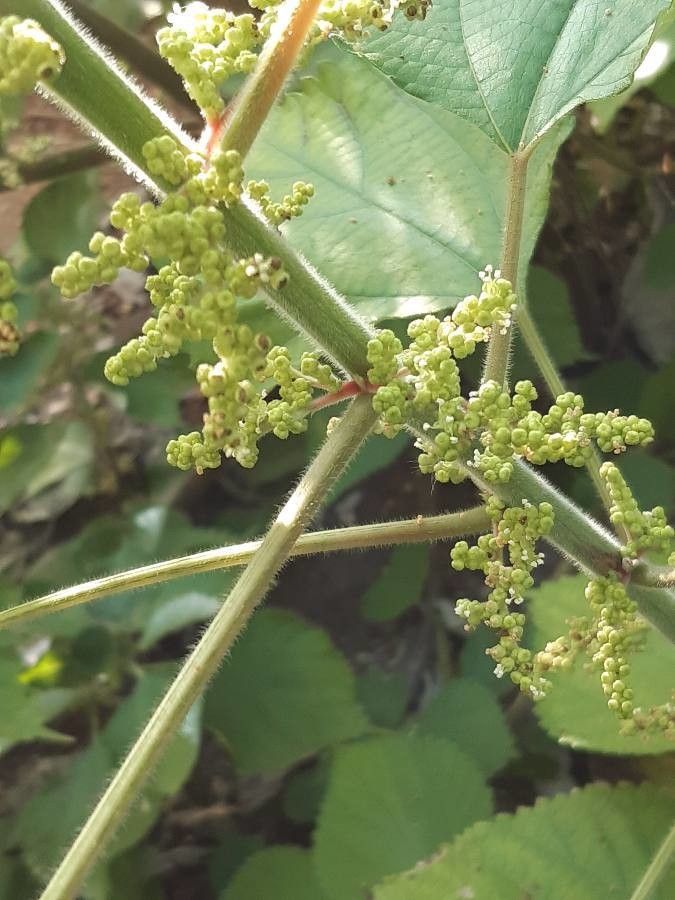
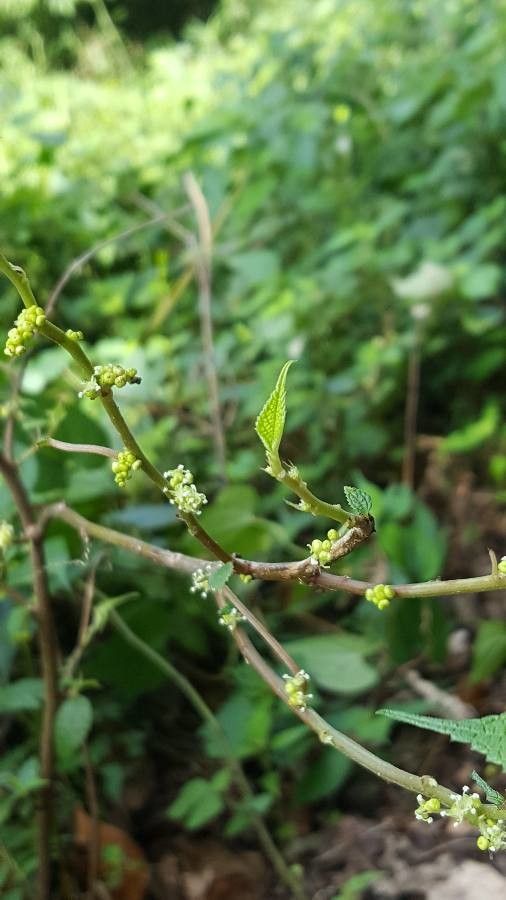
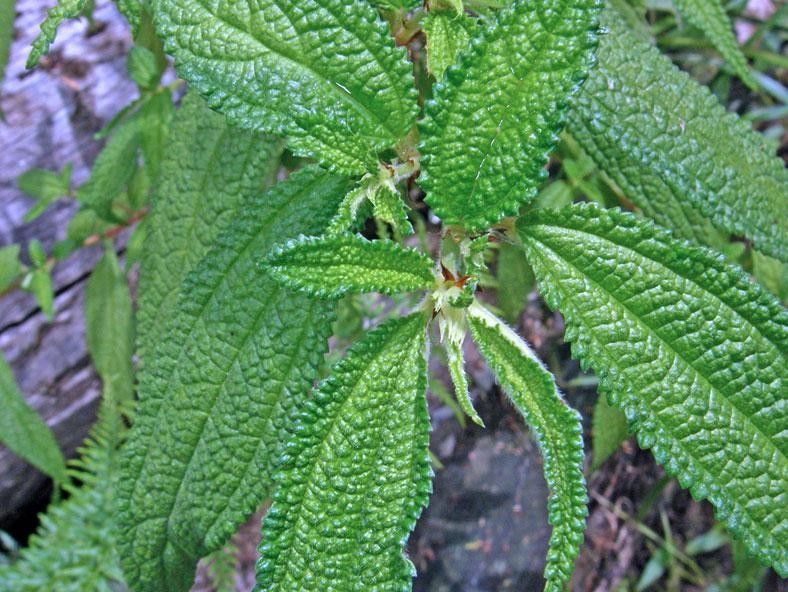
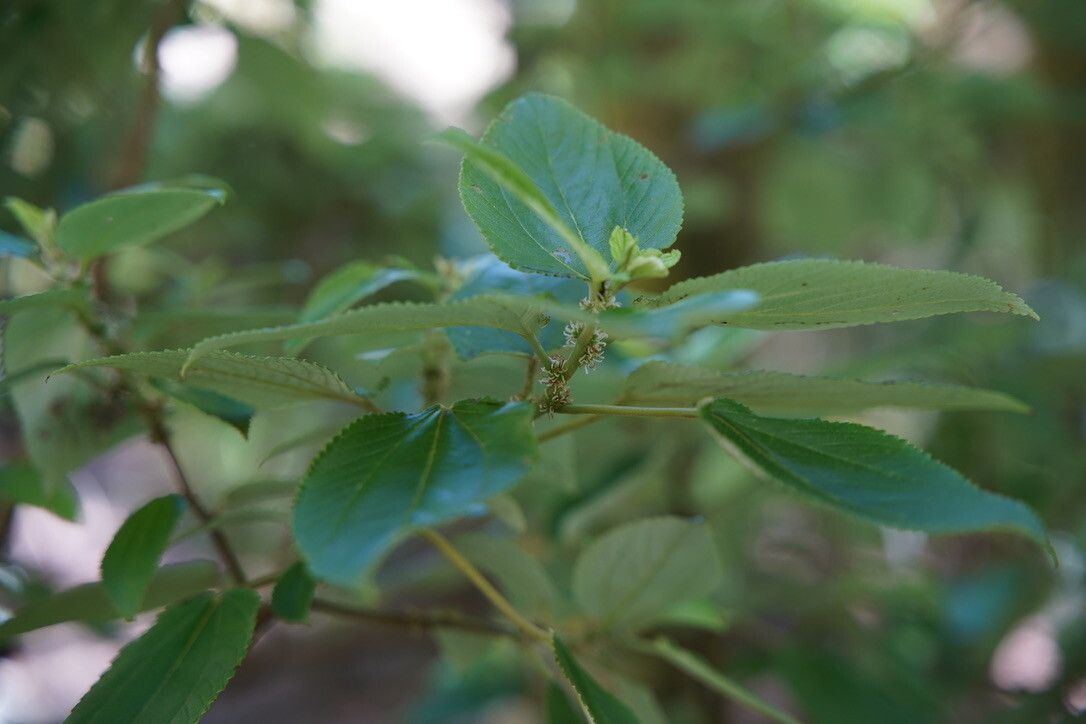
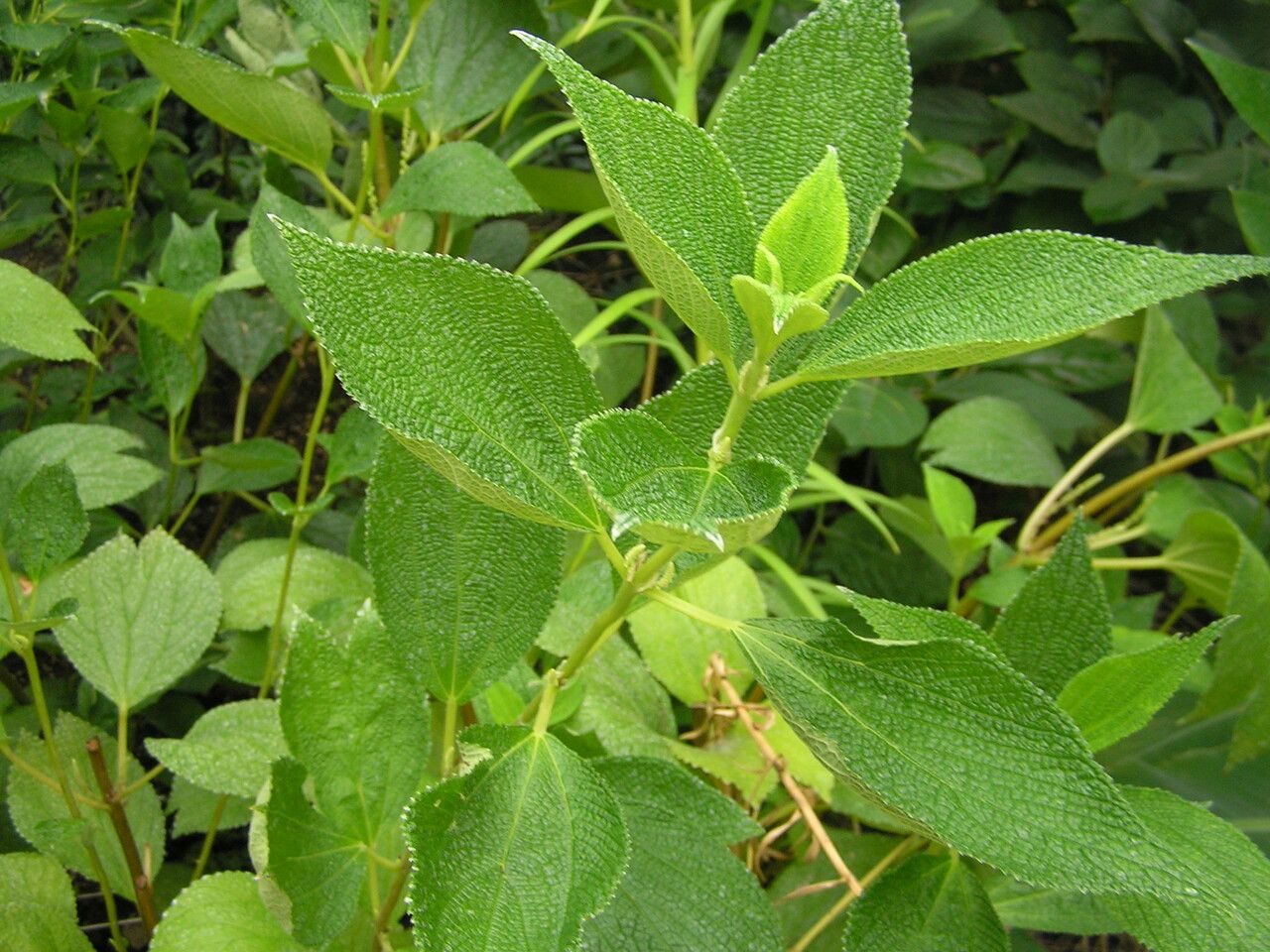
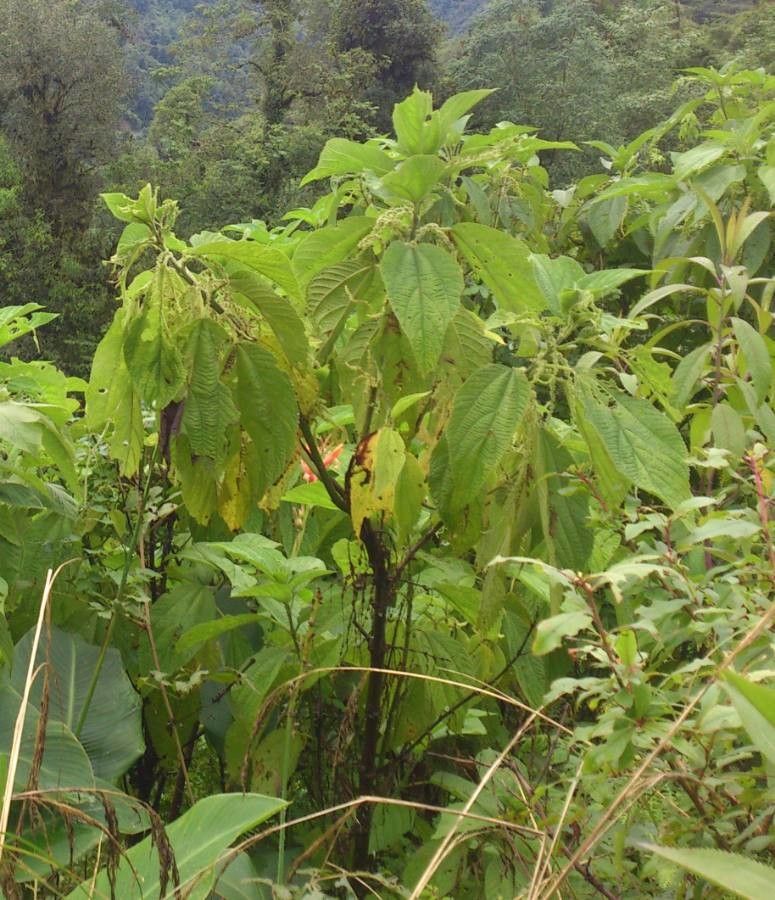
Boehmeria nivea, commonly known as ramie, is a perennial herbaceous plant belonging to the nettle family. Native to eastern Asia, it has been cultivated for thousands of years for its strong and durable fibers. The plant can grow up to 2-3 meters in height and features a woody stem with large, heart-shaped or oval leaves.
Ramie fibers are renowned for their strength, durability, and moisture-absorbing properties. Traditionally, these fibers have been used in the production of textiles such as clothing, bedding materials, and paper products. They are also utilized in the manufacturing of industrial materials like ropes and fishing nets.
The plant thrives in warm climates with high humidity levels but can also tolerate drought conditions. It is typically cultivated in tropical regions including China, India, Brazil, and Thailand.
Beyond its economic significance due to fiber production, Boehmeria nivea also possesses medicinal properties. Its anti-inflammatory benefits have been used traditionally by various cultures around the world.
Overall, Boehmeria nivea remains a vital crop globally, valued both for its historical and current economic contributions as well as its medicinal benefits.
Chinese grass is resistant to disease and typically does not suffer from illnesses. Still, it can be affected by pests and diseases found nearby, though such infections are generally mild. Regarding upkeep, this plant needs a moderate amount of care. It should be pruned on a regular basis to preserve a neat appearance and support healthy growth. Applying fertilizer can also encourage flowering. Chinese grass is appropriate for anyone who has outdoor space, like a garden or patio, and it does not demand extensive care experience. When kept indoors, however, it may need more attention.
How to keep Boehmeria Nivea.
Light
Chinese grass grows best when exposed to plenty of sunlight throughout the day. Although it can tolerate moderate sun, it reaches optimal growth in well-lit conditions. Native to sunny environments, this plant is accustomed to basking in the sun. However, too much or too little sun can negatively affect its growth, causing stunted development or leaf discolouration.
Water
Chinese grass flourishes in humid, subtropical climates and needs regular weekly watering to replicate the moisture levels found in its natural habitat. It benefits from rainwater, which promotes lush foliage and vigorous growth, especially during the active growing season. This underscores the importance of maintaining high humidity for optimal care.
Temperature
Chinese grass originates in temperate zones, where temperatures typically range from 59 to 100°F (15 to 38℃). In colder months, Chinese grass should be relocated to a warmer indoor spot. Seasonal adjustments should be made with these temperature parameters in mind.
Fertilizer
One application of fertilizer in spring is typically adequate for Chinese grass, though multiple feedings can maximize growth. Feed every month to every month and a half. Fertilization improves the appearance and function of the leaves, helping maintain even color and a healthy texture. It also promotes root development and nutrient uptake, supporting the plant's long-term health.
Pruning
Chinese grass thrives in fertile, well-drained soil. For optimal growth, it should be pruned from early to late spring. Begin by removing any dead branches, then thin out dense areas to improve airflow. Be careful not to cut excessively, as this can cause sensitivity and stunt the plant's development.
Botanical profile.
- Plant Type
- Herb, Shrub
- Life Cycle
- Perennial
- Genus
- Boehmeria
- Family
- Urticaceae
- Hardiness Zone
- 7-11
- Mature Height
- 0.49 m to 1.52 m
- Mature Spread
- 2.44 m to 3.05 m
- Leaf Color
- Green, Dark Green
- Leaf Type
- Deciduous
- Flower Color
- Green, Yellow
- Flower Size
- 0.10 cm to 0.25 cm
- Bloom Time
- Early summer, Mid summer
- Planting Time
- Spring, Summer
- Harvest Time
- Mid summer
- Native Area
- Nepal, Sri Lanka, India, Indonesia, Cambodia, Vietnam, Japan, Philippines, Bhutan, Bangladesh, Laos, Thailand, China
Other names.
Reader questions.
How should I water my Chinese grass to keep it healthy?
To ensure the health of the Chinese grass, it is important to use filtered water at room temperature when watering. This is because tap water may contain harmful particles that can affect the plant. Additionally, the water should be at room temperature or slightly warmer, as the Chinese grass thrives in warm environments and cold water can be a shock to its system. It is also recommended to avoid overhead watering, as it can cause issues with the foliage. Instead, water the plant by applying filtered room temperature water directly to the soil until it is fully soaked. This helps nourish the roots and allows them to spread throughout the soil and absorb the necessary nutrients.
What are the sunlight requirements for Chinese grass?
Chinese grass, or Boehmeria nivea, thrives best in full sun conditions, which means it requires above 6 hours of sunlight daily for optimal growth. However, it can also grow in partial sun, receiving about 3-6 hours of sunlight. It's important to watch the sunlight's movement through your garden to provide your plants with the perfect balance of light and shade, ensuring their health and happiness.
What is the native temperature range for Chinese grass and how should it be cared for seasonally?
Chinese grass, botanically known as Boehmeria nivea, thrives in temperate zones with natural temperatures ranging from 59 to 100°F (15 to 38°C). During the colder months, it's advisable to move Chinese grass to a warmer indoor location to ensure it remains within its ideal temperature range. Despite its strong cold resistance, in regions where winter temperatures are expected to drop below -15°C, it's crucial to provide protection by covering the plant with materials like soil or straw. Additionally, watering the plant abundantly before the first freeze in autumn helps keep the soil moist, thereby preventing drought and water scarcity during winter and early spring.
What should I do if I give too much or too little water to my Chinese grass?
Overwatering and underwatering can harm your Chinese grass, but overwatering is more common. Too much water can cause wilting and yellowing of stems and leaves. It can also lead to diseases like root rot, mold, and mildew that can kill the plant. Chinese grass is fairly tolerant of drought, so underwatering is less likely. However, if it happens, the leaves may become brittle and brown. It's important to notice signs of overwatering quickly. Diseases like root rot may not be fixable if you wait too long. If you see early signs, reduce watering immediately and check the soil. If the soil drains poorly, replace it with well-draining potting mix. If your Chinese grass is receiving too little water, increase watering until the signs improve.
How does inadequate or excessive sun affect Chinese grass?
Both excessive and inadequate sun exposure can adversely affect the growth of Chinese grass. Insufficient sunlight can lead to symptoms such as stunted growth, leggy or sparse growth, faster leaf drop, slower or no new growth, lighter-colored new leaves, and a reduction in the plant's overall health. On the other hand, too much sunlight can cause chlorosis, sunscald, leaf curling, wilting, and leaf scorching. It is crucial to ensure that the plant receives the right amount of sunlight for healthy growth.
How does low temperature affect Chinese grass and what are the solutions?
Chinese grass is cold-tolerant and performs best when temperatures stay above 15°C. Should winter temperatures dip below -10°C, it generally remains resilient, but if temperatures fall beneath -15°C, the grass might not show immediate distress; however, this can lead to a decrease in sprouting or possibly no sprouting at all when spring arrives. To manage this, in spring, gardeners should remove any parts of the plant that have failed to sprout, allowing for healthy growth.
How often do I need to water my Chinese grass?
If your Chinese grass is in a pot, the best way to determine if it needs water is to stick your finger into the soil. If the top two to three inches of soil are dry, then it's time to water it. If you have Chinese grass planted in the ground outdoors, you can also use this method to check the soil. Once the first few inches of soil have dried out, it's time to water it. Usually, during spring and early fall, watering once a week is sufficient. However, during extremely hot weather, you may need to increase the frequency to twice a week or more. It's important to note that mature Chinese grass has a good ability to survive drought.
What are some artificial lighting tips for growing Chinese grass indoors?
When natural sunlight is insufficient, especially during winter or in less sunny spaces, artificial lighting can provide a vital solution for indoor Chinese grass. It's recommended to use LED lights as they can be customized to offer specific wavelengths needed for the plant's growth. Full sun plants need 30-50W/sq ft, partial sun plants 20-30W/sq ft, and full shade plants 10-20W/sq ft of artificial light. The light source should be placed 12-36 inches above the plant to mimic natural sunlight, and most plants require 8-12 hours of light per day.
How does high temperature affect Chinese grass and what should be done?
During the summer, it's crucial to ensure that the ambient temperature around Chinese grass does not exceed 38°C. If temperatures rise above 43°C, the plant's leaves may lighten in color, become prone to curling, suffer from sunburn, and in severe cases, the entire plant may wilt and dry out. To mitigate these issues, trim away any sunburnt or dried parts of the plant. It is also beneficial to move the plant to a location that is shielded from the midday and afternoon sun, or to utilize a shade cloth to protect the plant. Additionally, watering in the morning and evening can help keep the soil adequately moist.
How much water does my Chinese grass require?
When watering your Chinese grass, don't be afraid to give it a generous amount of water. Make sure the top few inches of soil are dry before watering thoroughly. The water should completely saturate the soil and flow out of the drainage holes in the pot. If you don't see water draining out, you may not have given enough water. However, be careful not to overwater and let water accumulate in the soil, as this can harm the plant. On the other hand, if water doesn't drain well from the pot, it indicates poor soil drainage, which is bad for the plant's health. If the plant is outside, 1 inch of rain per week is sufficient.
What are common symptoms of light deficiency in Chinese grass?
When Chinese grass is grown in inadequate lighting, it may exhibit several symptoms indicating light deficiency. These include smaller new leaves, leggy or sparse growth, premature leaf drop, slower or no new growth, paler or irregularly colored new leaves, and overall weakened plant structure. Recognizing these symptoms early can help in taking corrective steps to improve the plant's light exposure.
What is the best way to water my Chinese grass as it grows at different stages?
The water needs of Chinese grass can vary depending on its growth stages. In the first few years or after transplanting to a new location, more water is required. During these stages, the grass focuses on developing new roots for future growth, and these roots need extra moisture. As the grass matures, it will require less water. Additionally, during the bloom period, the grass may need additional water due to the moisture demands of flower development.