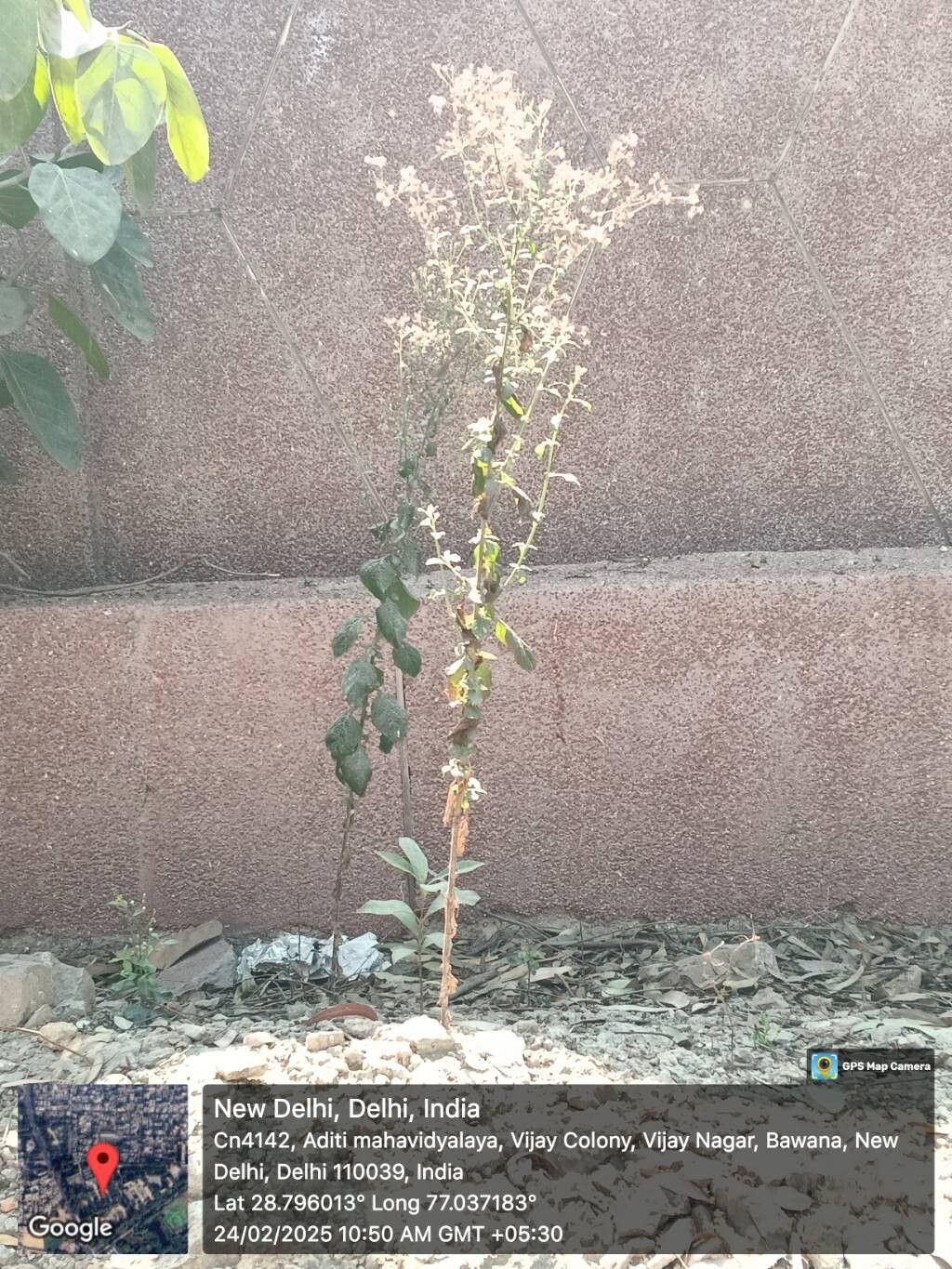
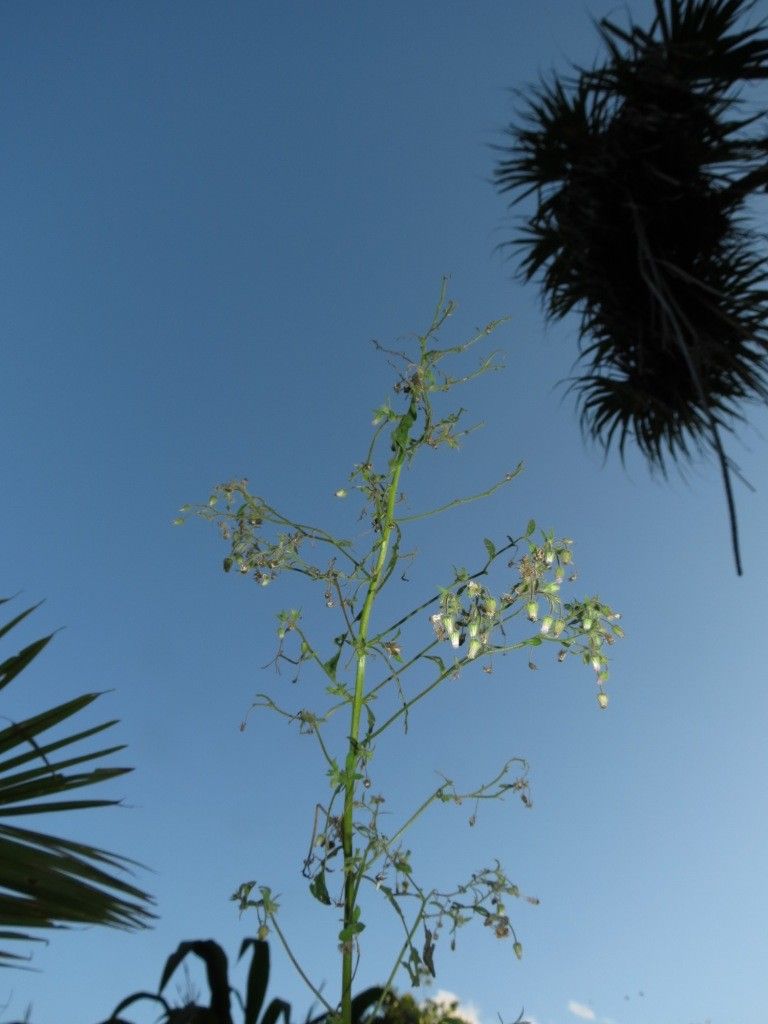
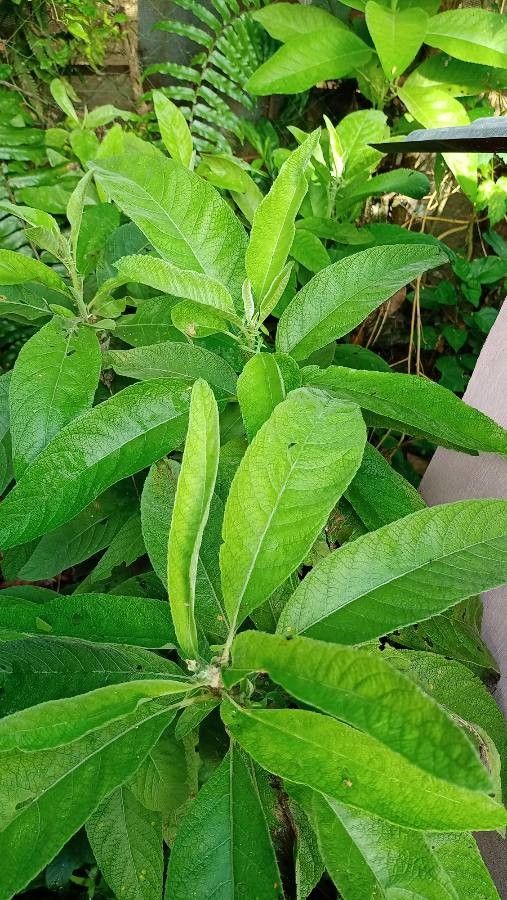
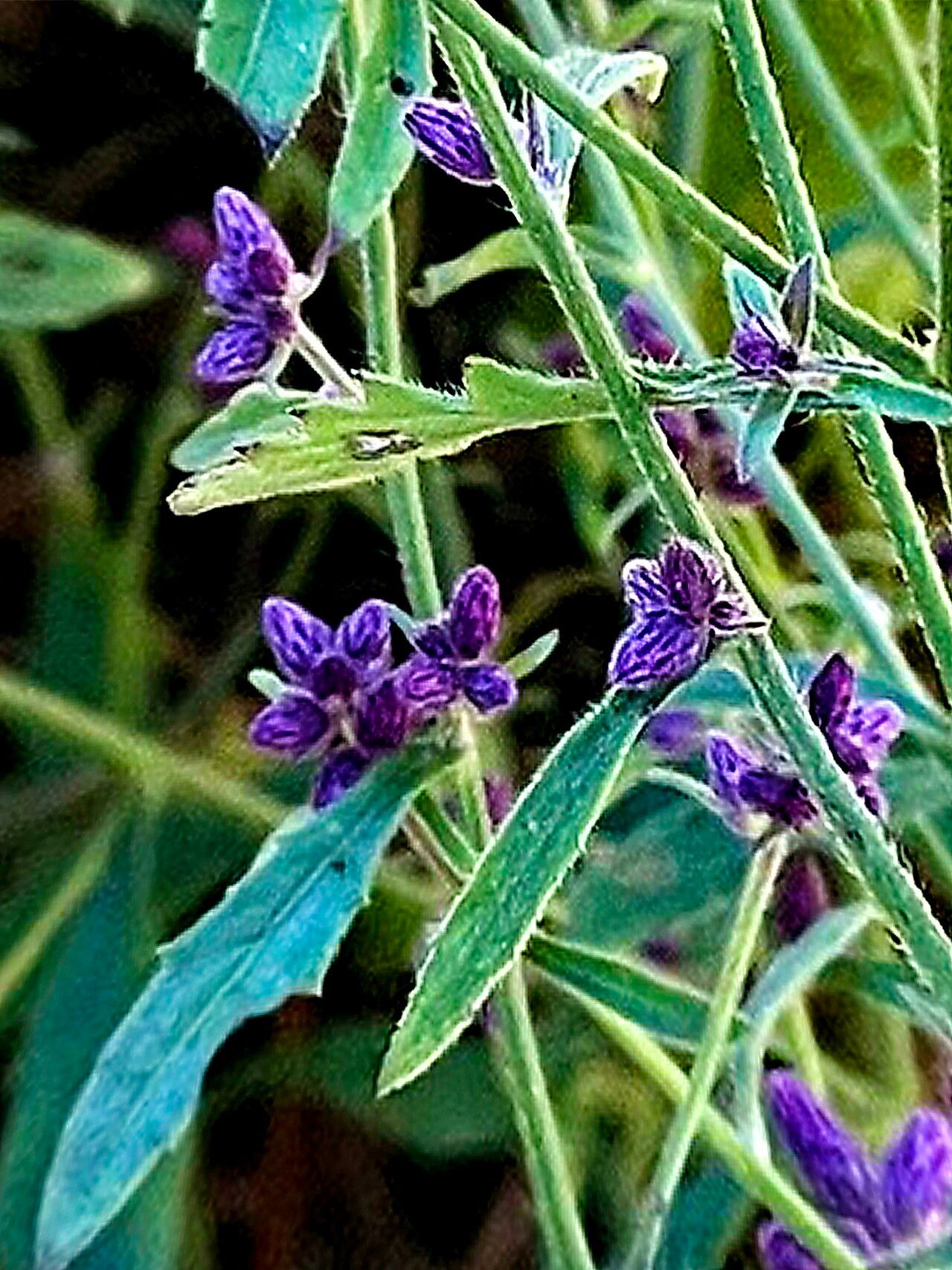
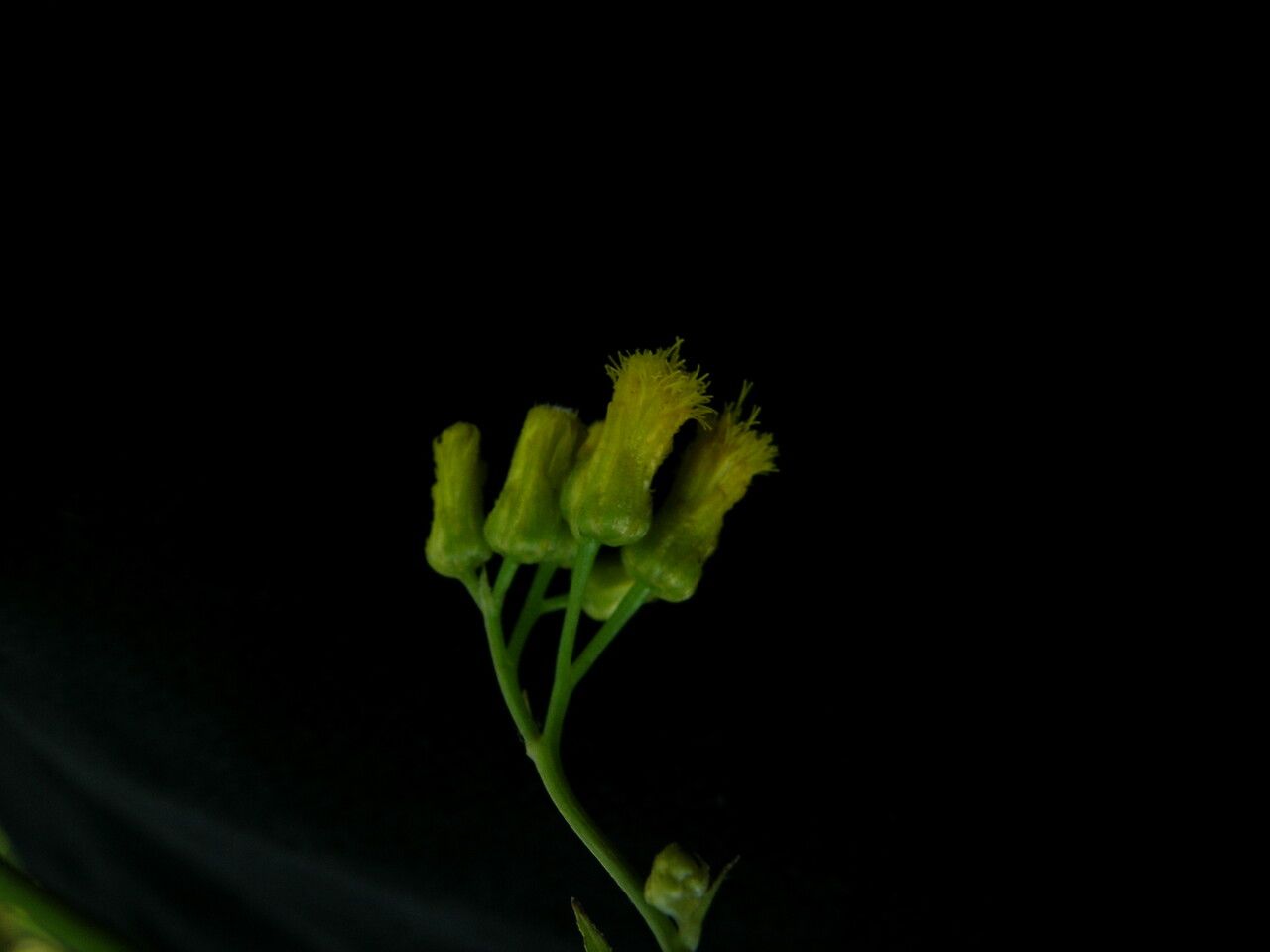
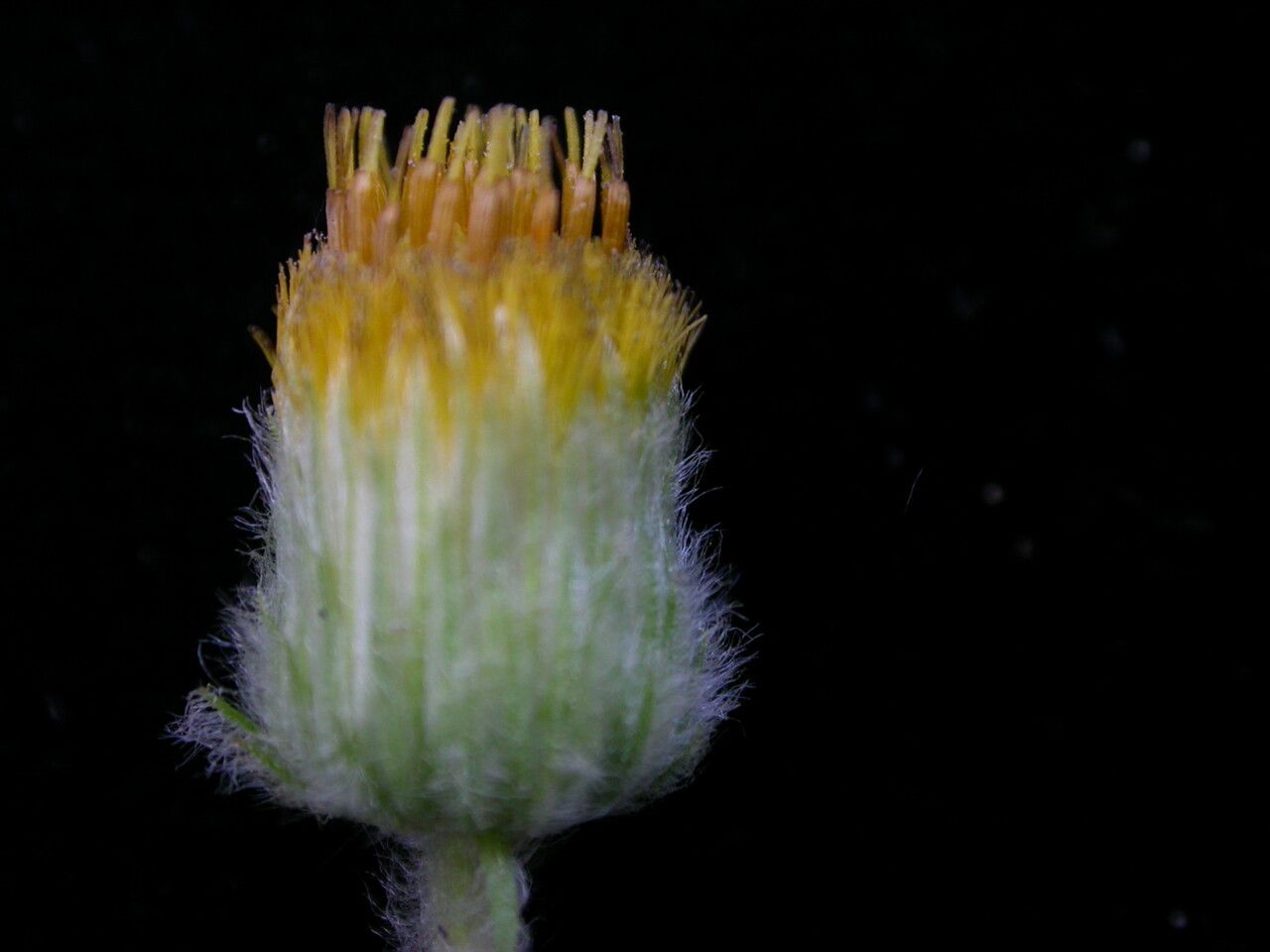
Soft blumea is fairly disease-resistant and is generally not prone to illnesses. However, it can be susceptible to pests and diseases present in its surroundings. These infections are usually mild. In terms of care, this plant requires moderate maintenance. It should be pruned regularly to maintain a good appearance and healthy growth. Fertilization can also help encourage flowering. Soft blumea is suitable for anyone with an outdoor space, such as a garden or patio, and does not require a lot of care experience. It may need more attention when grown indoors.
How to keep Blumea Axillaris.
Light
The Soft blumea naturally grows in locations like forest understories or stony regions, where it is naturally sheltered from direct sunlight. It thrives best in areas with partial sunlight, yet it is flexible and robust enough to adapt to environments with complete sun exposure or full shade.
Water
Soft blumea flourishes in moist environments and needs consistently hydrated, evenly moist soil to thrive. While it has moderate drought tolerance, watering it weekly helps maintain its health. It is usually grown outdoors, where natural rainfall benefits it, particularly during the active growing season when its water requirements rise.
Temperature
Soft blumea is a plant native to tropical areas, known for their hot and moist climates. As such, it thrives in warm and humid conditions and doesn't fare well with abrupt temperature shifts, preferring a steady thermal environment. For this plant, maintaining indoor temperature stability is crucial. It generally doesn't withstand cold climates and needs elevated temperatures for its growth. Should the ambient temperature fall excessively, the plant can halt growth or potentially perish.
Fertilizer
The growth phase of soft blumea primarily occurs in spring, summer, and early autumn, during which it demands the most fertilization. Providing fertilizer is crucial as it supplies essential nutrients that the soil may not have, facilitating the healthy growth of roots and stems. It also fosters appealing leafage, a distinctive characteristic of this specific plant.
Pruning
Soft blumea has smooth-textured leaves and benefits from being pruned between early and late spring, just before the new growth starts. To encourage new growth, improve air circulation, and reduce the risk of disease, remove any dead branches and shape the plant by cutting just above a healthy node.
Botanical profile.
- Plant Type
- Herb
- Life Cycle
- Perennial
- Genus
- Blumea
- Family
- Asteraceae
- Hardiness Zone
- 10-12
- Mature Height
- 61 cm to 91 cm
- Mature Spread
- 20 cm to 49 cm
- Leaf Color
- Green
- Leaf Type
- Semi-evergreen
- Flower Color
- Yellow
- Flower Size
- 0.25 cm to 0.51 cm
- Bloom Time
- Spring, Early summer
- Planting Time
- Spring, Summer
- Harvest Time
- Late spring, Summer
- Native Area
- Sri Lanka, Burkina Faso, Somalia, India, Angola, Madagascar, Eritrea, Pakistan, Kenya, Uganda, Tanzania, Zimbabwe, Guinea-Bissau, Mali, Benin, Indonesia, Cambodia, Mozambique, Ethiopia, Botswana, Central African Republic, Nepal, South Africa, Zambia, Sudan, Philippines, Laos, Bangladesh, Guinea, Chad, China, Afghanistan, Vietnam, Myanmar, Togo, Bhutan, Senegal, Eswatini, Iran, Côte d'Ivoire, Thailand