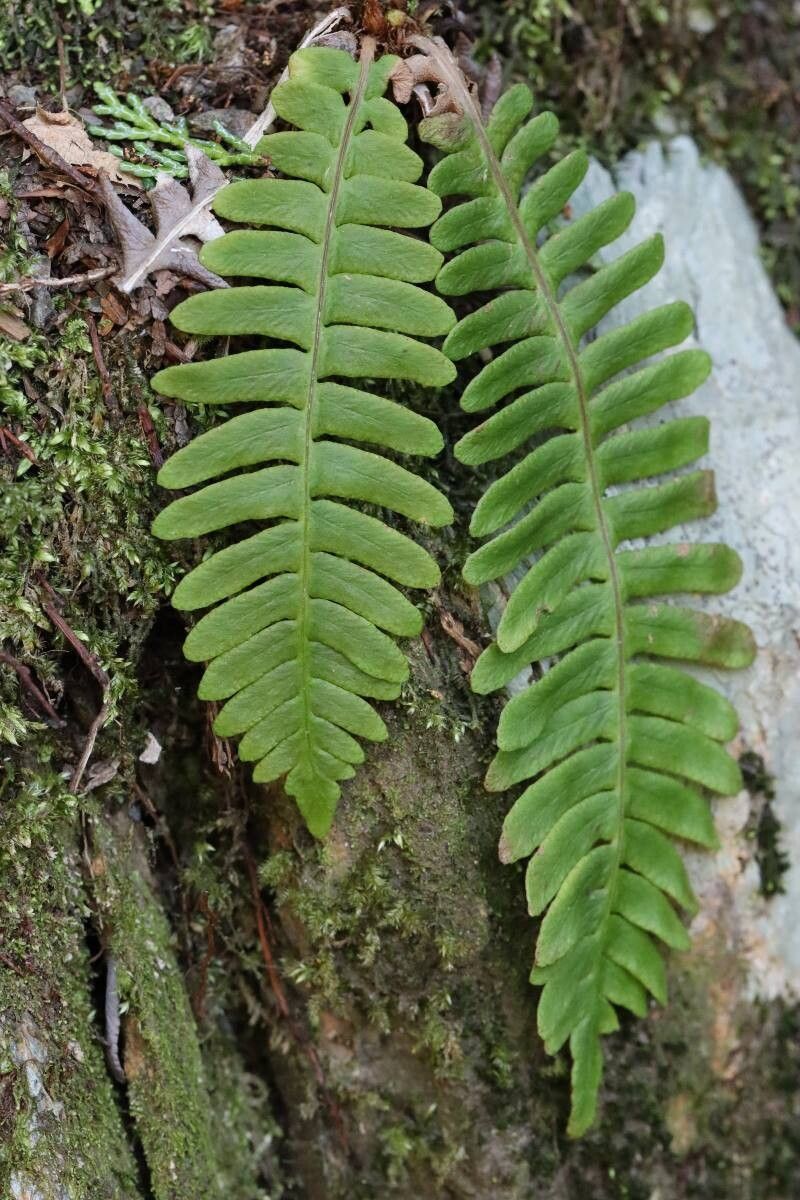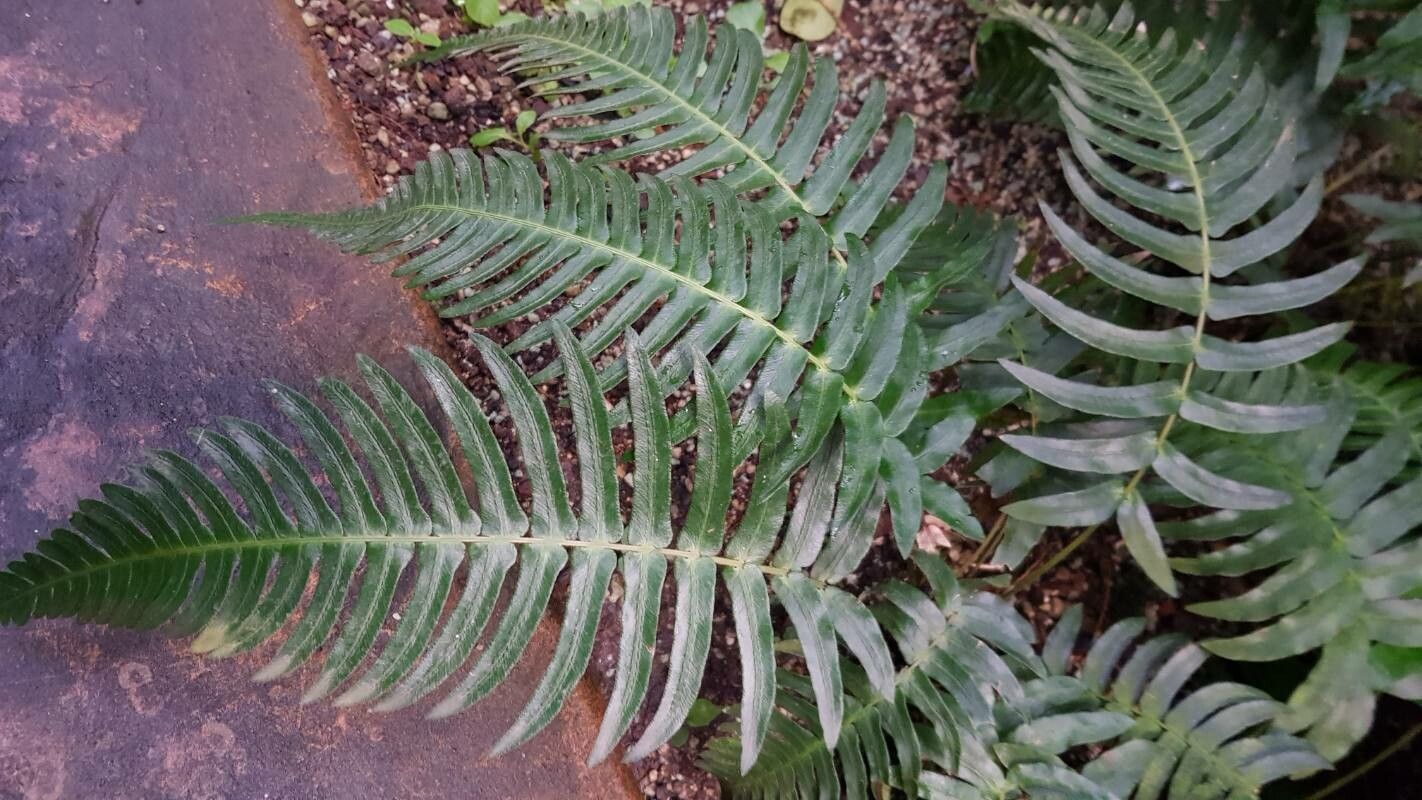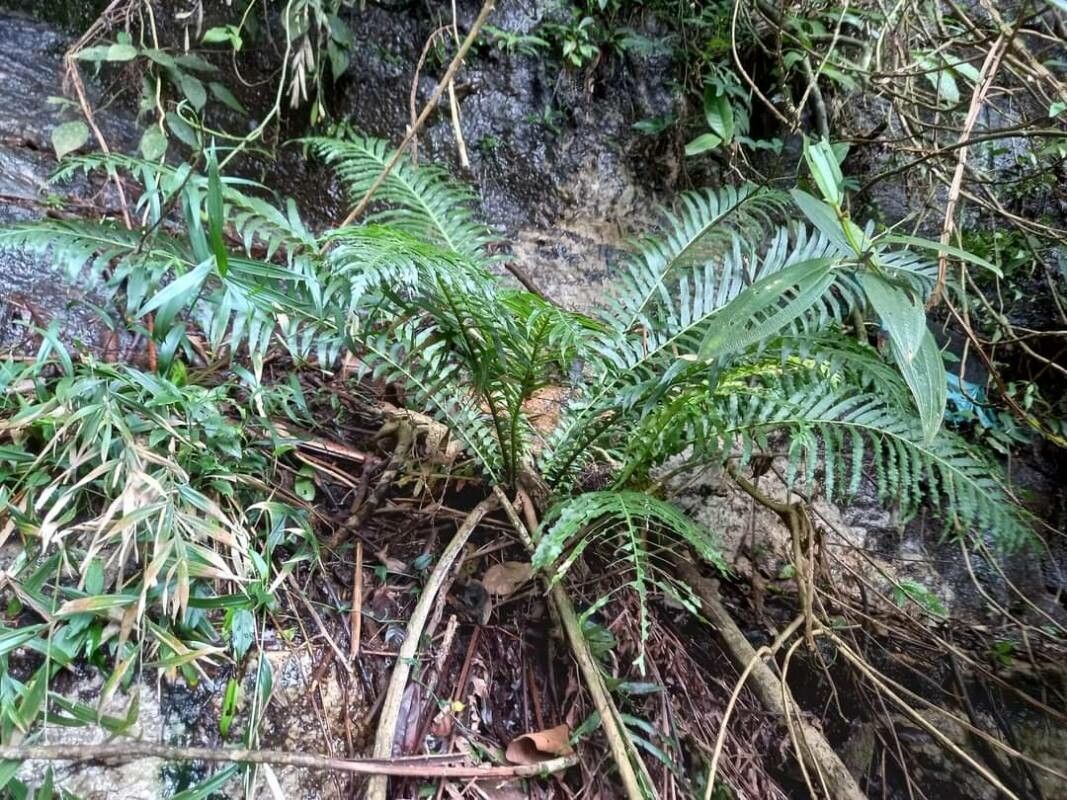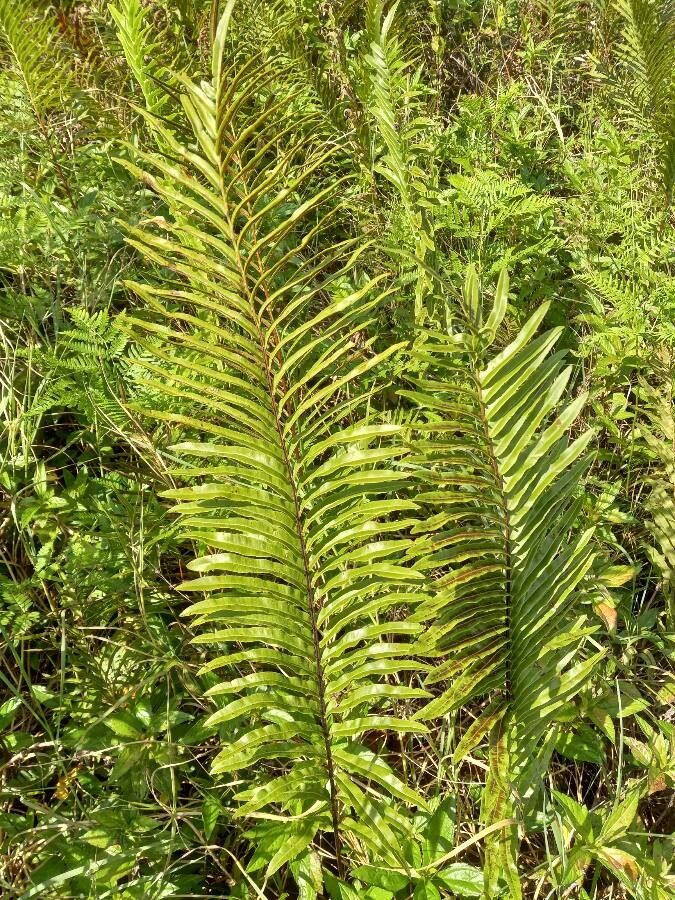
Oriental blechnum is fairly disease-resistant and generally not prone to illnesses. However, it can be vulnerable to pests and diseases present in its environment. Such infections are typically mild. In terms of care, the plant requires moderate maintenance. It should be pruned regularly to maintain an attractive appearance and healthy growth. Fertilizing can also help encourage flowering. Oriental blechnum is suitable for anyone with outdoor space, such as a garden or patio, and does not demand extensive gardening experience. It may need more attention when grown indoors.
How to keep Blechnum Orientale.
Light
Oriental blechnum prefers spots where it gets sunlight for part of the day but is shielded from the most intense midday sun. In its native environment it does well under the dappled light that filters through larger trees. It can also cope with low-light conditions. Too much sun can scorch its leaves, while too little light can impede its growth.
Temperature
Oriental blechnum originates from temperate regions and grows best in temperatures of 68 to 100 °F (20 to 38 ℃). In colder periods, it is recommended to place oriental blechnum in a warmer, more brightly lit location to replicate its preferred temperature conditions.
Fertilizer
Oriental blechnum needs the most fertilizer during its active growing period, which takes place mainly in spring, summer, and early autumn. Fertilizing supplies essential nutrients the soil may lack, supporting strong root and stem growth and encouraging the attractive foliage that distinguishes this plant.
Botanical profile.
- Plant Type
- Herb
- Life Cycle
- Perennial
- Genus
- Blechnum
- Family
- Aspleniaceae
- Hardiness Zone
- 11
- Mature Height
- 0.49 m to 2.13 m
- Mature Spread
- 61 cm
- Leaf Color
- Dark Green, Forest Green
- Leaf Type
- Evergreen
- Planting Time
- Spring
- Native Area
- Nepal, Sri Lanka, India, Malaysia, Vanuatu, Philippines, Bangladesh, Laos, Fiji, Brunei, China, Indonesia, Cambodia, Vietnam, Myanmar, Japan, Bhutan, Singapore, Thailand