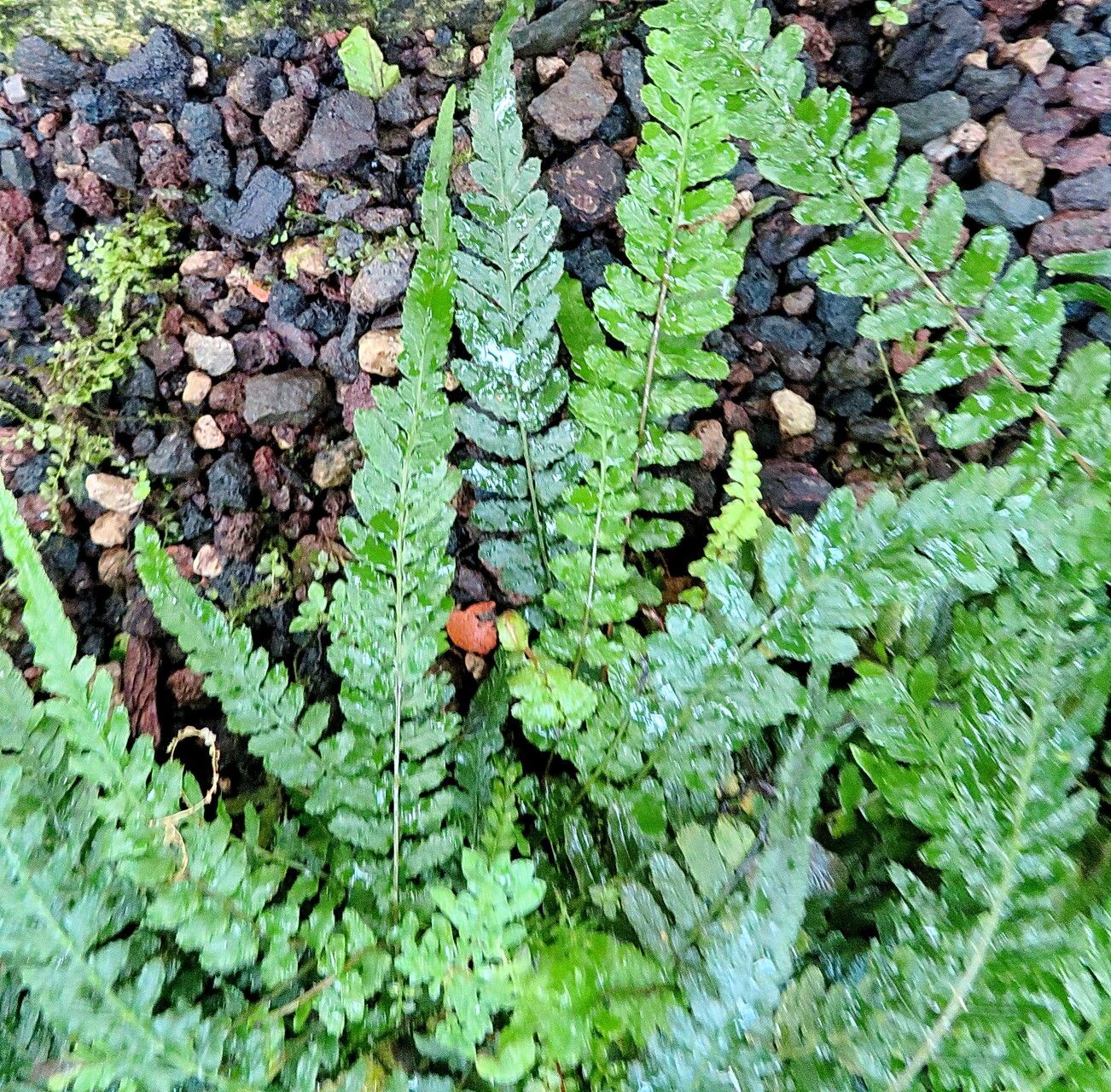
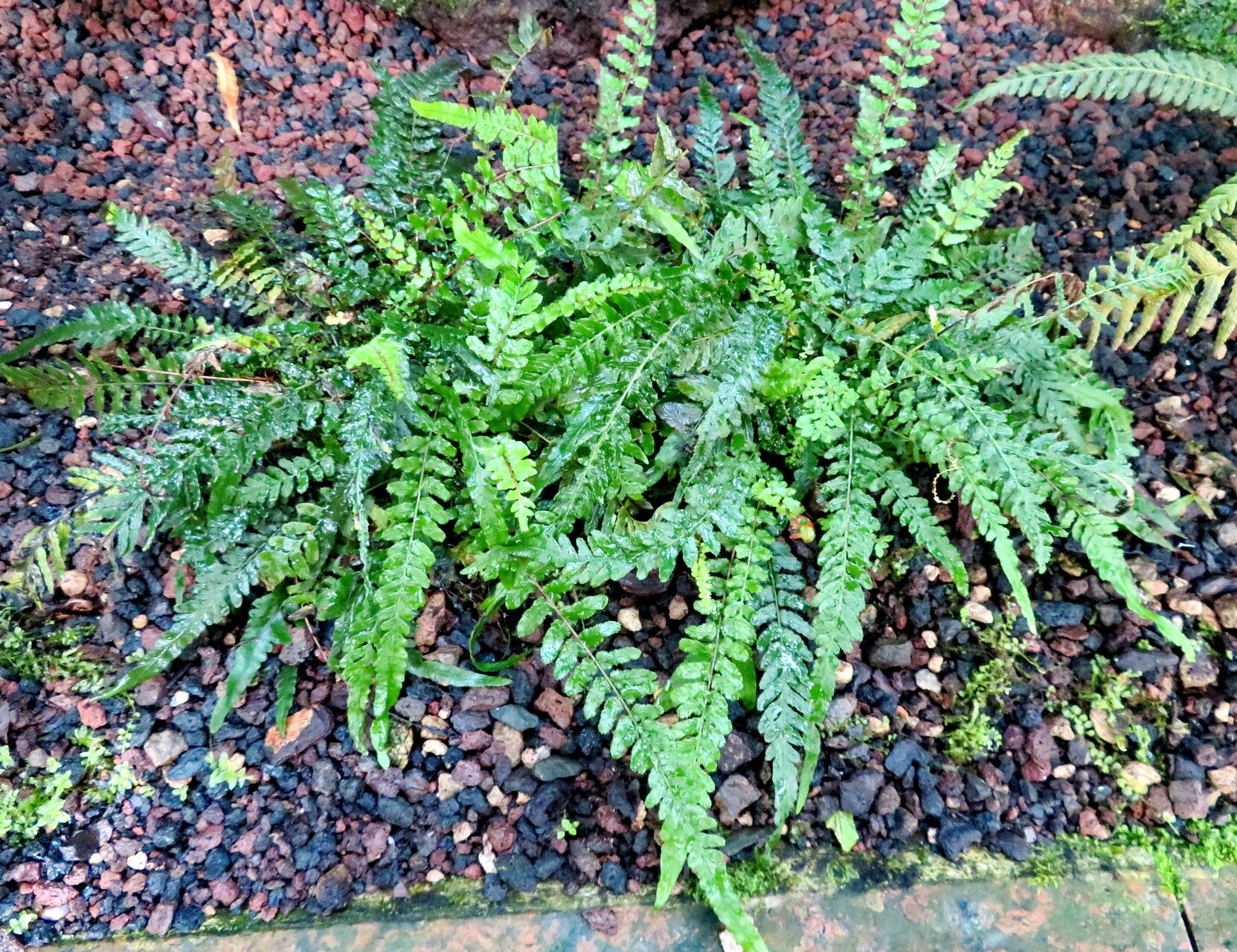
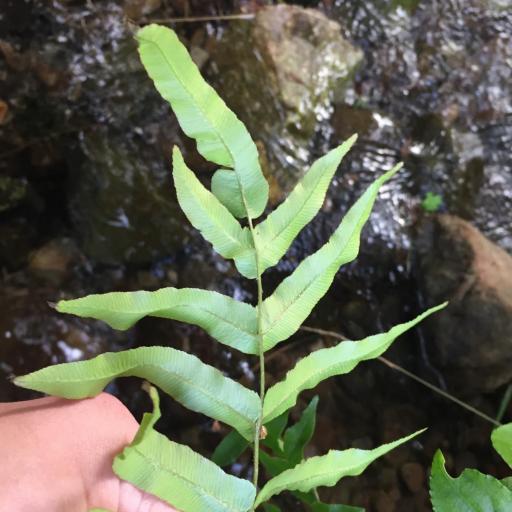
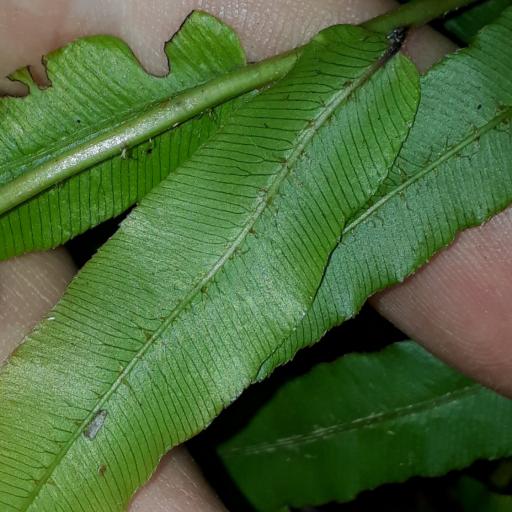
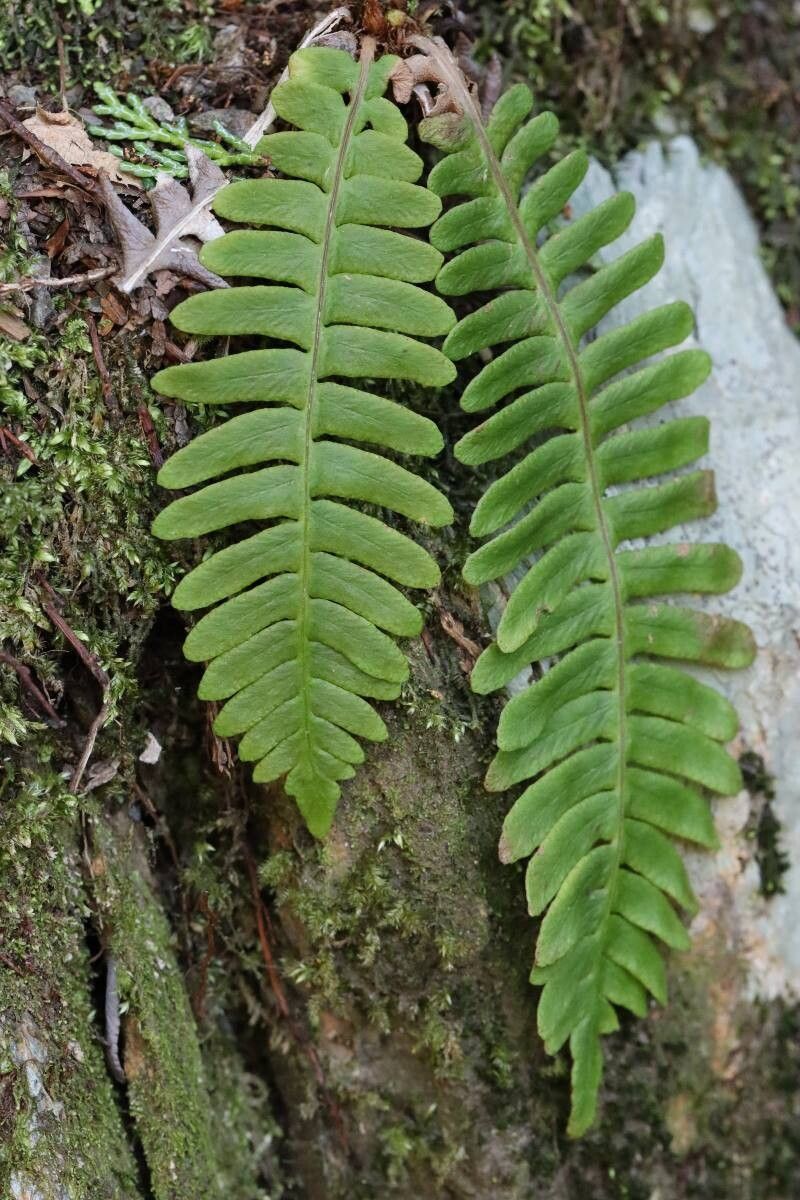
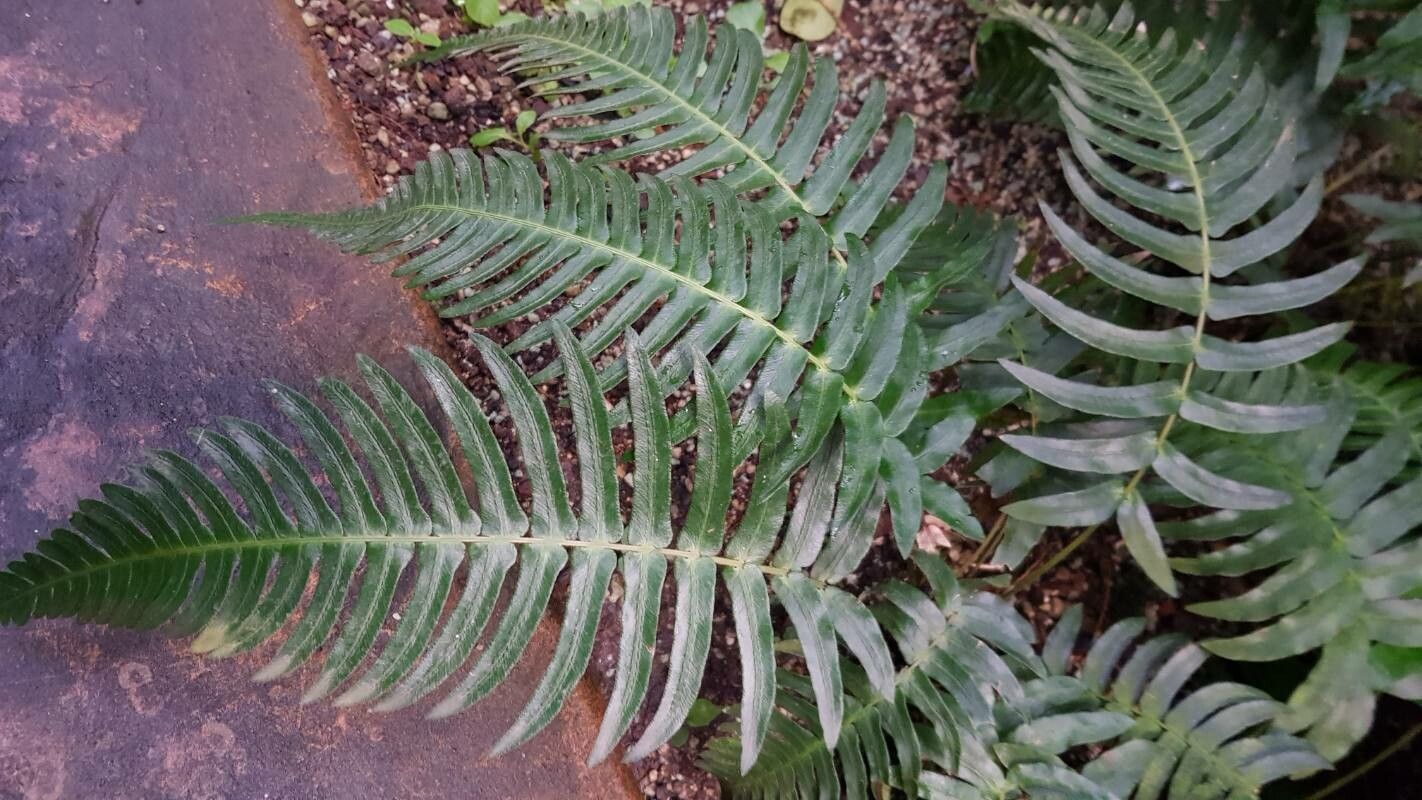
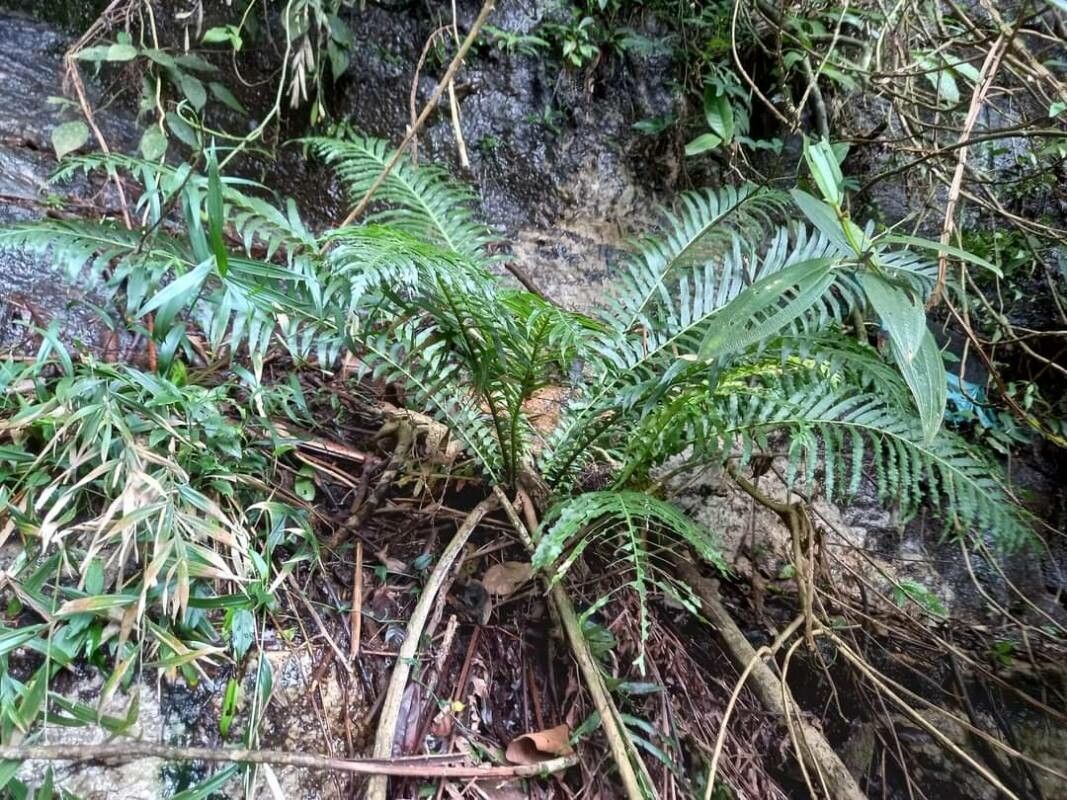
Parablechnum minus, synonym Blechnum minus, is a small fern growing in moist situations in a variety of habitats in eastern Australia. It is often seen by streams. It first appeared in scientific literature in the year 1810, as Stegania minor in the Prodromus Florae Novae Hollandiae, published by the prolific Scottish botanist, Robert Brown. It was later moved to the genus Blechnum and then to Parablechnum.
Swamp kiokio is generally resistant to disease and is affected by relatively few insect pests. It is regarded as difficult to care for because it requires a consistently moist environment and frequent watering. However, its roots are susceptible to rot if the plant is overwatered or kept in poorly ventilated conditions. Swamp kiokio is better suited to people with some growing experience, as most growers can keep it alive for a certain period. Nevertheless, it may have difficulty thriving, and its leaves can dry out and become less healthy over time.
How to keep Blechnum Minus.
Light
Swamp kiokio comes from habitats such as forest understories or rocky areas that provide natural shade. Its preferred sunlight condition is Full Shade, though it can tolerate Partial Sun.
Temperature
Swamp kiokio does best in forest thickets. It is very sensitive to temperature and humidity; excessive heat, dryness, and strong sunlight can all make it uncomfortable. In summer it needs adequate shading and a high-humidity environment. Generally it does not require special care in winter, but an extended winter drought can still be fatal to the plant.
Botanical profile.
- Plant Type
- Fern
- Life Cycle
- Perennial
- Genus
- Blechnum
- Family
- Aspleniaceae
- Hardiness Zone
- 7-10
- Mature Height
- 30 cm to 61 cm
- Mature Spread
- 40 cm to 76 cm
- Leaf Color
- Dark Green, Forest Green
- Leaf Type
- Deciduous
- Planting Time
- Spring, Summer, Autumn
- Native Area
- New Zealand