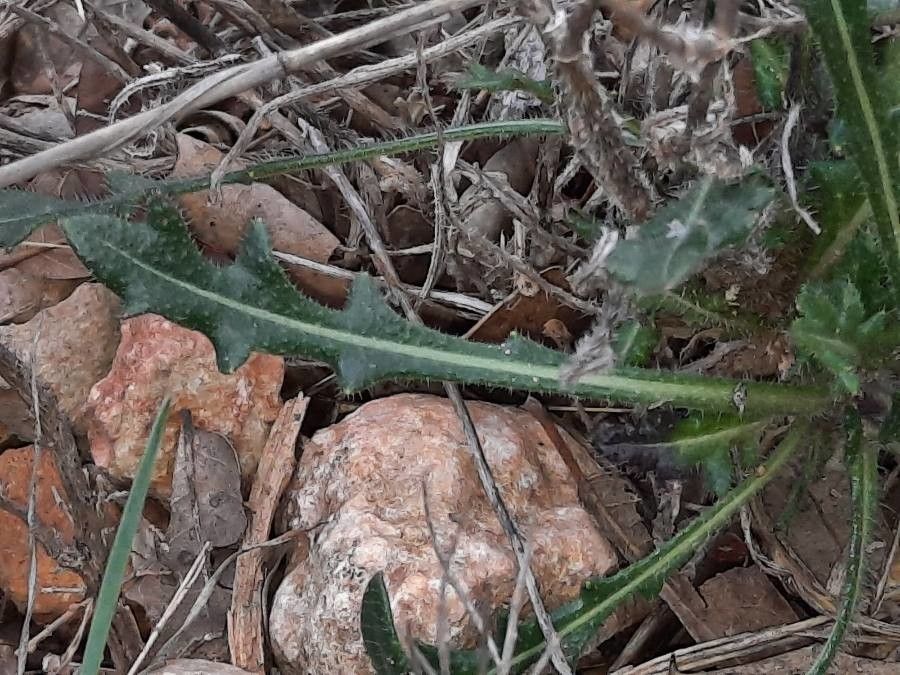
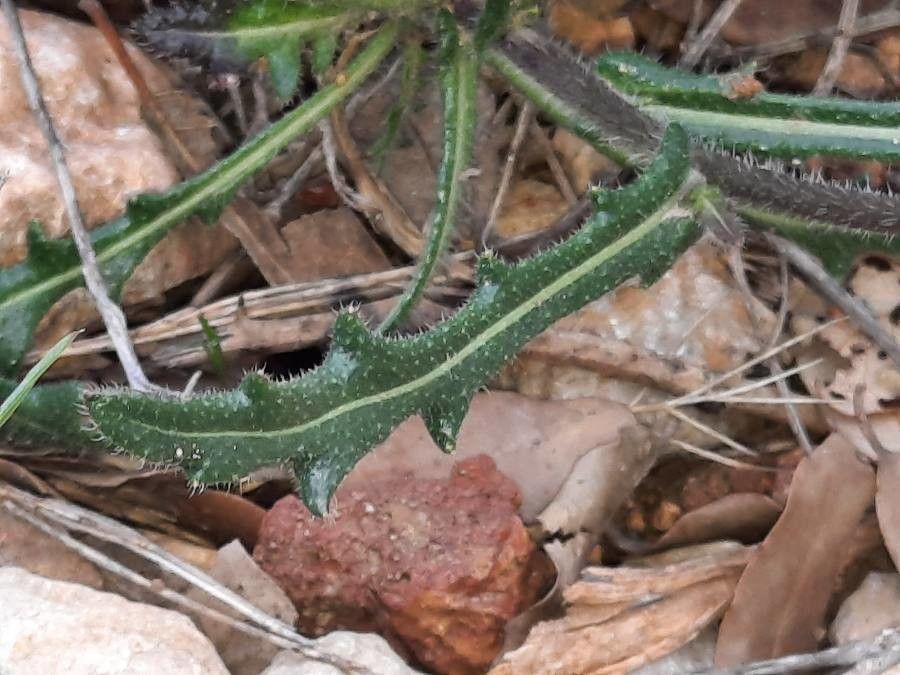
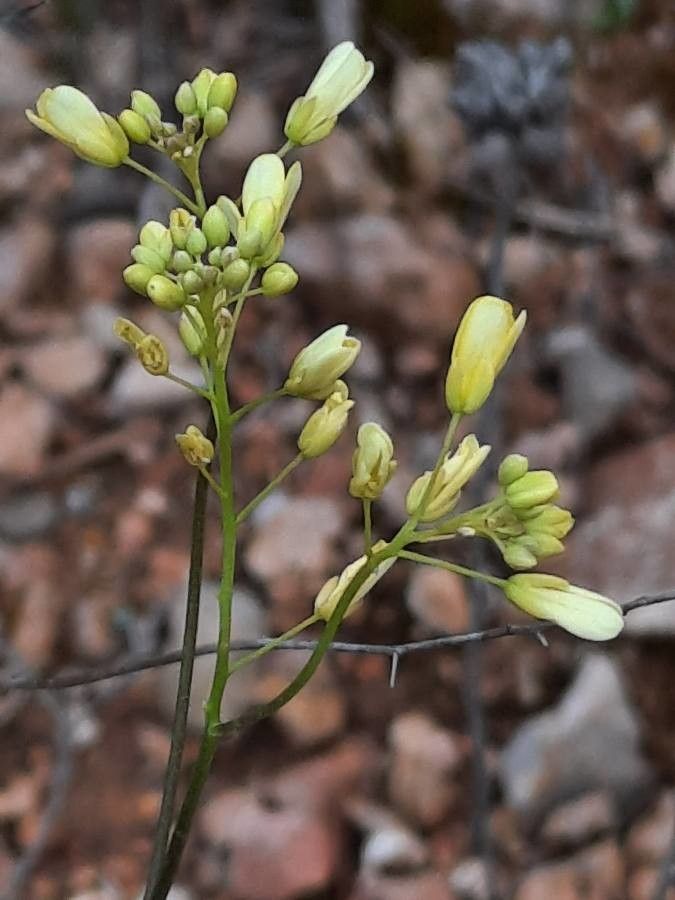
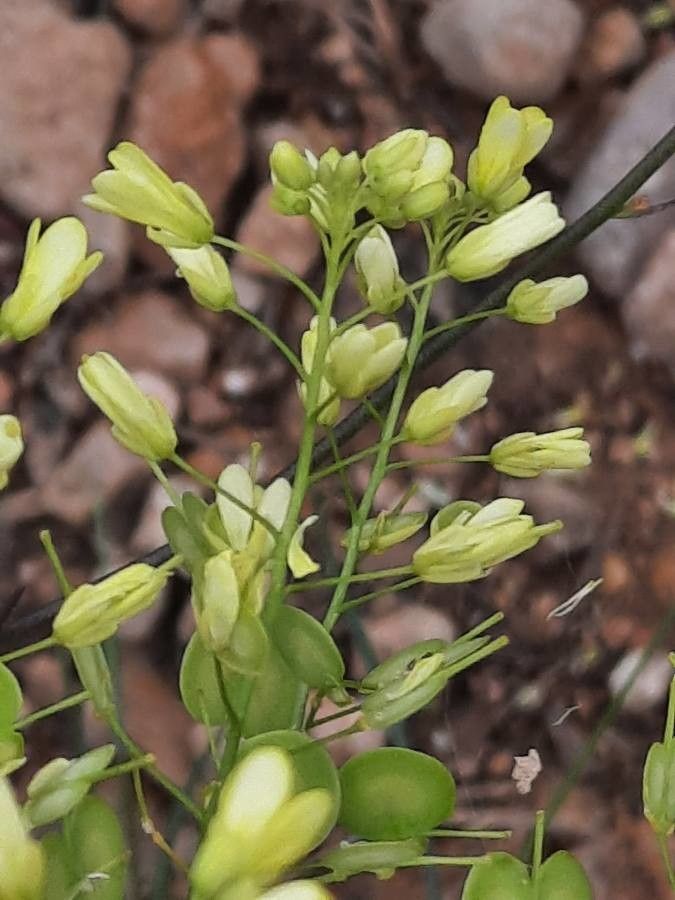
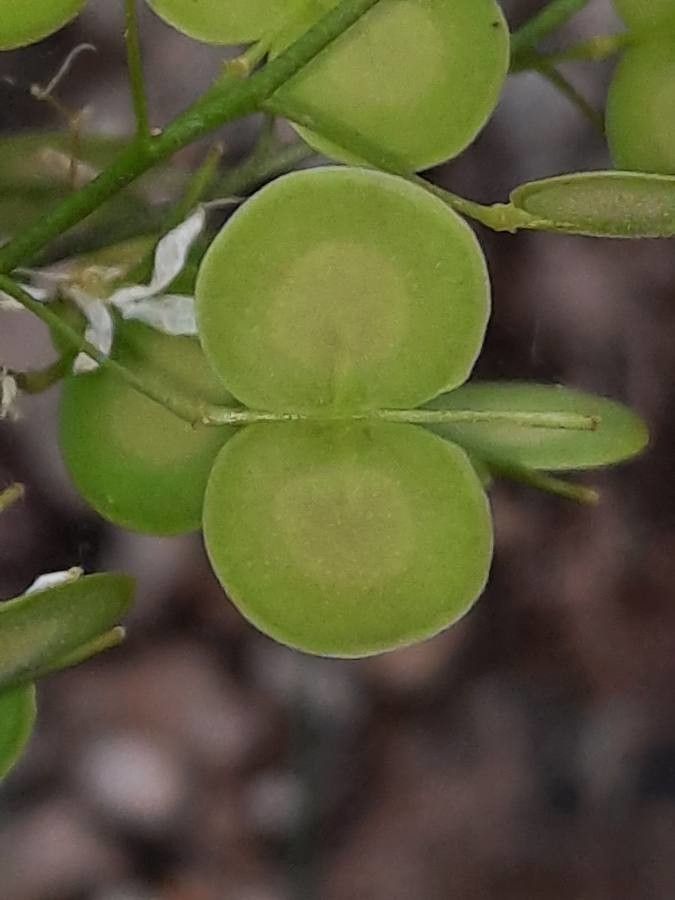
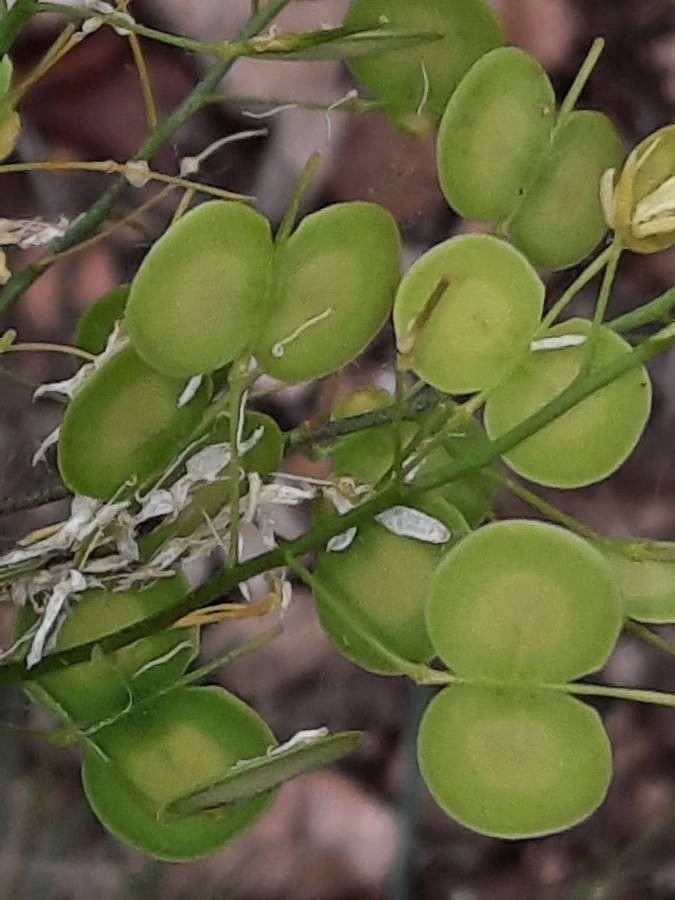
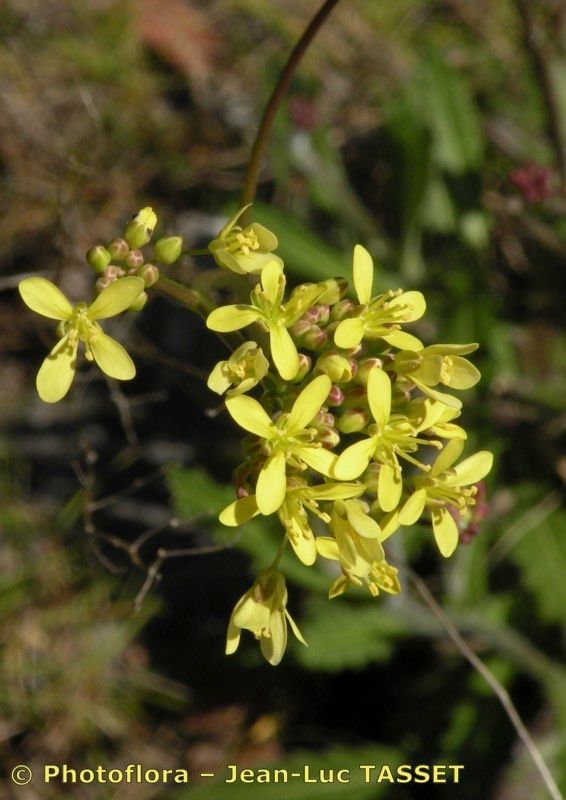
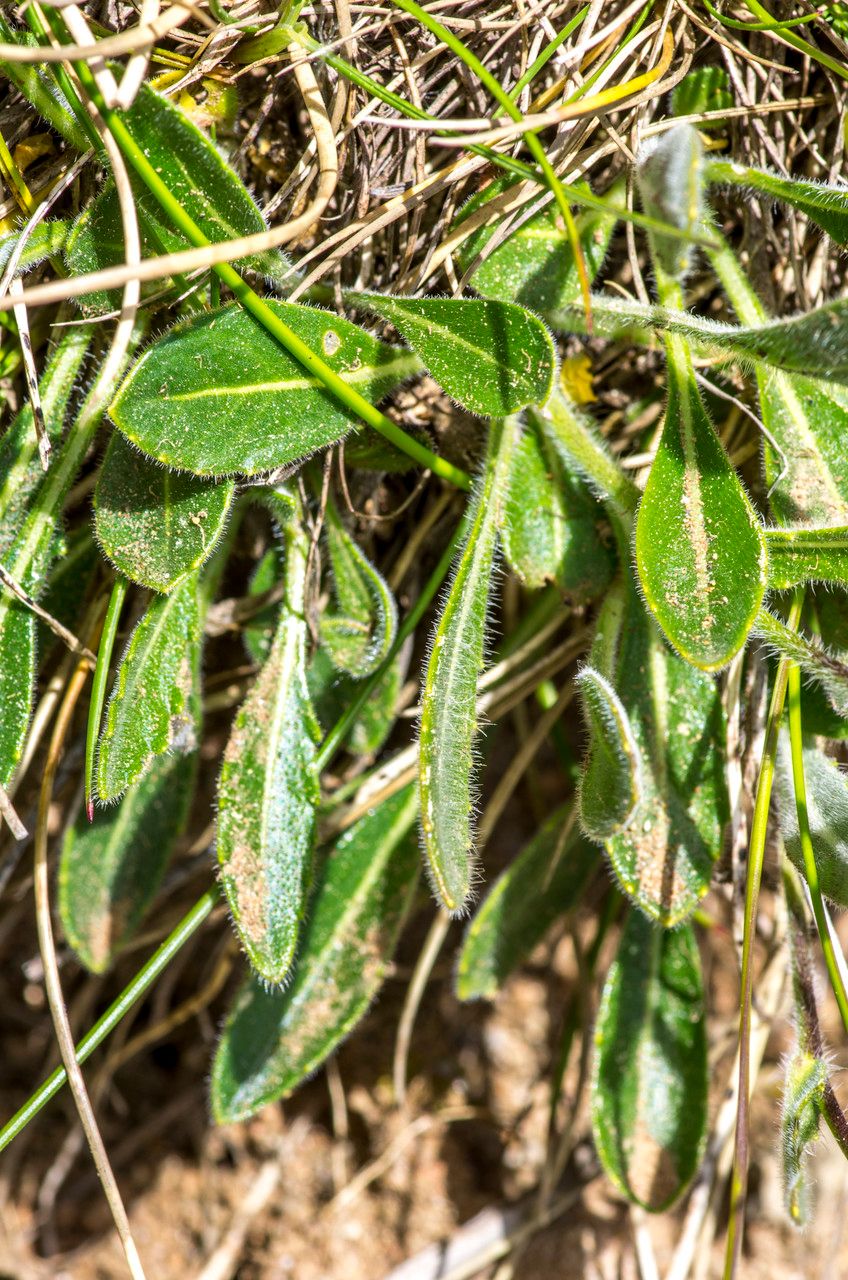
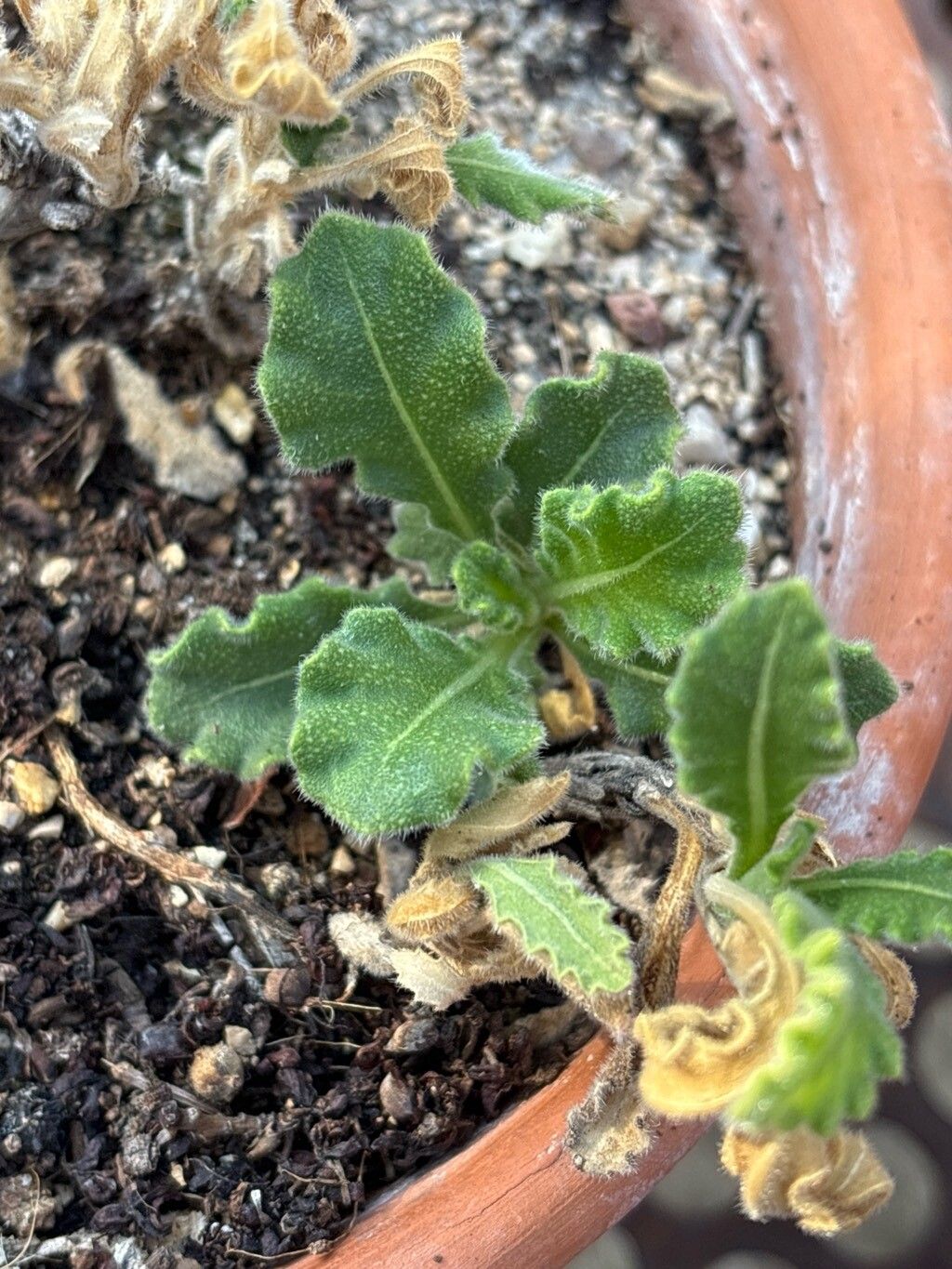
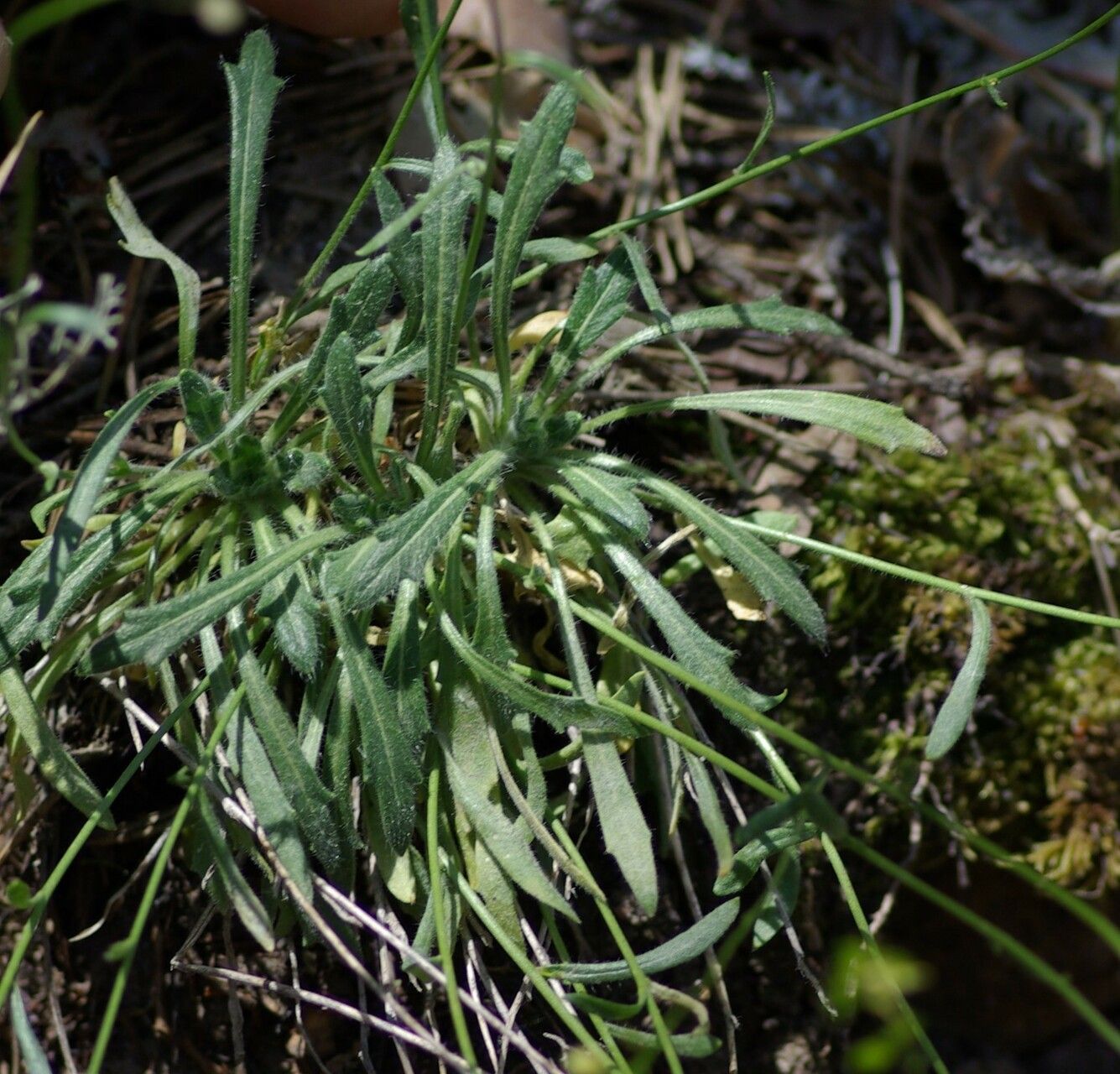
Biscutella laevigata, the buckler-mustard, Biscutella laevigata is a species of perennial herb in the family crucifers. They have a self-supporting growth form. They are associated with freshwater habitat. They have simple, broad leaves. Individuals can grow to 0.23 m.
Buckler mustard is quite resistant to disease and typically not susceptible to illnesses. However, it can be affected by pests and diseases present in its surroundings, though these problems are usually mild. Regarding care, the plant requires moderate maintenance. It needs regular pruning to maintain an attractive appearance and healthy growth. Fertilizing can also help encourage flowering. Buckler mustard is appropriate for anyone with outdoor space, such as a garden or patio, and does not demand extensive gardening experience. It may need more attention when grown indoors.
How to keep Biscutella Laevigata.
Light
Buckler mustard is a sun-loving perennial herbaceous plant native to open habitats and commonly found in meadows and grasslands. It prefers full sun but can also tolerate partial sun.
Water
Buckler mustard, which originates from Europe's rocky outcrops, is well-adapted to dry conditions and requires only infrequent watering. It does best with balanced humidity and should typically be watered once a week. When grown outdoors in temperate zones, buckler mustard adjusts to the seasonal rainfall patterns, which affect its growth and how efficiently it absorbs water.
Temperature
Buckler mustard is native to habitats where temperatures range from 41 to 89.6 °F (5 to 32 ℃). The plant prefers milder conditions. Seasonal adjustments may be necessary to replicate this temperature range.
Fertilizer
One application of fertilizer in spring is generally enough for Buckler mustard, but repeated feedings can boost growth to its fullest. Feed once every month to a month and a half. Fertilization improves the leaves' appearance and function, encouraging even color and a healthy texture. It also promotes root development and nutrient uptake for long-term plant health.
Pruning
Buckler mustard is distinguished by its silvery-green leaves and yellow flowers, and it thrives when pruned from early to late spring. To promote healthy growth and improve airflow, it's essential to remove damaged stems and manage overgrowth. Be sure to clean your tools to prevent infections, and prune sparingly to minimize stress on the plant. For the best results, consult credible horticultural sources for guidance.
Botanical profile.
- Plant Type
- Herb
- Life Cycle
- Perennial
- Genus
- Biscutella
- Family
- Brassicaceae
- Hardiness Zone
- 4-7
- Mature Height
- 15 cm to 40 cm
- Mature Spread
- 15 cm to 30 cm
- Leaf Color
- Green, Dark Green
- Leaf Type
- Evergreen
- Flower Color
- Yellow
- Flower Size
- 0.51 cm to 1.02 cm
- Bloom Time
- Mid spring, Late spring, Early summer
- Planting Time
- Spring, Autumn
- Harvest Time
- Summer
Other names.
Reader questions.
How should I water my Buckler mustard plant?
To ensure the well-being of the Buckler mustard plant, it is recommended to water it with filtered water at room temperature. Tap water may contain harmful particles that can negatively affect the plant's health. Since the Buckler mustard plant is accustomed to warm environments, using cold water may shock its system. It is also important to avoid watering the plant from above as this can cause problems with the foliage. Instead, it is best to apply filtered room temperature water directly to the soil until it is fully saturated. This method benefits the plant by moisturizing its roots and aiding in the absorption of essential nutrients from the soil.
What are the sunlight requirements for Buckler mustard?
Buckler mustard, botanically known as Biscutella laevigata, is a perennial herb that originates from sunny, open habitats like meadows and grasslands. The plant thrives best in full sun conditions, which means it requires more than 6 hours of sunlight daily. However, it can also tolerate partial sun, meaning it can grow in conditions that receive about 3-6 hours of sunlight a day. It's important to observe the movement of sunlight through your garden to find spots that offer the right balance of light and shade to ensure the health and happiness of your plants.
What is the ideal temperature range for Buckler mustard?
Buckler mustard, also known by its botanical name Biscutella laevigata, thrives in environments where the temperature ranges between 41 to 89.6 °F (5 to 32 °C). This plant prefers milder conditions and is highly cold-tolerant, making it adaptable to various climates without the need for additional frost protection measures in winter. However, to ensure the plant remains healthy during colder months, it is advisable to water it generously before the first freeze in autumn, allowing the soil to stay moist and enter a frozen state, which helps in preventing drought and water scarcity during winter and early spring.
What should I do if I give my Buckler mustard plant too much or too little water?
Both overwatering and underwatering can harm the health of your Buckler mustard, but overwatering is more common. When the plant receives too much water, the stems and leaves may wilt and turn yellow. Prolonged overwatering can also lead to diseases like root rot, mold, and mildew, which can be fatal to the plant. While underwatering is less likely, the leaves may become brittle and brown if it happens. It is important to quickly recognize the signs of overwatering to prevent irreversible damage. Reduce your watering schedule immediately if you notice early signs. Check if the soil drains poorly and replace it with a well-draining mix if necessary. If your Buckler mustard is not getting enough water, simply increase the watering frequency until the signs disappear.
How can artificial lighting be used for Buckler mustard indoor growth?
For Buckler mustard plants grown indoors, ensuring adequate lighting is crucial, especially when natural sunlight is insufficient, like during winter or in less sunny spaces. Artificial lighting serves as an effective solution to promote healthier and faster growth. Opt for LED lights, as they can be customized to provide specific wavelengths needed by the plants. Full sun plants require 30-50W/sq ft, partial sun plants need 20-30W/sq ft, and full shade plants require 10-20W/sq ft of artificial light. The light source should be positioned 12-36 inches above the plant to mimic natural sunlight, and most plants benefit from 8-12 hours of light per day to simulate natural daylight hours.
How does Buckler mustard react to extremely low temperatures?
Buckler mustard can tolerate extremely low temperatures, maintaining its resilience down to -30°C. Despite this high level of cold tolerance, exposure to temperatures below this threshold can impact the plant's vitality. While there may not be any noticeable changes during the winter, the plant might experience a decrease in sprouting or fail to sprout at all come springtime. To mitigate this, it's recommended to remove any parts of the plant that have failed to sprout as the warmer weather returns.
How much should I water my Buckler mustard plant?
If your Buckler mustard plant is in a pot, the most precise way to determine if it needs water is by checking the soil. Stick your finger into the soil and if the top two to three inches are dry, it's time to water it. If you have your Buckler mustard plant growing outdoors in the ground, you can use a similar method to test the soil. Again, if the first few inches of soil are dry, it's time to water. Typically, watering once a week is sufficient during spring and early fall. In extremely hot weather, it may be necessary to water twice or more per week. However, it's worth noting that mature, well-established Buckler mustard plants are impressively drought-resistant.
What are the symptoms of light deficiency in Buckler mustard?
Buckler mustard shows several symptoms when it does not receive adequate sunlight, crucial for its growth. Symptoms of light deficiency include smaller new leaves compared to previous ones, leggy or sparse growth with longer spaces between leaves leading to a stretched-out appearance, faster leaf drop as the plant conserves resources, slower or halted growth as the plant enters survival mode, lighter-colored new leaves indicating lack of chlorophyll, and chlorosis where leaves turn yellow due to chlorophyll breakdown. Overexposure to sunlight can cause symptoms like sunscald, leaf curling, wilting, and leaf scorching, damaging the plant's health.
What should I do if Buckler mustard is exposed to high temperatures?
Buckler mustard is susceptible to damage when exposed to temperatures above 32°C, leading to halted growth and an increased risk of rot. In such conditions, it's important to trim away any sunburned or dried-up parts of the plant. To protect the plant from excessive heat, consider moving it to a shaded area or using a shade cloth to block out the midday and afternoon sun. Additionally, watering the plant in the morning and evening will help keep the soil moist and reduce stress on the plant during hot spells.
How much water does my Buckler mustard require?
To properly water your Buckler mustard plant, don't be afraid to give it a generous amount of water. Make sure the top two to three inches of soil are dry before watering. When you do water, be sure to thoroughly soak the soil. The water should be enough to make excess water flow through the drainage holes in the pot. If you don't see excess water draining, you may not have given enough water. However, be cautious not to let the water accumulate in the soil, as this can be harmful to the plant. Additionally, if water is not draining well from the pot, it could be a sign of poorly draining soil, which is not good for the plant's health. Finally, if the plant is outside, about one inch of rain per week should be enough.
What solutions are there for Buckler mustard experiencing inadequate sunlight?
For indoor Buckler mustard plants suffering from insufficient sunlight, gradually moving them to a sunnier spot, ensuring they receive at least 6 hours of direct sunlight daily, is advisable. Use a south-facing window and keep curtains open during the day. If moving the plant is not feasible, consider providing additional light with desk or ceiling lamps for at least 8 hours daily or using professional grow lights. Outdoors, slowly transition your plants to sunnier locations to prevent sunburn. If sunlight is blocked by trees, prune branches and leaves to improve sunlight exposure. For smaller plants, consider transplanting during their dormant period, usually in late winter or early spring, to a location with ample sunlight and good drainage. Note that parts of the plant affected by previous low light may not recover, but new growth should be healthy once light conditions improve.
How do I water my Buckler mustard at different stages of growth?
The water needs of Buckler mustard can vary depending on its growth stages. In the first few years or when it has just been transplanted, it requires more water than usual. During these stages, the plant focuses on developing new roots for future growth, which require additional moisture. As the plant matures, it will require less water. Additionally, during the bloom period, the flower development process utilizes a significant amount of moisture, so more water may be needed at this time.