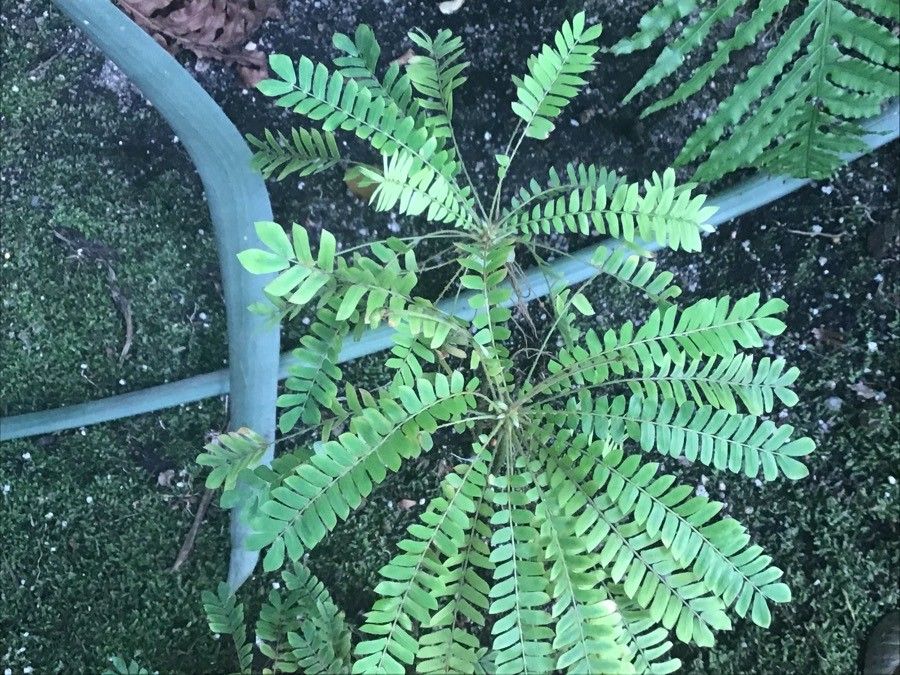
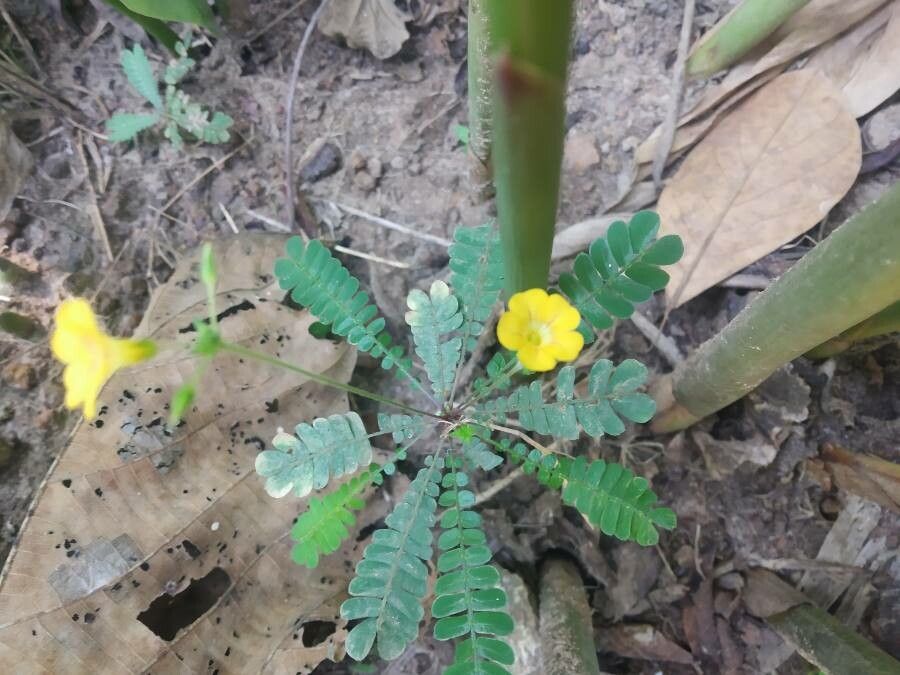
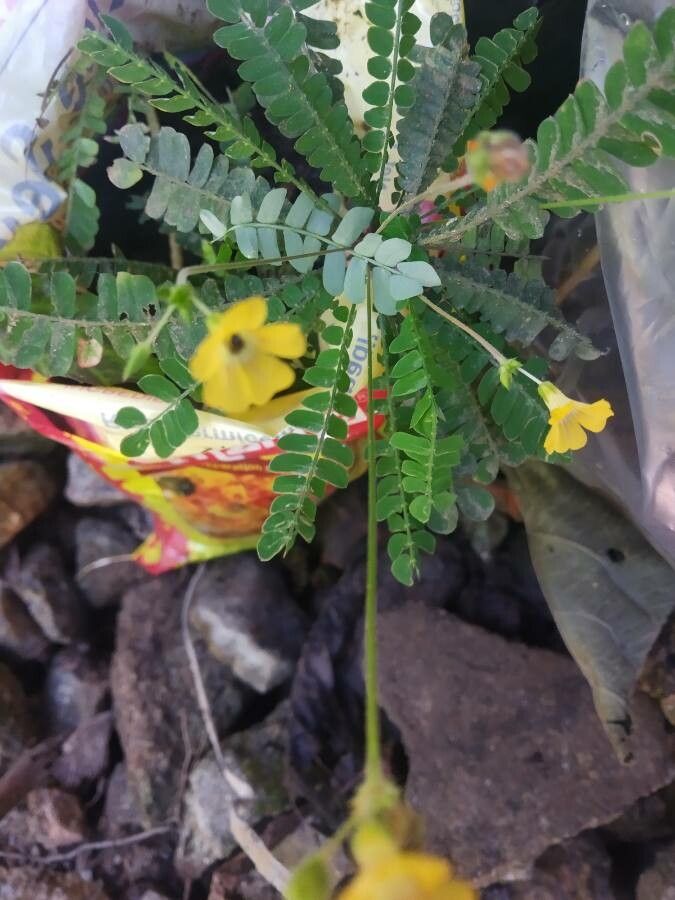
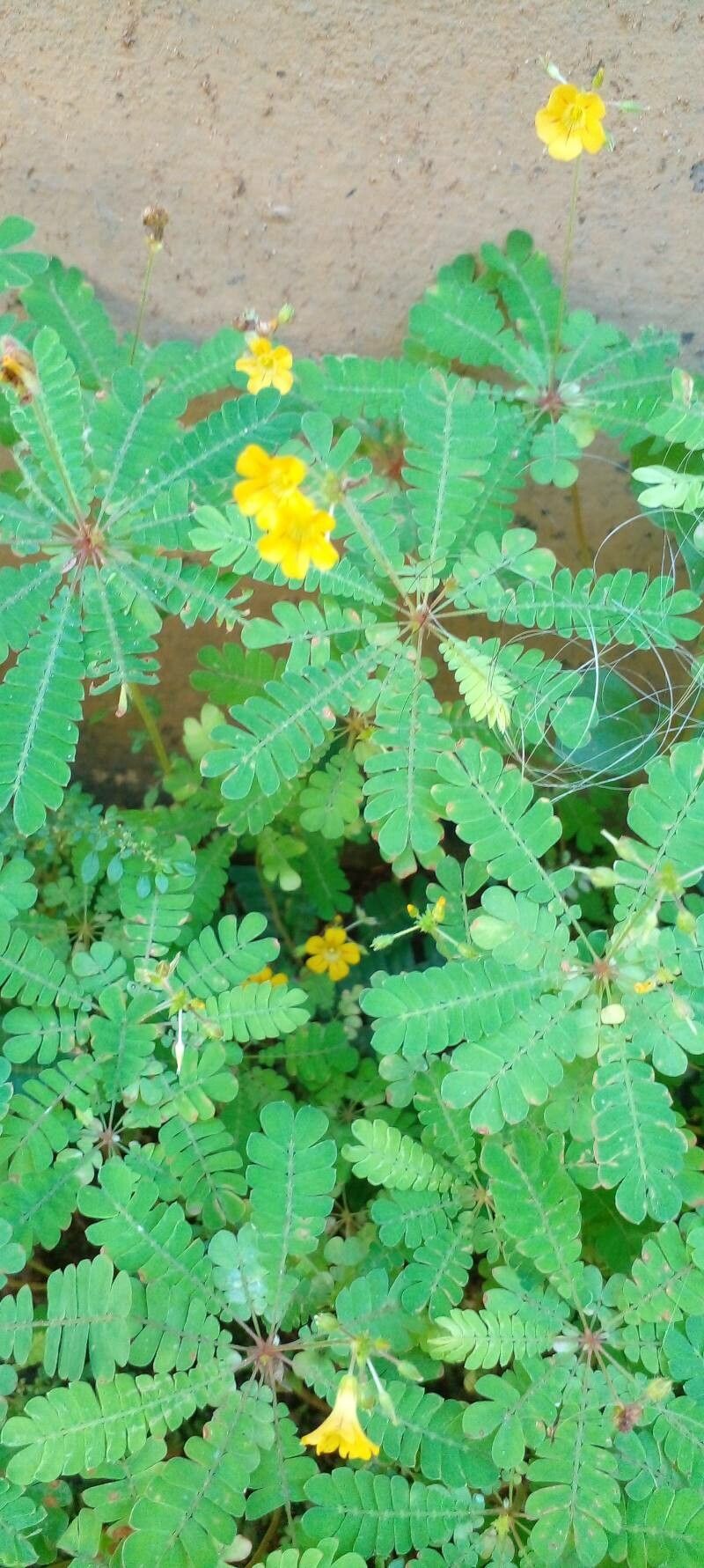
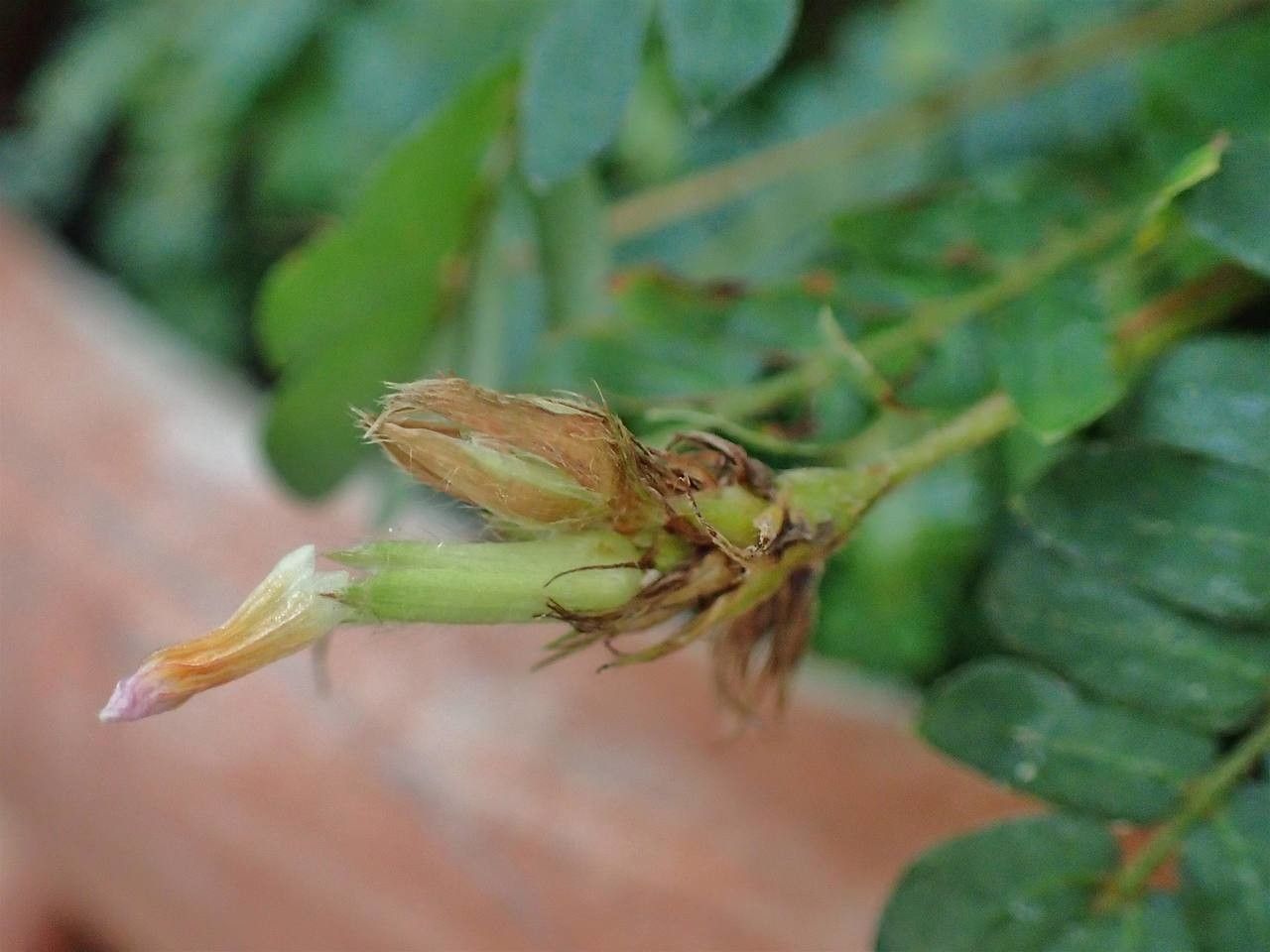
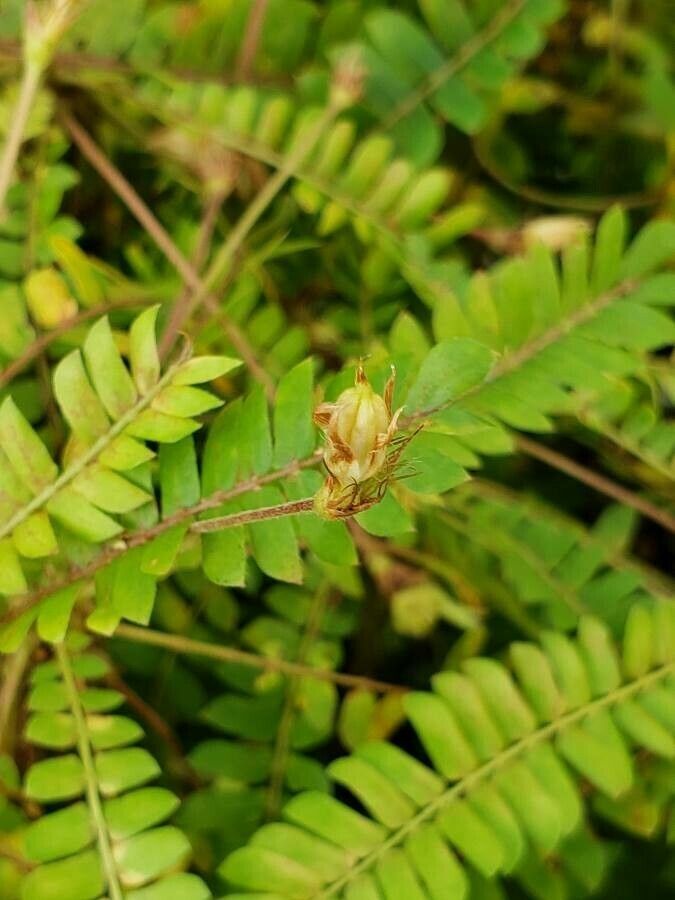
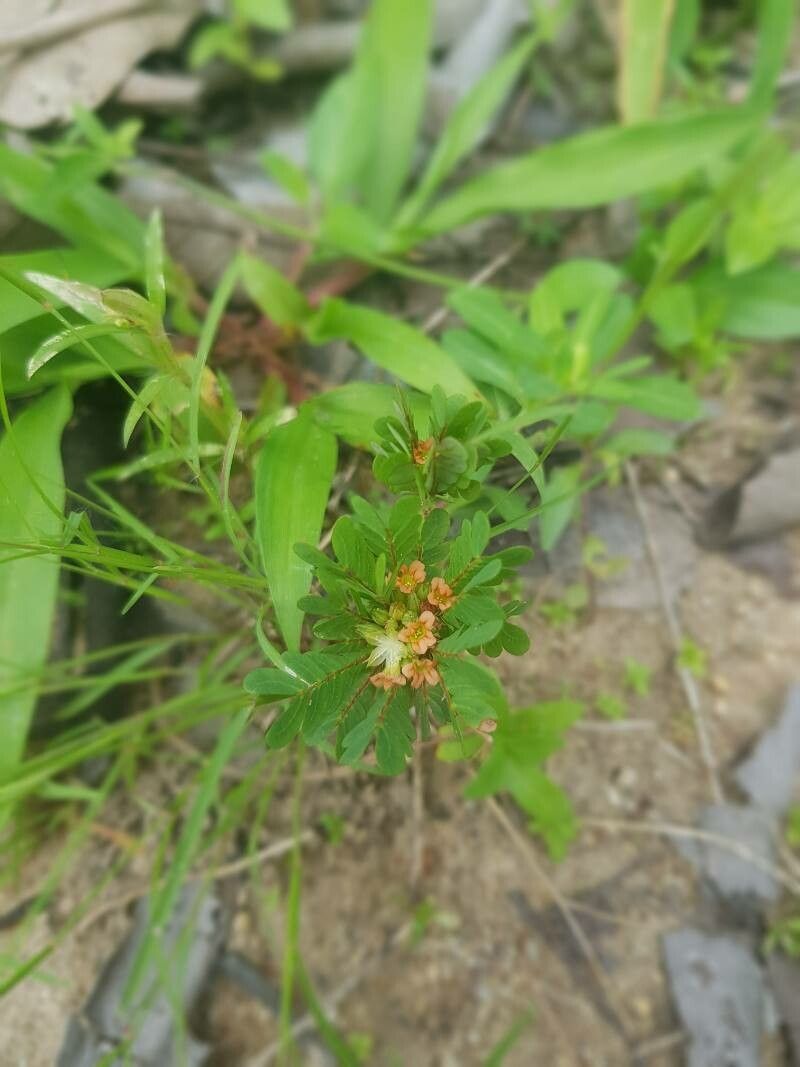
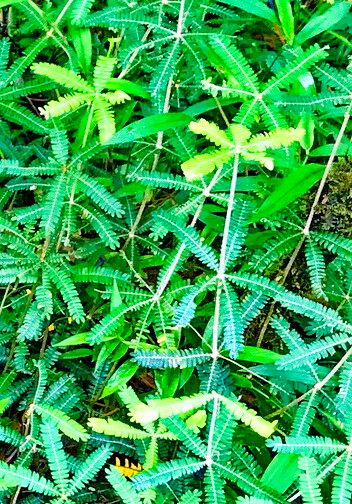
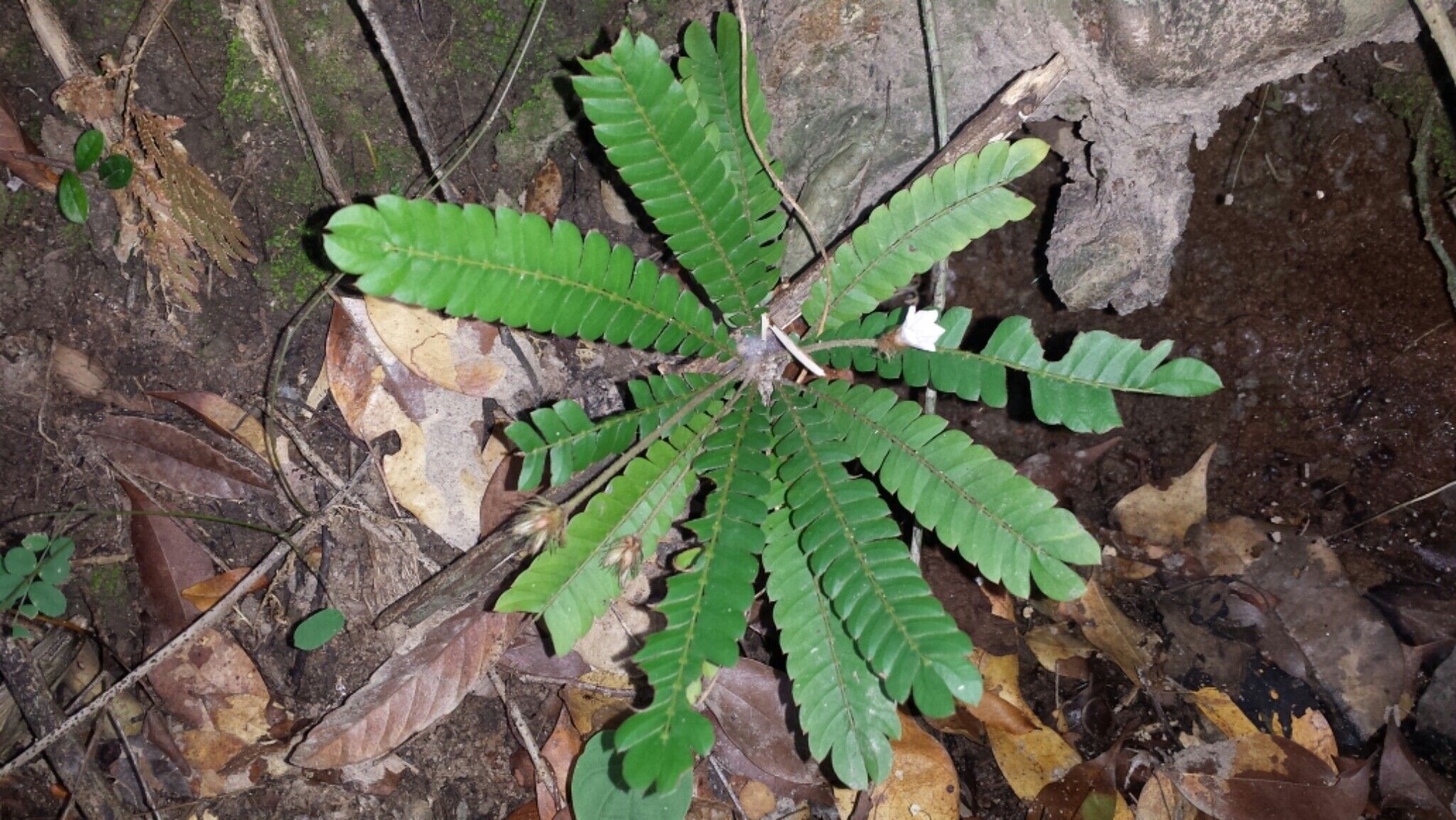
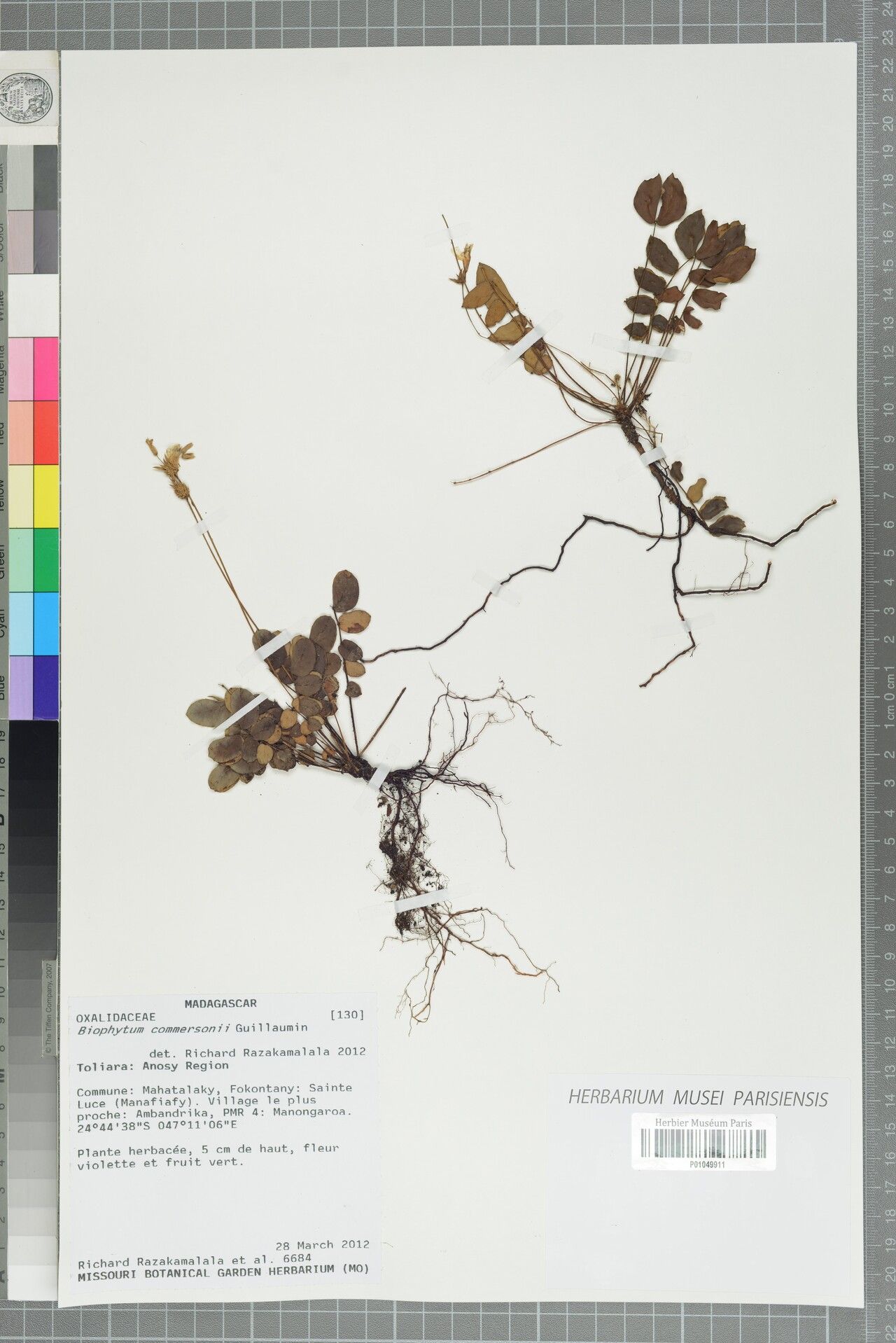
Biophytum sensitivum, commonly known as the sensitive plant or little tree plant, is a small herbaceous plant in the Oxalidaceae family. It is native to tropical regions of Asia and Africa, thriving in moist soil and shaded areas such as forests, riverbanks, and wetlands.
The sensitive plant earns its name from its unique ability to respond rapidly to touch or movement. When touched or disturbed, its leaves fold inwards and droop, only to return to their original position after a few minutes.
The leaves of Biophytum sensitivum are small (about 1-2 cm long) with five leaflets arranged like fingers on a hand. The leaflets are green on top with purple undersides, which become more prominent upon touch.
Despite its delicate appearance, this hardy plant has been used medicinally for centuries in traditional practices across Asia and Africa. It has been used as an anti-inflammatory agent to treat skin conditions such as eczema and psoriasis, and it has also been used for treating fever, coughs, colds, and other ailments.
Overall, Biophytum sensitivum is an intriguing herbaceous species that can be grown indoors or outdoors under suitable conditions. It requires moist soil with good drainage and partial shade, making it ideal for indoor gardening as well.
Life plant has strong disease resistance and is generally not prone to illnesses. However, it can be vulnerable to pests and diseases found in its surroundings. These problems are typically mild. Care requirements are moderate. Regular pruning is necessary to keep a neat appearance and support healthy growth. Fertilizing can also help encourage flowering. Life plant is appropriate for anyone with outdoor space, such as a garden or patio, and does not demand extensive care experience. It may need more attention when grown indoors.
How to keep Biophytum Sensitivum.
Light
Life plant does best in bright light and tolerates partial shade. Its native habitat suggests it grows in places that receive a lot of sunlight. However, too much exposure can cause harm. Too little light can impede its growth and health.
Water
The life plant thrives in humid tropical environments and requires weekly watering for optimal growth. While it is drought-tolerant and well-suited for indoor cultivation, it still needs consistent moisture without becoming waterlogged. Its ability to adapt to varying moisture levels is a reflection of its rainforest origins.
Humidity
This plant prefers dry conditions, so don't mist it. However, watering it less often can also thrive in higher humidity.
Temperature
Life plant originates from tropical climates and prefers temperatures between 68 and 100.4 °F (20 to 38 ℃). Across the seasons, maintaining this temperature range is essential for proper growth and survival. Adjust the surrounding temperature accordingly.
Fertilizer
Once the Life plant has opened most of its flowers to full size, resume fertilizing. When the blooms are at their peak production, start fertilizing again every three to four weeks, as weather allows. Then, when the Life plant begins producing fewer new blooms, stop fertilizing; there is no need to fertilize if the plant can no longer produce additional blooms.
Pruning
The life plant is sensitive to touch and reacts to stimuli. To encourage bushier growth, it should be pruned in early spring. Begin by removing any dead leaves and trim the stems back to one-third of their length. Regular pruning helps maintain a compact shape, improves air and light circulation, and extends the plant's lifespan.
Botanical profile.
- Plant Type
- Herb
- Life Cycle
- Annual, Perennial
- Genus
- Biophytum
- Family
- Oxalidaceae
- Hardiness Zone
- 9-11
- Mature Height
- 5 cm to 20 cm
- Mature Spread
- 10 cm
- Leaf Color
- Green, Light Green
- Leaf Type
- Evergreen
- Flower Color
- Yellow
- Flower Size
- 2.54 cm
- Bloom Time
- Summer, Early fall, Mid fall
- Planting Time
- Spring, Summer
- Harvest Time
- Late summer, Fall, Early winter
- Native Area
- Nepal, Sri Lanka, India, Malaysia, Indonesia, Cambodia, Vietnam, Myanmar, Philippines, Bangladesh, Laos, Thailand, China
Other names.
Reader questions.
How should I water my Life plant to make it thrive the most?
There are a few different methods you can use to water a Life plant. You can use a garden hose with a spray nozzle, a watering can, or really any common watering tool. Life plants are not too particular about where their water comes from - rainwater, tap water, or filtered water will all work just fine. However, it's generally best to avoid watering this plant from overhead because it can damage the leaves and flowers and potentially lead to disease. Instead, a drip irrigation system is often the best way to water a Life plant. These systems distribute water evenly and directly to the soil. If you have a Life plant growing in a container, you can use a similar approach but with different tools. Simply use a cup, watering can, or tap water to apply the water directly to the soil in the container.
Why should I give nutrients to my Life plant?
Plants require nutrients to grow, but some plants, like Life plants, can acquire these nutrients without the need for fertilizers. Similar to other plants, Life plants use nutrients to support growth and internal processes. There are three main nutrients that plants use: nitrogen, phosphorus, and potassium. These nutrients are crucial for various essential functions of a plant. In particular, nitrogen plays a significant role in supporting foliage growth. However, obtaining enough nitrogen from the soil can be challenging for Life plants. As a result, many gardeners choose to supplement their Life plants with additional sources of nitrogen.
What are the sunlight requirements for Life plant?
The Life plant requires specific sunlight conditions to thrive. It needs full sun, which is above 6 hours of sunlight daily, or partial sun, about 3-6 hours of sunlight. It's crucial to observe how sunlight moves through your garden to find spots that offer the right balance of light and shade, ensuring the plant's happiness and growth.
What is the optimal temperature range for the Life plant?
The Life plant, also known by its botanical name Biophytum sensitivum, thrives in tropical climates and prefers a temperature range of 68 to 100.4 °F (20 to 38 °C). It is crucial to maintain this temperature range throughout the different seasons to ensure the plant's proper growth and survival. During colder months, it's recommended to bring the Life plant indoors, placing it near a bright window but away from direct heat sources to maintain temperatures above 20°C, ensuring its growth.
What should I do if I give too much or too little water to my Life plant?
The solution for underwatering the Life plant is simple - water it more regularly if you notice it lacks moisture. On the other hand, overwatering can be a more serious issue, particularly if it goes unnoticed. Overwatering can lead to diseases that cause the plant to decline and eventually die. To prevent this, it's important to choose a suitable location for the plant that receives enough sunlight to dry the soil and has proper drainage to avoid waterlogged soil. If you have overwatered a Life plant in a pot, you may need to transfer it to a new pot with better drainage. Ensure that the new pot has loose soil and adequate drainage holes when repotting the plant.
When should I put fertilizer on my Life plant?
Life plant grows well on its own, but you can give it a boost by using fertilizer about once a month when it is actively growing. During the spring and summer months, you should fertilize the Life plant once a month. However, in the fall and winter when the plant is less active and doesn't require as many nutrients, you should avoid fertilizing. Look for signs of new growth to know when to start fertilizing the Life plant. Whether the plant is grown outside or in a container indoors, the fertilization schedule remains the same. If your Life plant is in a container, you may not need to fertilize for the first one to two months. Container plant potting soil already contains sufficient nutrients, so you should only begin fertilizing after the plant has been in the same soil for a while.
How does the Life plant respond to its lighting conditions?
The Life plant thrives in environments that offer plentiful illumination, similar to its natural habitat, and can tolerate moderate light coverage. While it can withstand an ample amount of sunlight, extreme exposure may lead to potential harm. Insufficient light, conversely, can inhibit its growth and overall wellbeing. In cases where natural sunlight is not enough, especially during winter or in less sunny spaces, artificial lighting can be a beneficial alternative to promote healthy growth.
How should I care for the Life plant during low temperatures?
In low temperatures, the Life plant is at risk since it prefers warmth and thrives best above 20°C. If temperatures drop below 0°C, it will suffer, and exposure to temperatures below -5°C can cause the leaves to lighten in color, eventually turning brown or black with symptoms like wilting and drooping. To protect against low temperatures, trim off any frost-damaged parts and move the plant indoors to a warm environment. Ideally, it should be placed near a south-facing window for ample sunlight, while ensuring it's not too close to heaters or air conditioners that could overly dry the air.
How frequently should I water my Life plant?
To ensure the health of your Life plant, you need to water it regularly throughout the growing season. In the spring, watering once a week is sufficient. However, as the season progresses and it gets warmer, you may need to water it two to three times a week. Be careful not to overdo it as excessive watering can harm the plant. Also, make sure the soil remains moist but not wet, regardless of how often you water. If your Life plant is in a pot, it needs more frequent watering compared to an in-ground plant. The soil in a pot tends to dry out quickly, so watering a few times a week is recommended.
When is the best time to not fertilize my Life plant?
To ensure the best results, refrain from fertilizing Life plants that are unhealthy, such as those with diseases or insect pests. Additionally, avoid fertilizing dehydrated plants, as this can worsen the issue. It is advisable to only fertilize plants that are in good health. When watering, be cautious not to splash fertilizer onto the leaves or stem of the plant, as it can cause burned spots. Unless you are using a specific foliage fertilizer, it is best to prevent direct contact between the plant and the fertilizer.
What are the effects of inadequate light on a Life plant?
When a Life plant does not receive sufficient light, it may display several symptoms indicating light deficiency. These symptoms include the development of smaller than usual leaves, leggy or sparse growth, premature leaf drop, halted growth, lighter-colored new leaves, chlorosis, sunscald, leaf curling, wilting, and leaf scorching. These responses to inadequate light signify the plant's struggle to maintain its health and productivity.
What are the precautions for caring for the Life plant in high temperatures?
The Life plant should be maintained below 38°C during summer to prevent heat stress. Exposure to temperatures exceeding 43°C can lead to lighter leaf color and increased susceptibility to sunburn. If the plant does exhibit signs of sunburn or drying, trim away the affected parts. Relocate the plant to a shaded area, particularly during the peak sun hours of midday and afternoon. It is also beneficial to water the plant in the morning and evening to maintain soil moisture and help the plant cope with high temperatures.