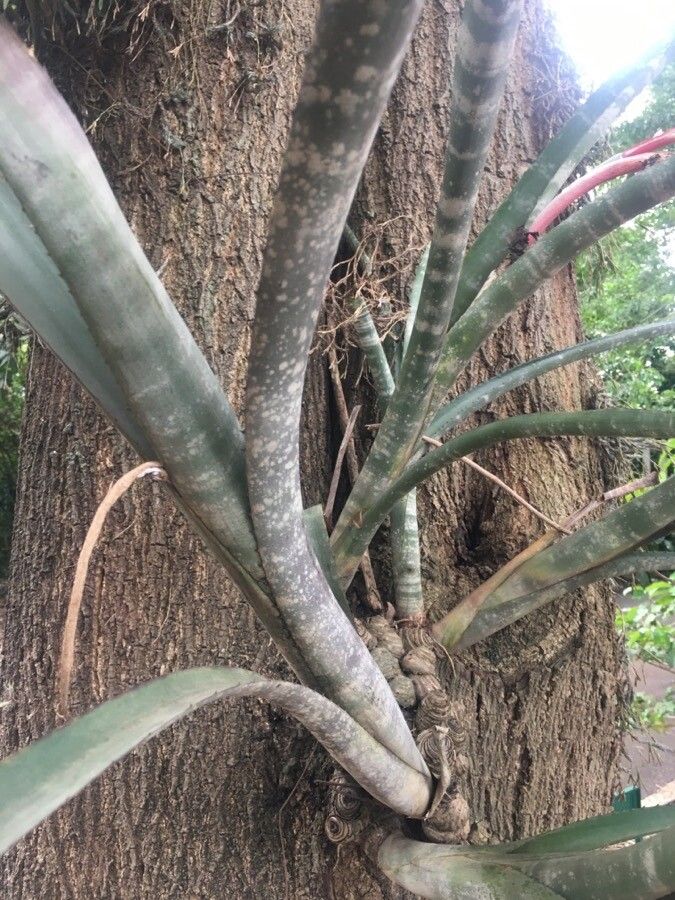
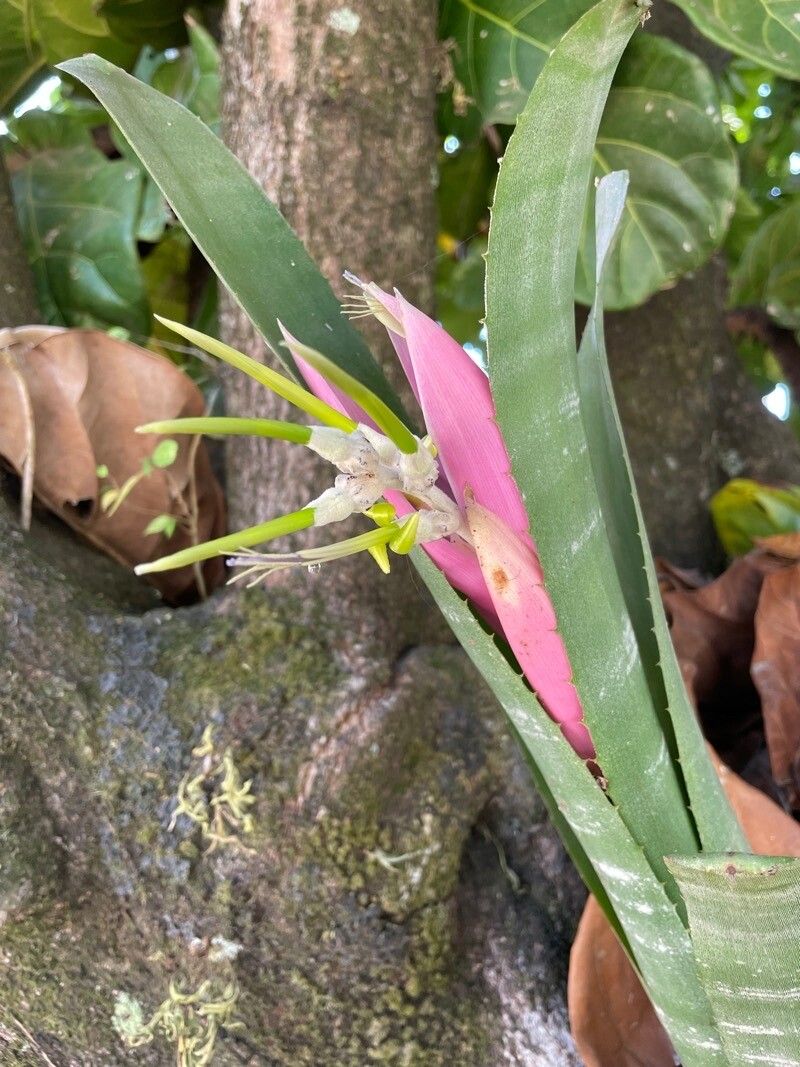
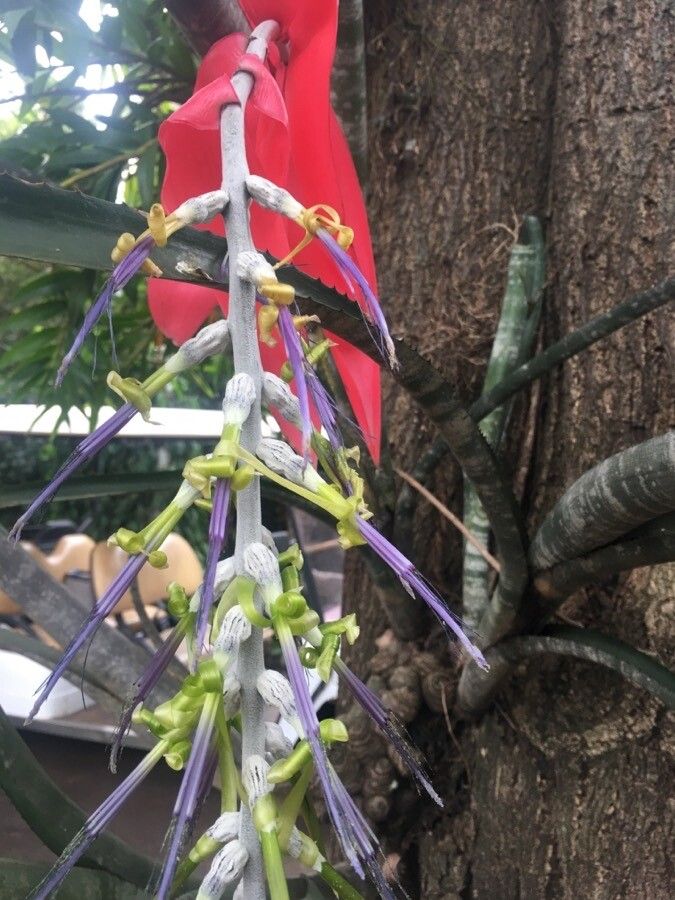
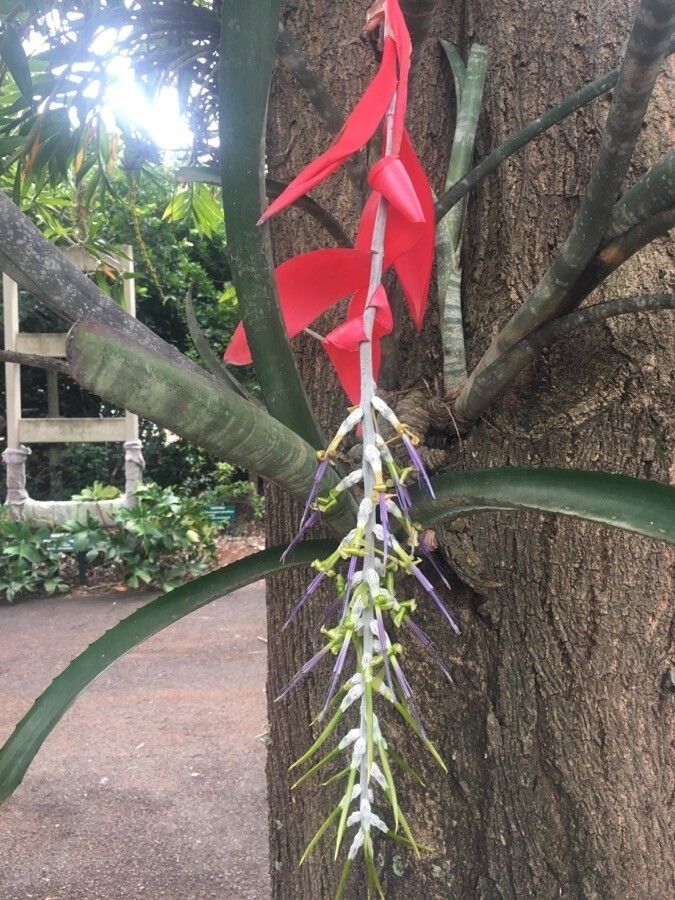
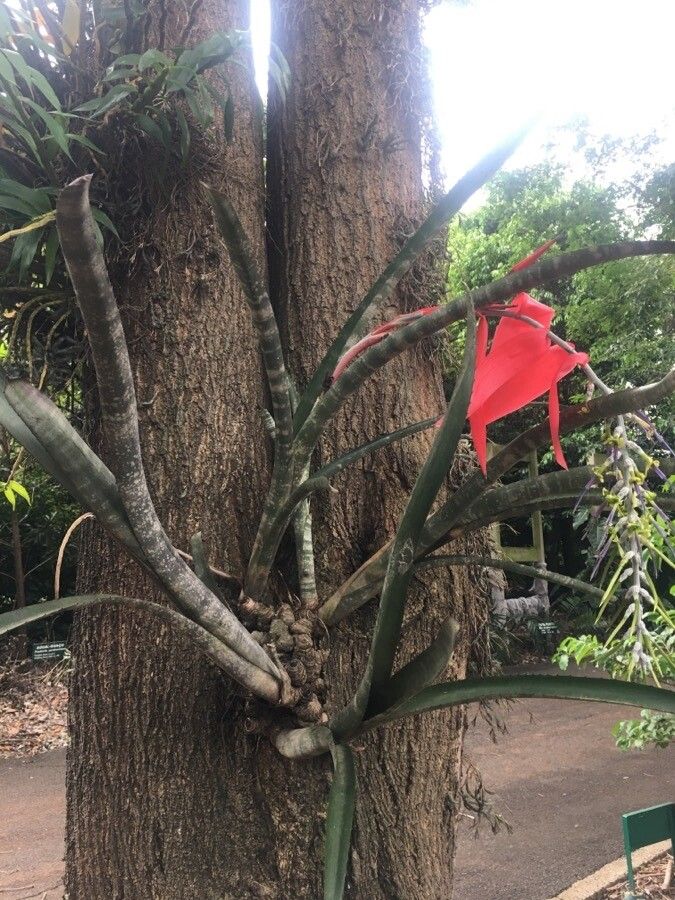
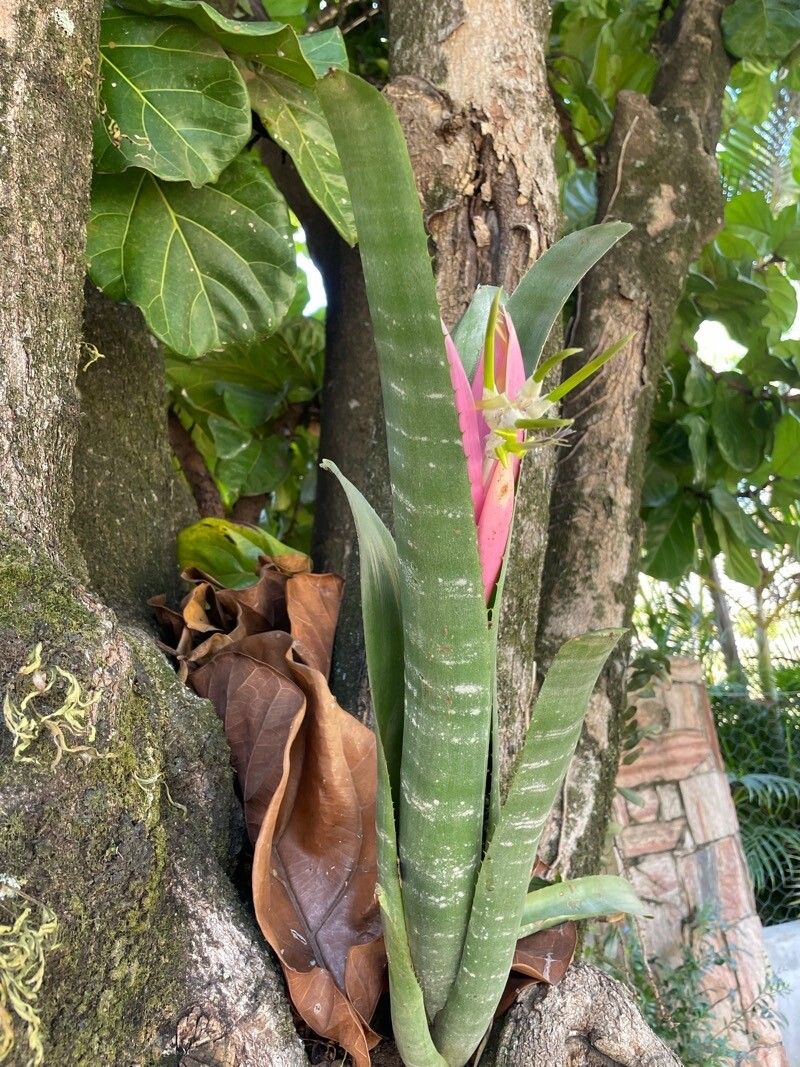
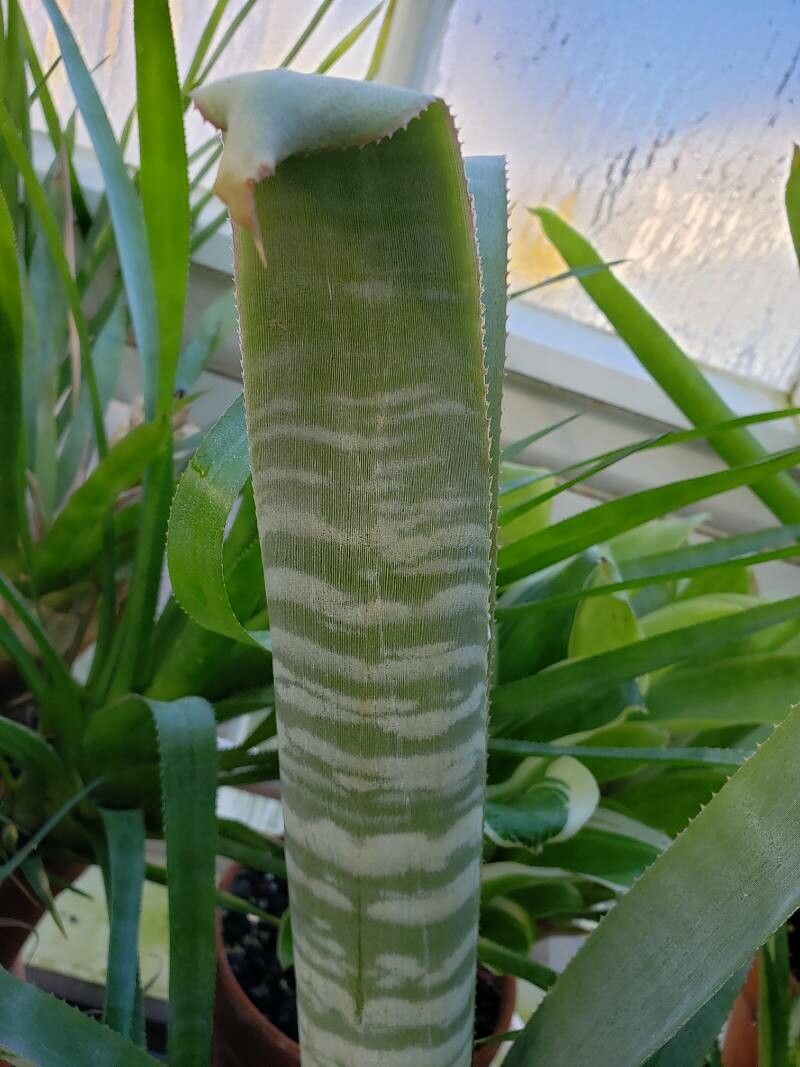
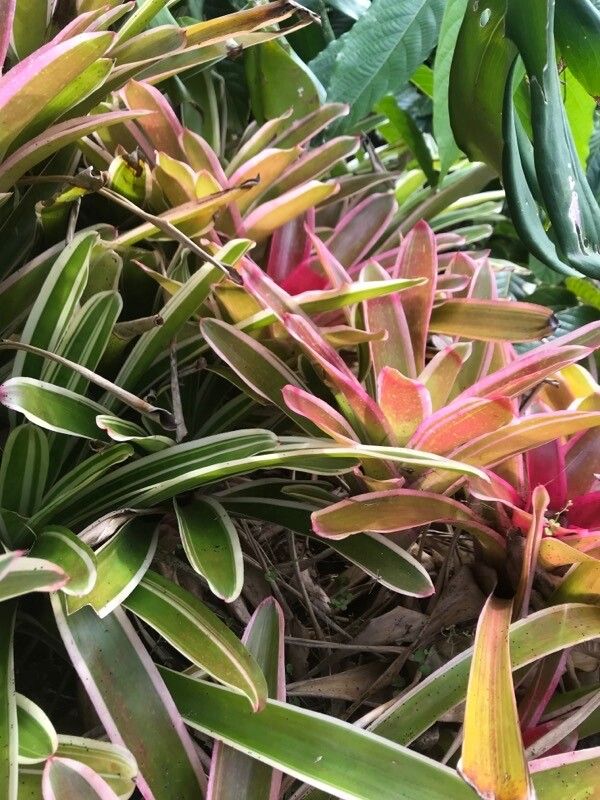
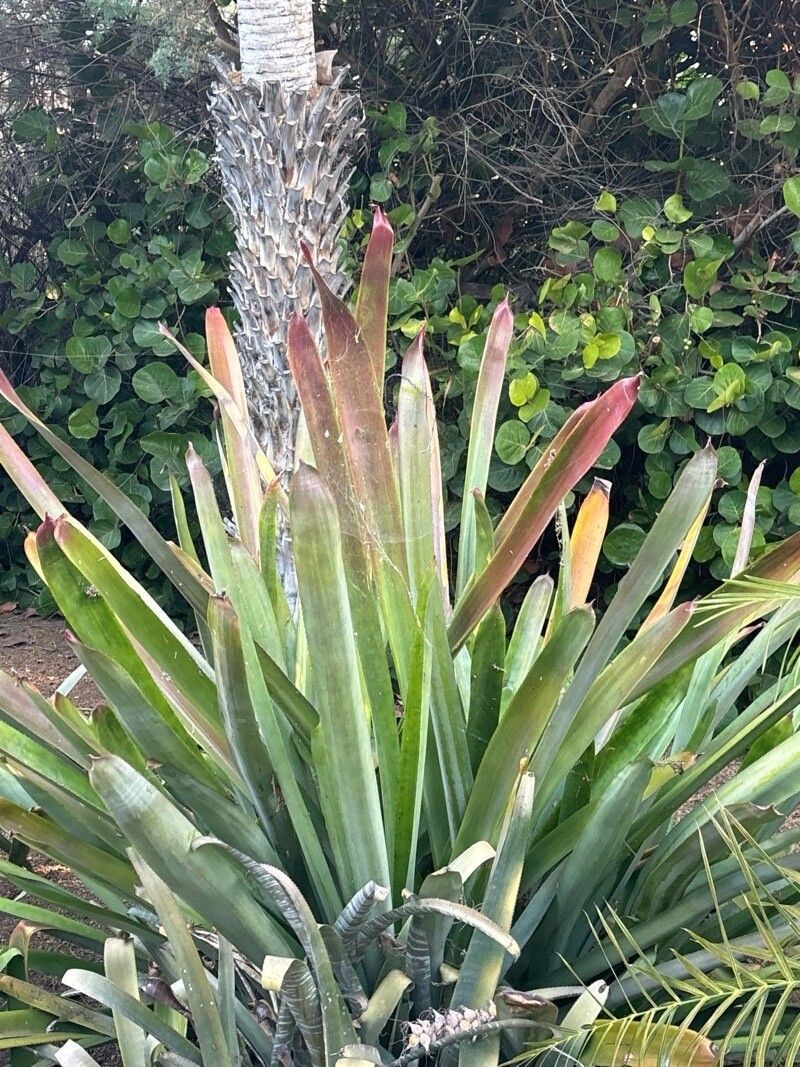
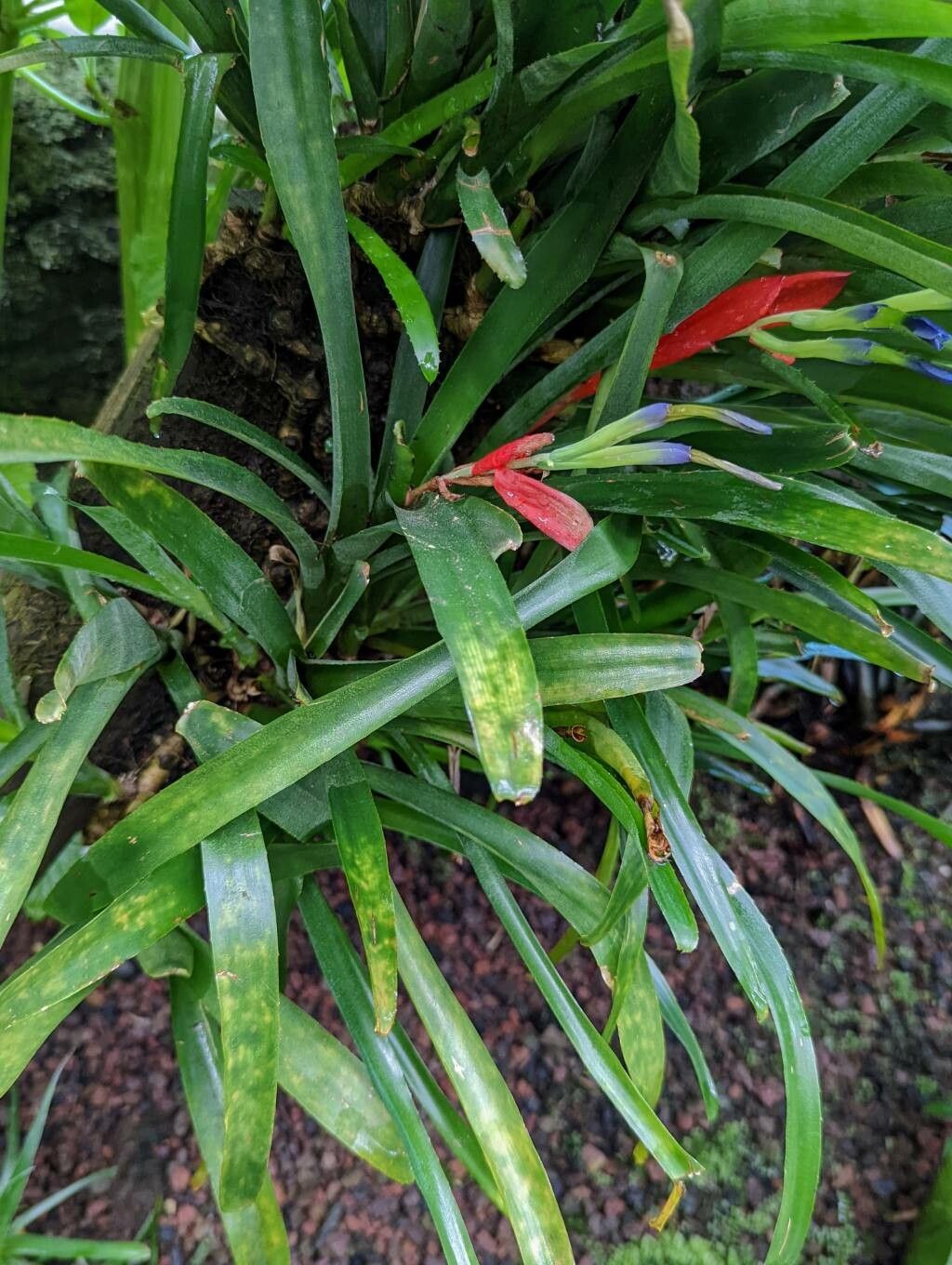
Billbergia zebrina is a species in the genus Billbergia. This species is native to Brazil, Argentina, Uruguay, and Paraguay.
Queen's tears is fairly disease-resistant and usually does not suffer from illnesses. However, when kept in poor conditions it can become more prone to disease. It also attracts few insect pests. Carewise, this plant has moderate needs. It requires ample sunlight, since a lack of light can increase disease susceptibility and cause thin, spindly growth. Because it is often grown indoors, it may need to be moved regularly to a well-lit spot. It does not need frequent watering. Overall, Queen's tears is suitable for most people, though it is best for those who can provide good light conditions.
How to keep Billbergia Zebrina.
Light
Queen's tears comes from habitats like forest understories that offer natural shade. It favors partial sun but can withstand full sun when necessary.
Water
Queen's tears absorb water through their central urn, which should be filled to one-quarter capacity. Replenish the water every 3-4 weeks during the summer and every 7-8 weeks in the winter. A medium-sized plant requires 1-1.5 millimeters of water daily. However, be careful not to overwater, as this can lead to root rot.
Temperature
Queen's tears does well in warm conditions. If the temperature falls too low, the plant may stop growing or suffer frost damage. It is highly tolerant of heat and humidity and needs a consistent amount of moisture in its surroundings. Nevertheless, excessively high temperature and humidity can make it vulnerable to fungal infections. In dry environments, regular watering and misting are needed to keep the air sufficiently humid. The plant is sensitive to sudden temperature changes, so maintaining a relatively steady temperature is important.
Pruning
"Queen's tears is known for its stunning foliage and cascading blooms, flourishing with little need for pruning. For optimal growth and flowering, concentrate on removing dead or damaged parts in early spring. Be sure to use sterilized tools and refrain from over-pruning to preserve its natural shape and enhance its aesthetic appeal."
Pot & Repot
When repotting Queen's tears, pick a pot 1-2 inches (2.5–5.1 cm) larger that has good drainage. Use a well-draining potting mix. Repot in spring or fall, making sure the root ball sits slightly lower than the rim of the pot. Water thoroughly after repotting and place the plant in a warm spot with indirect sunlight.
Botanical profile.
- Plant Type
- Succulent
- Life Cycle
- Perennial
- Genus
- Billbergia
- Family
- Bromeliaceae
- Hardiness Zone
- 10-12
- Mature Height
- 30 cm to 61 cm
- Mature Spread
- 40 cm to 61 cm
- Leaf Color
- Green, Dark Green
- Leaf Type
- Evergreen
- Flower Color
- Pink, Purple
- Flower Size
- 3.05 cm to 5.08 cm
- Bloom Time
- Mid winter, Late winter, Early spring
- Planting Time
- Spring, Summer, Autumn
- Harvest Time
- Mid spring, Late spring, Early summer
- Native Area
- Brazil