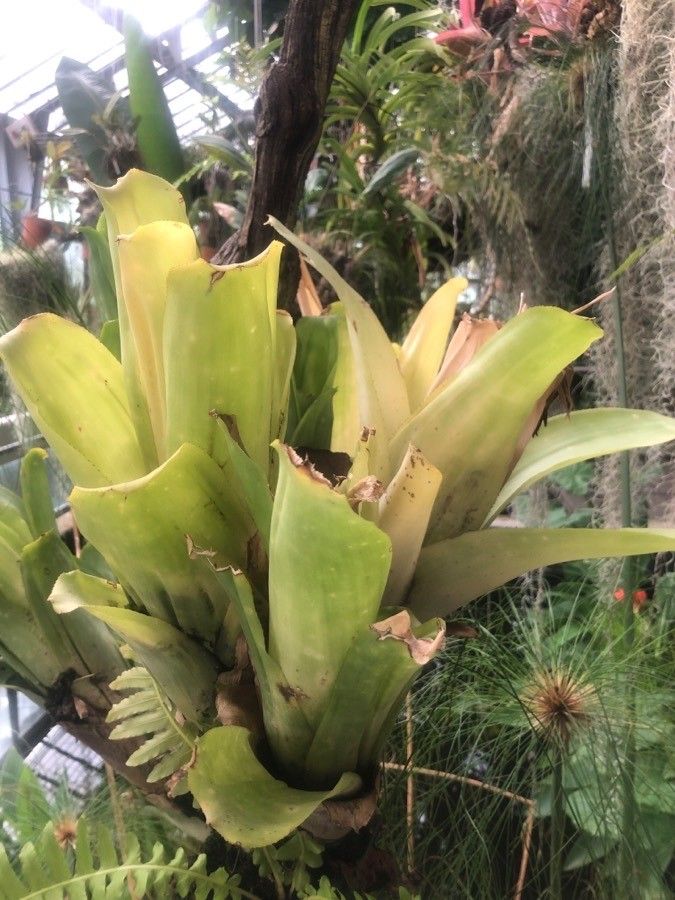
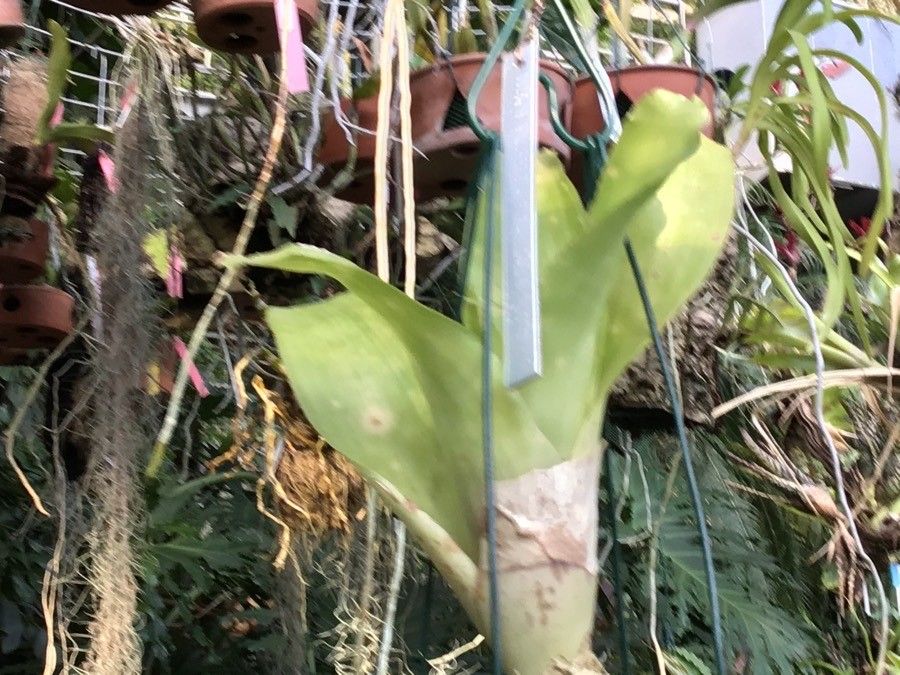
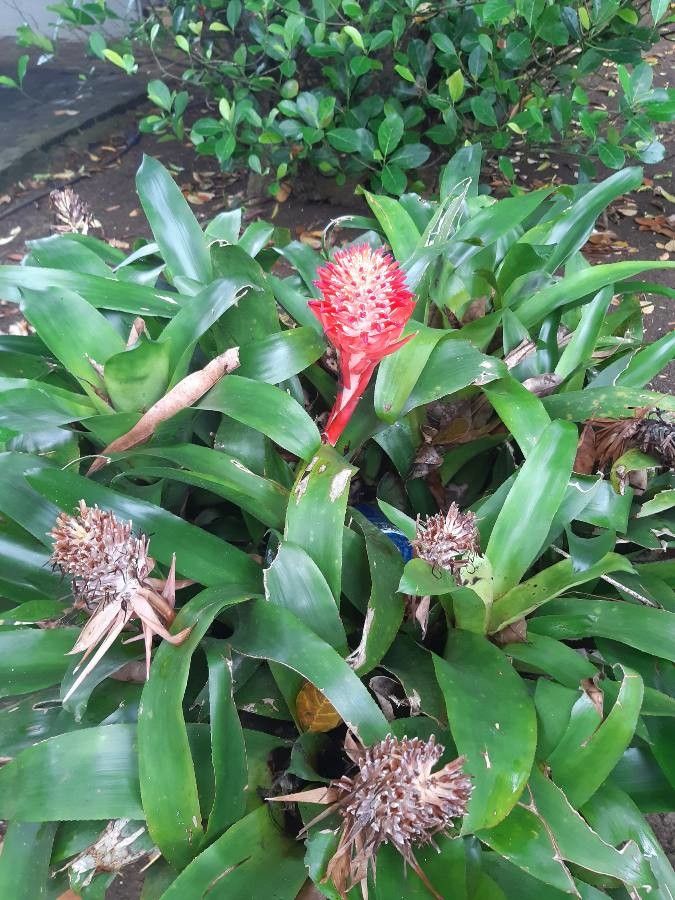
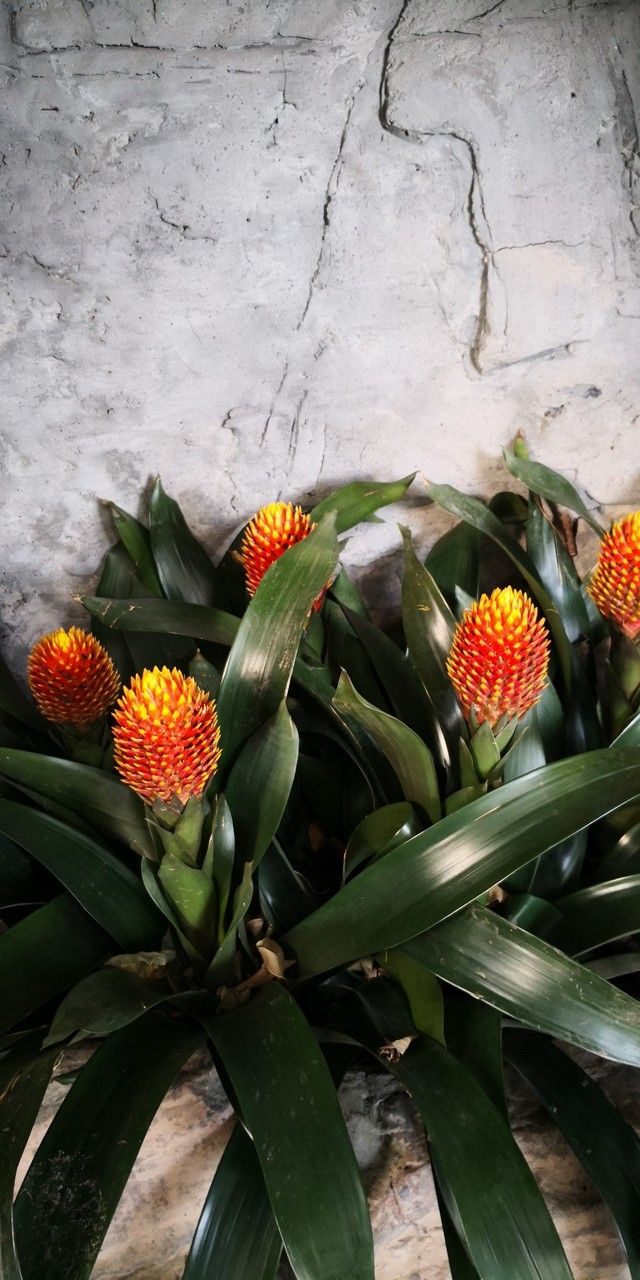
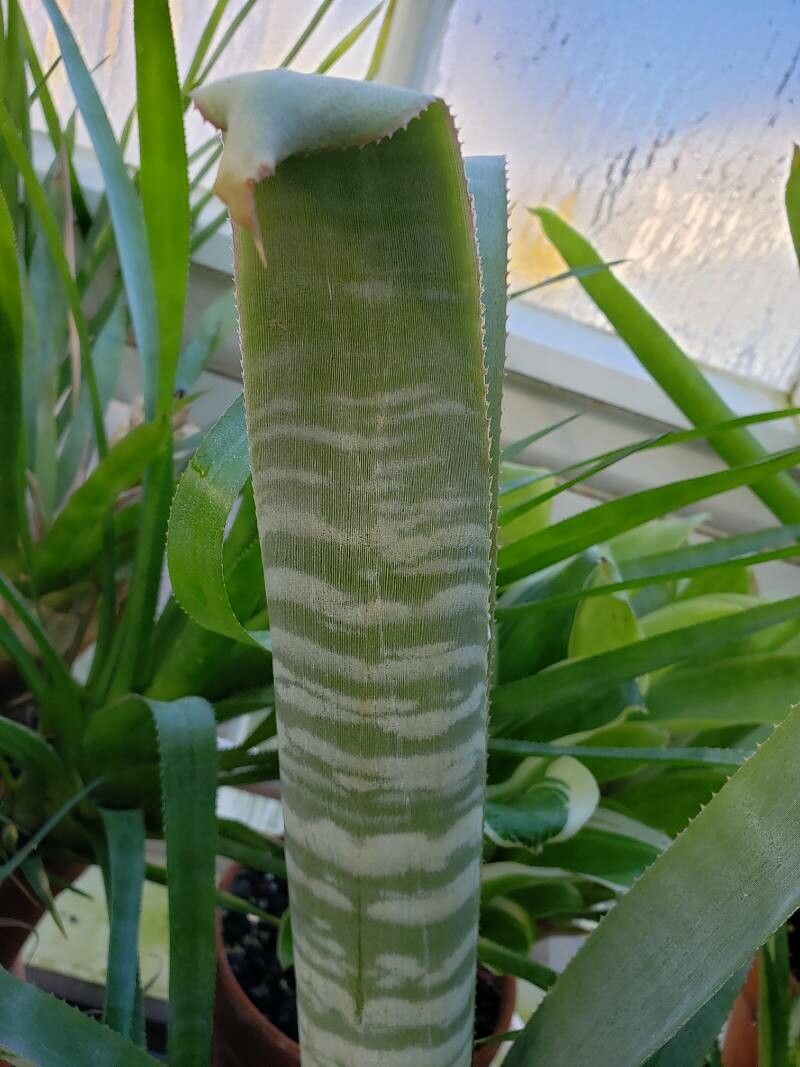
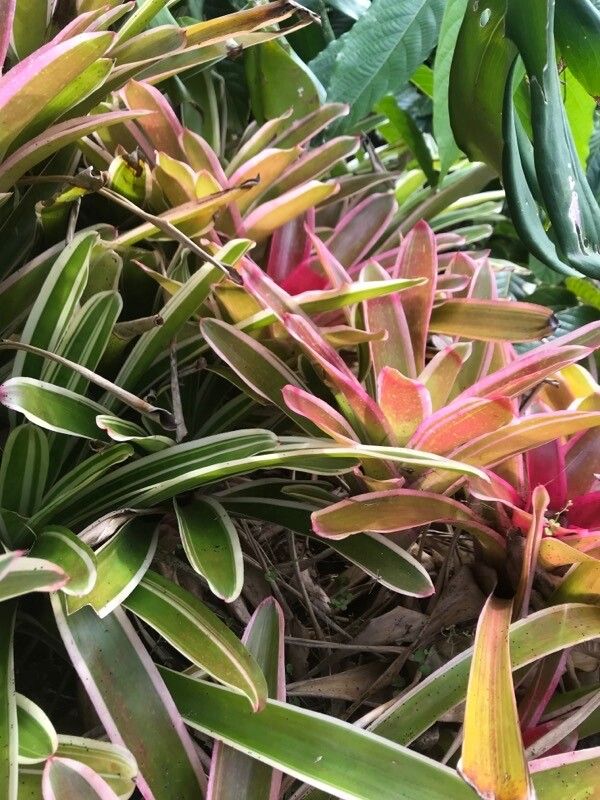
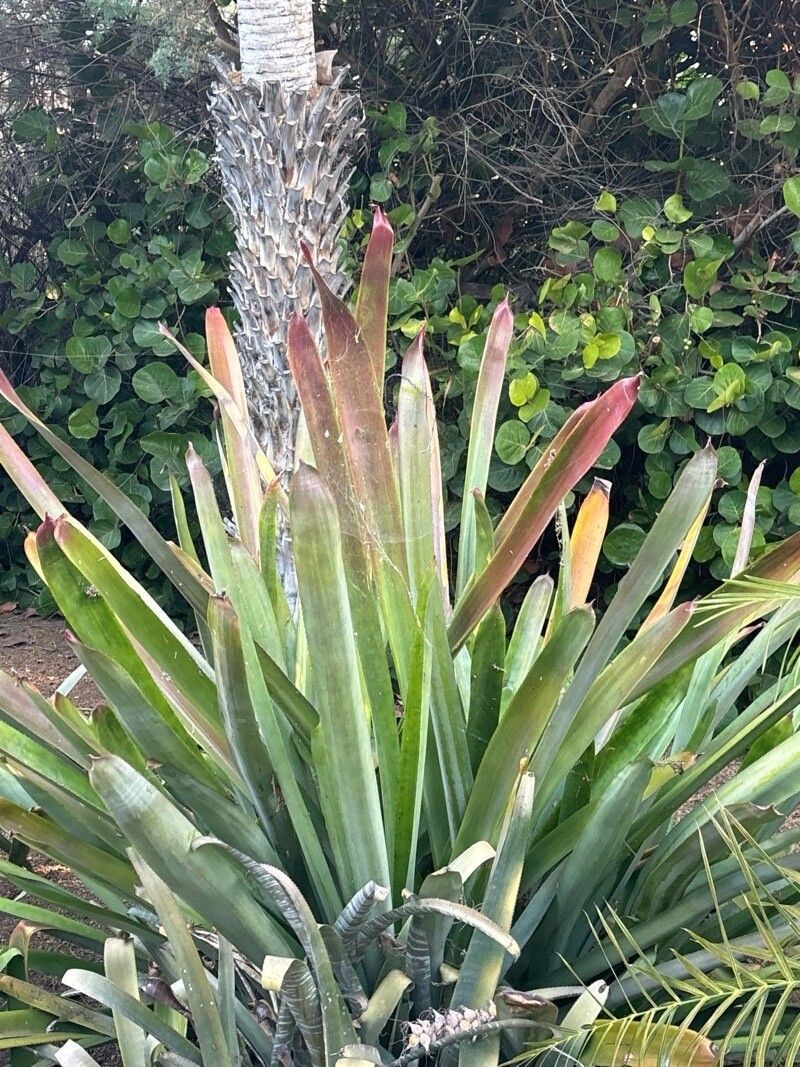
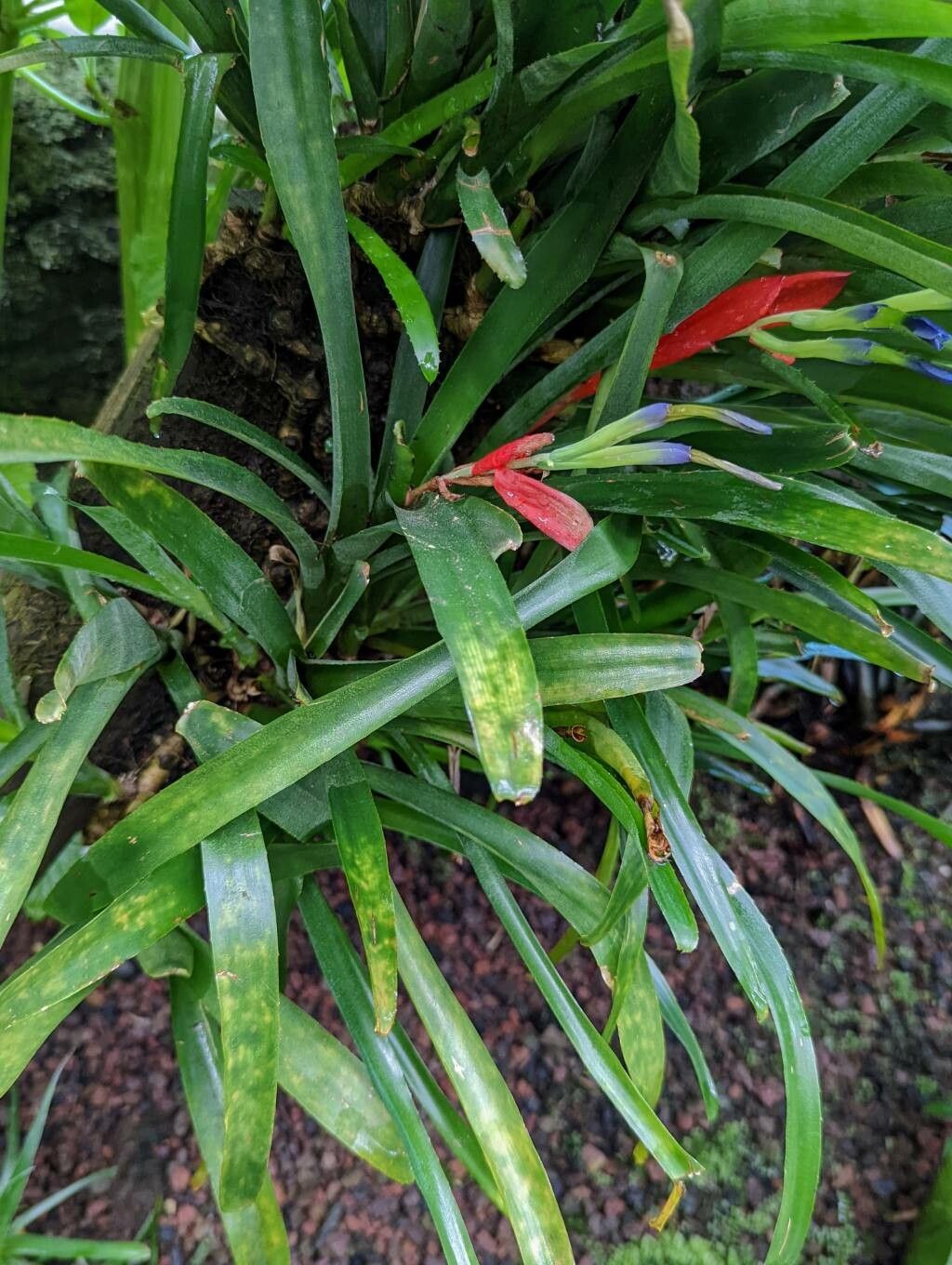
Billbergia pyramidalis, a species of bromeliad native to Brazil, is a popular ornamental plant known for its attractive foliage and vibrant flowers. The plant features long, narrow green leaves with sharp edges. These leaves grow in a rosette pattern, forming a funnel-shaped structure capable of holding water.
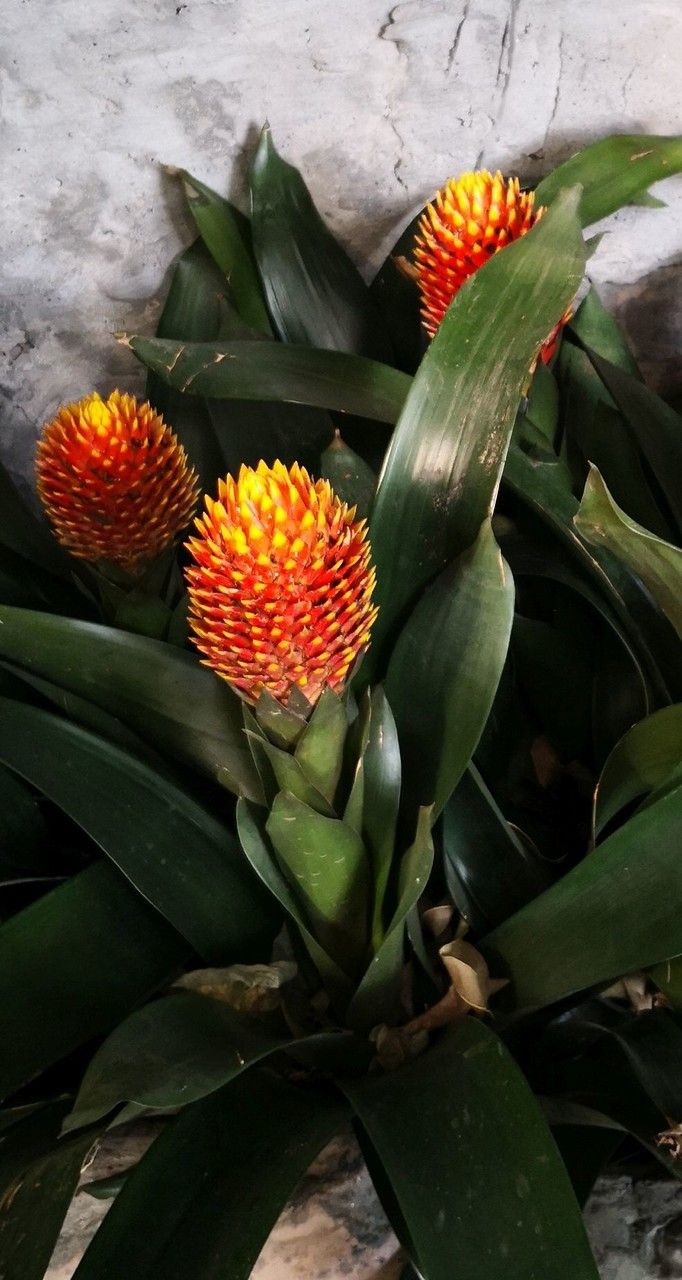
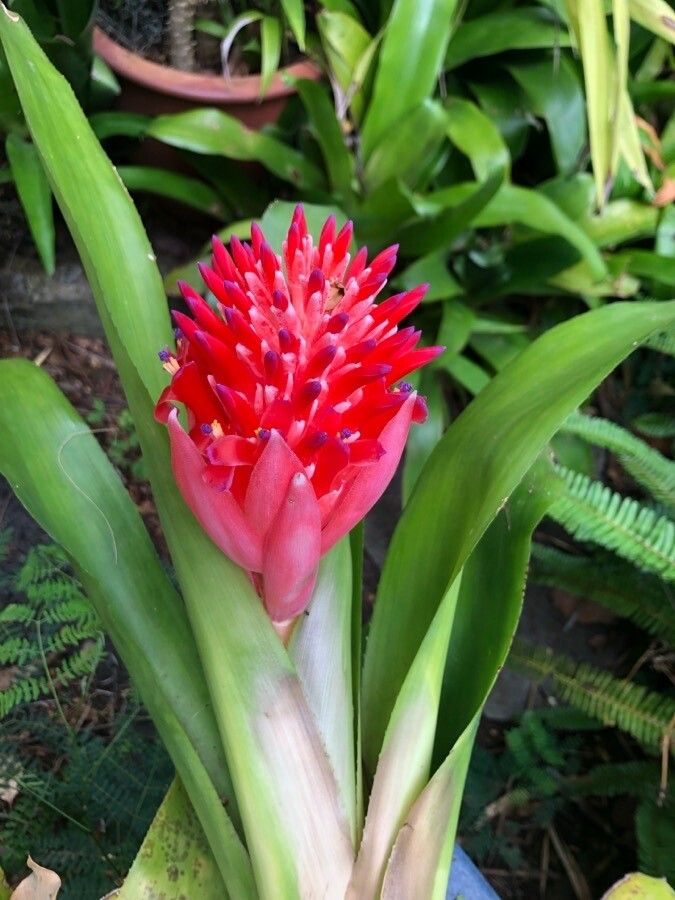
The flowers of Billbergia pyramidalis are eye-catching in shades of bright pink or red and bloom on tall spikes above the foliage. They appear from late spring to early summer and attract hummingbirds with their nectar.
This plant thrives in bright, indirect light and well-draining soil. It can be grown both indoors and outdoors in warm climates with temperatures above 50°F (10°C). Billbergia pyramidalis requires regular watering but should not be overwatered to prevent root rot.
The central tube of the flaming torch plant's leaf cluster often stores water, similar to how a water tower functions. Remarkably, the water level remains constant, regardless of the weather being hot or cold. This consistent availability of water attracts many insects, which come to drink from the stored supply. FUN FACT · FROM THE LIBRARY
Overall, Billbergia pyramidalis is an easy-to-care-for plant that enhances any garden or indoor space with its striking foliage and vibrant flowers.
Flaming Torch: This Bromeliaceae plant has a distinctive flower that resembles a small torch or a pyramid. The plant features dense, red flowers that can last for about a month. Because these vibrant red flowers look strikingly similar to burning torches, the plant is aptly named "Flaming Torch."
Flaming torch is highly resistant to disease and generally not prone to illnesses. It can, however, be vulnerable to leaf spots if light and ventilation are poor or if it is overwatered. Its care level is considered easy, since it only needs regular watering and requires little other attention. Flaming torch is suitable for people who don't have the time and energy to devote to frequent care.
How to keep Billbergia Pyramidalis.
Light
The flaming torch prefers a balance of sun and shade and thrives best in spots that are not overly bright. It tolerates low light well, reflecting its natural forest understory habitat, but prolonged stretches in dim conditions can hinder its growth. Conversely, too much sunlight can cause sunburn on its foliage.
Water
The Flaming Torch plant thrives in the high humidity typical of tropical rainforests. It prefers soil that is consistently moist but can tolerate brief dry periods, so it requires watering every 1 to 2 weeks. Regular misting increases humidity, which promotes vibrant flowering. This is especially important for the plant, as it is an epiphyte and is often grown indoors.
Temperature
The Flaming torch thrives in warm temperatures between 68 to 100 ℉ (20 to 38 ℃) and prefers higher humidity. It naturally grows in subtropical areas, where temperatures seldom fall below 60 ℉ (15.5 ℃). To encourage optimal growth and flowering, keep temperatures in this range and shield the plant from extreme cold or heat.
Fertilizer
Appropriate fertilization is essential for Flaming torch's health and appearance. Fertilize the Flaming torch during summer, repeating the treatment monthly throughout the season. Nutrients power growth and support the plant's structures. Fertilization improves Flaming torch's flower display, producing the best blooms.
Pruning
The Flaming Torch plant is known for its striking, torch-like flowers. To encourage growth and improve air circulation, prune the plant from late winter to early spring. Remove any dead leaves and old flower stalks during this time. Be sure to use clean, sharp tools for effective pruning, as this helps maintain the plant's shape and promotes vigorous blooming.
Pot & Repot
When repotting Flaming torch, select a pot 1-2 inches (2.5–5.1 cm) larger with ample drainage. Use a well-draining potting mix. Repot in spring or fall, making sure the root ball is slightly lower than the rim of the flower pot. Water thoroughly after repotting and place the plant in a warm spot with indirect sunlight.
Botanical profile.
- Plant Type
- Herb
- Life Cycle
- Perennial
- Genus
- Billbergia
- Family
- Bromeliaceae
- Hardiness Zone
- 10-12
- Mature Height
- 30 cm to 46 cm
- Mature Spread
- 46 cm to 61 cm
- Leaf Color
- Green
- Leaf Type
- Evergreen
- Flower Color
- Red
- Flower Size
- 5.08 cm to 7.62 cm
- Bloom Time
- Mid summer
- Planting Time
- Spring, Summer, Autumn
- Harvest Time
- Mid summer, Late summer
- Native Area
- Brazil, Cuba
Other names.
Reader questions.
What should I do if I give my Flaming torch too much water or too little water?
Both overwatering and underwatering can be problems for your Flaming torch plant, but overwatering is more commonly encountered. Although Flaming torch plants prefer consistently moist soil, they can still survive short droughts to some extent. However, if you happen to underwater your plant, you will notice browning and brittleness at the tips of the leaves, along with possible curling. This issue is more likely to occur with in-ground plants that rely on rainfall for watering, but do not receive enough rainfall. On the other hand, underwatering is more common for container-grown plants as the soil in containers dries out more quickly and may lack access to natural rainfall. Regardless of whether your plant is underwatered or overwatered, you can solve the problem by adjusting your watering routine accordingly. For instance, if you notice wilting, yellowing leaves, or signs of rot in an overwatered Flaming torch, it is often recommended to transfer the plant to a new container with well-draining soil. Overwatering can also lead to fruit damage and the growth of mold and fungus. In-ground plants can experience overwatering if water is applied despite sufficient rainfall, whereas container plants may suffer from overwatering due to the use of heavy soil and improper drainage. To address overwatering, it is generally advised to repot the affected container-grown Flaming torch plant with looser soil and improved drainage, while also reducing the watering schedule for both in-ground and potted plants.
Why should I put fertilizer on my Flaming torch plant?
Fertilizer and soil nutrients are like fuel for your Flaming torch. They help the plant grow and stay healthy by providing the necessary nutrients. Plants generally use the nutrients in the soil to create new plant material and maintain their existing components. In the case of the Flaming torch, fertilization is particularly important to ensure beautiful flowers. Since the flowers are the main attraction of this plant, most gardeners strive to help them thrive. Fertilization is a reliable method to achieve the best blooms for your Flaming torch.
What are the sunlight requirements for a Flaming Torch?
The Flaming Torch, or Billbergia pyramidalis, thrives in conditions that strike a balance between sun and shade. It prefers partial sun, receiving about 3-6 hours of sunlight daily, and can also tolerate full shade with less than 3 hours of sunlight. However, observational caution is advised to choose garden spots that provide this balance, ensuring the plant's health and happiness. Additionally, to cope with minimal sunlight or excessively lit areas, it's recommended to simulate its natural forest understory habitat conditions.
What are the ideal temperature and humidity conditions for Flaming torch plants?
Flaming torch plants thrive in warm temperature environments with an ideal range between 68°F to 100°F (20°C to 38°C) and prefer higher humidity levels. They originate from subtropical regions where it rarely drops below 60°F (15.5°C). To ensure optimal growth and flowering, it's crucial to maintain these temperature conditions and protect the plants from extreme temperatures. During winter, when temperatures fall below 41°F (5°C), moving the plant indoors is recommended to continue cultivation in a suitable environment, such as near a south-facing window, ensuring it receives sufficient sunlight while avoiding places near heaters or air conditioners to prevent the air from becoming too dry. Indoor temperatures above 68°F (20°C) are highly beneficial, and if temperatures dip below this, watering should be reduced until the soil surface dries to avoid root rot. For plants that must remain outdoors in winter, choose a sheltered, sunny spot, possibly employing temporary greenhouses or protective coverings, while keeping the soil slightly moist with reduced watering.
How often should I give water to my Flaming torch plant?
To maintain optimal soil moisture for your Flaming torch during the growing season, it's important to water it regularly without over-watering. If you are growing the plant in a container, this typically means giving it about one inch of water once a week. Conversely, if you have planted it in the ground and it has received approximately one inch of rainfall in a week, no additional watering may be necessary. Therefore, you can go for longer periods without watering an in-ground Flaming torch, as long as there is consistent rain. The watering schedule should also vary according to the season, with less water needed during winter compared to spring, summer, and fall. Furthermore, the plant's water requirements may increase during its flowering and fruiting phases.
When should I fertilize my Flaming torch plant for the best results?
The Flaming torch plant has two main phases throughout the year. The first phase, known as the dormant phase, occurs during winter and involves minimal new growth. The second phase, called the active growth phase, happens in spring and fall, when the plant requires more fertilization. It is generally recommended to start fertilizing your Flaming torch in the spring months. During this time, you should feed it once a month until the end of summer. As fall approaches, you can decrease the fertilization rate.
How does artificial lighting benefit indoor Flaming Torch plants?
For indoor Flaming Torch plants, artificial lighting can be a vital resource when natural sunlight is insufficient, especially during winter or in less sunny spaces. Artificial lights promote faster, healthier growth by providing optimal lighting conditions. LED lights are recommended due to their ability to be customized to offer specific wavelengths needed for plant growth. The plant should be exposed to 30-50W/sq ft of artificial light for full sun needs, 20-30W/sq ft for partial sun, and 10-20W/sq ft for full shade plants. The light source should be placed 12-36 inches above the plant to mimic natural sunlight, ensuring the plant receives 8-12 hours of light per day.
How should I care for Flaming torch plants in low temperatures?
Flaming torch plants prefer warm environments and are not cold-tolerant, thriving best when temperatures are above 68°F (20°C). In winter, it's important to keep them above 41°F (5°C). Exposure to temperatures below 34°F (1°C) won't immediately show symptoms, but after three to five days, leaves may start to wither and droop, with severe cold resulting in the plant drying up. If a Flaming torch is affected by frostbite, trim the damaged area and move the plant indoors to a warmer location, ideally near a south-facing window for ample sunlight. Also, ensure the plant is not placed near heaters or air conditioners to avoid air dryness, maintaining a suitable temperature for plant health.
What is the best way to water my Flaming torch if I grow it inside?
It is recommended to grow your Flaming torch plant indoors in a large container, especially if you live in a region with cold winters. This is because the plant cannot survive freezing temperatures. When growing the Flaming torch indoors, keep in mind that it does not receive rainwater like outdoor plants do. Therefore, you will have to provide all the water it needs. Indoor growing locations tend to be drier, often due to appliances like air conditioners. Because of this, you will need to water your Flaming torch more frequently compared to if it were growing outdoors. Additionally, misting the leaves of an indoor Flaming torch is beneficial as it helps create a humid environment where the plant can thrive.
When is not a good time to fertilize my Flaming torch?
If you're looking to help Flaming Torch growth without causing root burn, it's best to provide extra nutrients during the spring and summer when the plant is actively growing. However, during the fall and winter when the plant goes into dormancy, it's important to stop fertilizing.
What are the symptoms of improper lighting for Flaming Torch plants?
Flaming Torch plants display several symptoms when they receive improper lighting. In low light, the plant may experience slower or no new growth, indicating it has entered a survival mode. Light deficiency can also affect future flowering and fruiting, and cause leaves to appear lighter-colored or pale, indicating a lack of chlorophyll. Excessive sunlight can cause chlorosis, where leaves lose their green color, sunscald that damages leaves or stems, leaf curling as a defensive mechanism, wilting due to excessive water loss, and leaf scorching, characterized by brown, dry edges on leaves.
What should I do if my Flaming torch plant experiences high temperatures?
During the summer, it’s crucial to ensure Flaming torch plants are kept below 100°F (38°C). Temperatures exceeding 109°F (43°C) can cause the leaves to dry and wither at the tips, halt growth, and potentially lead to root rot, with excessive sunlight posing a risk of sunburn. If your plant suffers in high temperatures, prune any withered parts and relocate the plant to a spot that offers shade from the harsh midday and afternoon sun. Additionally, watering in the morning and evening helps keep both the plant and its surrounding environment moist, mitigating some of the stress caused by high temperatures.