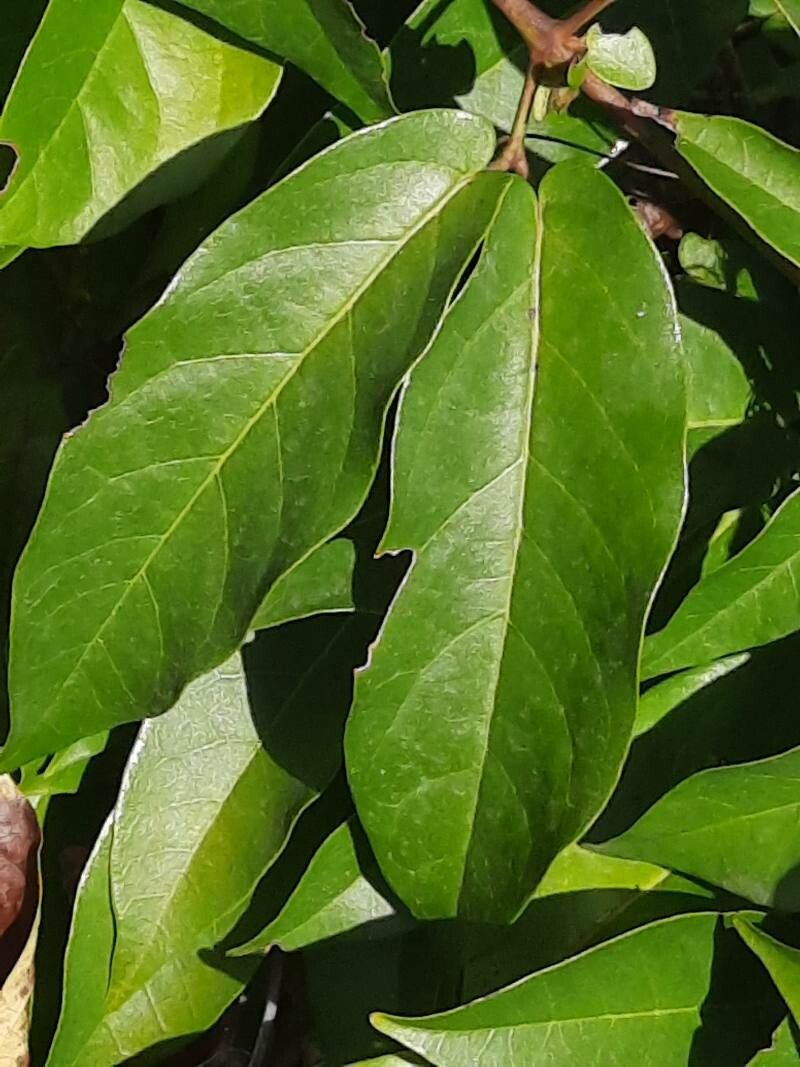
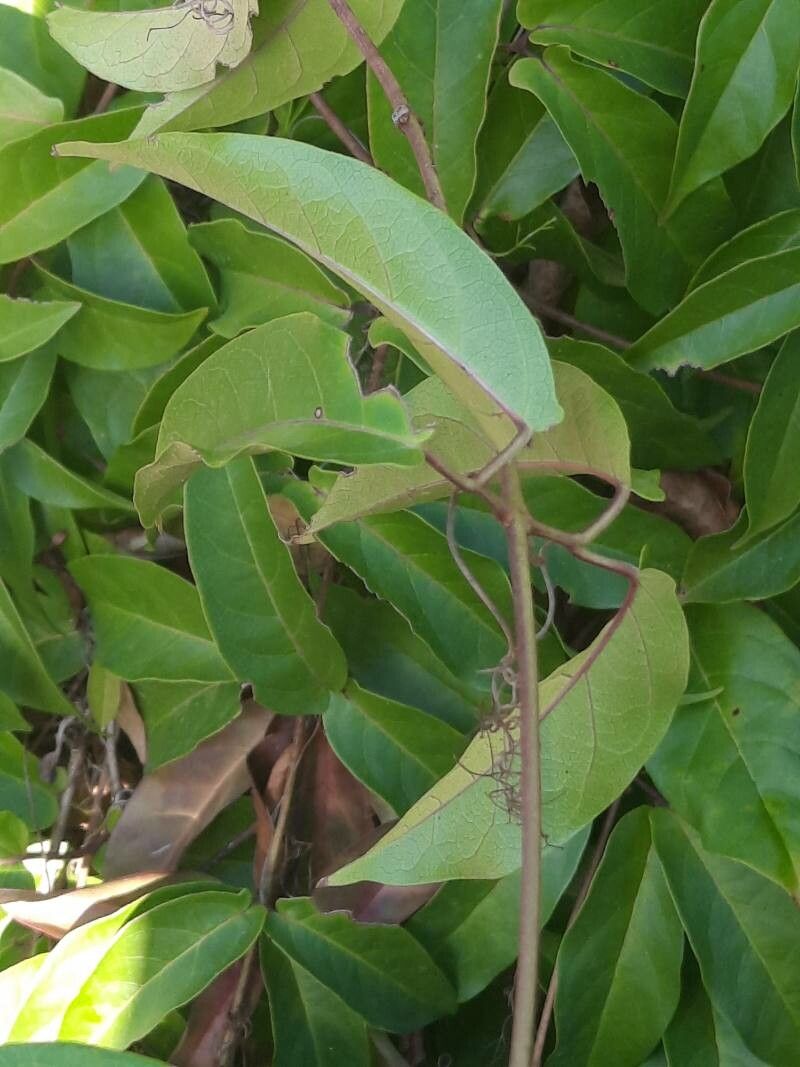
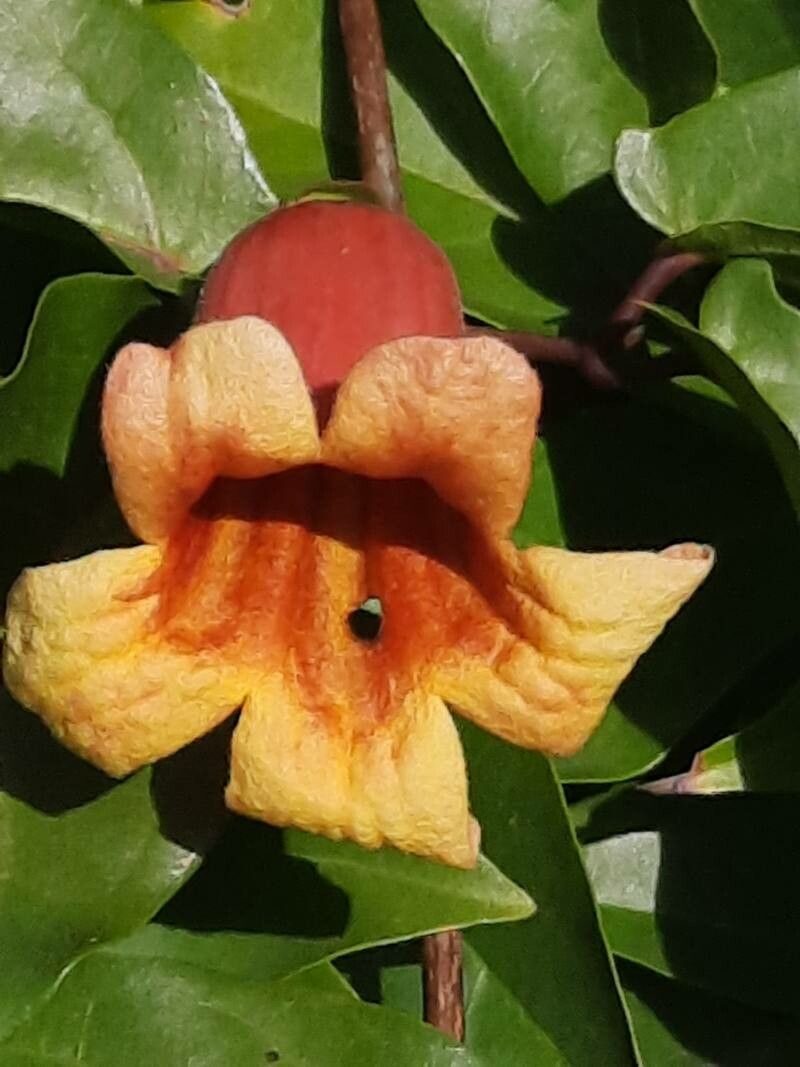
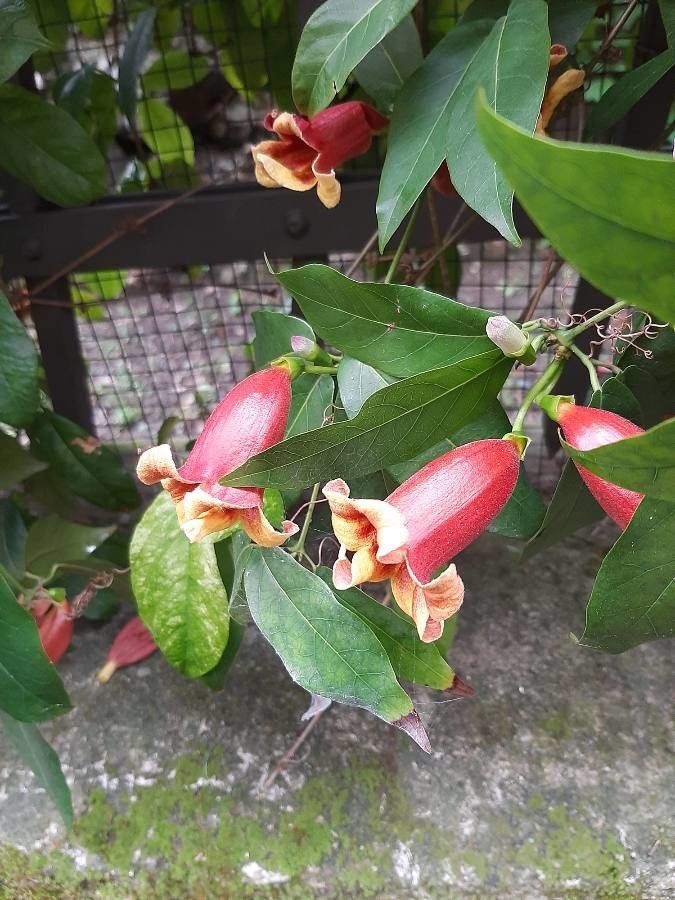
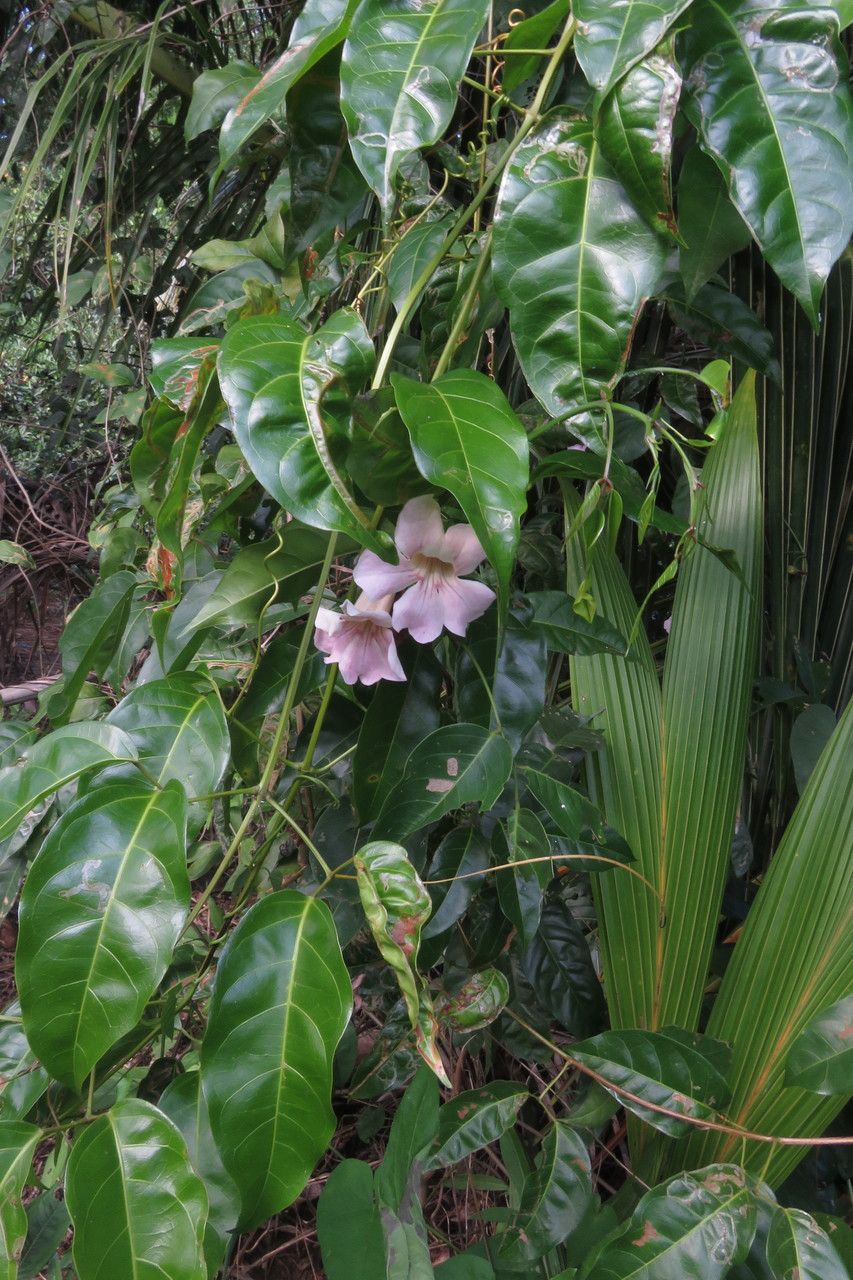
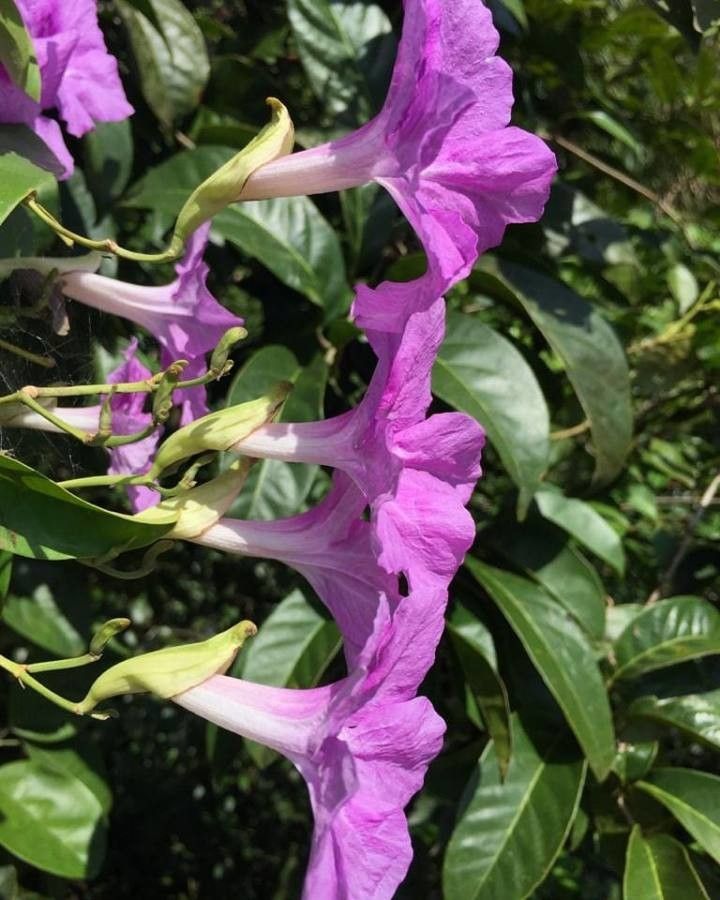
Bignonia capreolata, commonly known as crossvine, is a fast-growing and vigorous climbing plant native to the southeastern United States. As a member of the Bignoniaceae family, this vine can reach lengths of up to 50 feet. The plant features stunning trumpet-shaped flowers that are typically red-orange with yellow throats, although some cultivars may produce pink or yellow blossoms. Its leaves are dark green, glossy, and have a leathery texture.
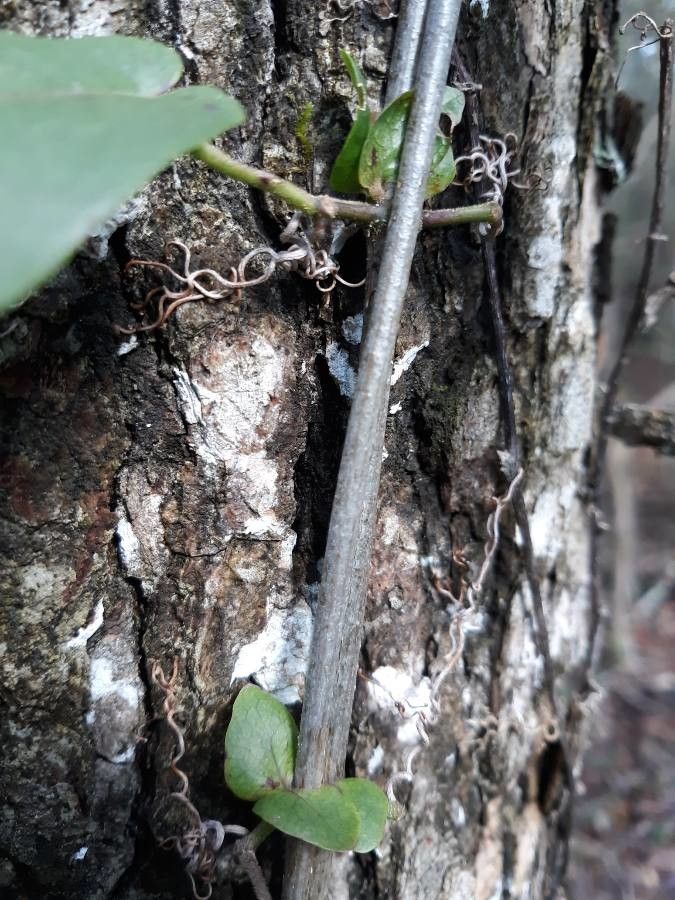
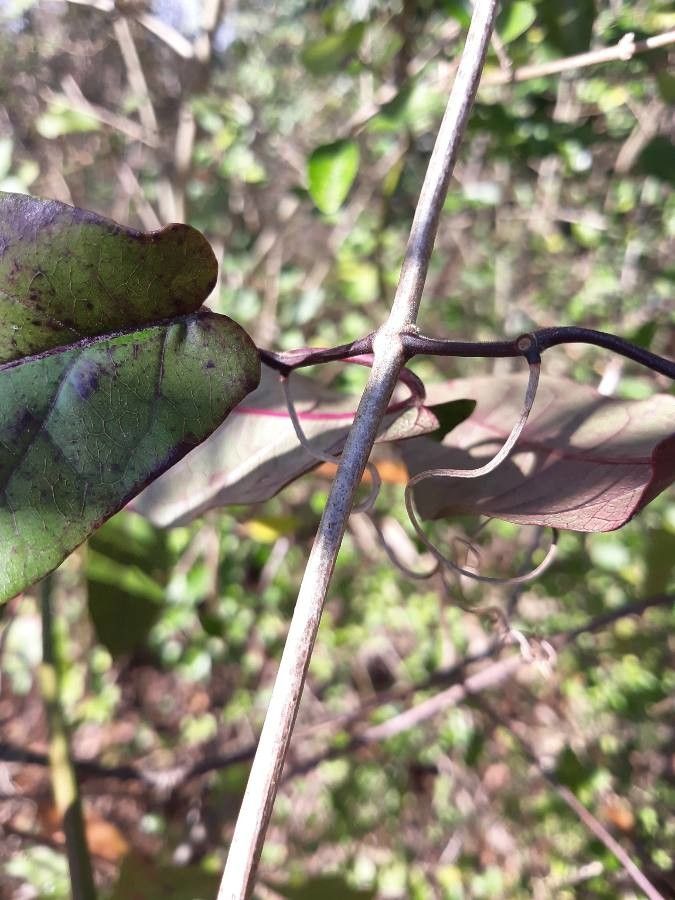
Crossvine is an excellent choice for covering walls, trellises, or fences thanks to its robust tendrils that cling tightly to surfaces. It thrives in full sun but can tolerate some shade, and it requires well-draining soil for optimal growth. While it primarily blooms in the spring, crossvine may also produce sporadic blooms throughout the summer.
Beyond its ornamental appeal, crossvine has been used medicinally by Native Americans to treat various ailments such as coughs and skin irritations. Additionally, its nectar attracts hummingbirds, making it a great addition to any wildlife garden.
Overall, Bignonia capreolata is a beautiful climbing vine that adds color and interest to any space while providing ecological benefits.
The name "Crossvine" comes from the distinctive cross-shaped pattern that can be seen when the plant's stem is cut. This unique pattern is created by four radial wedges of phloem embedded within the stem's xylem. This characteristic structure is what gives the plant its name.
Crossvine is well resistant to disease and is usually not susceptible to illnesses. Regarding care, this plant is fairly low-maintenance. Planted outdoors, it needs little watering and larger specimens typically do not require pruning. Smaller plants, however, should be pruned after they finish blooming. Crossvinet is suitable for anyone with an outdoor area, such as a garden or deck, and does not demand extensive care experience.
How to keep Bignonia Capreolata.
Light
Crossvine performs best in locations that receive sunlight for most of the day, though it can adjust to spots that get sun only part of the day. Too little sunlight can impede its growth, while too much can cause leaf burn.
Water
Crossvine flourishes in woodland environments by efficiently regulating its water use during both wet and dry periods. For optimal growth, it should be watered once a week, with less frequent watering during its dormant phase in cooler temperatures. This hardy climber is ideal for arbors and fences, as it conserves resources effectively.
Temperature
Crossvine does best at temperatures between 50 and 95 ℉ (10 to 35 ℃). In its natural habitat it needs warm, humid conditions. In summer, it is advisable to offer shading and misting to keep the plant comfortable.
Fertilizer
The timing of fertilizing Crossvine is important. Apply fertilizer in early spring and continue monthly until early summer. Fertilizer promotes attractive blooms and delivers energy during both dormant and active growth periods.
Pruning
Crossvine showcases beautiful trumpet-shaped flowers and benefits from annual pruning, preferably in early spring. During this time, remove any dead or damaged wood and shape the plant to control its size and improve air circulation. This practice encourages abundant flowering and healthier growth, as recommended by local extension services.
Pot & Repot
Repot Crossvine in early spring, selecting a container only slightly larger than the current one that provides good drainage. Use a well-draining potting mix and set the root ball at the same level as before. Gently tease out any root-bound roots. After repotting, water thoroughly and place in a warm, shaded spot. Prune regularly to maintain size and encourage new growth.
Botanical profile.
- Plant Type
- Vine
- Life Cycle
- Perennial
- Genus
- Bignonia
- Family
- Bignoniaceae
- Hardiness Zone
- 6-9
- Mature Height
- 9.14 m to 15.24 m
- Mature Spread
- 1.83 m to 2.74 m
- Leaf Color
- Green, Purple
- Leaf Type
- Evergreen
- Flower Color
- Red, Orange
- Flower Size
- 2.54 cm to 7.62 cm
- Bloom Time
- Mid spring, Late spring, Early summer
- Planting Time
- Spring, Autumn
- Harvest Time
- Early summer, Mid summer
- Native Area
- Central United States, Southern United States
Other names.
Reader questions.
How should I water my Crossvine?
To promote excellent root development, consider placing a garden hose at the base of your plants. Avoid spraying the leaves directly, especially if they are outdoors and exposed to direct sunlight. Moisturize the roots by using bubblers or soaker hoses, depending on your preference and needs. When adding or removing plants, try to cover the entire garden or bed with the soaker hoses to ensure deep root growth. Remember to drain any excess water and allow the soil to dry before watering again. To prevent diseases, water at ground level instead of spraying the leaves. On sunny days, it can be beneficial to spray the entire bush with water. Regardless of whether your Crossvine is potted or in the ground, it prefers deep watering rather than light sprinkling.
Why should I put fertilizer on my Crossvine?
Fertilizing a Crossvine is important for a few reasons. Firstly, it will help the plant produce beautiful blooms. The best time to fertilize is early spring to ensure excellent flowers during that season. Additionally, fertilizer provides the plant with extra energy that can be stored during dormant growth phases. By giving the Crossvine nutrients during fall planting or late spring, it will have more energy for active growth later on.
What are the sunlight requirements for Crossvine?
Crossvine requires full sun, which means it should receive above 6 hours of sunlight daily, but it can also thrive in partial sun, receiving about 3-6 hours of sunlight. It’s important to observe how sunlight moves through your garden to find spots offering the right balance of light and shade, ensuring your plants are happy.
What are the ideal temperature conditions for Crossvine?
Crossvine thrives in temperatures ranging from 50 to 95°F (10 to 35°C), requiring warm and humid conditions in its native growth environment. It possesses strong cold resistance, not usually necessitating special frost protection measures during winter. However, during very cold winters where temperatures are expected to drop below the plant's growth limit, providing cold protection by wrapping the trunk and branches with non-woven fabric or cloth is recommended. To prepare for winter, watering the plant abundantly before the first freeze in autumn to ensure the soil remains moist is advised.
What do I do if I give the Crossvine too much or too little water?
If you overwater your Crossvine, its leaves may turn yellow, drop off, and wilt. The plant may also look unhealthy, with mushy stems. When you notice these signs, try adjusting your watering schedule. On the other hand, if the leaves are crispy and dry, it may indicate underwatering. In this case, make sure to thoroughly water the plant when the soil is dry. However, even with enough water, the Crossvine may still have dry, yellow leaves for a few days due to root damage. Once it returns to normal, the yellowing will stop. When growing Crossvine indoors, be cautious of overwatering and check for black spots. If present, allow the pot to dry out for a few days before watering again. Overwatering can lead to root rot, so transfer the plant to a different pot if you notice discolored and slimy roots. Always try to prevent root rot and avoid excessively soggy soil. When planting outdoors, dig a bit deeper and if the soil feels too dry, it may mean underwatering. Ensure adequate watering to help the plant recover.
When should I put fertilizer on my Crossvine?
To effectively fertilize Crossvine, timing is crucial. Applying fertilizer too early, while the Crossvine is still dormant, is ineffective and leads to wastage and pollution as it gets washed away by rainwater. The ideal time to begin fertilization is in early spring, followed by monthly applications until early summer.
How does sunlight affect Crossvine's growth?
Crossvine thrives best with significant sunlight exposure throughout the day, adapting well even in areas with partial daily sunlight. Insufficient sunlight can hinder its growth, while excessive sunlight might lead to leaf burn. It demonstrates the importance of providing your Crossvine with the right amount of sunlight to promote a healthy growth cycle.
How should you care for Crossvine in the summer?
During the summer, Crossvine benefits from measures such as shading and misting to maintain comfort in the high temperatures. It's essential to monitor the plant for any signs of stress due to high temperatures, such as leaves becoming lighter in color, tips drying and withering, and susceptibility to sunburn. To mitigate these issues, prune away sunburned and dried-up parts, move the plant to a location with shade during midday and afternoon, or utilize a shade cloth. Ensuring the soil remains moist by watering in the morning and evening is also beneficial.
How often do I need to water my Crossvine plant?
The Crossvine prefers deep and infrequent watering. When planted in pots, make sure to soak them with a gallon of water each time. Pots have limited water storage, so the soil dries out faster. In cold regions, water them every 3 to 5 days. It's best to water in the morning when the soil is dry, whether indoors or outdoors. You can also check the soil moisture by examining the top 2-3 inches. If it's dry, give the plant a thorough watering. During hot days, check the moisture daily as the pot soil can dry out quickly. If you have a garden, irrigation is necessary. In hot climates, water once a week when the soil is 2 to 3 inches dry. Be mindful of rainfall and avoid overwatering to prevent root rot. Crossvine mostly grows in spring and fall. When outdoors, use 3 to 4-inch mulch to conserve water. Sandy soil requires more frequent watering, while clay soil requires less. You can mark watering dates on the calendar and watch for drooping leaves, indicating if you might be a day late in watering.
When is not a good time to fertilize my Crossvine?
To ensure optimal growth and blooming of Crossvine, it is important to use a fertilizer with balanced nutrients, avoiding high levels of nitrogen. Instead, choose a fertilizer that contains lower levels of nitrogen and other necessary nutrients. Additionally, it is essential to avoid fertilizing in the late autumn when excessive growth could occur before the winter season. Furthermore, it is not recommended to fertilize during hot and dry periods since the dry soil may not effectively deliver the nutrients, and it can stimulate growth that requires additional water. Ideally, apply fertilizer earlier in the season when temperatures are cooler. Lastly, be cautious about inadvertently providing double-doses of fertilizer to Crossvine if it shares the same vicinity with other plants or lawns, as Crossvine can absorb nearby applied fertilizer.
What is the role of artificial lighting for indoor Crossvine plants?
When natural sunlight is insufficient, especially during winter or in less sunny spaces, artificial lighting is crucial for optimal growth of indoor Crossvine plants. LED lights, customizable for specific wavelengths, are ideal. For full sun, partial sun, and full shade plants, the required artificial light intensity varies. Proper placement and duration of light exposure are key, with most plants needing 8-12 hours of artificial light per day.
How does low temperature affect Crossvine, and what are the solutions?
Crossvine is cold-tolerant and performs best when temperatures remain above its minimum suitable growth temperature. Despite its tolerance, when temperatures fall below its growth limit during winter, the branches may become brittle and dry by spring, without new shoots emerging. In response to such damage, it's important to prune away the dead branches in spring to encourage healthy new growth.