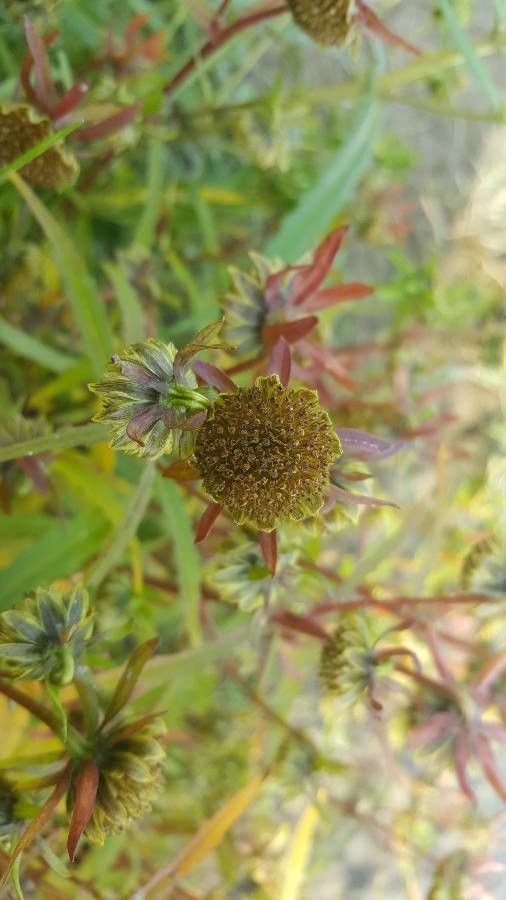
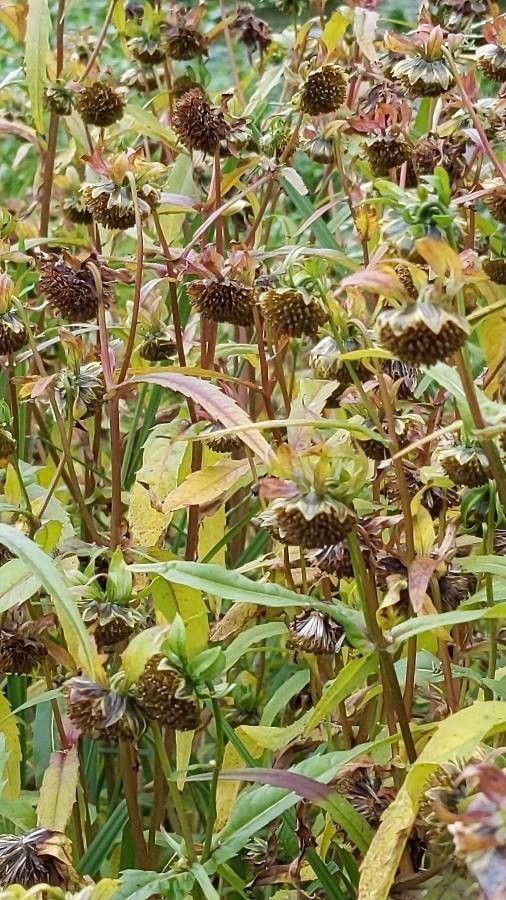
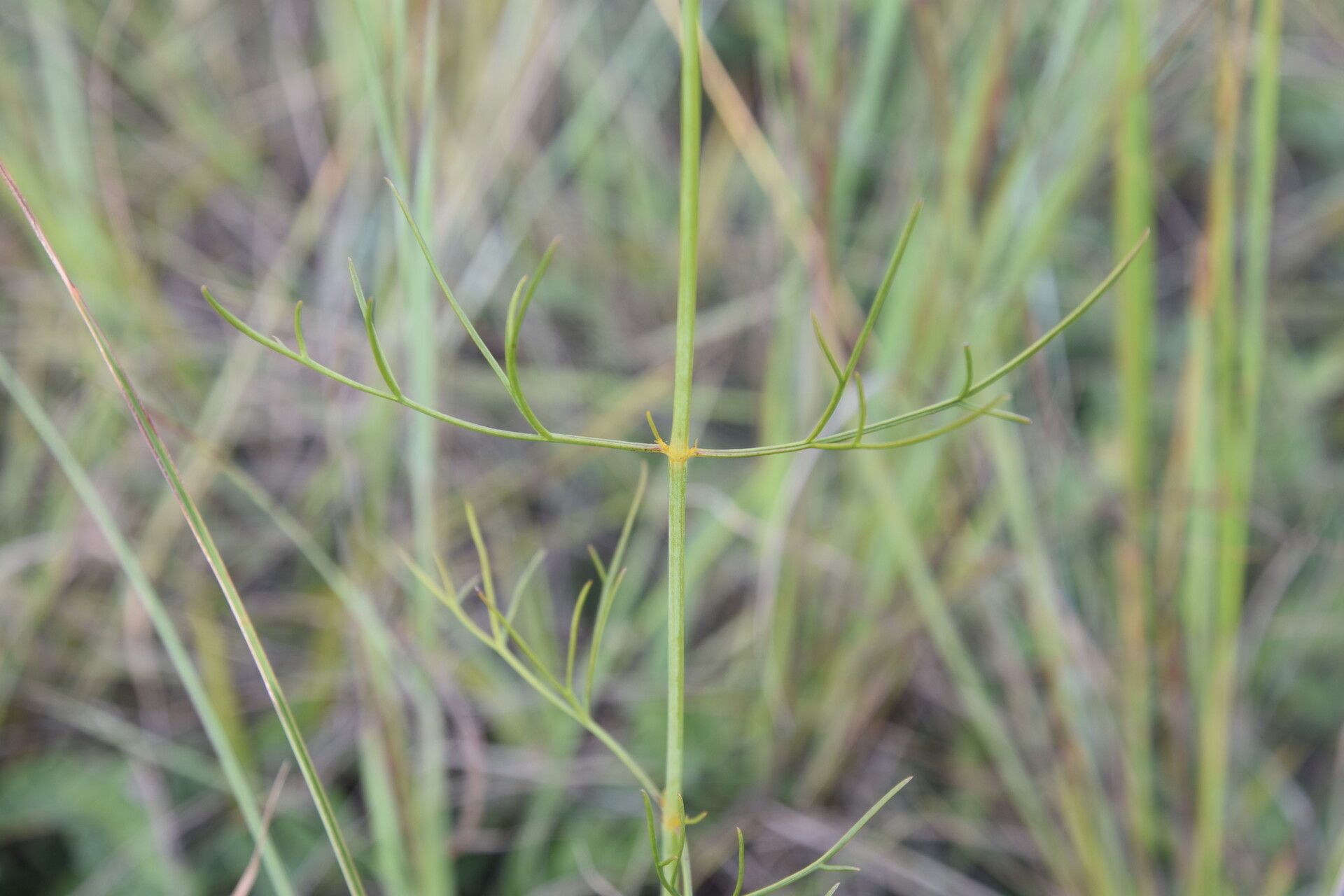
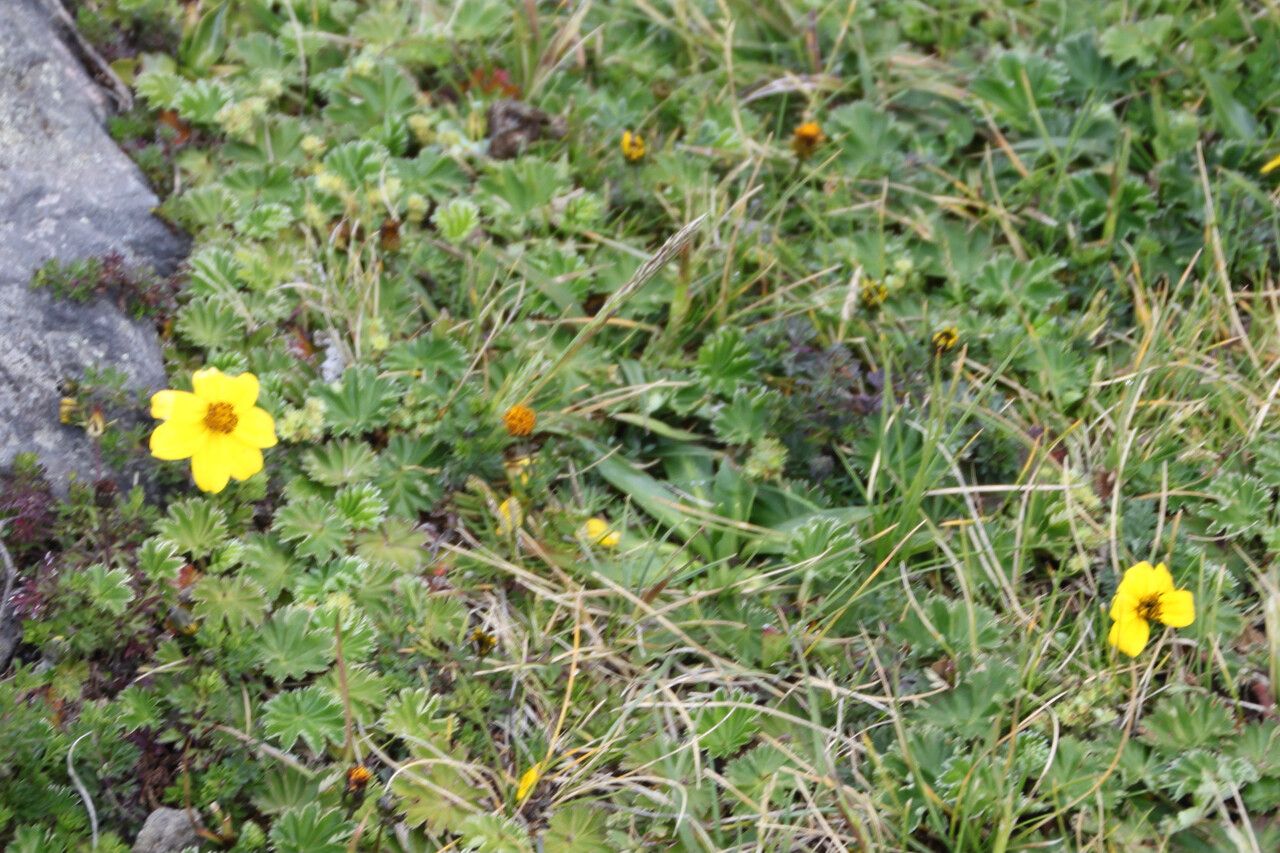
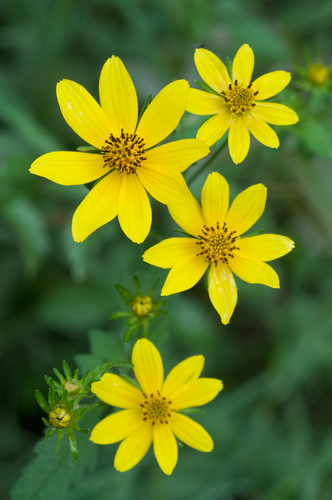
Bidens cernua, commonly known as nodding beggarticks or nodding bur-marigold, is a flowering plant in the Asteraceae family. Native to North America, it thrives in wetlands, marshes, and along the edges of streams and ponds.
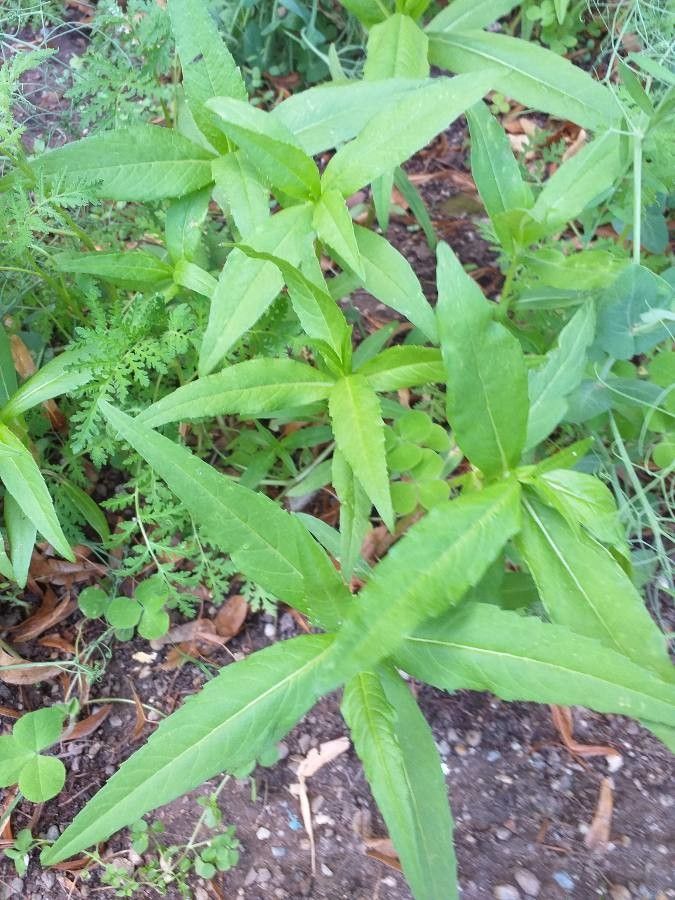
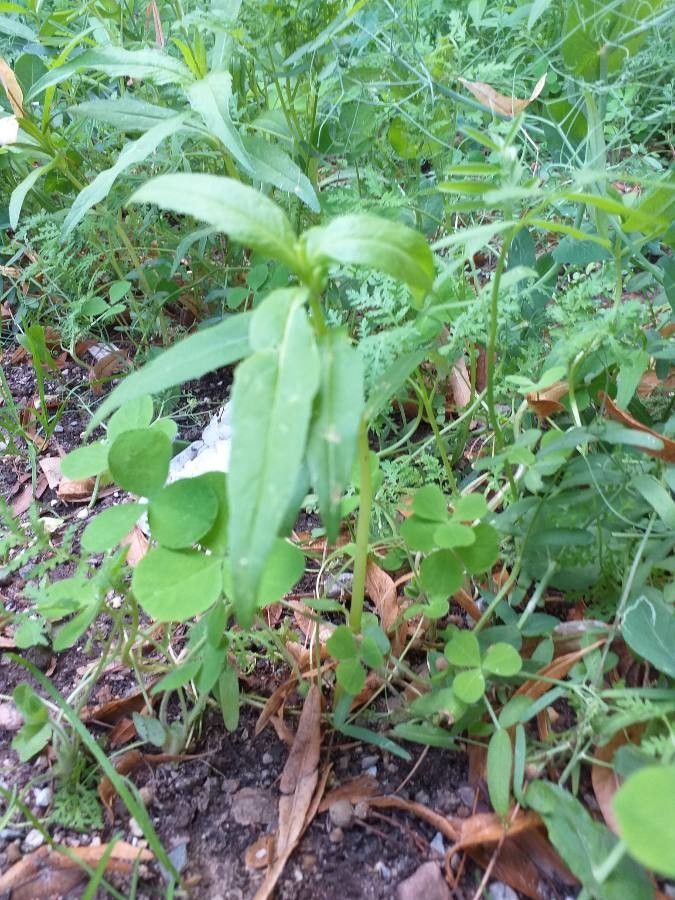
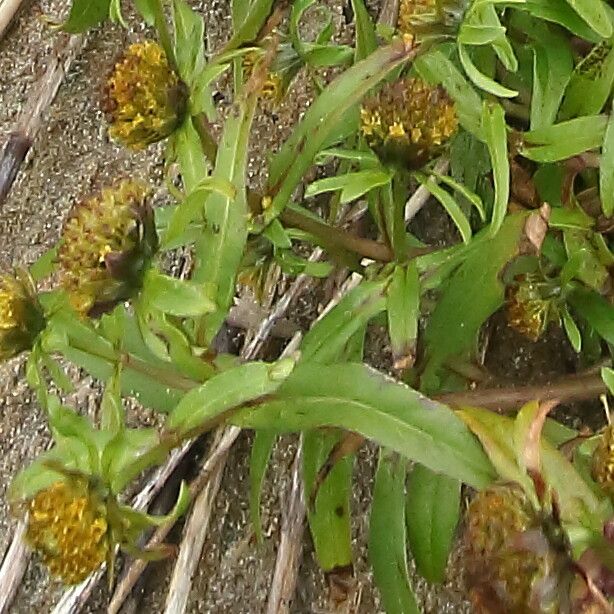
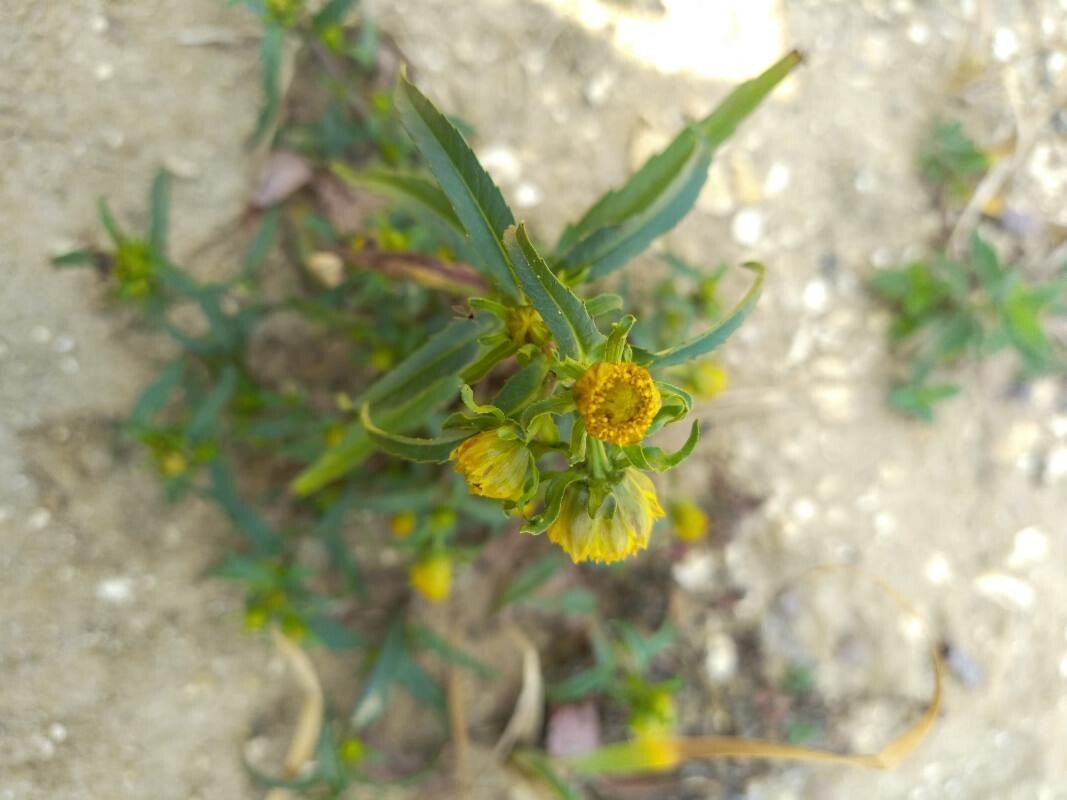
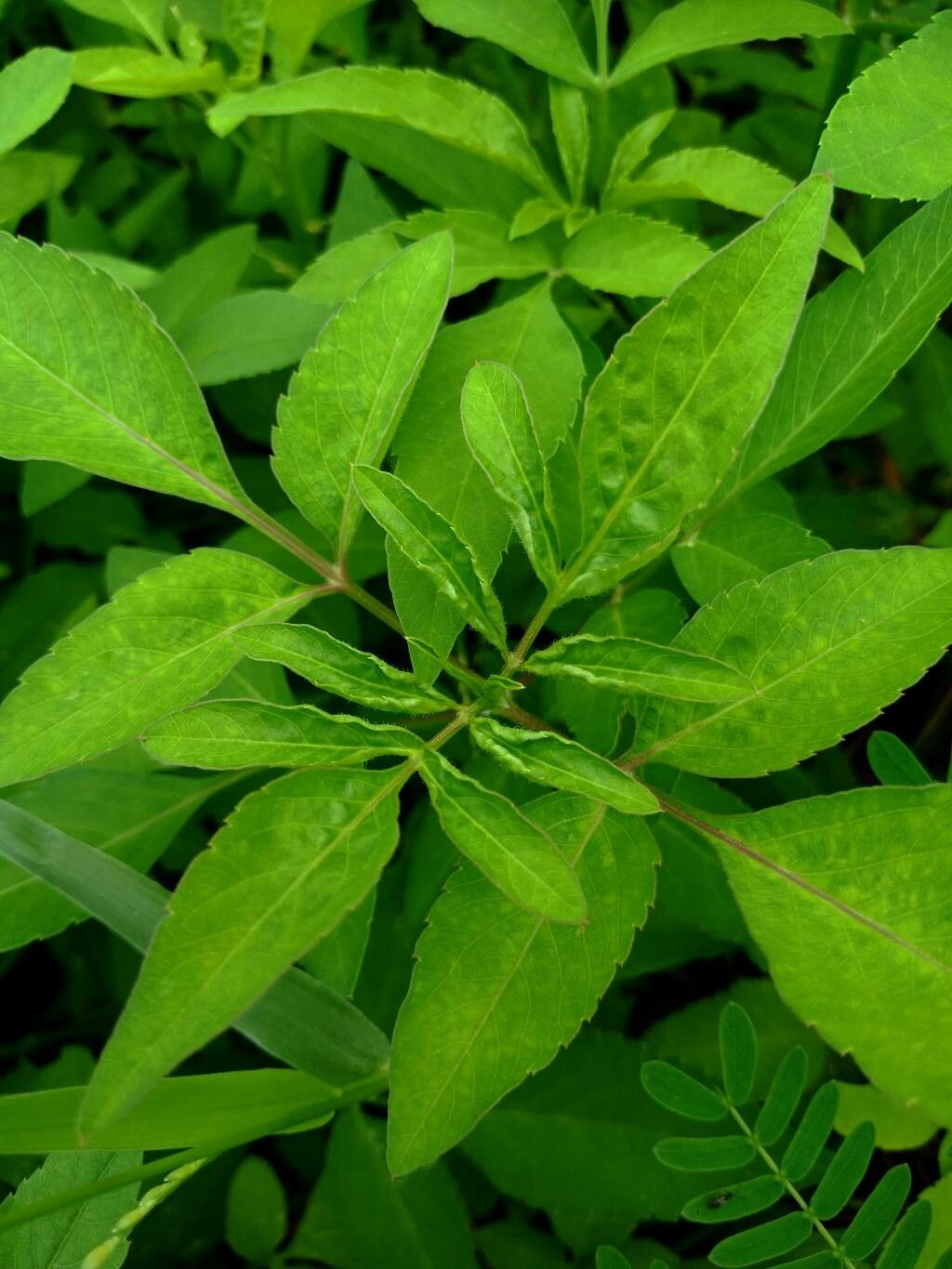
This plant can grow up to 3 feet tall and spread 1-2 feet. Its slender stems, which are green or reddish-brown, support alternate, toothed, lance-shaped leaves. The yellow flowers, featuring small disc florets surrounded by eight ray florets, bloom from July through October.
Bidens cernua is a crucial food source for various insects, including bees, butterflies, and moths. Birds like goldfinches also rely on its seeds during the winter months.
Native Americans have historically used Bidens cernua for medicinal purposes, treating ailments such as fever and diarrhea. The leaves were also applied topically to soothe skin irritations.
Overall, Bidens cernua is an attractive addition to any garden or wetland area. Its bright yellow flowers not only draw pollinators but also provide food for wildlife, making it valuable both aesthetically and ecologically.
Nodding beggarticks has good disease resistance and is generally not prone to illnesses. However, it can be vulnerable to pests and diseases present in its surroundings; these infections are typically not severe. For care, this plant requires moderate maintenance. It should be pruned regularly to maintain a neat appearance and promote healthy growth. Fertilizing can also help encourage flowering. Nodding beggarticks is suitable for anyone with an outdoor space, such as a garden or patio, and does not demand extensive care experience. It may need more attention when grown indoors.
How to keep Bidens Cernua.
Light
The nodding beggarticks prefers spots where it receives a moderate amount of sunlight for most of the day. Its growth and overall health do best with substantial daily sun exposure. However, the plant is not especially fussy about light and can tolerate darker conditions. Too much or too little light can disturb its physiological processes and may reduce its vigor.
Water
Nodding beggarticks thrive in moist environments, making them well-suited for areas near marshes and ponds. They require consistent moisture, so they need to be watered weekly. For optimal growth, it's best to cultivate them outdoors where they can benefit from natural rainfall. Additionally, they grow best in soil that is well-drained yet remains damp throughout the season.
Temperature
Nodding beggarticks naturally occurs in environments with temperatures of 68 to 95 °F (20 to 35 ℃). It favors warmer conditions and may require special adjustment during colder seasons.
Fertilizer
Nodding beggarticks do well with regular, light applications of fertilizer to encourage healthy leaf growth. You should fertilize Nodding beggarticks about once a month during the summer months. Nitrogen is essential for foliage, and adding nitrogen-rich sources helps Nodding beggarticks thrive.
Pruning
Nodding beggarticks, known for their bright yellow, daisy-like flowers, flourish in wetlands. To encourage growth and maintain their shape, prune these plants from early to late spring. Focus on removing dead stems and thinning out crowded areas. Regular pruning not only enhances health but also helps prevent disease. Remember to always sanitize your tools before use.
Botanical profile.
- Plant Type
- Herb
- Life Cycle
- Annual
- Genus
- Bidens
- Family
- Asteraceae
- Hardiness Zone
- 3-7
- Mature Height
- 0.1 m to 1.07 m
- Mature Spread
- 30 cm to 91 cm
- Leaf Color
- Green, Dark Green
- Leaf Type
- Deciduous
- Flower Color
- Yellow, Gold
- Flower Size
- 2.54 cm to 5.08 cm
- Bloom Time
- Mid summer, Late summer, Early fall
- Planting Time
- Spring, Summer
- Harvest Time
- Early fall, Mid fall
- Native Area
- Turkey, Sweden, India, Austria, Slovakia, Montenegro, Pakistan, Slovenia, Croatia, Belarus, Russia, Germany, Estonia, Koppen, Romania, Latvia, South Korea, Belgium, Moldova, Netherlands, Nepal, France, Czech Republic, Bulgaria, Armenia, Poland, Greece, Ukraine, Serbia, China, Lithuania, Norway, Kyrgyzstan, Kazakhstan, Italy, Spain, Switzerland, Denmark, Japan, Finland, Albania, Ireland, United Kingdom, Hungary, Thailand
Other names.
Reader questions.
How should I water my Nodding beggarticks plant most effectively?
There are several ways to water Nodding beggarticks. You can use a garden hose with a spray nozzle, a watering can, or any other common watering tool. This plant is not too particular about how it receives water - it can survive with rainwater, tap water, or filtered water. However, it's best to avoid watering it from above as this can harm the leaves and flowers and potentially lead to disease. A drip irrigation system is often the most effective method for watering Nodding beggarticks as it provides even and direct water to the soil. If you have a container-grown Nodding beggarticks, you can use similar watering techniques but adjust the tools - a cup, watering can, or tap will work to apply water directly to the soil.
What are the sunlight requirements for Nodding beggarticks?
Nodding beggarticks plants thrive best in locations where they can receive an intermediate amount of sunlight for a majority of the day. They require about 3-6 hours of sunlight daily to maintain optimal growth and health. It's important to observe how sunlight moves through your garden to find spots that offer the ideal balance of light and shade. This ensures the plants remain healthy and happy. Despite its adaptability to varying light conditions, both excessive and insufficient sunlight can affect its biological processes, potentially impacting its vigor.
What is the optimal temperature range for Nodding Beggarticks?
Nodding Beggarticks, botanically known as Bidens cernua, thrives in environments with temperatures ranging from 68 to 95 °F (20 to 35 °C). The plant prefers warmer conditions, and special adjustments may be necessary to accommodate it during colder seasons.
What should I do if I give my Nodding beggarticks too much or too little water?
The solution for underwatering Nodding beggarticks is simple: water it regularly when it lacks moisture. However, overwatering can be more dangerous if not detected early. If Nodding beggarticks is overwatered, it can develop diseases that lead to its decline and death. To prevent this, choose a suitable location with ample sunlight to dry the soil and good drainage to avoid water accumulation. If you overwater a potted Nodding beggarticks, consider repotting it with loose soil and a pot that drains efficiently to ensure proper drainage.
How can artificial lighting benefit indoor plants like Nodding beggarticks?
Artificial lighting plays a crucial role in the growth of indoor plants when natural sunlight is insufficient, especially during winter or in less sunny areas. It promotes faster and healthier growth by providing plants with adequate lighting. LED lights are a preferred choice because they can be customized to deliver specific wavelengths needed by plants. The right intensity varies with plant type; full sun plants require 30-50W per square foot, partial sun plants 20-30W per square foot, and full shade plants 10-20W per square foot. The light source should be placed 12-36 inches above the plant to mimic natural sunlight conditions, and most plants benefit from 8-12 hours of light per day.
Is Nodding Beggarticks cold-tolerant?
Yes, Nodding Beggarticks is highly cold-tolerant and does not require additional frost protection measures during winter. However, it is recommended to water the plant generously before the first freeze in autumn to keep the soil moist. This preparation helps prevent drought and water scarcity for the plant during winter and early spring.
How frequently do I need to water my Nodding beggarticks?
Nodding beggarticks, a plant that needs regular water throughout the growing season, requires different watering schedules depending on its location. In the spring, watering once a week is sufficient. However, as the season progresses and temperatures rise, you may need to water two to three times per week. It is important not to exceed this rate as it can harm the plant. Regardless of the watering frequency, it is important to keep the soil moist but not wet. If you are growing Nodding beggarticks in a pot, you will need to water more frequently compared to in-ground plants. Potted soil tends to heat up and dry out faster, so watering a container-grown Nodding beggarticks a few times per week is usually necessary, whereas in-ground plants only need watering once per week.
What are common symptoms of improper light exposure in Nodding beggarticks?
Improper light exposure can cause various symptoms in Nodding beggarticks. Insufficient light may lead to smaller new leaves, leggy or sparse growth, faster leaf drop, slower or halted growth, and leaves becoming lighter in color or exhibiting chlorosis. Conversely, too much sunlight can cause symptoms like sunscald, leaf curling, wilting, and leaf scorching. These conditions indicate that the plant is either receiving too much or too little light, affecting its ability to carry out photosynthesis efficiently, which can ultimately impact the plant's health and growth.
How should I care for Nodding Beggarticks if the winter temperature drops below -35°C?
Although Nodding Beggarticks is extremely cold-tolerant, to ensure the plant's wellbeing when winter temperatures drop below -35°C, any parts that have failed to sprout by spring should be removed. This step is crucial to maintain the plant's health and encourage new growth.
How much water does my plant called Nodding beggarticks need?
Determining how much water to give to your Nodding beggarticks can be done through various methods. Some gardeners prefer assessing soil moisture by feeling it, suggesting that watering should continue until the top six inches of soil feels moist. Another approach is using a specific measurement, like two gallons per week, depending on factors such as temperature and soil dryness. However, following strict guidelines may lead to overwatering if your plant needs less. When growing Nodding beggarticks in a container, another method is needed. It involves watering to moisten all dry soil layers and testing for moisture by sticking a finger in the soil or observing excess water draining from pot holes.
What are some solutions for managing light exposure for Nodding beggarticks?
To optimize light exposure for Nodding beggarticks, gradually adjust their placement to increase sunlight exposure to the recommended 3-6 hours daily. For indoor plants that are large or stationary, consider supplementing with artificial lighting, such as keeping a lamp on for at least 8 hours daily or using professional grow lights. Outdoors, move your plants gradually to sunnier spots, avoiding abrupt changes to prevent sunburn. Reducing obstructions can also help; consider pruning nearby trees or transplanting smaller plants to sunnier locations with good drainage during their dormant period. It's important to note that parts of the plant affected by insufficient light may not fully recover, but new growth following these adjustments will be healthy.
What should I do if the temperature exceeds 35°C?
Nodding Beggarticks is not tolerant of high temperatures. If the temperature rises above 35°C, the plant's growth will cease, and it becomes susceptible to rot. To protect the plant, trim away any sunburned and dried-up parts. Relocate the plant to a shaded area or use a shade cloth to shield it from the midday and afternoon sun. Additionally, ensure the soil remains moist by watering the plant in the morning and evening.