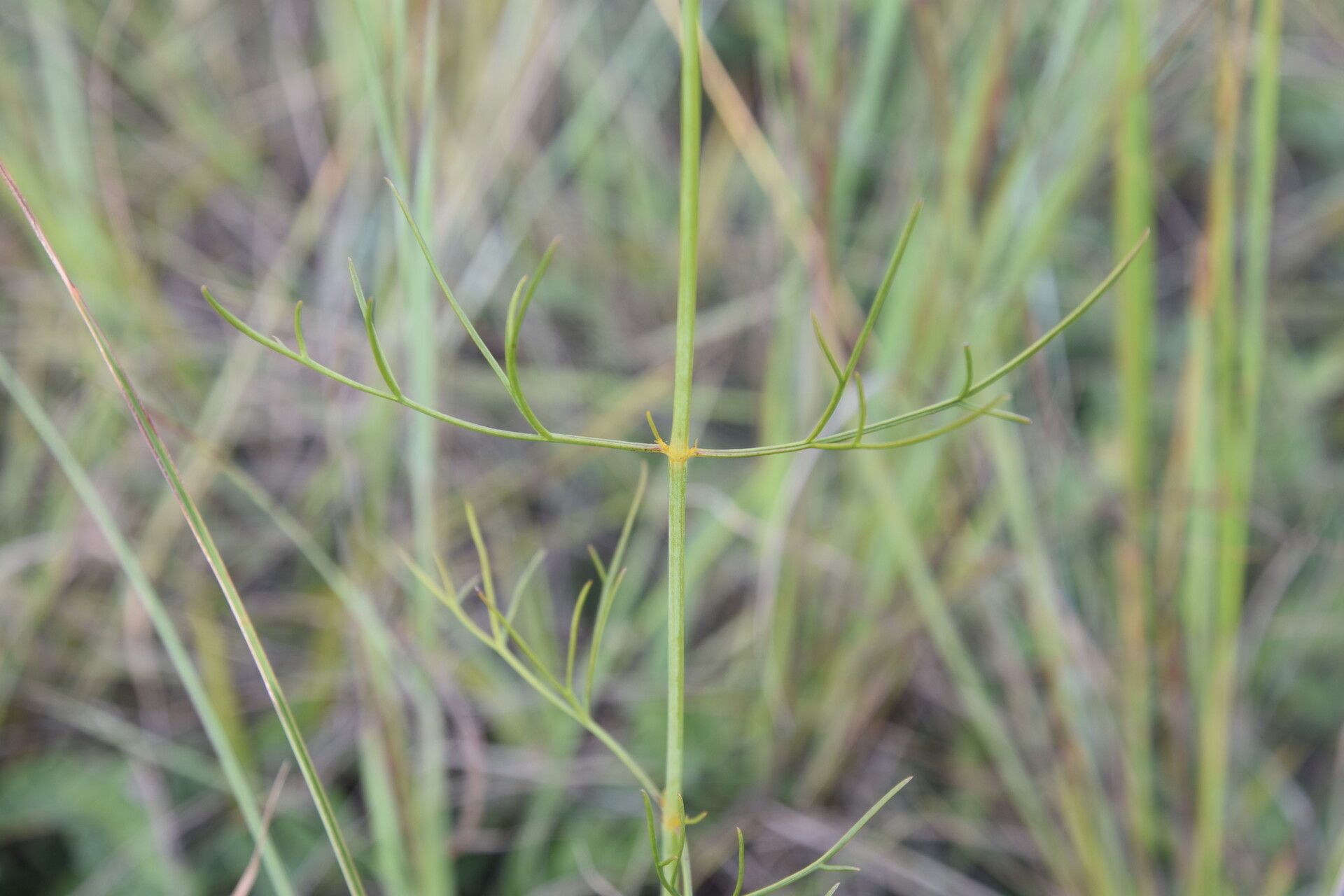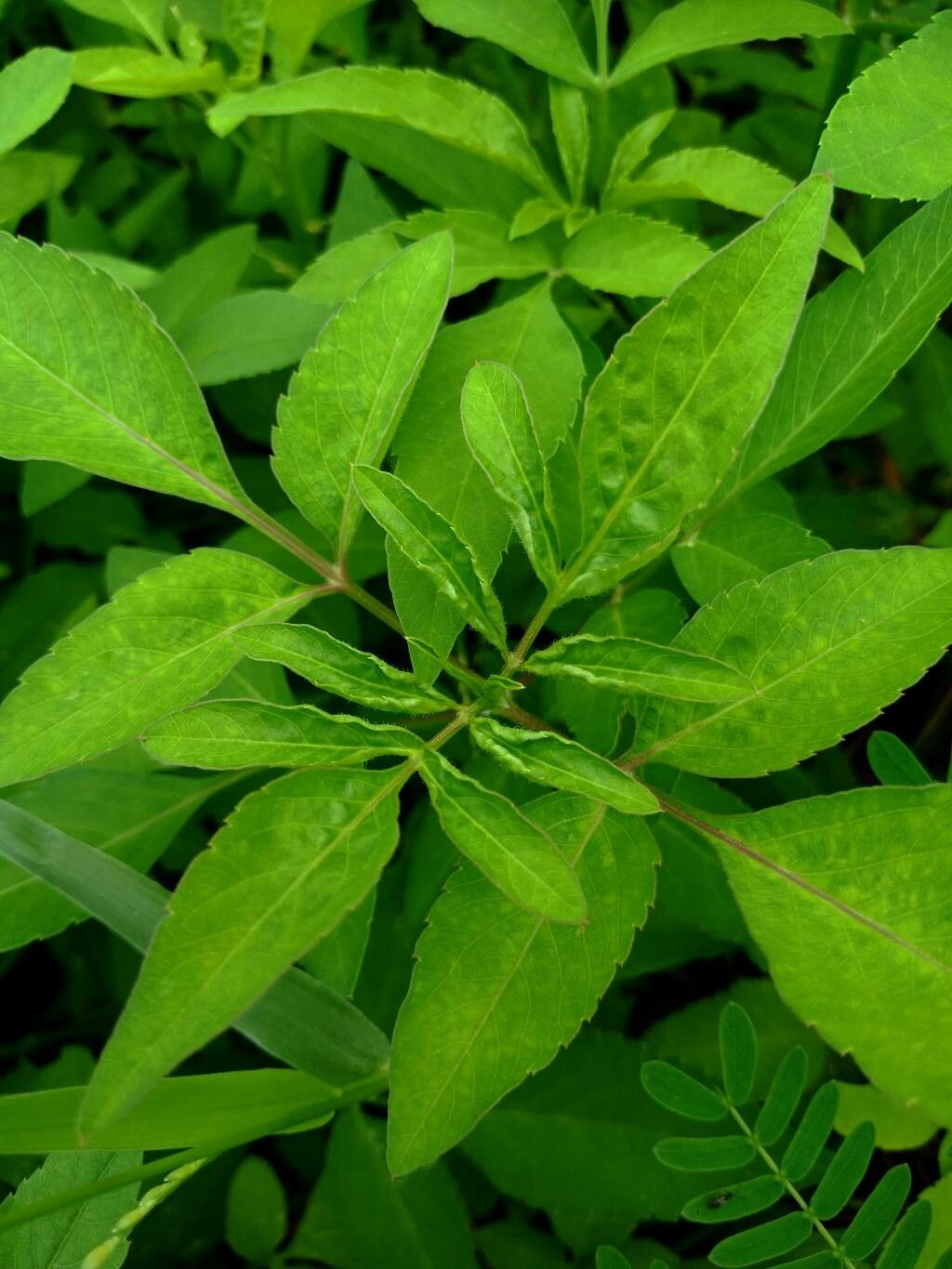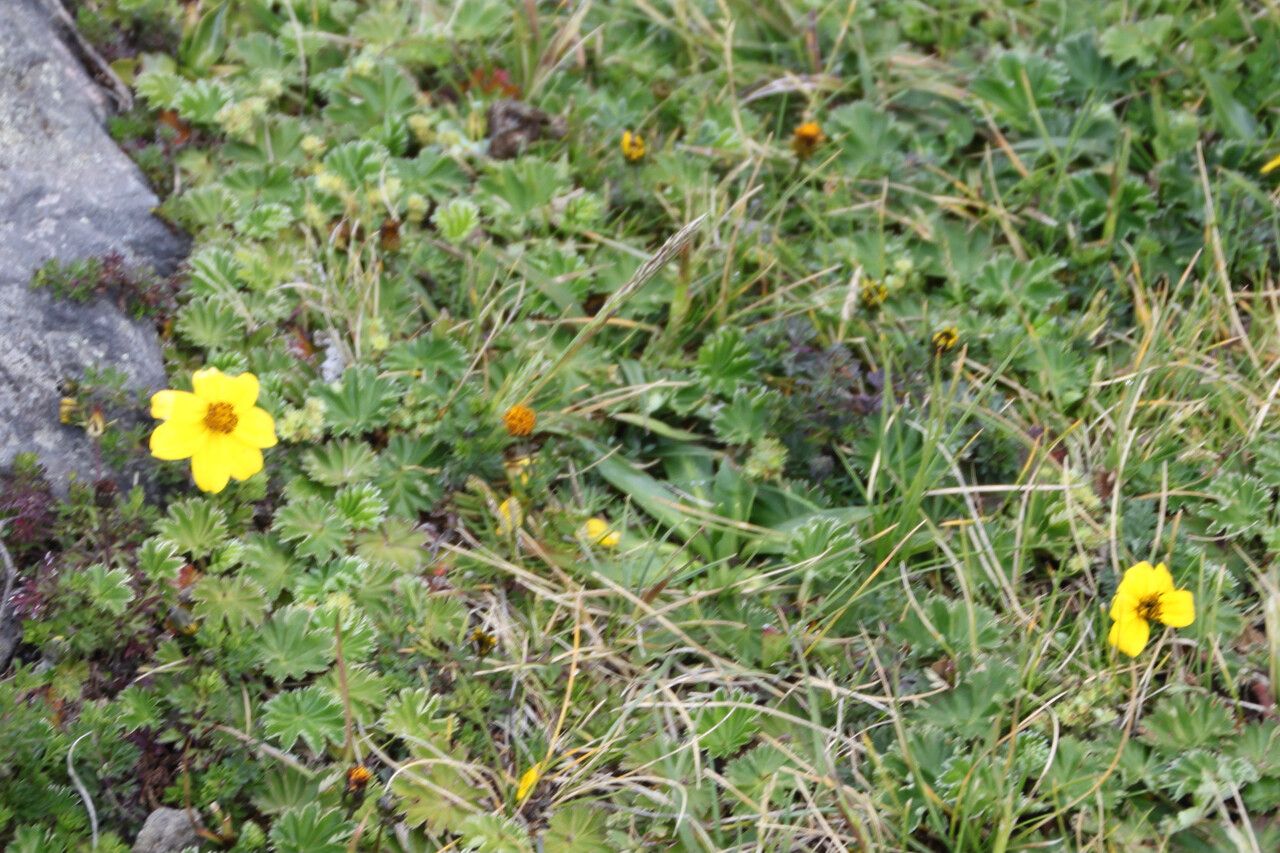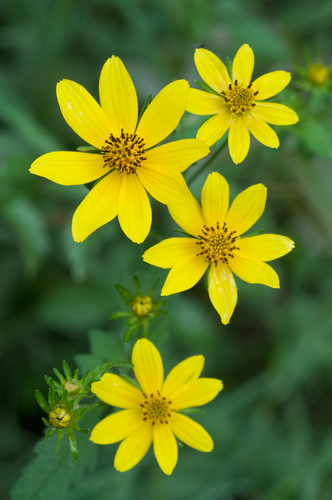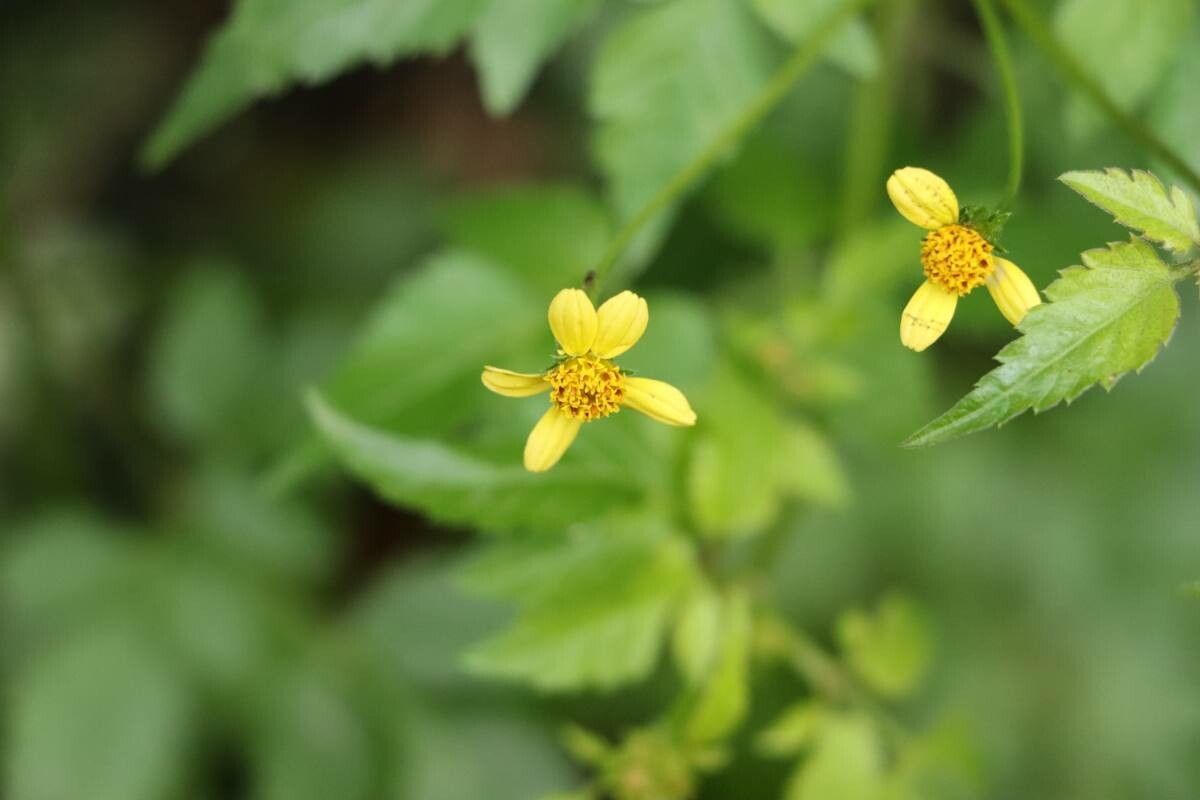
Spanish needles has strong resistance to disease and is generally not easily affected by illnesses. Still, it can be vulnerable to pests and diseases found in its environment. These problems are typically mild. Regarding care, this plant needs a moderate level of attention. It should be pruned regularly to preserve a neat appearance and healthy growth. Applying fertilizer can also encourage blooming. Spanish needles is well suited for anyone with outdoor areas like a garden or patio and does not demand extensive gardening experience. It may need extra care if kept indoors.
How to keep Bidens Biternata.
Light
Spanish needles primarily needs plenty of sunlight for healthy growth and can tolerate light shade. Native to regions with abundant sun, it does well in those conditions. Excessive shade or overly intense light can interfere with its growth and may cause damage.
Water
Spanish needles thrive in moist environments, needing regular hydration while showing some tolerance to moderate drought. To keep them healthy, it's best to water them twice a week. Additionally, rainwater during the growing season can enhance their natural growth cycles.
Temperature
Spanish needles originate from tropical areas, where the climate is generally warm and humid. Consequently, the plant is well adapted to high temperatures and humidity. It does not tolerate abrupt temperature changes and prefers a steady thermal environment, so indoor temperature fluctuations should be avoided. It typically cannot withstand cold and needs warmer temperatures for growth. If the surrounding temperature falls too low, the plant may stop growing or even die.
Fertilizer
Spanish needles benefit from regular, dilute fertilizer applications to encourage healthy leaf growth. Fertilize Spanish needles about once a month during the summer. Nitrogen is important for foliage, and providing nitrogen-rich sources helps Spanish needles thrive.
Pruning
Spanish needles is a hardy herb known for its needle-like leaves and small yellow flowers. It is best to prune it from early to late spring to remove any dead or diseased stems, promote healthy growth, maintain its shape, and prevent it from becoming invasive. Regular pruning also helps control self-seeding and excessive spreading.
Botanical profile.
- Plant Type
- Herb
- Life Cycle
- Annual
- Genus
- Bidens
- Family
- Asteraceae
- Hardiness Zone
- 9-11
- Mature Height
- 0.3 m to 1.52 m
- Mature Spread
- 30 cm to 61 cm
- Leaf Color
- Green
- Leaf Type
- Deciduous
- Flower Color
- Yellow
- Flower Size
- 0.76 cm to 1.02 cm
- Bloom Time
- Summer, Early fall, Mid fall
- Planting Time
- Spring, Summer, Autumn
- Harvest Time
- Late summer, Fall, Early winter
- Native Area
- Sri Lanka, Djibouti, Lesotho, Burkina Faso, India, Malaysia, Angola, Namibia, Eritrea, Pakistan, Yemen, Kenya, Uganda, Tanzania, Zimbabwe, Benin, Indonesia, Cambodia, Cameroon, Mozambique, Koppen, Ghana, Ethiopia, South Korea, Botswana, Central African Republic, Nepal, Saudi Arabia, South Africa, Zambia, Sudan, Philippines, Laos, Chad, China, Afghanistan, Vietnam, Myanmar, Japan, Côte d'Ivoire, Eswatini, Thailand