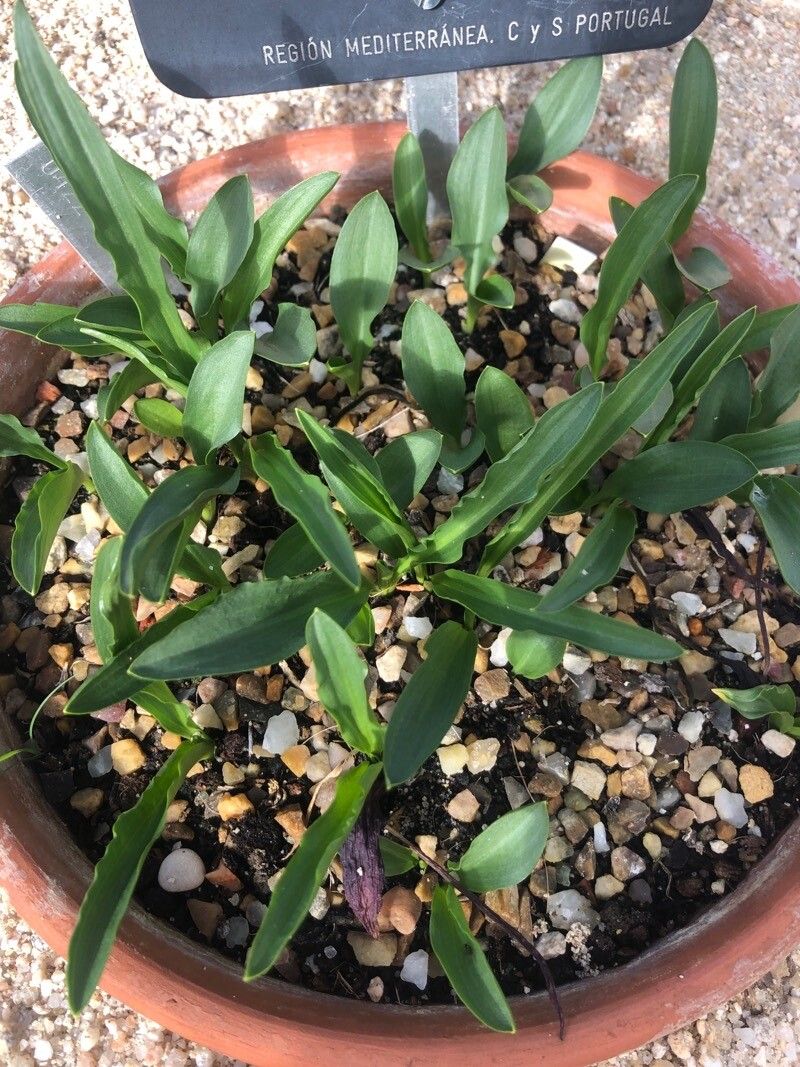
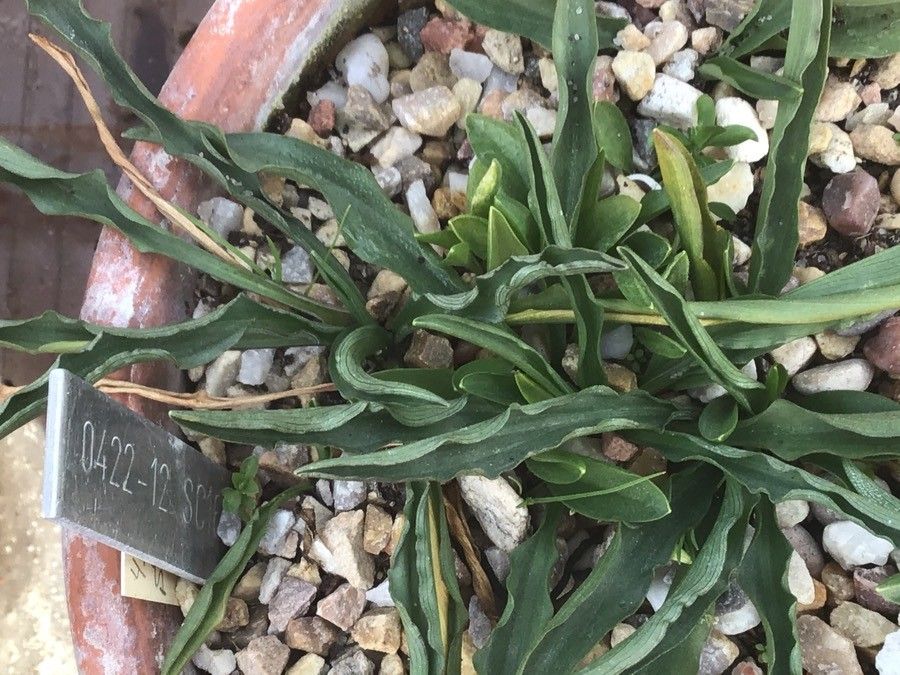
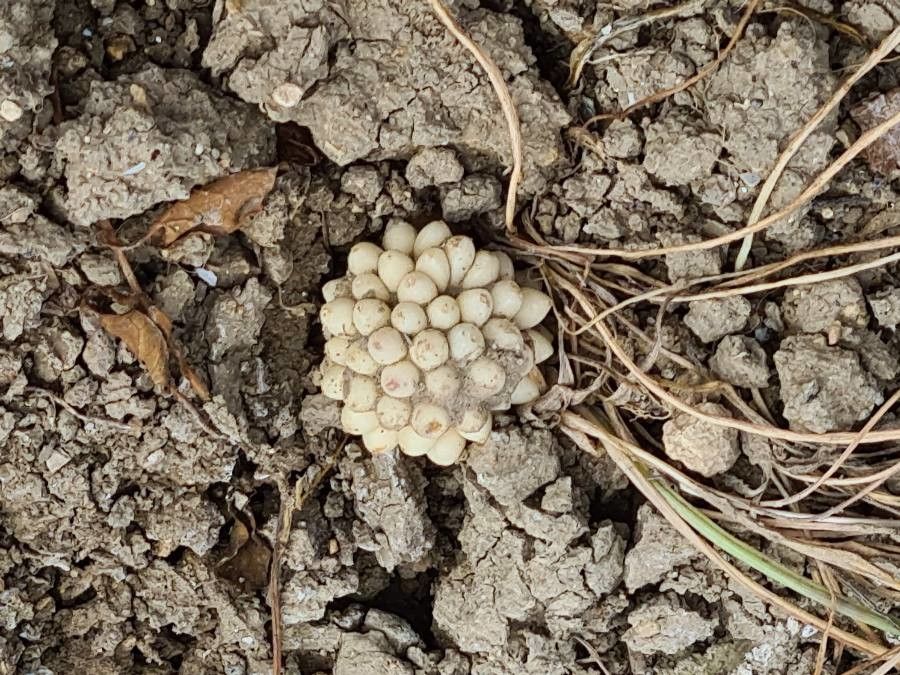
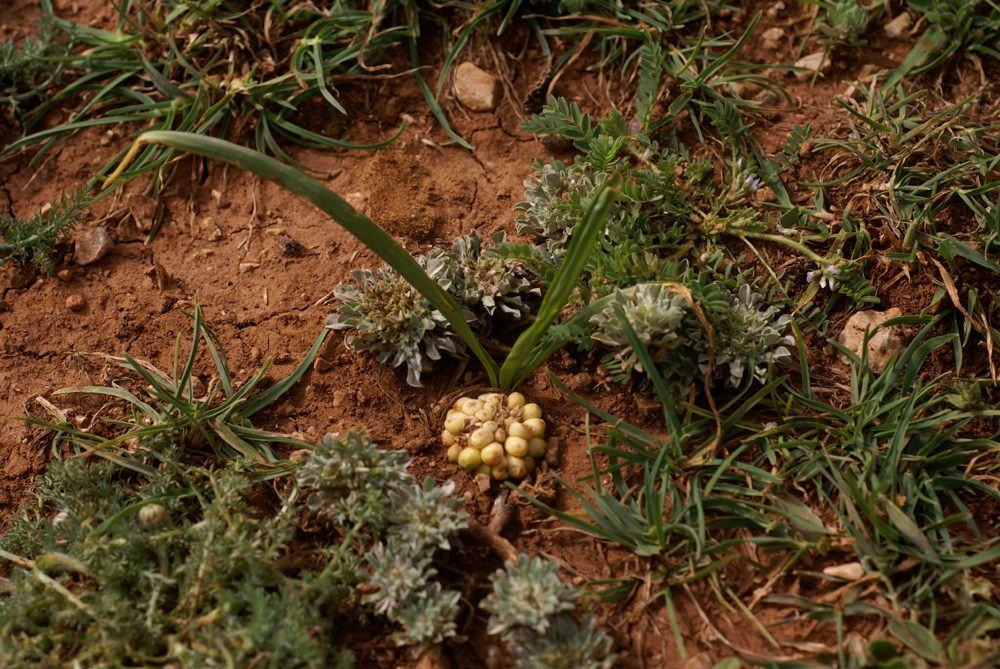
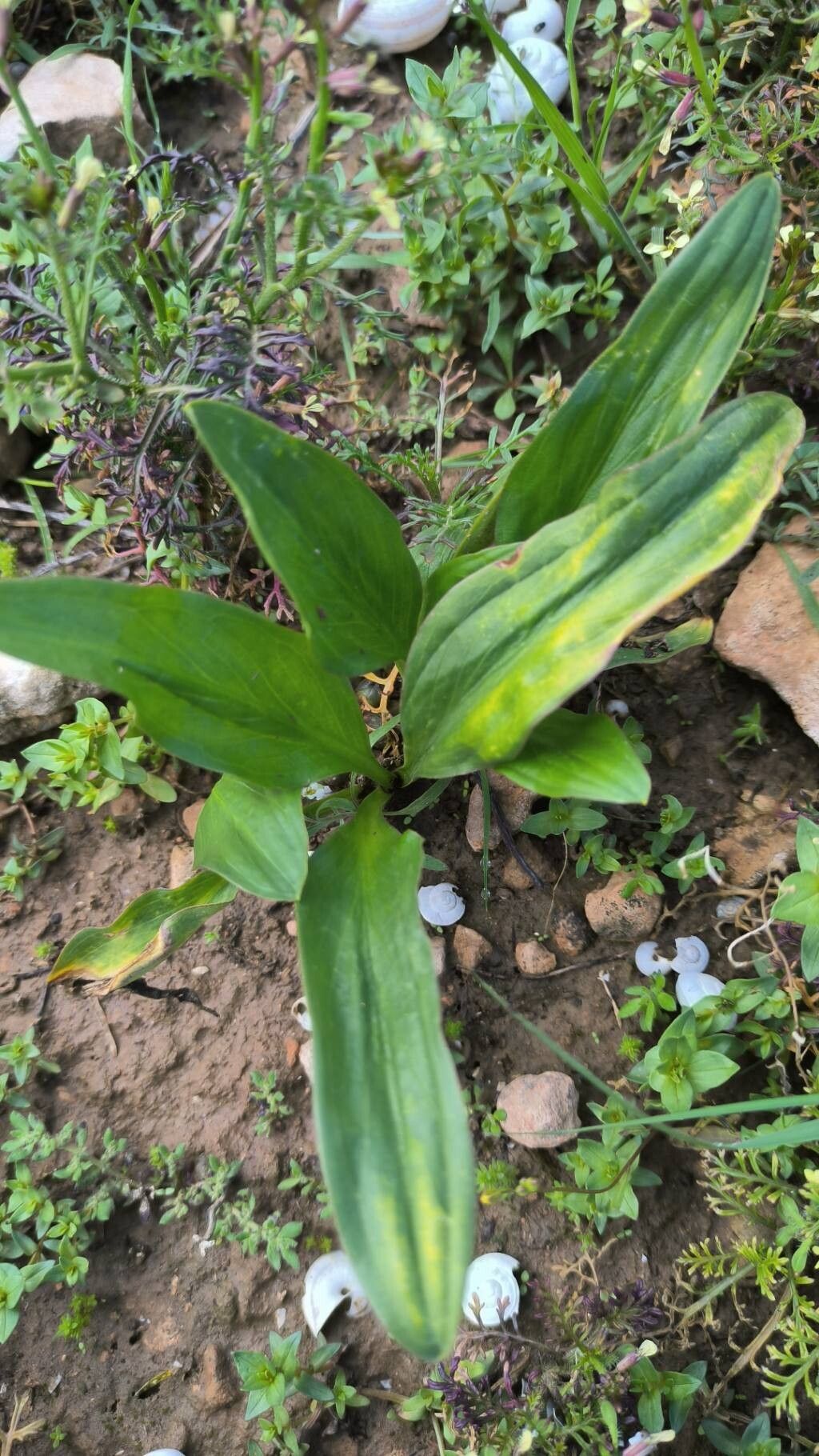
Biarum tenuifolium is a small, herbaceous perennial plant in the Araceae family. Native to the Mediterranean region, particularly Greece and Turkey, this plant features a tuberous root system. It typically produces one or two narrow, lance-shaped leaves up to 15 cm long, characterized by their green color with white veins.
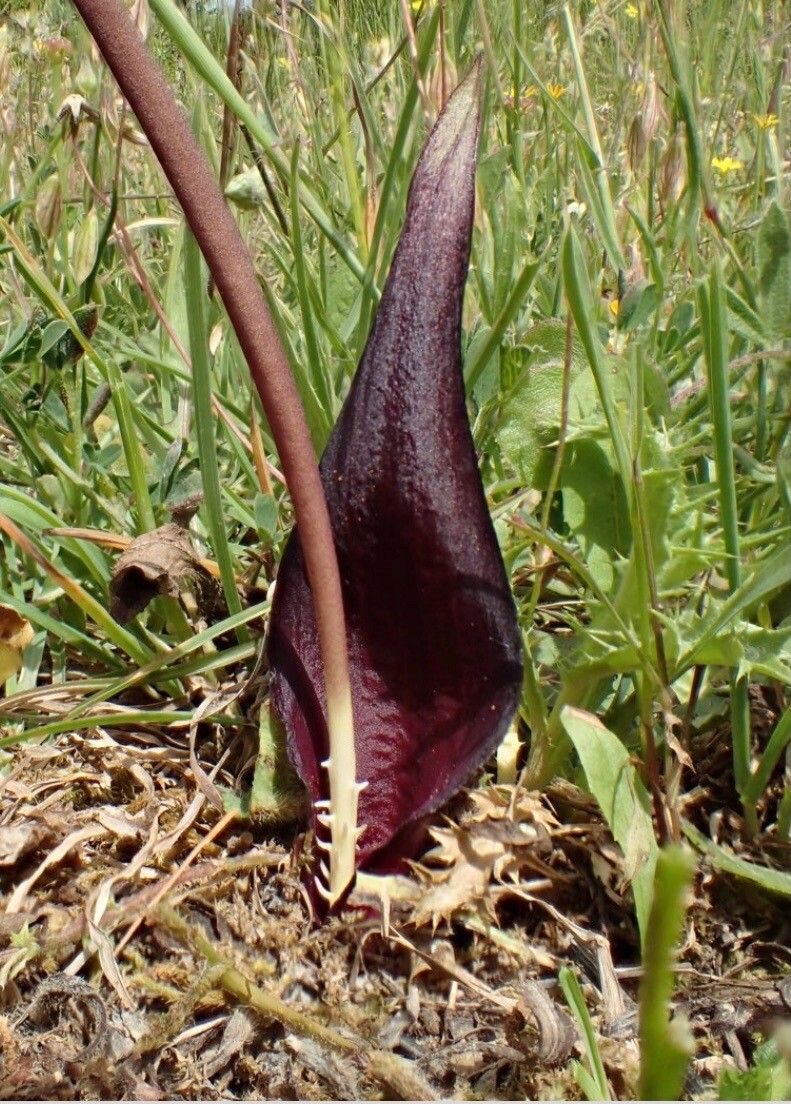
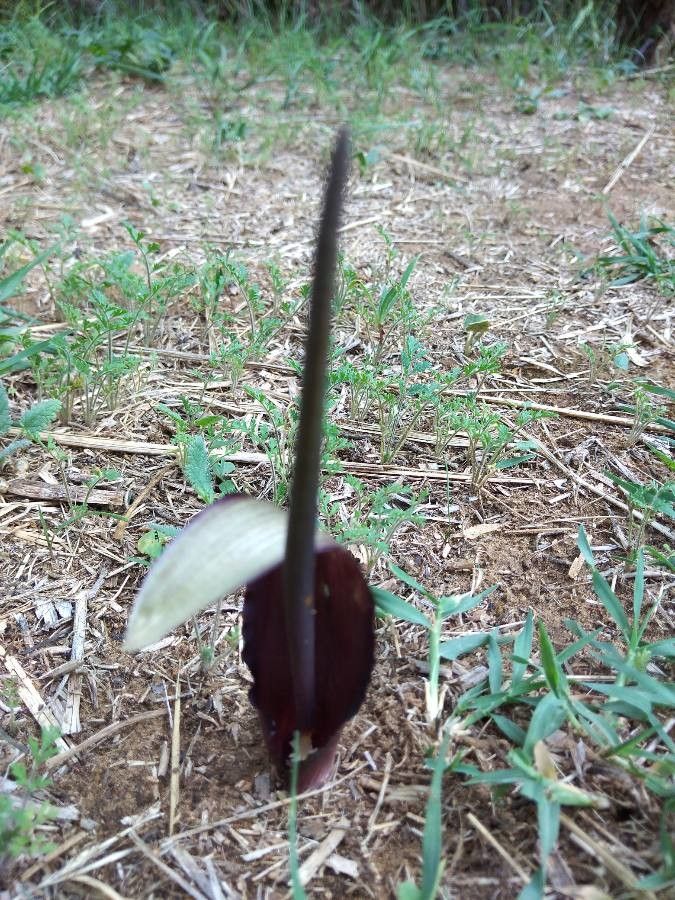
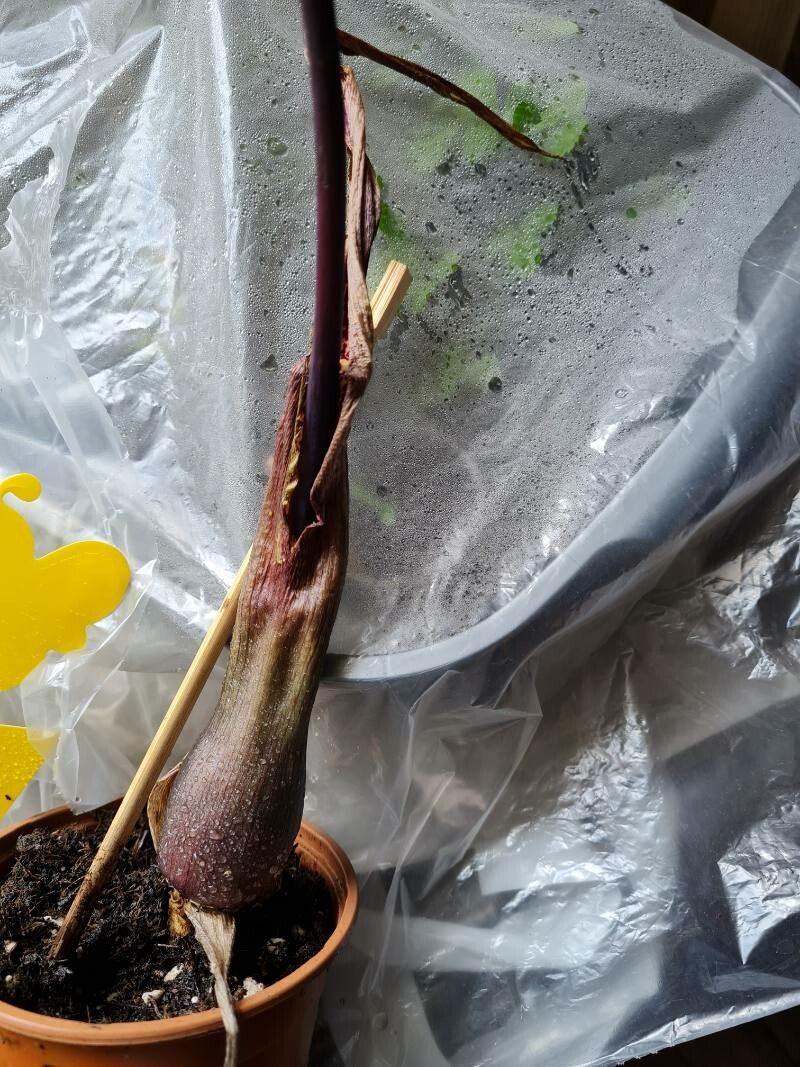
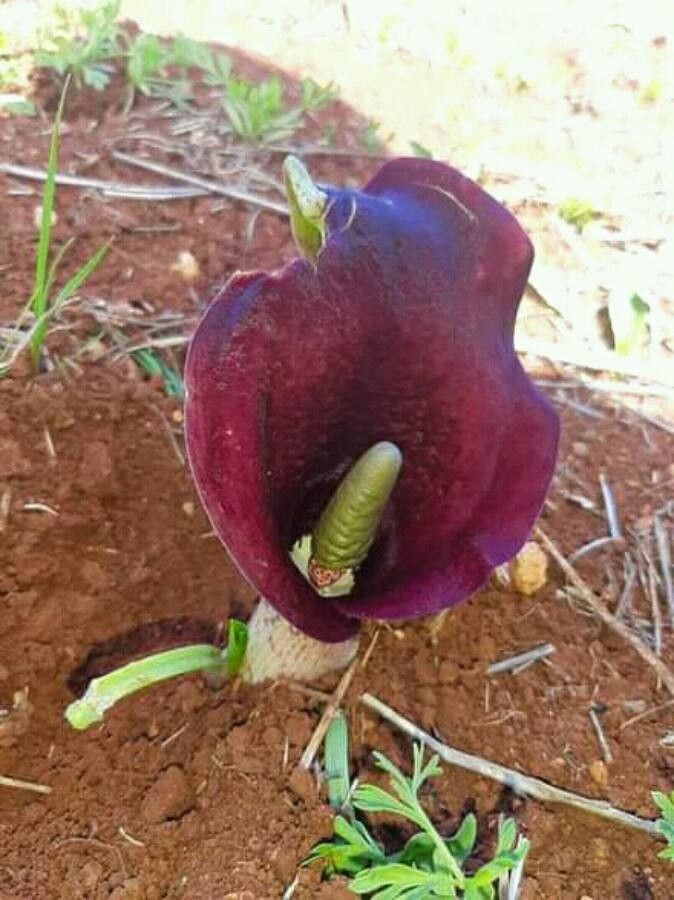
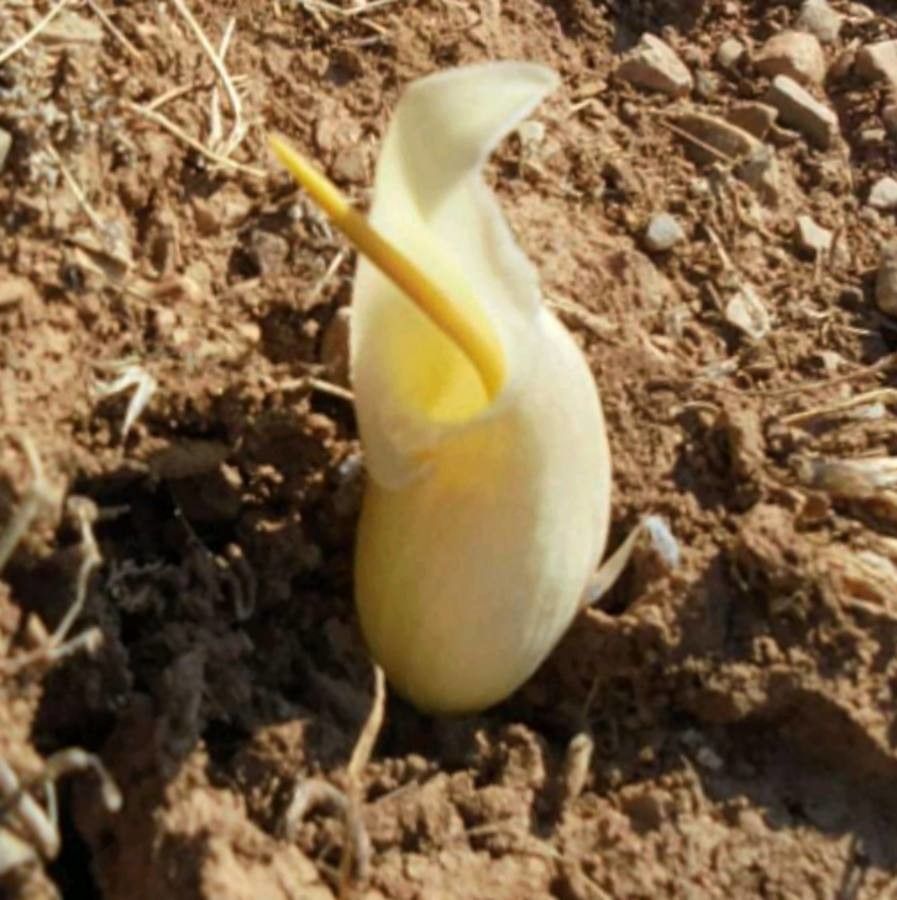
The flowers of Biarum tenuifolium are small and inconspicuous, measuring just 1-2 cm in length. They grow on a spadix covered by a spathe that is green on the outside with purple stripes on the inside.
This plant thrives in well-drained soils with moderate moisture levels and can adapt to both partial shade and full sun exposure. It can be propagated by dividing the tubers or from seed.
While Biarum tenuifolium has no known medicinal uses, it is valued as an ornamental plant for its attractive foliage. It adds color to gardens in springtime, blooming from March through May.
Overall, Biarum tenuifolium is a captivating choice for gardeners seeking unique plants for their collection. However, it requires specific growing conditions to achieve optimal growth.
Narrow-leaved biarum has strong resistance to disease and is generally unlikely to suffer from illnesses. Still, it can be vulnerable to pests and diseases found in its environment. These outbreaks are typically mild. Regarding care, this plant demands a moderate level of maintenance. It should be pruned regularly to preserve a neat appearance and support healthy growth. Applying fertilizer can also encourage it to bloom. Narrow-leaved biarum is appropriate for anyone who has an outdoor area, like a garden or patio, and does not require extensive gardening experience. It may need more attentive care if cultivated indoors.
How to keep Biarum Tenuifolium.
Light
Narrow-leaved biarum is native to habitats such as forest understories and rocky areas, where it grows in natural shade. It prefers partial sun but can adapt to both full sun and full shade, which shows its versatile, hardy nature.
Temperature
Narrow-leaved biarum is generally adaptable to temperature, tolerating high heat and wide temperature fluctuations. In hot weather, care should be taken with watering and providing adequate shade to prevent sunburn. Conversely, Narrow-leaved biarum has relatively low cold tolerance; although it can handle some chill, very cold conditions can cause frost damage.
Fertilizer
For Narrow-leaved biarum, the primary time to apply fertilizer is in early spring, when flowers are developing. The proper fertilizer promotes better blooms and helps Narrow-leaved biarum produce attractive flowers. Fertilizing in early spring ensures strong flowers during the season and supplies energy for dormant growth phases.
Pruning
The narrow-leaved biarum is known for its distinctive flower spathes and slender leaves. To encourage healthy growth, it is best to prune in early spring. This involves removing any dead foliage and spent stalks. Ensure you use clean, sharp tools to prevent disease, improve air circulation, and promote a more compact shape. Aligning pruning with the plant's growth cycle will support its overall health.
Botanical profile.
- Plant Type
- Herb
- Life Cycle
- Perennial
- Genus
- Biarum
- Family
- Araceae
- Hardiness Zone
- 8-10
- Mature Height
- 15 cm to 30 cm
- Mature Spread
- 10 cm to 20 cm
- Leaf Color
- Dark Green
- Leaf Type
- Semi-evergreen
- Flower Color
- Purple, Brown
- Flower Size
- 5.08 cm to 10.16 cm
- Bloom Time
- Late summer, Early fall, Mid fall
- Planting Time
- Spring, Autumn
- Harvest Time
- Late fall, Early winter, Mid winter
Other names.