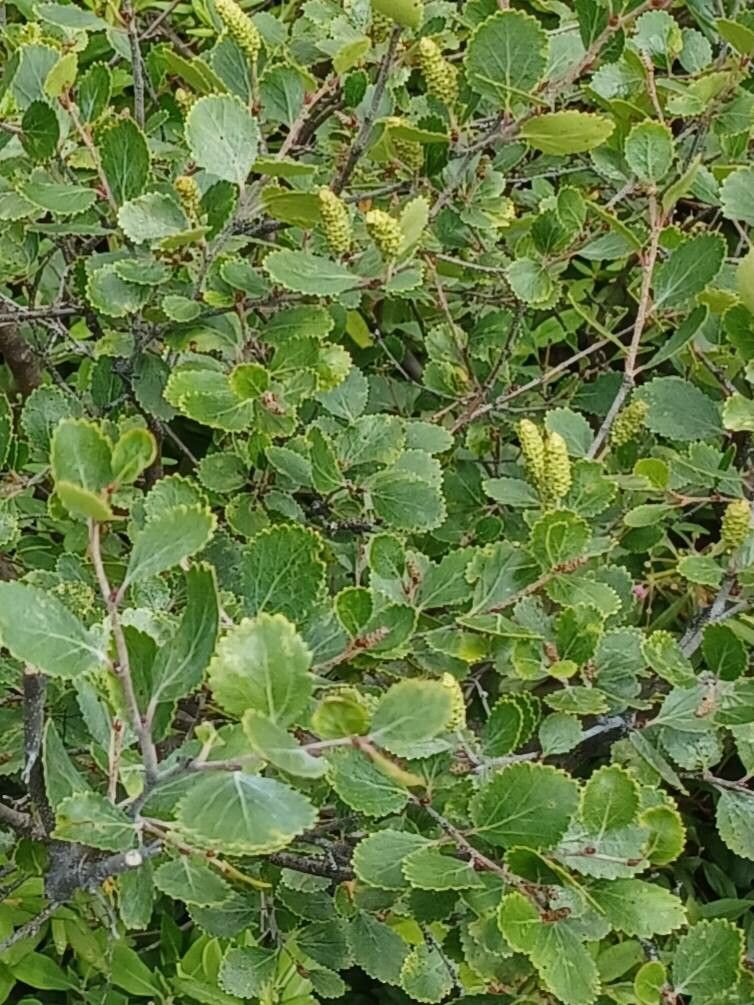
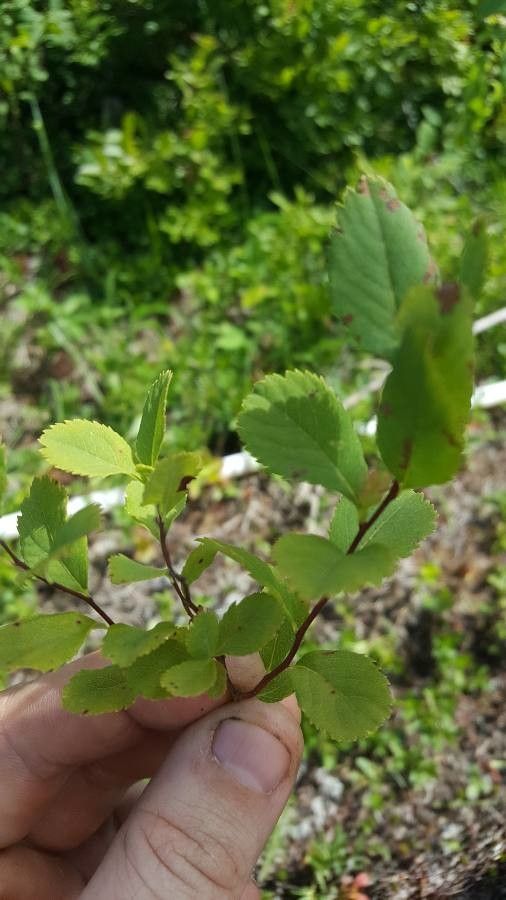
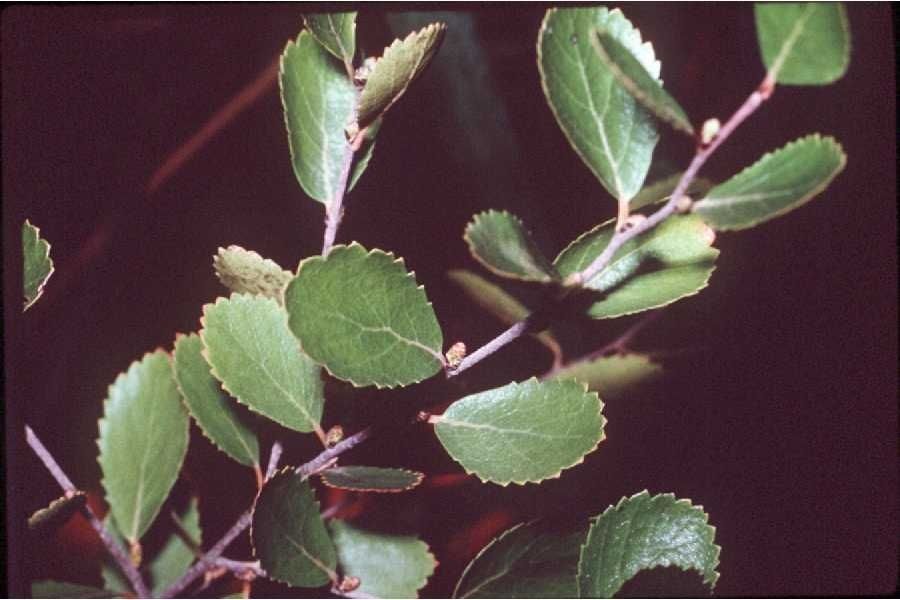
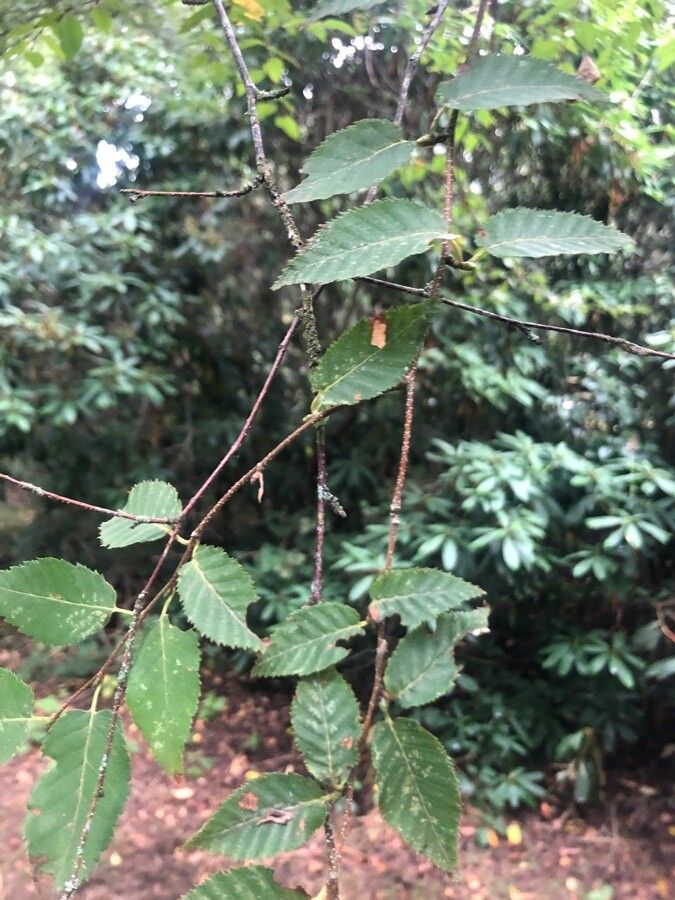
Betula pumila (dwarf birch or bog birch) is a deciduous shrub native to North America. Bog birch occurs over a vast area of northern North America, from Yukon in the west to New England in the east and all the way to Washington and Oregon, inhabiting swamps and riparian zones in the boreal forests.
Bog birch has good resistance to disease and is generally not prone to illnesses. In terms of care, this plant is relatively low maintenance. Planted outdoors, it needs minimal watering, and larger specimens typically do not require pruning. Smaller plants, however, should be pruned after they have finished blooming. Bog birch is appropriate for anyone with an outdoor space, such as a garden or deck, and does not demand much care experience.
How to keep Betula Pumila.
Light
Bog birch comes from open habitats, like sunny meadows and forest edges, which offer plentiful light. It flourishes in full sun but can also tolerate partial sun, doing well across different light conditions.
Water
To care for newly planted bog birch, water them carefully. Water for 30 seconds twice a week, ensuring the soil stays moist but not dry or overly saturated. Once the plants are established, you only need to water them during hot summer months. Use a hose to apply a gentle stream of water over the root system.
Temperature
Bog birch is highly adaptable to a variety of climate conditions, whether it's very hot summers or cold winters. Still, it has an optimal temperature range for healthy growth. If temperatures become too high, the plant is vulnerable to heat and humidity stress, which may lead to its death. In areas where temperatures reach the lower edge of its cold tolerance, it is important to apply insulation measures to protect the plant.
Fertilizer
Fertilize your Bog birch in early spring to encourage healthy growth. Regular feeding improves its overall health, leading to vigorous growth, increased resilience to harsh conditions, and better resistance to pests and diseases. Follow a consistent fertilization schedule for your Bog birch to keep the foliage vibrant, richly colored, and lush.
Pruning
The bog birch is a resilient deciduous shrub with flexible branches that usually grows in wetlands. To keep your bog birch healthy and well-shaped, prune it in early spring. Focus on removing dead growth, but avoid heavy pruning. Regular maintenance is important for promoting health and preventing disease, and pruning at the right time helps the shrub recover better. For more detailed guidance, consult established sources on best practices.
Botanical profile.
- Plant Type
- Shrub
- Life Cycle
- Perennial
- Genus
- Betula
- Family
- Betulaceae
- Hardiness Zone
- 2-7
- Mature Height
- 1.22 m to 3.66 m
- Mature Spread
- 0.91 m to 2.13 m
- Leaf Color
- Green, Dark Green
- Leaf Type
- Deciduous
- Flower Color
- Yellow, Green
- Flower Size
- 2.03 cm to 3.05 cm
- Bloom Time
- Early spring, Mid spring
- Planting Time
- Spring, Autumn
- Harvest Time
- Late summer, Early fall, Mid fall
Other names.
Reader questions.
What are the sunlight requirements for Bog Birch?
Bog Birch (Betula pumila) thrives when it receives more than 6 hours of sunlight daily. It's important to observe the way sunlight moves through your garden to identify areas that offer an ideal mix of light and shade, ensuring the optimal growth environment for your plants. This careful placement helps guarantee the happiness and health of your Bog Birch.