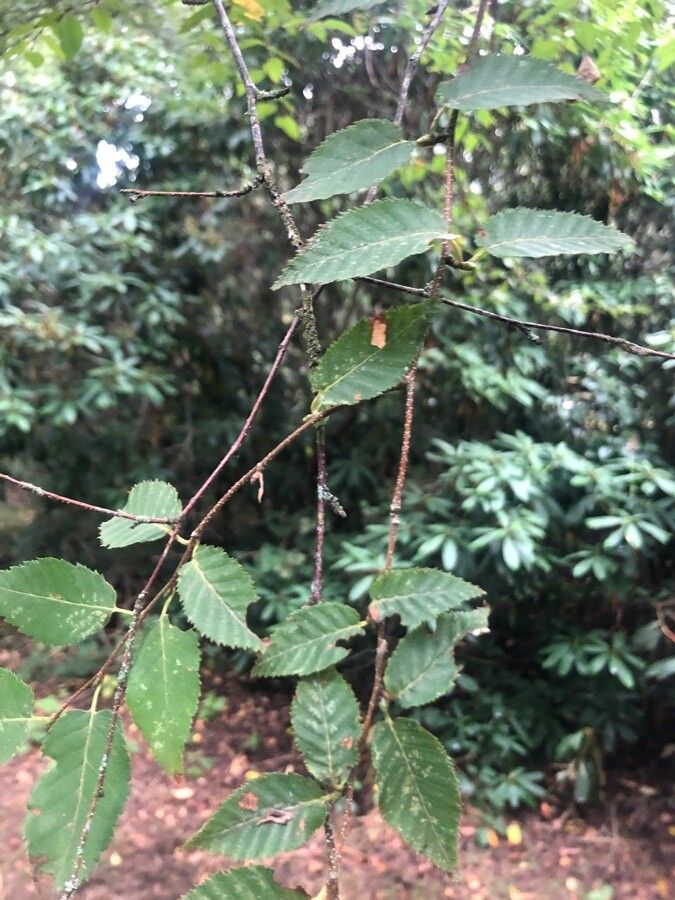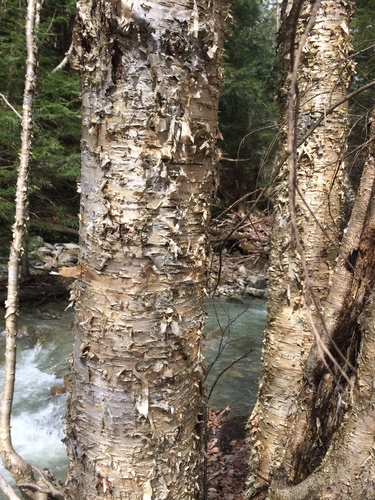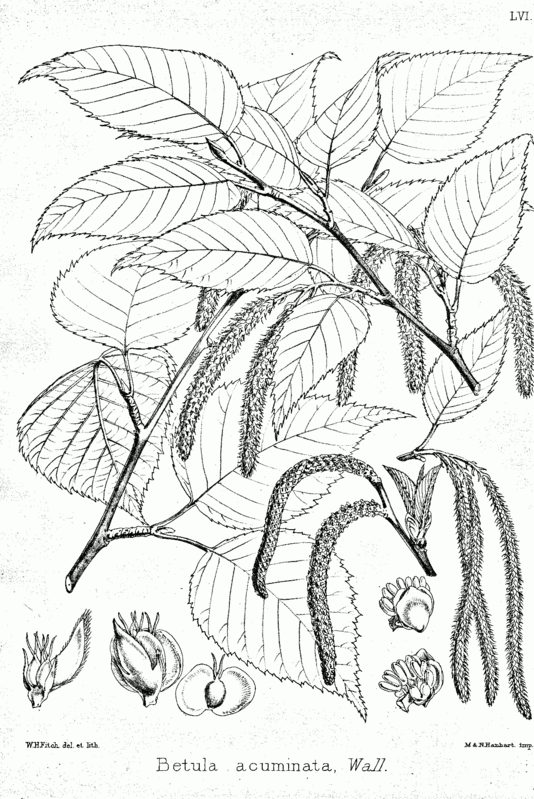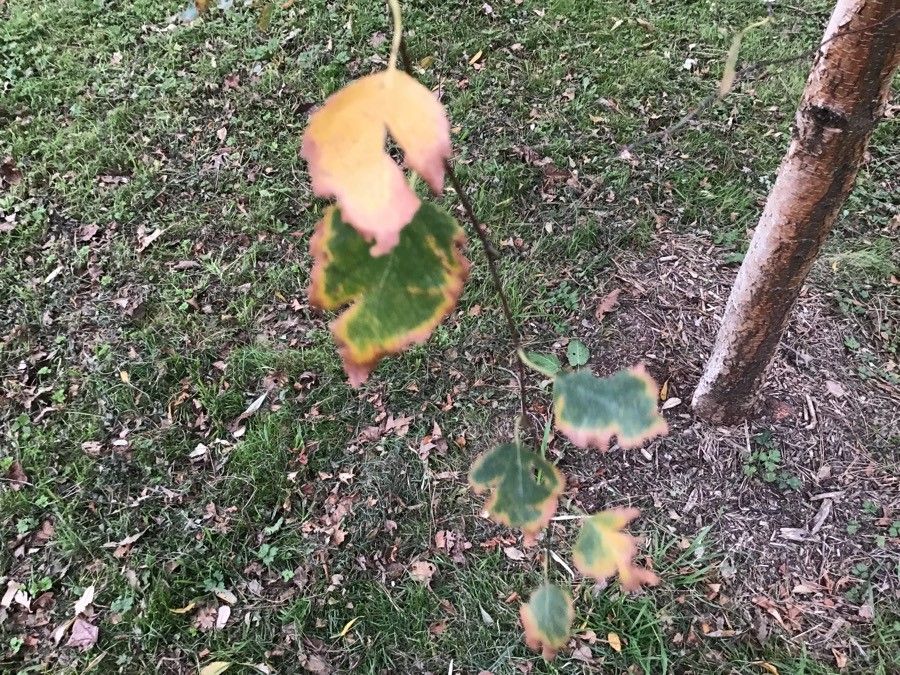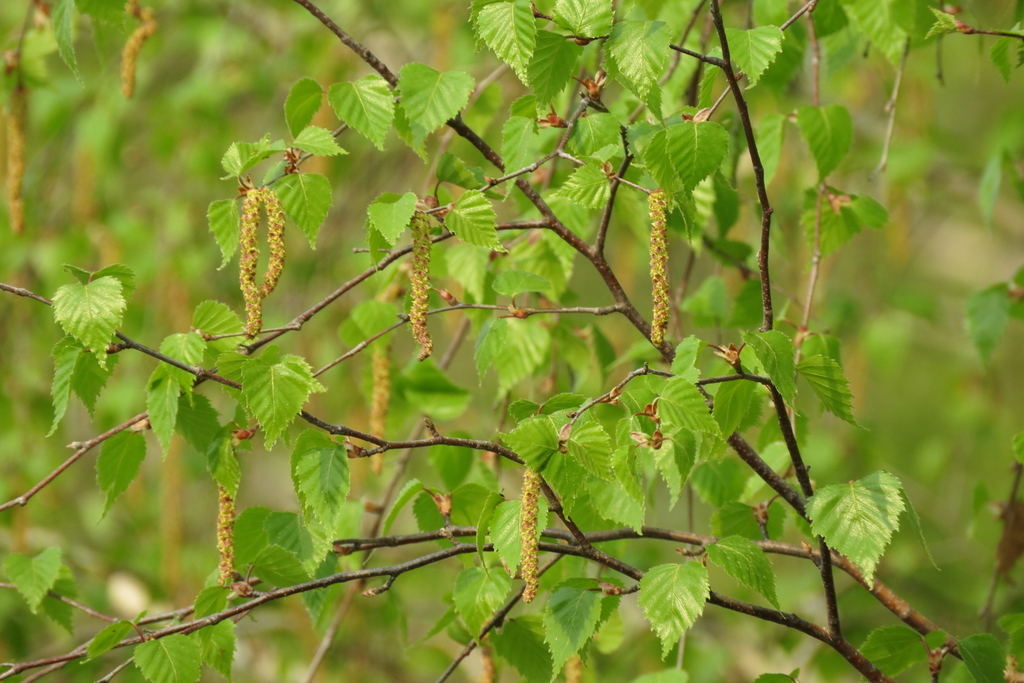
Betula pendula, commonly known as the silver birch, is a deciduous tree belonging to the family Betulaceae. Native to Europe and parts of Asia, it has also been widely cultivated in other regions of the world. The tree can reach up to 30 meters in height and features a slender trunk covered in white bark that peels off in thin strips. The leaves of Betula pendula are triangular or diamond-shaped with serrated edges and are light green in color. They turn yellow before falling off in autumn. The tree produces male catkins that are long and yellow-brown, while the female catkins are shorter and green. Betula pendula prefers well-drained soils but can tolerate a range of soil types, including sandy soils, loams, and clay soils, as well as acidic or alkaline conditions. It thrives best under full sun exposure but can also tolerate partial shade. The silver birch has many uses, notably in timber production due to its strong wood, which is used for furniture making, flooring, and other applications. Its bark has been used for medicinal purposes due to its anti-inflammatory properties, while its leaves have been traditionally used to treat skin conditions such as eczema. Overall, Betula pendula remains an important species both ecologically and economically due to its numerous benefits, making it a significant plant species globally.
Silver Birch, also known as Weeping Birch: Plants belonging to the Betula genus are commonly referred to as birch. The specific name given to each type of birch highlights its unique characteristics. For instance, this particular plant features distinctive tree bark and drooping branches, earning it the names Silver Birch or Weeping Birch.
Silver birch shows strong disease resistance and is usually not susceptible to illnesses. As for care, this plant is fairly low maintenance. When grown outdoors it needs only light watering, and larger specimens typically do not require pruning. Smaller plants, however, should be trimmed after they have finished blooming. Silver bircht is suitable for anyone with outdoor space, such as a garden or deck, and does not need much gardening experience.
How to keep Betula Pendula.
Light
Silver birch generally prefers abundant sunlight. It can also tolerate limited sun and shows resilience and adaptability in such situations. Excessive or insufficient light, however, can hinder its growth and undermine its health and vigor. This reflects its native habitat, where sun exposure commonly varies.
Water
Silver birch trees originated in temperate regions and prefer moderate moisture levels. Although they can tolerate short periods of drought, it's best to water them every 1-2 weeks. These trees thrive outdoors and do especially well in climates with consistent rainfall during their active growing season, which lessens the need for extra watering.
Temperature
Silver birch is native to cold and temperate regions and can tolerate temperatures ranging from 32 to 0 ℃ (89.6 to 32 ℉). In winter, when temperatures fall below 0 ℃ (32 ℉), the plant becomes dormant until spring, when temperatures rise above 0 ℃ (32 ℉). In summer, temperatures between 16 and 25 ℃ (60.8 to 77 ℉) are optimal for plant growth and development.
Fertilizer
Fertilize your silver birch in early spring to encourage healthy growth. Regular feeding improves the tree’s overall health, producing vigorous growth, increased tolerance of harsh conditions, and enhanced resistance to pests and diseases. Follow a consistent fertilizing schedule for your silver birch to maintain vibrant, deeply colored foliage and a lush appearance.
Pruning
The silver birch is known for its graceful, hanging branches and its iconic white bark. To maintain its health and appearance, prune it in early spring. Focus on removing any dead branches, thinning crowded areas, and shaping the tree for better aesthetics. Proper pruning not only enhances the tree’s health but also helps prevent pests and encourages new growth. Be sure to use sharp, clean tools to make precise cuts, which will minimize the risk of disease.
Toxicity
Betula pendula has no toxic effects reported.
Further reading →
The toxicity and danger assessments provided are for reference only. We do not assure their accuracy, so it's crucial not to depend on them. Seek professional advice when necessary for accurate guidance.
Botanical profile.
- Plant Type
- Tree
- Life Cycle
- Perennial
- Genus
- Betula
- Family
- Betulaceae
- Hardiness Zone
- 3-8
- Mature Height
- 9.14 m to 24.99 m
- Mature Spread
- 4.57 m to 9.14 m
- Leaf Color
- Green, Yellow
- Leaf Type
- Deciduous
- Flower Color
- Yellow, Green, Brown, Cream
- Flower Size
- 0.51 cm to 1.02 cm
- Bloom Time
- Mid spring, Late spring
- Planting Time
- Autumn, Winter, Spring
- Harvest Time
- Mid summer
Other names.
Reader questions.
When Should I Water My Silver Birch?
Proper and timely watering is crucial for the health and development of the silver birch, impacting its growth, foliage, and resistance to diseases. Check the soil's moisture by feeling it 1-2 inches deep; if dry, it's time to water. Beware of overwatering if the soil is soggy. Wilting leaves can indicate water stress, but also excessive watering. Yellowed or dull leaves suggest under-watering, while dark green, swollen ones may indicate overwatering. Dry and brittle roots or those pulling away from the pot's edge suggest the need for water. Environmental factors like high temperatures and wind accelerate water loss, requiring more frequent watering. Avoid watering too early or late, as this can lead to root diseases or plant death, respectively. Observing the plant's condition and adjusting the watering schedule accordingly is key.
Why is it important to use fertilizers on my Silver birch tree?
No matter what type of Silver birch you have, regular fertilization is key for its overall health. Providing the right nutrients promotes stronger growth and improves the tree's ability to withstand challenging conditions, diseases, and pests. The foliage of the Silver birch is highly appealing, so it's important to maintain its beauty. To achieve this, establish and follow a fertilization schedule tailored to your specific Silver birch. By doing so, you'll encourage the growth of vibrant, richly colored leaves, resulting in a lush appearance.
What are the sunlight requirements for Silver Birch?
Silver Birch thrives under ample sun exposure and possesses a degree of resilience even with limited access to sunlight. For optimal growth, full sun conditions, defined as above 6 hours of sunlight daily, are preferred, but the plant will also fare well in partial sun, receiving about 3-6 hours of sunlight. It's important to note that both too much or too little sunlight can negatively impact the plant's health and vitality. Observing how sunlight moves through your garden and choosing spots that offer a good balance of light and shade can significantly benefit your Silver Birch's well-being.
What are the ideal temperature conditions for growing Silver Birch (Betula pendula)?
Silver Birch thrives in cold and temperate regions, ideally with summer temperatures between 16 to 25 °C (60.8 to 77 °F) and can tolerate winter temperatures down to 0 °C (32 °F). It goes dormant in winter when temperatures fall below freezing and resumes growth in spring when temperatures rise above 0 °C (32 °F). Thanks to its strong cold resistance, special frost protection measures are generally not required, although in exceptionally cold winters where temperatures are expected to drop significantly, providing some form of cold protection is beneficial. This can include wrapping the trunk and branches with non-woven fabric or cloth, and ensuring the soil around it is moist before the ground freezes to prevent drought during the colder months.
How Should I Water My Silver Birch?
Watering silver birch effectively involves maintaining consistently moist soil without waterlogging. Deep watering is recommended, allowing water to penetrate deeply around the roots, fostering strong root growth, and avoiding shallow watering that leads to weak roots. Use a watering can with a rose attachment to distribute water evenly and prevent soil disruption. A moisture meter can be invaluable in gauging when to water, helping avoid over or under-watering. Focus on watering the root zone slowly and directly, avoiding foliage to reduce fungal disease risk. To prevent overwatering, regularly check soil moisture levels. Mulching can help retain soil moisture, and adjusting watering practices to your specific environmental conditions is essential.
When should I put fertilizer on my Silver birch tree?
To properly fertilize your Silver birch tree, start by fertilizing it in late winter or early spring. This will provide the tree with the necessary nutrients for healthy growth once the weather warms up. If you live in a warm climate region, it is also beneficial to fertilize your Silver birch tree again in early fall. This additional feeding not only supplies the tree with nutrients for the following growing season but also helps it withstand the winter cold without foliage damage. Fertilizing earlier in the fall allows new branches to grow and strengthen in preparation for the harsh winter conditions.
How can artificial lighting benefit Silver Birch indoors?
Indoor Silver Birch plants require adequate lighting for optimal growth, especially when natural sunlight is insufficient. Artificial lights offer a vital solution, providing the necessary spectrum and intensity of light to support faster, healthier growth. LED lights are particularly beneficial as they can be customized to deliver specific wavelengths needed by the plants. Full sun plants should receive 30-50W/sq ft of light, partial sun plants 20-30W/sq ft, and full shade plants 10-20W/sq ft. The artificial light source should be placed 12-36 inches above the plant to mimic natural sunlight, ensuring it receives 8-12 hours of light per day.
How does low temperature affect Silver Birch and what can be done?
Silver Birch is quite tolerant of cold and shows no significant adverse effects when temperatures are above its critical low threshold. However, if temperatures fall below this critical point during winter, you might not notice immediate damage, but come spring, the branches may turn brittle and dry, and fail to produce new leaves. To mitigate these effects, it's advisable to prune away any dead branches in the spring to encourage new growth and maintain the health of the tree.
How Much Water Does Silver Birch Really Need?
Silver birch requires consistently moist but not waterlogged soil, reflecting its natural habitat in moist woodlands and along riverbanks. The water need varies with pot size, root depth—targeting 18-24 inches, and the plant's size, with younger plants needing less water. Signs of proper hydration include vibrant green foliage and vigorous growth, without wilting or yellowing leaves. Both over and underwatering can pose risks, such as root rot or stunted growth, respectively. Checking soil moisture before watering and avoiding a fixed schedule can help ensure the silver birch receives appropriate water amounts.
When is it not a good time to fertilize my Silver birch tree?
There are certain times of the year when you should avoid fertilizing your Silver birch. The first period is in the early and mid-winter, as the tree will be in a dormant state and does not require fertilization. Similarly, it is not recommended to fertilize the plant throughout late spring and the entire summer due to the hotter and drier weather conditions. Fertilizing during this time could have detrimental effects on the Silver birch. To prevent any potential issues, it is best to follow a fertilization schedule that involves feeding the tree only in early spring and early fall.
What are the common symptoms of insufficient or excessive sunlight in Silver Birch?
Silver Birch exhibits various symptoms under suboptimal lighting. Insufficient sunlight may lead to small new leaves, leggy or sparse growth, faster leaf drop, slower or no growth, and lighter-colored new leaves. Excessive sunlight can cause chlorosis, sunscald, leaf curling, wilting, and leaf scorching. These symptoms range from discoloration and reduced leaf size to physical damage like bleaching or necrosis on the plant tissue. Adjusting the plant's exposure to sunlight appropriately can help mitigate these issues.
What are the implications of high temperature on Silver Birch and how can they be addressed?
In the summer, it's crucial to keep Silver Birch's temperature below its maximum tolerance level to avoid stress from excessive heat. Overexposure can lead to lighter colored leaves, sunburn, and dry, withered leaf tips. To protect the tree from high temperatures, you can trim away sunburned or dried parts, provide shade during the most intense sunlight hours using shade cloth or by relocating the plant, and ensure consistent soil moisture by watering the plant in the morning and evening.