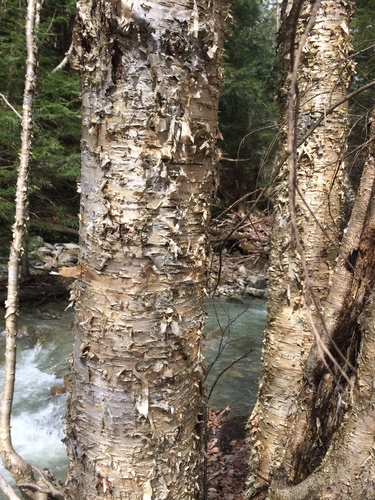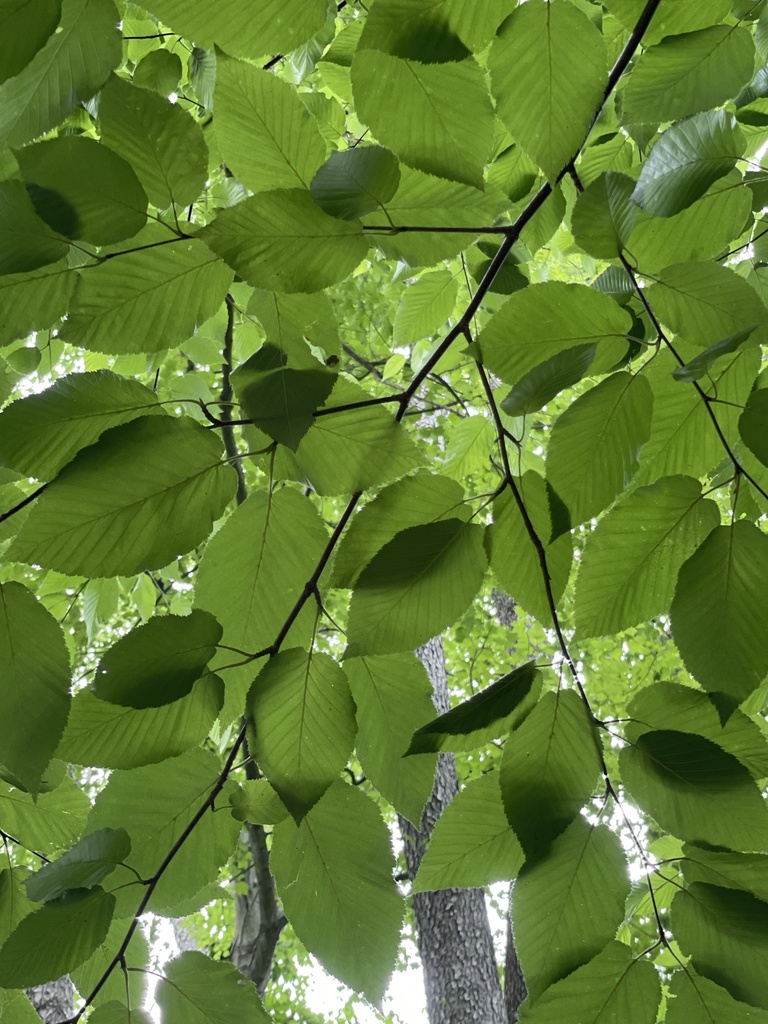
Betula lenta, commonly known as black birch or sweet birch, is a deciduous tree native to eastern North America. It typically reaches a height of 50-70 feet and has a narrow, pyramidal shape. The bark is dark brown or black, featuring deep furrows and ridges that resemble those of cherry trees.
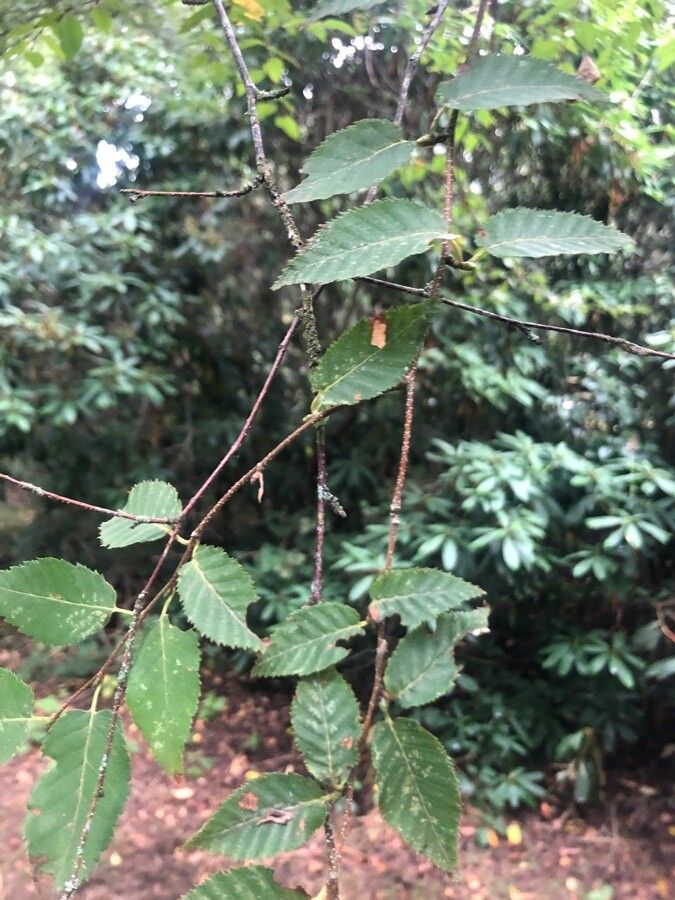
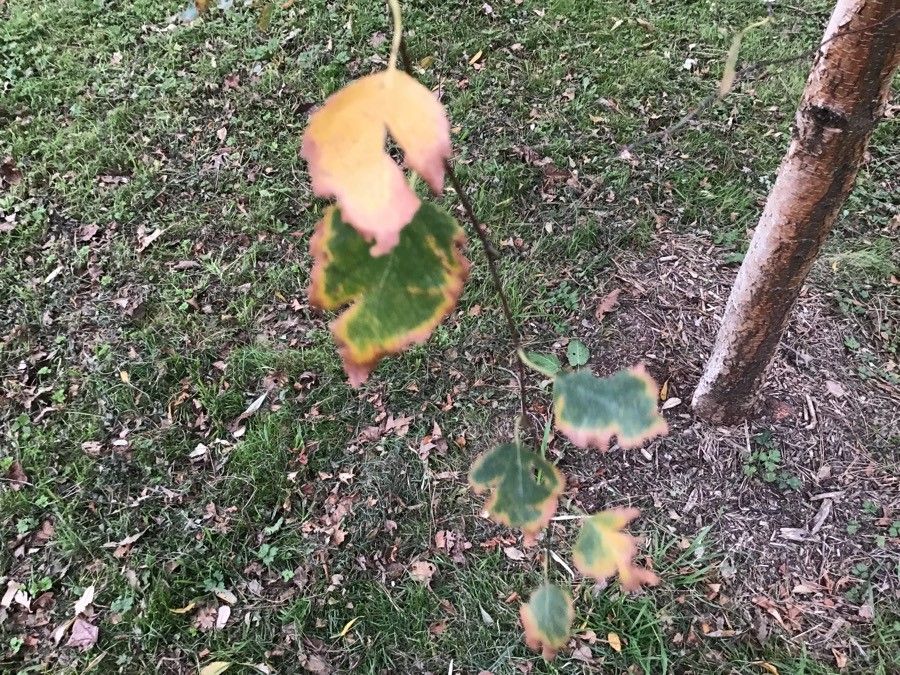
The leaves are alternate, simple, and ovate with serrated edges. They are dark green in the summer, turning yellow in the fall before dropping off.
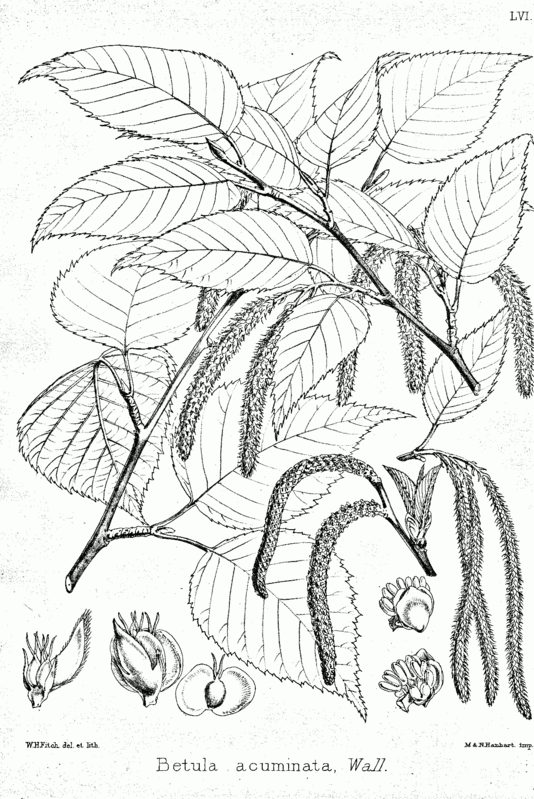
Betula lenta produces small flowers that appear in early spring before the leaves emerge. These flowers are arranged in drooping catkins that can be up to 3 inches long.
The tree's fruit is a small nutlet contained within a woody, cone-like structure called an infructescence. The nutlets ripen in late summer or early fall.
Betula lenta is valued for its aromatic oil, which gives it the common name "sweet birch." This oil can be extracted from various parts of the tree, including the bark, twigs, leaves, and sapwood. Historically, it has been used to flavor food products such as root beer and also possesses medicinal properties, providing pain relief when applied topically.
Overall, Betula lenta is an attractive deciduous tree with unique characteristics that set it apart from other trees in eastern North America's forests. It offers valuable resources both commercially (for flavoring) and medicinally (for pain relief).
Sweet birch is fairly resistant to disease and is typically not vulnerable to illnesses. Regarding upkeep, this species is fairly low-maintenance. When grown outdoors it needs only occasional watering, and larger specimens usually do not require pruning. Smaller specimens, however, should be trimmed after they have finished blooming. Sweet bircht is appropriate for anyone with an outdoor area, like a garden or a deck, and does not call for extensive care experience.
How to keep Betula Lenta.
Light
Sweet birch grows best in places with plenty of filtered sunlight. It can tolerate direct, unshaded sun, but its native woodland habitat indicates a preference for gentler light. Excessive sun can scorch its leaves, while insufficient light may limit growth, reflecting its evolutionary habitat preference.
Water
Sweet birch, native to moist woodlands, thrives in conditions with moderate moisture. It requires consistent watering to stay hydrated, but care must be taken to avoid waterlogging. Ideally, sweet birch should be watered every 1 to 2 weeks. Although it is typically grown outdoors, using mulch around the base of the tree can help retain moisture, mimicking its natural environment.
Temperature
Sweet birch favors temperatures between 32 to 90 ℉ (0 to 32 ℃), making it suitable for temperate regions. As a native species, it grows in a range of habitats, from cool, moist sites to dry, rocky soils. In winter it tolerates low temperatures and even favors a dormant phase to prepare for spring growth.
Fertilizer
To encourage healthy growth, fertilize your Sweet birch in early spring. Regular feeding improves overall health, leading to vigorous growth, greater resilience in harsh conditions, and better resistance to pests and diseases. Keep to a consistent fertilization schedule for your Sweet birch to ensure foliage that is vibrant, richly colored, and lush in appearance.
Pruning
Sweet birch trees have aromatic bark and leaves with serrated edges. Pruning them in early spring helps improve air circulation by removing dead or crowded branches, which prevents fungal infections and promotes overall health. These practices ensure optimal growth, resilience, and aesthetic appeal for sweet birch trees.
Botanical profile.
- Plant Type
- Tree
- Life Cycle
- Perennial
- Genus
- Betula
- Family
- Betulaceae
- Hardiness Zone
- 3-8
- Mature Height
- 18.29 m to 21.34 m
- Mature Spread
- 10.36 m to 13.41 m
- Leaf Color
- Green, Yellow
- Leaf Type
- Deciduous
- Flower Color
- Yellow, Red, Brown, Green
- Flower Size
- 2.54 cm to 7.62 cm
- Bloom Time
- Mid spring, Late spring
- Planting Time
- Autumn
- Harvest Time
- Mid summer
Other names.
Reader questions.
What's the most effective way to water my Sweet birch tree?
To promote excellent root development, consider placing a garden hose at the base of the plant. Avoid spraying the leaves directly, as this may not be beneficial. If the plant is outdoors and exposed to direct sunlight, the leaves will likely require more watering. Consider using bubblers to moisten the roots of each individual plant. Additionally, using soaker hoses can effectively cover the entire garden or bed when adding or removing plants, ensuring deep root growth. After watering, be sure to drain any excess water and allow the soil to dry before watering again. To prevent diseases, water the plants at ground level. On a sunny day, it may be beneficial to spray the entire bush with water. Regardless of whether the plant is potted or in the ground, keep in mind that Sweet birch prefers deep watering rather than light sprinkling.
Why should I put fertilizer on my Sweet birch tree?
To ensure the health and well-being of your Sweet birch, it is recommended to fertilize regularly, regardless of the specific variety you own. Providing the right nutrients will promote vigorous growth and enhance the tree's resilience to challenging conditions. By maintaining a consistent fertilization schedule tailored to your Sweet birch, you can help it combat diseases and pests effectively. The foliage of your Sweet birch is one of its most appealing features, so it is important to prioritize its preservation. Regular fertilization will contribute to the development of vibrant leaves with a beautiful, lush appearance.
What are the sunlight requirements for sweet birch?
Sweet birch requires a specific balance of light for optimal growth, similar to its native woodland environment. It flourishes best in locations that provide abundant, yet filtered sunlight and can tolerate full sun exposure. However, excessive sun can lead to leaf scorching, while too little light may hinder its growth. The plant thrives in partial to full sun, with partial sun defined as about 3-6 hours of sunlight per day, and full sun requiring over 6 hours per day. It's crucial to observe how sunlight moves through your garden to find the perfect spot that offers a balance of light and shade.
What are the optimal temperature conditions for Sweet Birch (Betula lenta)?
Sweet Birch thrives in temperatures ranging from 32 to 90 °F (0 to 32 °C), which makes it suitable for temperate regions. It has a notable cold resistance that generally negates the need for special frost protection measures. However, when winter temperatures are expected to plummet below -35°C, it's important to provide cold protection by wrapping the trunk and branches with non-woven fabric or cloth. Additionally, ensuring the soil remains moist before the first freeze in autumn helps prevent water scarcity for the plant during the winter and early spring.
What do I do if I give Sweet birch too much or too little water?
An overwatered Sweet birch can exhibit yellowing and dropping off of leaves, as well as wilting. Additionally, the plant may appear dull and unhealthy, with mushy stems. When these signs are present, it's best to adjust your watering schedule accordingly. On the other hand, wilting can also be a sign of under watering. In such cases, the leaves may become crispy and dry. To determine if watering is needed, check the soil for dryness. If watering alone is insufficient, a thorough watering is necessary. Sufficient water will aid in the Sweet birch's recovery, but the plant may still show dryness and exhibit yellow leaves due to root damage for a few days. Once the plant returns to normal, the yellowing of leaves will cease. When growing Sweet birch indoors, regularly check the moisture levels in the pot and avoid overwatering. Look out for black spots, and if present, allow the soil to dry out by refraining from watering for a few days. Overwatering can lead to root rot, so it may be beneficial to transfer the plant to a different pot if you observe discolored and slimy roots. Always prevent root rot by avoiding excessively wet soil. When planting Sweet birch outdoors, ensure the soil is adequately moist. If the soil feels too dry when checked with your fingers, it may indicate under watering. Providing sufficient water is necessary for the plant's recovery.
When should I fertilize my Sweet birch tree?
To properly nourish your Sweet birch tree, the first application of fertilizer should be done in late winter or early spring. This provides the necessary nutrients for robust growth once the weather warms up. If you live in a warm climate, it's beneficial to give your Sweet birch an extra dose of fertilizer in early fall. This not only enriches the soil for the next growing season but also helps the tree withstand the winter cold, preventing foliage damage. By fertilizing earlier, you ensure that the new branches have enough time to grow strong enough to survive the winter.
How can artificial lighting supplement natural sunlight for sweet birch?
When natural sunlight is insufficient, especially during winter or in less sunny locations, artificial lighting can be a crucial supplement for sweet birch's growth. LED lights are a popular choice for their ability to provide specific wavelengths needed by plants. For full sun plants, 30-50W/sq ft of artificial light is recommended, 20-30W/sq ft for partial sun plants, and 10-20W/sq ft for full shade plants. The light source should be placed 12-36 inches above the plant to mimic natural sunlight, with the duration matching the natural daylight hours, typically 8-12 hours per day, to promote faster, healthier growth.
What are the key symptoms and solutions for Sweet Birch facing extreme low temperatures?
When Sweet Birch is exposed to temperatures below 0°C, it generally maintains its cold tolerance well but should ideally be kept above -30°C. Temperatures falling below -35°C may not immediately affect the tree during winter, but come spring, branches may become brittle and dry, and fail to produce new shoots. The solution for this is to prune away any dead branches in spring that have failed to produce new leaves, encouraging healthy growth.
How often should I give water to my Sweet birch tree?
The Sweet birch prefers deep and infrequent watering, especially when planted in pots. In pots, the soil dries out faster due to limited water storage. If you live in a cold region, water every 3 to 5 days. Water the plant in the morning when the soil is dry, both indoors and outdoors. To determine if watering is needed, check the soil inside. If the top 2-3 inches of soil is dry, it's time to water. During hot days, check the moisture daily as the heat can quickly dry out the soil in the pot. If you have a garden, irrigate the soil regularly. In a hot climate, water once a week when you notice about 2 to 3 inches of soil becoming too dry. Avoid adding water if there's already ample rainfall to prevent root rot. Sweet birch grows in spring and fall, and when outdoors, add mulch 3 to 4 inches deep to conserve water. Sandy soil drains faster, so water more frequently. Clay soil requires less frequent watering; you could let it dry for 2-3 days to avoid root rot. Mark the date on your calendar when you water plants and observe if the leaves start to droop, which may indicate a day late watering.
When is it not a good idea to put fertilizer on my Sweet birch tree?
There are specific times of the year when you should avoid fertilizing your Sweet birch. The first instance is during the early and mid-winter months when the tree is dormant and does not require nutrients. Additionally, it is not advisable to fertilize the plant during the late spring and summer. This is because the weather tends to be hotter and drier during this period, which can have a negative impact on the Sweet birch if fertilized. To prevent any issues, it's best to stick to a fertilization schedule that focuses on feeding only during the early spring and early fall.
What are some common symptoms of inadequate light in sweet birch?
Insufficient light can lead to several symptoms in sweet birch, indicating a need for better lighting conditions. New leaves may grow smaller, and the plant can exhibit leggy or sparse growth, with longer spaces between leaves or stems. There might also be faster leaf drop as the plant conserves resources, leading to slower or completely halted growth. New leaves may appear lighter in color or develop chlorosis, where they lose their green color and turn yellow, indicating a breakdown of chlorophyll due to insufficient sunlight or excessive sunlight. Symptoms of excessive light include sunscald, leaf curling, wilting, and leaf scorching, which can affect the plant's overall health and photosynthetic capacity.
How does Sweet Birch react to high temperatures and what can be done?
During the summer, it's important for Sweet Birch to remain below 32°C to avoid heat stress. Temperatures exceeding 35°C can cause the leaves to lighten in color and the tips to become dry and withered, making the plant more susceptible to sunburn. To mitigate these effects, trim away sunburned and dried parts of the plant. Moving the plant to a shaded area or using a shade cloth can protect it from the harsh midday and afternoon sun. Additionally, watering the plant in the morning and evening helps keep the soil adequately moist.