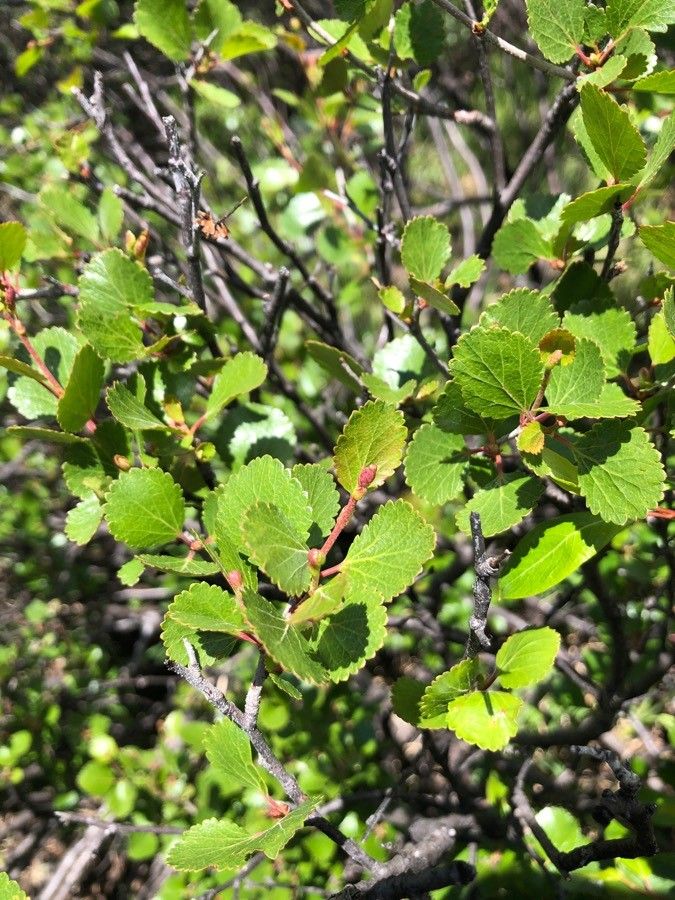
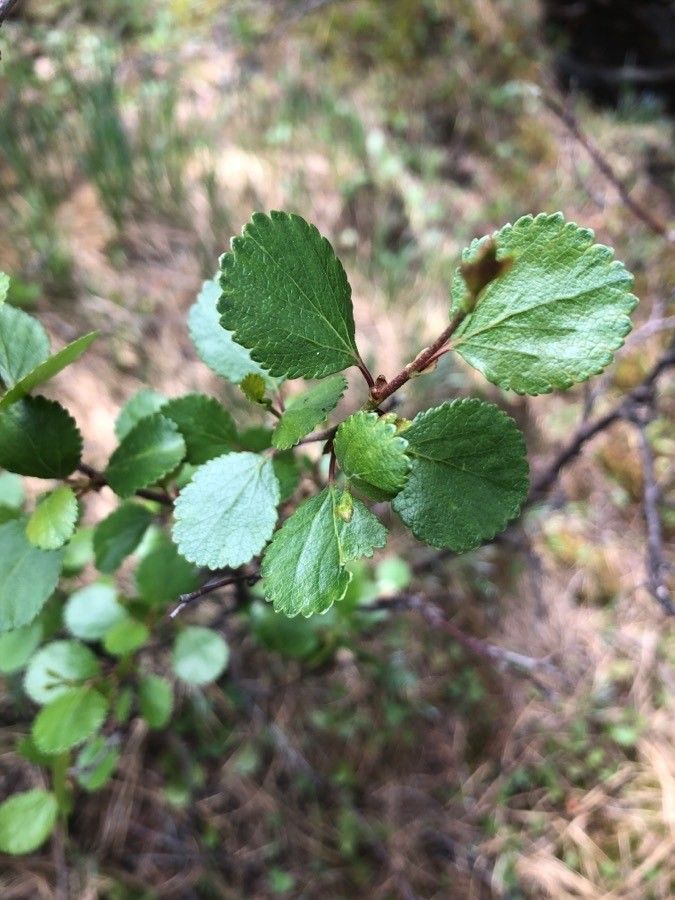
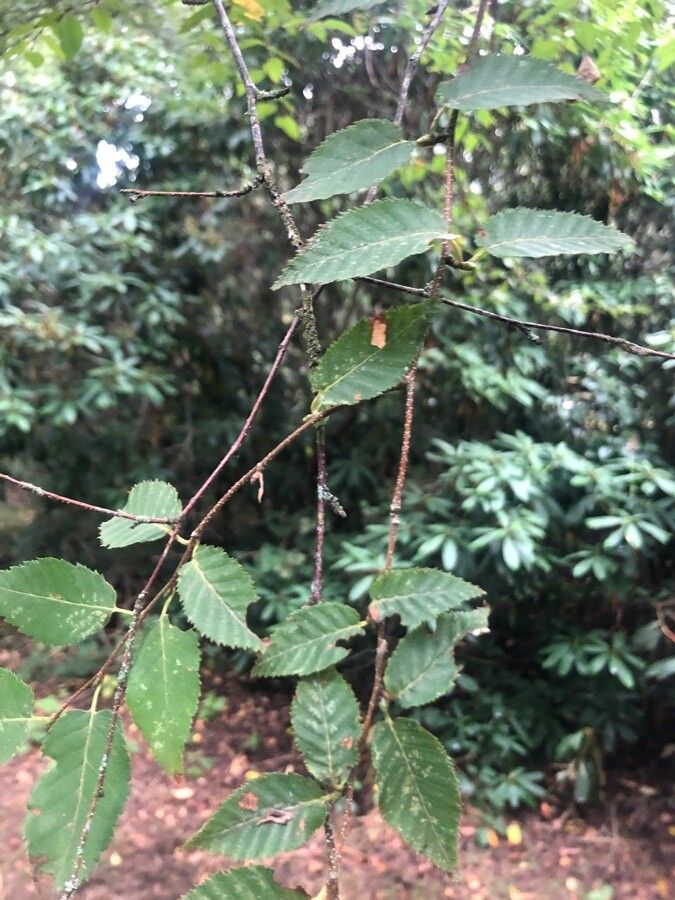
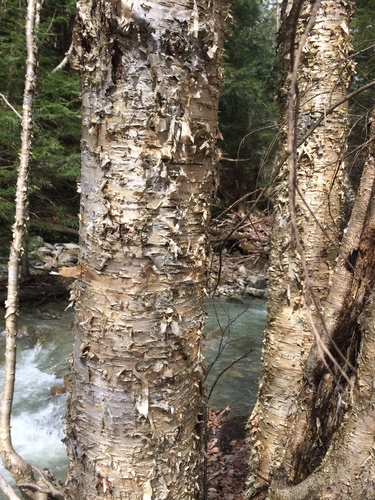
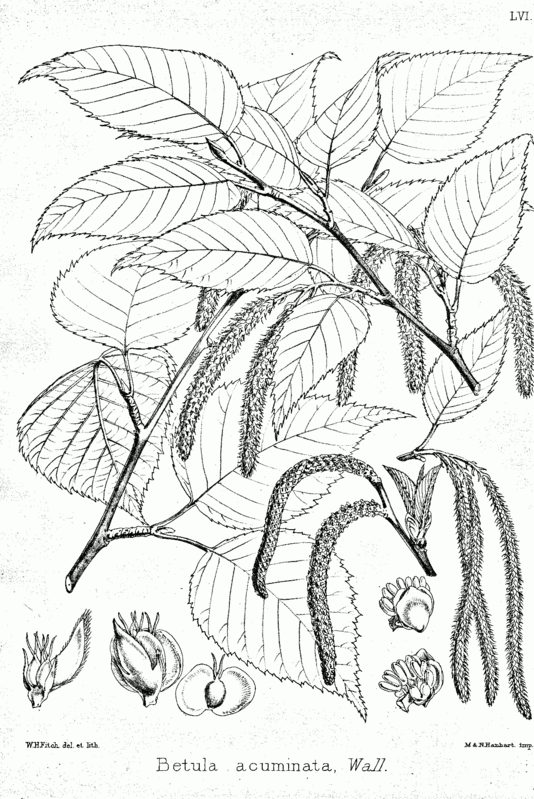
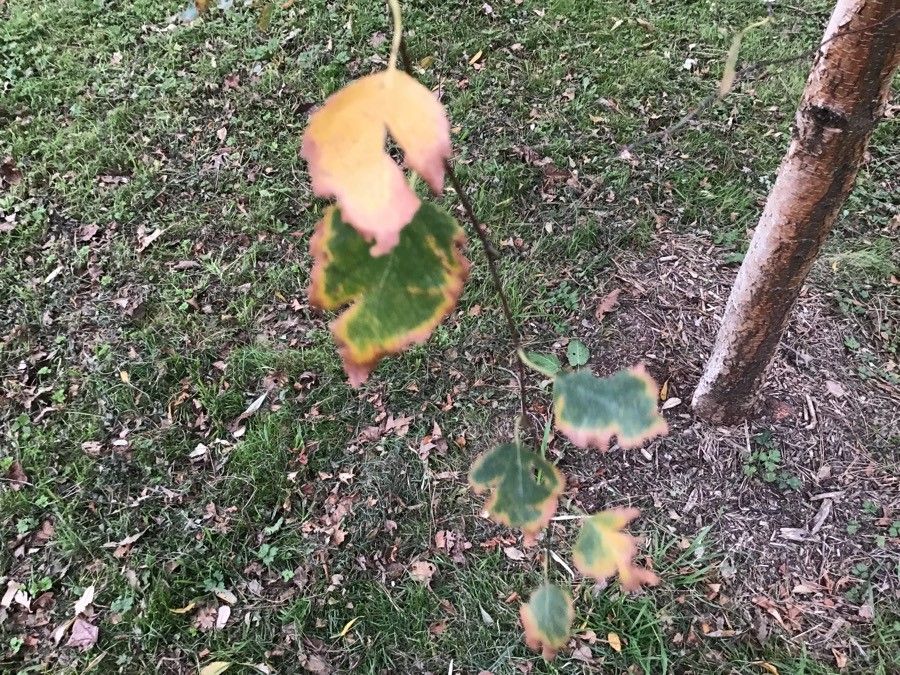
Betula glandulosa, the American dwarf birch, also known as resin birch or shrub birch, is a species of birch native to North America.
Resin birch is largely disease-resistant and typically not vulnerable to illnesses. In terms of care, this plant is fairly low-maintenance. When grown outdoors, it needs only light watering, and larger specimens usually do not require pruning. Smaller plants, however, should be pruned after they finish blooming. Resin birch is appropriate for anyone with an outdoor area, such as a garden or a deck, and does not demand much prior gardening experience.
How to keep Betula Glandulosa.
Light
Resin birch prospers when it gets plenty of unfiltered sunlight each day. This trait comes from its native growing conditions, where it experienced abundant light. While it can tolerate some shade, a sustained lack of sunlight may impair its growth and vigor. Its need for sunlight does not change throughout different stages of development.
Water
Resin birch, native to cooler climates, requires minimal watering and thrives in alternating wet and dry conditions. Water it every three weeks, allowing the soil to dry out in between. During dormancy in the colder months, its water needs decrease, as this tree is commonly found in temperate zones.
Temperature
Resin birch originates from cold regions and tolerates temperatures as low as 32°F (0°C). It grows optimally in the 32 to 77°F (0 to 25°C) range. Modify temperature settings accordingly, particularly during extreme weather shifts.
Fertilizer
Fertilize your Resin birch in early spring to encourage healthy growth. Regular feeding boosts overall health, leading to vigorous growth, greater resilience to harsh conditions, and improved resistance to pests and diseases. Follow a consistent fertilization schedule for your Resin birch to keep the foliage vibrant, deeply colored, and lush.
Pruning
Resin birch is characterized by its dense, multi-stemmed growth and resinous glands. To keep it healthy, prune the tree in early spring. Begin by removing any dead or crossing branches to improve airflow and sunlight penetration. Thinning out older stems can also promote vigor and encourage better flowering. Be sure to clean your tools thoroughly to prevent the spread of disease. Proper pruning not only enhances the tree's health but also improves its aesthetic appeal.
Botanical profile.
- Plant Type
- Shrub
- Life Cycle
- Perennial
- Genus
- Betula
- Family
- Betulaceae
- Hardiness Zone
- 3
- Mature Height
- 3.05 m
- Mature Spread
- 0.91 m to 2.13 m
- Leaf Color
- Dark Green, Olive Drab
- Leaf Type
- Deciduous
- Flower Color
- Green, Brown
- Flower Size
- 1.02 cm to 2.54 cm
- Bloom Time
- Mid spring, Late spring
- Planting Time
- Spring
- Harvest Time
- Late summer, Early fall, Mid fall
- Native Area
- Denmark
Other names.
Reader questions.
What are the sunlight requirements for Resin birch?
Resin birch thrives in environments that provide full sun, which is above 6 hours of sunlight, but it can also tolerate partial sun, about 3-6 hours of sunlight. It's essential to watch the movement of sunlight through your garden to choose the perfect spot for your Resin birch, providing it with the right balance of light and shade. This practice ensures the plant's happiness and optimal growth. Originally growing in regions with substantial sunlight exposure, the Resin birch requires ample, unfiltered sunlight daily, regardless of its growth phase. Insufficient sunlight can negatively impact its growth and overall vitality.
What is the native climate of Resin Birch (Betula glandulosa)?
Resin birch, also known as Betula glandulosa, is native to cold climates. It can withstand temperatures as low as 32°F (0°C) and thrives best within the temperature range of 32 to 77°F (0 to 25°C). The plant is highly cold-tolerant and doesn't require additional frost protection measures during winter. However, to prepare for winter and early spring, it's recommended to water the plant generously before the first freeze in autumn, ensuring the soil remains moist and enters a frozen state. This preventive measure helps the resin birch avoid drought and water scarcity during the colder months.
What should I do if my Resin birch does not get enough natural sunlight?
If your Resin birch isn't receiving sufficient natural sunlight, especially during winter or in less sunny spaces, providing artificial lighting can be an effective solution. Here are some tips: 1. Choose LED lights as they can be customized to provide specific wavelengths needed by your plants. For full sun plants, 30-50W/sq ft is recommended; for partial sun plants, 20-30W/sq ft; and for full shade plants, 10-20W/sq ft. 2. Place the artificial light source 12-36 inches above your plant to mimic natural sunlight conditions. 3. Ensure the artificial light mimics natural daylight hours, with most plants requiring 8-12 hours of light per day.
How does low temperature affect Resin Birch, and what are the solutions?
Although resin birch is extremely cold-tolerant, maintaining a winter temperature above -35°C is crucial. If temperatures fall below this threshold, while no immediate changes may be noticeable during winter, the branches may become brittle and dry by springtime, with no new shoots emerging. The recommended solution for this issue is to prune away any dead branches in the spring that have failed to produce new leaves, helping the plant to recover and grow anew.
What are some symptoms of insufficient sunlight in Resin birch?
Symptoms of insufficient sunlight in Resin birch include small leaves, leggy or sparse growth, faster leaf drop, slower or no new growth, and lighter-colored new leaves. Additionally, chlorosis (leaves losing their green color), sunscald (pale, bleached areas on leaves or stems), leaf curling (as a defense mechanism to reduce surface area exposed to sunlight), wilting (due to loss of turgor pressure), and leaf scorching (brown, dry, and crispy edges on leaves) are other symptoms that might indicate your Resin birch is not getting enough sunlight.
How does high temperature affect Resin Birch, and what are the solutions?
Resin birch does not tolerate high temperatures well. When the temperature exceeds 25°C, the plant may experience significant leaf drop, and in severe cases, it might wither and die. To combat the effects of high temperatures, it's advised to trim away sunburned and dried-up parts of the plant. Moving the plant to a shaded location, especially from the midday and afternoon sun, or using a shade cloth can prevent further damage. Additionally, watering the plant in the morning and evening helps keep the soil moist and supports the health of the resin birch during hot spells.
How can I treat my Resin birch if it has sunlight deficiency symptoms?
If your Resin birch exhibits sunlight deficiency symptoms, here are several solutions: For indoors, gradually move your plants to sunnier locations until they receive at least 6 hours of direct sunlight daily, using a south-facing window for maximum exposure. To provide additional light, use artificial light for at least 8 hours daily or invest in professional plant grow lights. Outdoors, move your plants gradually to sunnier spots to avoid sunburn. Removing obstructions, like pruning trees that block sunlight, and transplanting smaller plants during their dormant period to sunnier locations with good drainage can also help. It's important to note that while parts of the plant that were previously affected might not recover, new growth should be healthy once adequate light exposure is achieved.