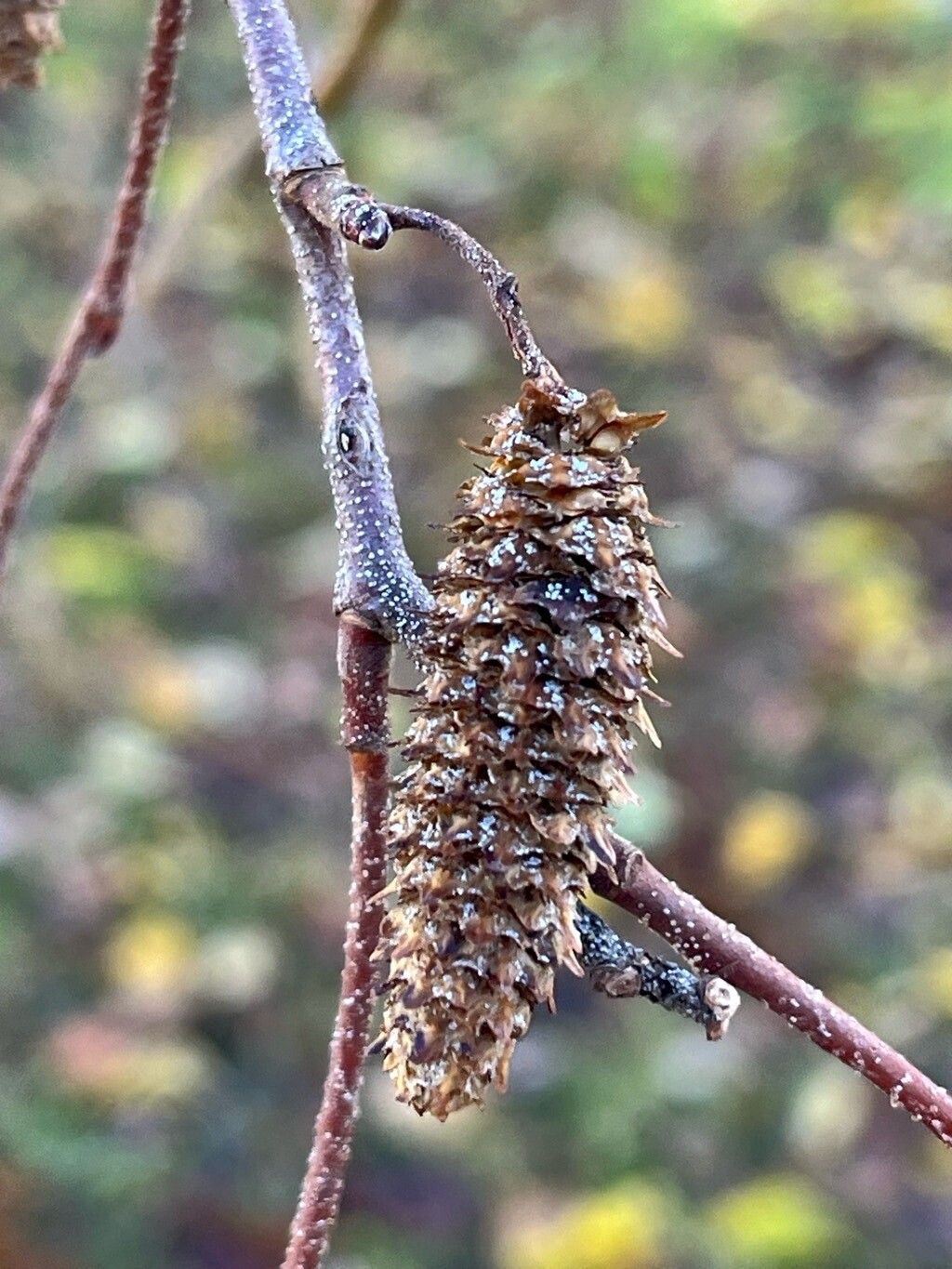
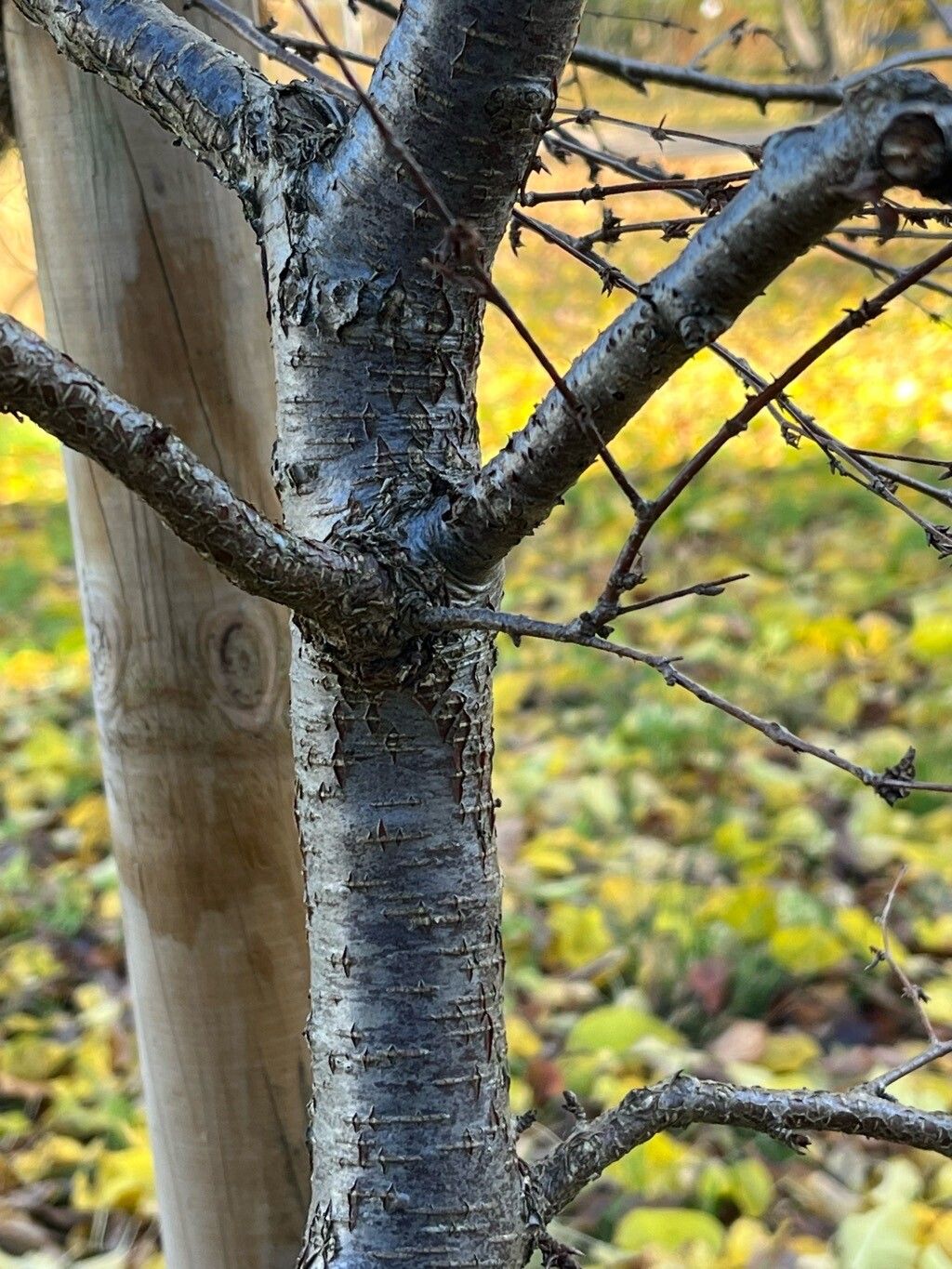
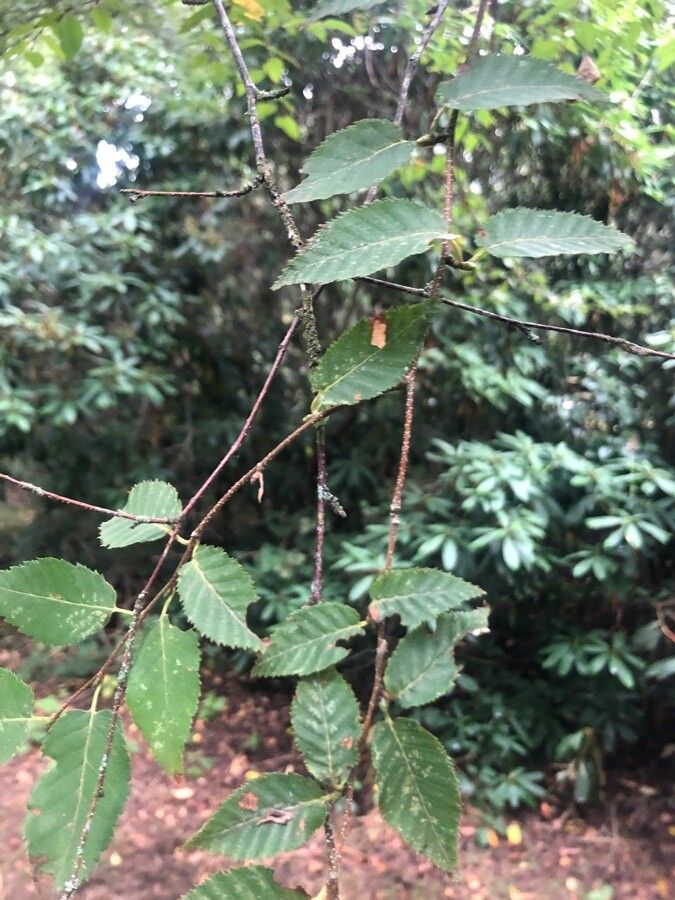
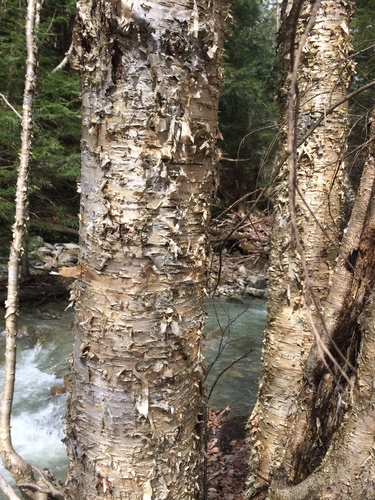
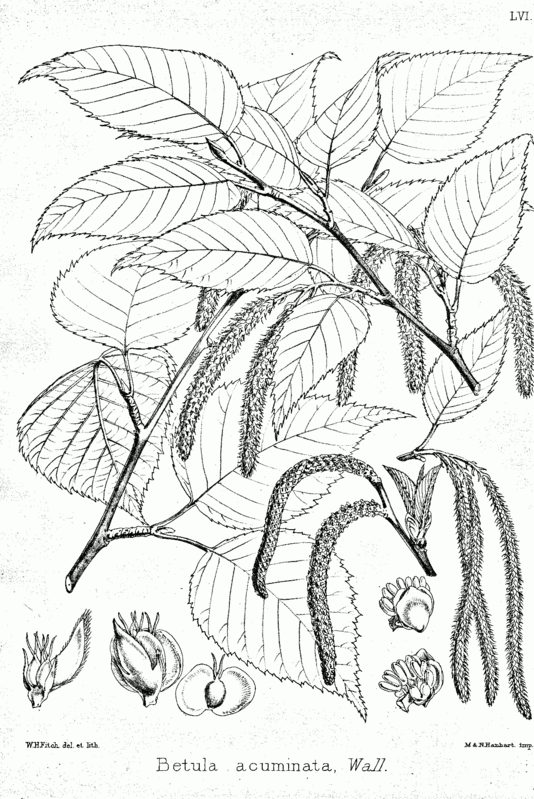
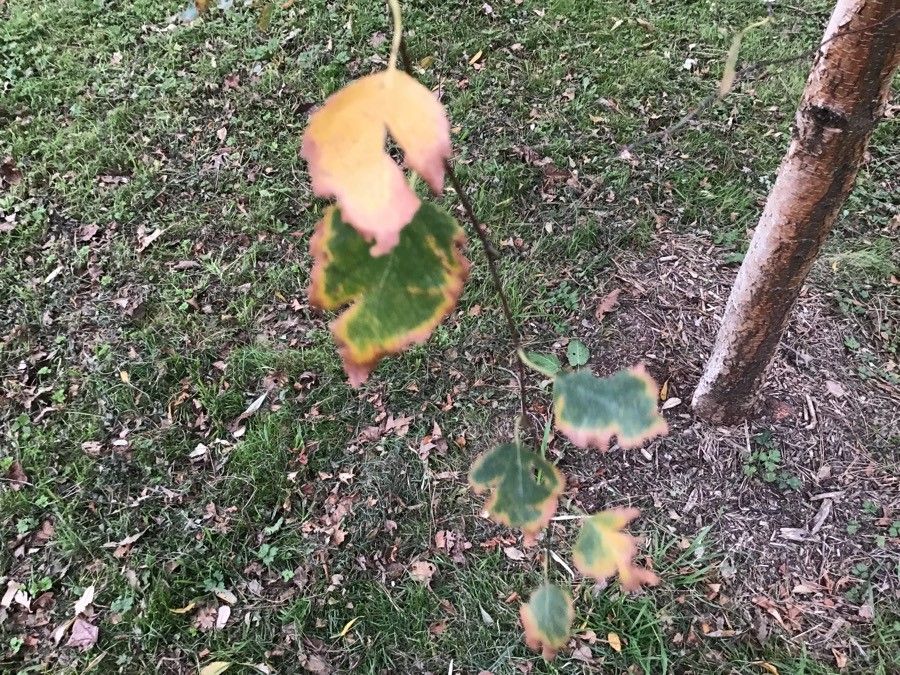
Betula chinensis, commonly known as dwarf small-leaf birch, is a species of birch in the family Betulaceae. It is native to China and Korea on the elevation of 700–3,000 metres (2,300–9,800 ft).
Chinese birch has strong disease resistance and is generally not likely to get sick. In terms of maintenance, this plant is fairly low-maintenance. Planted outdoors, it needs only occasional watering, and larger specimens typically do not require pruning. Smaller plants, however, should be pruned after they finish flowering. Chinese birch is suitable for anyone with an outdoor area, such as a garden or a deck, and does not demand much plant-care experience.
How to keep Betula Chinensis.
Light
Chinese birch is native to open habitats like sunny meadows and forest margins that provide abundant light. It does best in full sun but can tolerate partial sun, adjusting well to different light levels.
Water
Newly planted Chinese birches require careful watering. For the first stage, water them for 30 seconds twice a week to keep the soil moist but not soggy. Once the trees are established, you only need to water them during hot summers. Use a gentle stream of water at the base of the tree to nourish the root system.
Temperature
Chinese birch shows strong adaptability to a range of climate conditions, from blistering summers to cold winters. Nonetheless, it has an ideal temperature range for growth. If temperatures rise too high, the plant becomes vulnerable to heat and humidity stress, which can cause it to die. In locations where temperatures approach the lower limit of its cold tolerance, it is necessary to provide insulation to protect the plant.
Fertilizer
To encourage healthy development, fertilize your Chinese birch in early spring. Regular feeding improves its overall condition, producing vigorous growth, better tolerance of harsh conditions, and enhanced resistance to pests and diseases. Keep to a specific fertilization schedule for your Chinese birch to maintain foliage that is bright, richly colored, and luxuriant.
Pruning
Chinese birch trees have attractive bark and a graceful shape. They benefit from early spring pruning, which encourages healthy growth. During pruning, be sure to remove any dead or damaged branches and thin out crowded areas to improve airflow. However, be careful not to make too many cuts, as this can cause stress to the tree. Proper pruning enhances the tree's overall health and appearance.
Botanical profile.
- Plant Type
- Tree, Shrub
- Life Cycle
- Perennial
- Genus
- Betula
- Family
- Betulaceae
- Hardiness Zone
- 4-7
- Mature Height
- 4.88 m
- Mature Spread
- 4.88 m to 7.92 m
- Leaf Color
- Green
- Leaf Type
- Deciduous
- Flower Color
- Yellow, Red, Brown
- Flower Size
- 0.51 cm to 1.52 cm
- Bloom Time
- Early spring, Mid spring
- Planting Time
- Spring, Summer, Autumn
- Harvest Time
- Late summer, Early fall, Mid fall
- Native Area
- Koppen, South Korea, China
Other names.