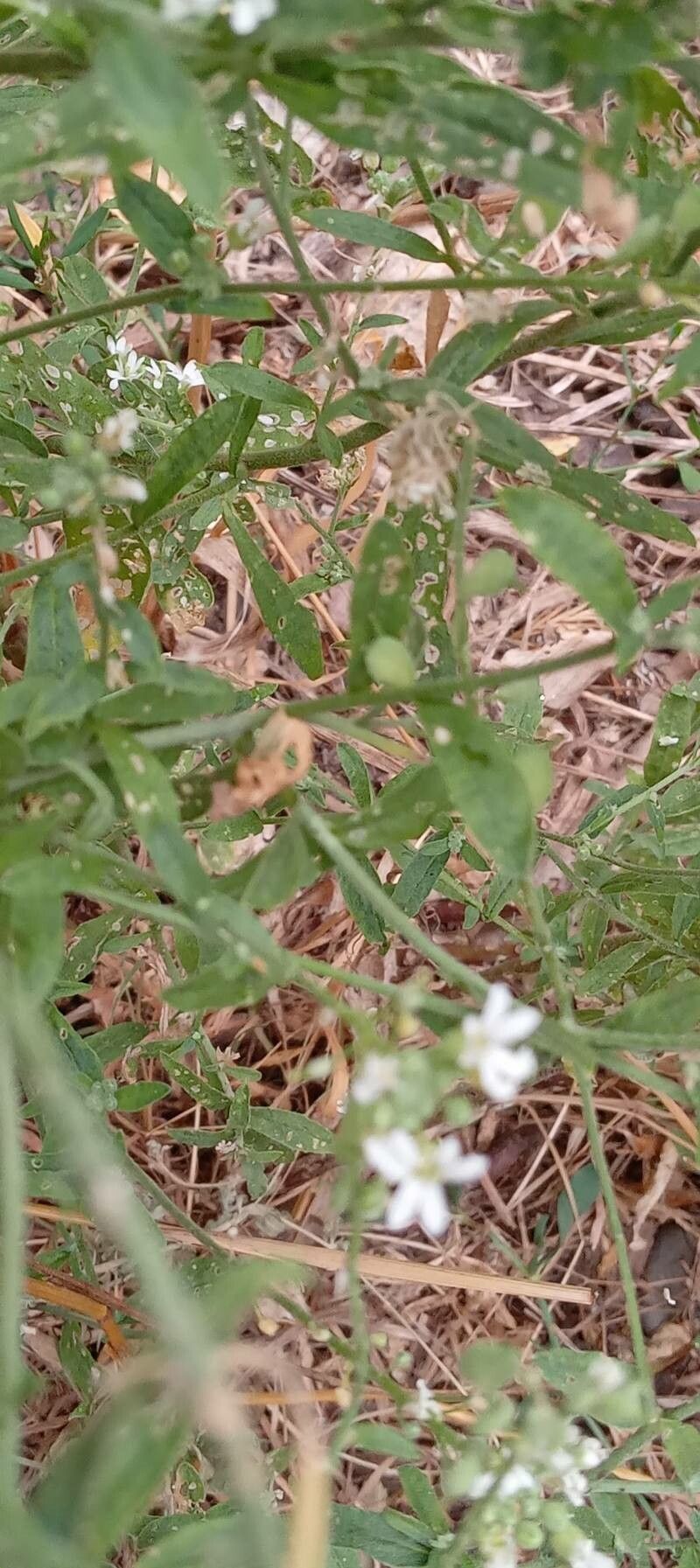
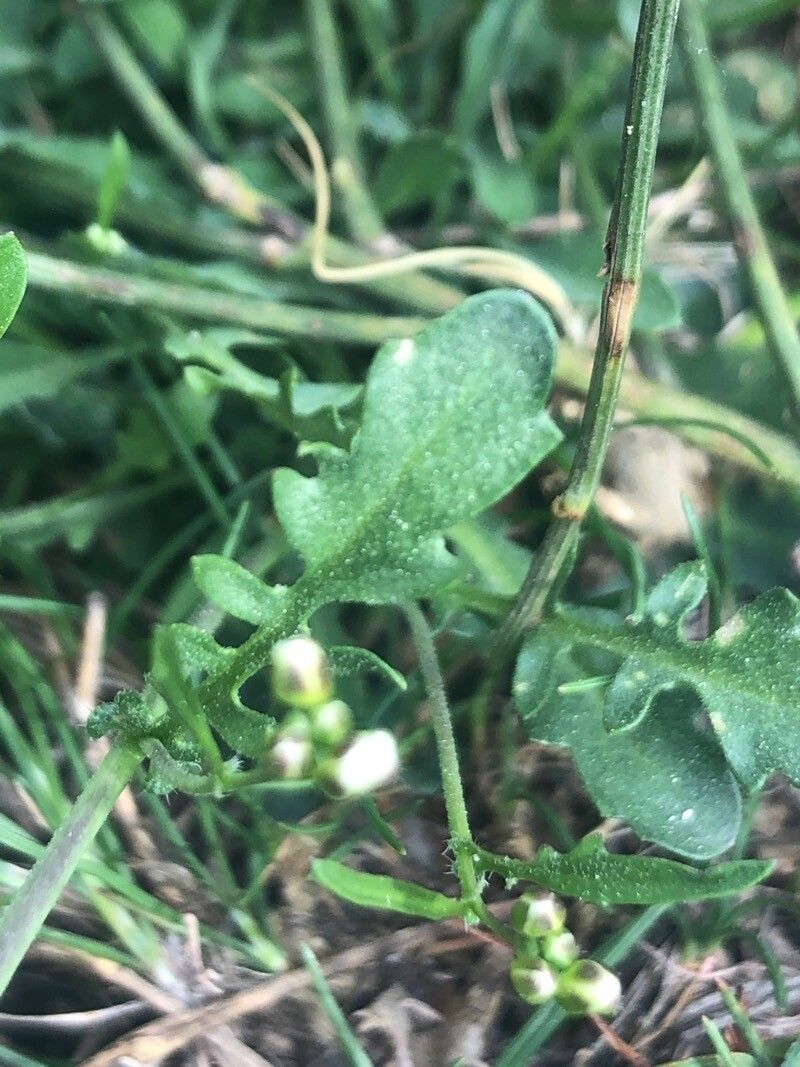
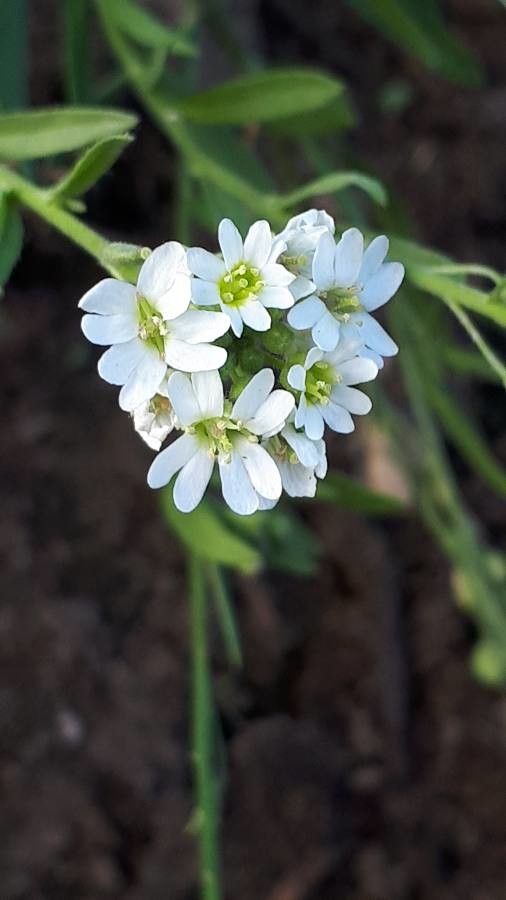
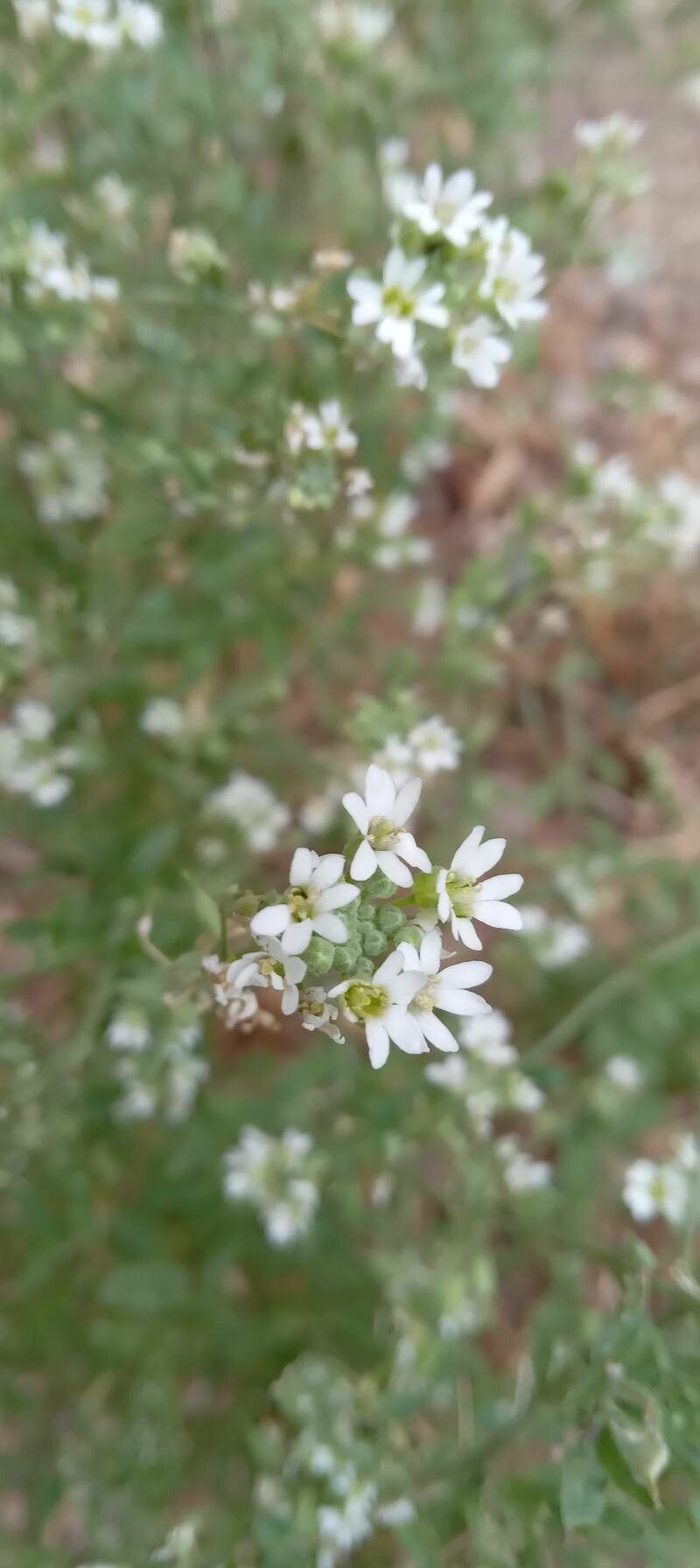
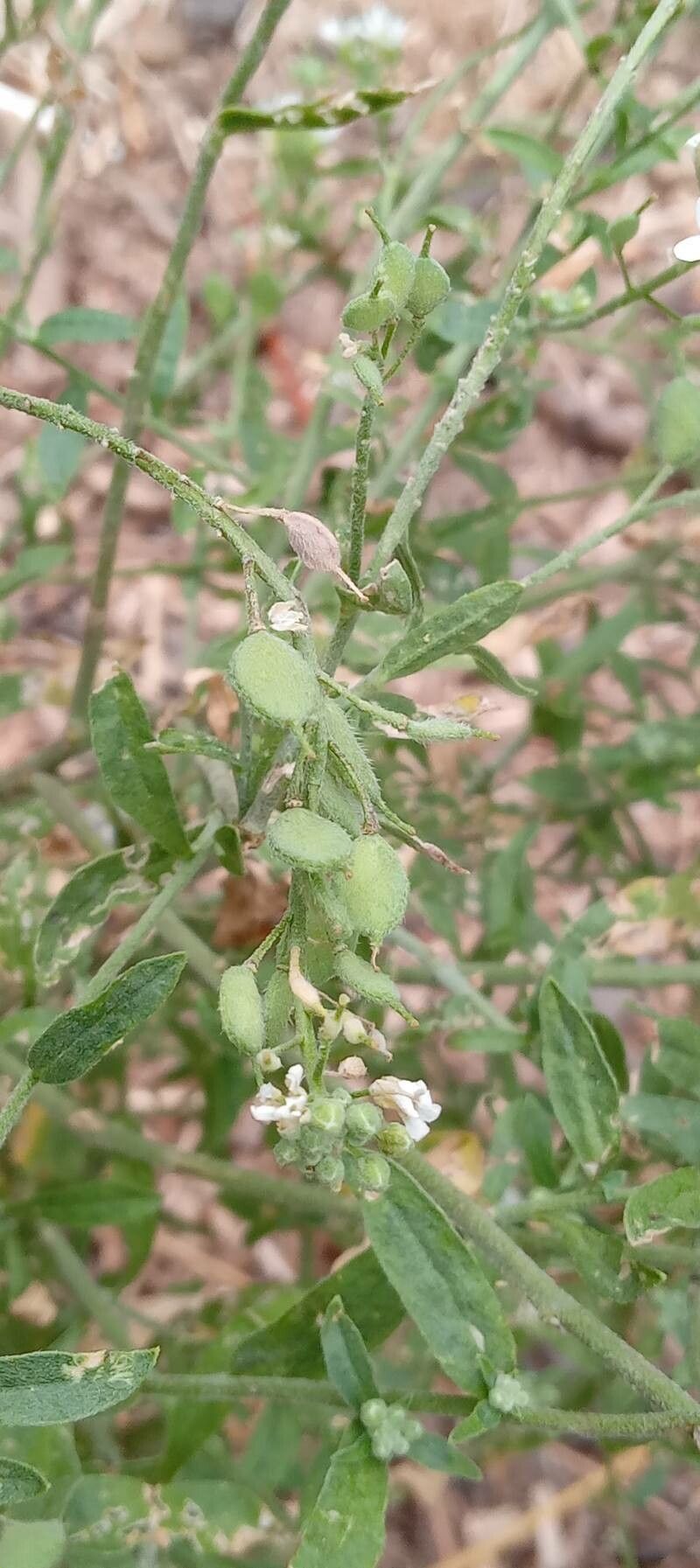
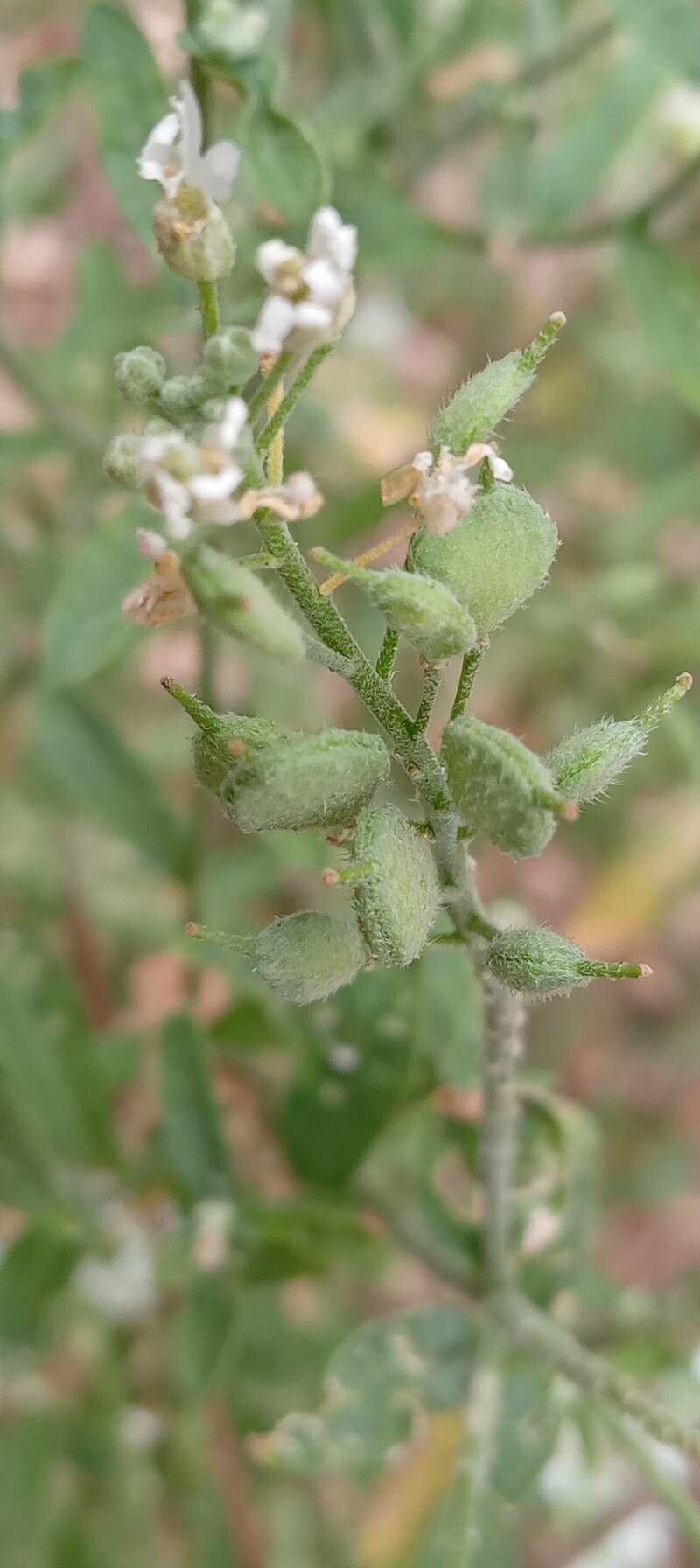
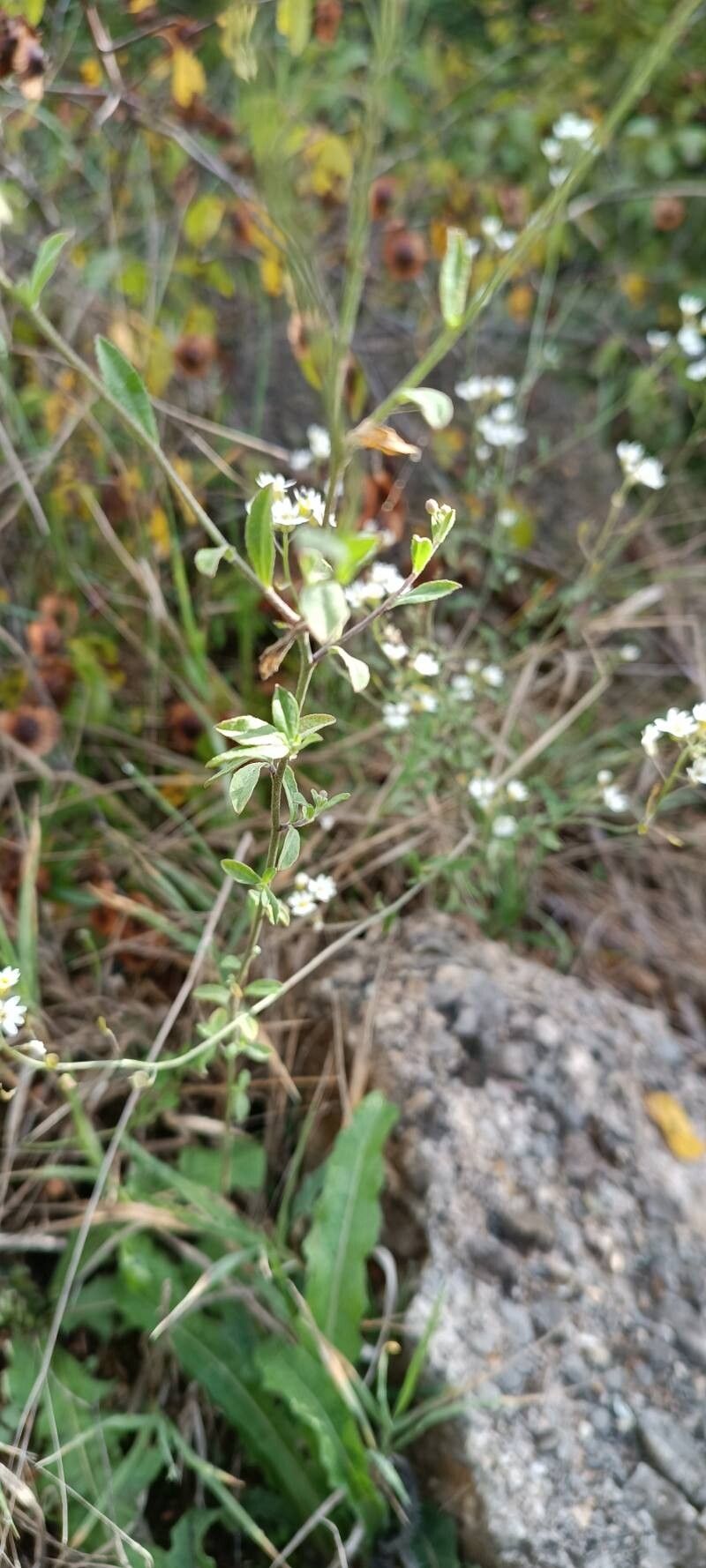
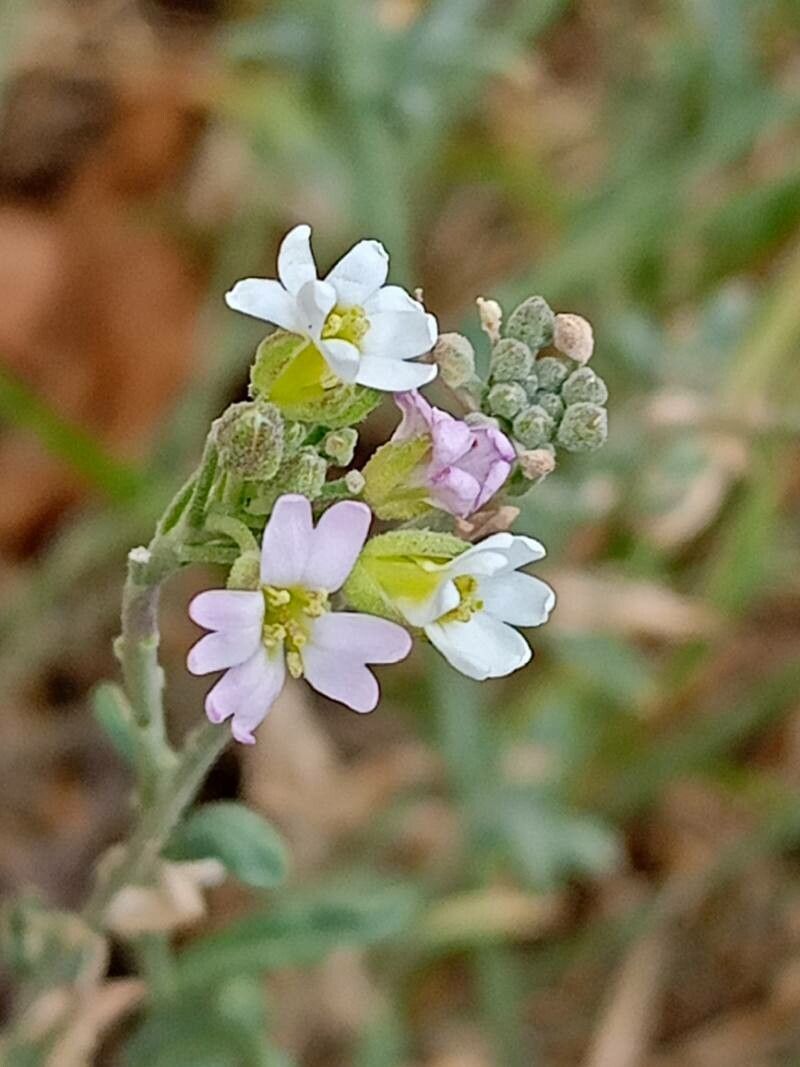
Berteroa incana, commonly known as hoary alyssum, is a herbaceous plant belonging to the mustard family. Native to Europe and Asia, it has been introduced to North America and other parts of the world. The plant can grow up to 60 cm tall and features small white flowers that bloom from May through September. The leaves are gray-green, lance-shaped, and have toothed edges.
In many areas, hoary alyssum is considered an invasive species due to its ability to spread rapidly through prolific seed production and a robust root system. It can outcompete native plants for resources, thus reducing biodiversity in ecosystems.
Historically, hoary alyssum has been used for medicinal purposes because it contains compounds with anti-inflammatory properties that may alleviate pain caused by arthritis and other inflammatory conditions.
Controlling hoary alyssum can be achieved by hand-pulling or using herbicides, but preventing seed production is crucial in managing its spread. It should not be intentionally planted or allowed to grow unchecked on properties, as it can escape into natural areas or agricultural fields, causing significant economic damage.
Hoary alyssum is fairly disease-resistant and typically does not suffer from illnesses. However, it can be vulnerable to pests and diseases present in its surroundings. Such infections are generally mild. Regarding care, the plant requires moderate maintenance. Regular pruning is necessary to preserve an attractive appearance and support healthy growth. Applying fertilizer can also encourage flowering. Hoary alyssum is suitable for anyone with an outdoor area, such as a garden or patio, and does not demand extensive care experience. It may need more attentive care when kept indoors.
How to keep Berteroa Incana.
Light
Hoary alyssum favors areas with plentiful light but can tolerate locations with reduced sun exposure. The prevailing sunlight in its native habitat has a strong effect on its healthy growth. Too much or too little light may negatively affect the plant's vigor.
Water
Hoary alyssum flourishes in temperate climates where it receives regular moisture without becoming waterlogged. It benefits from weekly watering to simulate natural rainfall, especially during its active growing season. Although it can withstand short periods of dryness, maintaining consistent moisture is crucial for its health and growth.
Humidity
This plant prefers dry conditions, so don't mist it. However, watering it less often can also thrive in higher humidity.
Temperature
Hoary alyssum is native to climates with temperatures ranging from 68 to 95 °F (20 to 35 ℃). Although it favors those conditions, it can adjust to changing temperatures during seasonal shifts.
Fertilizer
Hoary alyssum benefits from regular, light applications of fertilizer to encourage healthy leaf development. You should apply fertilizer about once a month during the summer. Nitrogen is important for the foliage, and supplying nitrogen-rich sources helps Hoary alyssum thrive.
Botanical profile.
- Plant Type
- Herb
- Life Cycle
- Annual, Perennial, Biennial
- Genus
- Berteroa
- Family
- Brassicaceae
- Hardiness Zone
- 3-7
- Mature Height
- 76 cm
- Mature Spread
- 76 cm
- Leaf Color
- Green, Silver, Blue, Gray
- Leaf Type
- Deciduous
- Flower Color
- White
- Flower Size
- 2.54 cm
- Bloom Time
- Late spring, Early summer, Mid summer
- Planting Time
- Spring, Summer, Autumn
- Harvest Time
- Early summer, Mid summer
- Native Area
- Austria, Slovakia, Montenegro, Croatia, Slovenia, Belarus, Uzbekistan, Russia, Germany, Estonia, Romania, Latvia, Tajikistan, Czech Republic, Bulgaria, Armenia, Poland, Greece, Ukraine, Serbia, China, Lithuania, Kyrgyzstan, Kazakhstan, Italy, Switzerland, Denmark, Mongolia, Albania, Azerbaijan, Hungary, Turkmenistan
Other names.
Reader questions.
How should I water my Hoary alyssum?
There are several ways to water Hoary alyssum, including using a garden hose with a spray nozzle or a watering can. This plant is not too particular about the type of water it receives and can thrive on rainwater, tap water, or filtered water. It is generally advised not to water Hoary alyssum from above as this can harm the leaves and flowers and potentially lead to disease. Setting up a drip irrigation system is often the best method for watering this plant, as it provides even and direct water application to the soil. When watering a container-grown Hoary alyssum, you can use a cup, watering can, or tap water to apply water directly to the soil.
Why is it important to put fertilizer on my Hoary alyssum?
Plants require nutrients for growth, but some plants, like hoary alyssum, can acquire all the necessary nutrients without additional fertilizers. Hoary alyssum, like other plants, uses nutrients to support growth and internal processes. The main nutrients used by plants, such as nitrogen, phosphorus, and potassium, contribute to essential plant functions. Among these, nitrogen is most important for foliage growth. However, hoary alyssum often struggles to obtain sufficient nitrogen from the soil, prompting many gardeners to provide supplemental nitrogen through fertilizers.
What are the sunlight requirements for hoary alyssum?
Hoary alyssum thrives best in full sun conditions, requiring more than 6 hours of sunlight per day. However, it can also tolerate partial sun, which means about 3-6 hours of sunlight daily. It's crucial to observe the movement of sunlight through your garden to determine spots that offer a good balance of light and shade for optimal plant growth. Abundant illumination is key for its healthy development, as both excessive and insufficient light could negatively impact the plant's vitality.
What are the ideal climate conditions for Hoary Alyssum?
Hoary Alyssum thrives in climates where temperatures range between 68 to 95 °F (20 to 35 °C). Though it prefers these conditions, it's capable of adapting to various temperature conditions throughout seasonal changes. This plant has a strong tolerance to cold and doesn’t require extra frost protection measures in winter. To prepare for winter, it's advisable to water the plant abundantly before the first freeze of autumn to ensure the soil stays moist and enters a frozen state, which helps to prevent drought and water scarcity for the plant during the winter and early spring.
What should I do if I give my Hoary alyssum too much water or too little water?
To prevent underwatering Hoary alyssum, it's important to water the plant regularly when you notice it lacks moisture. Overwatering, on the other hand, can be more problematic and can lead to diseases and decline in the plant. To avoid this, choose a suitable growing location with ample sunlight for soil drying and proper drainage to prevent waterlogging. If you have overwatered your potted Hoary alyssum, consider repotting it in a new pot with loose soils and efficient drainage. This will ensure your plant has the best conditions to thrive.
When should I fertilize my Hoary alyssum plant?
Hoary alyssum generally grows well and benefits from regular fertilization. It is recommended to fertilize the plant about once a month during the spring and summer months when it is actively growing. However, it is not necessary to fertilize during the fall and winter when the plant becomes less active and requires fewer nutrients. You can determine when to start fertilizing by observing signs of new growth. Whether the plant is grown outdoors or indoors in a container, the fertilization schedule remains the same. However, if your Hoary alyssum is in a container, it is likely that you will not need to fertilize for the first one to two months. This is because potting soil made for container plants already contains sufficient nutrients. It is advisable to start fertilizing only after your plant has been in the same soil for a while.
How does artificial lighting benefit indoor plants?
Indoor plants, including hoary alyssum, benefit significantly from artificial lighting, especially when natural sunlight is scarce during winter or in less sunny locations. Artificial lights, such as LED lights, can be tailored to provide specific wavelengths necessary for plant growth. For plants requiring full sun, 30-50W/sq ft of artificial light is recommended. Partial sun plants need 20-30W/sq ft, and full shade plants require 10-20W/sq ft. The light source should be placed 12-36 inches above the plant to mimic natural sunlight effectively, with most plants needing 8-12 hours of light per day to thrive.
How does Hoary Alyssum react to low temperatures?
Hoary Alyssum exhibits a formidable tolerance to cold; however, to ensure its health during winter, it is crucial that the temperature stays above a certain limit. If temperatures fall below this critical threshold, the plant may exhibit a reduced capacity to sprout in the following spring, or in some cases, it may not sprout at all. To manage this, it's recommended that any parts of the plant that have failed to sprout by spring should be removed.
How frequently should I water my Hoary alyssum?
To keep your Hoary alyssum healthy, it needs regular watering throughout the growing season. In the beginning of spring, water it once a week. As the weather gets warmer, increase watering to two to three times a week. However, be careful not to overwater as this can harm the plant. It's important to keep the soil relatively moist but not wet. Watering potted Hoary alyssum is slightly different. Potted soil tends to dry out faster, so you'll need to water it more frequently. Generally, watering a potted Hoary alyssum a few times per week is ideal, compared to once a week for an in-ground plant.
When should I not put fertilizer on my Hoary alyssum plants?
To ensure the health of your Hoary alyssum, it is important to avoid fertilizing it if it is already unhealthy, such as if it has a disease or insect infestation. Additionally, refrain from fertilizing a dehydrated plant as it can exacerbate this issue. Only healthy plants should be fertilized. When watering, take care not to splash fertilizer onto the leaves or stem, as this can cause burn marks. It is advisable to avoid direct contact between the plant and fertilizer, unless you are using a specialized fertilizer designed for foliage application.
What are typical symptoms of insufficient light in hoary alyssum?
Symptoms of insufficient light in hoary alyssum include smaller new leaves, leggy or sparse growth, faster leaf drop, slower or no new growth, and lighter-colored or irregularly patterned new leaves. Conditions like chlorosis, where leaves lose their green color, and sunscald, resulting from intense sunlight exposure, can also occur. Other signs include leaf curling as a defense mechanism against extreme sunlight, wilting from excessive water loss, and leaf scorching, characterized by brown, dry patches on leaves due to excessive sunlight.
What should I do if Hoary Alyssum is exposed to high temperatures?
Hoary Alyssum struggles in high temperatures, particularly when the mercury rises above its tolerance range. Exposure to excessive heat can halt its growth and make it more susceptible to rot. In such cases, it's beneficial to trim away any sunburned or dried parts of the plant. Relocating the plant to a shaded spot or employing a shade cloth can protect it from the harsh midday and afternoon sun. Additionally, watering the plant during the cooler morning and evening hours helps to keep the soil suitably moist.