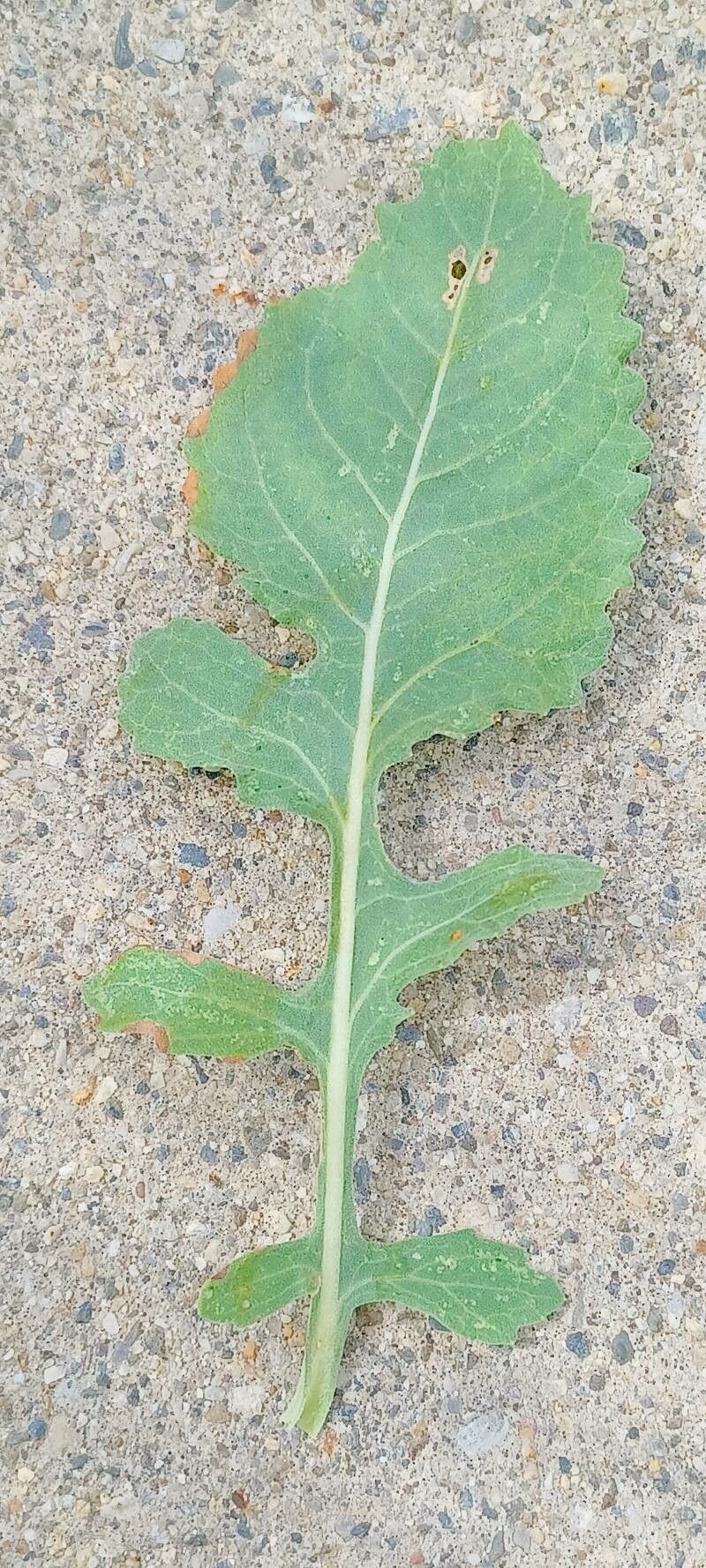
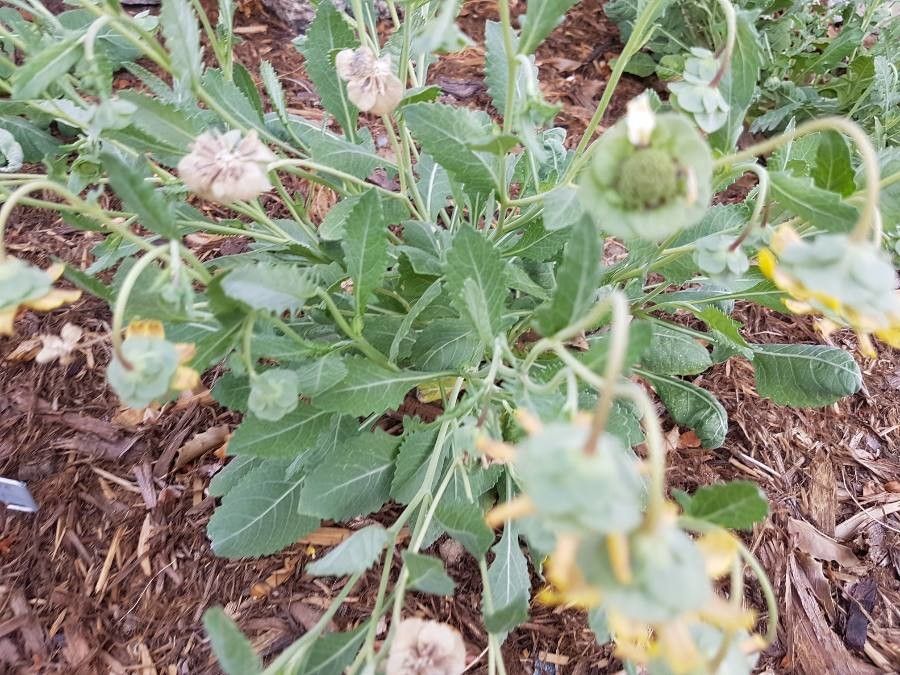
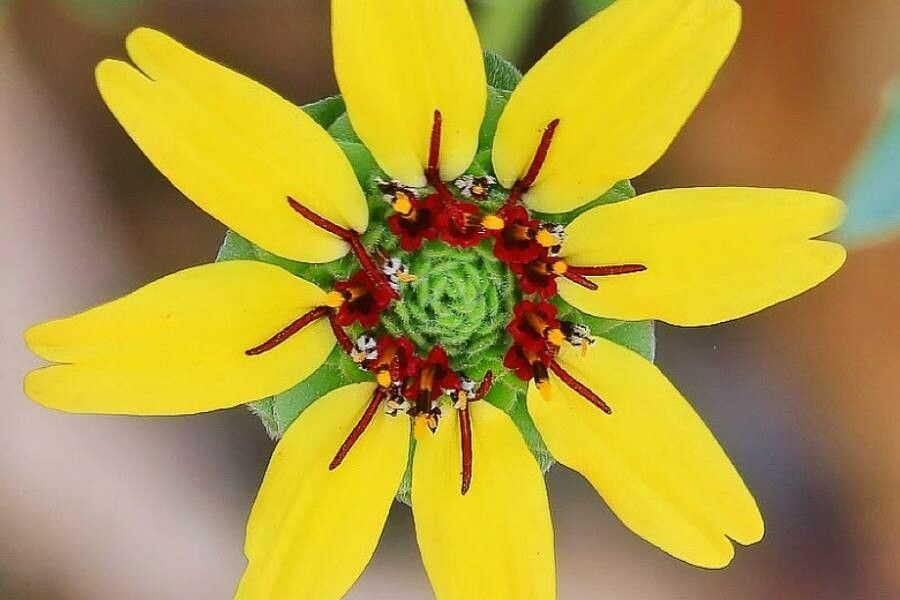
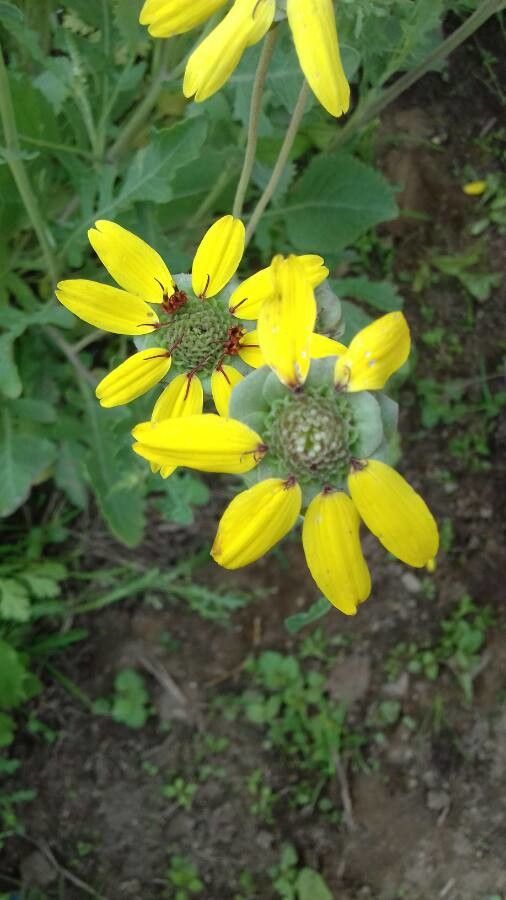
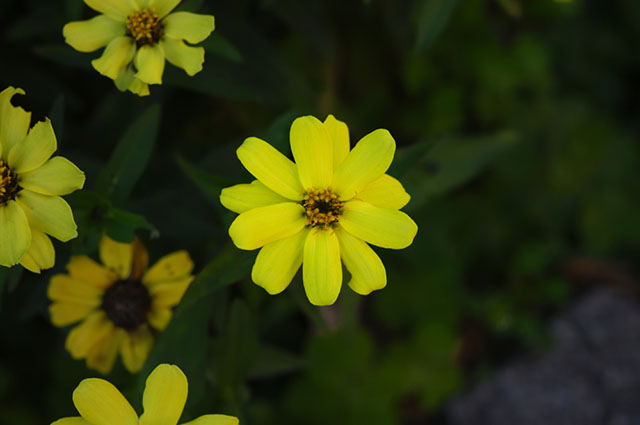
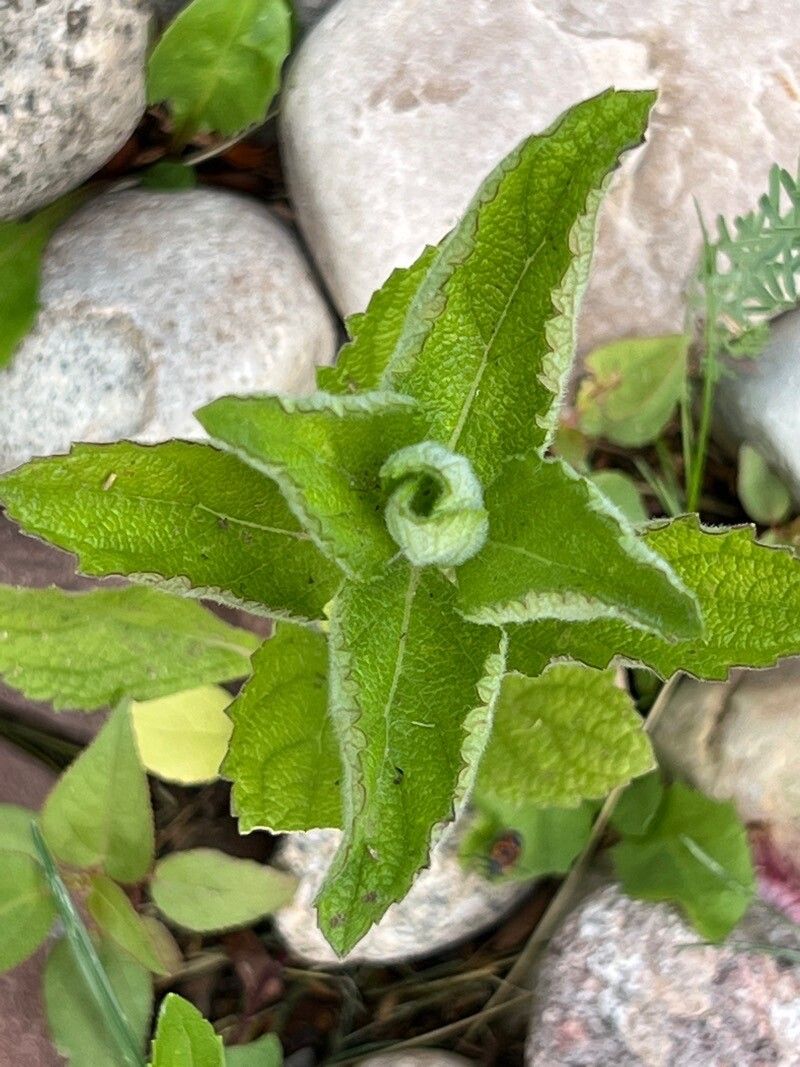
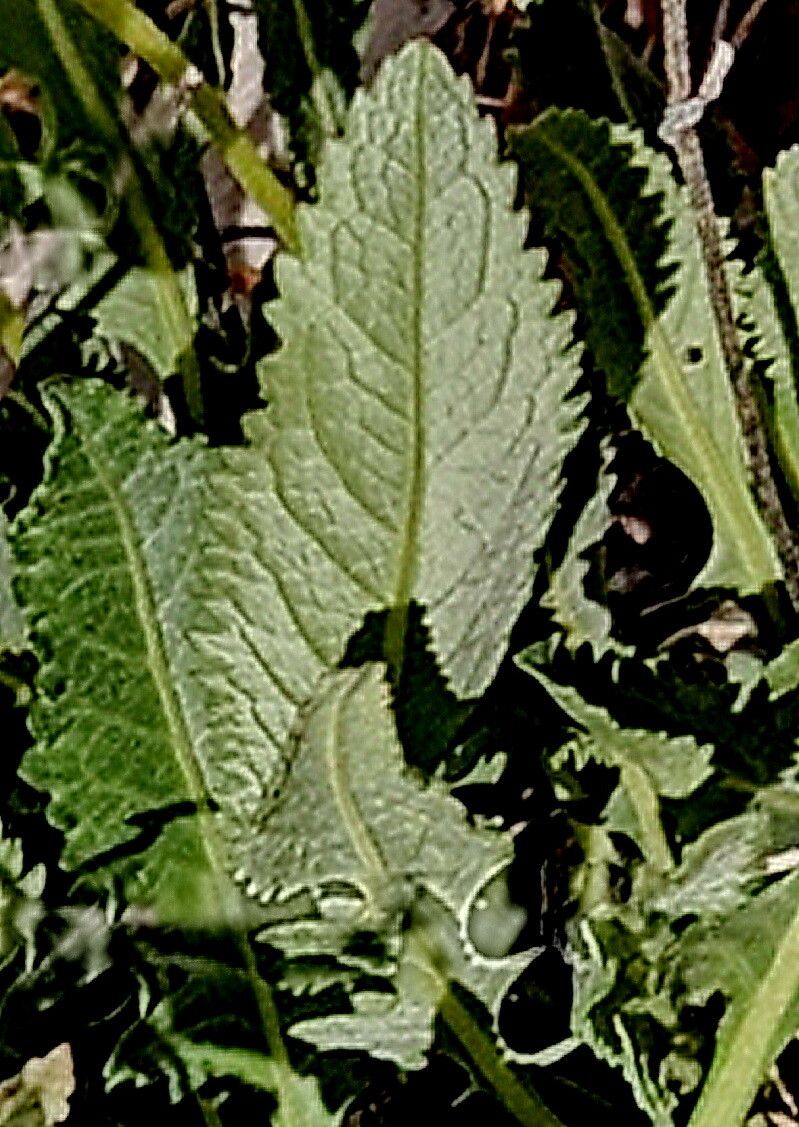
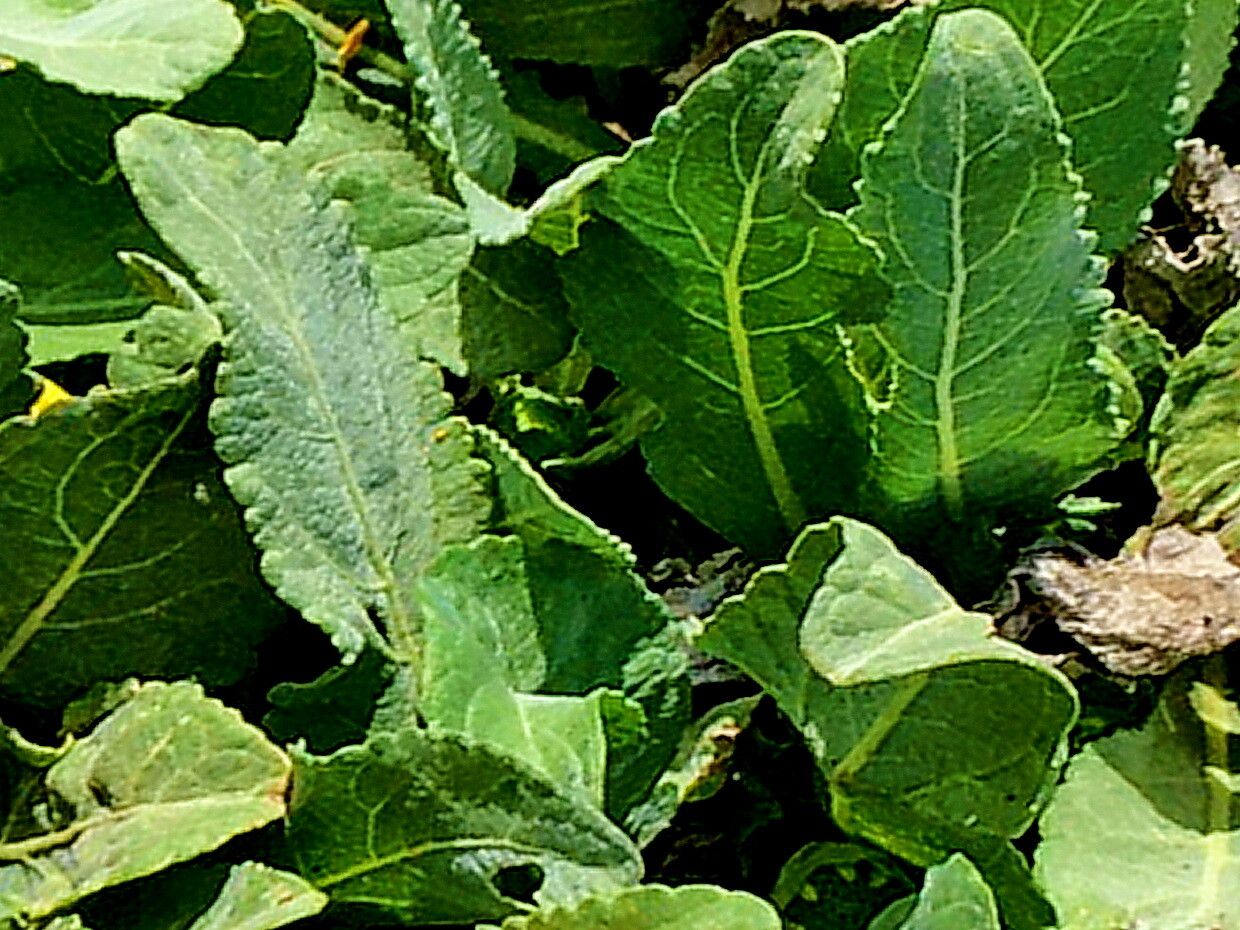
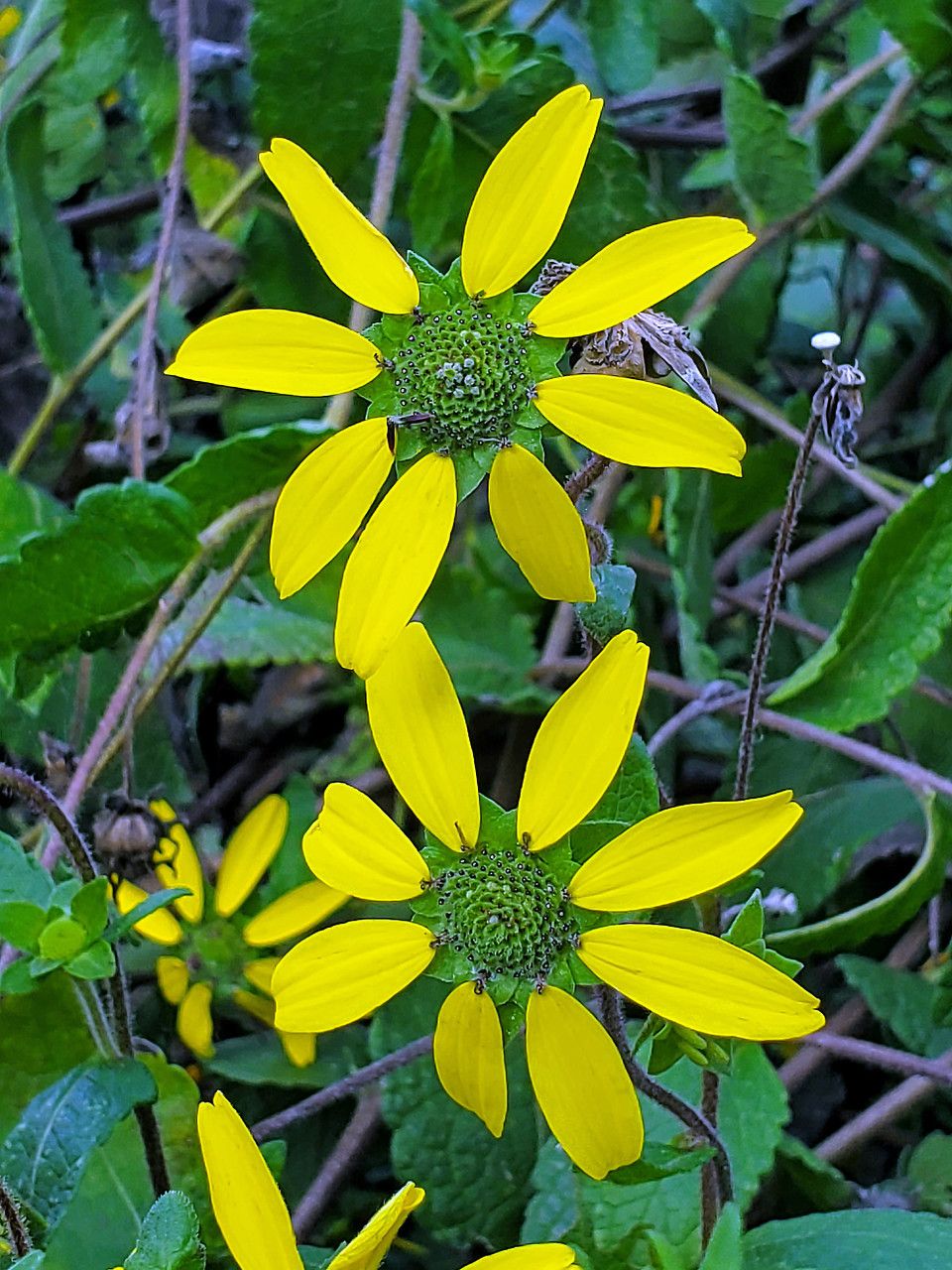
Berlandiera lyrata, commonly known as the chocolate flower or chocolate daisy, is a perennial herbaceous plant native to the southwestern United States and northern Mexico. It belongs to the Asteraceae family and can grow up to 2 feet tall. The plant produces yellow, daisy-like flowers with a distinctive chocolate scent that blooms from late spring through summer. The leaves are green, hairy, and have toothed edges, while the stems are also hairy and can be either branched or unbranched.
Berlandiera lyrata is an easy-to-grow plant that prefers full sun exposure but can also tolerate partial shade. It thrives in well-drained soils but can adapt to various soil types as long as they are not waterlogged. Once established, this plant is drought-tolerant but benefits from occasional watering during prolonged dry spells.
The flowers of Berlandiera lyrata attract pollinators such as bees, butterflies, and moths due to their sweet scent and nectar production. The seeds of this plant are dispersed by wind or animals such as birds or rodents.
In traditional medicine practices, Berlandiera lyrata has been used for its medicinal properties, such as treating fevers, headaches, and stomachaches, due to its anti-inflammatory properties.
Overall, Berlandiera lyrata is an attractive addition to gardens due to its unique fragrance, which makes it stand out among other plants while also providing medicinal benefits.
Chocolate flower is fairly disease-resistant and usually does not suffer from illnesses. However, it can be vulnerable to pests and diseases present in its surroundings. These issues are typically not serious. As for care, the plant requires moderate maintenance. It should be pruned regularly to preserve a tidy appearance and encourage healthy growth. Fertilizing can also help stimulate flowering. Chocolate flower is appropriate for anyone with outdoor space, such as a garden or patio, and does not demand extensive plant-care experience. It may need more attention when kept indoors.
How to keep Berlandiera Lyrata.
Light
Chocolate flower prefers to be bathed in rays from our primary star throughout the day, while it can tolerate periods of lower-intensity light. Reflecting its native habitat, the chocolate flower thrives with full celestial illumination. Light levels below ideal may stunt its growth, whereas excessive sun exposure can cause stress.
Water
The chocolate flower flourishes in arid environments, needing only infrequent deep watering—about once a week. It thrives best in full sun and dry soil conditions to avoid root rot. During its dormant period in the cooler months, the plant requires even less water, aligning with natural resource conservation and typical precipitation patterns.
Temperature
Chocolate flower comes from climates where temperatures range from 41 to 95 °F (5 to 35 °C). It prefers these conditions, so try to replicate this range for the best growth results. Adjust for seasonal changes.
Fertilizer
The best time to fertilize a Chocolate flower is in early spring, as it comes out of dormancy and begins active growth. Fertilizing supplies essential nutrients for healthy growth. Although the Chocolate flower has relatively low fertilizer needs, applying fertilizer annually can enhance its survival and encourage better, longer-lasting flowers.
Pruning
The Chocolate Flower is known for its fragrant, chocolate-scented blossoms and its ability to tolerate drought. To promote growth and maintain its shape, prune the plant from early to late spring. Remove any dead stems and trim excess growth to encourage denser foliage, stimulate more blooms, and rejuvenate the plant. Make sure to make clean cuts to prevent disease.
Botanical profile.
- Plant Type
- Herb
- Life Cycle
- Perennial
- Genus
- Berlandiera
- Family
- Asteraceae
- Hardiness Zone
- 4-10
- Mature Height
- 30 cm to 61 cm
- Mature Spread
- 61 cm
- Leaf Color
- Green, Gray, Silver
- Leaf Type
- Deciduous
- Flower Color
- Yellow, Gold
- Flower Size
- 2.54 cm to 3.81 cm
- Bloom Time
- Late spring, Summer, Fall
- Planting Time
- Spring, Autumn
- Harvest Time
- Mid summer, Late summer, Fall, Early winter
- Native Area
- Mexico
Other names.
Reader questions.
How should I water my Chocolate flower?
When caring for the Chocolate flower, it is important to use filtered water at room temperature. Tap water can contain harmful particles that may affect its health. The Chocolate flower prefers warmer water as it is native to warm environments and cold water can be a shock to its system. Additionally, it is best to avoid watering the plant overhead as this can cause issues with the foliage. Instead, water the plant by applying filtered room temperature water directly to the soil until it is completely soaked. This helps to moisten the roots and allows them to spread and absorb necessary nutrients from the soil.
Why do I have to put plant food on my Chocolate flower?
Fertilizing the Chocolate flower is crucial for maintaining its leaves' appearance and function. Proper fertilization ensures consistent color and healthy texture. It also supports the growth of new roots and maintains existing ones, boosting overall plant health. Additionally, fertilization improves the plant's ability to absorb nutrients from the soil in the long run.
What are the sunlight requirements for Chocolate Flower (Berlandiera lyrata)?
Chocolate Flower requires full sun, which means it needs to be in the sun for more than 6 hours a day to thrive. It can also grow in partial sun, with about 3-6 hours of sunlight, but it performs best when it receives full celestial illumination throughout the day. However, care should be taken to ensure it's not exposed to extreme sun, which can cause stress to the plant. Observing how sunlight moves through your garden will help you choose spots that offer the perfect balance of light and shade for your plants.
What is the optimal temperature range for growing Chocolate flower?
The optimal temperature range for growing Chocolate flower, or Berlandiera lyrata, is between 41 to 95 °F (5 to 35 °C). These plants originate from climates with such temperature fluctuations and show best growth results when these conditions are mimicked. Adjusting care according to the changing seasons is recommended for maintaining the health of the Chocolate flower.
What should I do if I give my Chocolate flower too much or too little water?
Overwatering and underwatering can harm your Chocolate flower, but overwatering is more common. When the plant gets too much water, the stems and leaves may wilt and turn yellow. Overwatering for a long time can also cause diseases like root rot, mold, and mildew, which can kill the plant. Underwatering is less likely because the Chocolate flower can tolerate drought. However, it can still happen, and leaves may become brittle and brown. It's important to recognize signs of overwatering early. Some diseases from overwatering, like root rot, may be irreversible if not addressed promptly. If you see early signs of overwatering, reduce watering immediately. Check the soil as well. If it drains poorly, replace it with a loose, well-draining mix. If your Chocolate flower seems to lack water, simply water more regularly until the signs improve.
When should I fertilize my Chocolate flower?
If you choose to grow your Chocolate flower outdoors, it will start to show new growth in early spring, which means it's time to fertilize it for the year. Usually, one application of fertilizer in the spring is enough for the Chocolate flower to do well. However, if you want to maximize its growth, you can fertilize it multiple times throughout the spring and early summer. In this case, you can feed the plant approximately once every month to a month and a half.
How can artificial lighting be used for Chocolate Flower indoors?
Indoor plants like Chocolate Flower require adequate lighting for optimal growth, especially when natural sunlight is insufficient. This is common during winter or in less sunny spaces. Using artificial lights is an effective solution to ensure healthy growth. LED lights are recommended because they can provide specific wavelengths needed by plants. The intensity should be 30-50W/sq ft for full sun plants, 20-30W/sq ft for partial sun plants, and 10-20W/sq ft for full shade plants. The light source should be positioned 12-36 inches above the plant, and the duration should mimic natural daylight, typically 8-12 hours per day.
Does Chocolate flower require frost protection during winter?
Chocolate flower has a strong cold resistance, making special frost protection measures usually unnecessary during winter. However, in regions where winter temperatures are expected to drop below -30°C, it's important to provide the plant with cold protection. This can be done by covering the plant with soil or straw. Additionally, watering the plant abundantly before the first freeze in autumn is recommended to keep the soil moist and prevent drought and water scarcity during winter and early spring.
How many times should I give water to my Chocolate flower?
To determine if your Chocolate flower needs water, check the soil. If you have a potted plant, stick your finger into the soil and if the top two to three inches are dry, it's time to water. If your Chocolate flower is planted outdoors, you can use the same method. When the top few inches of soil are dry, water the plant. Typically, in spring and early fall, you'll water about once a week. In very hot weather, you may need to water twice or more per week. However, mature and well-established Chocolate flowers are quite resilient to drought.
When should I not use fertilizer on my Chocolate flower?
During the late fall and winter, your Chocolate flower will go into a dormant phase and stop growing. It is important to not use fertilizer during this time. As spring and summer approach, if you choose to fertilize, gradually decrease the amount as the flower's growth rate slows. It is not recommended to fertilize during extremely hot weather or when the soil is very dry, as this can cause stress and premature death of your Chocolate flower.
What are the symptoms of insufficient light in Chocolate Flower?
When Chocolate Flower does not receive enough sunlight, it may exhibit several symptoms, including the growth of smaller new leaves, leggy or sparse growth, early leaf drop to conserve resources, halted or slow new growth, lighter-colored new leaves due to a lack of chlorophyll, and chlorosis which leads to leaves losing their green color. Excessive sunlight can cause issues too, like sunscald, leaf curling as a defense mechanism, wilting from increased water loss, and leaf scorching. Monitoring these symptoms will help identify if the plant's light conditions need to be adjusted.
How does low temperature affect Chocolate flower, and what are the solutions?
Chocolate flower is notably cold-tolerant, thriving best above 5°C and ideally kept above -25°C during winter. When temperatures fall below -30°C, there might not be noticeable changes during the winter, but a decrease in sprouting or even a complete lack of sprouting can occur in spring. To address this, in spring, remove any parts of the plant that have failed to sprout.