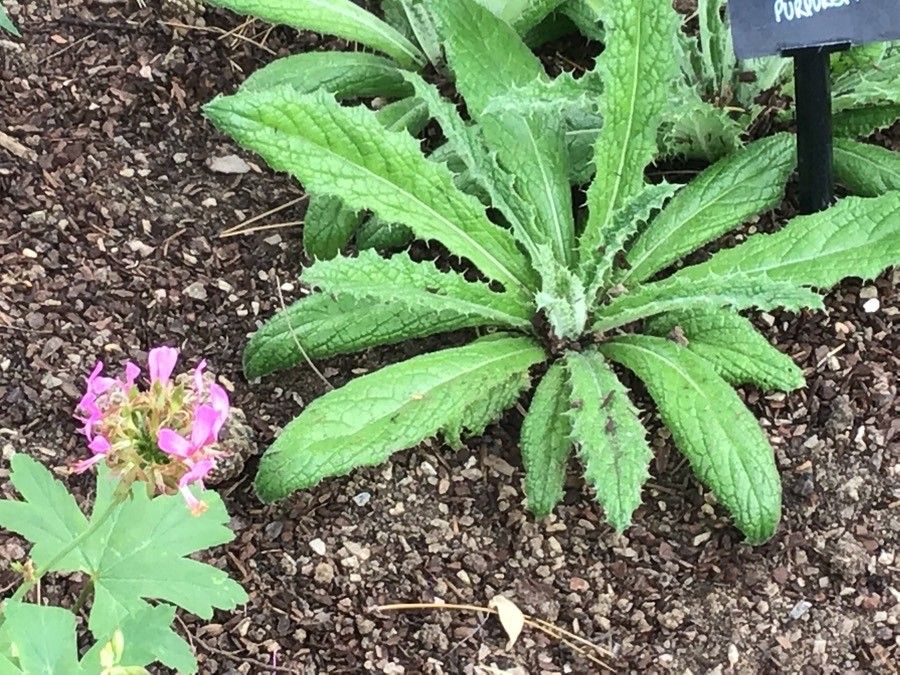
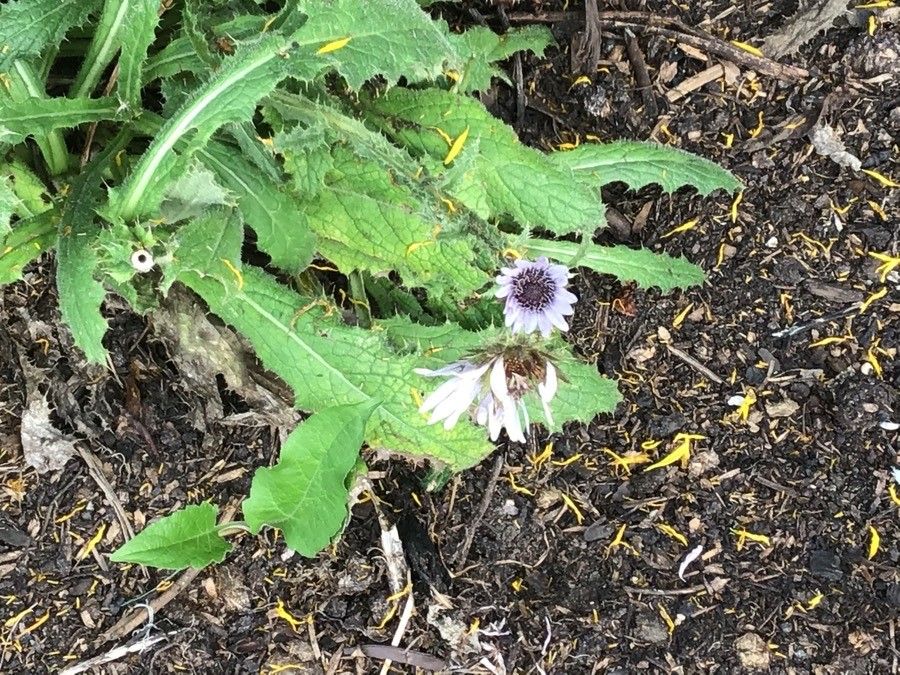
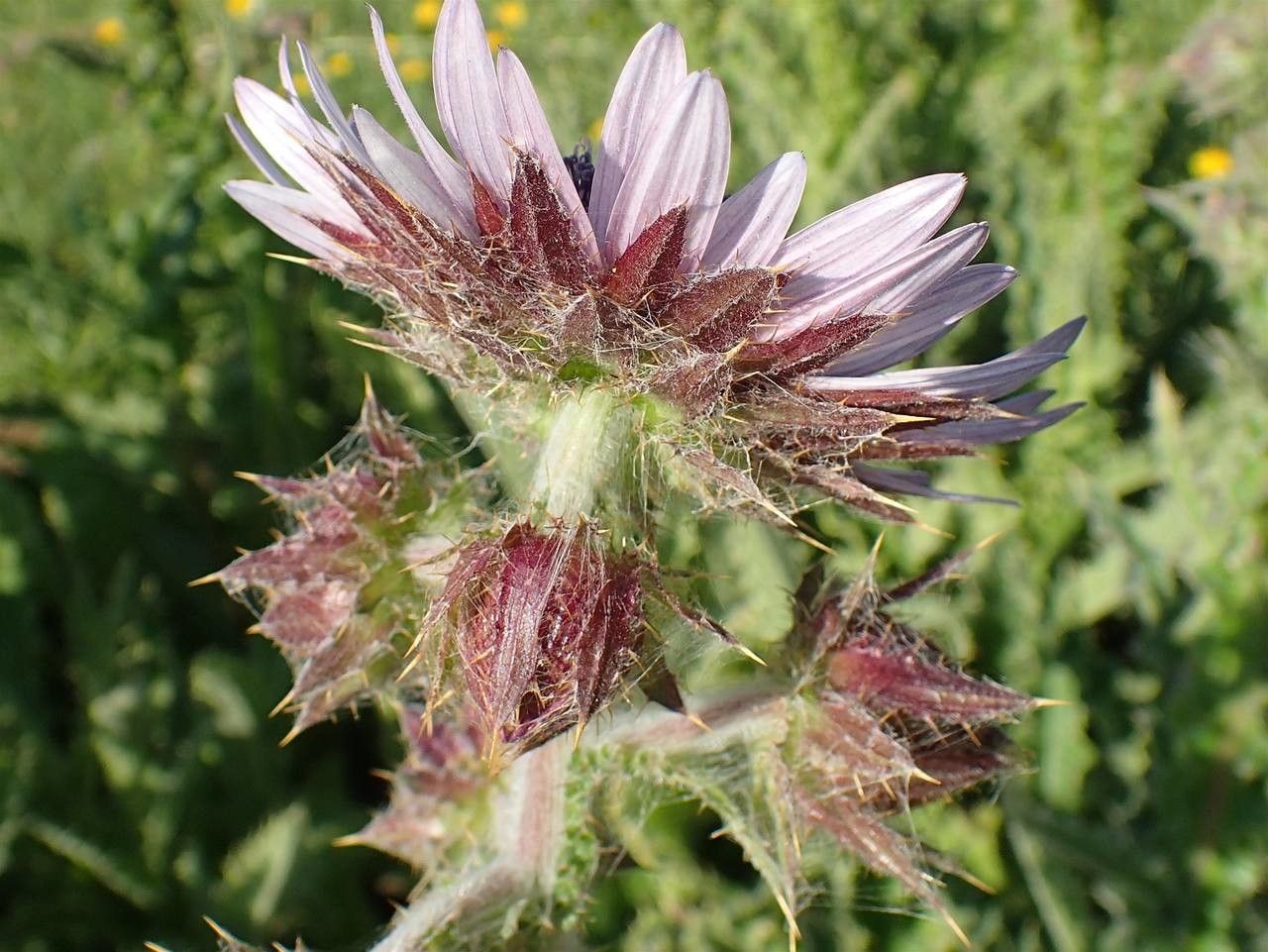
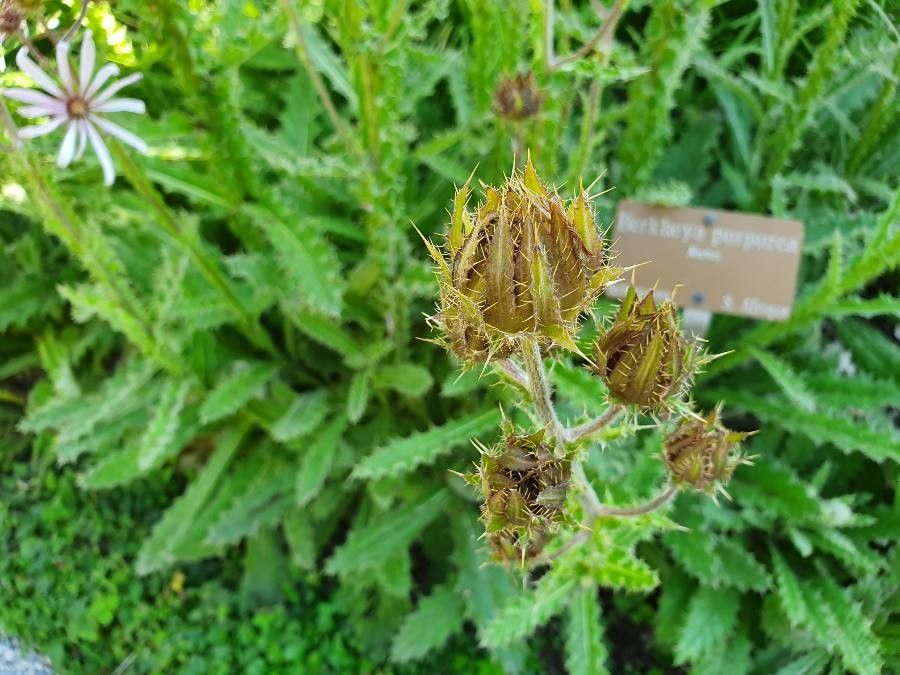
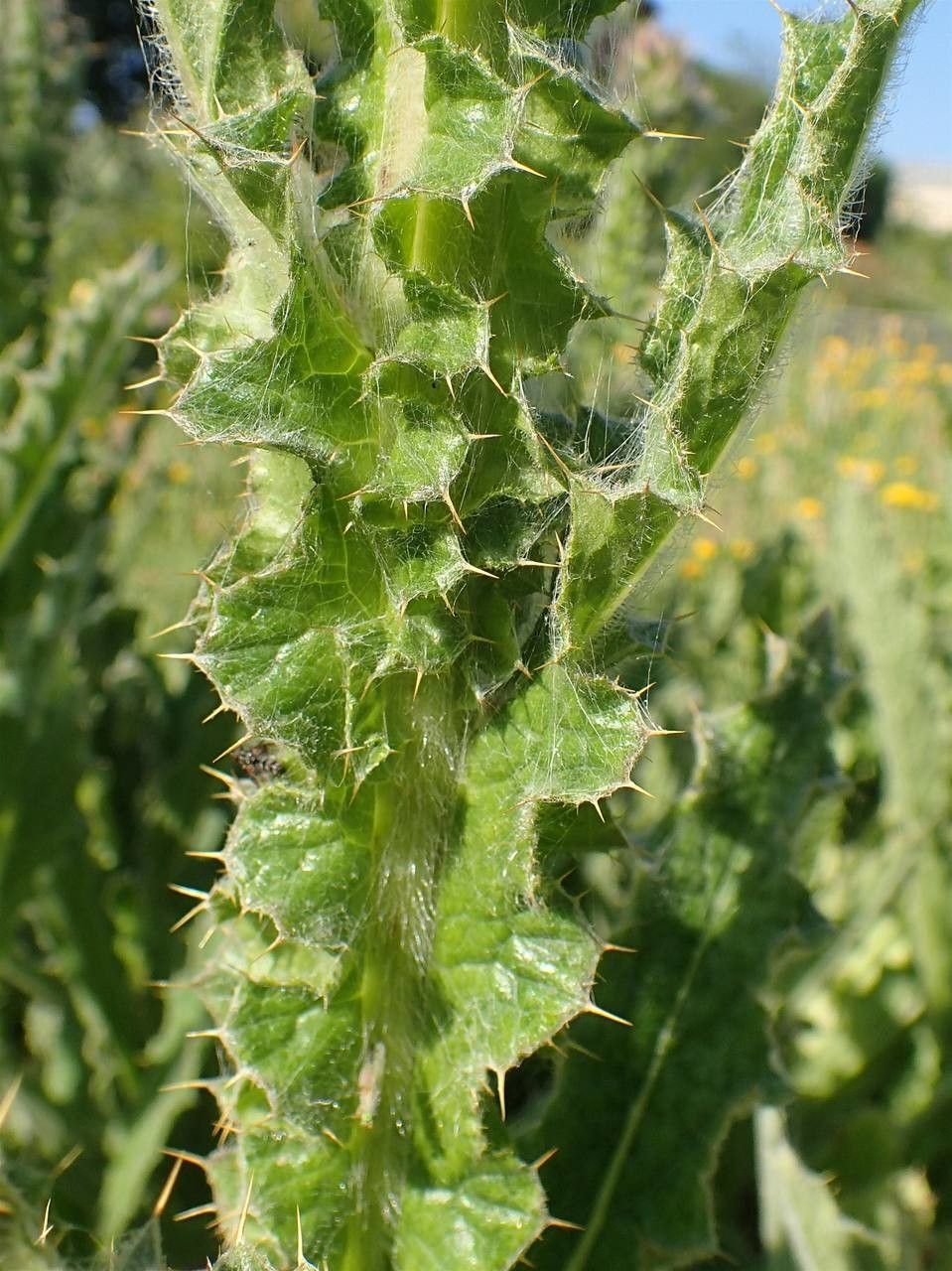
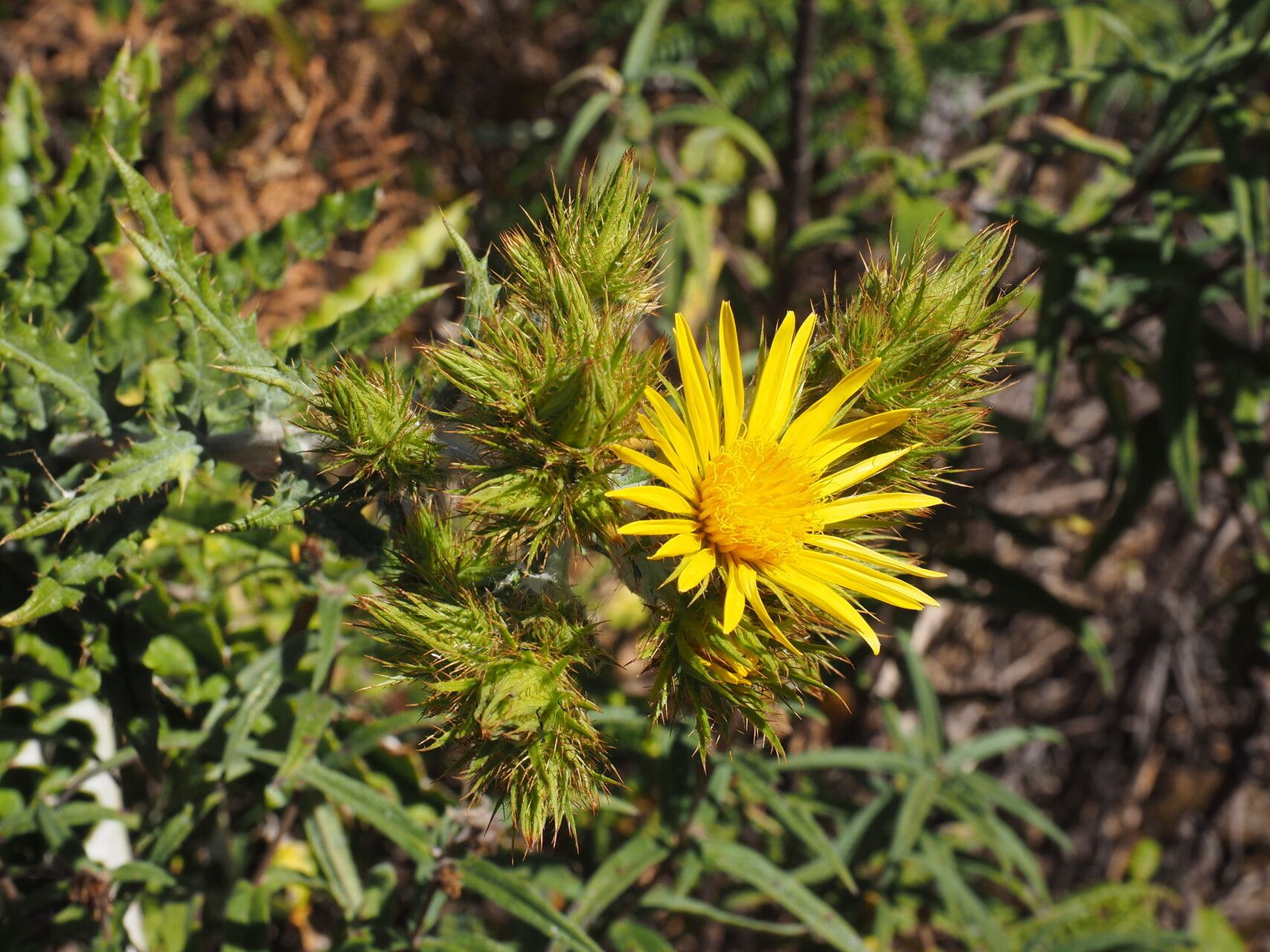
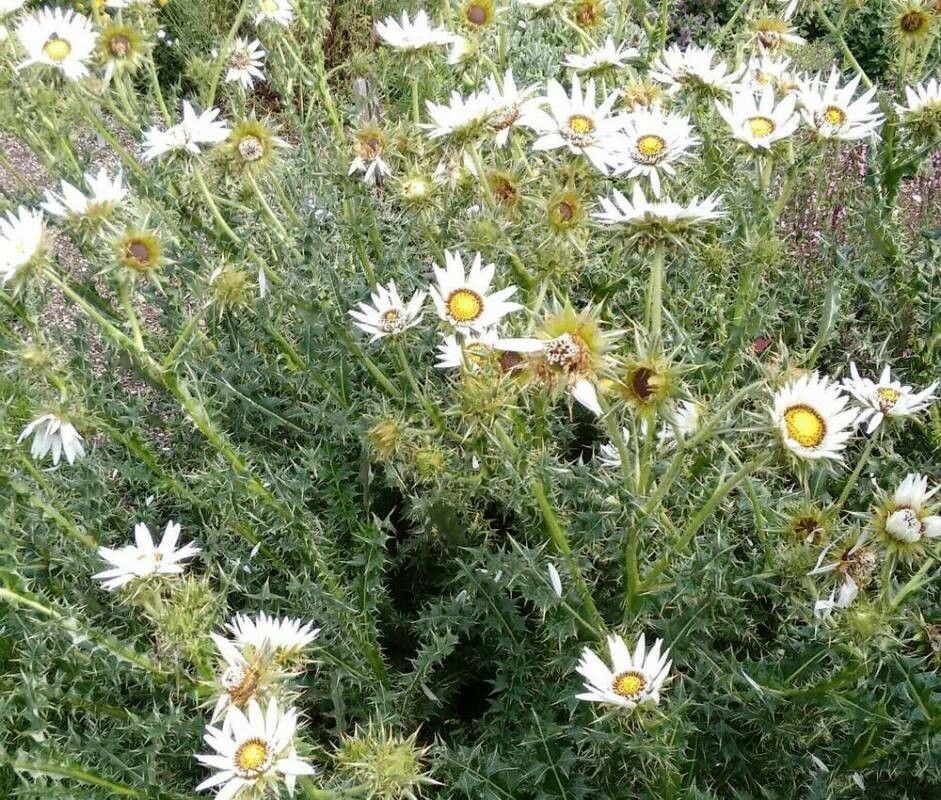
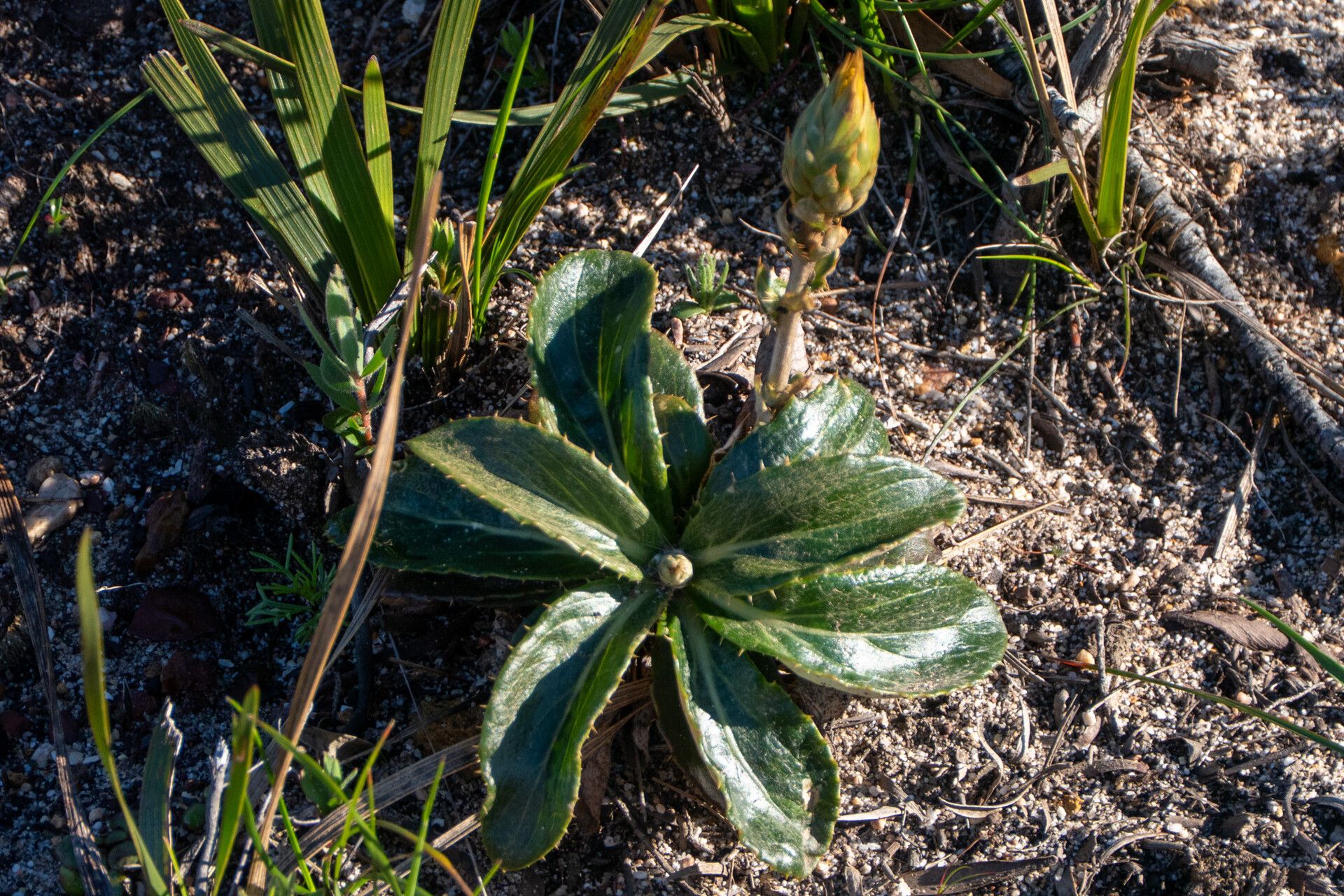
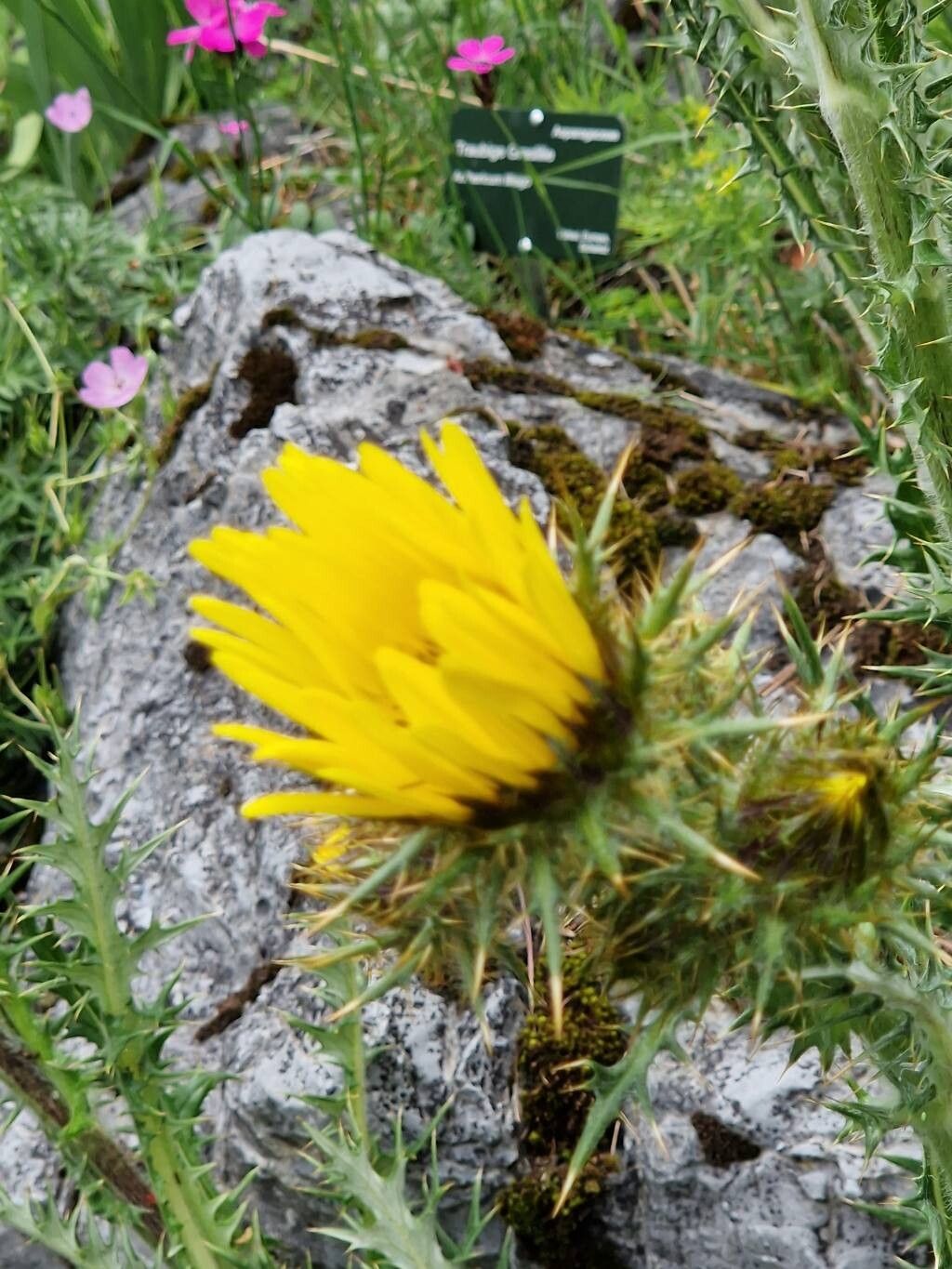
Berkheya purpurea (Purple berkheya; syn. Stobaea purpurea DC.) is a perennial member of the subfamily (Arctotideae) of the family Asteraceae of flowering plants. Like most members of its genus, Berkheya, it is native to southern Africa.
south african thistle is fairly disease-resistant and typically does not suffer from many ailments. Nevertheless, it can be vulnerable to pests and diseases present in its surroundings. Such infestations are generally mild. Regarding care, this plant needs moderate upkeep. Regular pruning is necessary to maintain an attractive appearance and support healthy growth. Applying fertilizer can also help encourage flowering. south african thistle is suitable for anyone with outdoor space, such as a garden or patio, and does not demand extensive care experience. It may need more attention when grown indoors.
How to keep Berkheya Purpurea.
Light
Because it originates from sunny environments, the south african thistle grows best when it gets plentiful, unshaded sunlight throughout the day. The strength of the light strongly affects its healthy development. Prolonged lack or excess of sun exposure can, respectively, weaken the plant or cause damage.
Water
The South African thistle is native to the well-drained soils of South Africa and is moderately drought tolerant. To thrive, it needs to be watered weekly and is best suited to outdoor environments that mimic its natural habitat. During its dormant period, it requires less frequent irrigation.
Temperature
South African thistle is indigenous to areas with moderate to hot temperatures, typically preferring a range of 68 to 100.4 °F (20 to 38 ℃). In the colder season, it is advisable to keep it in a warmer room to maintain its vitality.
Fertilizer
The best time to fertilize a South african thistle is in early spring, when it is coming out of dormancy and beginning active growth. Fertilizing supplies essential nutrients for healthy development. Although South african thistle has relatively low fertilizer needs, an annual application can improve its survival and encourage better, longer-lasting flowers.
Pruning
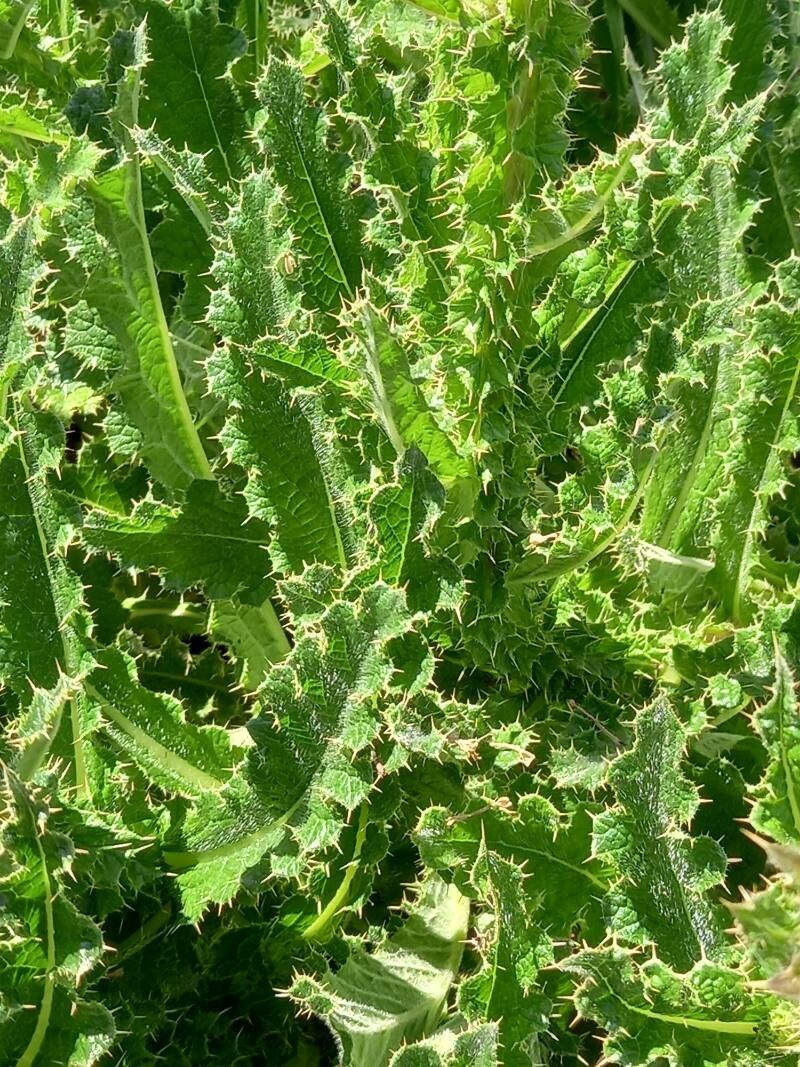
The South African thistle features spiny leaves and purple flowers. To promote growth and flowering, prune the plant from late winter to early spring. During this time, remove any dead stems and cut back about one-third of the plant. Be sure to dispose of the cuttings properly to prevent disease. Pruning during the plant’s dormant period helps minimize stress.
Botanical profile.
- Plant Type
- Herb
- Life Cycle
- Perennial, Annual
- Genus
- Berkheya
- Family
- Asteraceae
- Hardiness Zone
- 6-11
- Mature Height
- 76 cm
- Mature Spread
- 49 cm
- Leaf Color
- Green
- Leaf Type
- Evergreen
- Flower Color
- White, Purple
- Flower Size
- 5.08 cm to 7.62 cm
- Bloom Time
- Summer
- Planting Time
- Spring, Summer, Autumn
- Harvest Time
- Late summer, Early fall, Mid fall
- Native Area
- South Africa, Lesotho
Other names.
Reader questions.
What are the sunlight requirements for South African thistle?
The South African thistle (Berkheya purpurea) thrives best when it receives more than 6 hours of sunlight per day, as it originates from sunlit habitats. It's important to choose locations in your garden that strike a perfect balance between light and shade to ensure the plant's optimal growth and happiness. To mimic these conditions indoors or in less sunny spaces, especially during winter, artificial lighting can be utilized to promote healthier growth. LED lights are recommended for their ability to provide specific wavelengths of light, with suggested wattages varying based on the plant's natural sunlight needs.
What is the native environment of the South African thistle?
The South African thistle, scientifically known as Berkheya purpurea, thrives in environments with moderate to hot temperatures. It is most comfortable in temperatures ranging from 68 to 100.4 °F (20 to 38 °C). To maintain its vitality during the colder seasons, it is recommended to keep it in a warmer room.
What are the indicators of inadequate sunlight for South African thistle?
When South African thistle is not receiving enough sunlight, several symptoms may appear, including smaller new leaves, leggy or sparse growth, faster leaf drop, slower or halted growth, and lighter-colored or yellowing leaves due to chlorosis. Excessive sunlight, on the other hand, can cause sunscald, leaf curling, wilting, and leaf scorching. These symptoms indicate the plant's struggle with light absorption, either too little or too much, affecting its health and growth.
Does the South African thistle require frost protection during winter?
The South African thistle has a strong resistance to cold and usually does not require special frost protection measures during winter. However, if temperatures are expected to plummet below -25°C, it's important to protect the plant from the cold. Covering the plant with soil or straw can insulate it against freezing temperatures. Additionally, watering the plant abundantly before the first freeze in autumn helps ensure the soil stays moist and does not enter a frozen state, which aids in preventing drought and water scarcity for the plant during winter and early spring.
How can I provide optimal sunlight conditions for South African thistle?
To ensure South African thistle gets optimal sunlight, gradually move the plant to sunnier spots to receive at least 6 hours of direct sunlight daily, utilizing south-facing windows for indoor plants. For plants that are large or not easily movable, consider using artificial light sources like desk lamps or professional plant grow lights for at least 8 hours daily. For outdoor plants, avoid sudden changes in light exposure to prevent sunburn, and for ground plants, reduce obstructions like overhanging branches. Transplant smaller plants during their dormant period to locations with ample sunlight and good drainage if necessary. Note that parts of the plant that were previously affected by insufficient sunlight may not recover, but new growth should be healthy with improved light conditions.
How does low temperature affect the South African thistle, and what are the solutions?
The South African thistle is cold-tolerant and performs best when the temperature remains above 20°C, but it should still be kept above 0°C during winter. If temperatures fall below -25°C, the plant may experience a decrease in sprouting or fail to sprout in spring, without showing noticeable changes during winter. To address this, any parts that have not sprouted by spring should be removed.
How does high temperature affect the South African thistle, and what are the solutions?
During summer, it is essential to keep the South African thistle's surrounding temperature below 38°C. Exposure to temperatures above 43°C can cause the leaves to lighten in color, curl, become prone to sunburn, and, in severe cases, lead to the plant wilting and drying out. To mitigate these issues, trim away any sunburned and dried-up parts of the plant. Additionally, moving the plant to a shaded area during the midday and afternoon hours, or using a shade cloth, along with watering the plant in the morning and evening, can help maintain soil moisture and protect the plant from heat stress.