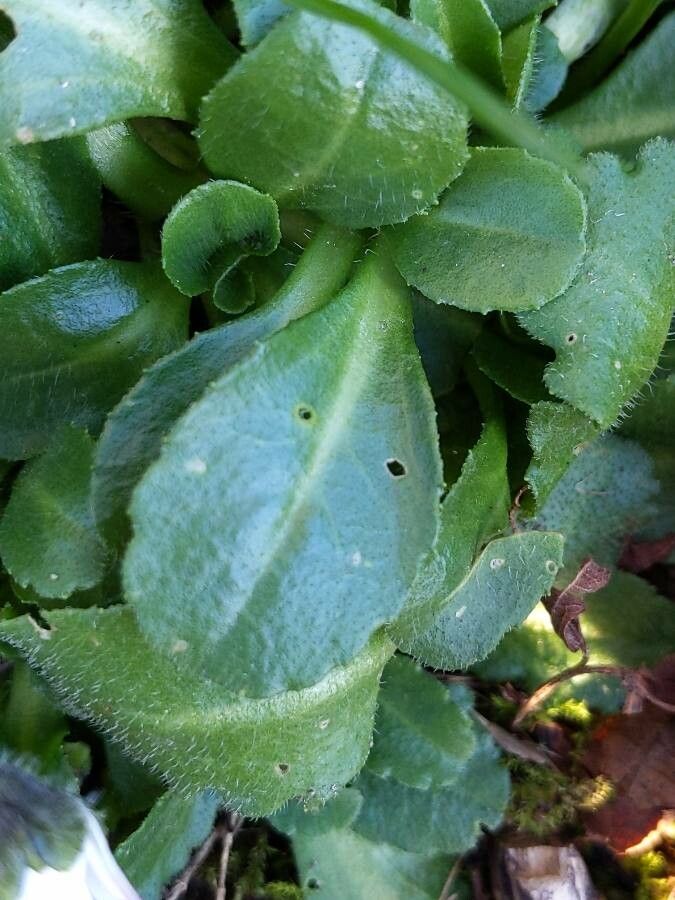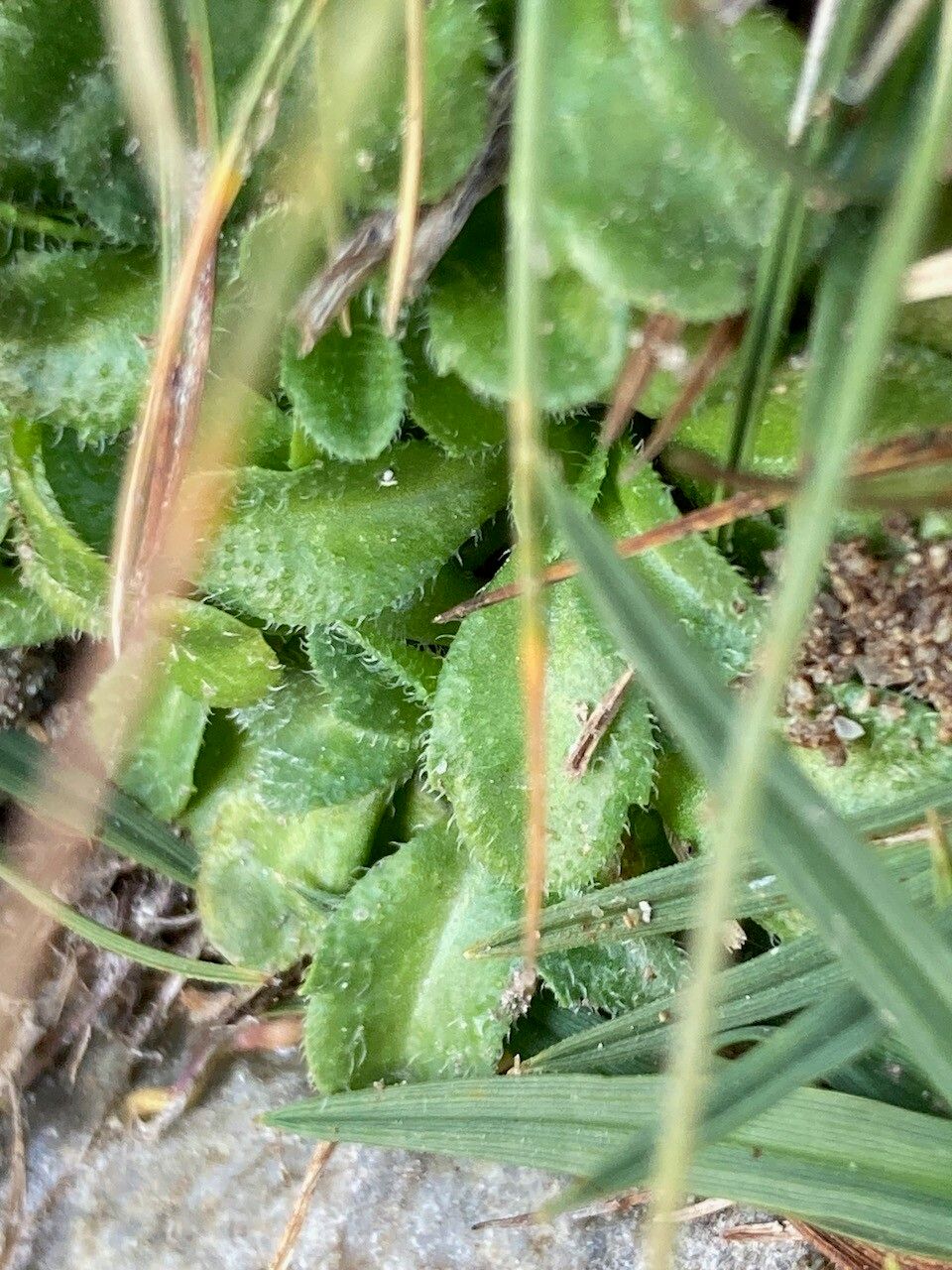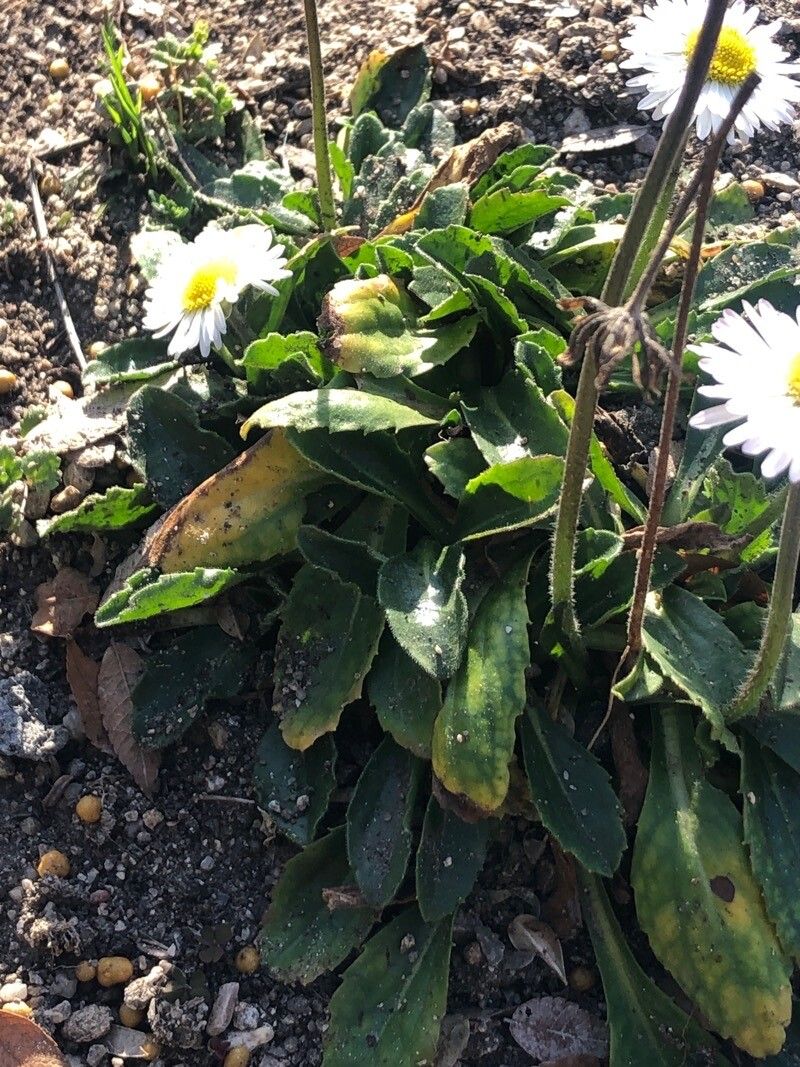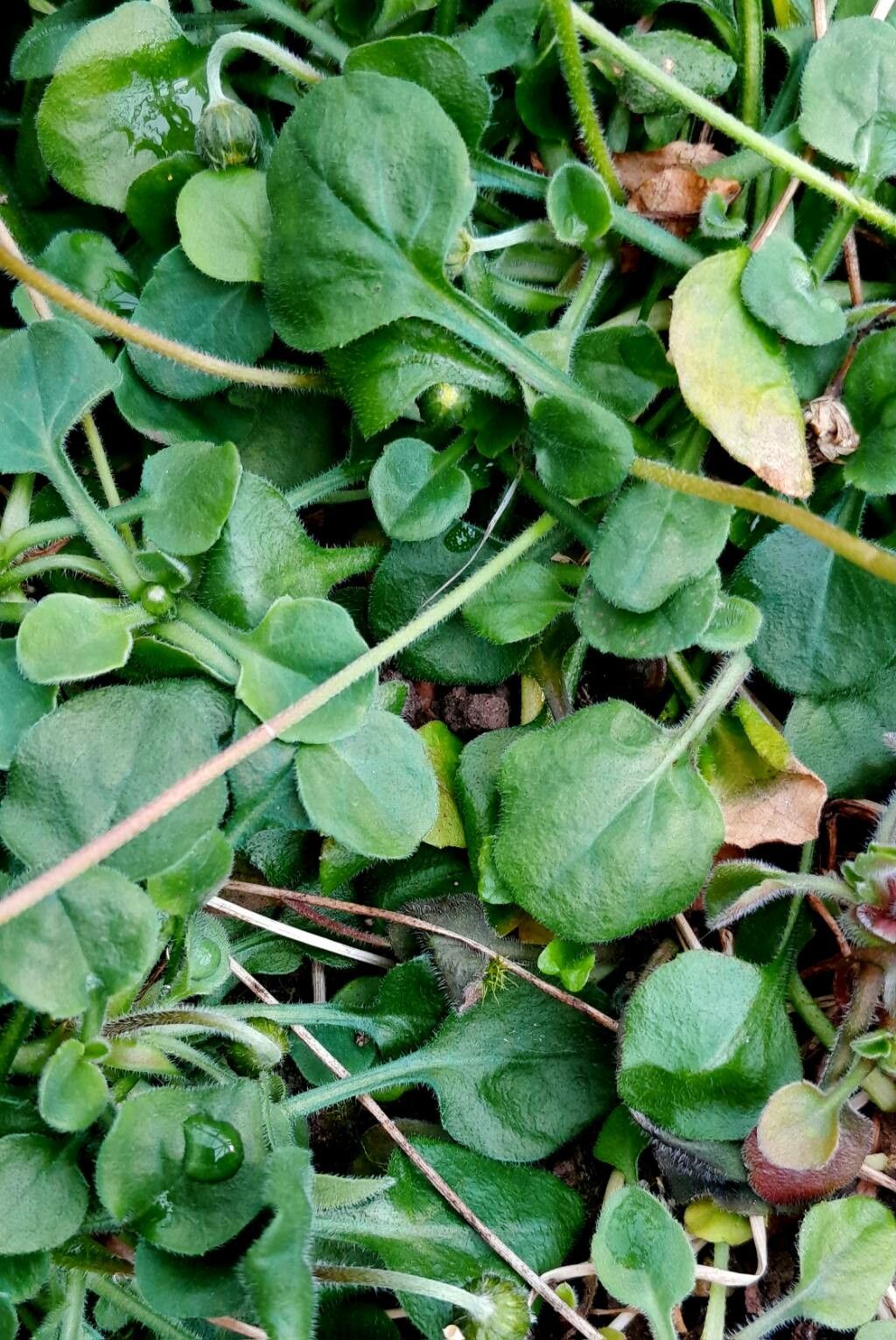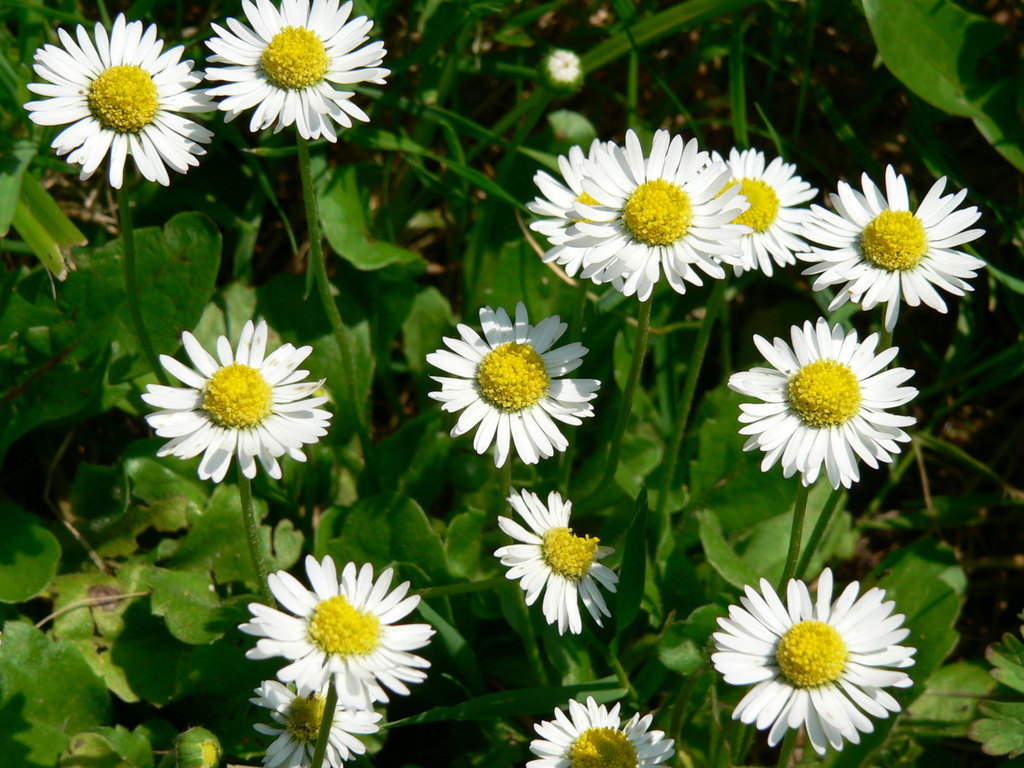
Bellis perennis, commonly known as the common daisy or English daisy, is a perennial herbaceous plant from the Asteraceae family. Native to Europe and western Asia, it has since been naturalized in many other parts of the world. The plant typically grows up to 10 cm in height and features a rosette of dark green, spoon-shaped leaves with toothed edges.
The flowers of Bellis perennis are small, white, and have yellow centers, measuring about 2 cm in diameter. They bloom from early spring until late autumn, often used as ornamental plants for their delicate beauty. While the plant prefers moist soil, it can tolerate some drought.
For centuries, Bellis perennis has been valued for its anti-inflammatory properties and was traditionally used to treat wounds, bruises, and skin irritations. Additionally, it is used in some cosmetic products for its skin-soothing properties.
Overall, Bellis perennis is a charming perennial herb that enhances any area with its beauty and offers additional benefits through its medicinal uses.
The common daisy is fairly disease-resistant and generally not prone to illness. However, it can develop leaf spots if light and ventilation are poor and watering is excessive. Its care requirements are considered easy: it needs only regular watering and little else. The common daisy is suitable for people who lack the time or energy to provide frequent care.
How to keep Bellis Perennis.
Light
The common daisy prefers steady sunlight to encourage strong growth. It can, however, tolerate spots with some shade. Originating in areas with abundant sun, the plant may become stunted and show pale leaves from insufficient light, while too much sun can cause leaf scorch.
Water
The common daisy flourishes in temperate regions and prefers soil that remains consistently moist. It's best to water it once a week, particularly during the growing season. As an herbaceous perennial, the common daisy benefits from natural rainfall but still requires careful watering to maintain its health and blossoms.
Humidity
This plant will thrive in moderate humidity, which is probably the level in your home. However, misting it a few times a week can be very beneficial. Make sure the room has good ventilation.
Temperature
The common daisy is native to temperate zones and prefers to grow in temperatures between 68 and 95 °F (20 to 35 ℃). Seasonal changes may necessitate slight adjustments within this range to ensure optimal growth.
Fertilizer
Early spring, when the Common daisy is coming out of dormancy and starting active growth, is the optimal time to fertilize. Fertilization supplies essential nutrients for healthy growth. Although the Common daisy has relatively low fertilization needs, applying fertilizer once a year can improve its survival and promote better, longer-lasting flowers.
Pruning
The common daisy is known for its charming white and yellow flowers and requires minimal maintenance. To promote growth and blooming, it should be pruned from early to late spring. Regularly removing spent flowers will help extend the blooming period and minimize seed dispersion. Additionally, lightly trimming the foliage can help maintain the plant's shape and improve air circulation.
Pot & Repot
When repotting Common daisy, pick a pot 1-2 inches (2.5–5.1 cm) larger with ample drainage. Use a well-draining potting mix. Repot in spring or fall, making sure the root ball is slightly lower than the rim of the flower pot. Water thoroughly after repotting and place in a warm spot with indirect sunlight.
Toxicity
If this plant is eaten, then constipation, diarrhea, vomiting, and fatigue may occur. If this plant is eaten, it may make you feel very hungry. Products containing English Daisy should not be taken during pregnancy or breastfeeding because not enough research has been done.
Further reading →
The toxicity and danger assessments provided are for reference only. We do not assure their accuracy, so it's crucial not to depend on them. Seek professional advice when necessary for accurate guidance.
Botanical profile.
- Plant Type
- Herb
- Life Cycle
- Perennial, Annual, Biennial
- Genus
- Bellis
- Family
- Asteraceae
- Hardiness Zone
- 4-8
- Mature Height
- 3 cm to 15 cm
- Mature Spread
- 9 cm to 15 cm
- Leaf Color
- Green
- Leaf Type
- Deciduous
- Flower Color
- White, Pink
- Flower Size
- 2.03 cm to 3.56 cm
- Bloom Time
- Spring, Late summer, Fall, Winter
- Planting Time
- Spring
- Harvest Time
- Spring, Early summer, Fall, Winter
- Native Area
- Turkey, Sweden, Austria, Slovakia, Montenegro, Slovenia, Morocco, Croatia, Belarus, Uzbekistan, Russia, Iraq, Germany, Romania, Belgium, Moldova, Portugal, Netherlands, France, Tajikistan, Czech Republic, Cyprus, Bulgaria, Poland, Armenia, Greece, Ukraine, Serbia, Lebanon, Norway, Syria, Kyrgyzstan, Italy, Spain, Switzerland, Denmark, Iran, Albania, Ireland, United Kingdom, Hungary, Azerbaijan, Turkmenistan
Other names.
Reader questions.
How do I water my Common daisy when it is growing at different stages?
The water needs of the Common daisy vary depending on its growth stages. When the Common daisy is in its early years or has recently been transplanted, it requires more water than usual. During these stages, the plant expends a lot of energy on growing new roots, which need extra moisture for optimal performance. As the Common daisy matures, it will require less water. Additionally, during the bloom period, when the flowers are developing, the plant may need more water to support this process.
How should I put fertilizer on my Common daisy?
To fertilize a Common daisy, the most common method is to use granular or pellet fertilizer. It's important to fertilize during the plant's active growth phase, which is right after the winter dormant period. In early spring, when shoots start emerging from the soil, you can apply the fertilizer. Alternatively, you can use liquid fertilizer, but make sure to dilute it with water. Whether you choose granular or liquid fertilizer, it's essential to moisten the soil before, during, and after application.
What are the sunlight requirements for a common daisy?
The common daisy requires consistent exposure to full sun, which means it should receive above 6 hours of sunlight daily for robust growth. It can also tolerate partial sun, with about 3-6 hours of sunlight. It's crucial to observe how sunlight moves through your garden to find spots that provide a balanced mix of light and shade, ensuring your plants stay happy and healthy.
What is the native climate of the Common Daisy and what temperature range does it prefer?
The Common Daisy, scientifically known as Bellis perennis, is native to temperate zones. It thrives in temperatures ranging from 68 to 95 °F (20 to 35 ℃). Though the plant has strong cold resistance, it prefers this temperature range for optimal growth. Seasonal adaptations may require slight adjustments within this range.
How does sunlight affect the growth of common daisies?
Sunlight plays a significant role in the growth and health of common daisies. Originating from environments with abundant sunlight, these plants may exhibit stunted growth and pale leaves if exposed to too little sun. Conversely, too much sunlight can lead to leaf scorch. In spaces with insufficient natural light, especially during winter, artificial lighting can be a valuable solution. LED lights are recommended for indoor plants, providing the specific wavelengths needed for growth. The amount of artificial light required varies depending on the plant's needs, ranging from 10-50W/sq ft. The lights should be placed 12-36 inches above the plant for 8-12 hours per day, mimicking natural daylight conditions.
How does the Common Daisy cope with winter conditions and potential frost?
Common Daisy has a strong cold resistance and doesn't usually require special frost protection measures during winter. However, if temperatures are expected to drop below -30°C, it's important to provide protection. This can include covering the plant with soil or straw and ensuring the soil is moist before the first freeze of autumn to prevent drought and water scarcity during winter and early spring.
What are the symptoms of inadequate lighting on common daisies?
When common daisies are placed in inadequately lit rooms, they may not show immediate signs of light deficiency. However, symptoms can develop over time, including smaller than usual leaves, leggy or sparse growth, faster leaf drop, slower or halted growth, paler new leaves, chlorosis (leaves turning yellow), sunscald, leaf curling, wilting, and leaf scorching. These symptoms indicate that the plant is not receiving the appropriate amount of sunlight it requires for healthy growth.
What are the symptoms and solutions for a Common Daisy experiencing low temperatures?
When temperatures fall below 20°C, the Common Daisy remains cold-tolerant and should ideally be kept above 0°C. If the temperature drops below -30°C, there might not be immediate visible changes, but come spring, there could be a decrease in or absence of sprouting. The recommended solution is to remove any parts of the plant that have failed to sprout in the spring.
How can you mitigate issues caused by insufficient sunlight for common daisies?
To address insufficient sunlight for common daisies, consider the following solutions: For indoor plants, gradually move them to sunnier locations until they receive at least 6 hours of direct sunlight daily, use south-facing windows for maximum light exposure, and supplement with artificial light if necessary, ensuring at least 8 hours of light daily. For outdoor planting, move your plants to better-lit areas gradually to prevent shock and sunburn. If physical obstructions block sunlight, consider pruning or relocating smaller plants to sunnier spots. Remember, parts of the plant that were previously affected by low light may not recover, but new growth should be healthy with improved light conditions.
How does the Common Daisy react to high temperatures, and what can be done?
During the summer, it's best to keep the Common Daisy below 35°C. Temperatures exceeding 38°C can cause the leaves to lighten in color, curl, be prone to sunburn, and in severe cases, cause the entire plant to wilt and dry. The advised solution includes trimming away the sunburned and dried parts of the plant, moving it to a shaded location or using a shade cloth to protect it from the midday and afternoon sun, and watering the plant in the morning and evening to keep the soil moist.