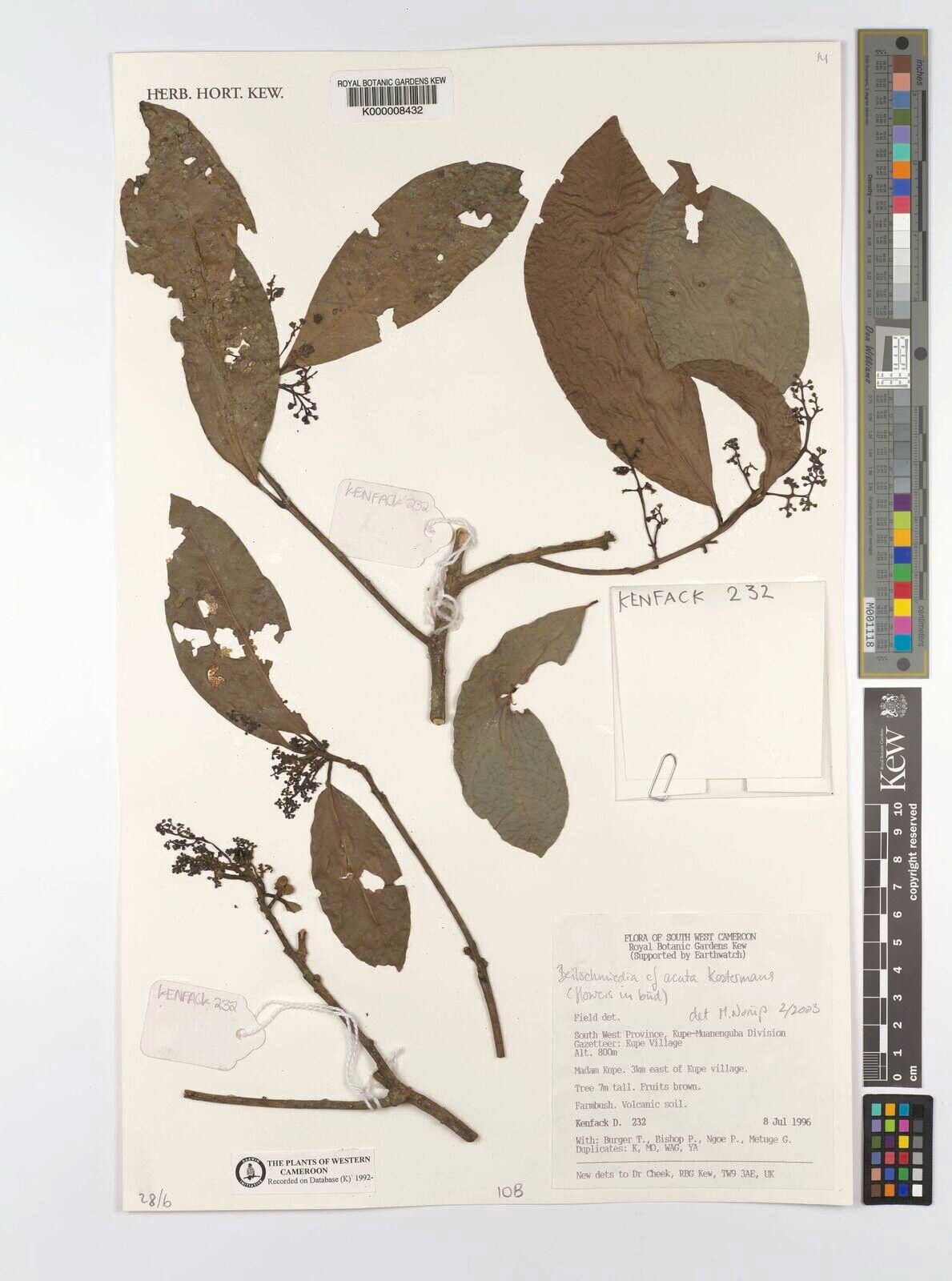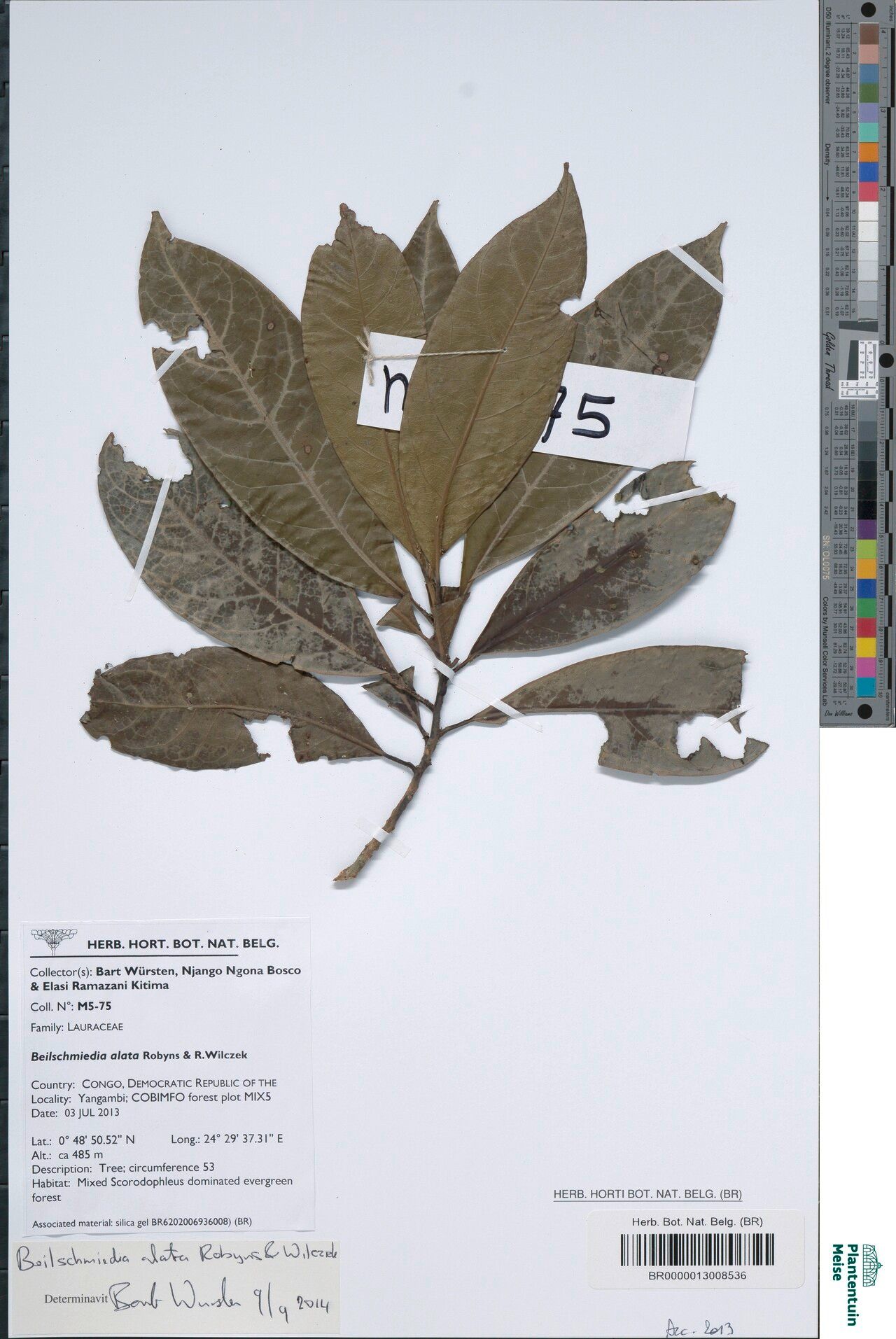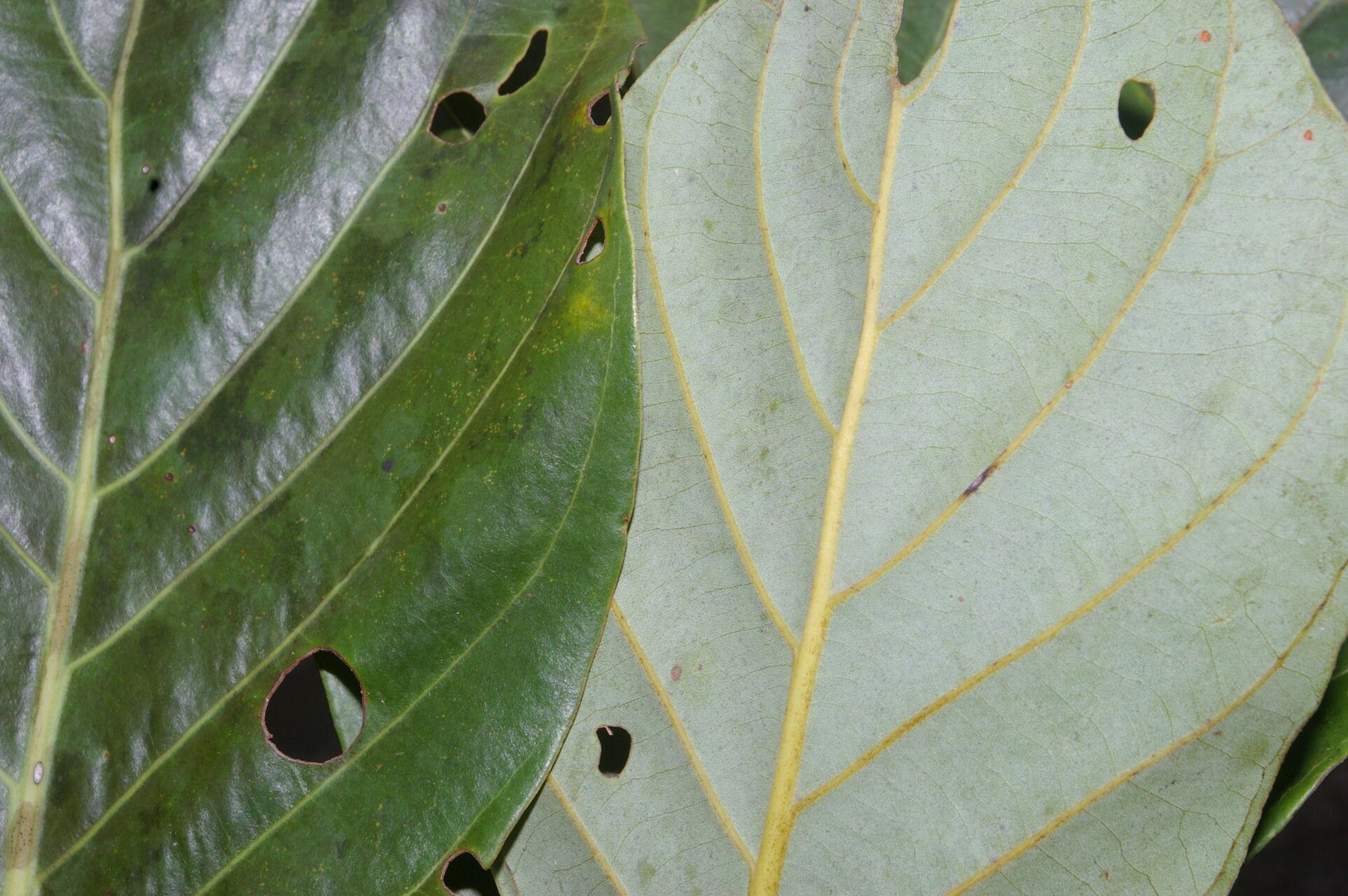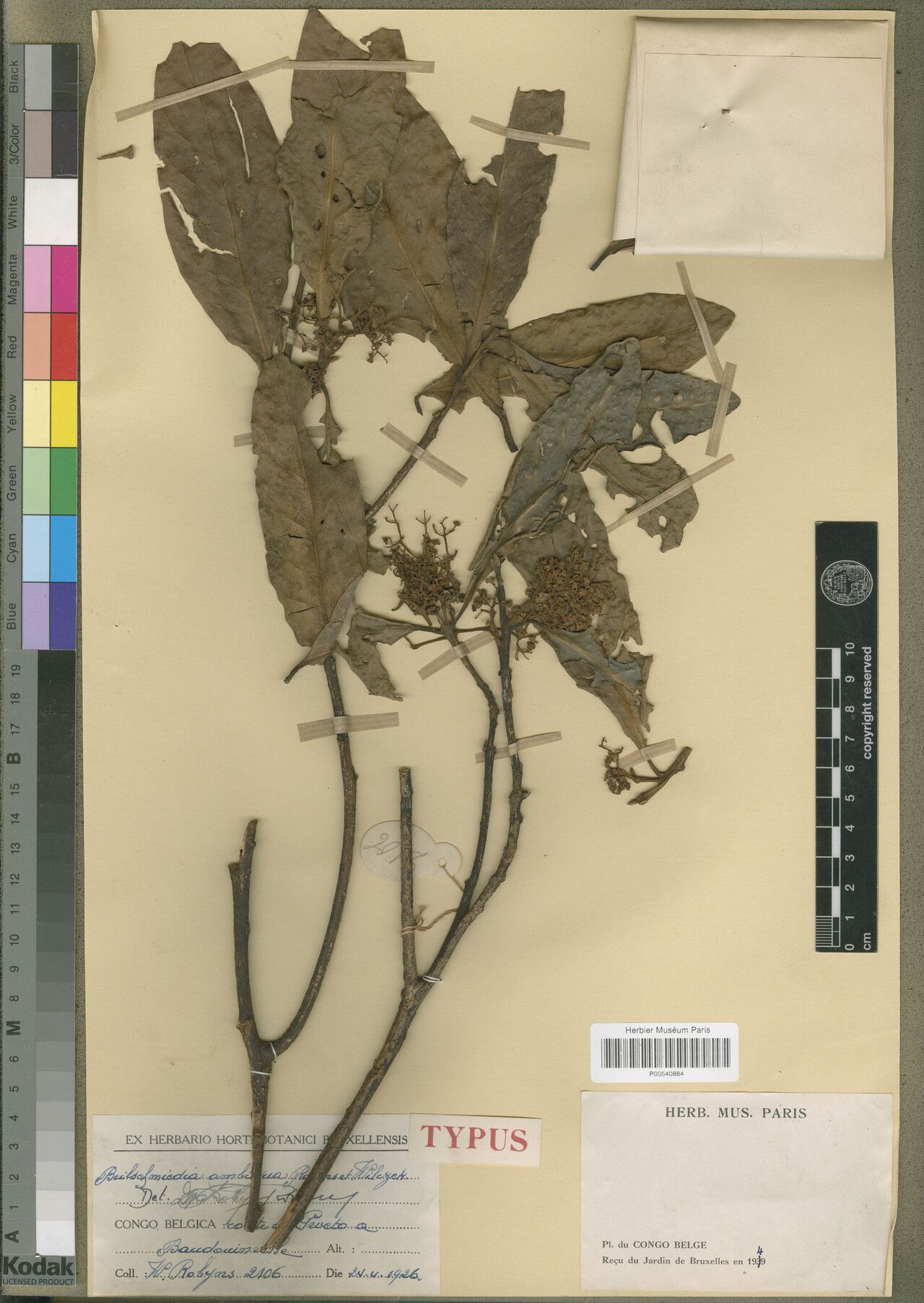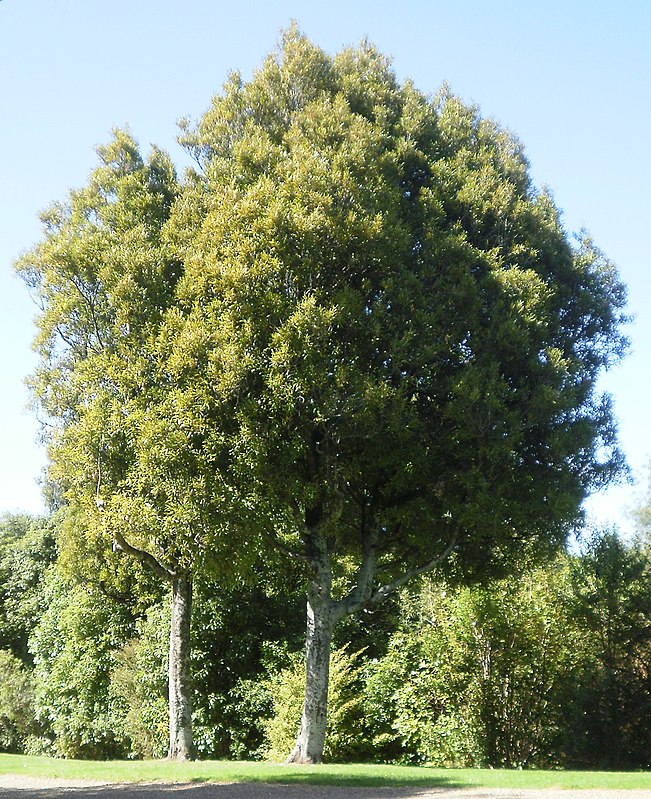
Beilschmiedia tawa, the tawa, is a New Zealand broadleaf tree common in the central parts of the country. Tawa is often the dominant canopy tree species in lowland forests in the North Island and the north east of the South Island, but will also often form the subcanopy in primary forests throughout the country in these areas, beneath podocarps such as kahikatea, matai, miro and rimu. Individual specimens may grow up to 30 metres or more in height with trunks up to 1.2 metres in diameter, and they have smooth dark bark. The Māori word "tawa" is the name for the tree. Tawa produce small inconspicuous flowers followed by 2–3.5 cm long fruit of a dark red plum colour. With such large fruits, tawa is notable for the fact that it relies solely on the New Zealand pigeon (kererū) and (where present) the North Island kokako for dispersal of its seed. These are the only remaining birds from New Zealand's original biota large enough to eat the fruits of this tree and pass the seeds through their guts and excrete them unharmed. Tawa can also support significant epiphyte gardens in their canopies, which are one of the few habitats known to be frequented by the enigmatic, arboreal striped skink. This tree gives its name to a northern suburb of Wellington, Tawa.
Tawa is resistant to disease and is usually not susceptible to illnesses. Regarding care, this plant is relatively low-maintenance. When grown outdoors it needs only minimal watering, and larger specimens typically do not require pruning. Smaller plants, however, should be pruned after they finish blooming. Tawat is suitable for anyone who has an outdoor area, such as a garden or deck, and does not demand extensive care experience.
How to keep Beilschmiedia Tawa.
Light
Tawa grows best in locations that receive a substantial amount of sunlight each day. If it does not get enough sun, the plant may experience growth problems. Too much sun can also put stress on the plant. Coming from naturally sunlit environments, it can tolerate some shade but prefers plentiful sunlight for optimal growth.
Water
Tawa thrives in environments with sporadic rainfall and can tolerate moderate drought conditions. By watering every 2-3 weeks, you allow the soil to dry out appropriately. When grown outdoors in temperate zones, tawa synchronizes its growth cycle with the seasonal rain patterns, making it well-suited for regions with distinct wet and dry seasons.
Temperature
Tawa originates from regions with temperate climates and does best when temperatures are between 59 and 89.6 °F (15 to 32 ℃). In colder months, it is advisable to protect them from frost and from temperature drops to ensure optimal growth.
Fertilizer
Fertilize your Tawa in early spring to encourage healthy growth. Regular fertilization improves overall health, leading to vigorous growth, increased tolerance of harsh conditions, and enhanced resistance to pests and diseases. Stick to a specific fertilization schedule for your Tawa to keep its foliage vibrant, richly colored, and lush in appearance.
Pruning
Tawa benefits greatly from regular pruning during its dormant phase, which lasts from early to late winter. This practice improves air circulation, allows better light penetration, and boosts the overall health of the plant. By removing dead or overcrowded branches, you can encourage new growth and reduce the risk of diseases. As a result, the tawa maintains a strong and attractive appearance.
Botanical profile.
- Plant Type
- Tree
- Life Cycle
- Perennial
- Genus
- Beilschmiedia
- Family
- Lauraceae
- Hardiness Zone
- 8
- Mature Height
- 29.87 m
- Mature Spread
- 10.06 m
- Leaf Color
- Dark Green
- Leaf Type
- Evergreen
- Flower Color
- White
- Flower Size
- 0.20 cm to 0.51 cm
- Bloom Time
- Winter
- Planting Time
- Spring, Summer, Autumn
- Harvest Time
- Mid spring, Late spring, Early summer
- Native Area
- New Zealand