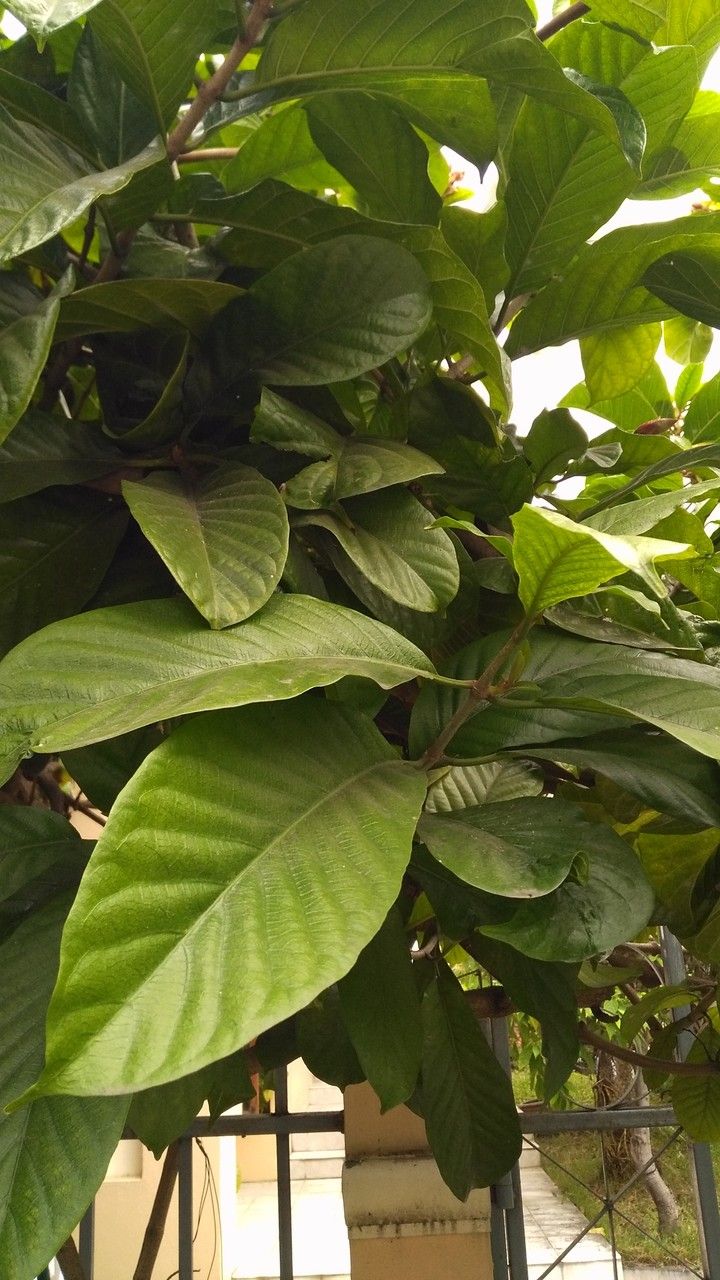
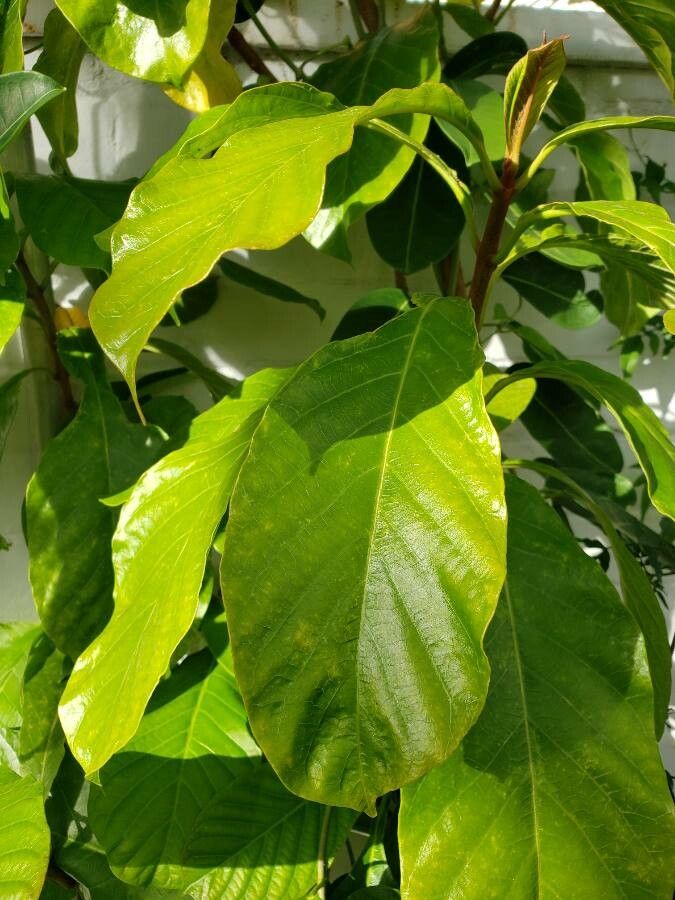
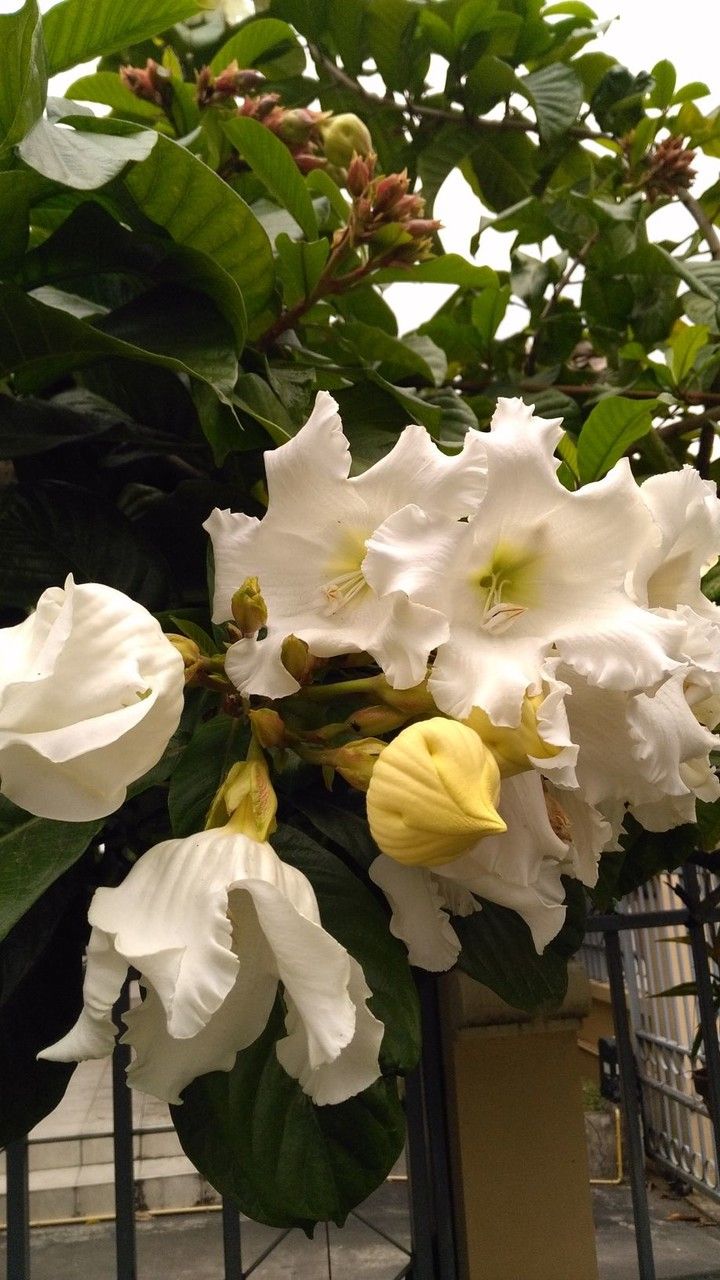
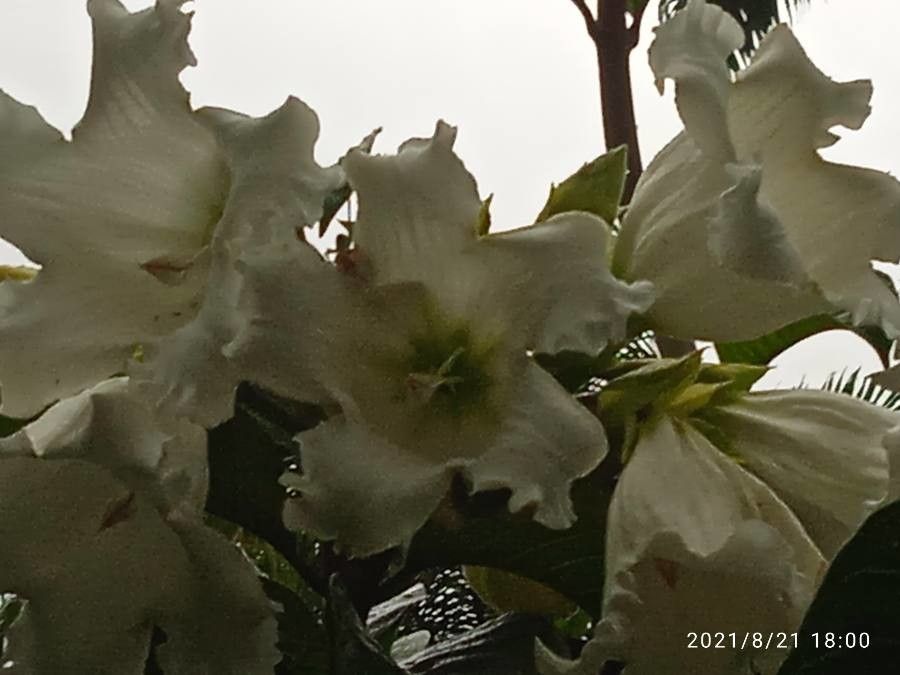
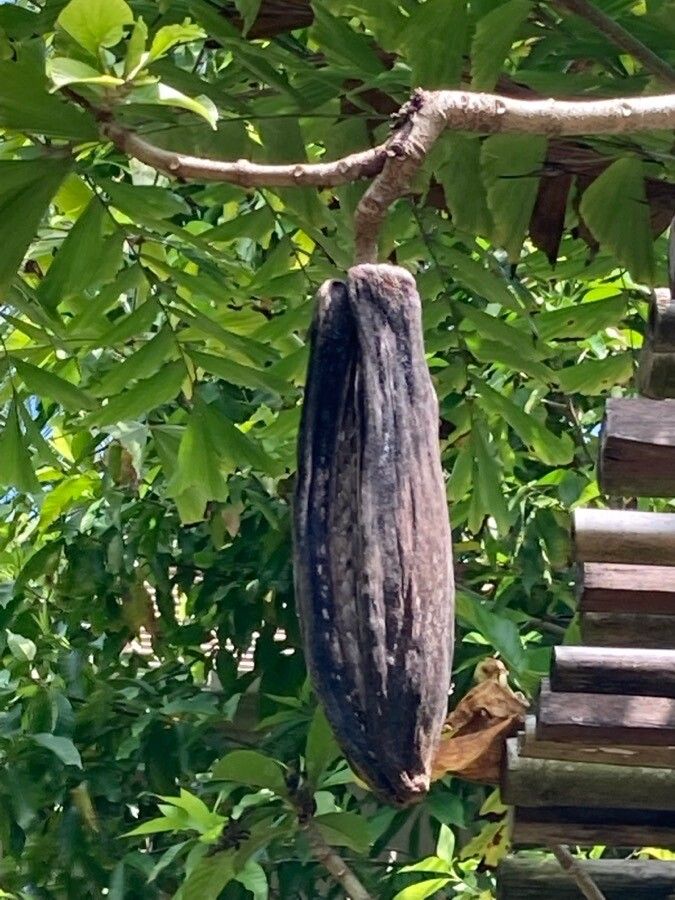
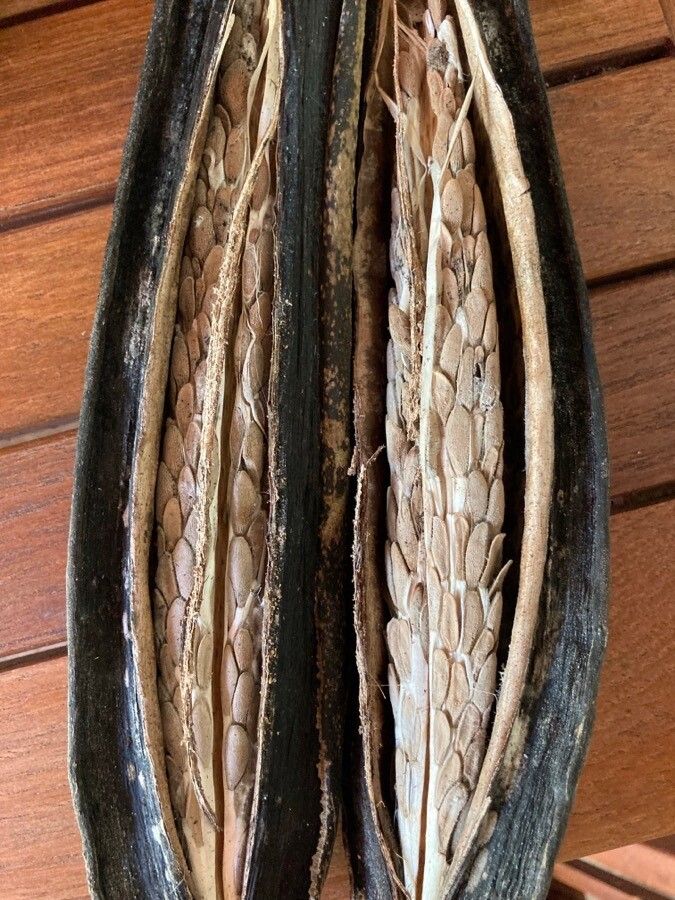
Beaumontia grandiflora, commonly known as Easter lily vine or Himalayan silk vine, is a stunning evergreen climber from the family Apocynaceae. Native to the Himalayan regions of India and Nepal, this plant is now widely cultivated around the globe for its ornamental appeal. It can reach heights of up to 20 feet and features glossy, dark green leaves that measure 4 to 8 inches in length. Its most striking characteristic is the large, fragrant white flowers that bloom in clusters from late spring through summer. Each flower can grow up to 4 inches wide, with a trumpet-shaped corolla and a yellow center.
Beaumontia grandiflora thrives in well-drained soil with moderate moisture levels and prefers partial shade or filtered sunlight for optimal growth. It can be propagated through stem cuttings or layering, although it may take several years before the plant starts to bloom.
In traditional medicine, various parts of this plant have been used for their medicinal properties, including treating fever, coughs, asthma, and skin diseases due to their anti-inflammatory effects.
Overall, Beaumontia grandiflora is an excellent choice for gardeners seeking an attractive climber with fragrant flowers that will add beauty and elegance to any landscape design.
Herald's trumpet shows good resistance to disease and is generally not prone to illnesses. Regarding care, this plant is fairly low-maintenance. When grown outdoors it needs only minimal watering, and larger plants usually do not require pruning. Smaller plants, however, should be pruned after they finish blooming. Herald's trumpet is suitable for anyone with outdoor space, such as a garden or a deck, and does not require extensive care experience.
How to keep Beaumontia Grandiflora.
Light
Herald's trumpet does best in locations that receive plenty of sunlight. Adequate light allows it to develop healthier foliage and abundant blooms. This flowering plant comes from habitats with high sun exposure. Too much or too little light can impair its growth or cause discoloration of its leaves.
Water
The herald's trumpet thrives in moderately moist environments and can withstand short periods of drought. For the best growth results, it should be watered every two weeks with attention to good drainage. As an evergreen species, the herald's trumpet prefers well-drained soil, highlighting its need for consistent moisture regulation.
Temperature
Herald's trumpet originates from warm regions and grows best at temperatures of 68 to 100.4 °F (20 to 38 ℃). In colder seasons, consider relocating it to a warmer area or supplying additional heat.
Fertilizer
The best time to fertilize a Herald's trumpet is in early spring, as it comes out of dormancy. This supports general growth and the development of flowers. Fertilizing improves the foliage, stems, and branches, while encouraging large, vibrant, long-lasting blooms. It helps move nutrients from the roots to the flowers and strengthens the plant’s health and resistance to disease.
Pruning
The Herald's trumpet is a robust climbing plant known for its large, white, trumpet-shaped flowers and glossy leaves. To maintain its health and encourage blooming, it is important to prune the plant in early spring. This helps remove dead stems and thin out dense areas, improving air circulation and sunlight penetration. For the best results, use sharp, clean tools to minimize the risk of disease.
Botanical profile.
- Plant Type
- Vine
- Life Cycle
- Perennial
- Genus
- Beaumontia
- Family
- Apocynaceae
- Hardiness Zone
- 9-11
- Mature Height
- 3.05 m to 9.14 m
- Mature Spread
- 6.1 m to 9.14 m
- Leaf Color
- Green
- Leaf Type
- Evergreen
- Flower Color
- White
- Flower Size
- 10.16 cm to 12.70 cm
- Bloom Time
- All year round
- Planting Time
- Spring, Summer, Autumn, Winter
- Harvest Time
- All year round
- Native Area
- Nepal, India, Vietnam, Myanmar, Bhutan, Bangladesh, Thailand, China
Other names.
Reader questions.
How should I water my Herald's trumpet plant in the best way?
To promote excellent root development, consider placing a garden hose at the base of the plant. It's important to avoid directly spraying the leaves. If the plant is outdoors and exposed to direct sunlight, the leaves will need more watering. You can use bubblers that can be attached to each plant to keep the roots moist. Soaker hoses are also useful for watering the entire garden or bed and ensuring deep root penetration when adding or removing plants. After watering, make sure to drain any excess water and wait for the soil to dry before watering again. To prevent diseases, it's best to water at ground level. On a sunny day, spraying the entire bush with water can be beneficial. Whether the plant is potted or in-ground, remember that Herald's trumpet prefers deep watering instead of light sprinkling.
Why should I fertilize my Herald's trumpet plant?
To ensure the overall health and well-being of your Herald's trumpet, fertilization plays a crucial role. By providing the right amount of energy and nutrients, your plant will develop lush foliage and strong stems and branches. But what truly delights gardeners are the flowers of the Herald's trumpet, which can be of great value. Luckily, fertilization not only promotes flower production but also enhances their size, vibrancy, and longevity. This is because proper fertilization facilitates the efficient transfer of nutrients from the roots to the flowers through the stems. Additionally, fertilization helps to maintain the plant's overall health, making it more resilient against diseases.
What are the sunlight requirements for Herald's trumpet?
Herald's trumpet, also known as Beaumontia grandiflora, thrives best in full sun conditions, requiring above 6 hours of sunlight daily to produce healthier foliage and prolific blooms. It is crucial to observe how sunlight moves through your garden to ensure your plants get a balance of light and shade, promoting their health and happiness. In environments with less sunlight, especially indoors during winter or in less sunny spaces, artificial lighting can be employed to supplement natural light. Adequate lighting is vital for optimal growth, with LED lights being a popular choice for their ability to provide the specific wavelengths of light needed by plants.
What is the ideal temperature range for Herald's trumpet to thrive?
The ideal temperature range for Herald's trumpet to thrive is between 68°F (20°C) and 100.4°F (38°C). This plant loves warm climates and does best within these temperature ranges. During colder seasons, it's important to ensure the plant is kept in a warmer area to maintain its health. Should temperatures drop significantly, especially in autumn, moving the plant indoors to a spot near a bright window is advisable, though it should not be placed too close to heaters. Keeping the plant in temperatures above 20°C during winter months is beneficial, while exposure to temperatures near or below 0°C can be harmful.
What should I do if I add too much or too little water to Herald's trumpet?
An overwatered Herald's trumpet can exhibit various signs of distress. These include yellow leaves that may drop off and wilt, as well as a dull and unhealthy appearance with mushy stems. It is advisable to adjust your watering schedule if you notice these symptoms. However, wilting can also be a sign of under watering, which causes leaves to become crispy and dry. In such cases, it is important to check the soil moisture levels regularly and provide a thorough watering when needed. It is worth noting that even after sufficient watering, the plant may still appear dry with yellow leaves due to damage to the root system. Once the plant recovers, the yellowing of leaves will cease. When growing a Herald's trumpet indoors, always monitor moisture levels and avoid overwatering. Look for signs of black spots, and if present, allow the soil to dry out by refraining from watering for a few days. Overwatering can lead to root rot, so if you notice discolored and slimy roots, consider transferring the plant to a different pot. To prevent root rot, ensure the soil does not become excessively soggy. Additionally, when planting a Herald's trumpet outdoors, make sure to dig deeper and check the soil for dryness. In case of underwatering, adequate watering is necessary to aid in the plant's recovery.
When should I fertilize my Herald's trumpet plant?
One important time to fertilize a Herald's trumpet is in early spring as it transitions out of dormancy and prepares to bloom. This will provide ample energy for growth and flower development. However, there are other beneficial times to feed this plant. A fall feeding can also benefit the plant, although it doesn't need to be as large as the spring feeding. Some gardeners choose to fertilize when planting, but this is not always required.
What are some symptoms of inadequate sunlight in Herald's trumpet?
Symptoms of inadequate sunlight in Herald's trumpet include small leaves, leggy or sparse growth, earlier leaf drop than usual, slower or absent new growth, lighter-colored new leaves, chlorosis (leaves losing their green color and turning yellow), sunscald, leaf curling, wilting, and leaf scorching. These symptoms indicate that the plant is not receiving the amount of light it needs to thrive, resulting in various stress signs. Chlorosis and sunscald are particularly notable for being caused by excessive sun exposure, while most other symptoms are indicative of insufficient sunlight.
How should I care for Herald's trumpet in low temperatures?
Herald's trumpet is not tolerant of low temperatures and prefers to be kept in an environment where the temperature is consistently above 20°C. To care for it during the cooler months or after exposure to frost, you should trim off any frost-damaged parts immediately and move the plant indoors to a warmer environment. Placing the plant near a south-facing window can ensure it receives enough sunlight while avoiding direct contact with heaters or air conditioning vents to prevent the air around the plant from becoming excessively dry. This care helps prevent wilting and drooping, which can occur when the plant is exposed to temperatures below 0°C, and especially if temperatures fall below -5°C, causing leaf discoloration and potentially frost damage, turning the leaves brown or black.
How often do I need to water my Herald's trumpet?
The Herald's trumpet prefers deep, infrequent watering. If you have them in pots, make sure to soak them with a gallon of water each time, as the water storage in pots is limited and the soil dries out quickly. In colder regions, water every 3 to 5 days, preferably in the morning when the soil is dry. Check the soil inside the pots - if the top 2-3 inches are dry, it's time to water. During hot days, check the moisture daily as the pot soil can dry out fast. For gardens, water once a week in hot climates, making sure the soil is 2-3 inches dry. Don't water the plants if there is already enough rainfall to avoid root rot. In spring and fall, when the plants are outdoors, add 3-4 inches of mulch to conserve water. For sandy soil, water more frequently as it drains faster. Clay soil requires less watering, leaving 2-3 days between watering to allow the plants to dry and prevent root rot. Keep track of watering dates and if leaves start drooping, water a day earlier.
When is the best time to not fertilize my Herald's trumpet?
During the winter, Herald's trumpet plants go into a dormant phase where they don't require fertilization. This is because they don't need much energy from the soil to grow during this time. Fertilizing in winter can result in overfertilization, which has negative effects. The best times to feed a Herald's trumpet are in early spring and fall. This means that for most of the spring and summer, fertilization is not necessary. It's also advisable to skip feedings if the plant is experiencing extreme heat or dryness.
How can you address insufficient sunlight for Herald's trumpet?
To address insufficient sunlight for Herald's trumpet, gradually increase the plant's exposure to sunlight. If indoors, move the plant to a sunnier location, like a south-facing window, ensuring it gets at least 6 hours of direct sunlight daily. For larger or immovable plants, consider using artificial light sources, like desk lamps or professional plant grow lights, for at least 8 hours a day. Outdoors, relocate your plants to more sunlit areas gradually to prevent sunburn. If natural light is consistently obstructed, consider pruning nearby trees or transplanting smaller plants during their dormant period to areas with better sunlight access. Remember, while parts of the plant affected by lack of sunlight may not recover, new growth will be healthy once proper light conditions are met.
What steps should I take if Herald's trumpet is exposed to high temperatures?
During the summer, Herald's trumpet should be kept in conditions where the temperature doesn't exceed 100.4°F (38°C) to avoid heat stress. In cases where the temperature goes beyond 109.4°F (43°C), the plant may suffer from sunburn, indicated by lighter leaf coloration and susceptibility to damage. To counteract exposure to high temperatures, you should trim away any sunburned or dry parts of the plant and relocate it to a spot that offers protection from the intense midday and afternoon sun. Ensuring the plant is watered in the morning and evening can help keep the soil adequately moist, aiding in the plant's recovery and continued health.