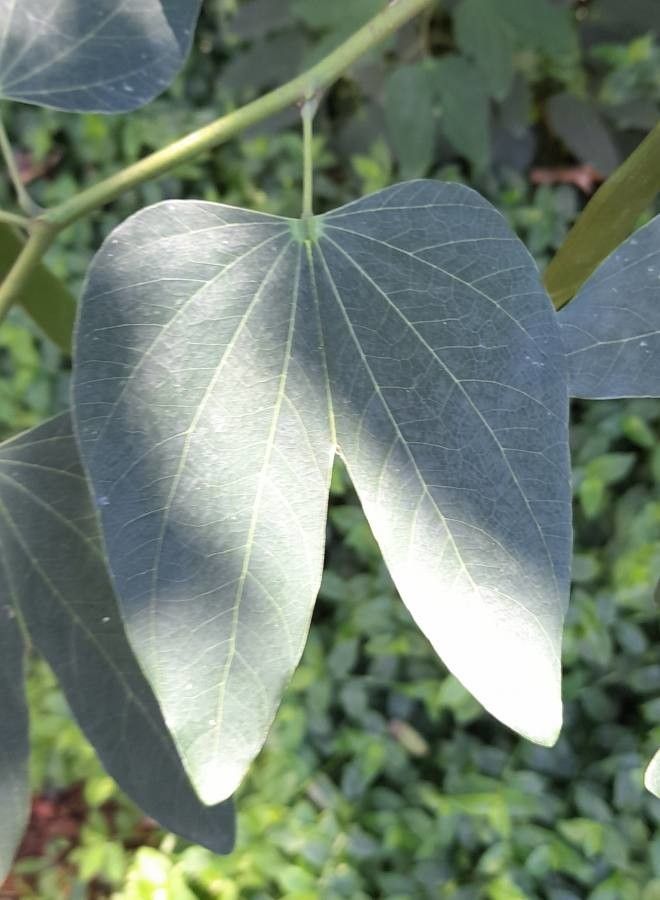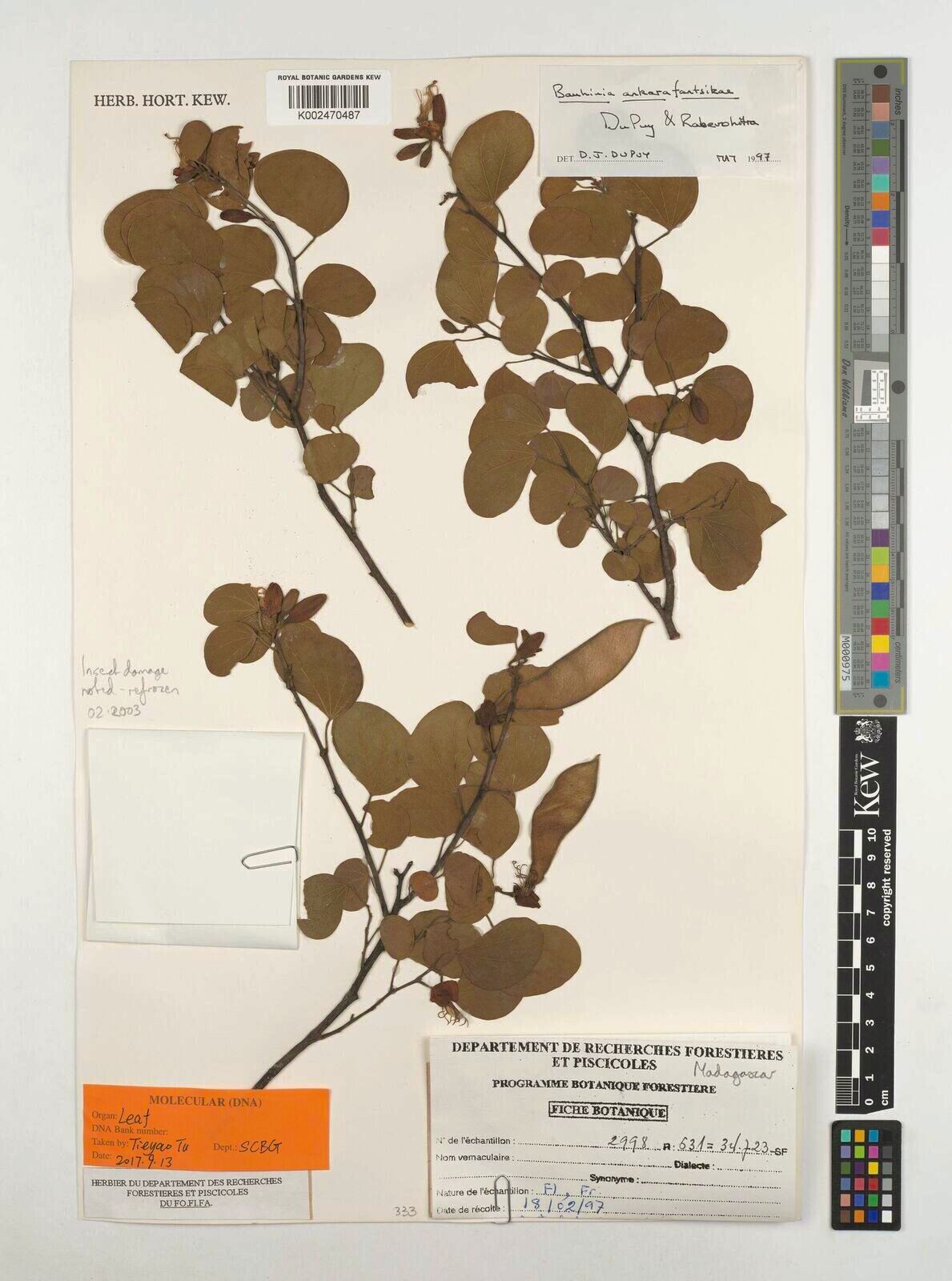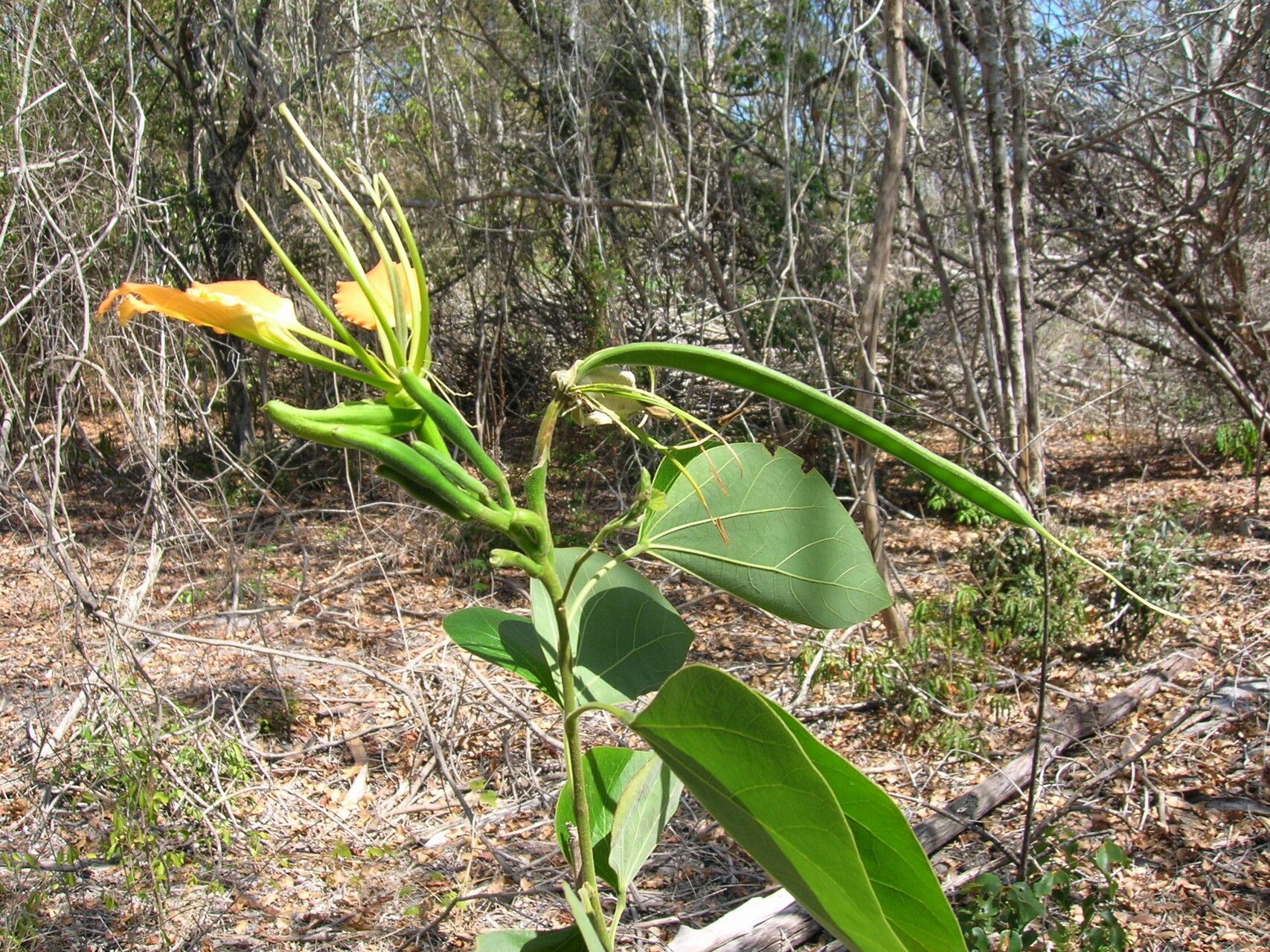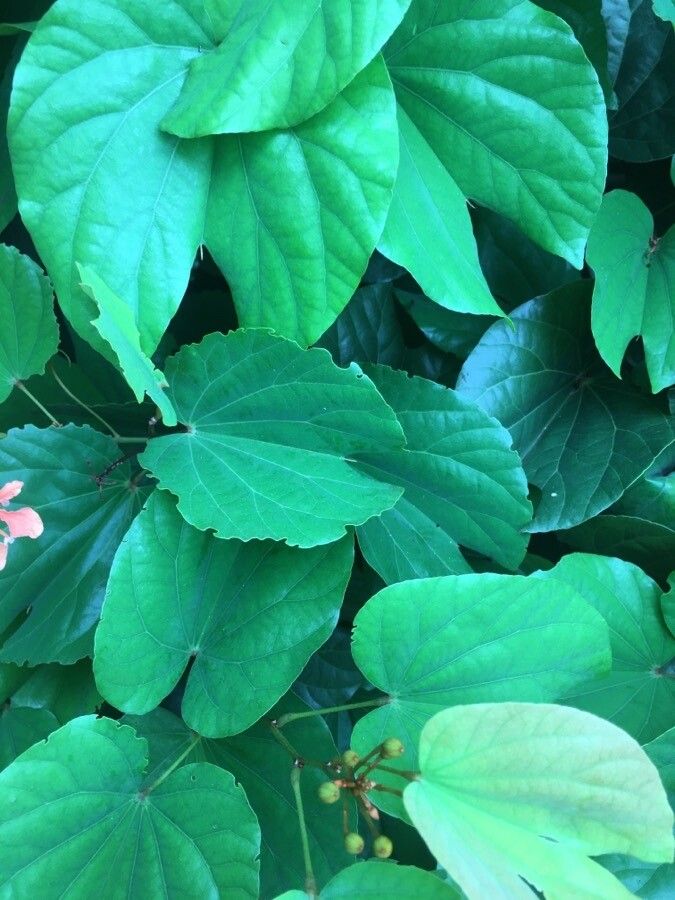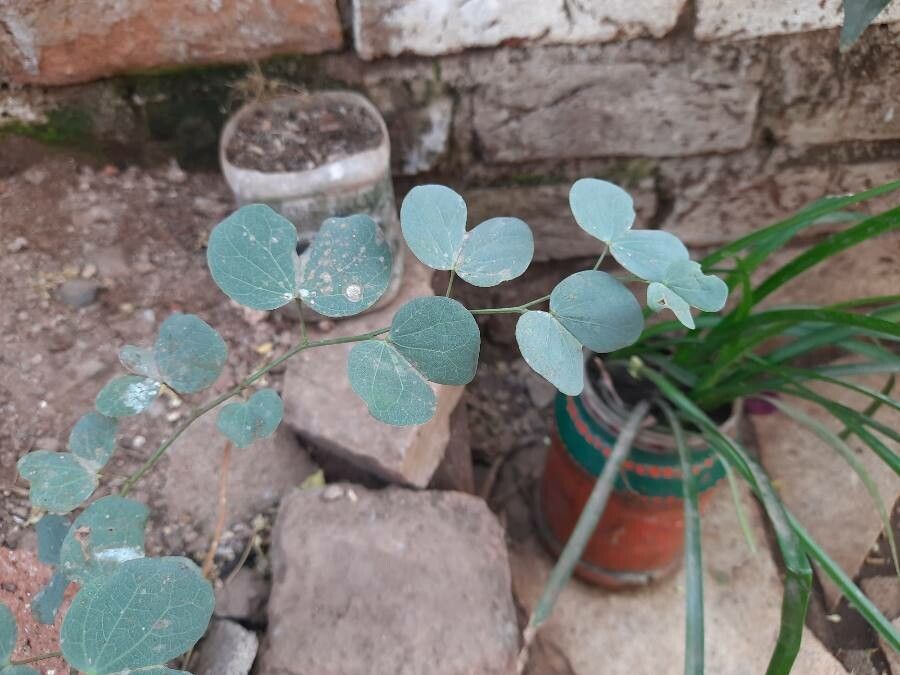
Bauhinia racemosa, commonly known as the bidi leaf tree, is a rare medicinal species of flowering shrub with religious significance. It is a small crooked tree with drooping branches that grows 3–5 metres (10–16 ft) tall and flowers between February and May. It is native to tropical Southeast Asia.
The Bidi leaf tree is resistant to disease and is generally not susceptible to illnesses. In terms of care, this plant is relatively low maintenance. When planted outdoors, it needs little watering, and larger specimens typically do not require pruning. Smaller plants, however, should be pruned after they have bloomed. The Bidi leaf tree is suitable for anyone with outdoor space, such as a garden or deck, and does not require much experience in plant care.
How to keep Bauhinia Racemosa.
Light
The Bidi leaf tree comes from open habitats, like sunny meadows and forest margins, where light is abundant. It does best in Full Sun but can tolerate Partial Sun, adjusting well to different light conditions.
Water
The bidi leaf tree, native to arid regions, is exceptionally drought-tolerant. It thrives with only infrequent watering, needing moisture every 2-3 weeks. This tree efficiently stores water and adapts well to changing environmental conditions, making it an excellent choice for xeriscaping in various climates.
Temperature
Bidi leaf tree comes from tropical areas, which have a typically warm, humid climate. Consequently, it is well suited to high temperatures and elevated humidity. It does not tolerate abrupt temperature changes and prefers a consistent thermal environment, so indoor temperature swings should be avoided. It generally cannot withstand cold conditions and needs warmer temperatures to grow. If the surrounding temperature falls too low, the plant’s growth may stop or it may die.
Fertilizer
The best time to fertilize a Bidi leaf tree is in early spring, when it comes out of dormancy. This supports overall growth and the development of flowers. Fertilizing improves the foliage, stems, and branches, and encourages flowers that are larger, more vibrant, and longer-lasting. It also helps move nutrients from the roots to the flowers and enhances the plant’s health and resistance to disease.
Pruning
The Bidi leaf tree is a deciduous tree known for its twin-lobed leaves and fragrant flowers. To encourage the best growth, it is important to prune the tree in early spring. This involves removing dead branches and thinning out crowded areas to improve air circulation. Make sure to use clean, angled cuts to help prevent disease and to enhance both blooming and the tree's overall vigor.
Botanical profile.
- Plant Type
- Tree, Shrub
- Life Cycle
- Perennial
- Genus
- Bauhinia
- Family
- Fabaceae
- Hardiness Zone
- 7-11
- Mature Height
- 3.05 m to 4.88 m
- Mature Spread
- 2.13 m
- Leaf Color
- Green
- Leaf Type
- Deciduous
- Flower Color
- White
- Flower Size
- 2.54 cm
- Bloom Time
- Mid spring, Late spring, Early summer
- Planting Time
- Spring, Summer
- Harvest Time
- Mid summer, Late summer, Early fall
Other names.
Reader questions.
What are the sunlight requirements for a Bidi leaf tree?
The Bidi leaf tree thrives in environments that provide ample light, originating from open locations such as sunny meadows and the edges of forests. It is well-suited to full sun conditions, requiring more than 6 hours of sunlight daily, but can also adapt to partial sun, with about 3-6 hours of sunlight. Careful observation of your garden's light and shade patterns is vital to ensure the optimal growth and happiness of your plants.
How can artificial lighting be used for Bidi leaf trees indoors?
When natural sunlight is inadequate, particularly during winter or in spaces that do not receive much light, artificial lighting becomes essential for the optimal growth of indoor Bidi leaf trees. LED lights are recommended for their ability to be tailored to provide specific light wavelengths needed by plants. For full sun plants, 30-50W per square foot is advised; partial sun plants require 20-30W per square foot; and full shade plants need 10-20W per square foot. The light source should be placed 12-36 inches above the plant, and most plants will need 8-12 hours of light per day to mimic natural daylight hours effectively.
What are the symptoms of light deficiency in Bidi leaf trees?
Bidi leaf trees may exhibit several symptoms when they receive suboptimal lighting, including smaller new leaves, leggy or sparse growth, premature leaf drop, halted or delayed new growth, paler new leaves, and various forms of leaf damage such as chlorosis, sunscald, leaf curling, wilting, and leaf scorching. These symptoms indicate that the plant is not receiving enough sunlight to maintain its health and growth.
What are the solutions for Bidi leaf trees receiving insufficient sunlight?
For indoor Bidi leaf trees, gradually moving the plant to a location with at least 6 hours of direct sunlight daily is recommended, such as near a south-facing window. Artificial lighting, such as desk lamps or professional grow lights, can be used to supplement light for large or immovable plants. Outdoors, plants should be moved gradually to sunnier spots to prevent sunburn, with a focus on adapting the plant to increased light exposure. For both indoor and outdoor settings, it may be necessary to minimize obstructions to sunlight, such as by pruning trees or relocating plants to areas with better light access. Affected parts of the plant may not recover, but new growth should be healthy following the adjustments.