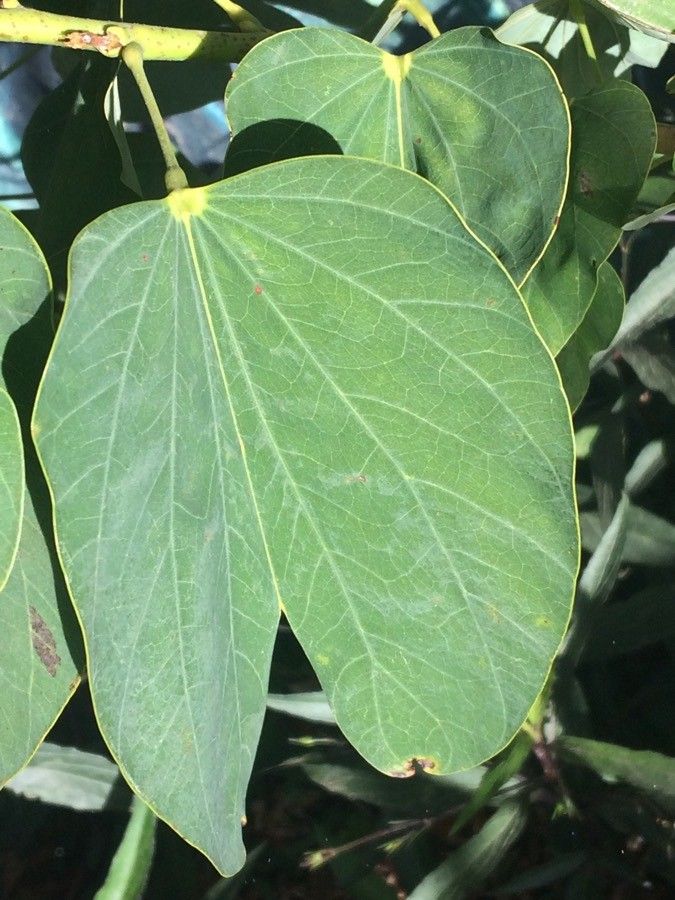
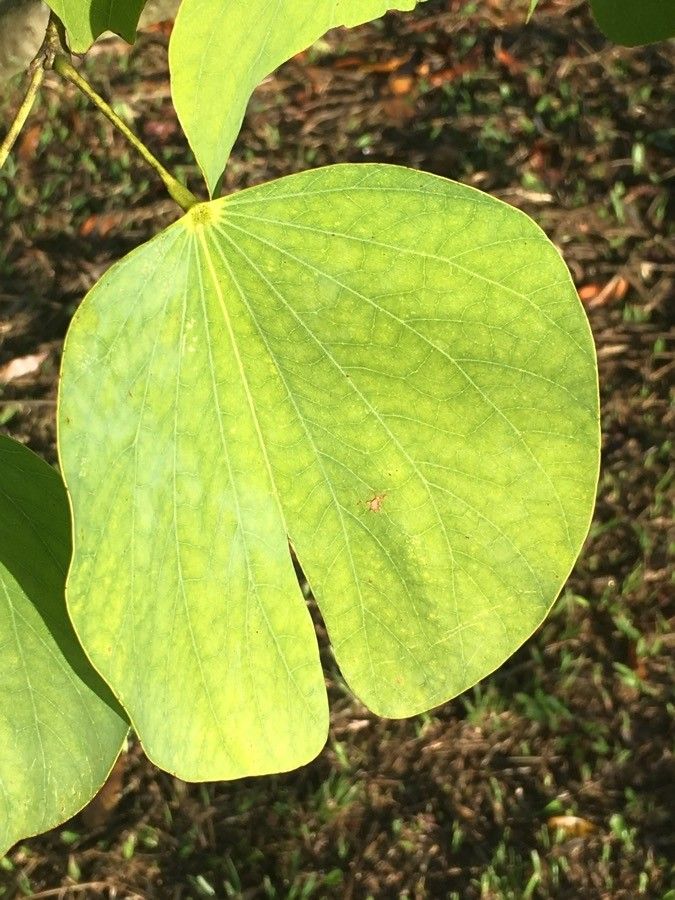
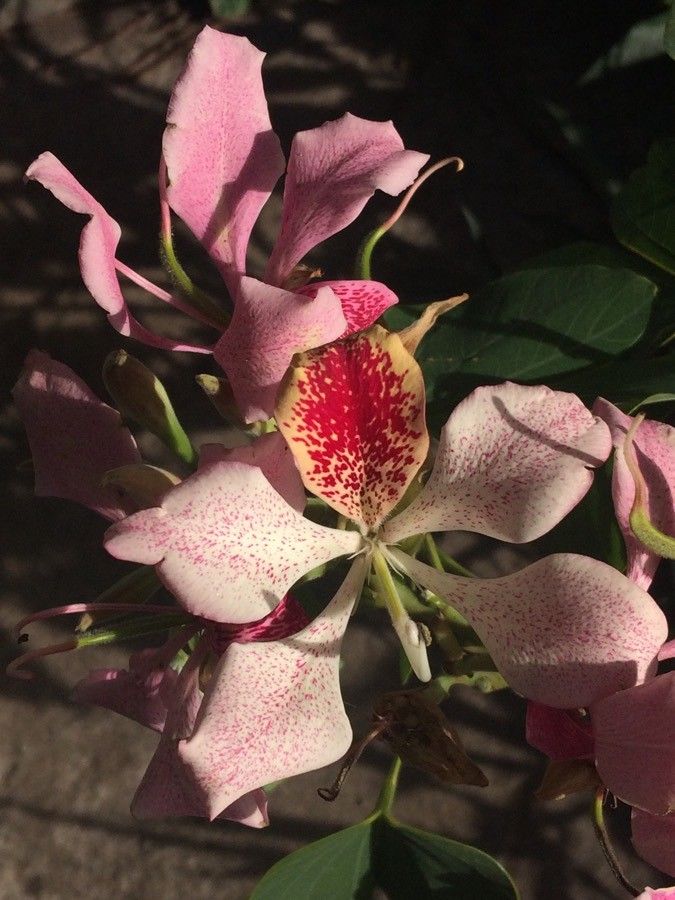
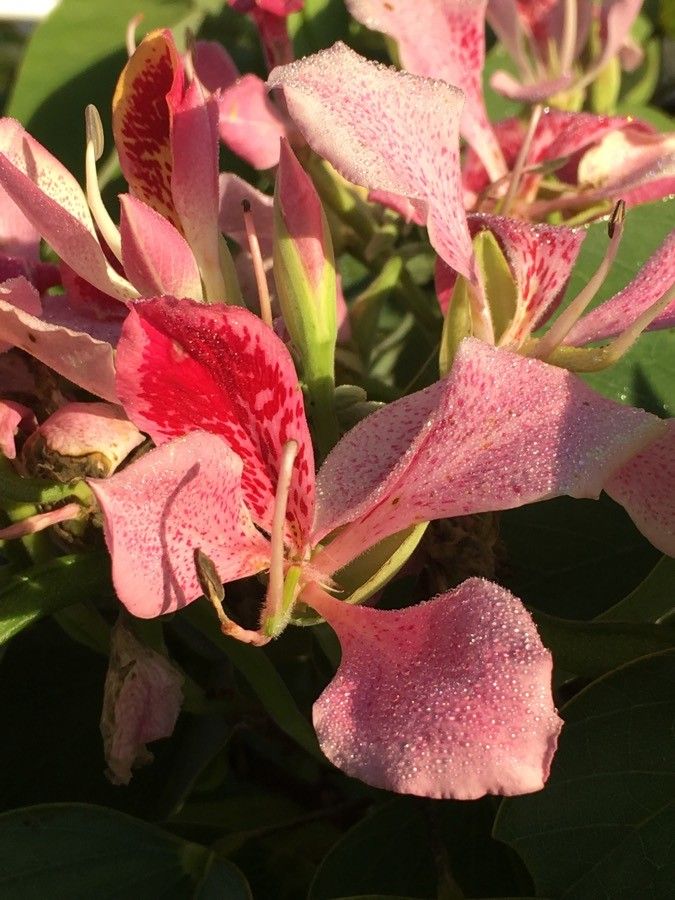
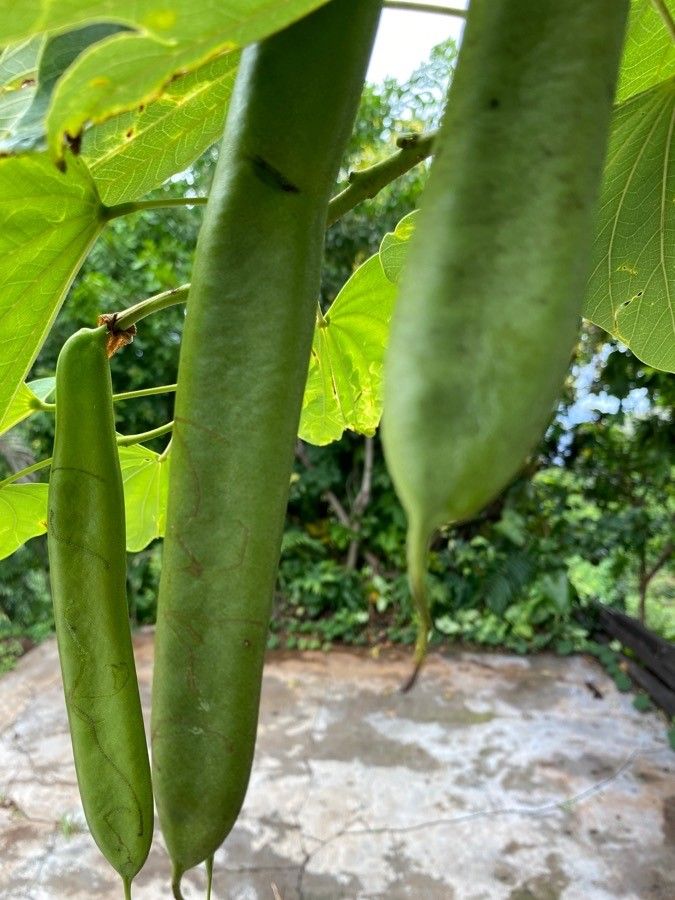
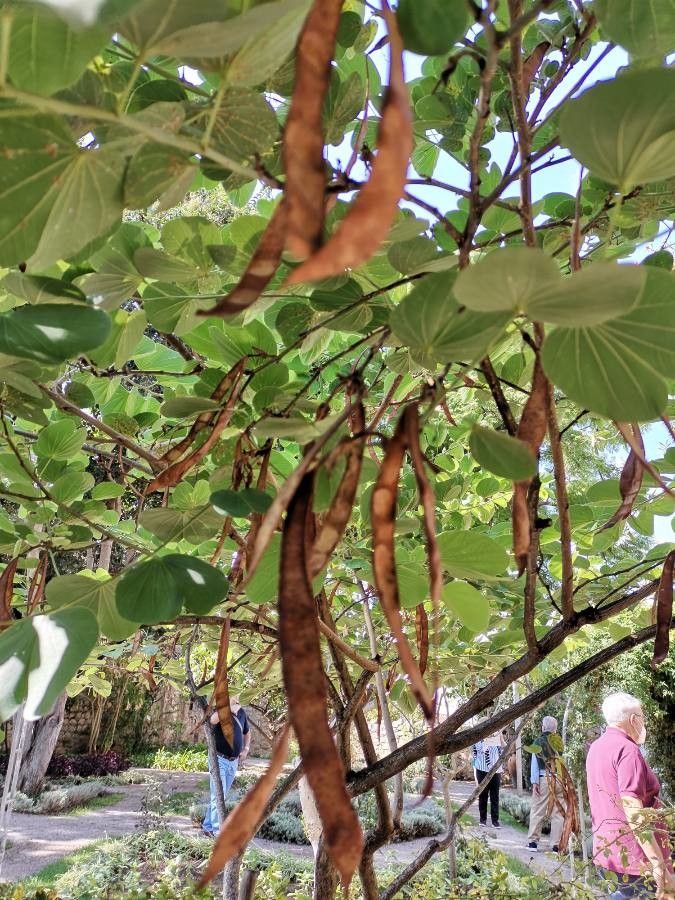
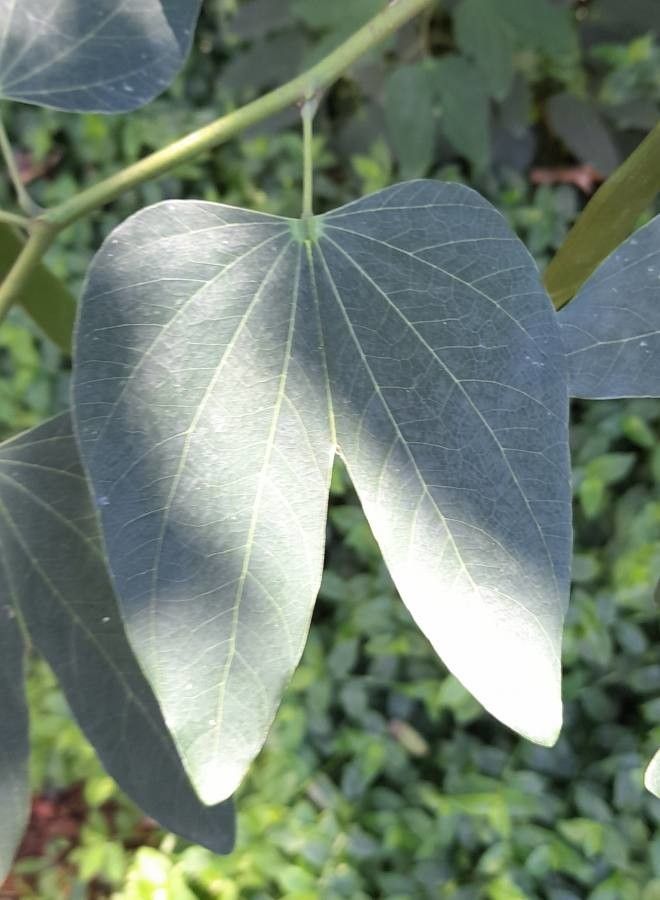
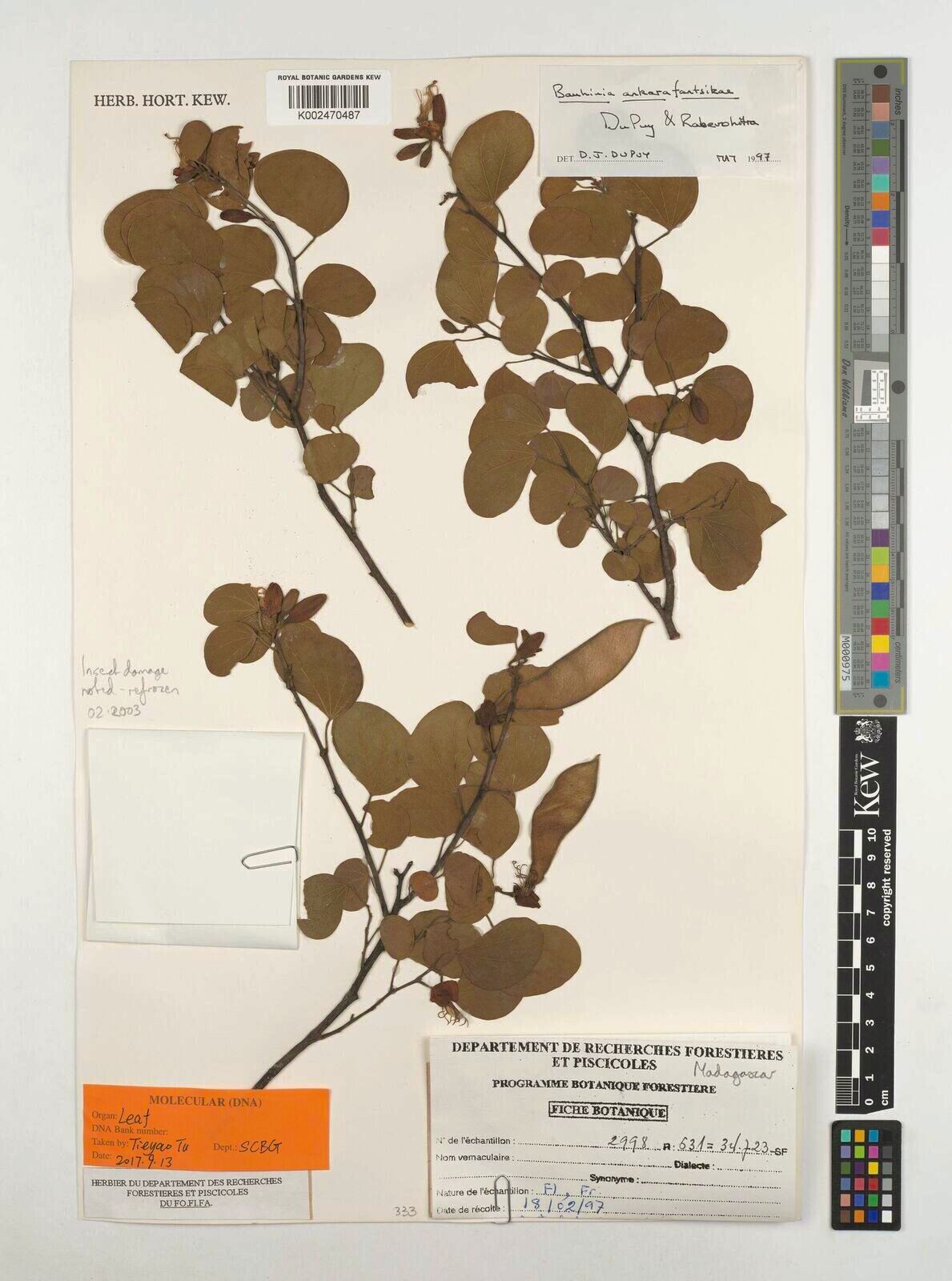
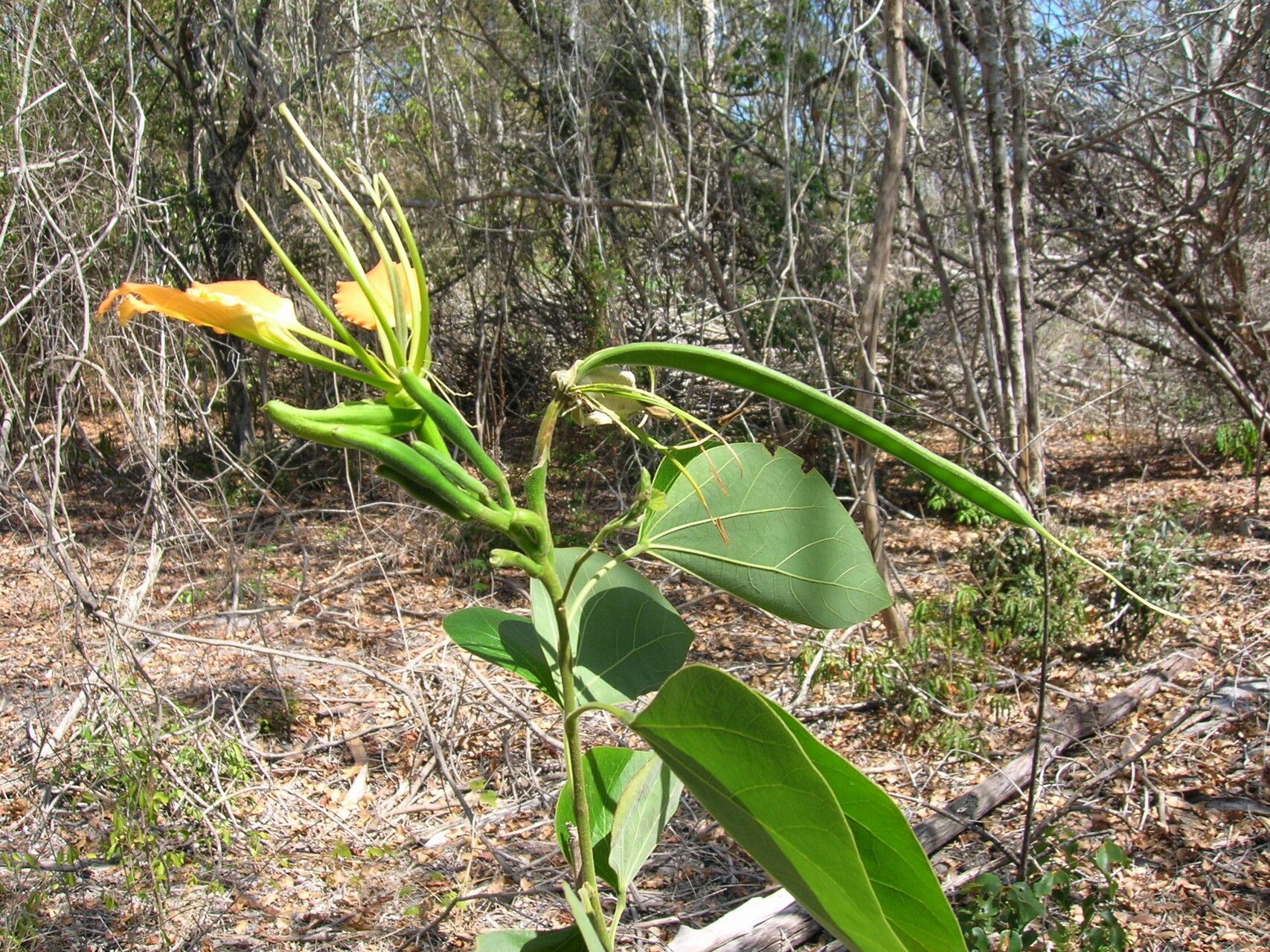
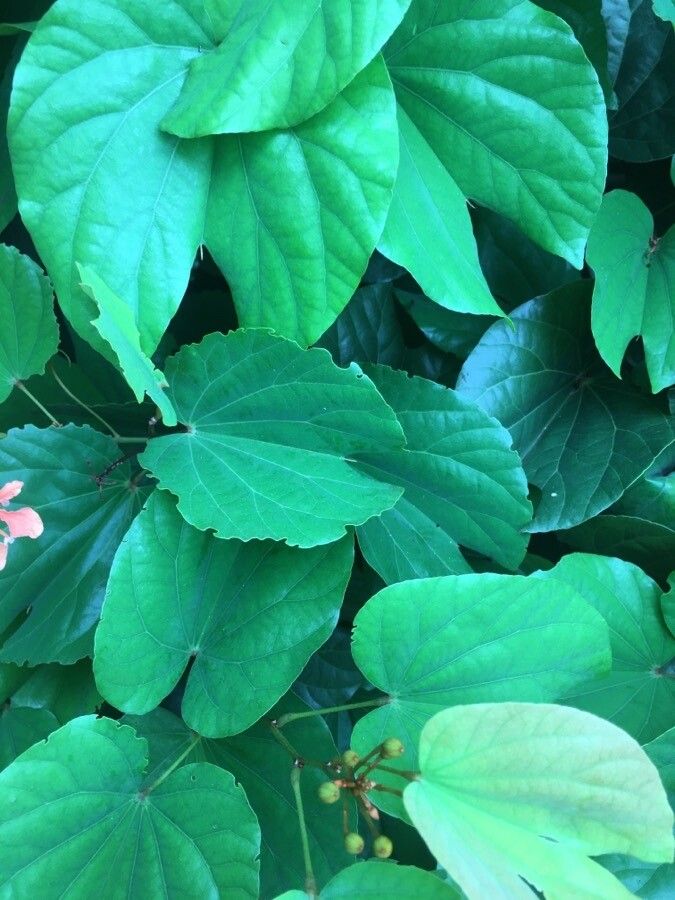
Bauhinia monandra, commonly known as the Pink Bauhinia or Butterfly Tree, is a flowering plant native to the tropical regions of South America. This small to medium-sized tree can reach heights of up to 10 meters and is easily recognized by its butterfly-shaped leaves, which are divided into two lobes. The tree produces large, eye-catching pink flowers with five petals that bloom in clusters from late winter through early spring. These flowers are followed by long seed pods containing numerous seeds.
Due to its attractive foliage and stunning flowers, Bauhinia monandra is often grown as an ornamental tree in gardens and parks. It thrives in full sun or partial shade and prefers well-drained soil with regular watering during the growing season. The plant can be propagated from seeds or cuttings.
Beyond its ornamental appeal, Bauhinia monandra has several medicinal applications in traditional medicine. It is used to treat various ailments such as fever, coughs, diarrhea, and skin infections due to its antibacterial properties. Compounds found in its bark are also used to treat diabetes.
The pink bauhinia is an ornamental shrub-like tree originally from Madagascar. It has spread to other tropical regions and is often referred to as the "butterfly tree" because its blossoms attract butterflies. You can grow these trees from seeds. Let the seeds dry on the tree, then plant them as soon as possible, since they don't stay viable for long. FUN FACT · FROM THE LIBRARY
In summary, Bauhinia monandra is a visually striking flowering tree that offers both aesthetic and medicinal benefits, adding color and interest to any location where it is grown.
Napoleon's plume, also known as the pink bauhinia, belongs to the species Bauhinia monandra. The genus name, Bauhinia, honors two Swiss botanists, Caspar and Johann Bauhin, who lived from the late 1500s to the early 1600s. The specific name "monandra" reflects a distinctive feature of the plant: it has only one stamen.
The pink bauhinia is disease-resistant and generally not susceptible to illnesses. As for care, this plant is fairly low-maintenance. When grown outdoors it needs only minimal watering, and larger plants typically do not require pruning. Smaller plants, however, should be pruned after they finish blooming. Pink bauhiniat is suitable for anyone with an outdoor area, like a garden or deck, and does not demand extensive gardening experience.
How to keep Bauhinia Monandra.
Light
The pink bauhinia thrives best when it is highly exposed to light, although it can also tolerate moderate light situations. It naturally grows in environments enriched with plenty of sunlight. On the flip side, excessive exposure may cause damage to the leaves, and insufficient light can impede its flowering and development.
Water
Originating from tropical environments, the pink bauhinia thrives in well-drained soil and high humidity. Once established, it becomes drought-tolerant, needing water only every three weeks. As an outdoor plant, applying mulch can help retain moisture during the hotter seasons.
Temperature
The pink bauhinia originates from climates that vary from 50 to 95 °F (10 to 35 ℃), indicating its inclination towards gentler temperatures. During different seasons, modifications might be required to mimic its original habitat.
Fertilizer
It is vital to time the fertilization of Pink bauhinia correctly. Begin fertilizing in the early spring and continue on a monthly basis until the start of summer. The fertilizer aids in producing beautiful flowers and supplies energy during both dormant and active growth stages.
Pruning
The pink bauhinia is known for its vibrant pink flowers and unique bilobed leaves. To promote its health and growth, it's best to prune the plant in early spring. During this time, remove any dead or crossing branches to improve airflow. This practice not only enhances the plant's appearance but also encourages more abundant flowering.
Botanical profile.
- Plant Type
- Tree, Shrub
- Life Cycle
- Perennial
- Genus
- Bauhinia
- Family
- Fabaceae
- Hardiness Zone
- 6-10
- Mature Height
- 14.94 m
- Mature Spread
- 49 cm
- Leaf Color
- Green
- Leaf Type
- Deciduous
- Flower Color
- Yellow, Pink, White, Red
- Flower Size
- 10.16 cm to 12.70 cm
- Bloom Time
- All year round
- Planting Time
- Winter
- Harvest Time
- All year round
- Native Area
- Madagascar
Other names.
Reader questions.
What's the easiest way to water my Pink bauhinia?
To promote excellent root development, place a garden hose at the base of the plant while avoiding direct spraying of the leaves. If the plant is outdoors and in direct sunlight, the leaves will need more watering. Using bubblers or soaker hoses can help moisten the roots effectively. When adding or removing plants, use soaker hoses that cover the entire garden or bed to ensure deep-rooted plants. Make sure to drain any excess water and wait for the soil to dry before watering again. For disease prevention, water at ground level. On sunny days, it may be beneficial to spray the whole bush with water. Whether the plant is in a pot or in-ground, it is important to remember that Pink bauhinia prefers deep watering rather than light sprinkling.
What are the sunlight requirements for Pink Bauhinia?
Pink Bauhinia requires full sun, defined as above 6 hours of sunlight, or can tolerate partial sun, which is about 3-6 hours of sunlight. It's essential to observe how sunlight moves through your garden to find a spot providing the ideal mix of light and shade, ensuring the plant's well-being.
What is the preferred climate for Pink bauhinia?
Pink bauhinia thrives in climates where temperatures range from 50 to 95 °F (10 to 35 °C), indicating its preference for milder temperatures. It can adapt to different seasons, but adjustments might be needed to mimic its indigenous environment more closely. This plant has strong cold resistance, meaning it usually doesn't require special frost protection measures during winter. However, in areas where winter temperatures are expected to fall below -25°C, providing cold protection by wrapping the trunk and branches with materials like non-woven fabric or cloth is important. Additionally, watering the plant abundantly before the first freeze in autumn to keep the soil moist can help prevent drought and water scarcity during winter and early spring.
What do I need to do if I give too much/ too little water to the Pink bauhinia?
If you overwater your Pink bauhinia, it may show signs such as yellowing and wilting leaves, a dull and unhealthy appearance, and mushy stems. To address this issue, adjust your watering schedule as needed. Wilting can also indicate under watering, which is characterized by crispy and dry leaves. In such cases, check the soil and water the plant thoroughly if it is dry. While enough water can help the Pink bauhinia recover, the damaged root system may cause it to still have dry and yellow leaves for a few days. Once the plant returns to normal, the yellowing of leaves will stop. When growing the Pink bauhinia indoors, always monitor the moisture levels and avoid overwatering. Look for any black spots, and if present, allow the soil to dry out by not watering for a few days. Overwatering can lead to root rot, so it may be necessary to transfer the plant to a different pot if you notice discolored and slimy roots. Remember to prevent root rot by avoiding excessively soggy soil. When planting your Pink bauhinia outdoors, ensure that the soil is adequately moist. If it feels too dry, it may indicate under watering, and the plant will require sufficient watering to recover.
How does sunlight affect the growth of Pink Bauhinia?
Sunlight plays a crucial role in the growth and blooming of Pink Bauhinia. In its natural habitat, Pink Bauhinia flourishes under abundant sunlight but can endure moderate light conditions. Too much sun may scorch its leaves, while insufficient light can hinder its growth and blooming capabilities.
How does Pink bauhinia react to low temperatures?
Pink bauhinia is notable for its cold tolerance, ideally thriving in temperatures above 10°C. During winter, it's crucial to maintain temperatures above -15°C for the plant's well-being. However, when temperatures dip below -25°C, you might not notice immediate changes during the winter. But by spring, the potential consequences become visible as the branches may turn brittle and dry, and no new shoots will emerge. To combat this, it's recommended to prune away any dead branches that have failed to produce new leaves come spring.
How frequently do I need to water my Pink bauhinia?
The Pink bauhinia prefers deep and infrequent watering, particularly in pots where the soil can dry out quickly. It is recommended to soak them with a gallon of water each time. In colder regions, watering is required every 3 to 5 days. It is best to water in the morning when the soil is dry, either indoors or outdoors. You can also check the soil moisture by feeling the top 2-3 inches of soil - if it's dry, it's time to water. During hot days, frequent checks may be needed as the heat can dry out the pot soil quickly. If you have a garden, irrigation of the soil is necessary too, especially in hot climates where watering once a week may be sufficient. Take the amount of rainfall into account and avoid overwatering to prevent root rot. Pink bauhinia grows mainly in spring and fall. When planted outdoors, adding a 3 to 4-inch layer of mulch can help conserve water. Sandy soil requires more frequent watering, while clay soil needs less watering to avoid root rot. It could be helpful to mark watering dates on a calendar and pay attention to drooping leaves as a sign of needing water.
Can artificial lighting be used for growing Pink Bauhinia indoors?
Yes, when natural sunlight is not enough, especially during winter or in less sunny locations, artificial lights such as LED can be utilized for Pink Bauhinia's growth indoors. The right artificial lighting setup involves selecting the correct wattage (30-50W/sq ft for full sun plants, 20-30W/sq ft for partial sun, and 10-20W/sq ft for full shade), ensuring the light source is 12-36 inches from the plant, and mimicking natural daylight hours, typically between 8-12 hours per day.
How does Pink bauhinia respond to high temperatures?
During the summer months, it is essential to keep Pink bauhinia's environment below 35°C to ensure its health. Exposure to temperatures above 41°C can cause the leaves to lighten in color, dry, and wither at the tips, and make the plant more prone to sunburn. To mitigate these effects, trim away the sunburned and dried-up parts. Additionally, moving the plant to a shaded location or using a shade cloth to protect it from the midday and afternoon sun is beneficial. Ensuring the soil remains moist by watering the plant in the morning and evening can also help the plant cope with high temperatures.
How much water should I give my Pink bauhinia?
The Pink bauhinia plant has specific watering needs. For potted plants, water them deeply until water drips from the bottom of the pot, then wait for the soil to dry before watering again. You can use a water calculator or moisture meter to determine how much water the plant receives in a week. During the flowering period, provide plenty of water but allow the moisture to evaporate to avoid root rot. If the Pink bauhinia is planted outdoor and receives sufficient rainfall, additional watering may not be necessary. However, when the plant is young or newly planted, ensure it receives 1-2 inches of rain per week. As the plant grows, it can rely solely on rainfall, except during extremely hot weather or extended periods without rain. In such cases, consider watering the plant during cooler parts of the day to prevent heat damage. Additional watering might be needed during prolonged dry spells.
What are the common symptoms of inadequate sunlight exposure in Pink Bauhinia?
Inadequate sunlight can lead to several issues in Pink Bauhinia, including smaller new leaves, leggy or sparse growth, faster leaf drop, slower or halted growth, and lighter-colored new leaves. Symptoms of overexposure to sunlight include chlorosis, sunscald, leaf curling, wilting, and leaf scorching, which are indicative of too much direct sunlight.
What is the botanical name of Pink bauhinia?
The botanical name of Pink bauhinia is Bauhinia monandra.