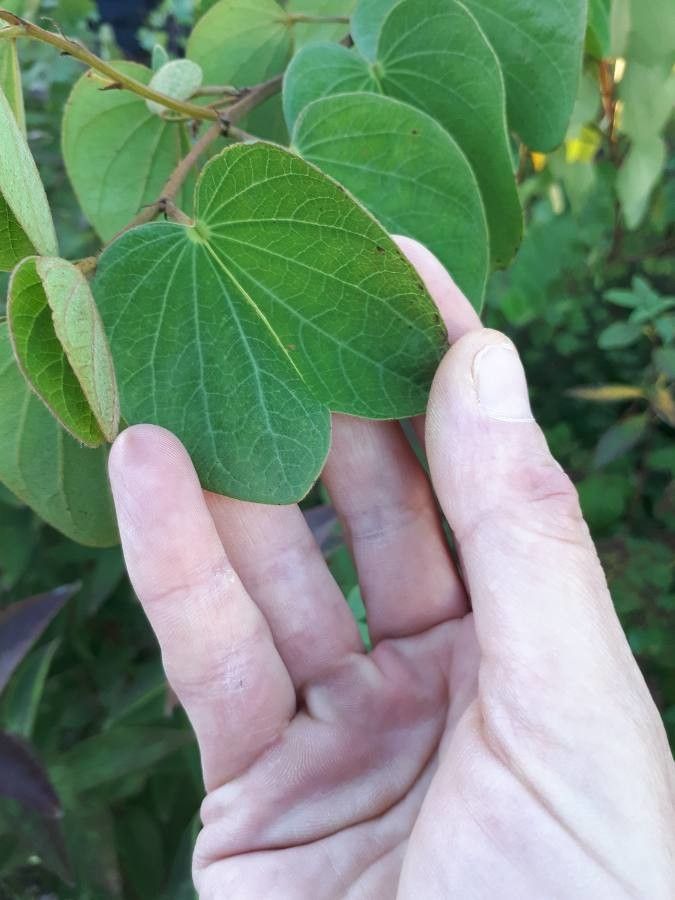
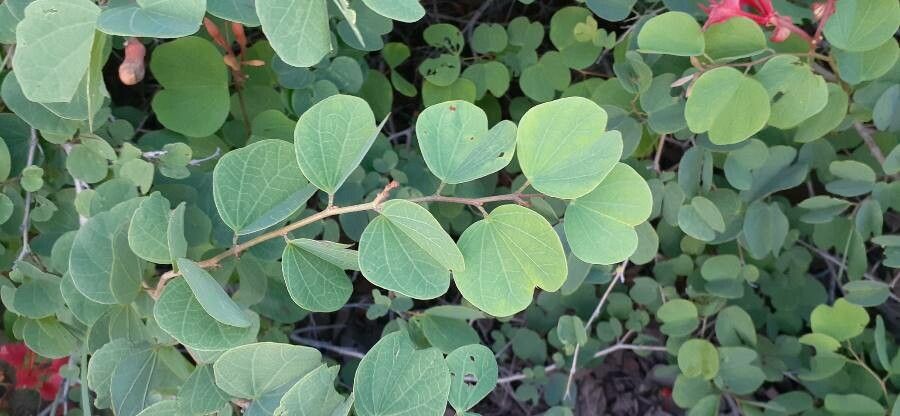
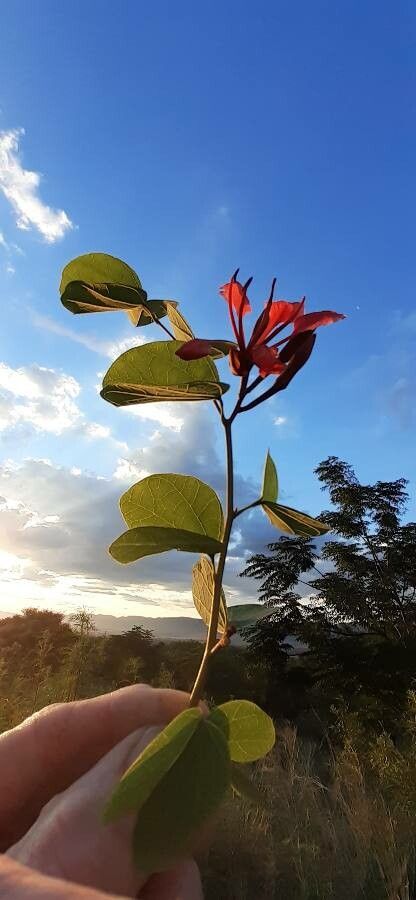
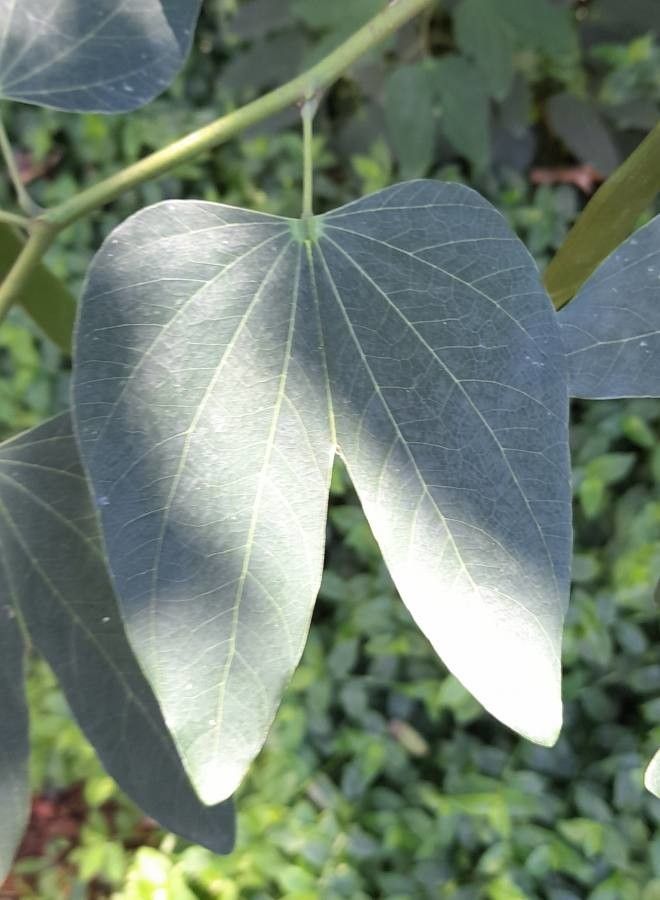
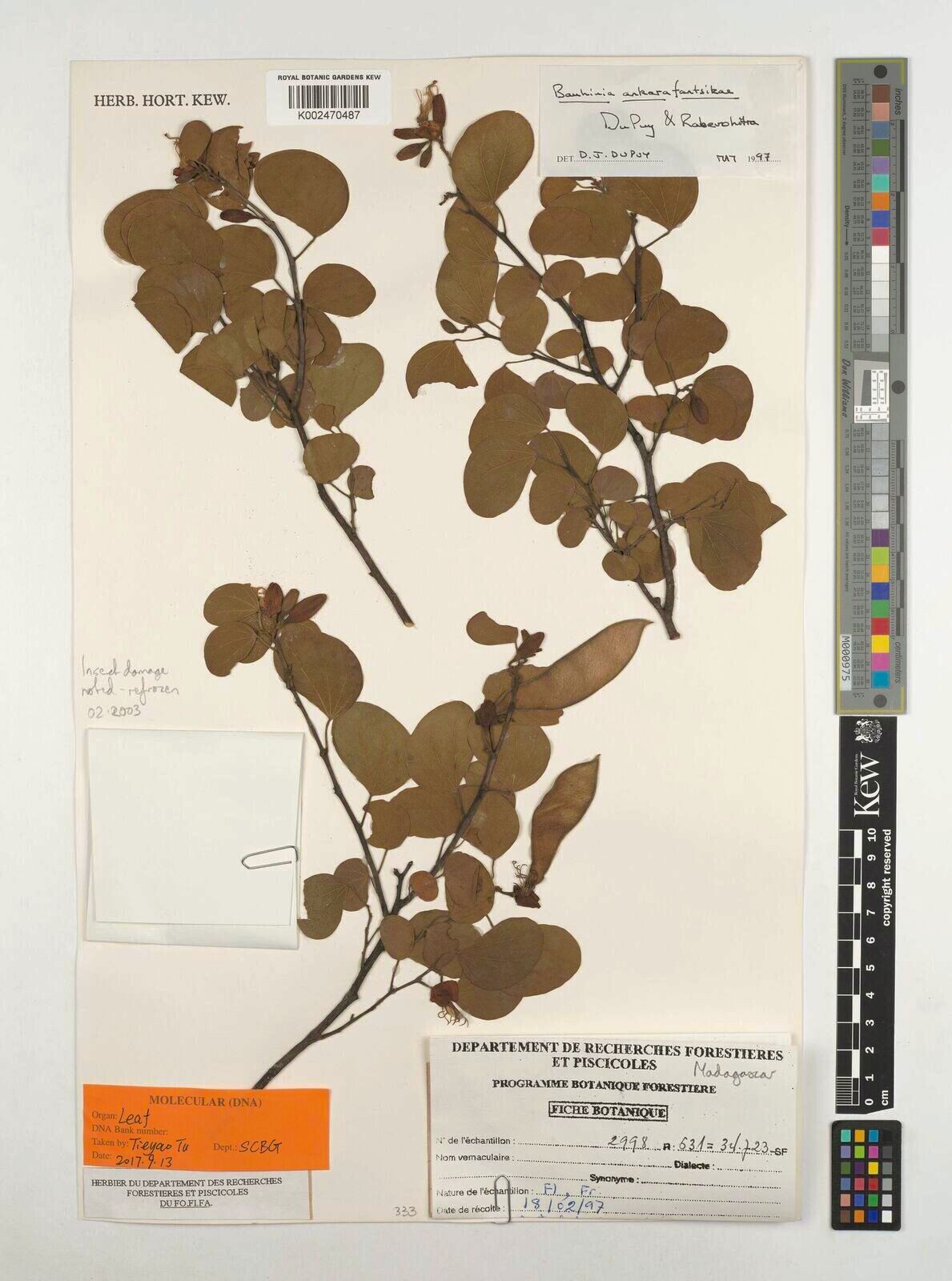
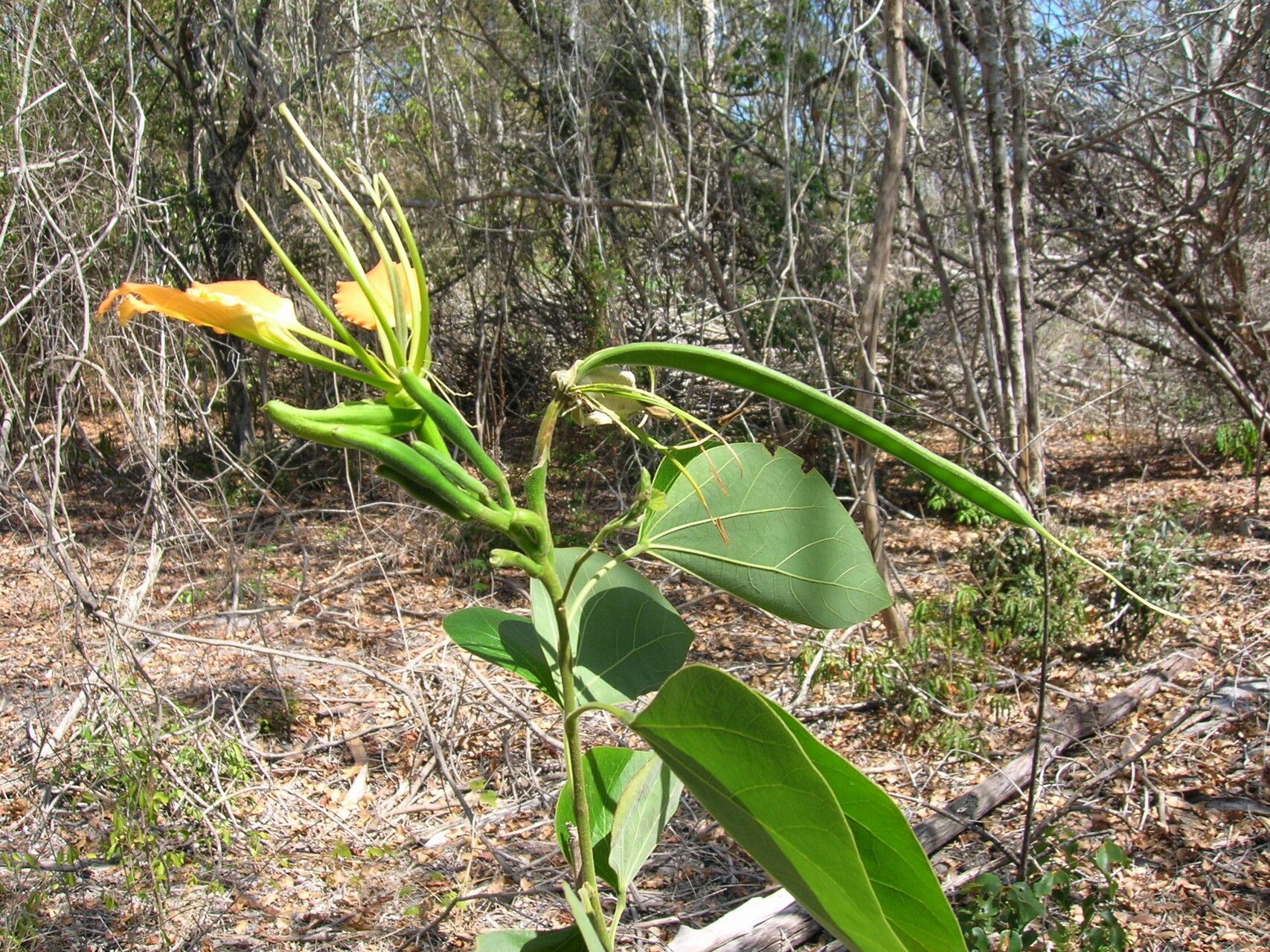
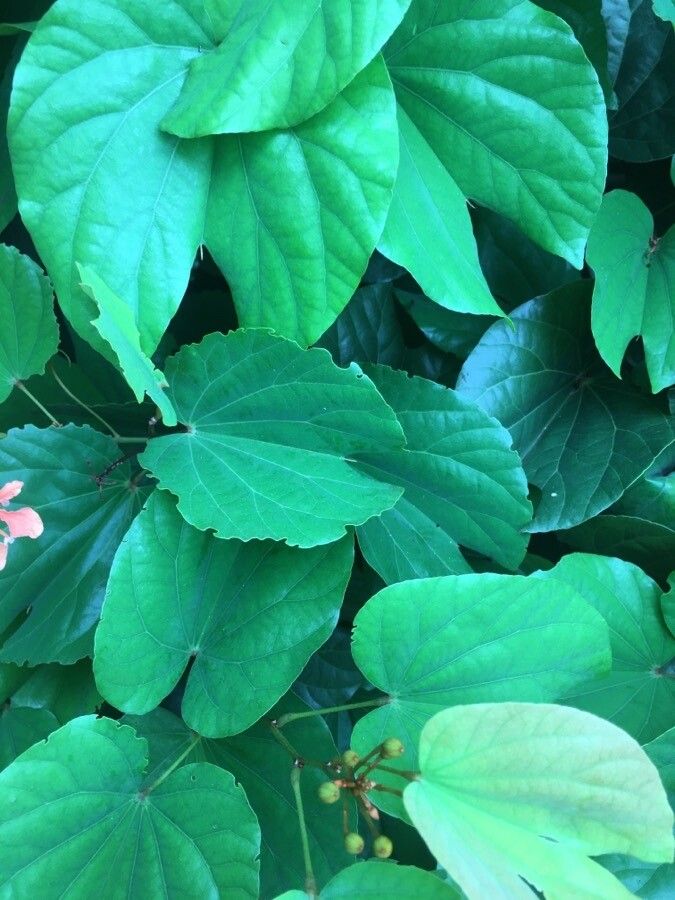
Bauhinia galpinii, commonly known as the Pride of De Kaap, is a flowering plant native to South Africa. Belonging to the Fabaceae family, this deciduous shrub or small tree can grow up to 5 meters tall. Its distinctive bi-lobed leaves resemble butterfly wings, and it boasts bright orange-red flowers that bloom in clusters from late winter through spring. These flowers are particularly attractive to bees and butterflies, making the plant a popular choice for gardens and landscaping.
Bauhinia galpinii thrives in full sun or partial shade and prefers well-drained soil. Once established, it can tolerate drought conditions. Besides its ornamental appeal, it holds medicinal significance; indigenous people have traditionally used it to treat various ailments such as fever, coughs, colds, wounds, and skin infections.
Overall, Bauhinia galpinii is an attractive ornamental plant with cultural and medicinal significance in South Africa, making it an excellent addition to any garden or landscape design project.
The orchid tree is resistant to disease and is usually not vulnerable to illnesses. Regarding care, this species is fairly low-maintenance. Outdoors it needs only light watering, and larger plants typically do not require pruning. Smaller plants, however, should be pruned after they have finished blooming. The orchid tree is appropriate for anyone with an outdoor area, like a garden or deck, and does not demand extensive care experience.
How to keep Bauhinia Galpinii.
Light
The orchid tree performs best with plenty of sun but can tolerate dimmer light. Native to regions with abundant sunlight, it develops most effectively when given ample light. Too little light can restrict its growth, whereas excessive light may injure the foliage.
Water
Orchid trees, which originate from warm regions, thrive best in moderate humidity and well-draining soil. Once they are established, these trees become drought-tolerant. However, during their growth phase, they prefer consistent moisture and should be watered every two weeks. As outdoor ornamental plants, orchid trees can flourish in a variety of climates. To maintain their vibrant flowering, they require sufficient watering during dry spells.
Temperature
Native to a temperate climate, the orchid tree performs best in temperatures between 59 and 95 °F (15 to 35 ℃). In colder months, indoor temperatures should match this range to ensure healthy growth.
Fertilizer
Timing is important when fertilizing the Orchid tree. Apply fertilizer in early spring and continue once a month until early summer. Fertilizer encourages attractive blooms and supplies energy during both dormant and active growth stages.
Pruning
To ensure your orchid tree thrives, it's important to prune it properly in early spring. Focus on removing any dead or damaged wood, and thin out crowded branches to improve airflow. This not only promotes healthy growth and abundant blooms but also helps shape the plant naturally and deter pests. Ultimately, these steps enhance both the tree's visual appeal and its overall health.
Pot & Repot
The orchid tree is a shrub that resembles a bush and needs to be repotted every 2-3 years, ideally in the spring. When repotting, use a spacious container to allow for root growth. After repotting, ensure the plant receives plenty of sunlight and moderate watering to support its recovery. These steps are crucial for producing vibrant blooms and lush foliage.
Botanical profile.
- Plant Type
- Vine, Shrub
- Life Cycle
- Perennial
- Genus
- Bauhinia
- Family
- Fabaceae
- Hardiness Zone
- 7-10
- Mature Height
- 3.05 m
- Mature Spread
- 3.05 m
- Leaf Color
- Green
- Leaf Type
- Semi-evergreen, Deciduous
- Flower Color
- Red, Orange
- Flower Size
- 5.08 cm to 7.62 cm
- Bloom Time
- Summer, Fall
- Planting Time
- Spring
- Harvest Time
- Fall, Early winter, Mid winter
- Native Area
- Angola, Mozambique, South Africa, Eswatini, Zimbabwe
Other names.
Reader questions.
What's the best way to water my Orchid tree?
To ensure excellent root development, place a garden hose at the base of your plants instead of spraying the leaves directly. Keep in mind that leaves will need more water if they are outside and exposed to direct sunlight. Consider using bubblers or soaker hoses to moisten the roots of each plant. When adding or removing plants, use soaker hoses that can cover the entire garden or bed to help push the roots deeper. After watering, make sure to drain any excess water and allow the soil to dry before watering again. To prevent diseases, water at ground level rather than from above. On sunny days, it might be beneficial to spray the entire bush with water. Regardless of whether the plant is potted or in the ground, it is important to remember that Orchid trees prefer deep watering rather than light sprinkling.
Why should I fertilize my Orchid tree?
Fertilizing an Orchid tree is essential for several reasons. Firstly, it encourages the tree to produce beautiful blooms. To achieve this, it's best to fertilize in early spring. Secondly, fertilizer provides the tree with ample energy that it can store in the ground while it is dormant. To ensure a sufficient energy reserve, it's recommended to fertilize during the fall planting process or in late spring. This will enable the tree to utilize the stored energy effectively once active growth resumes.
What are the sunlight requirements for an Orchid tree?
The Orchid tree, or Bauhinia galpinii, thrives best under full sun, needing above 6 hours of sunlight to flourish optimally. It can also adapt to partial sun conditions, requiring about 3-6 hours of sunlight. Observing the movement of sunlight through your garden is recommended to find the perfect balance of light and shade for your plants, ensuring their growth and health.
What climate is suitable for an orchid tree?
The orchid tree, known botanically as Bauhinia galpinii, thrives in a temperate climate. It grows best in temperatures ranging from 59°F to 95°F (15°C to 35°C). To ensure healthy growth, the indoor temperature should mimic these conditions during colder seasons. Despite its strong cold resistance, measures should be taken to protect the orchid tree if winter temperatures are expected to drop below -15°C, such as wrapping the trunk and branches with non-woven fabric or cloth. It's also advisable to water the plant abundantly before the first freeze in autumn to keep the soil moist, helping to prevent drought and water scarcity during winter and early spring.
What should I do if I give my Orchid tree too much water or too little water?
An overwatered Orchid tree can show signs of yellowing, dropping leaves, and wilting. It may also appear dull and unhealthy, with mushy stems. In these cases, it's best to adjust your watering schedule if possible. Wilting can also indicate under watering, which causes leaves to become crispy and dry. To address this, check the soil when it's dry and consider giving it a thorough watering. Although this will help the Orchid tree recover, it may still have dry and yellow leaves due to root damage. Once the plant returns to normal, the yellowing of leaves will cease. When caring for an indoor Orchid tree, regularly check moisture levels in the pot and avoid overwatering. Look out for black spots, and if present, allow the soil to dry out for a few days before watering again. Overwatering can lead to root rot, so if you observe discolored and slimy roots, it may be necessary to transfer the plant to a new pot. Always take precautions to prevent root rot by not letting the soil become too soggy. When planting an Orchid tree outdoors, make sure to dig deeper and if the soil feels dry when checking with your fingers, it could indicate under watering. Providing adequate water is essential for helping the plant recover.
When should I fertilize my Orchid tree?
To ensure effective fertilization of the Orchid tree, timing is crucial. Applying fertilizer too early when the tree is still dormant will not be effective and may be washed away by rainwater, resulting in waste and pollution. It is recommended to apply the first round of fertilizer in early spring and continue fertilizing once a month until early summer.
How does inadequate light affect the Orchid tree, and what are the signs?
Inadequate light can severely impact the Orchid tree's growth. Symptoms of light deficiency include smaller new leaves, leggy or sparse growth, faster leaf drop, slower or no new growth, lighter-colored new leaves, chlorosis (leaves turning yellow), sunscald, leaf curling, wilting, and leaf scorching. These symptoms indicate the plant's struggle under suboptimal lighting conditions, emphasizing the importance of proper sunlight exposure for its growth.
How does low temperature affect the orchid tree and what are the solutions?
Orchid trees are cold-tolerant, requiring temperatures to remain above 15°C for optimal health. In winter, temperatures should not fall below -10°C. If temperatures drop below -15°C, there may not be visible changes during winter, but come spring, the branches might become brittle and dry, and no new shoots will emerge. The solution to this is to prune away any dead branches in spring that have failed to produce new leaves, which will help promote new growth and maintain the health of the orchid tree.
How much should I water my Orchid tree?
The Orchid tree prefers deep and infrequent watering, especially when planted in pots. Water it with a gallon of water each time to ensure it gets enough moisture, as pots have limited water storage and the soil dries out quickly. In colder regions, water every 3 to 5 days. Water in the morning when the soil is dry, whether the tree is indoors or outdoors. You can also check the soil inside the pot - if the top 2-3 inches are dry, it's time to water the plant fully. On hot days, check the moisture daily as heat can dry out the soil faster. If you have a garden, you'll also need to irrigate the soil. In hot climates, water once a week when about 2-3 inches of soil are too dry. Take rainfall into account to prevent overwatering and root rot. Orchid trees typically grow in spring and fall. When outdoors, add 3-4 inches of mulch to conserve water. In sandy soil, water more frequently as it drains faster. In clay soil, water less frequently, allowing 2-3 days for the plant to dry to prevent root rot. Keep track of watering dates and observe if the leaves start drooping, which may indicate that you're a day behind in watering.
When is it not a good idea to put fertilizer on my Orchid tree?
To ensure optimal growth and blooming of the Orchid tree, it's important to be mindful of fertilizer application. Avoid using fertilizers with high levels of nitrogen, as this can result in an abundance of leaves but fewer flowers. Instead, opt for fertilizers that have a lower nitrogen content compared to other nutrients. Additionally, refrain from fertilizing the tree after early autumn, as this can promote excessive growth just before the winter season. It is also advisable to withhold fertilizer application during hot and dry periods, as dry soil is not as effective in delivering nutrients compared to moist soil. Fertilizing during this time may also stimulate growth that requires more water, which may not be readily available. It is generally best to apply fertilizer earlier in the season when temperatures are cooler. Lastly, keep in mind that the Orchid tree may absorb fertilizer applied to nearby plants or lawns, so be cautious not to inadvertently give the tree a double dose of fertilizer.
What are the essential lighting conditions for Orchid tree growth?
The Orchid tree benefits greatly from abundant sunlight, coming from a habitat with plenty of light exposure. While it can endure less intense light, optimal growth is seen under ample sunlight. In conditions where natural sunlight is insufficient, especially during winter or in less sunny spaces, artificial lighting becomes crucial. Indoor plants may require 30-50W/sq ft of artificial light for full sun plants, 20-30W/sq ft for partial sun plants, and 10-20W/sq ft for full shade plants. Choosing the right type of artificial light, determining the appropriate distance (12-36 inches above the plant), and mimicking natural daylight hours (8-12 hours per day) are essential steps for promoting healthy plant growth.
What happens if an orchid tree is exposed to high temperatures, and how can it be protected?
During the summer, it's important for the orchid tree to be kept in temperatures below 35°C. Exposure to temperatures exceeding 41°C can cause the leaves to lighten in color, tips to become dry and withered, and increases the susceptibility to sunburn. To protect the orchid tree under these conditions, trim away any sunburned and dried-up parts. Moving the plant to a shaded location, especially from the midday and afternoon sun, or using a shade cloth, can offer protection. Additionally, watering the tree in the morning and evening helps keep the soil moist and aids in preventing heat stress.