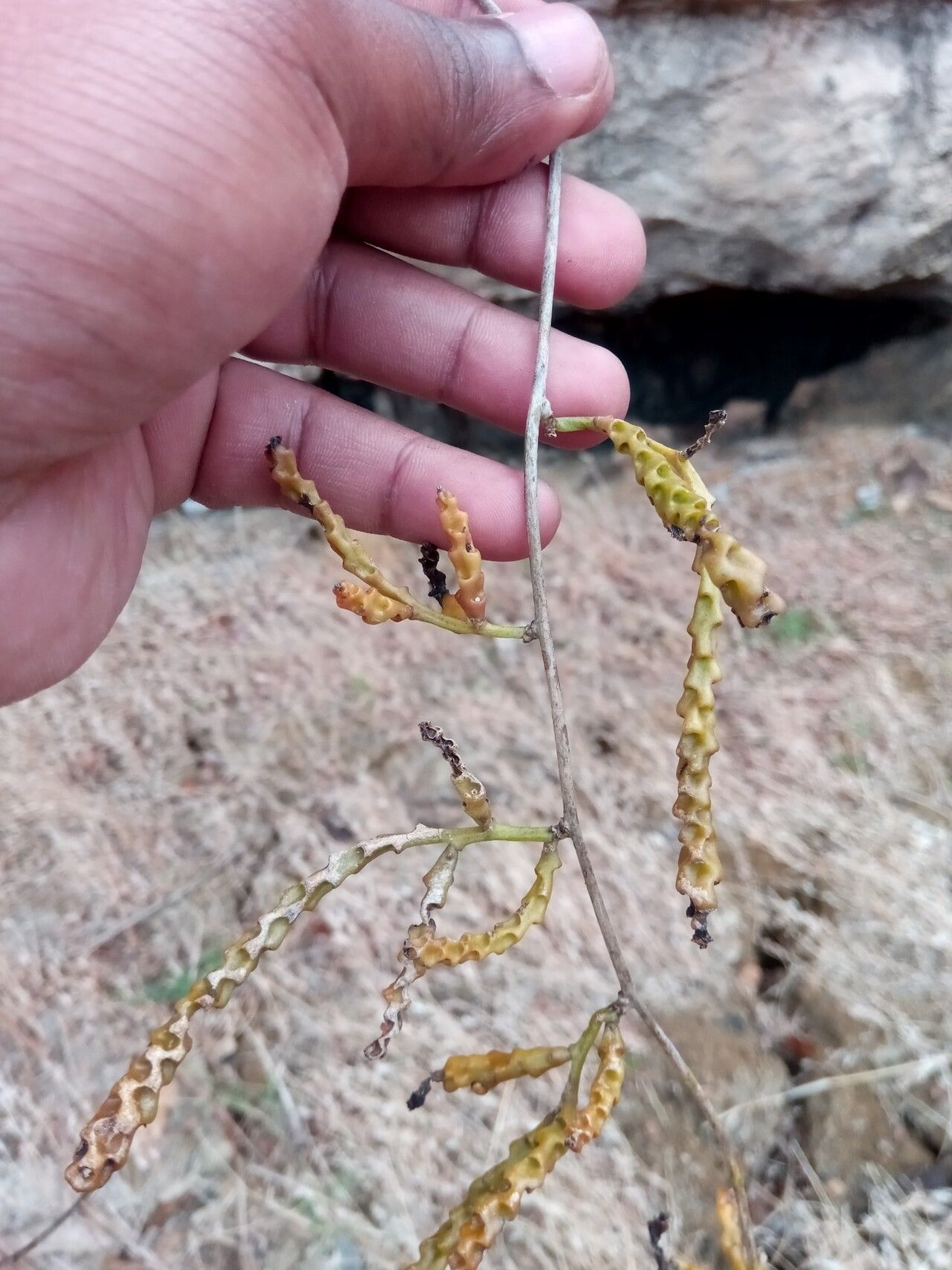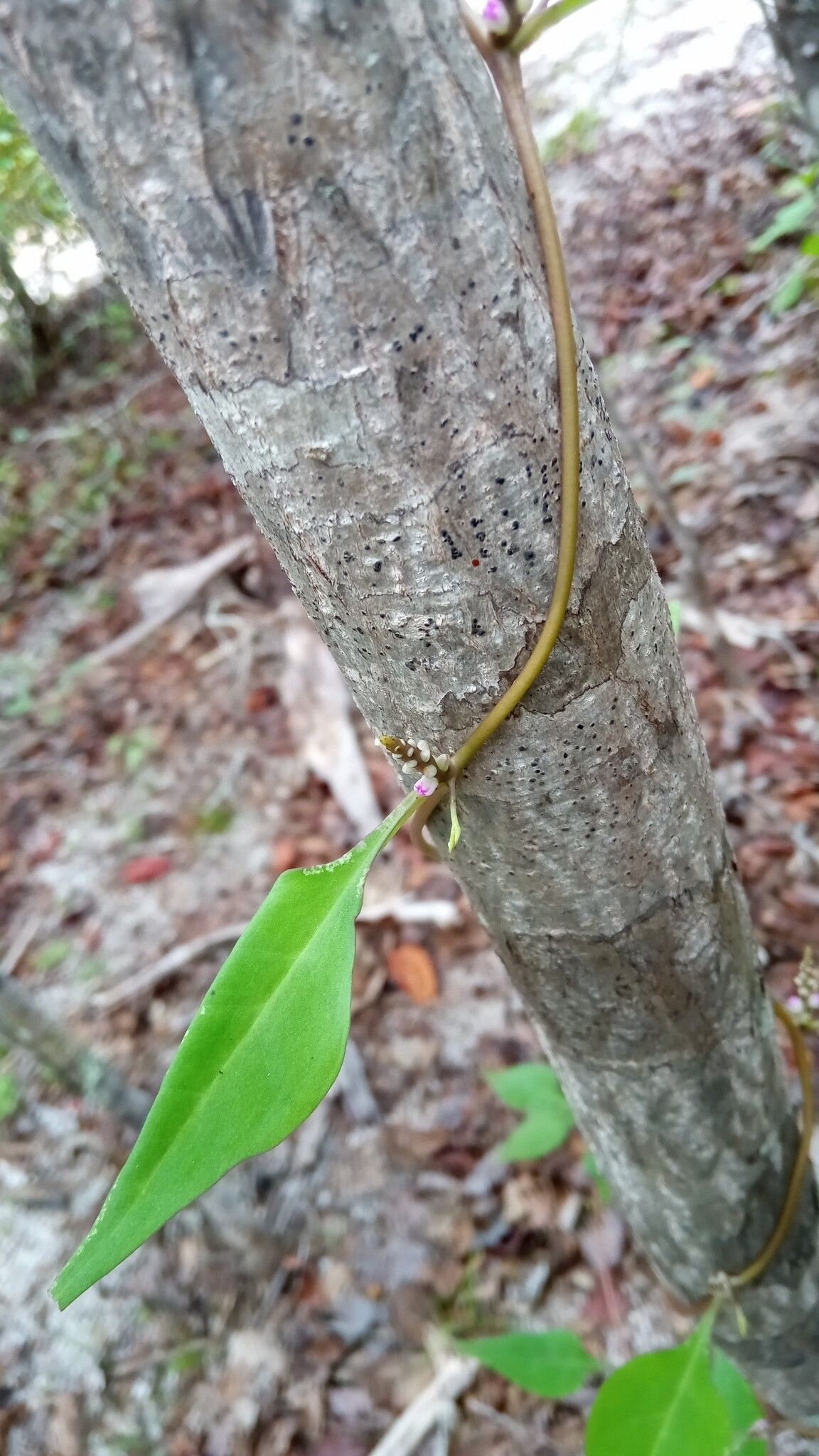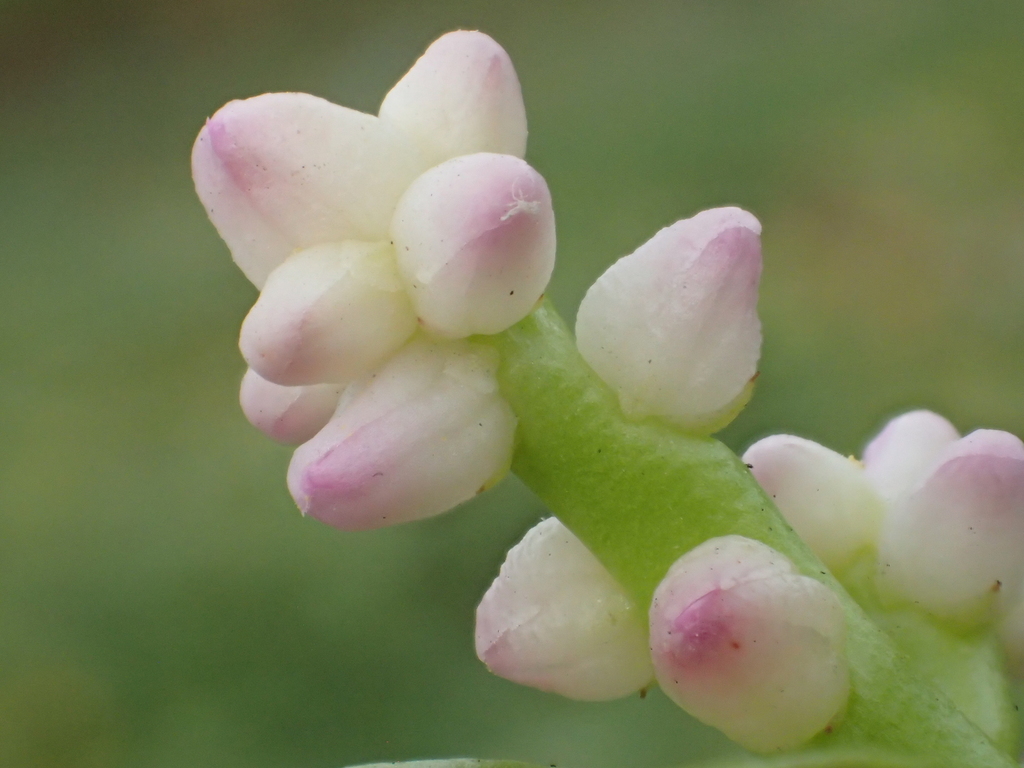
Basella alba, commonly known as Malabar spinach or vine spinach, is a robust climbing plant belonging to the Basellaceae family. Native to tropical regions of Asia and Africa, it is now widely cultivated around the world for its edible leaves and stems.
This fast-growing plant features thick, succulent stems that can extend up to 10 meters in length. Its leaves are heart-shaped or arrow-shaped, showcasing a glossy green surface and a purplish-red underside. The small flowers, which are white or pinkish and have three petals, add to the plant's ornamental appeal.
Malabar spinach is highly nutritious, packed with vitamins A and C, iron, calcium, magnesium, and potassium. For centuries, it has been utilized in traditional medicine for its anti-inflammatory properties.
The plant thrives in warm temperatures ranging from 25-30°C (77-86°F), though it can tolerate cooler climates if grown in full sun with well-draining, organic-rich soil.
Malabar spinach can be propagated from seeds or cuttings. Regular watering is crucial, and because of its climbing nature, it requires support structures such as trellises or stakes.
In summary, Basella alba (Malabar spinach) is an easy-to-grow vegetable that not only offers excellent nutritional benefits but also enhances garden aesthetics with its vibrant foliage, making it a perfect addition to home gardens.
Malabar spinach has moderate resistance to disease but can still be affected by ailments like leaf spot. Its vulnerability to insect pests varies by variety, though most types tend to be relatively susceptible. Regarding care, Malabar spinach needs consistent watering and fertilizing, along with regular removal of yellowing leaves. It is important to manage pests and diseases as they appear and to harvest the plant promptly. Malabar spinach is appropriate for people who can commit some time and energy to regular upkeep.
How to keep Basella Alba.
Light
Malabar spinach does best in strong light, though it can tolerate partly shaded conditions. Coming from sunny habitats, it will grow well under similar lighting. Excessive light can lead to leaf bleaching, while too little light may slow growth and reduce its rich green color.
Water
Malabar spinach thrives in moist, humid environments and prefers soil that remains consistently moist, requiring weekly watering. While it can tolerate moderate drought, Malabar spinach grows best outdoors in warm temperatures and needs plenty of water during its growing season to produce lush foliage and robust growth.
Humidity
This plant will thrive in moderate humidity, which is probably the level in your home. However, misting it a few times a week can be very beneficial. Make sure the room has good ventilation.
Temperature
Malabar spinach is native to tropical areas where temperatures range from 20 to 30 ℃ (68 to 86 ℉) and it can withstand temperatures up to 41 ℃ (106 ℉). It prefers warm conditions and cannot tolerate frost. In colder seasons, it’s best to keep the plant in a greenhouse or indoors at temperatures between 20 and 30 ℃ (68 to 86 ℉).
Fertilizer
To maximize yield, Malabar spinach does well with regular applications of a balanced fertilizer, especially one higher in nitrogen. Apply fertilizer before planting, at planting, and when seedlings are 2 inches tall. Adding compost or manure also offers a steady supply of nutrients. When soil nutrients are insufficient, leaves and stems become underdeveloped, flavors are inferior, stems are thin, and the taste can turn bitter.
Pruning
Malabar spinach is a fast-growing vine with heart-shaped leaves that needs regular pruning, ideally from early to late spring, to control its growth. Cutting back excess growth and removing dead leaves improves airflow, encourages bushier growth, and helps maintain a desirable size and shape.
Pot & Repot
Repot Malabar spinach in early spring into a pot only slightly larger than the current one with adequate drainage. Use a well-draining potting mix and place the root ball at the same level as before. Gently loosen any root-bound roots. After repotting, water generously and set the plant in a warm, shady spot. Regular pruning will help keep its size in check and encourage new growth.
Toxicity
Malabar spinach is not toxic for growth and consumption.
Further reading →
The toxicity and danger assessments provided are for reference only. We do not assure their accuracy, so it's crucial not to depend on them. Seek professional advice when necessary for accurate guidance.
Botanical profile.
- Plant Type
- Vine, Herb
- Life Cycle
- Perennial, Annual
- Genus
- Basella
- Family
- Basellaceae
- Hardiness Zone
- 9-13
- Mature Height
- 10.06 m
- Mature Spread
- 61 cm to 91 cm
- Leaf Color
- Green, Red
- Leaf Type
- Evergreen
- Flower Color
- White, Pink
- Flower Size
- 2.54 cm
- Bloom Time
- Early summer, Mid summer
- Planting Time
- Spring
- Harvest Time
- Mid summer, Late summer
- Native Area
- Sri Lanka, India, Malaysia, Angola, Rwanda, Nigeria, Kenya, Uganda, Tanzania, Brunei, Benin, Sierra Leone, Indonesia, Cambodia, Cameroon, Burundi, Mozambique, Ethiopia, Congo, Nepal, Malawi, Central African Republic, Philippines, Zambia, Sudan, Bangladesh, Laos, Guinea, Chad, Vietnam, Myanmar, Togo, Bhutan, Côte d'Ivoire, Congo (DRC), Thailand, Gabon
Other names.
Reader questions.
How should I water my Malabar spinach?
The Malabar spinach is particular about both the amount and method of watering it receives. If you don't water it correctly, your tomatoes could be negatively affected. To give the Malabar spinach the optimal amount of water, it's best to apply it directly to the soil and do so slowly and gently. Avoid pouring all the water at once or using overhead watering. While watering slowly, make sure to water deeply to ensure the entire soil where the Malabar spinach grows is adequately moistened.
Why do I have to put fertilizer on my Malabar spinach?
Malabar spinach relies on ample nutrients to produce flavorful and abundant leaves and shoots. If it is cultivated in nutrient-deficient soil, its leaves and stems will not fully develop, resulting in inferior taste. The stems may appear thin and the flavor could turn bitter. When growing Malabar spinach in a container, the need for fertilization becomes crucial, as container plants lack the same organic matter availability as those grown in the ground. To ensure optimal growth, it is recommended to supplement your potted Malabar spinach with a balanced liquid fertilizer.
What are the sun requirements for Malabar Spinach?
Malabar Spinach requires full sun or partial sun to thrive, meaning it needs above 6 hours of sunlight for full sun conditions and about 3-6 hours of sunlight for partial sun conditions. It's important to observe how sunlight moves through your garden to ensure you plant your Malabar Spinach in spots that offer a good balance of light and shade, optimizing plant health and growth.
What are the ideal growing conditions for Malabar spinach?
Malabar spinach, or Basella alba, thrives in tropical regions where the temperature ranges between 20°C (68°F) and 30°C (86°F), and it can tolerate temperatures up to 41°C (106°F). It prefers warm temperatures and cannot tolerate frost. To ensure healthy growth, the plant should be kept in an environment that maintains temperatures within this ideal range, especially during the colder seasons. When temperatures drop, keeping the plant indoors or in a greenhouse where it is warm is advisable. Moreover, during winter, it's important to protect the plant from freezing by ensuring the temperature stays above freezing point and employing protective measures when the temperature approaches -5°C (25°F), such as bringing the plant indoors or using a temporary greenhouse.
What should I do if I give my Malabar spinach too much or too little water?
If you have overwatered your Malabar spinach and are worried about disease, it's important to act quickly. The best solution is to remove the plant from its current location, allow the roots to dry a bit, and then replant it in a spot with good drainage soil. If you are growing in pots, consider using a pot with better drainage. On the other hand, if you have underwatered your plant, simply increase how often you water it.
When should I fertilize my Malabar spinach?
To properly fertilize your Malabar spinach throughout the growing season, follow these key points. Firstly, when you're preparing the ground for planting, amend the soil with nutrient-rich organic material like compost or manure at least 2 to 8 weeks prior to planting. Repeat this process when you actually plant the seeds. Once your seedlings are about 2 inches tall, it's time for the next dose of fertilizer. From there, you can regularly feed your Malabar spinach with organic matter or a commercial fertilizer until harvest, ideally every two to three weeks. Additionally, consider adding a layer of compost or manure around the plant to continuously supply nutrients.
What are the essentials for growing Malabar Spinach successfully?
The essentials for growing Malabar Spinach include providing it with intensive illumination, as it originates from environments with abundant sunlight and can support healthy growth under similar conditions. While it can withstand semi-lit conditions, overexposure to light can cause leaf-bleaching, and insufficient light may hinder growth. Artificial lighting can be a viable solution for indoor plants, with LED lights being a popular option due to their ability to be customized to provide specific wavelengths of light needed by plants.
How does low temperature affect Malabar spinach and what should I do about it?
Malabar spinach has a moderate tolerance to low temperatures but thrives best within 20°C to 41°C. Exposure to temperatures below 0°C can be harmful, and if the temperature falls below -5°C, the leaves may darken. Severe cold can lead to water-soaked necrosis, wilting, drooping, and the leaves turning brown. To counteract frost damage, you should trim the frost-damaged parts and either move the plant to a warmer indoor environment or set up a makeshift greenhouse for protection. If you bring the plant indoors, placing it near a south-facing window ensures it receives ample sunlight. In cases of insufficient light, supplemental lighting can help.
How often do I need to water my Malabar spinach?
Malabar spinach needs a lot of water during the growing season. In the beginning, water it once or twice per week. As the season goes on, increase the frequency of watering, possibly up to twice per day in the summer. Once the plant has gone through its main growth phases, water it once per week until the growing season ends.
When is not a good time to fertilize my Malabar spinach?
To ensure Malabar spinach grows well, it is important to avoid fertilizing it when the soil is dry. This plant needs sufficient water to properly absorb nutrients. Additionally, it is advisable not to use chemical fertilizers on this plant when it is not in its growing season. Doing so can introduce more fertilizer than the plant can utilize, which can result in excess chemical fertilizers spreading into the groundwater and soil, potentially causing contamination. Therefore, it is recommended to fertilize only during the active growing periods.
What symptoms indicate light deficiency in Malabar Spinach?
Symptoms of light deficiency in Malabar Spinach include smaller new leaves, leggy or sparse growth, faster leaf drop, slower or no new growth, lighter-colored new leaves, and various symptoms of overexposure such as chlorosis, sunscald, leaf curling, wilting, and leaf scorching. These signs indicate that the plant is not receiving the optimal amount of sunlight it needs for healthy growth.
What happens to Malabar spinach in high temperatures and what are the remedies?
In high temperatures, particularly above 41°C, Malabar spinach's growth may slow down, its leaves may lighten in color, and it becomes more prone to sunburn. To address damage from high temperatures, you should trim away the sunburned and dried-up parts of the plant. Relocating it to a shady area, especially to avoid the afternoon sun, and ensuring the soil is kept moist through watering in the morning and evening are effective ways to prevent further damage and maintain the plant's health.