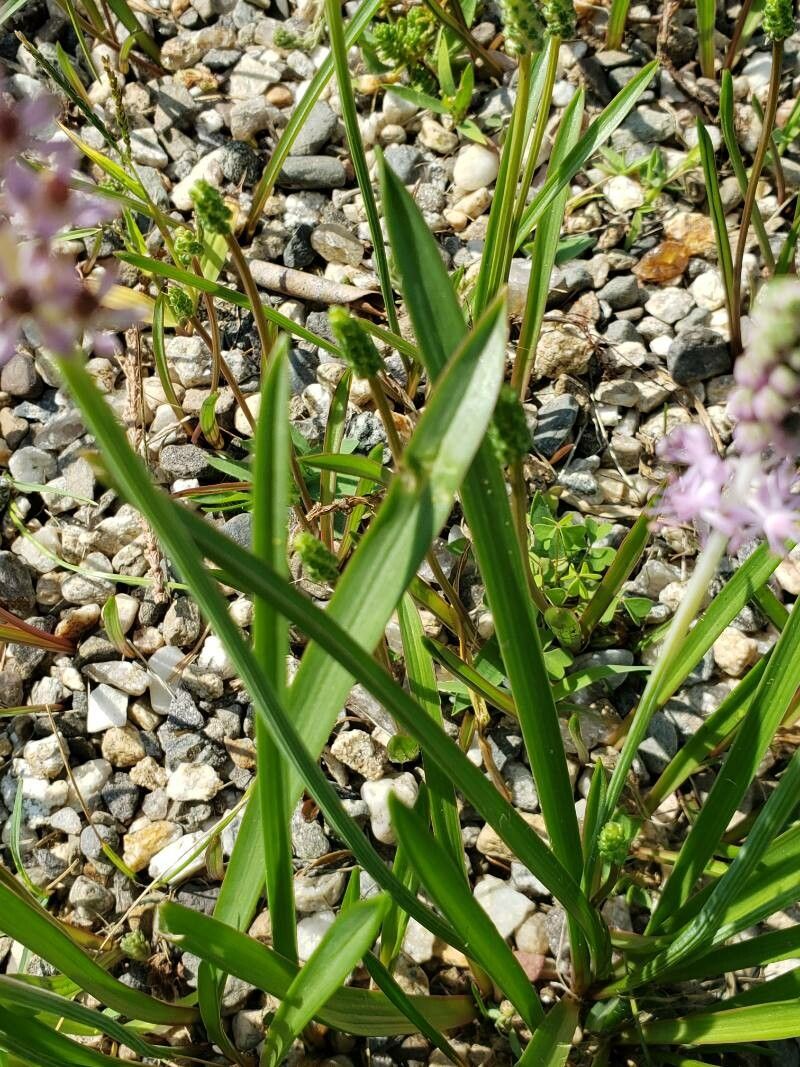
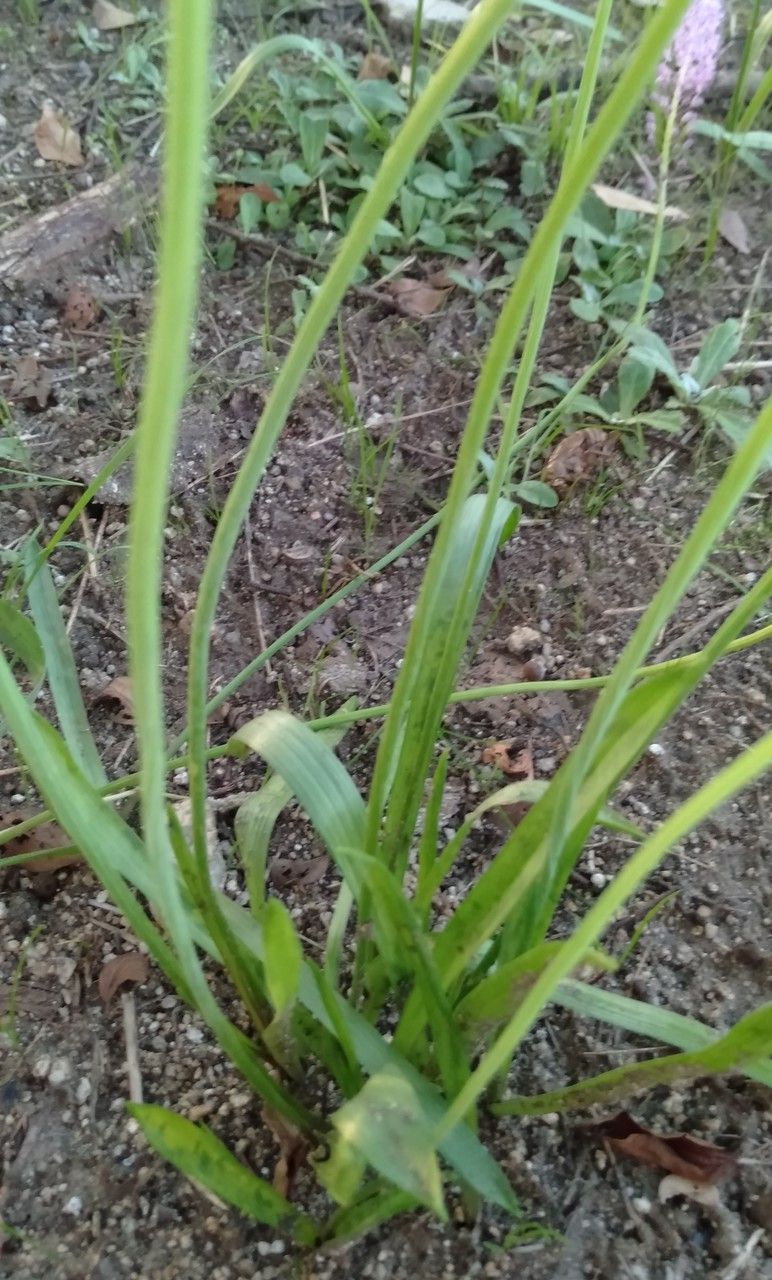
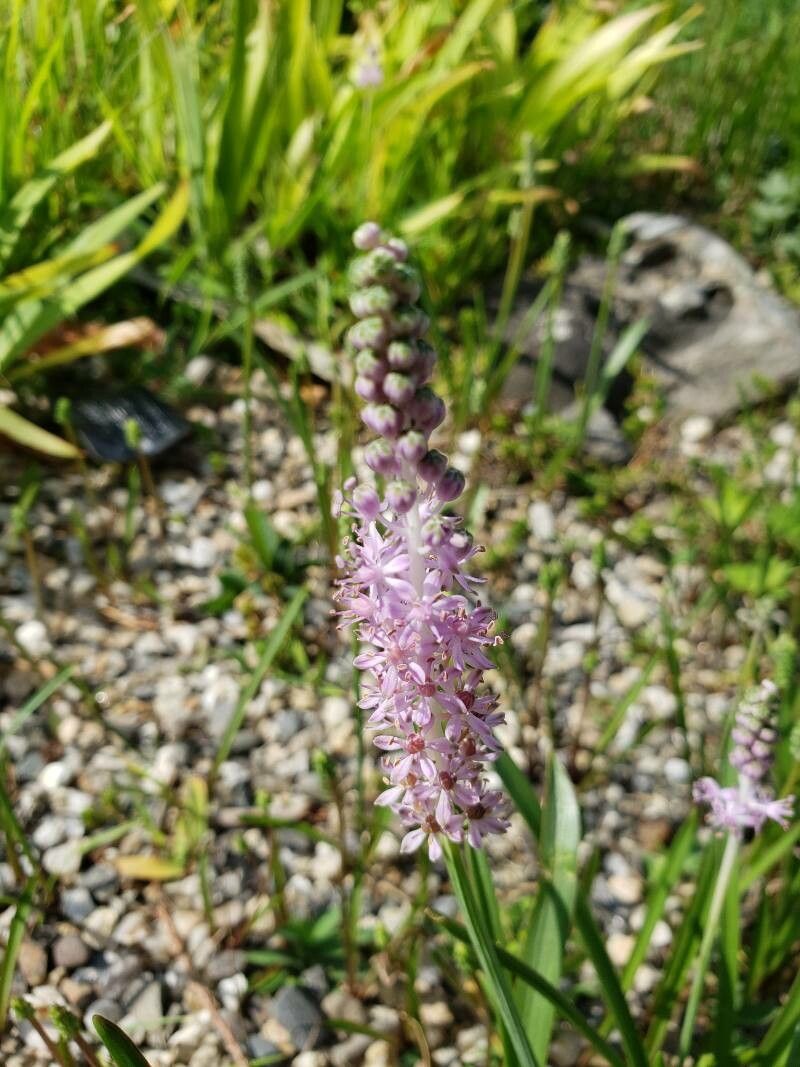
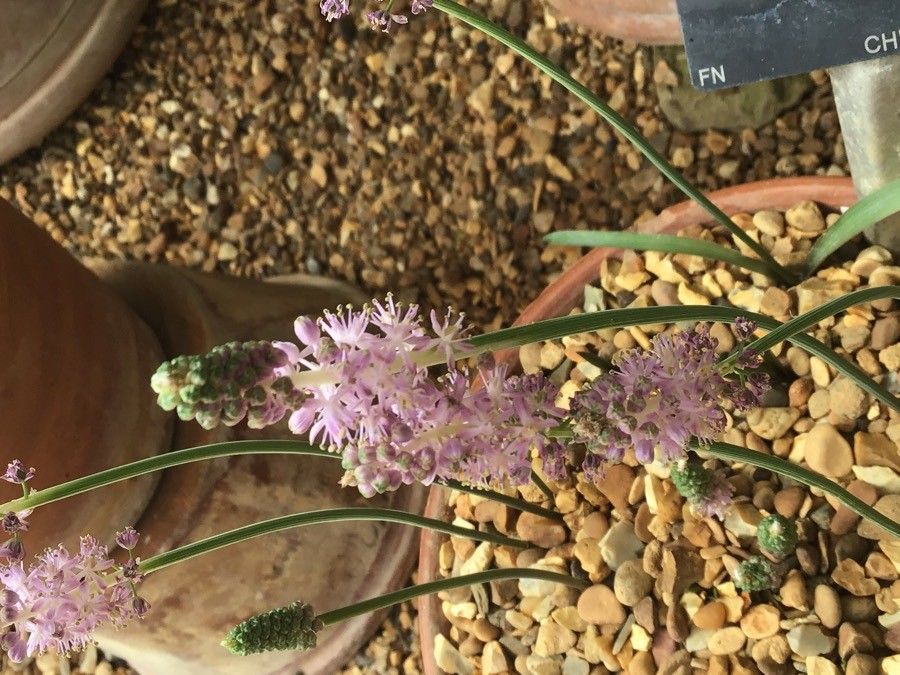
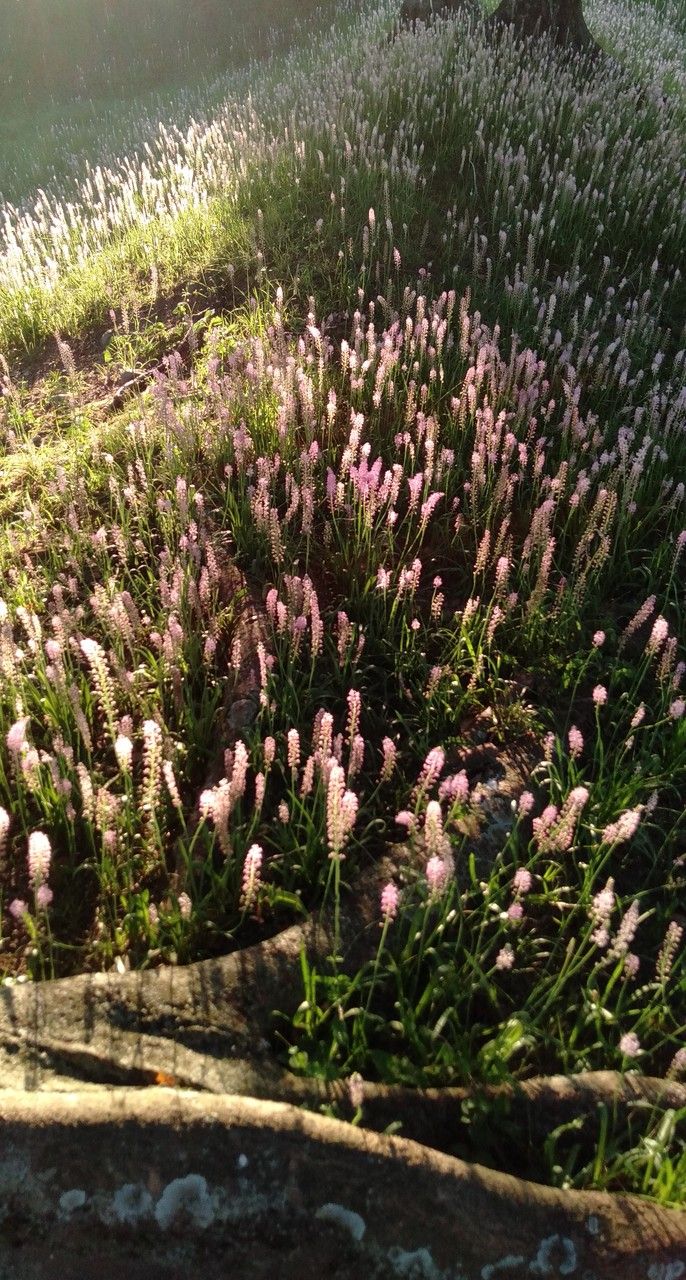
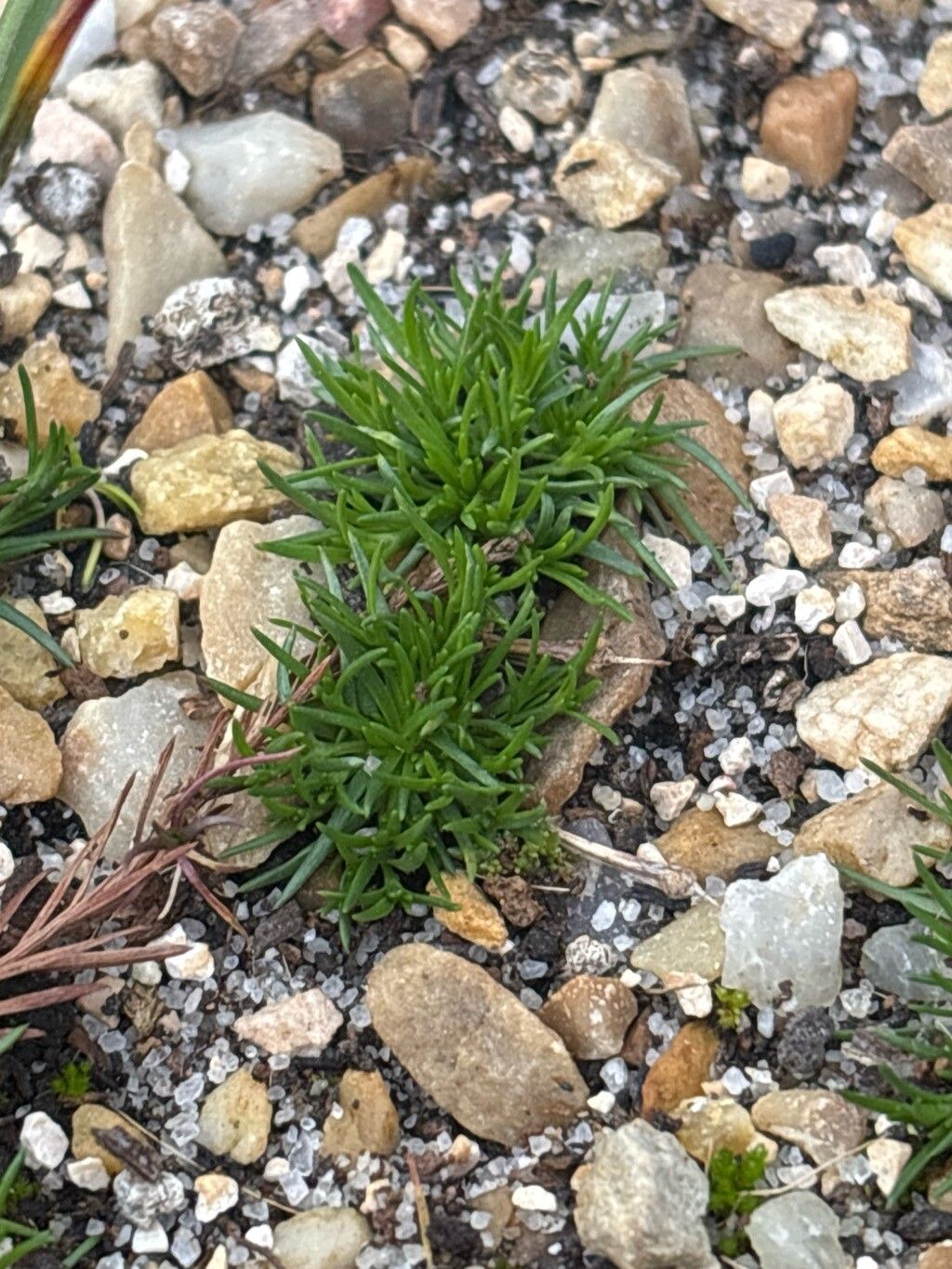
Barnardia japonica, the Japanese jacinth, is a bulbous flowering plant in the family Asparagaceae, subfamily Scilloideae (also treated as the family Hyacinthaceae). It is one of the two species of the genus Barnardia, found in east China, Korea, Japan, Taiwan and East Russia.
Japanese hyacinth has strong resistance to disease and generally doesn't suffer from many ailments. However, it can be vulnerable to pests and diseases present in its surroundings, and such infections are usually mild. In terms of care, this plant needs a moderate amount of maintenance. It requires regular pruning to keep a good appearance and support healthy growth. Fertilizing can also help encourage flowering. Japanese hyacinth is suitable for anyone with outdoor space, like a garden or patio, and does not demand extensive care experience. It may need more attention when grown indoors.
How to keep Barnardia Japonica.
Light
Japanese hyacinth is naturally found in habitats like forest understories and rocky areas, where it grows in natural shade. It prefers partial sun but can adapt to full sun or full shade, demonstrating its versatile and hardy nature.
Temperature
Japanese hyacinth naturally thrives in environments with a moderate temperature range, ideally 41 to 95 °F (5 to 35 ℃). Growers should replicate these conditions, adjusting them as the seasons change to ensure optimal growth.
Fertilizer
The primary time to fertilize Japanese hyacinth is in early spring when the flowers are forming. Using the proper fertilizer promotes improved blooms and helps Japanese hyacinth produce attractive flowers. Fertilizing in early spring ensures excellent flowers during the season and supplies energy for dormant growth phases.
Pruning
Japanese hyacinth is a perennial plant characterized by its slender, grass-like leaves and star-shaped flowers. To maintain its health, it is important to prune the plant from early to late spring. This involves removing any damaged foliage and spent flowers, using sharp tools to prevent disease. Proper pruning improves air circulation and light exposure, which promotes healthier growth. For specific care advice tailored to your area, refer to local guidelines.
Botanical profile.
- Plant Type
- Herb
- Life Cycle
- Perennial
- Genus
- Barnardia
- Family
- Asparagaceae
- Hardiness Zone
- 4-9
- Mature Height
- 25 cm to 40 cm
- Mature Spread
- 15 cm to 30 cm
- Leaf Color
- Green, Dark Green
- Leaf Type
- Semi-evergreen
- Flower Color
- Lavender
- Flower Size
- 0.51 cm to 0.76 cm
- Bloom Time
- Late summer, Early fall
- Planting Time
- Spring, Summer
- Harvest Time
- Mid fall, Late fall
- Native Area
- Russia, Japan, Koppen, South Korea, China
Other names.
Reader questions.
What is the ideal temperature range for growing Japanese hyacinth?
Japanese hyacinth, also known by its botanical name Barnardia japonica, thrives in climates where the temperature remains within a moderate range of 41 to 95 °F (5 to 35 °C). To ensure optimal growth, it's crucial for growers to replicate these conditions as closely as possible, making adjustments as necessary to accommodate changing seasonal temperatures.
Does Japanese hyacinth require frost protection measures during winter?
Japanese hyacinth exhibits strong cold resistance, usually negating the need for special frost protection measures during the winter months. Nevertheless, in instances where winter temperatures are anticipated to fall below -30°C, it becomes crucial to provide protection against the cold. This can be accomplished with coverings such as soil or straw. Additionally, it's advisable to water the plant generously before the onset of the first autumn freeze, ensuring the soil is moist and freezes in this state. This technique helps to avert drought and water scarcity for the plant during the winter and early spring.
What should be done if the Japanese hyacinth is exposed to temperatures below -25°C?
Although Japanese hyacinth possesses a considerable tolerance to cold, thriving best when temperatures remain above 5°C, it ideally should not be subjected to temperatures below -25°C. Exposure to temperatures lower than -30°C might not manifest noticeable issues during winter, but could result in decreased sprouting or a complete lack of sprouting come spring. In such cases, the recommended action is to remove any parts of the plant that have failed to sprout in the spring.
How should Japanese hyacinth be cared for during high temperature conditions?
In the summer, it's important to ensure that the Japanese hyacinth is kept in temperatures below 35°C to prevent stress from heat. If temperatures climb above 38°C, the plant may exhibit signs of distress such as lighter leaf coloration, leaf curling, susceptibility to sunburn, and serious cases may see the entire plant wilting and becoming dry. To mitigate these issues, trim away any sunburned or dried parts of the plant, relocate it to a spot that is shaded during the midday and afternoon sun, or use a shade cloth to provide essential shade. Additionally, watering the plant during the morning and evening hours can help keep the soil sufficiently moist.