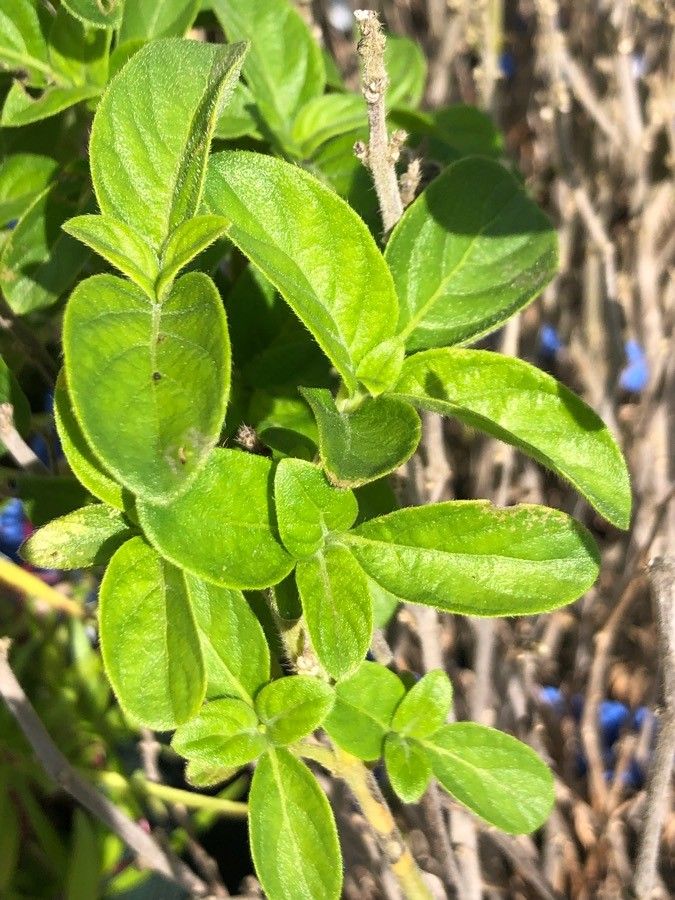
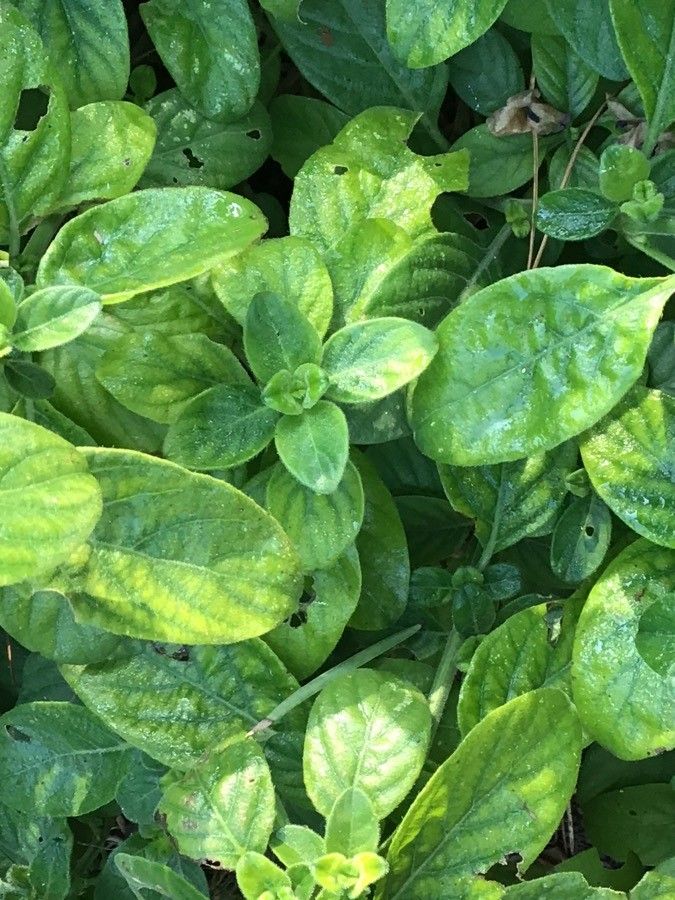
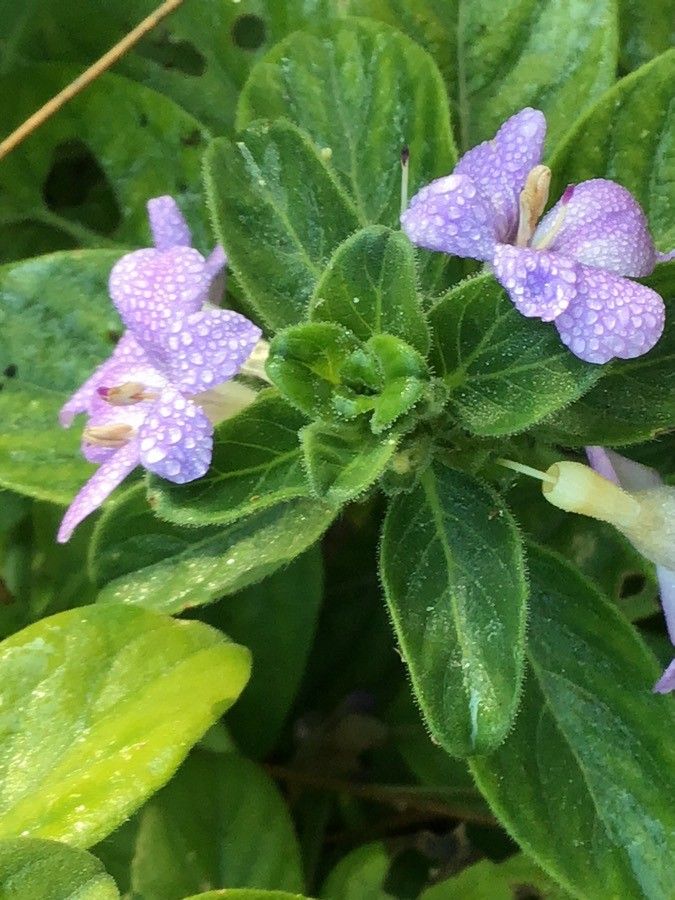
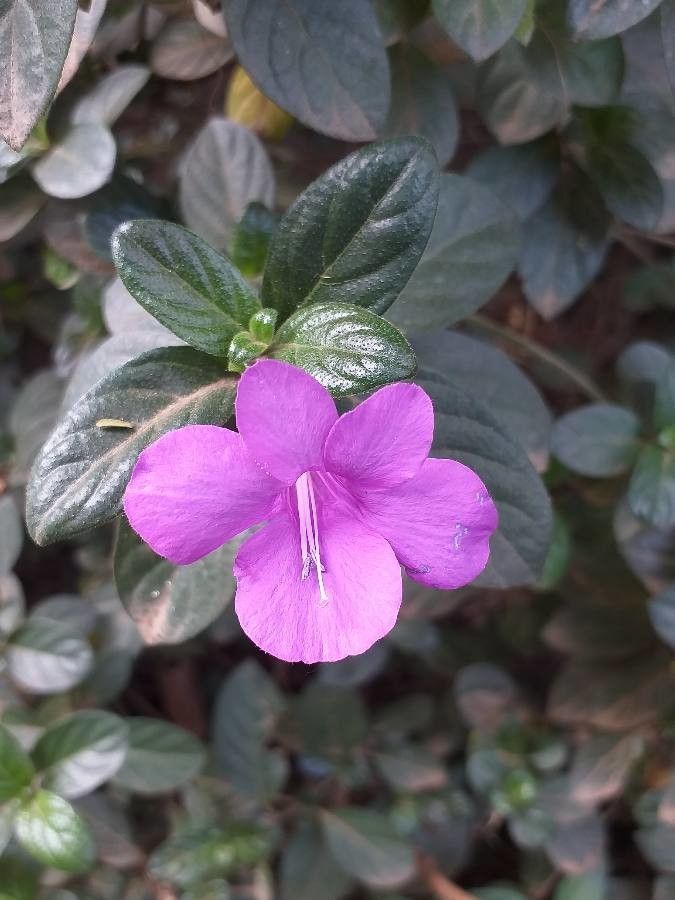
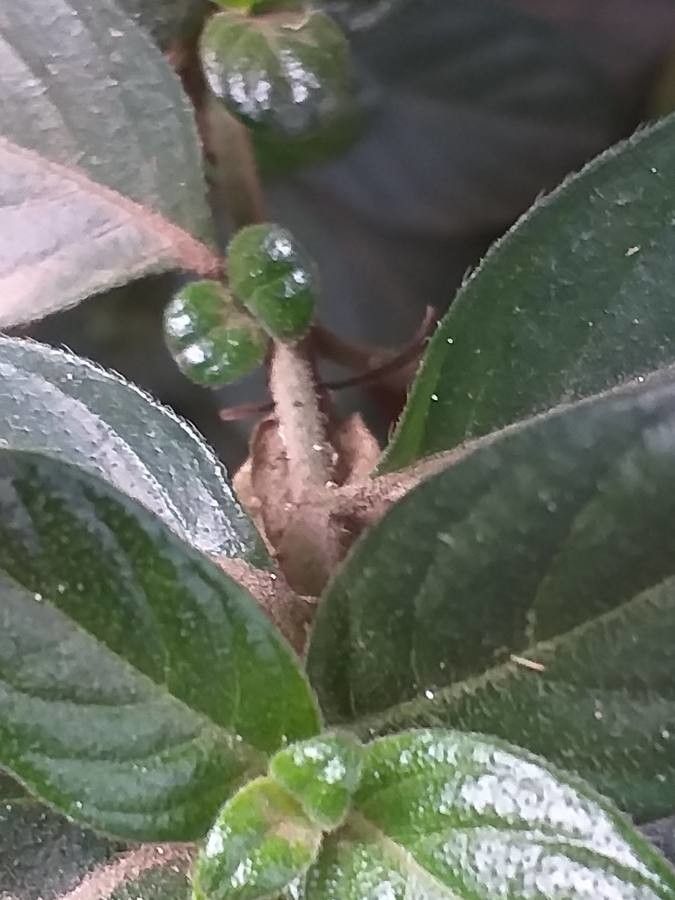
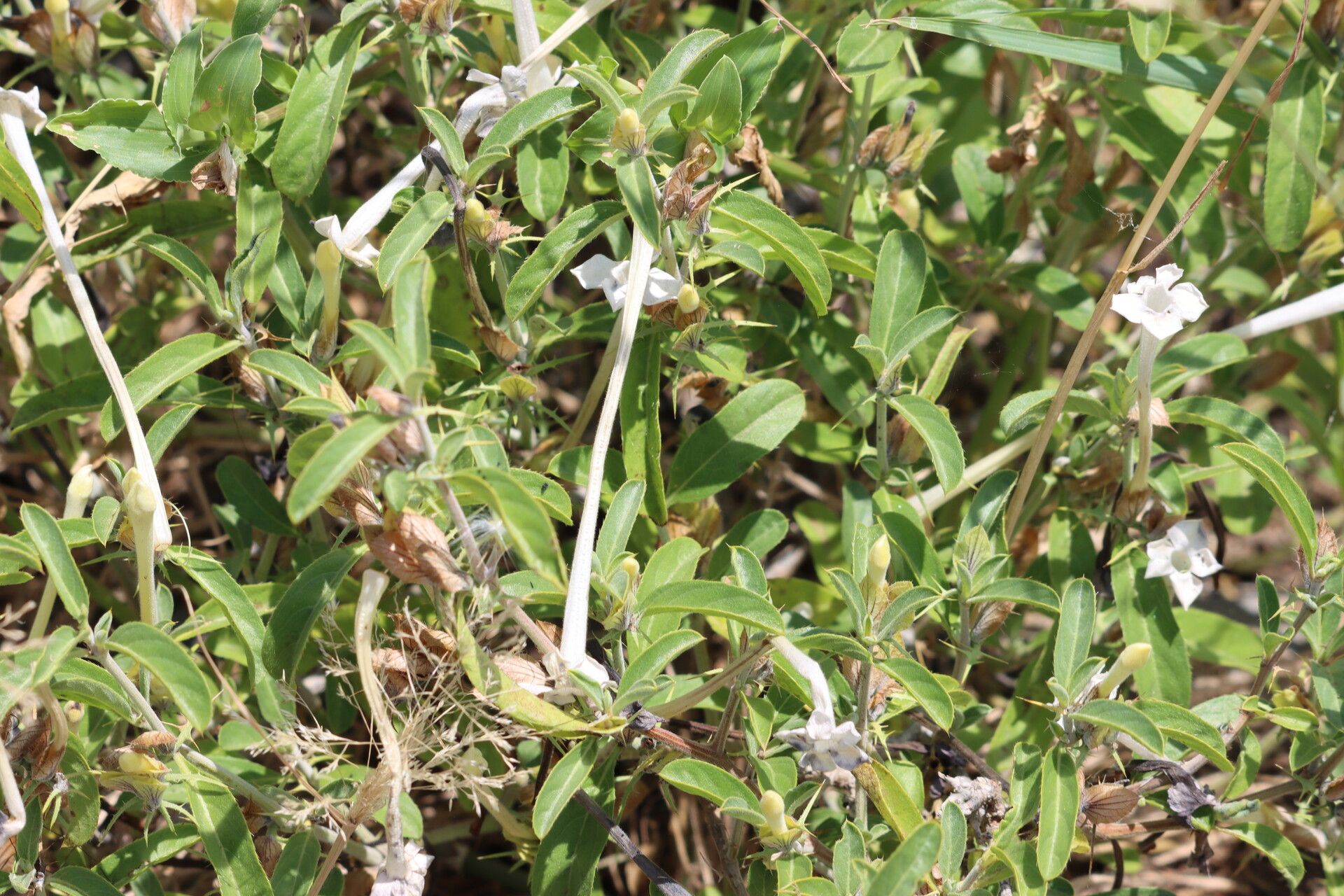
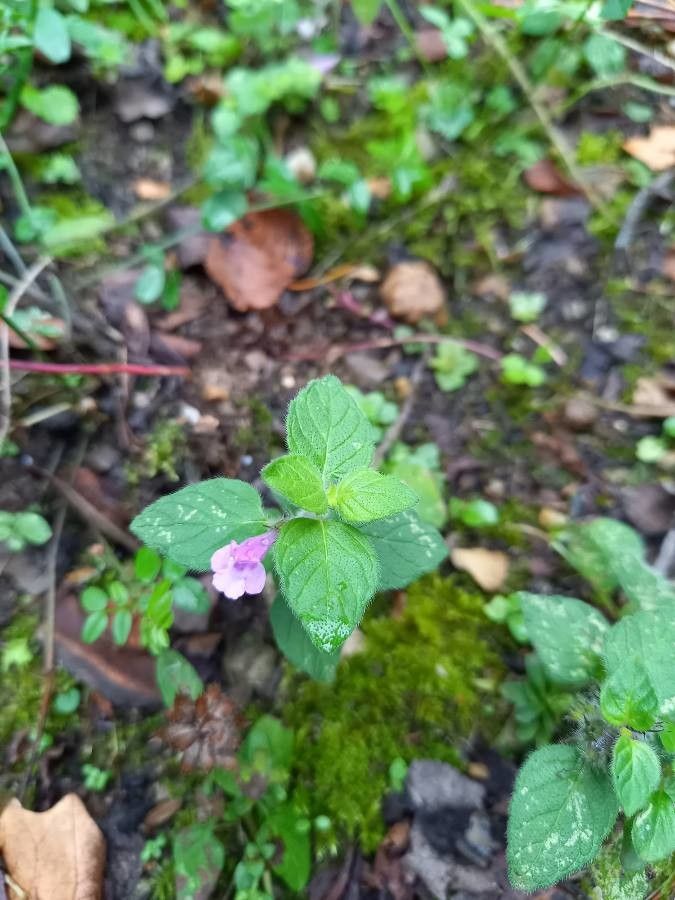
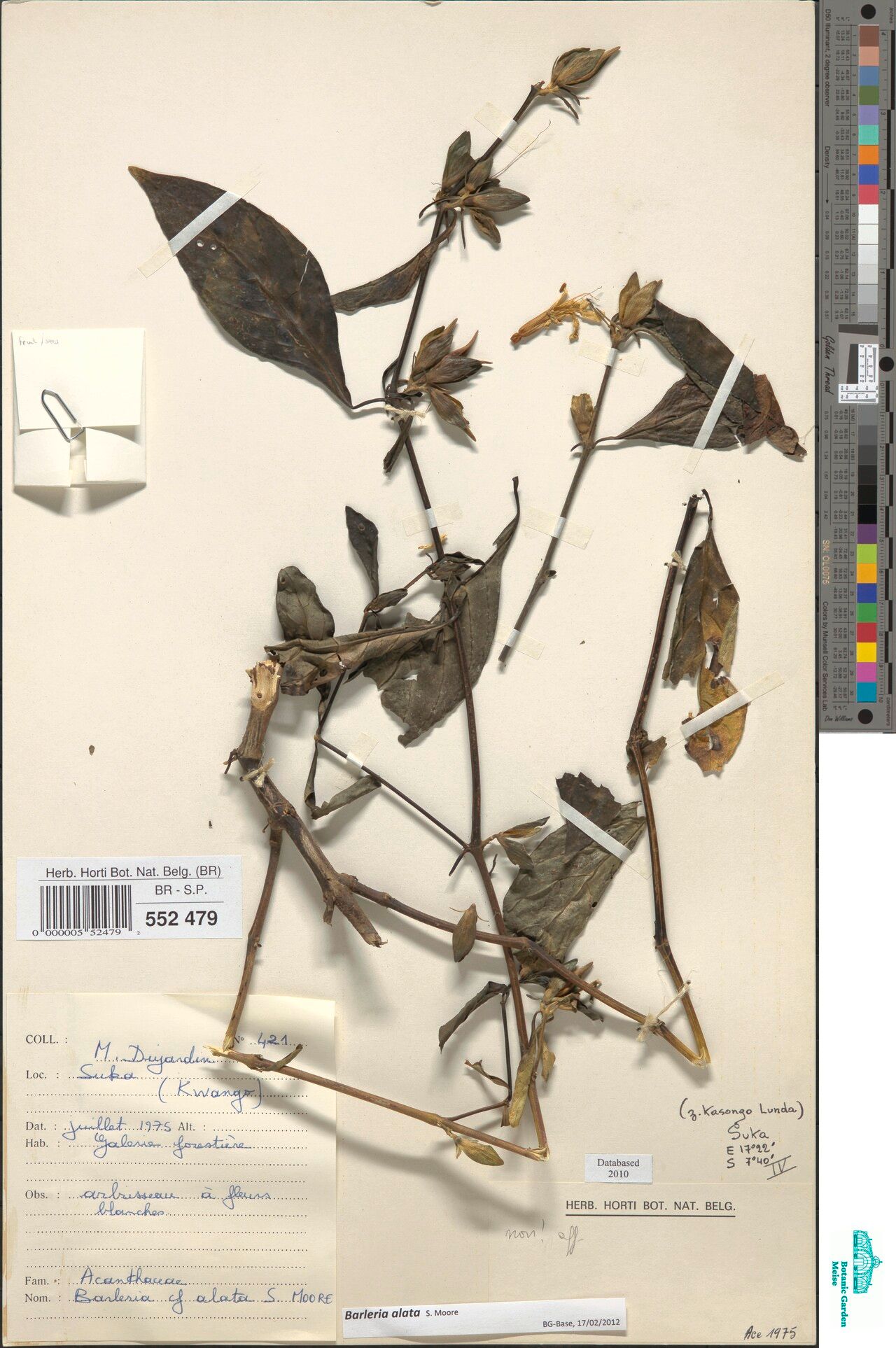
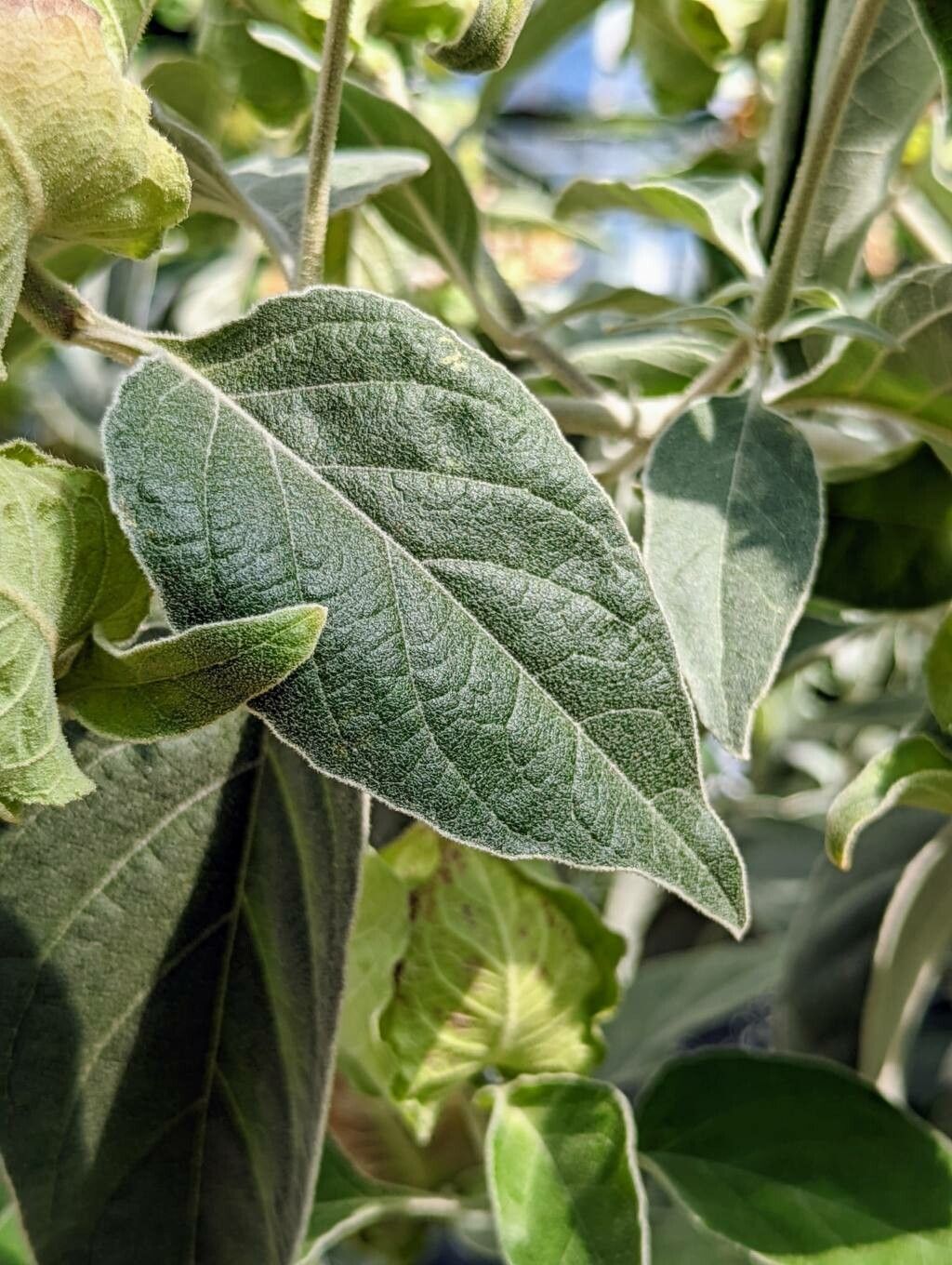
Barleria obtusa, the bush violet, is a species of flowering plant in the family Acanthaceae. It occurs naturally along forest margins in the summer rainfall region of South Africa. It is widely cultivated as a decorative garden shrub.
Bush violet is resistant to disease and usually not susceptible to illnesses. As for care, this plant is fairly low-maintenance. Planted outdoors it needs only light watering, and larger specimens typically do not require pruning. Smaller plants, however, should be pruned after they finish blooming. Bush violett is appropriate for anyone with an outdoor space, such as a garden or deck, and does not demand much care experience.
How to keep Barleria Obtusa.
Light
Bush violet is native to habitats like forest understories or rocky terrain, where it grows under natural shade. It prefers partial sunlight but can tolerate full sun or complete shade, showing its adaptable and hardy character.
Water
The bush violet thrives in moderate moisture conditions and is also drought-tolerant. It should be watered every 1-2 weeks. As an evergreen plant, it retains its leaves year-round, so consistent watering is necessary throughout all seasons.
Temperature
Bush violet is fairly adaptable to temperature, capable of withstanding higher heat and greater temperature swings. In hot weather, attention should be paid to watering and appropriate shading should be provided to avoid sunburn. However, bush violet has relatively weak tolerance for low temperatures. While it can endure some cold, excessively frigid conditions can cause frost damage.
Fertilizer
The timing of fertilizing a Bush violet is critical. Begin fertilizing in early spring and continue monthly until early summer. Fertilizer promotes lovely blooms and supplies energy during both dormant and active growth phases.
Pruning
The bush violet is a hardy evergreen shrub that produces vibrant violet blossoms. To promote healthy growth, enhance flowering, and maintain a compact shape, it is best to prune the shrub in early spring. Be sure to remove any dead branches and sterilize your pruning tools to prevent disease. By following these practices, you can ensure that your bush violet remains attractive and robust throughout its lifecycle.
Botanical profile.
- Plant Type
- Shrub
- Life Cycle
- Perennial
- Genus
- Barleria
- Family
- Acanthaceae
- Hardiness Zone
- 9-11
- Mature Height
- 0.61 m to 1.22 m
- Mature Spread
- 49 cm to 91 cm
- Leaf Color
- Green, Dark Green
- Leaf Type
- Evergreen
- Flower Size
- 3.05 cm to 5.08 cm
- Bloom Time
- Mid summer, Late summer, Early fall, Mid fall
- Planting Time
- Spring, Summer, Autumn
- Harvest Time
- Fall, Early winter
- Native Area
- South Africa, Eswatini, Mozambique
Other names.
Reader questions.
What are the sunlight requirements for Bush violet (Barleria obtusa)?
Bush violet (Barleria obtusa) thrives in various sunlight conditions. It requires 'full sun,' which means the plant should receive above 6 hours of sunlight daily. It can also grow in 'partial sun,' where it gets about 3-6 hours of sunlight. It's essential to observe how sunlight moves through your garden throughout the day. Select locations that offer an ideal mix of light and shade to ensure your Bush violet plants are happy and healthy.
What is the common name of Barleria obtusa?
The common name of Barleria obtusa is Bush violet.
What are some essentials to know about Bush violet?
There are currently no specific essentials provided about the Bush violet.
What symptoms should be looked for in Bush violet?
No specific symptoms have been listed for Bush violet.