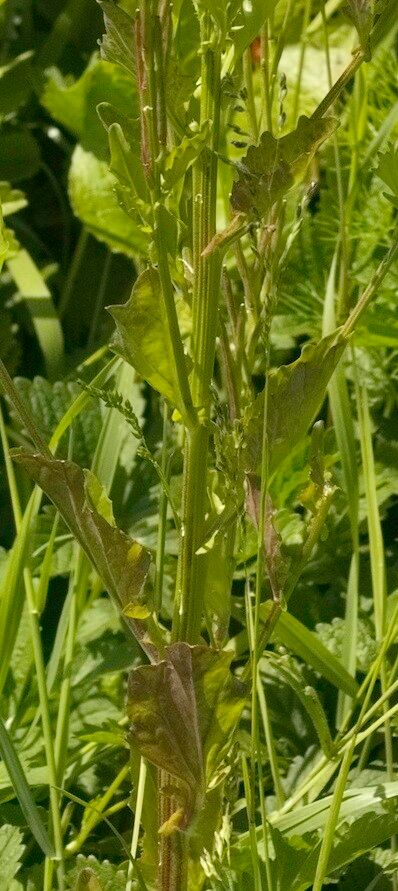
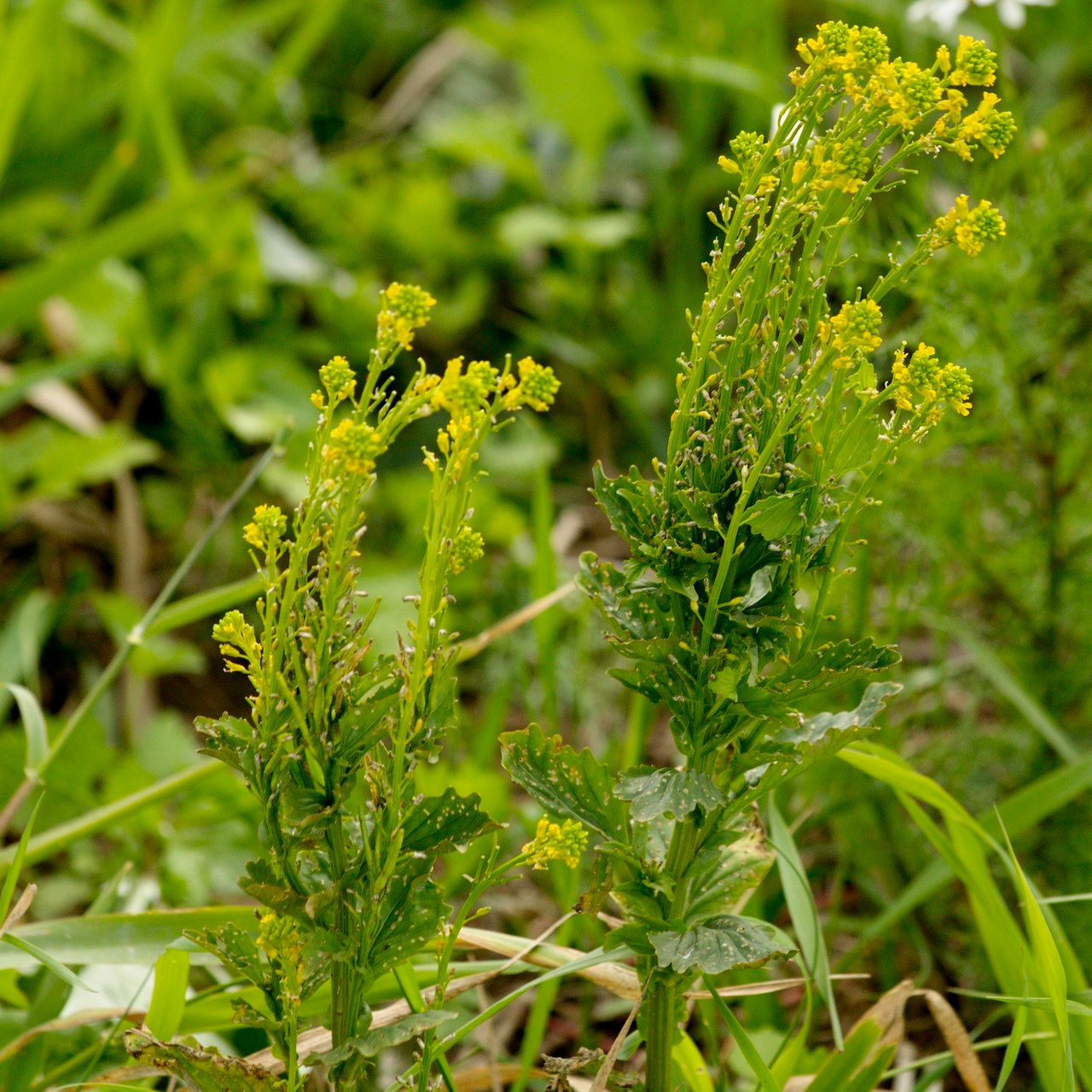
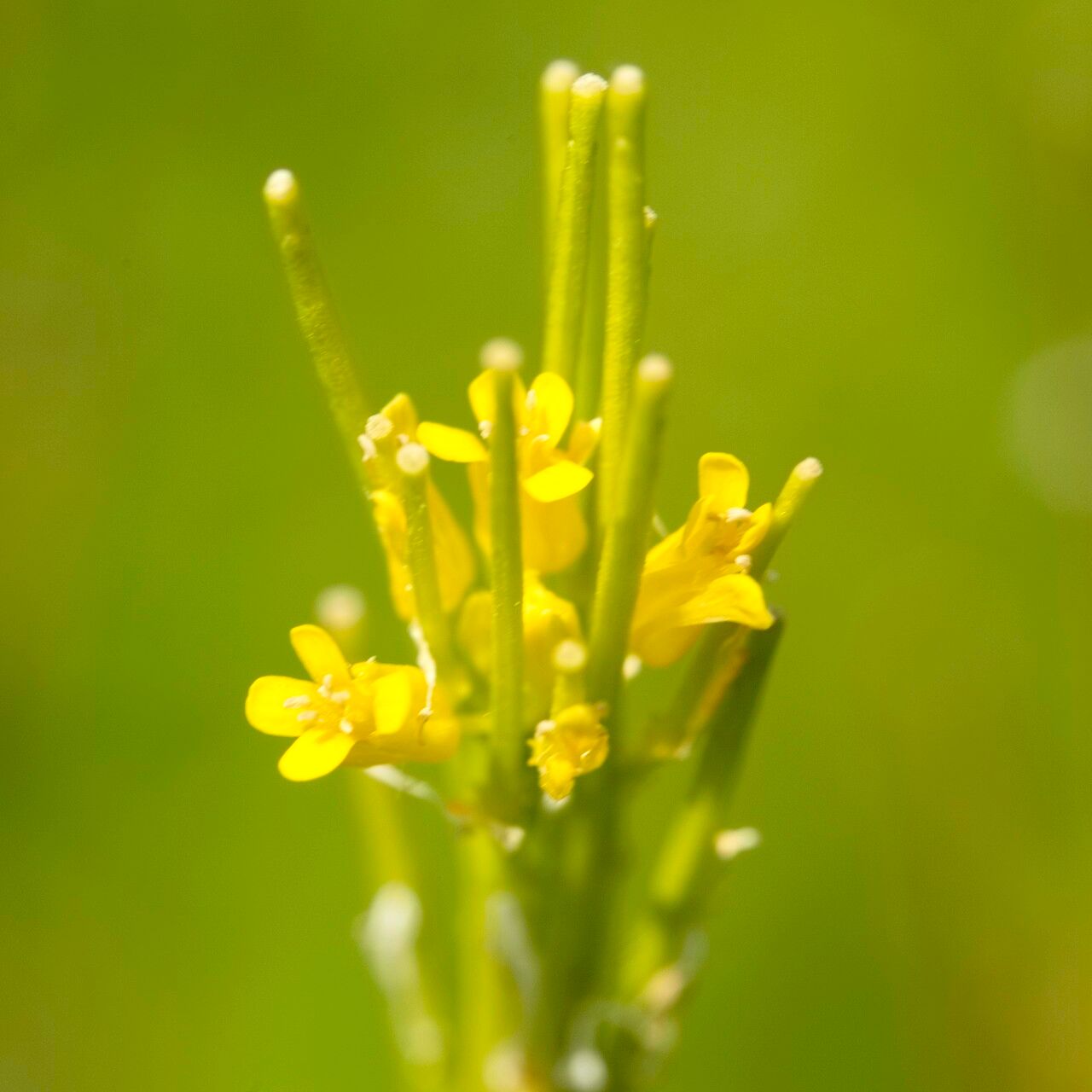
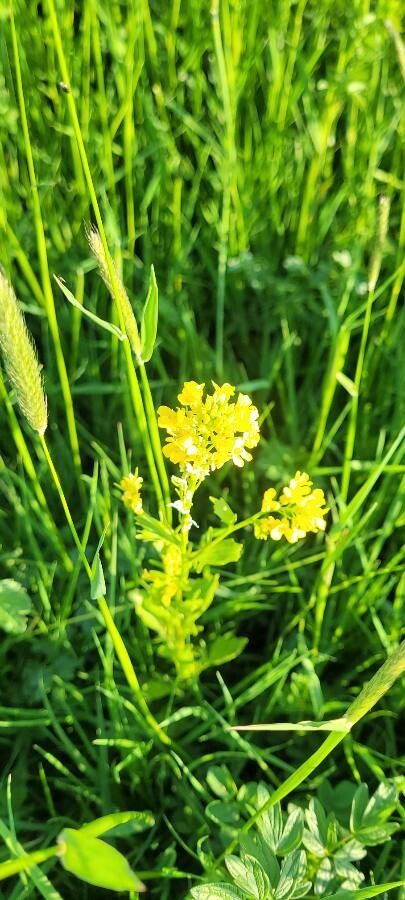
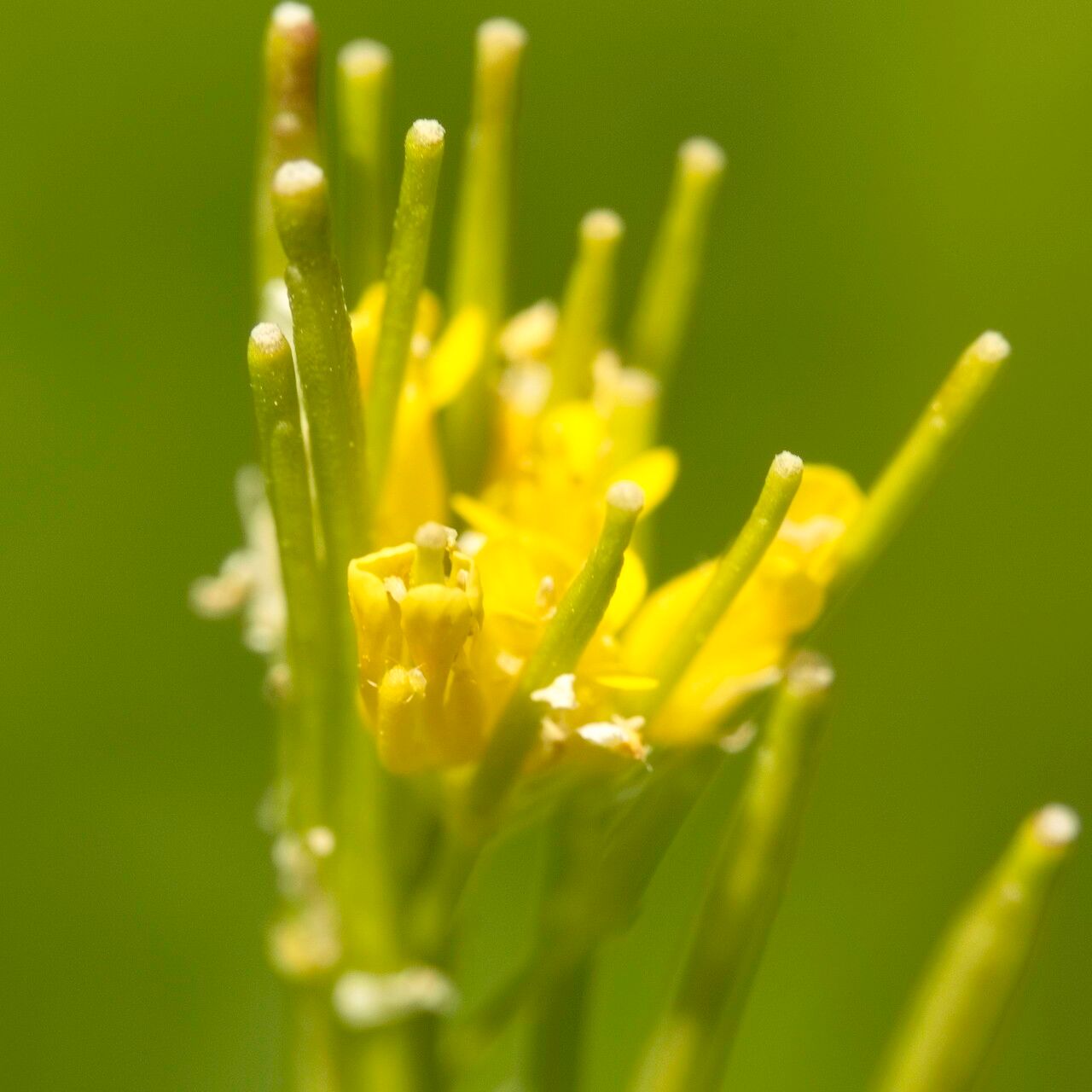
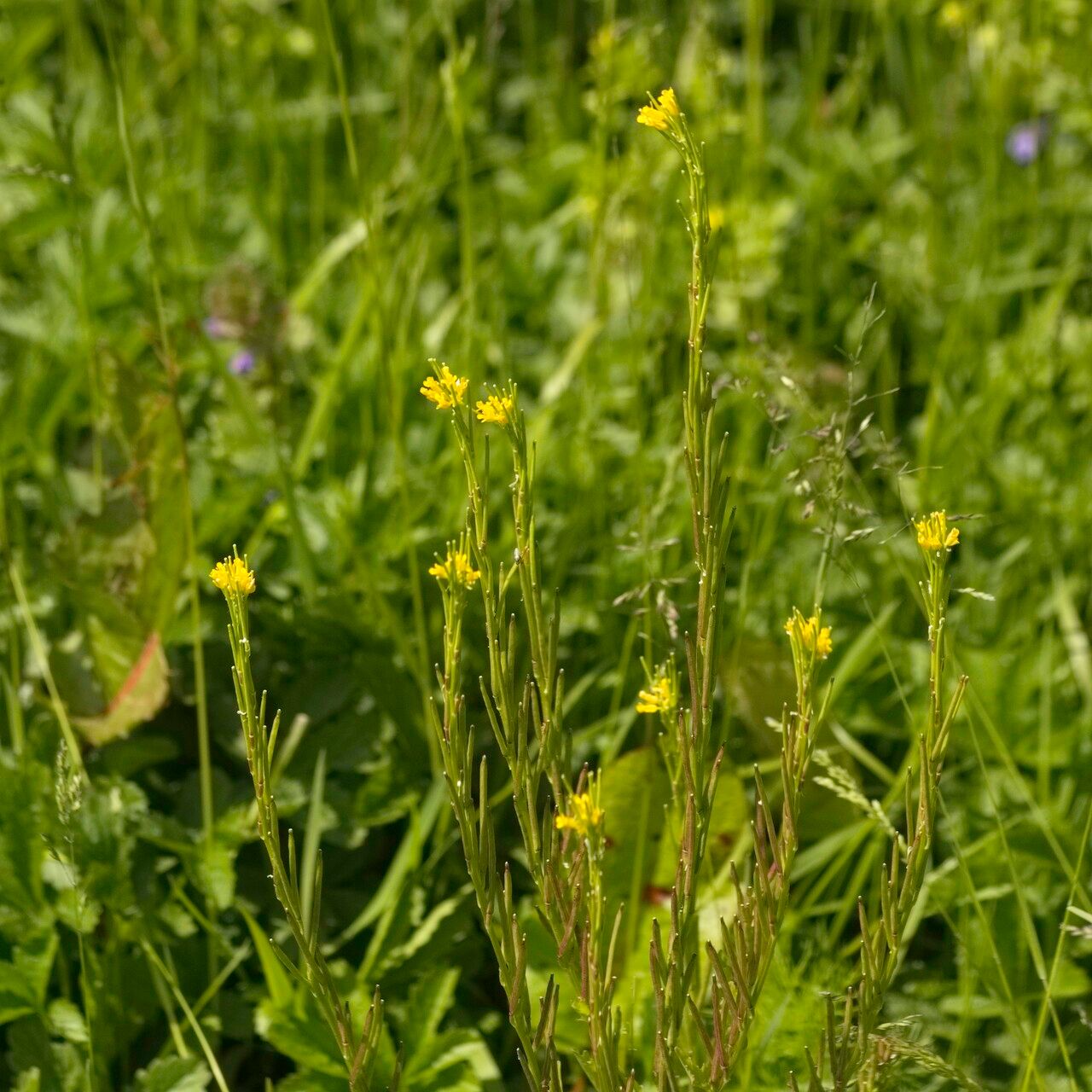
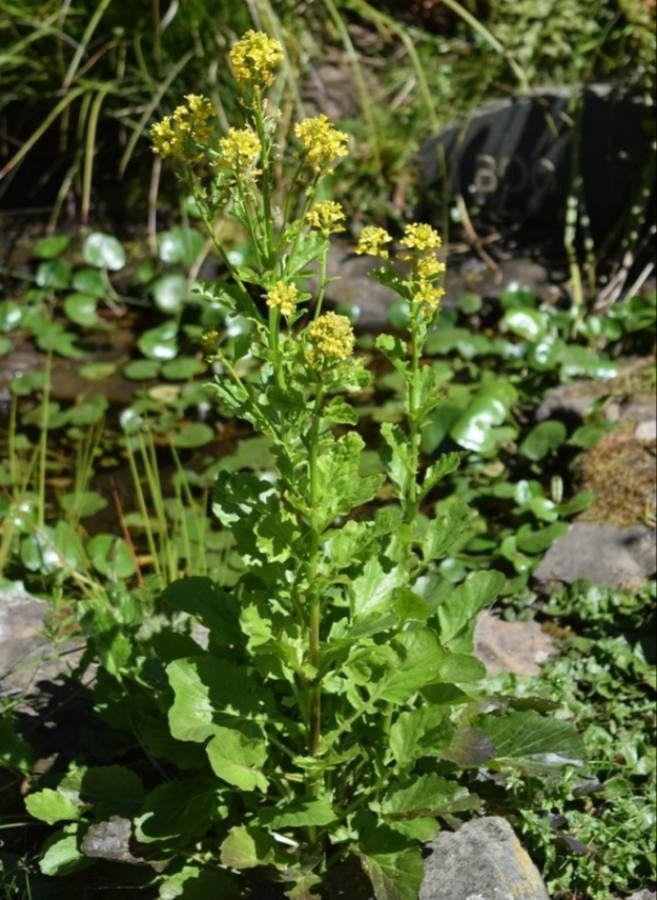
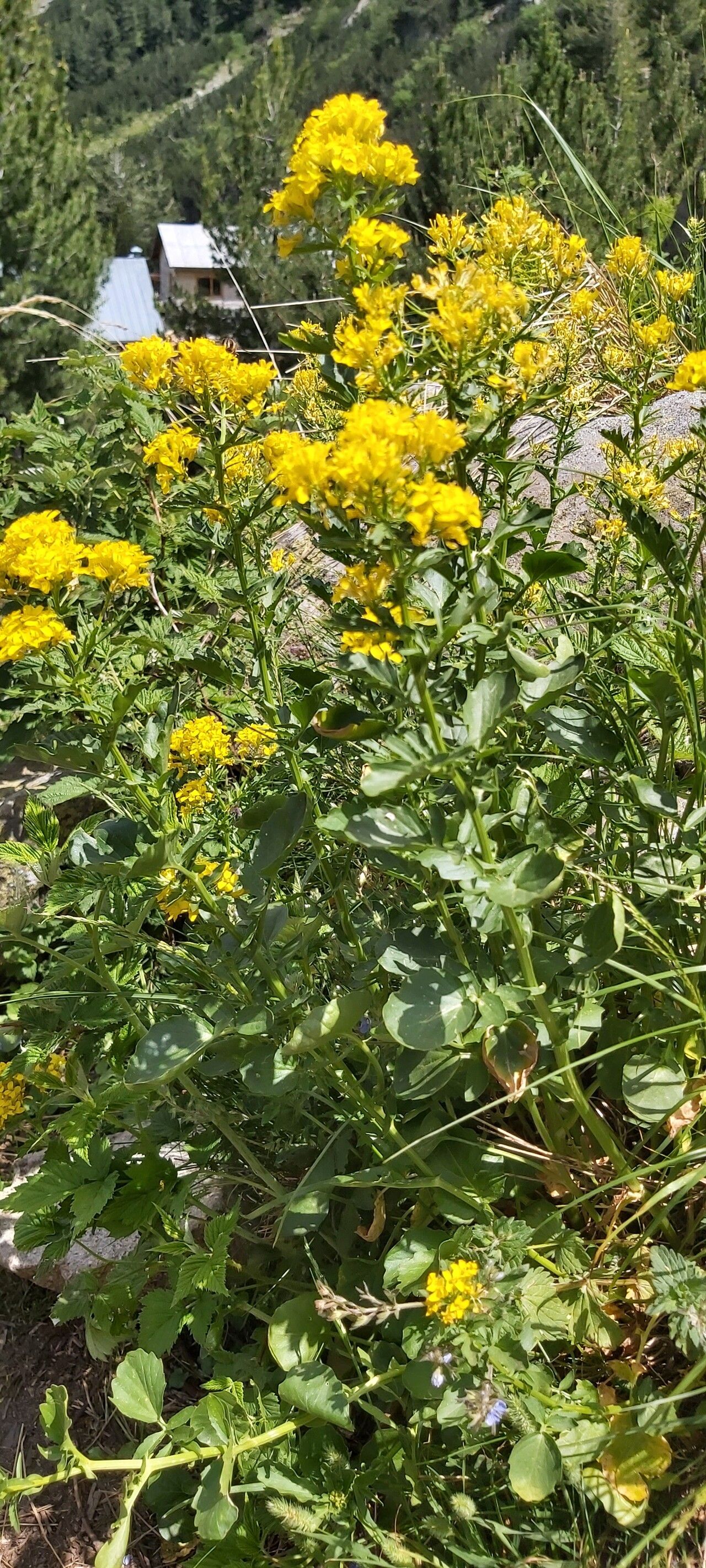
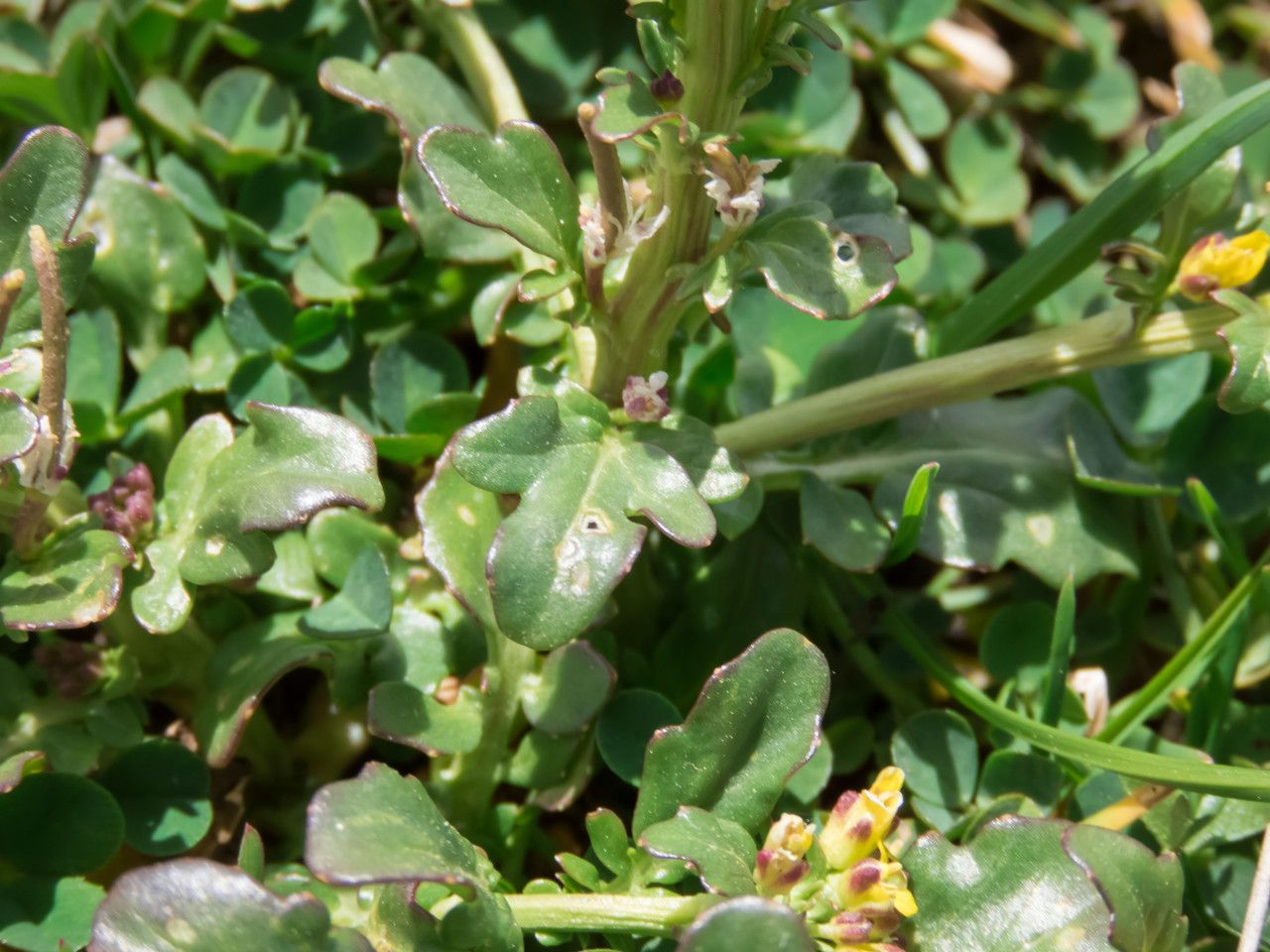
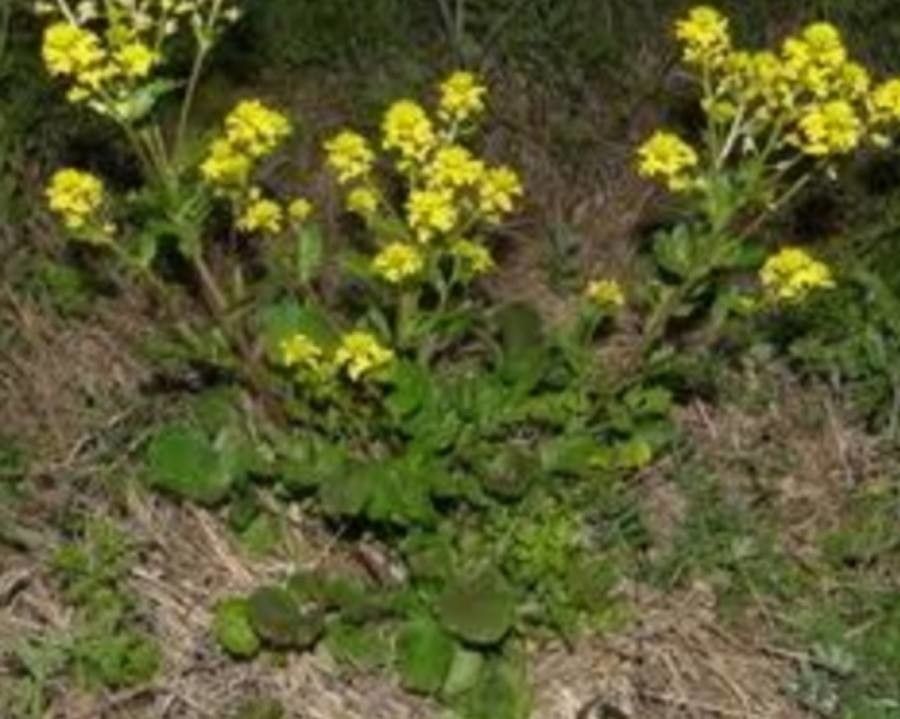
Barbarea stricta, the small-flowered winter-cress, is a species of plant in the family Brassicaceae.
Small-flowered winter-cress is fairly resistant to disease and typically not vulnerable to illnesses. Still, it can be affected by pests and diseases present in its environment. When infections do occur, they are generally mild. Regarding care, this plant needs moderate attention. It should be pruned on a regular basis to preserve a neat appearance and support healthy growth. Applying fertilizer can also encourage better flowering. Small-flowered winter-cress is appropriate for anyone with outdoor areas like a garden or patio and does not demand extensive gardening experience. It may need extra care if grown indoors.
How to keep Barbarea Stricta.
Light
Small-flowered winter-cress comes from bright, open habitats and performs best in full sun. It will tolerate some partial shade but prefers direct sunlight for optimal growth. This plant, which can be annual or biennial, is noted for its sun-loving character.
Water
Small-flowered winter-cress thrives in temperate climates with consistently moist soil and benefits from weekly watering. While it has moderate drought tolerance, the plant has evolved to efficiently absorb water during rainfall, allowing it to adapt well to changes in water availability.
Temperature
Small-flowered winter-cress can tolerate a wide range of temperatures, but its distribution may still be restricted by various combinations of moisture and heat. It grows best in warm summer conditions with sufficient rainfall or irrigation. Extended periods of cloudy, rainy weather or prolonged high temperatures can raise the chance of Small-flowered winter-cress dying. In winter, adequate protection from cold can increase the plant's survival.
Fertilizer
Small-flowered winter-cress are regarded as heavy feeders when it comes to nutrients. They need frequent, low doses of nitrogen and potassium fertilizers and periodic applications of phosphorus, micronutrients, sulfur, and magnesium to maintain good growth and bright coloration. Continuous fertilization throughout the growing season is required to prevent deficiency symptoms and maintain optimal growth.
Pruning
Small-flowered winter-cress is characterized by its small yellow flowers and a rosette of leaves. To maintain its health, prune it in early to late spring. Focus on removing any damaged stems and thinning out crowded areas. This improves air circulation, promotes healthy growth, and ensures better blooming by optimizing energy use before the flowering season.
Botanical profile.
- Plant Type
- Herb
- Life Cycle
- Biennial, Perennial
- Genus
- Barbarea
- Family
- Brassicaceae
- Hardiness Zone
- 4-8
- Mature Height
- 40 cm to 76 cm
- Mature Spread
- 20 cm to 40 cm
- Leaf Color
- Dark Green
- Leaf Type
- Semi-evergreen
- Flower Color
- Yellow
- Flower Size
- 0.51 cm to 0.76 cm
- Bloom Time
- Mid spring, Late spring, Early summer
- Planting Time
- Spring, Summer, Autumn
- Harvest Time
- Summer
- Native Area
- Sweden, Austria, Czech Republic, Slovakia, Montenegro, Bulgaria, Poland, Croatia, Slovenia, Belarus, Ukraine, Serbia, Russia, Lithuania, Norway, Hungary, Germany, Kyrgyzstan, Kazakhstan, Italy, Denmark, Estonia, Finland, Azerbaijan, United Kingdom, Romania, Latvia, Netherlands
Other names.