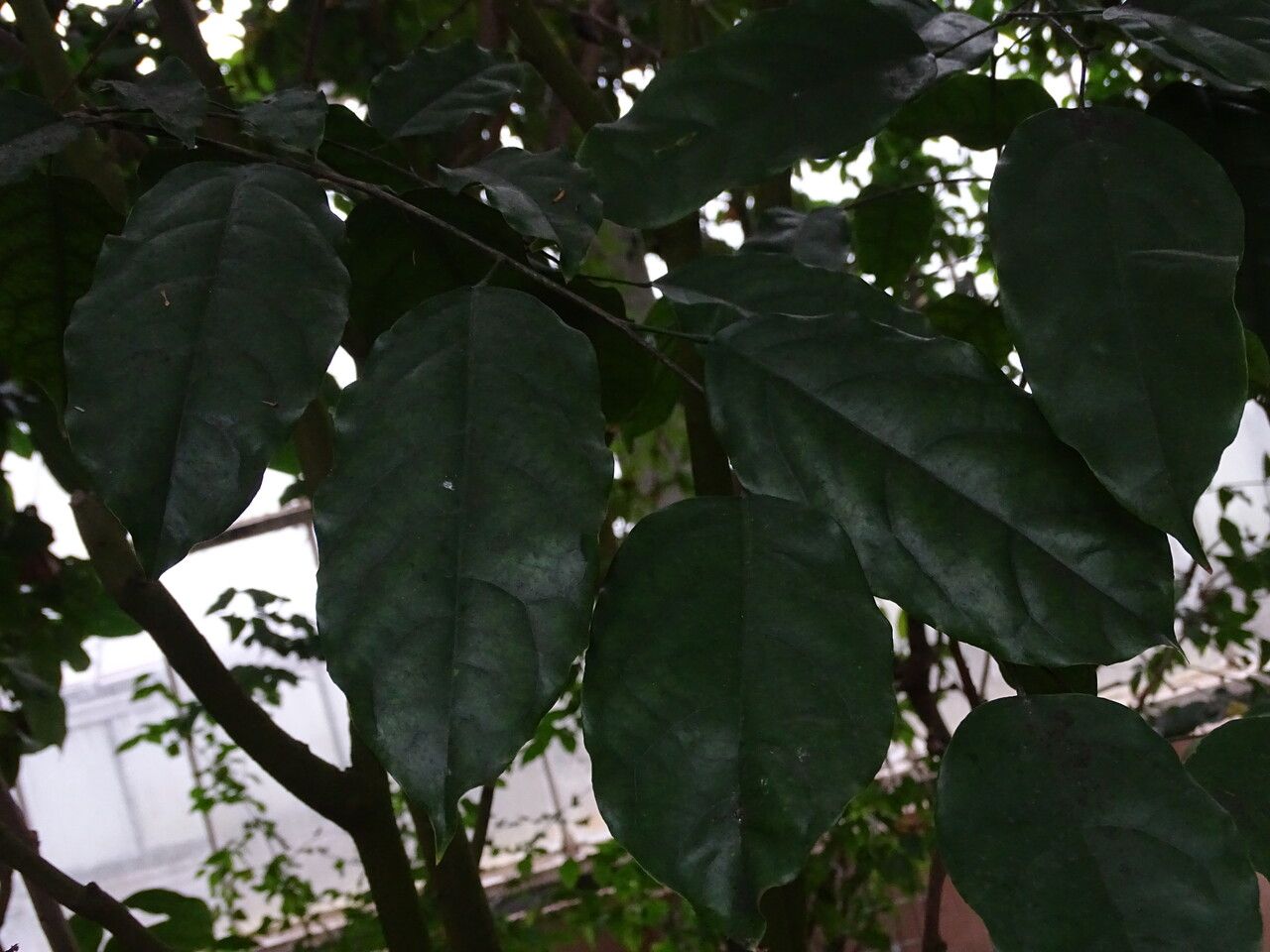
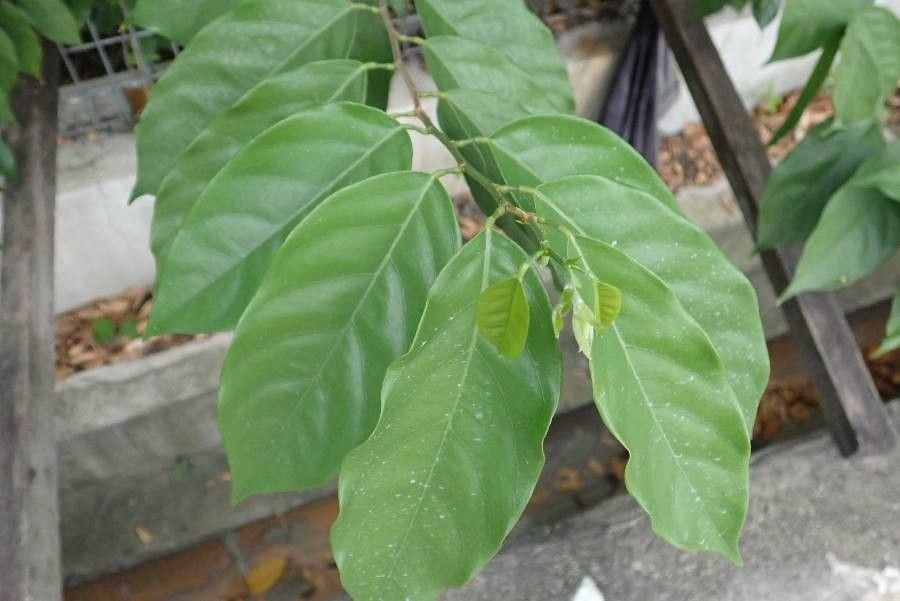
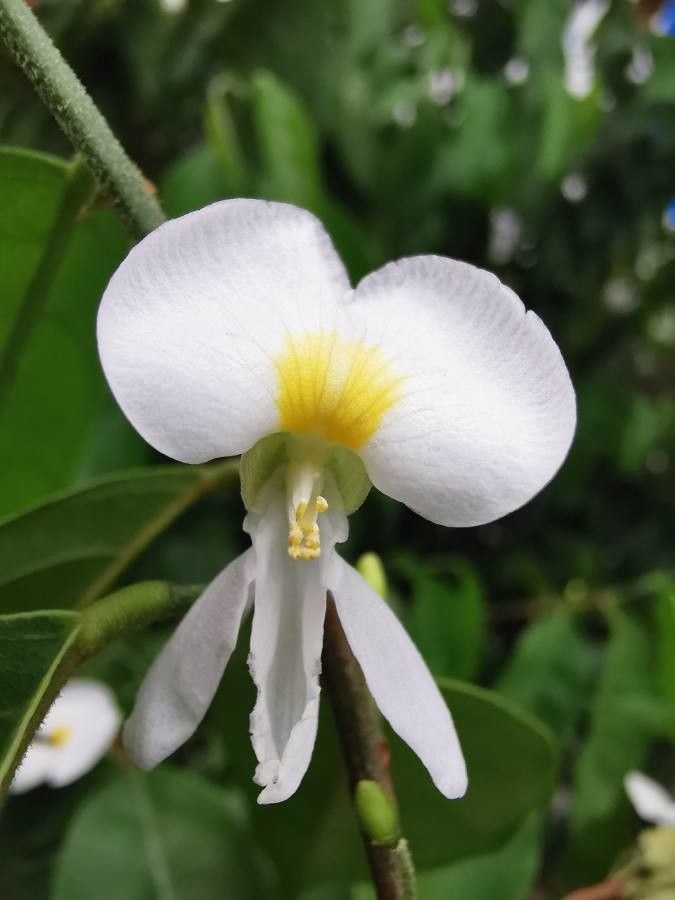
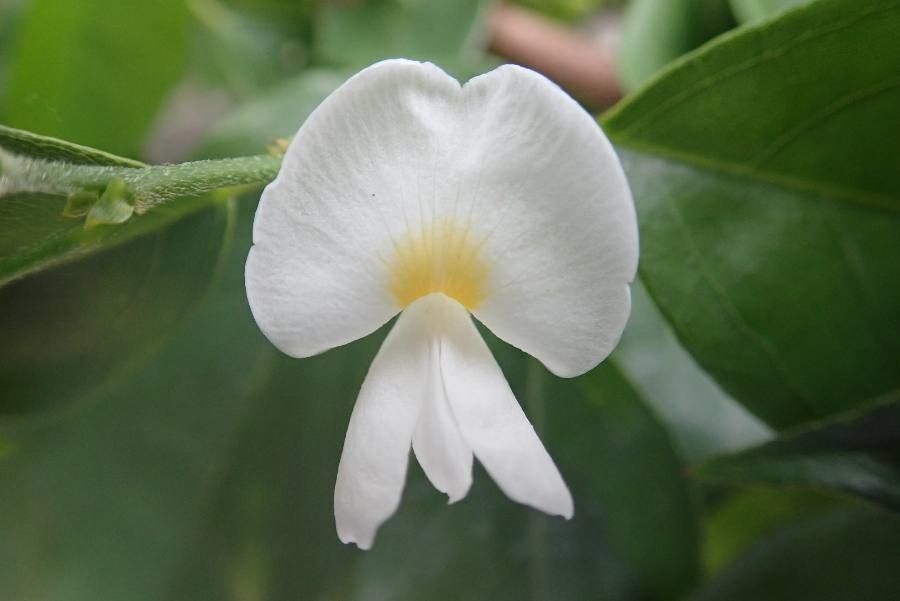
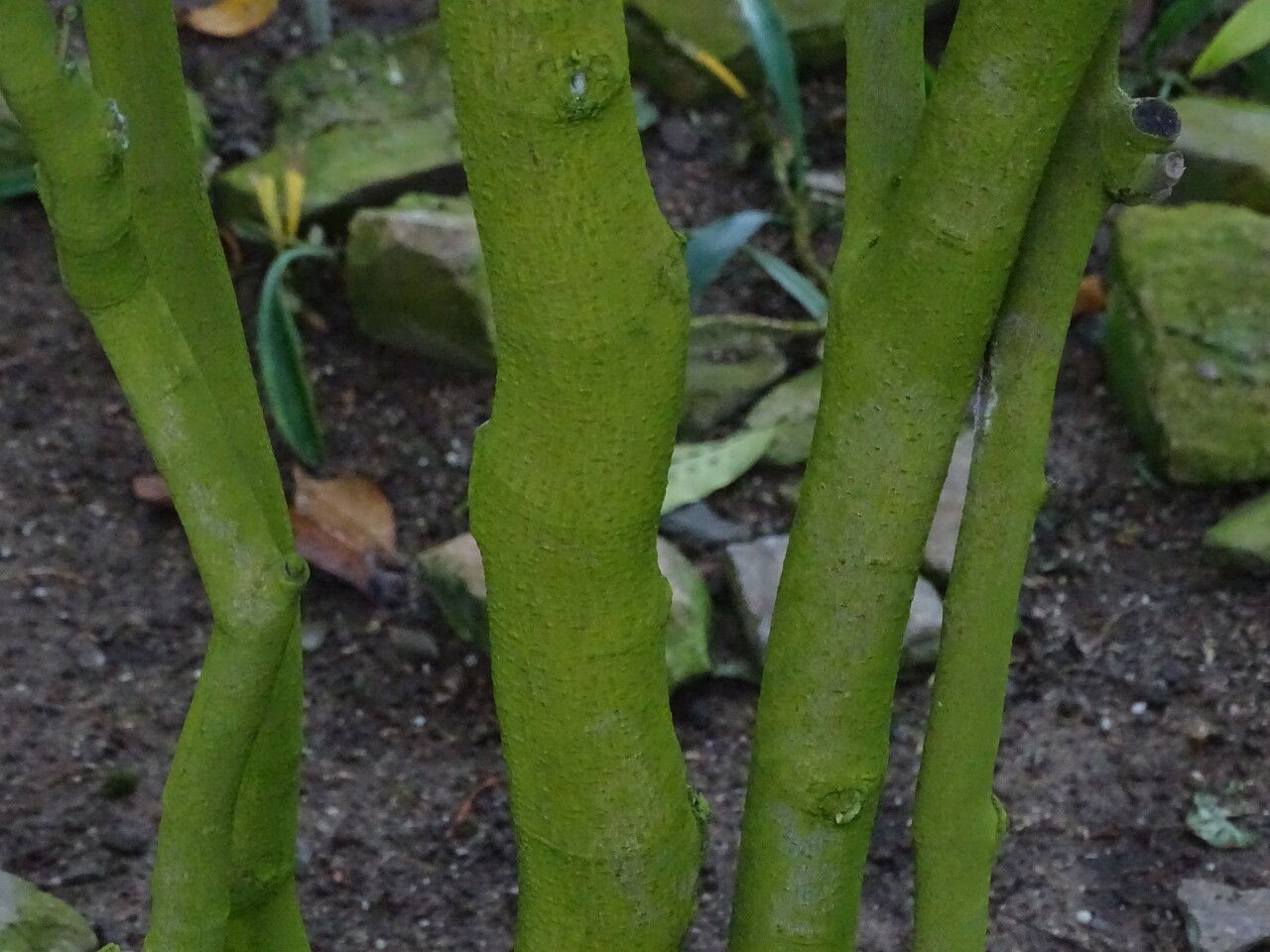
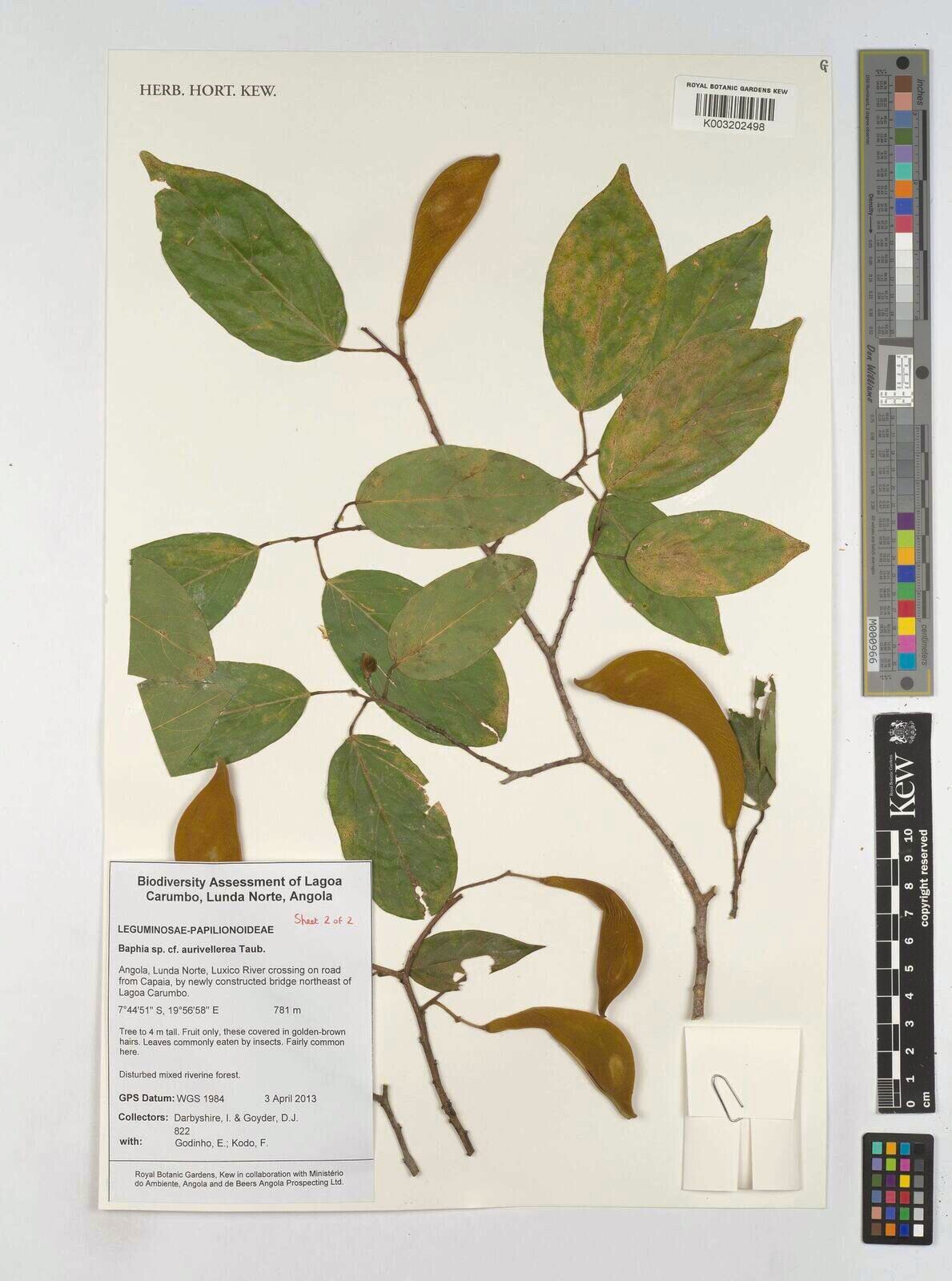
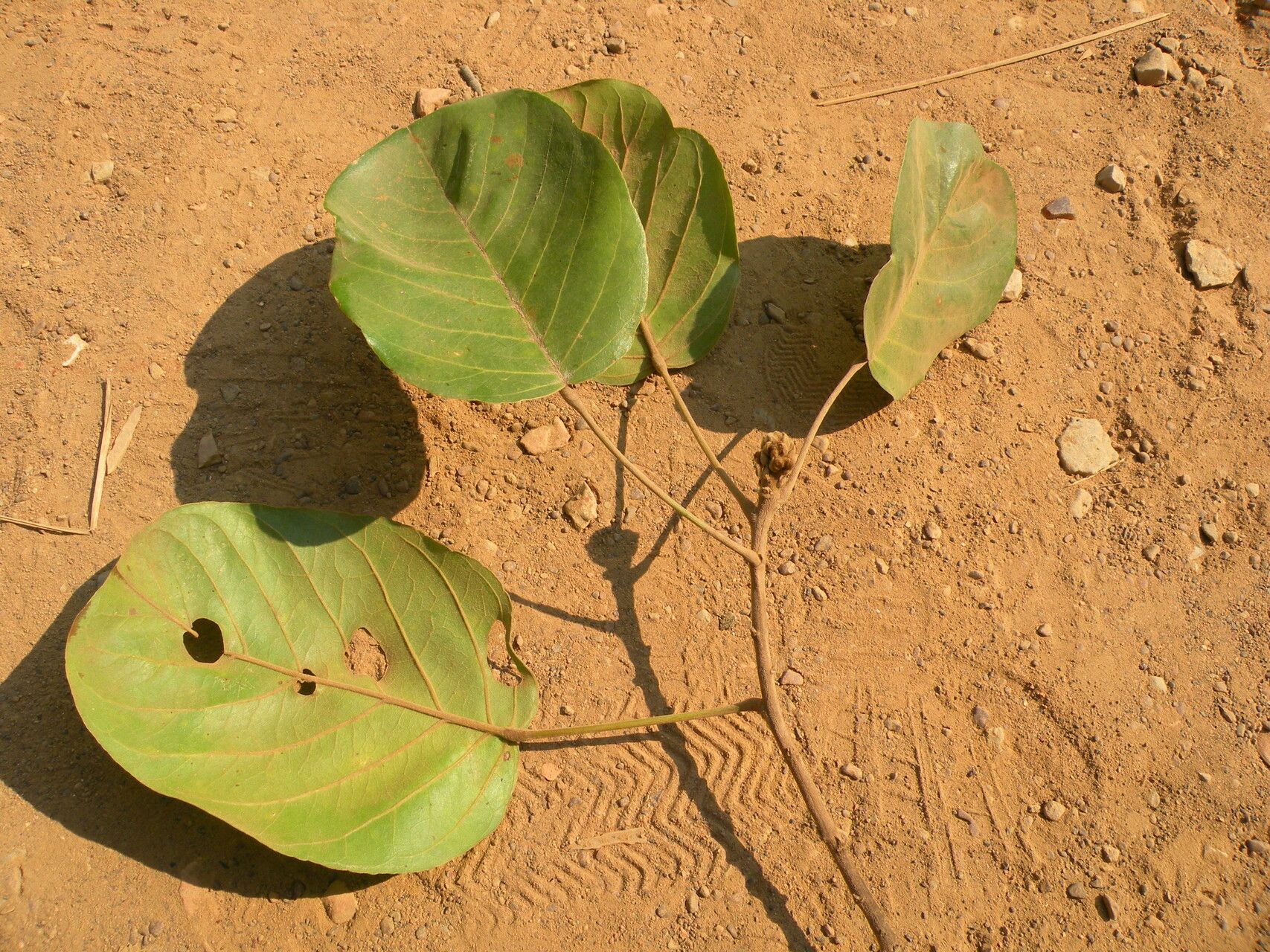
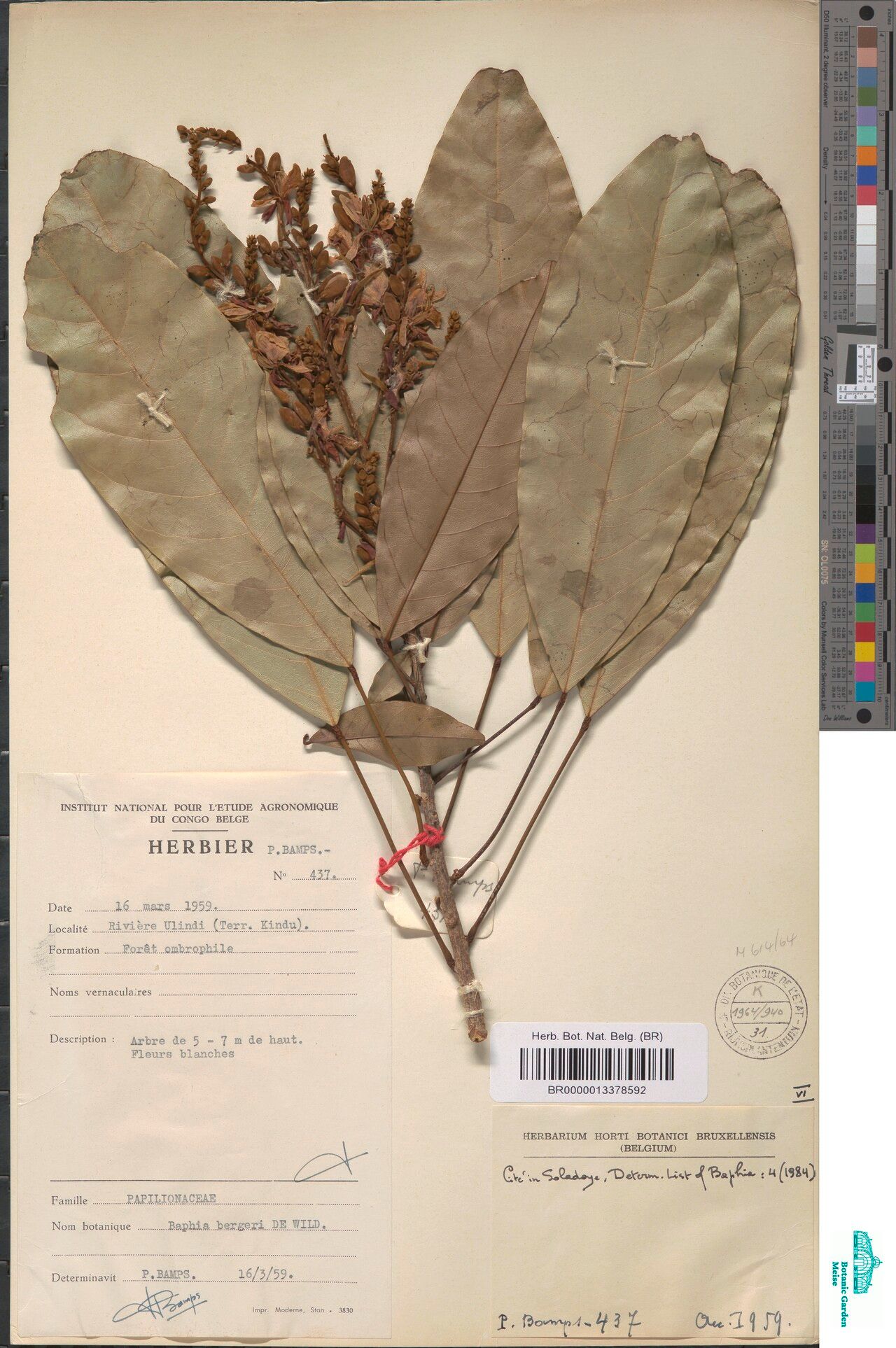
Baphia nitida, also known as camwood, barwood, and African sandalwood (although not a true sandalwood), is a shrubby, leguminous, hard-wooded tree from central west Africa. It is a small understorey, evergreen tree, often planted in villages, and known as osun in Yoruba. The wood is of a very fine colour, and is used in woodturning for making knife handles and similar articles. The tree's bark and heartwood are commonly used to make a brilliant but non-permanent red dye, which is soluble in alkali. Pterocarpin is a pterocarpan found in B. nitida.Osun (camwood) extract is also used in some soaps and skin treatments, primarily among the Yoruba people of West Africa. The extract of the Camwood can be formed into a soft soap like material that is thought to promote healthy skin.
African sandalwood is highly resistant to disease and is generally not prone to illnesses. In terms of care, this plant is relatively low-maintenance. When grown outdoors, it requires minimal watering, and larger plants usually do not need pruning. However, smaller plants should be pruned after they have bloomed. African sandalwood is suitable for anyone with an outdoor space, such as a garden or deck, and does not require a great deal of care experience.
How to keep Baphia Nitida.
Light
African sandalwood prefers ample sunlight but can manage reasonably well with less. In its natural habitat it prospers with abundant sun. Too little light can result in slower growth and sparse foliage, while too much can stress the plant.
Water
African sandalwood thrives in tropical environments, where it can adapt to both heavy rainfall and periods of drought. It prefers moderate moisture levels, so it should be watered every two weeks, allowing the soil to dry out slightly between waterings. Although it is typically grown outdoors, African sandalwood benefits from the seasonal rains that occur during its active growth period.
Temperature
African sandalwood is native to areas where temperatures range from 68 to 100.4 °F (20 to 38 ℃). It grows especially well in these warm climates. To achieve optimal growth, recreate those conditions and adjust temperatures by season when necessary.
Fertilizer
The best time to fertilize an African sandalwood is in early spring, as it breaks dormancy. This supports overall growth and the development of flowers. Fertilization improves the foliage, stems, and branches, while encouraging large, vibrant, and long-lasting blooms. It helps transport nutrients from the roots to the flowers and enhances the plant's health and its resistance to disease.
Pruning
Pruning African sandalwood from early to late winter is highly beneficial. This process involves removing dead branches, thinning out crowded areas, and shaping the tree for aesthetic purposes. By doing so, you align with the tree's dormant phase, promoting healthy growth and reducing the risk of disease. Overall, this practice is essential for optimal care of African sandalwood.
Botanical profile.
- Plant Type
- Tree, Shrub
- Life Cycle
- Perennial
- Genus
- Baphia
- Family
- Leguminosae
- Hardiness Zone
- 10-12
- Mature Height
- 10.06 m
- Mature Spread
- 10.06 m
- Leaf Color
- Dark Green
- Leaf Type
- Evergreen
- Flower Color
- White
- Flower Size
- 1.02 cm to 2.03 cm
- Bloom Time
- Late spring, Summer, Early fall, Mid fall
- Planting Time
- Spring, Summer
- Harvest Time
- Fall, Winter
- Native Area
- Benin, Djibouti, Sierra Leone, Equatorial Guinea, Cameroon, Liberia, Togo, Senegal, Ghana, Côte d'Ivoire, Nigeria, Guinea, Gabon
Other names.
Reader questions.
What are the sunlight requirements for African sandalwood (Baphia nitida)?
African sandalwood, or Baphia nitida, thrives best with generous exposure to full sunlight, preferably receiving above 6 hours of sunlight daily. It grows well in its natural habitat under abundant solar exposure, although it can tolerate some variations in light. Too little sunlight may result in slower growth and sparse foliage, whereas too much sunlight could stress the plant. Watching how sunlight moves through your garden can help in choosing spots that offer a perfect balance of light and shade, ensuring the plant's happiness.
What is the optimal temperature range for growing African Sandalwood?
African sandalwood, botanically known as Baphia nitida, flourishes in temperatures ranging from 68 to 100.4 °F (20 to 38 °C). These conditions are indicative of its indigenous warm environments. To encourage optimal growth, it's crucial to replicate these temperature conditions, making necessary adjustments with the change of seasons. The plant has a strong preference for heat, and exposure to cold temperatures can be detrimental. Therefore, during the cooler months of autumn, it is advisable to bring outdoor-grown African sandalwood indoors, placing it near a bright window yet away from direct heat sources like heaters, to maintain a conducive growth temperature above 20°C. Ensuring the plant is protected from cold and is not subjected to temperatures nearing 5°C is essential for its well-being.
How can artificial lighting be used for African sandalwood?
When natural sunlight is insufficient for African sandalwood, especially during winter or in less sunny spaces, artificial lighting can provide a vital solution. For indoor plants, LED lights are a popular choice because they can be customized to provide specific wavelengths needed for plant growth. Full sun plants need 30-50W/sq ft of artificial light, partial sun plants 20-30W/sq ft, and full shade plants 10-20W/sq ft. The light source should be placed 12-36 inches above the plant to mimic natural sunlight, and most plants will need 8-12 hours of light per day.
What are the symptoms of low temperature exposure in African Sandalwood, and how can you mitigate them?
African sandalwood shows a marked preference for warm climates and does not thrive in cold conditions, with optimal growth observed when temperatures are maintained above 20°C. Exposure to temperatures below 5°C, especially if it dips below 1°C, leads to noticeable stress symptoms - such as a lightening of leaf color which could eventually turn brown or black as a result of frost damage, accompanied by wilting and drooping. To address frost damage, affected parts should be promptly trimmed off. The plant should then be moved indoors to a warmer environment, ideally placed near a south-facing window for adequate sunlight exposure, while ensuring it is not positioned too close to heaters or air conditioning vents, which could exacerbate air dryness and create an unfavorable environment for the plant.
What are the symptoms of light deficiency in African sandalwood?
Symptoms of light deficiency in African sandalwood include smaller new leaves compared to mature ones, leggy or sparse growth indicating a longer space between leaves or stems, early dropping of older leaves to conserve resources, slower or halted new growth as the plant enters survival mode, pale new leaves suggesting insufficient chlorophyll and nutrients, and chlorosis where leaves lose their green color and turn yellow. Other signs include sunscald, leaf curling as a defense mechanism against too much sunlight, wilting from increased water loss, and leaf scorching with dry and crispy edges due to excessive exposure.
How should African sandalwood be cared for during high temperature conditions?
In the warmer summer months, African sandalwood should ideally be kept below 38°C to avoid heat stress. Exposure to temperatures above 43°C can lead to a lightening of the leaves' color and increase the risk of sunburn for the plant. To mitigate the effects of high temperatures, it's advisable to trim away the sunburned and dried-up parts of the plant, and relocate it to a shaded area, particularly shielding it from the harsh midday and afternoon sun. Regular watering in the morning and evening will help in keeping the soil adequately moist, supporting the plant’s health during periods of excessive heat.
What are effective solutions for addressing sunlight deficiency in African sandalwood?
Effective solutions for sunlight deficiency in African sandalwood include gradually moving the plants to sunnier locations where they can receive at least 6 hours of direct sunlight daily. For indoor plants, this could mean using a south-facing window or employing artificial light such as desk or ceiling lamps for at least 8 hours a day. Outdoors, it's important to adapt the plants to brighter conditions by moving them to sunnier spots weekly, avoiding sudden changes to prevent sunburn. Additionally, reducing obstructions like pruning trees and, for smaller plants, transplanting during the dormant period to a location with ample sunlight and good drainage can help in maximizing sunlight exposure.