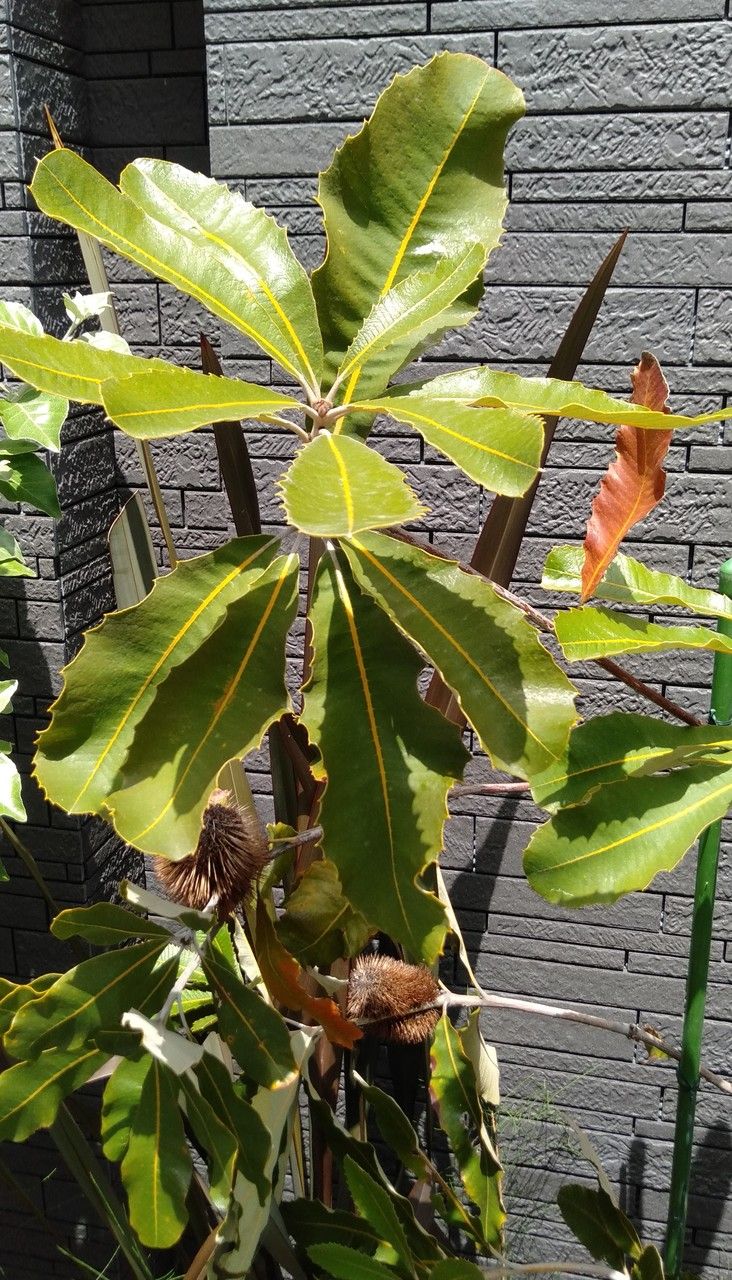
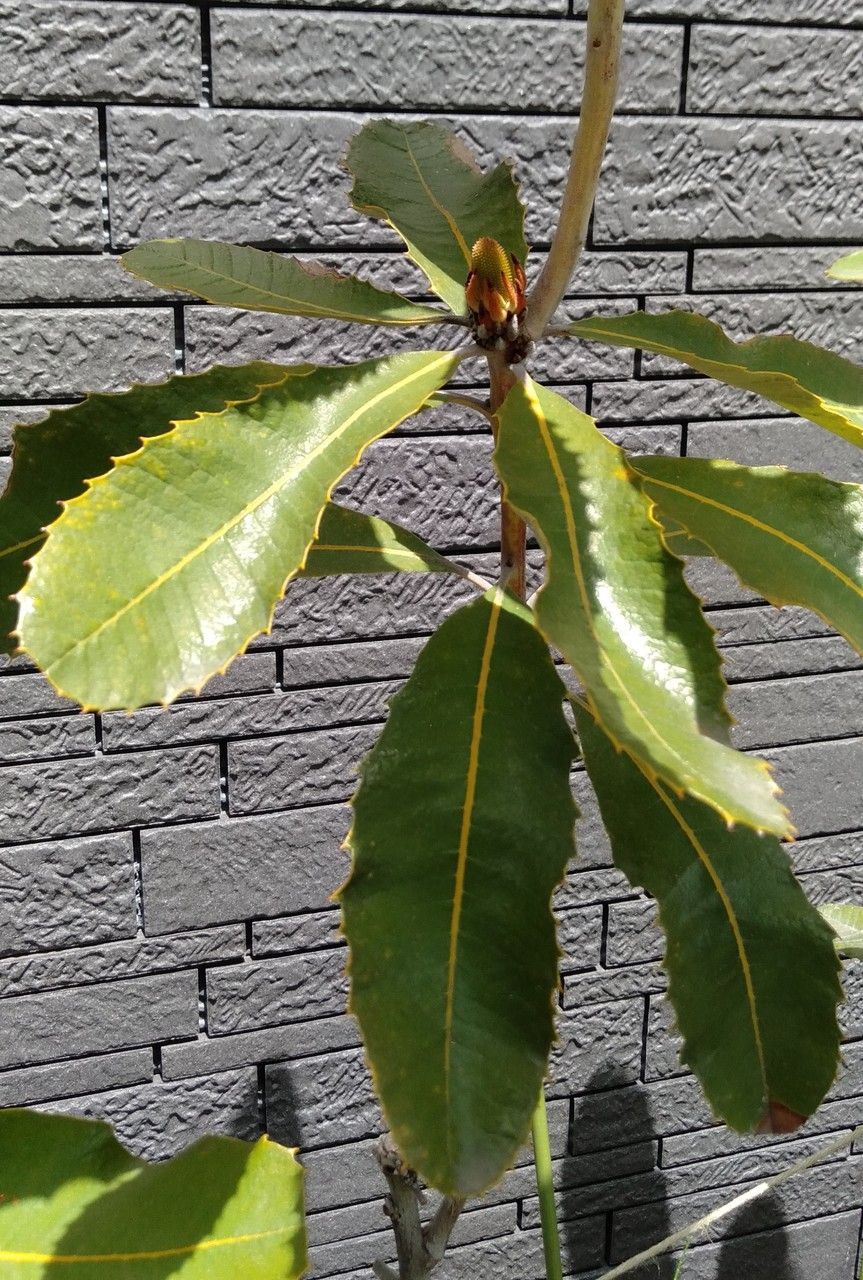
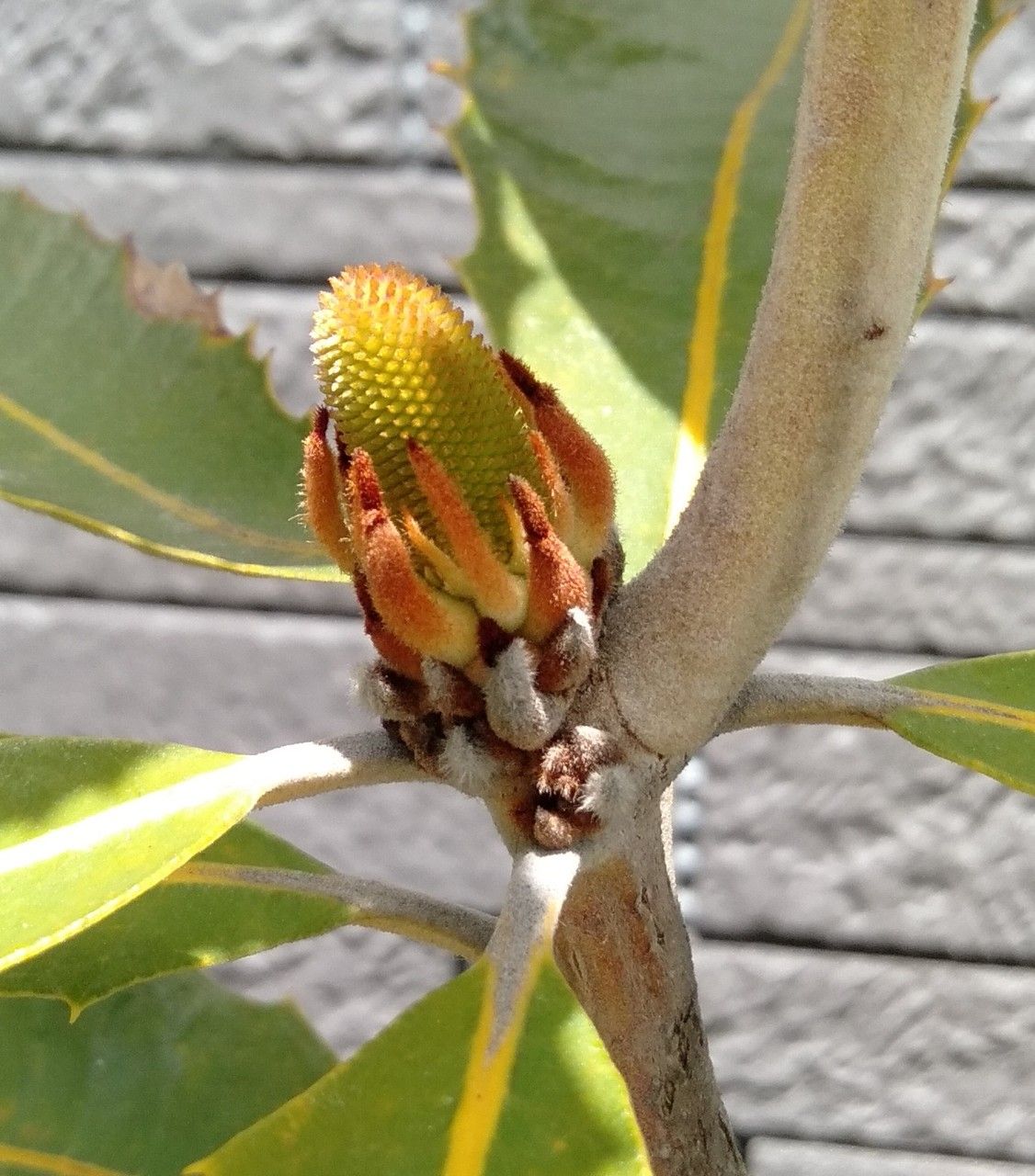
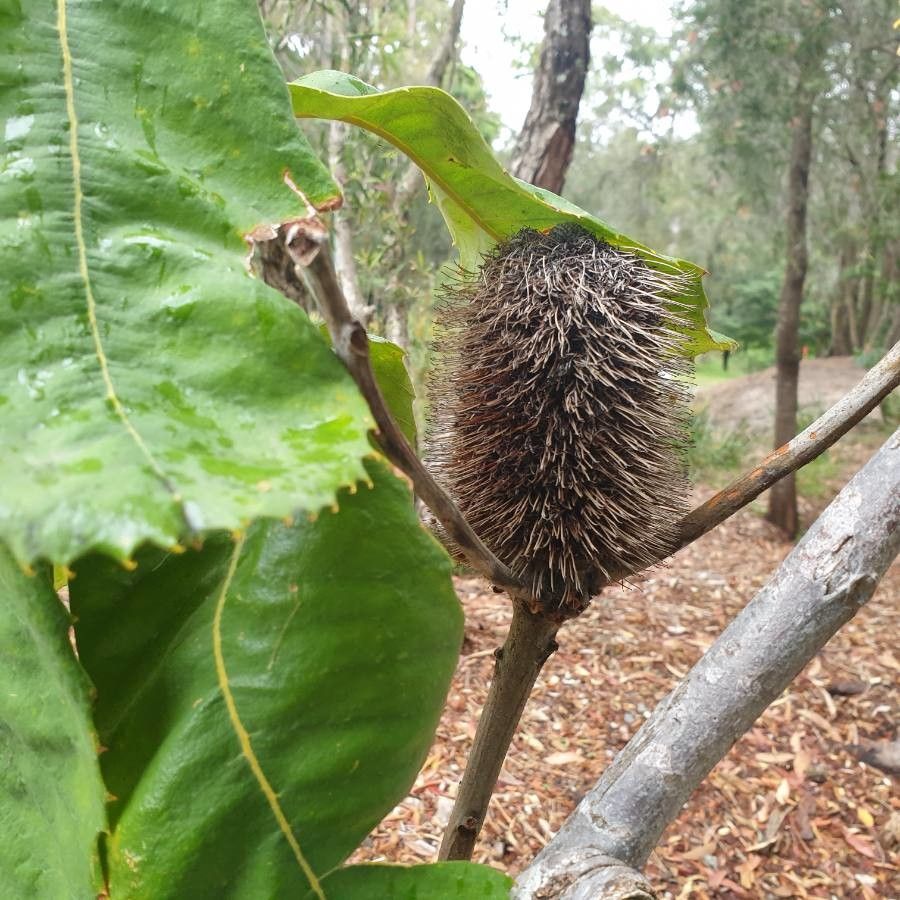
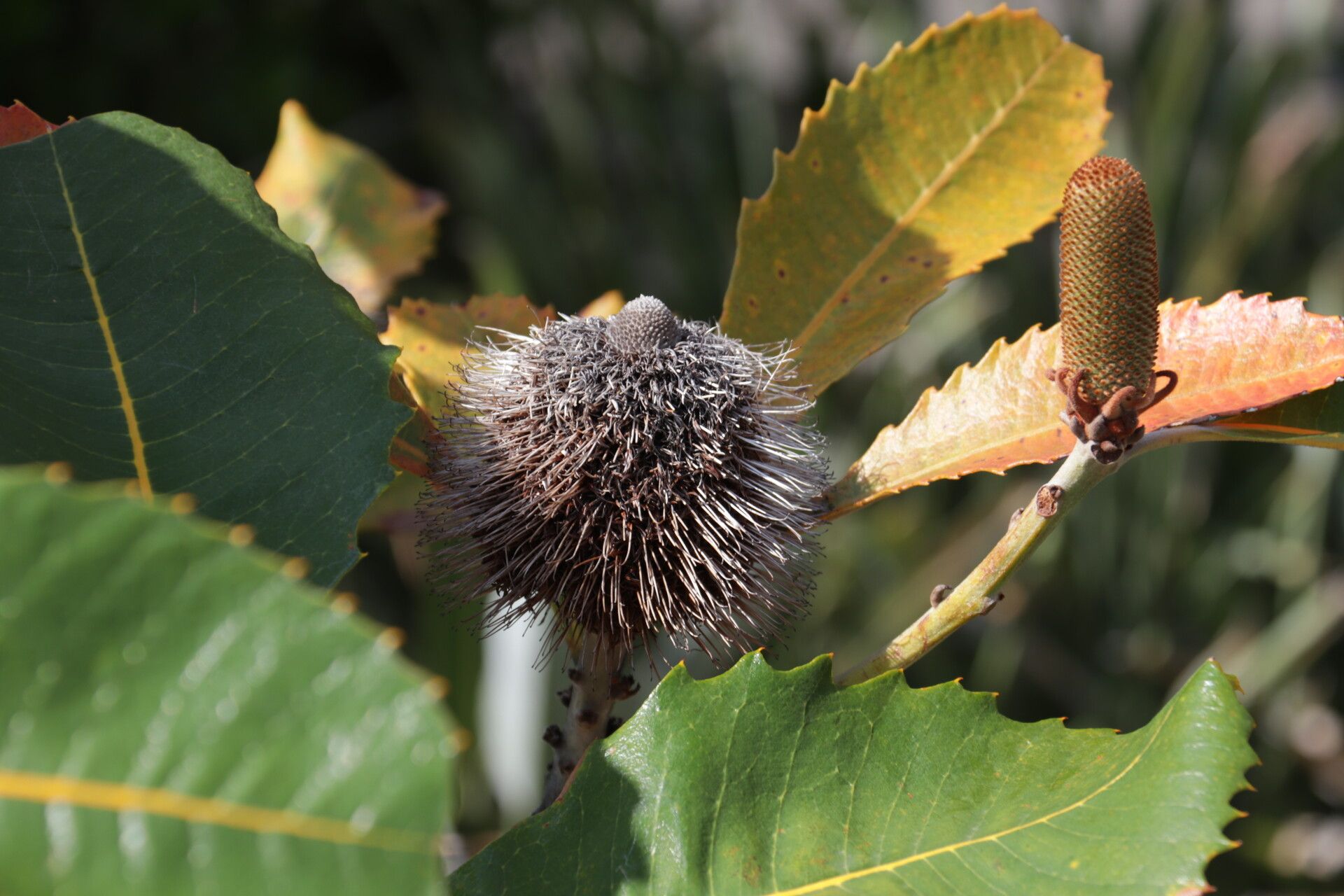
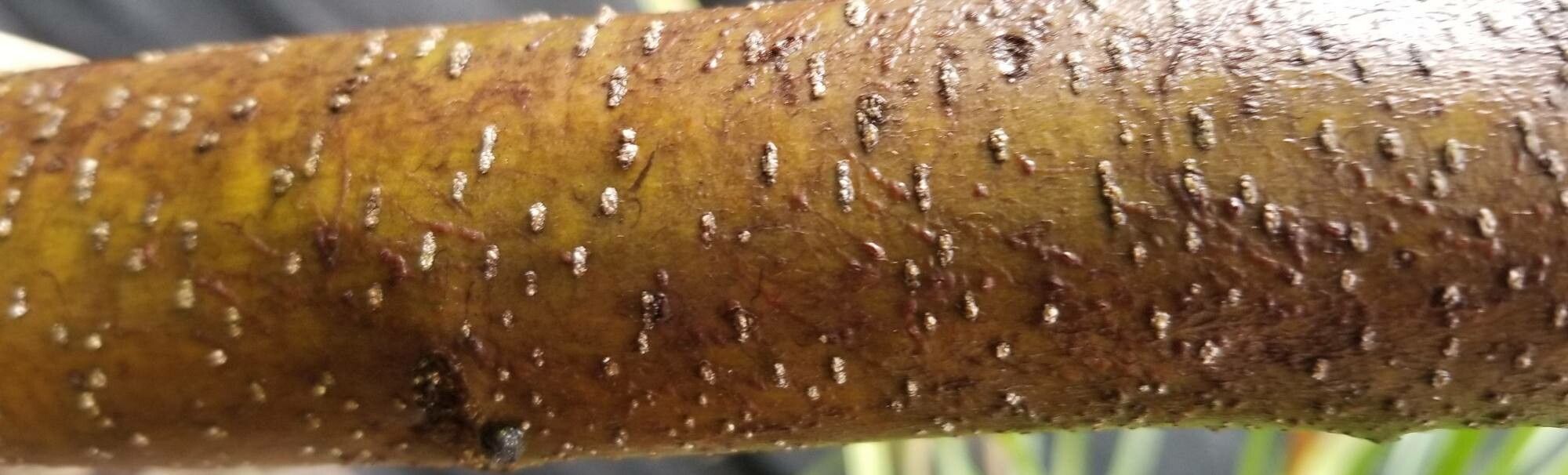
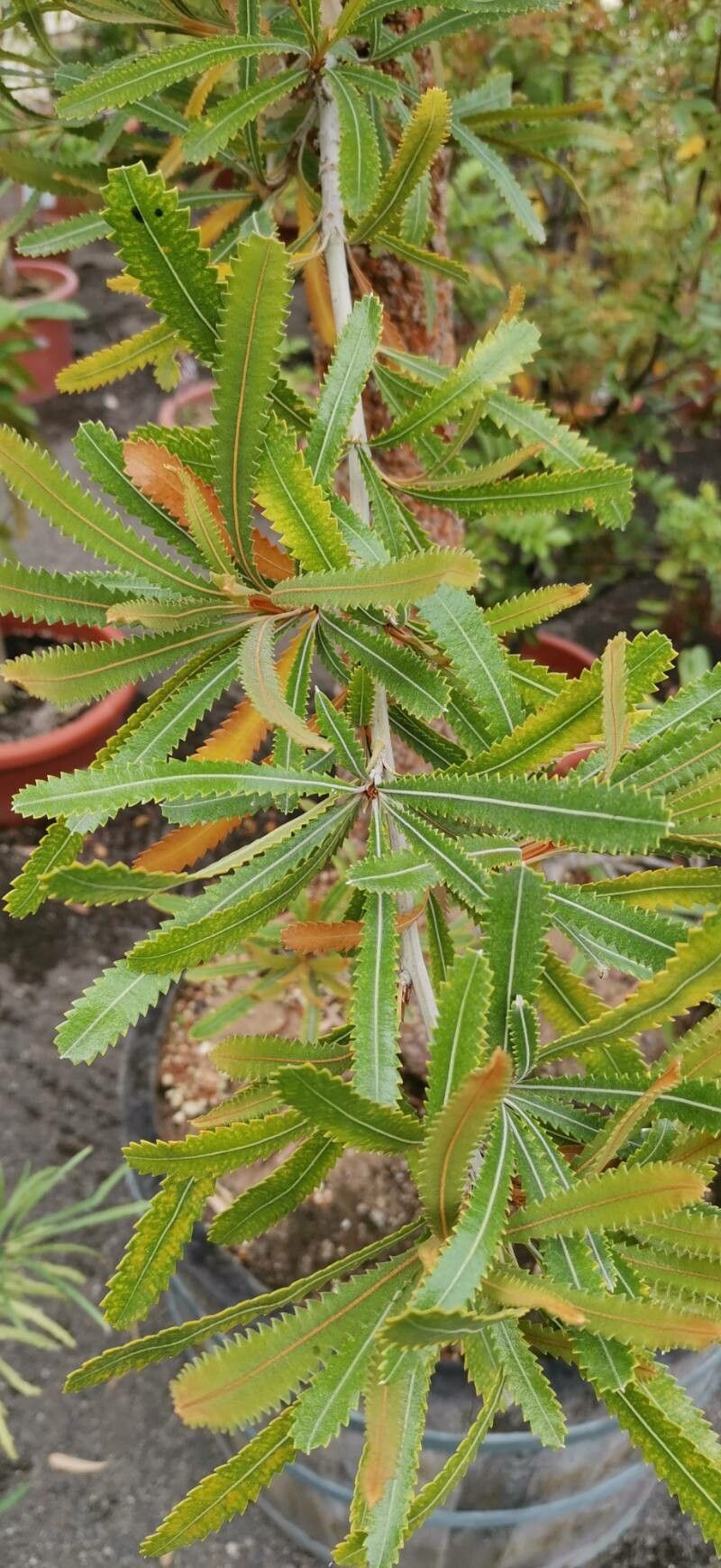
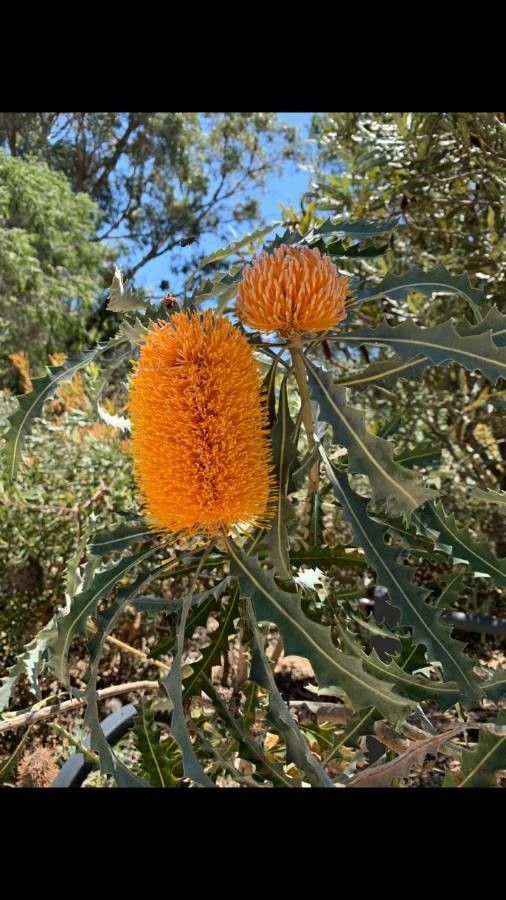
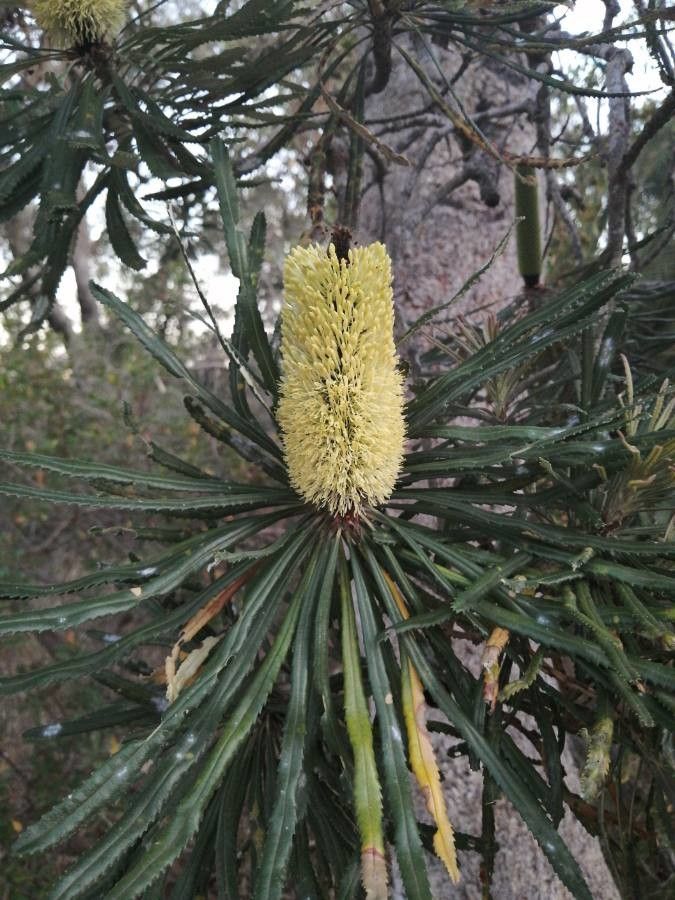
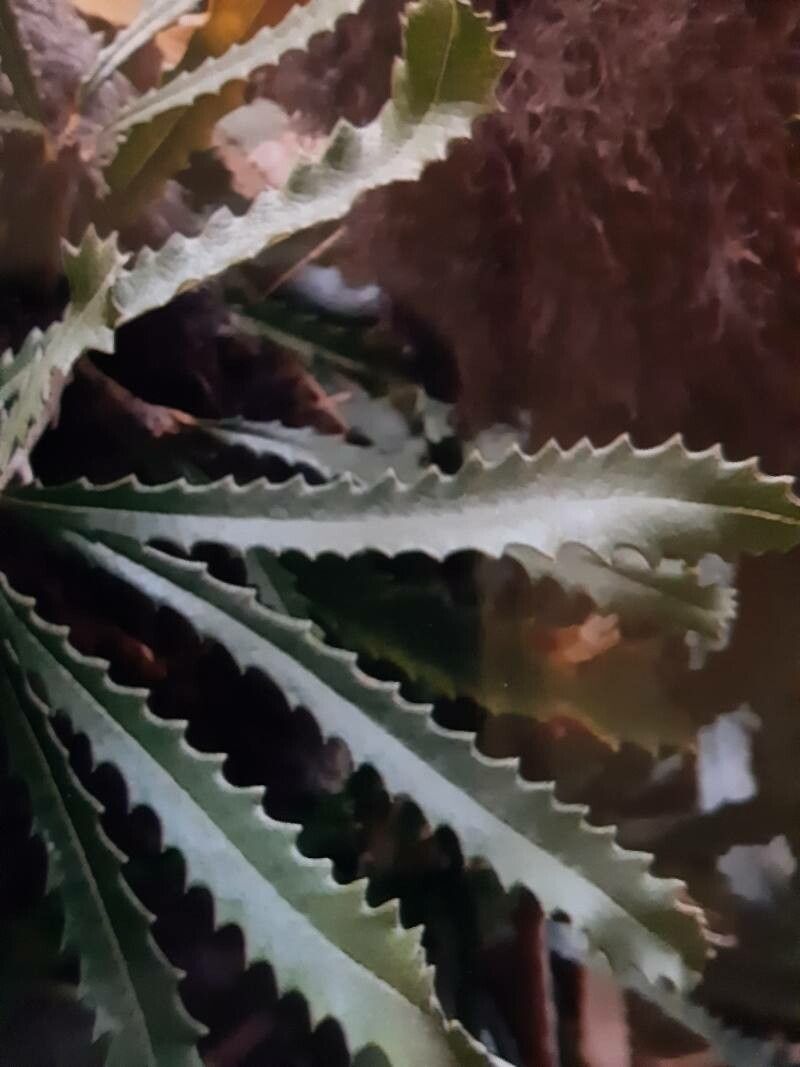
Banksia robur, commonly known as swamp banksia, or less commonly broad-leaved banksia, grows in sand or peaty sand in coastal areas from Cooktown in north Queensland to the Illawarra region on the New South Wales south coast. It is often found in areas which are seasonally inundated. Although it was one of the original banksias collected by Joseph Banks around Botany Bay in 1770, it was not named until 1800 by Cavanilles, with a type collection by Luis Née in 1793.
Swamp banksia is resistant to disease and is generally not susceptible to illnesses. In terms of care, this plant is fairly low-maintenance. Planted outdoors it needs only minimal watering, and larger specimens usually do not require pruning. Smaller plants, however, should be pruned after they have finished blooming. Swamp banksia is appropriate for anyone with an outdoor area, such as a garden or deck, and does not demand much care experience.
How to keep Banksia Robur.
Light
Swamp banksia comes from open habitats, like sunny meadows and the edges of forests, which supply plenty of light. It prefers Full Sun but can tolerate Partial Sun, adjusting well to different light conditions.
Water
Swamp banksia originated in coastal swamps and thrives in consistently moist environments. While it can handle brief dry spells, it needs weekly watering to grow optimally. As an evergreen plant, swamp banksia benefits from natural rainfall, which helps maintain its lush foliage all year round.
Temperature
Swamp banksia is fairly adaptable to temperature, able to endure higher heat and wide temperature fluctuations. In hot weather, attention should be paid to watering and providing some shade to prevent sunburn. On the other hand, its resistance to cold is relatively limited; although it tolerates some chill, very low temperatures can cause frost damage.
Fertilizer
Timing is important when fertilizing Swamp banksia. Apply fertilizer in early spring and continue on a monthly basis until early summer. Fertilizer encourages attractive blooms and supplies energy during both dormant and active growth periods.
Pruning
The swamp banksia is known for its large, leathery leaves and striking golden flower spikes. For optimal care, prune the plant during its dormant period, which falls from early to late winter. Focus on removing dead wood and thinning out crowded branches to improve airflow and promote healthy growth. Always use clean, sharp tools when pruning, and consider the plant's natural shape to maintain its aesthetic appeal.
Botanical profile.
- Plant Type
- Shrub
- Life Cycle
- Perennial
- Genus
- Banksia
- Family
- Proteaceae
- Hardiness Zone
- 9-11
- Mature Height
- 2.44 m
- Mature Spread
- 2.13 m
- Leaf Color
- Dark Green
- Leaf Type
- Evergreen
- Flower Color
- Yellow, Brown
- Flower Size
- 10.16 cm to 15.24 cm
- Bloom Time
- Late summer, Early fall, Mid fall
- Planting Time
- Spring, Summer, Autumn
- Harvest Time
- Late fall, Early winter, Mid winter
Other names.