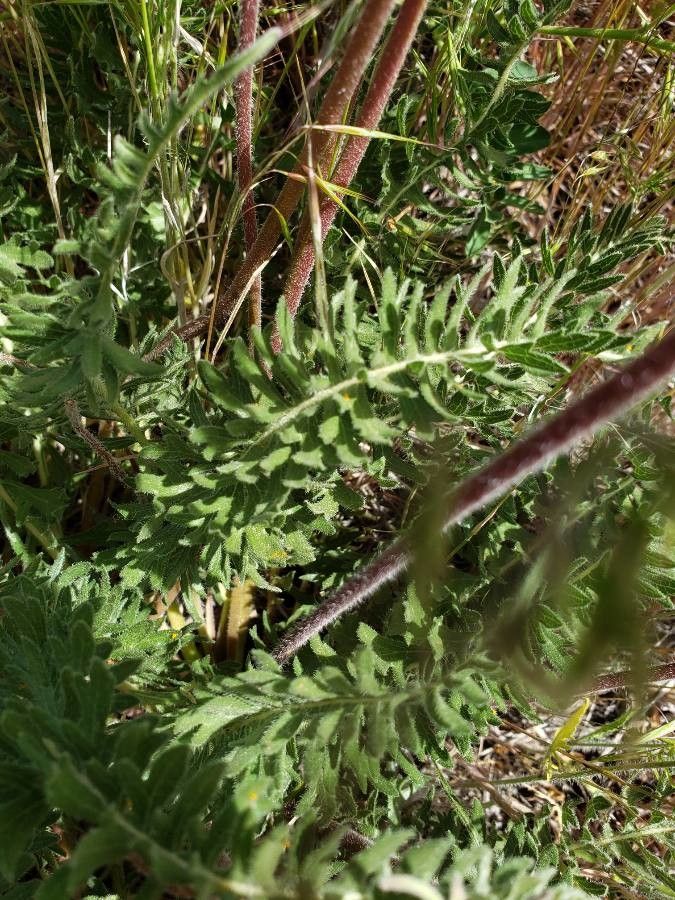
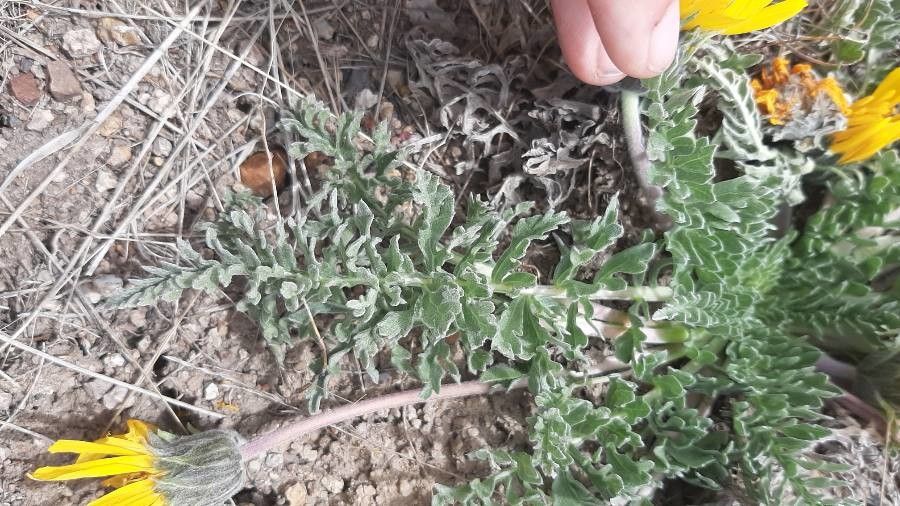
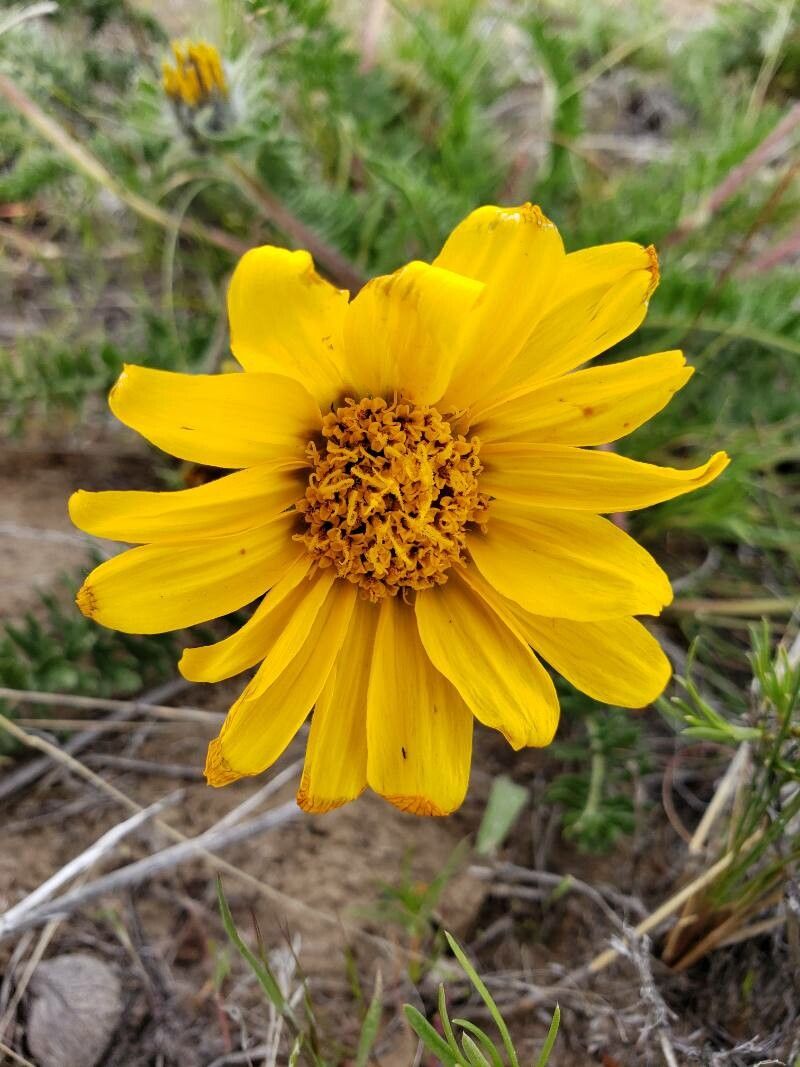
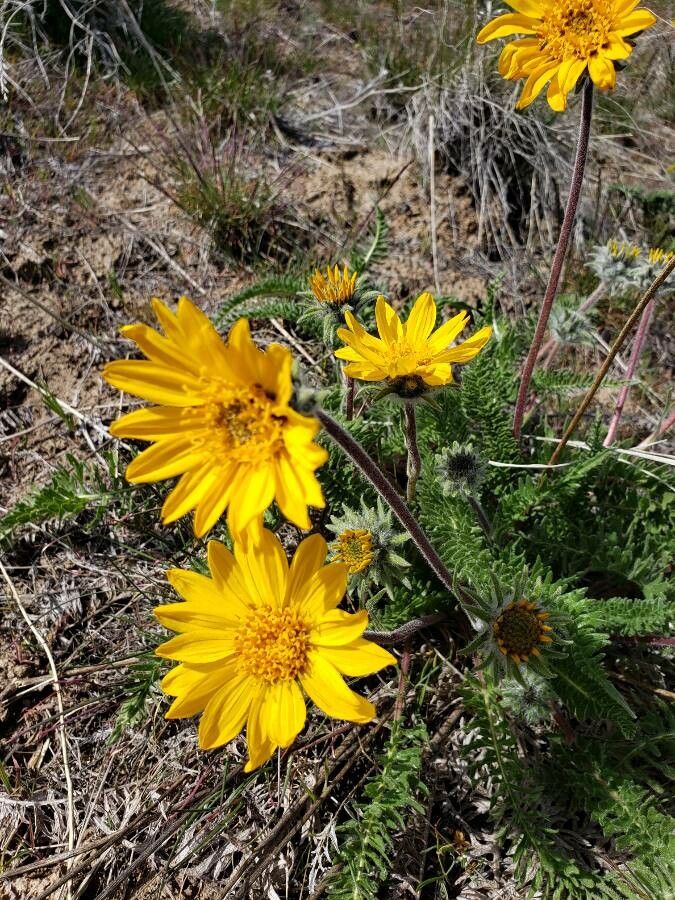
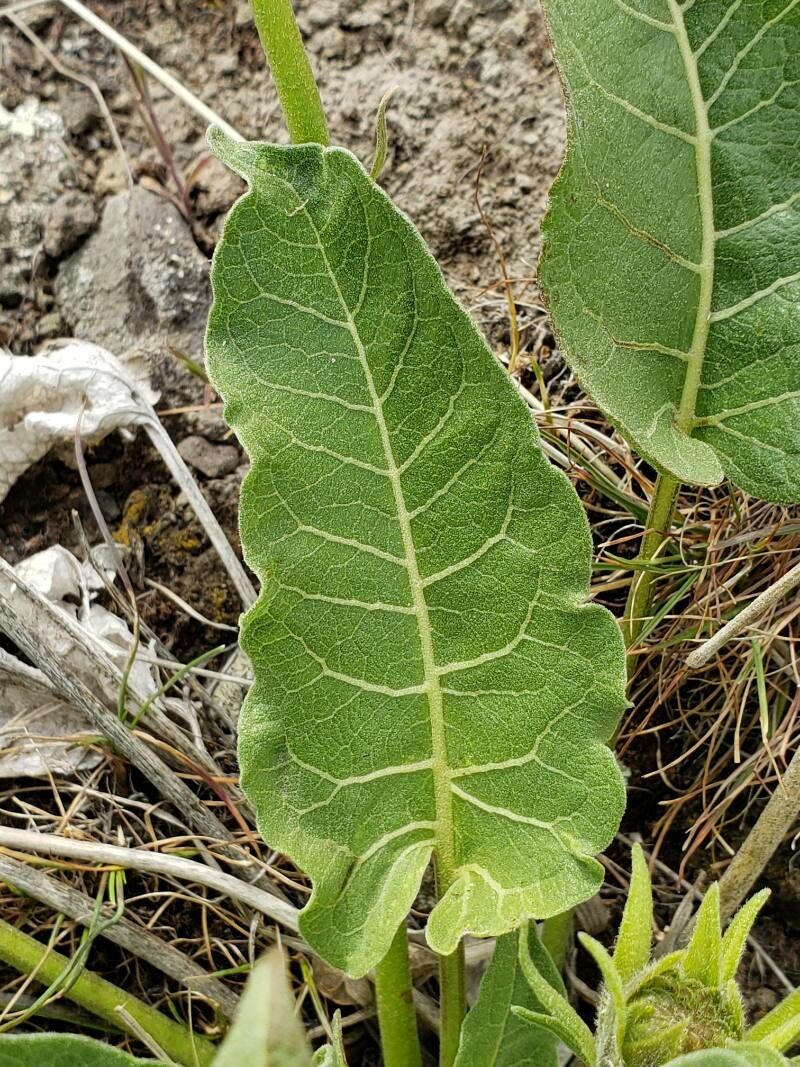
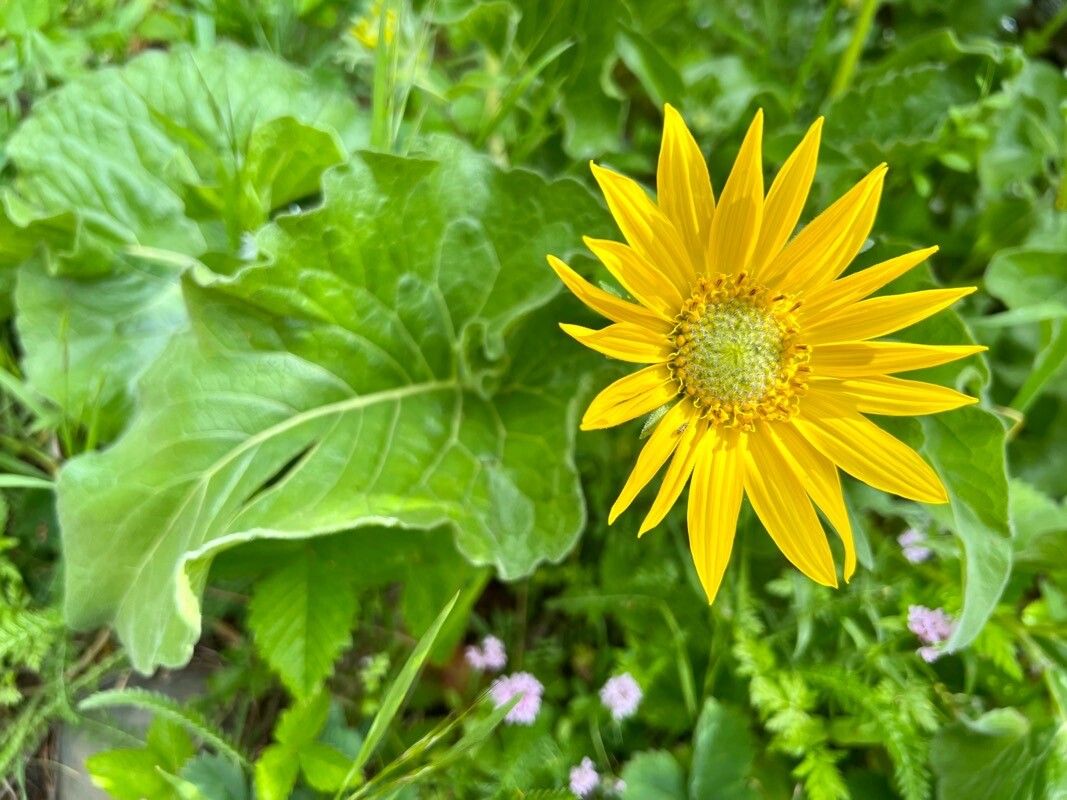
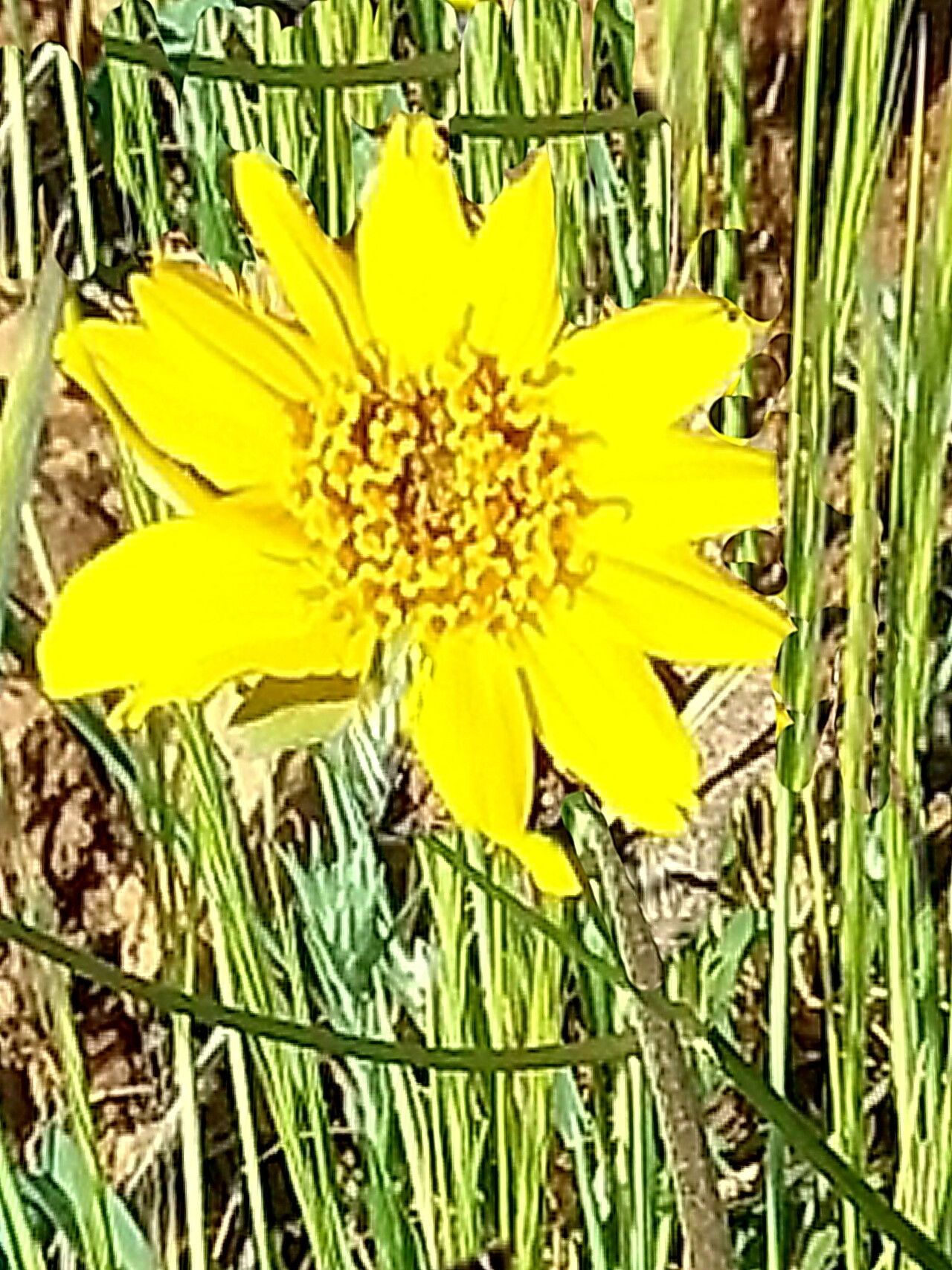
Balsamorhiza hookeri (Hooker's balsamroot) is a North American species of perennial plant in the family Asteraceae. It grows in the Great Basin and neighboring regions in the Western United States. It is found in Washington, Oregon, California, Idaho, Nevada, Utah, and Arizona.
Hooker's balsamroot is fairly disease-resistant and usually does not develop illnesses. However, it can be vulnerable to pests and diseases present in its environment. These problems are typically minor. For care, the plant needs a moderate amount of maintenance. It should be pruned regularly to preserve a tidy appearance and encourage healthy growth. Fertilizing can also help increase flowering. Hooker's balsamroot is appropriate for someone with outdoor space, such as a garden or patio, and does not demand extensive gardening experience. When grown indoors, it may need more attention.
How to keep Balsamorhiza Hookeri.
Light
Hooker's balsamroot thrives beneath an open sky and requires broad exposure to sunlight for optimal growth. If light levels are inadequate, the plant may suffer stunted development and muted coloration. Its native barren landscapes have conditioned it to tolerate and prosper in sunny environments. Excessive sunlight exposure has not been shown to have harmful effects on this plant.
Water
Hooker's balsamroot is uniquely adapted to arid environments and is highly drought-tolerant. To maintain its health, water the plant once a week, especially during its active growing season. Although it thrives outdoors, ensuring consistent soil moisture can improve its flowering potential.
Temperature
Hooker's balsamroot naturally occurs in habitats with distinct temperature limits, favoring temperatures between 41 and 89.6 °F (5 to 32 ℃). Seasonal variations may call for temperature adjustments to achieve optimal growth.
Fertilizer
The best time to fertilize Hooker's balsamroot is in early spring, as it comes out of dormancy and begins active growth. Fertilization supplies essential nutrients for healthy growth. Although Hooker's balsamroot has relatively low fertilizer needs, annual feeding can improve its survival and encourage better, longer-lasting flowers.
Pruning
Hooker's balsamroot is known for its vibrant yellow blooms and ability to withstand drought. To encourage healthy growth and flowering, it's best to prune it in early spring, removing any spent flowers and damaged stems. This trimming not only enhances the plant's shape but also reduces the risk of pests and improves air circulation. These practices help ensure that Hooker's balsamroot remains strong and visually appealing throughout its growth cycle.
Botanical profile.
- Plant Type
- Herb
- Life Cycle
- Perennial
- Genus
- Balsamorhiza
- Family
- Asteraceae
- Hardiness Zone
- 4-8
- Mature Height
- 10 cm to 30 cm
- Mature Spread
- 30 cm
- Leaf Color
- Green, Blue
- Leaf Type
- Deciduous
- Flower Color
- Yellow
- Flower Size
- 2.54 cm to 7.62 cm
- Bloom Time
- Mid spring, Late spring
- Planting Time
- Spring, Summer
- Harvest Time
- Early summer, Mid summer
Other names.
Reader questions.
What are the sunlight requirements for Hooker's balsamroot?
Hooker's balsamroot thrives best in conditions where it can receive above 6 hours of sunlight daily. It's essential to observe the movement of sunlight through your garden to find spots that offer a mix of light and shade, ensuring the plants get the ideal light for growth. This species flourishes under the open sky, indicative of its need for ample sunlight, crucial for preventing inhibited development and ensuring vivid coloring. While it's conditioned to endure and prosper in sunlit environments, the lack of sufficient light might result in poor growth outcomes.
What is the natural temperature range for Hooker's balsamroot?
Hooker's balsamroot thrives in environments with clear temperature boundaries, favoring a temperature range between 41 to 89.6 °F (5 to 32 °C). This range reflects its need for distinct seasonal temperature variations to achieve optimal growth.
How can artificial lighting be used for indoor Hooker's balsamroot?
When natural sunlight is not enough, especially during winter or in less sunny spaces, artificial lighting becomes essential for the optimal growth of indoor Hooker's balsamroot plants. LED lights are recommended because they can be adjusted to provide the specific wavelengths needed by your plant. The requirement varies with the plant's sunlight needs: 30-50W/sq ft for full sun plants, 20-30W/sq ft for partial sun, and 10-20W/sq ft for full shade. The light source should be placed 12-36 inches above the plant to mimic natural sunlight, and the duration should align with natural daylight hours, with most plants needing 8-12 hours of light per day.
Does Hooker's balsamroot require frost protection?
Hooker's balsamroot has a strong resistance to cold and usually does not require special frost protection measures. However, in cases where winter temperatures are expected to drop below -30°C, it is important to provide some form of cold protection. This can include covering the plant with materials like soil or straw. Additionally, watering the plant abundantly before the first freeze of autumn helps keep the soil moist and frozen, which aids the plant's survival through winter and early spring.
What are the symptoms of inadequate lighting for Hooker's balsamroot?
Hooker's balsamroot exhibits several symptoms when not receiving enough light, including smaller new leaves compared to older ones, leggy or sparse growth due to elongated spaces between leaves or stems, faster leaf drop as a method of conserving resources, delayed or halted growth, and lighter-colored new leaves indicating insufficient chlorophyll. Adverse effects of excessive sunlight exposure, such as chlorosis, sunscald, leaf curling, wilting, and leaf scorching, are also common, affecting the plant's ability to photosynthesize and overall health.
How does low temperature affect Hooker's balsamroot, and how can it be managed?
Hooker's balsamroot is cold-tolerant and prefers temperatures above 5°C. In winter, temperatures should be kept above -25°C. If temperatures fall below -30°C, though there may not be noticeable changes during winter, there could be a decrease in sprouting or no sprouting at all come spring. In such cases, the solution is to remove any parts of the plant that have failed to sprout in the spring.
How can I improve the lighting conditions for my Hooker's balsamroot?
To enhance growth, gradually expose your Hooker's balsamroot to more sunlight, aiming for at least 6 hours of direct sunlight if indoors. Utilizing a south-facing window can maximize sunlight exposure. If moving the plant isn't feasible, consider artificial lighting solutions like keeping a lamp on for at least 8 hours a day or investing in plant grow lights. Outdoors, slowly acclimate your plants to sunnier spots to avoid sunburn. Reducing obstructions, like pruning trees that shadow the plants, or transplanting smaller plants during their dormant period to sunnier locations with better drainage, can significantly benefit the plant's access to sunlight.
How does high temperature affect Hooker's balsamroot, and what are the solutions?
During the summer, keeping Hooker's balsamroot below 32°C is crucial. Exceeding 35°C can lead to leaves becoming lighter in color, prone to curling, susceptible to sunburn, and, in severe cases, the entire plant may wilt and dry out. The solution involves trimming away any sunburned and dried-up parts of the plant. Moving the plant to a location that is shaded during the midday and afternoon sun or using a shade cloth can offer protection. Additionally, watering the plant in the morning and evening helps maintain soil moisture.