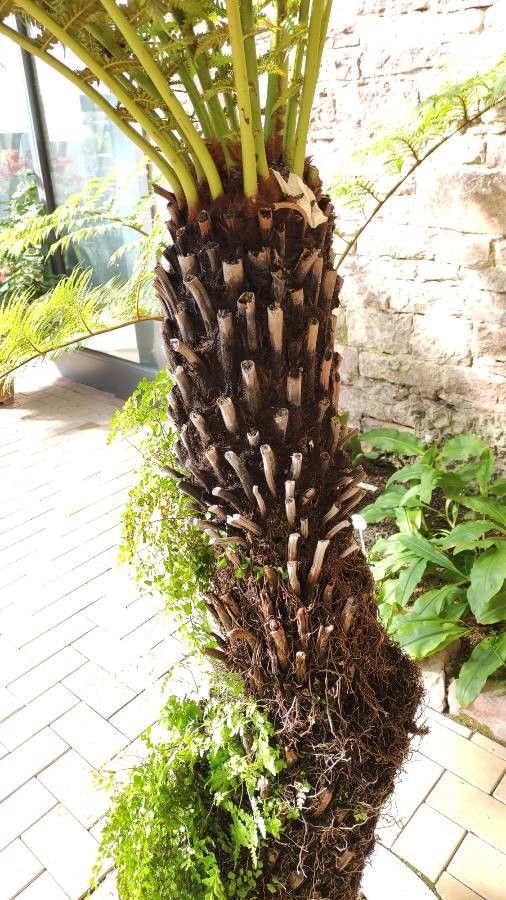
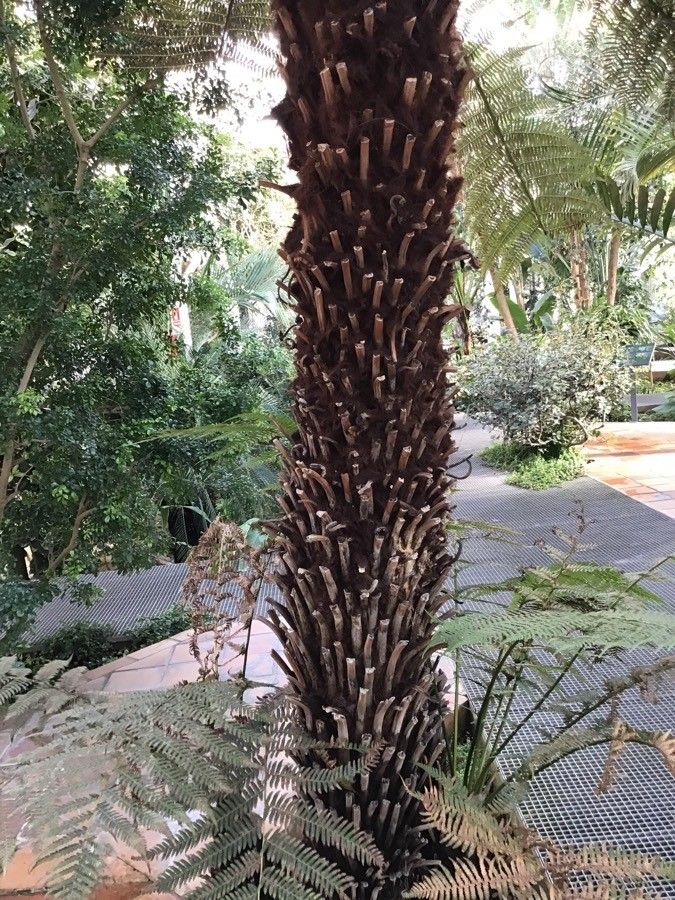
Balantium antarcticum is a species of flowering plant in the Asteraceae family, commonly known as Antarctic hair grass or Antarctic pearlwort. It is native to the sub-Antarctic islands of South Georgia, Kerguelen, and Heard Island.
This plant is characterized by its distinctive appearance, featuring long, thin leaves that can reach up to 30 cm in length and are covered in fine white hairs. These leaves are arranged in rosettes at the base of the plant, with small white flowers blooming on tall stems above them.
Balantium antarcticum has adapted remarkably well to its harsh environment by developing a deep root system, which enables it to withstand strong winds and extreme cold temperatures. Additionally, it possesses high levels of antioxidants that protect it from UV radiation.
This species plays a crucial role in its ecosystem. It serves as a food source for grazing animals such as reindeer, rabbits, and geese and helps prevent soil erosion on the steep slopes where it grows.
Despite its remote habitat, Balantium antarcticum has been studied for its potential medicinal properties due to its high antioxidant content, which has shown anti-inflammatory effects.
In summary, Balantium antarcticum is a fascinating plant with unique adaptations that allow it to thrive in one of the harshest environments on Earth while providing significant ecological benefits.
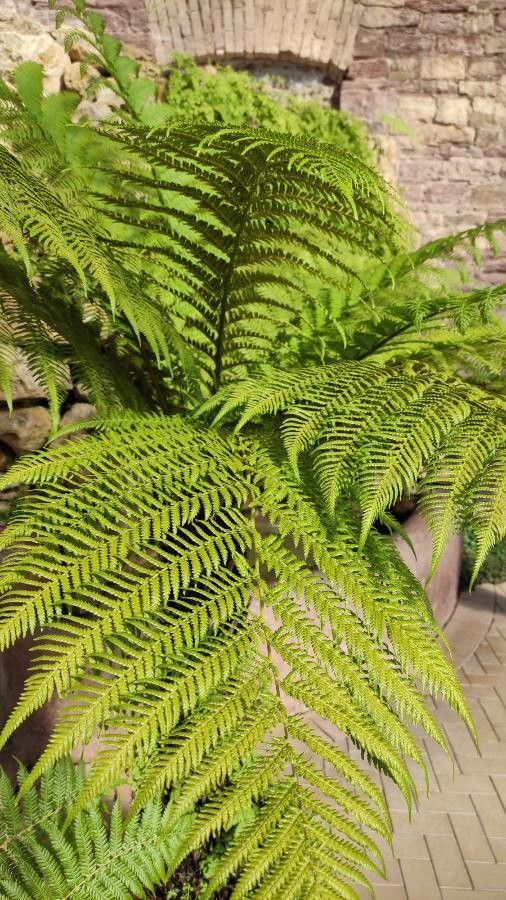
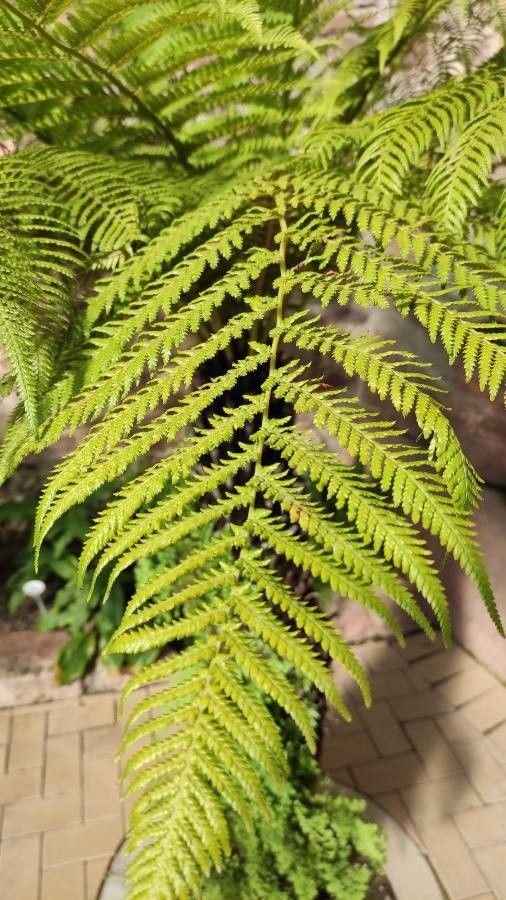
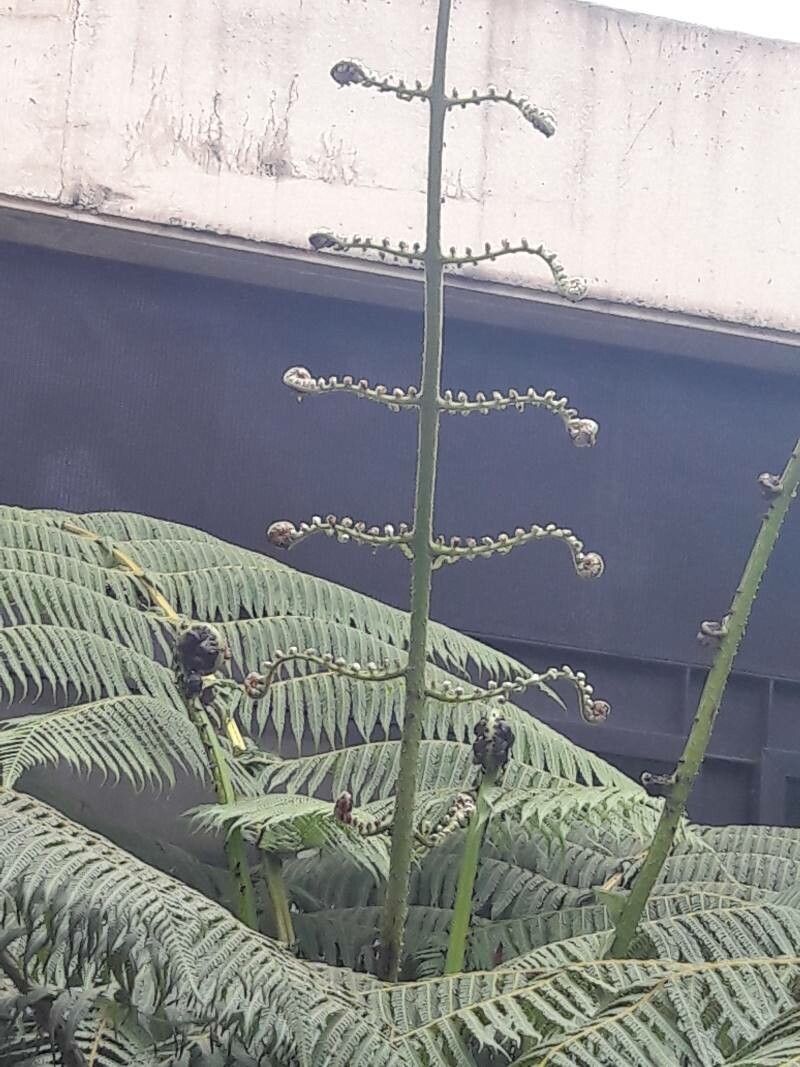
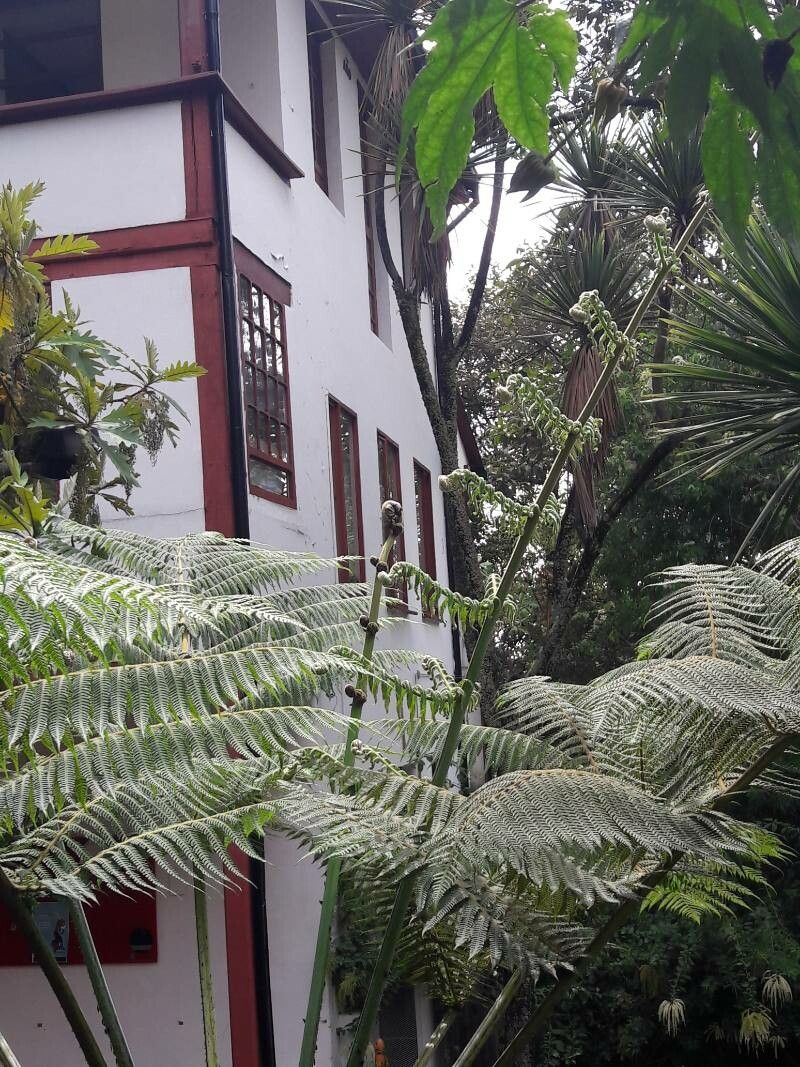
Australian tree fern typically has strong resistance to disease and faces relatively few insect pests. Its care is considered challenging, since it needs a consistently moist environment and frequent watering. However, if it is overwatered and the air circulation is poor, the roots are susceptible to rotting. The plant is suitable for those with some growing experience, as many people can keep it alive for a certain period. Even so, the Australian tree fern may struggle to thrive, and its leaves can dry out and become less healthy over time.
How to keep Balantium Antarcticum.
Light
The Australian tree fern leans towards moderate sunlight levels but is considerably tolerant of lower light conditions. This trait is due to its origin in environments with thick upper foliage, where it has become used to the filtering of sunlight rather than direct exposure. The absence of sunlight or too much of it may obstruct its strong growth and vibrant green appearance. When it comes to its regrowth phase, there doesn't have to be a particular intensity of light.
Humidity
This plant will thrive in moderate humidity, which is probably the level in your home. However, misting it a few times a week can be very beneficial. Make sure the room has good ventilation.
Temperature
The Australian tree fern initially originates from a temperate climate, with temperatures fluctuating between 59 and 95 °F (15 to 35 ℃). These conditions are optimal for its growth, and it might need seasonal modifications if maintained in climates that are either colder or hotter.
Botanical profile.
- Plant Type
- Fern
- Life Cycle
- Perennial
- Genus
- Balantium
- Family
- Dicksoniaceae
- Hardiness Zone
- 7-10
- Mature Height
- 4.57 m to 14.94 m
- Mature Spread
- 2.44 m to 3.66 m
- Leaf Color
- Green
- Leaf Type
- Evergreen
- Planting Time
- Spring, Summer, Autumn
Other names.