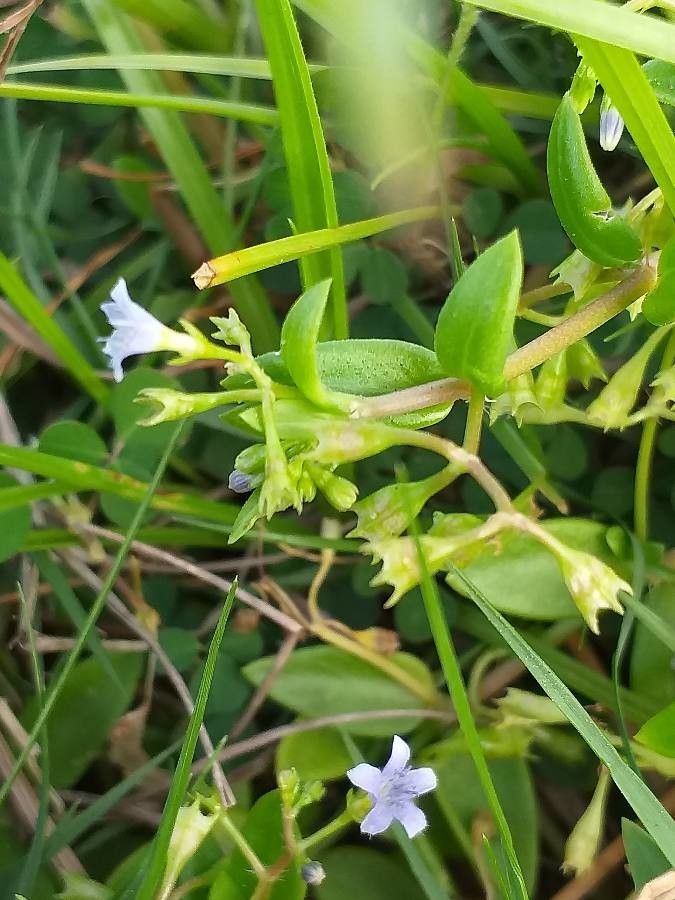
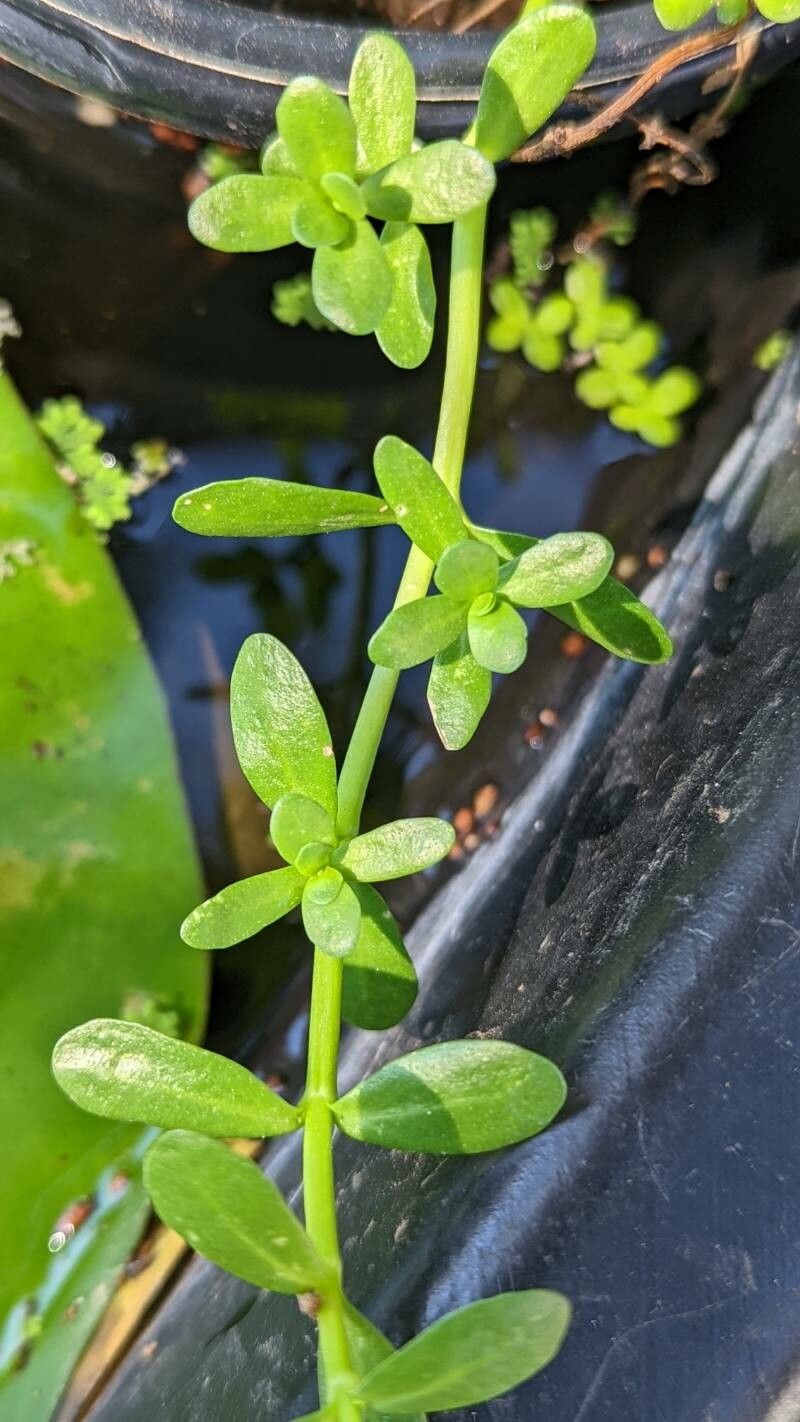
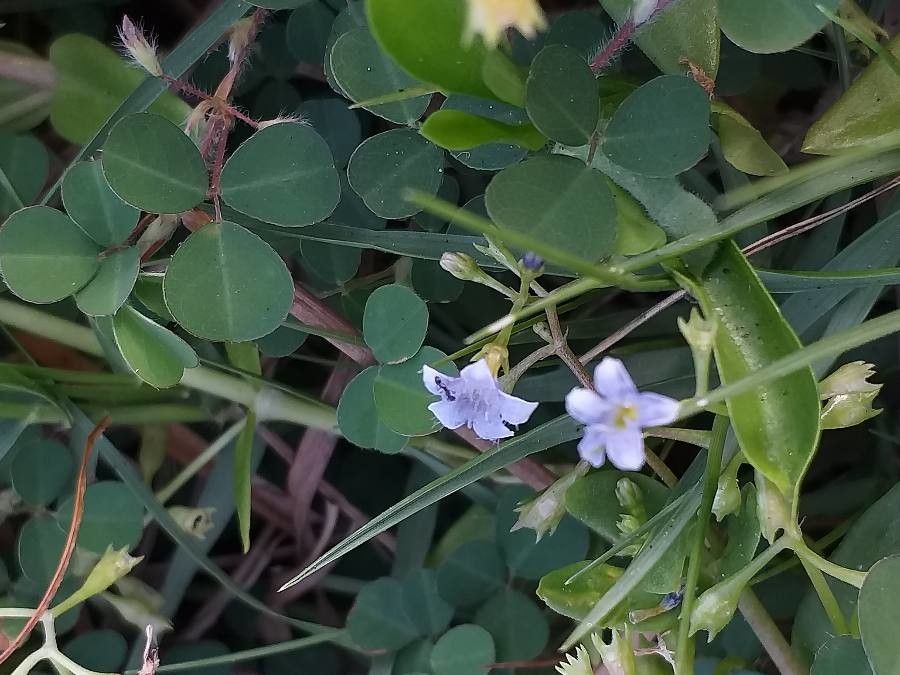
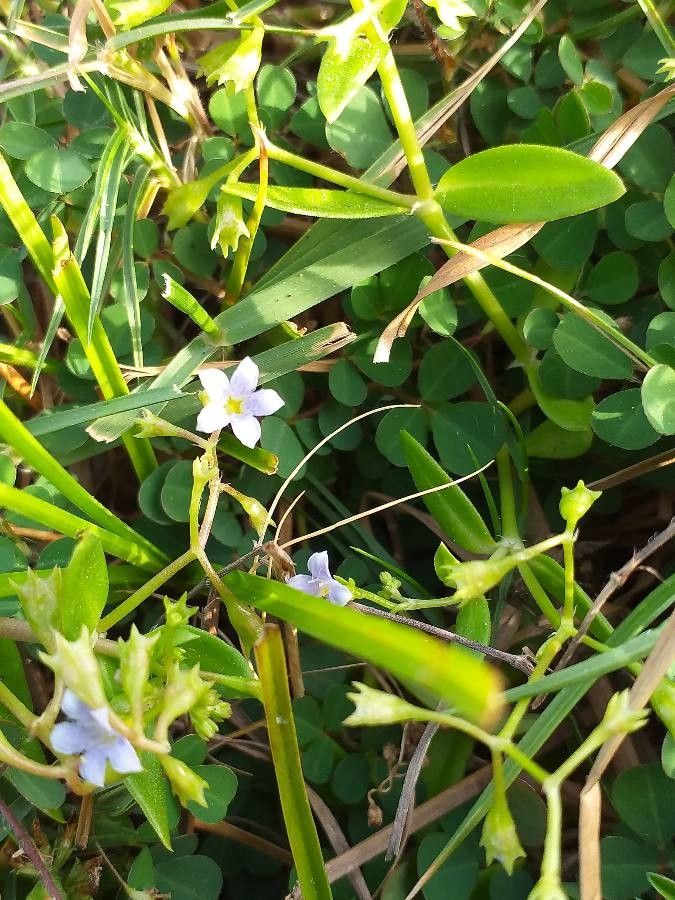
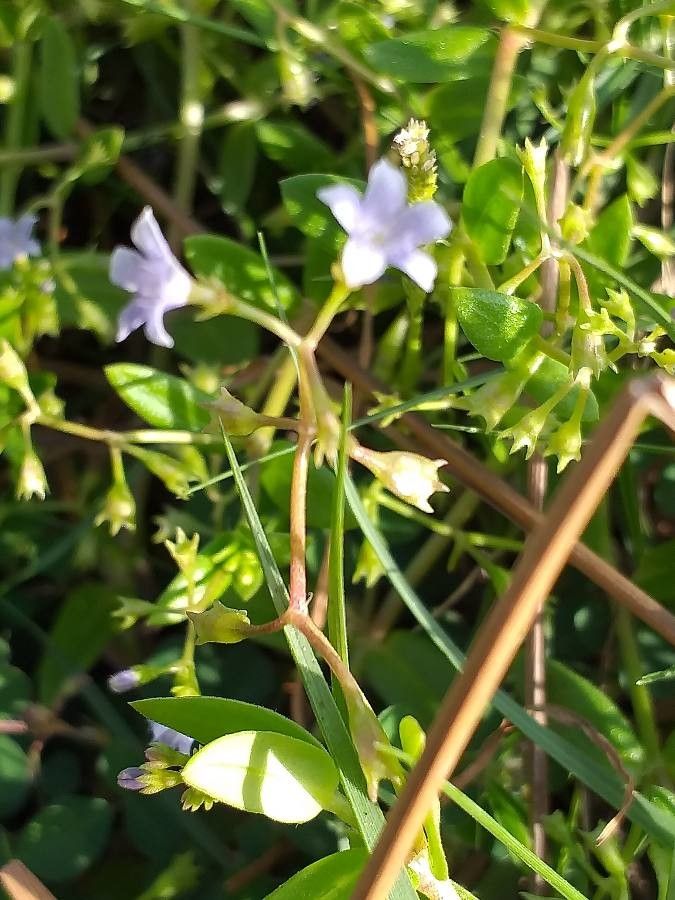
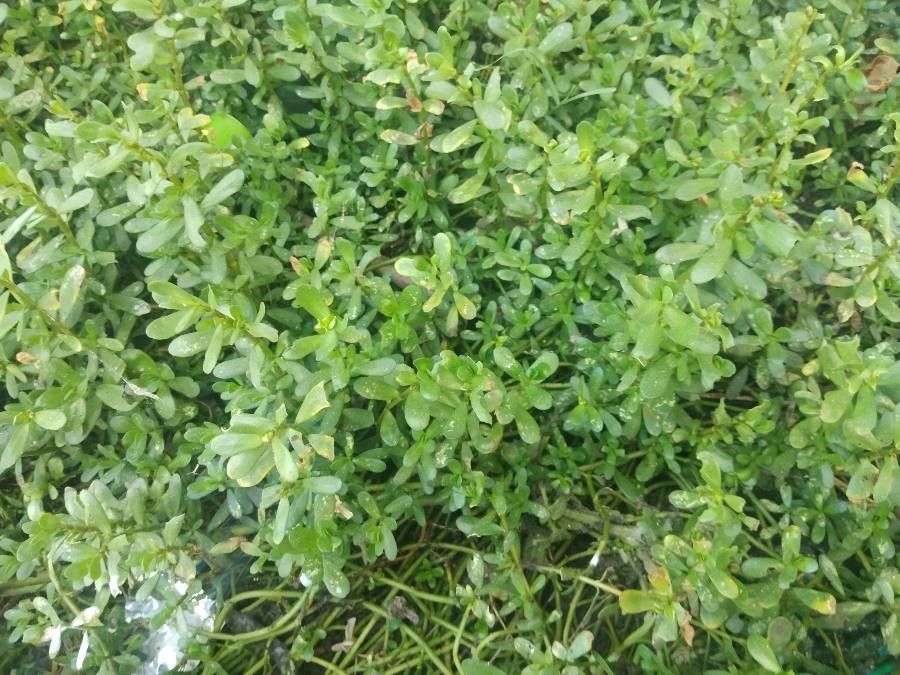
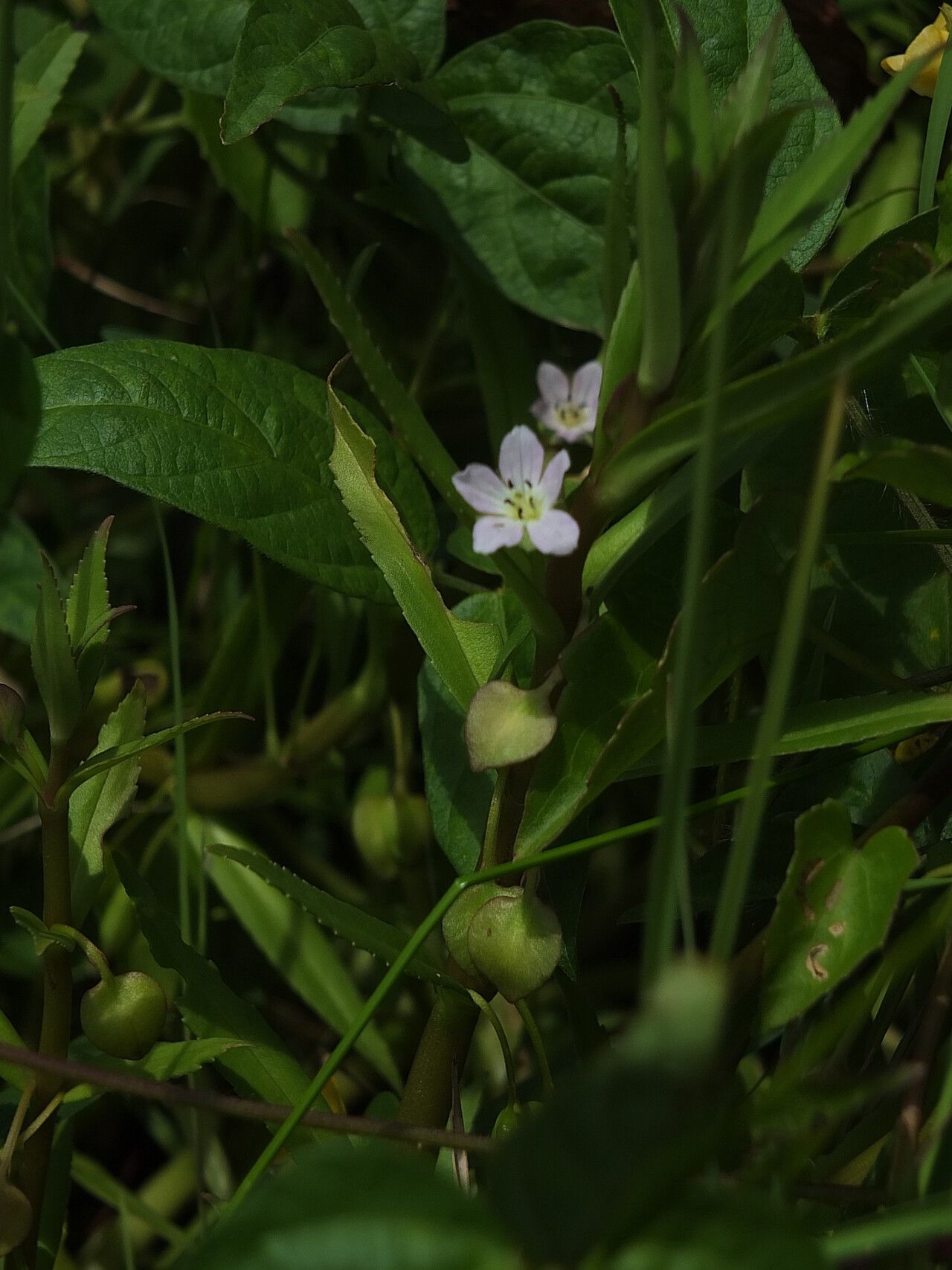
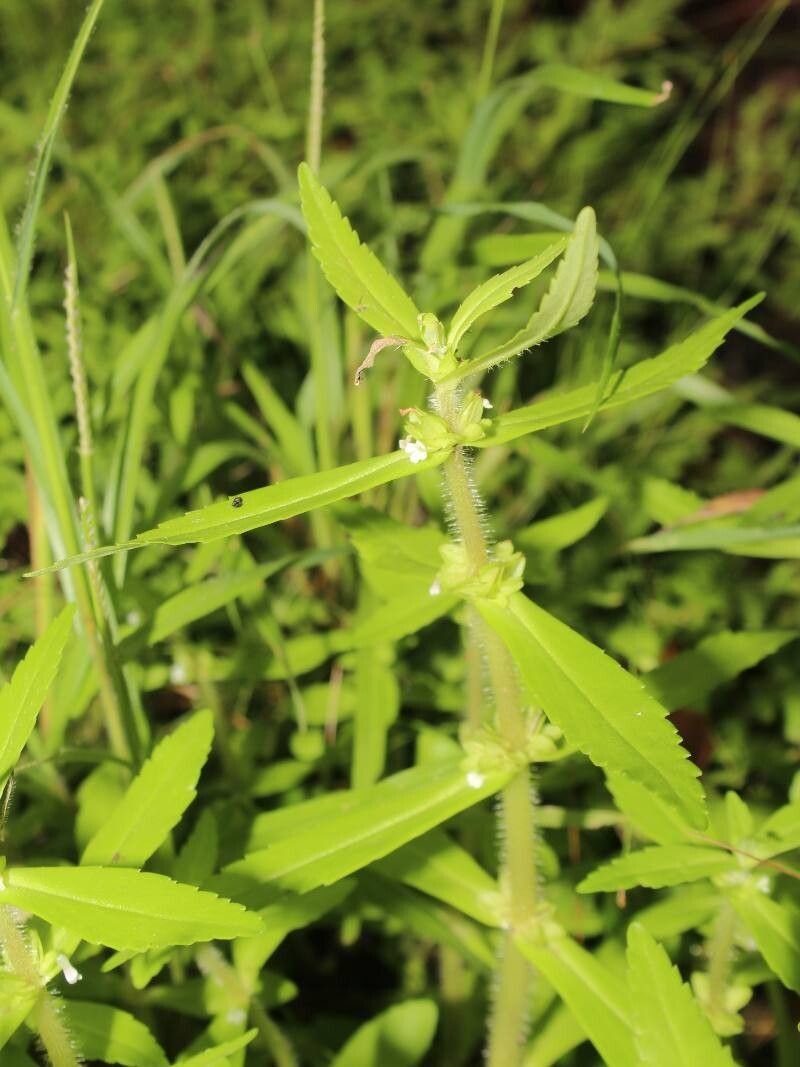
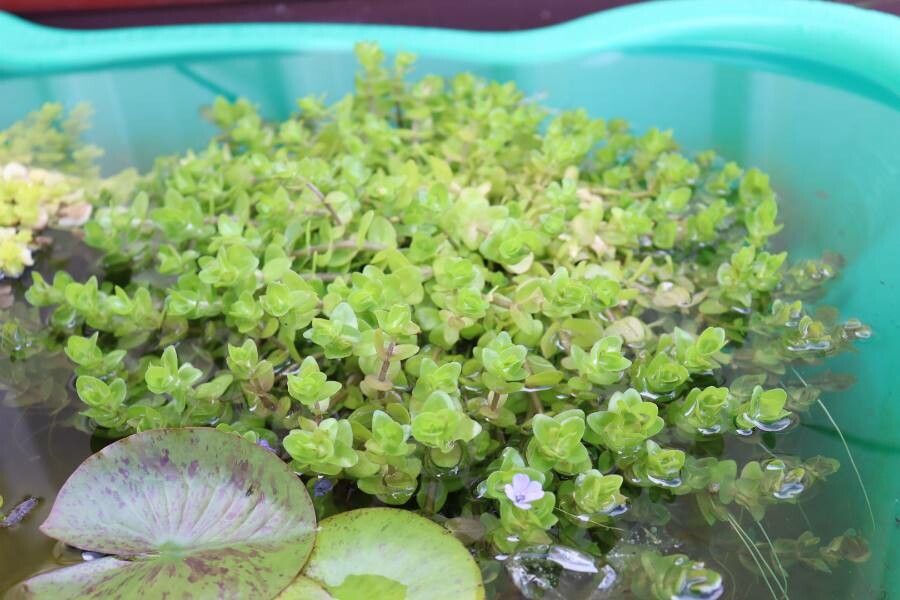
Bacopa monnieri, commonly known as water hyssop or Brahmi, is a perennial herb indigenous to the wetlands of Asia and North America. Traditional Ayurvedic medicine frequently employs this plant to enhance cognitive function and memory. Characterized by its small white or blue flowers and succulent leaves, Bacopa monnieri is often included in herbal supplements.
The herb contains compounds known as bacosides, which are thought to boost neurotransmitter activity, thereby improving cognitive abilities and reducing anxiety. Additionally, Bacopa monnieri has been found to possess antioxidant properties that may protect the brain from oxidative stress damage.
Typically, Bacopa monnieri is consumed as a supplement or brewed into tea, but it can also be found fresh or dried for culinary applications.
Herb of grace has strong resistance to disease and is generally not prone to illnesses. However, it can be vulnerable to leaf spots if light and ventilation are poor and watering is excessive. Its care level is considered easy, as it only needs regular watering and requires little else. Herb of grace is appropriate for people who lack the time and energy to devote to regular care.
How to keep Bacopa Monnieri.
Light
For best health and growth, herb of grace does best with plentiful sunlight, though it can tolerate lower light levels. Native to environments with ample light, the plant's vigor can suffer if it receives either too little or too much sun. Maintaining a balanced amount of sun is essential for this foliage.
Water
The herb known as "Herb of Grace" flourishes in wetland environments and needs consistently moist soil. For optimal growth, it should be watered frequently, ideally every day. This plant prefers full sun but can also tolerate partial shade. When growing it outdoors, it's important to monitor rainfall, especially during its peak water needs in the growing season.
Temperature
Herb of grace is native to temperate regions and does best at temperatures between 68 and 100 °F (20 to 38 ℃). In colder months, consider increasing the room temperature or bringing herb of grace indoors to maintain optimal growing conditions.
Fertilizer
A single spring application of fertilizer is generally adequate for Herb of grace, though repeated feedings can maximize growth. Feed every four to six weeks. Fertilization improves the appearance and function of the leaves, helping maintain even color and a healthy texture. It also encourages root development and better nutrient absorption, supporting long-term plant health.
Pruning
Herb of grace benefits greatly from regular pruning, especially from early to late spring, to encourage healthy growth and maintain an appealing shape. Trimming away spent blooms and lanky stems will help foster denser foliage and enhance air circulation, which in turn reduces the risk of disease. For optimal results, be sure to use clean, sharp tools.
Pot & Repot
When repotting Herb of grace, choose a pot 1-2 inches (2.5–5.1 cm) larger with ample drainage. Use a well-draining potting mix. Repot in spring or fall, ensuring that the root ball is slightly lower than the rim of the flower pot. Water thoroughly after repotting and place in a warm spot with indirect sunlight.
Toxicity
Bacopa monnieri can cause discomfort in the gastrointestinal tract such as nausea, frequency of bowel movement, and abdominal cramps. It can also cause dry mouth and fatigue.
Further reading →
The toxicity and danger assessments provided are for reference only. We do not assure their accuracy, so it's crucial not to depend on them. Seek professional advice when necessary for accurate guidance.
Botanical profile.
- Plant Type
- Herb
- Life Cycle
- Perennial, Annual
- Genus
- Bacopa
- Family
- Plantaginaceae
- Hardiness Zone
- 8-11
- Mature Height
- 0 cm to 30 cm
- Mature Spread
- 46 cm
- Leaf Color
- Green
- Leaf Type
- Evergreen
- Flower Color
- White
- Flower Size
- 2.54 cm
- Bloom Time
- All year round
- Planting Time
- Spring
- Harvest Time
- All year round
- Native Area
- Sri Lanka, Somalia, Egypt, India, Malaysia, Belize, Mexico, Guatemala, Madagascar, Pakistan, Dominican Republic, Nigeria, Yemen, Jamaica, Iraq, Cuba, Indonesia, Haiti, Cambodia, Argentina, Mozambique, Venezuela, Brazil, Oman, Congo, Nepal, Saudi Arabia, Chile, Honduras, Peru, South Africa, Philippines, Bangladesh, Laos, Trinidad and Tobago, Panama, China, Colombia, Bahamas, Afghanistan, Bolivia, Vietnam, Myanmar, El Salvador, Nicaragua, Eswatini, Iran, Ecuador, Bhutan, Kuwait, Costa Rica, Thailand, Gabon
Other names.
Reader questions.
How should I water my Herb of grace?
To properly water the Herb of grace, it is important to consider a few factors. First, it is best to use filtered water at room temperature. Tap water may contain harmful particles for the plant's health. Secondly, the water should be at room temperature or slightly warm. This is because the Herb of grace is accustomed to warm environments, and cold water can be a shock to its system. Additionally, it is advisable to avoid overhead watering to prevent foliage complications. Instead, you can directly apply the filtered room temperature water to the soil until it is thoroughly soaked. This method benefits the plant by moistening the roots and allowing them to spread through the soil and absorb necessary nutrients.
Why do I have to put fertilizer on my Herb of grace?
The main structure of the Herb of grace is made up of its leaves. Fertilization is an important way to ensure that these leaves look great and perform their function effectively. When you properly fertilize the Herb of grace, it will have leaves that maintain consistent color and a healthy texture. Additionally, fertilization supports the plant's root system by generating new roots and maintaining existing roots below the soil's surface. This not only promotes immediate plant health but also enhances the plant's ability to absorb nutrients from the soil in the future.
What are the sunlight requirements for Herb of Grace?
Herb of Grace, or Bacopa monnieri, thrives in conditions where it receives abundant sunlight, but it is adaptable to varying light conditions. It requires full sun, meaning it needs more than 6 hours of sunlight daily, to maintain optimum health and growth. However, it can also grow in partial sun, which ranges from about 3-6 hours of sunlight each day. It's important to observe the movement of sunlight in your garden to choose the ideal spot for your plants, ensuring they receive the right balance of light and shade. This balance is crucial for the plants' happiness and growth.
What are the native conditions for Herb of Grace?
Herb of Grace, known botanically as Bacopa monnieri, is native to temperate regions and thrives in temperatures ranging from 68 to 100°F (20 to 38°C). It enjoys a moderate climate and during colder months, it is advisable to raise the room temperature or move the plant indoors to maintain optimal growth conditions.
What do I do if I give my Herb of grace too much water or too little water?
Overwatering is a more common issue than underwatering for the health of your Herb of grace. When the plant receives too much water, its stems and leaves may wilt, turn yellow, and even develop diseases like root rot, mold, and mildew. Underwatering is less common but still possible, causing the leaves to become brittle and brown. It's important to catch the signs of overwatering early to prevent irreversible damage. Reduce watering and check the soil drainage if overwatering is suspected. If underwatering is noticed, simply water more regularly until the signs improve.
When should I fertilize my Herb of grace?
If you grow your Herb of grace outdoors each year, it will send out new growth in early spring. This is the sign that it's the right time to fertilize. Normally, applying fertilizer once in spring is enough. However, if you want to maximize growth, you can fertilize multiple times throughout spring and early summer. In this case, you can feed your Herb of grace once every month to a month and a half.
What should I know about using artificial lighting with Herb of Grace?
When natural sunlight is not enough, especially during winter or in less sunny spaces, artificial lighting can be a vital solution for growing Herb of Grace indoors. To mimic natural conditions, you need to select the correct type of artificial light, with LED lights often being the ideal choice due to their customization options for providing specific wavelengths needed by plants. The intensity of artificial light should be adjusted based on the plant's requirements, with full sun plants needing 30-50W/sq ft, partial sun plants 20-30W/sq ft, and full shade plants 10-20W/sq ft. The correct distance is about 12-36 inches above the plant to simulate the sun, and the duration should align with natural daylight hours, generally 8-12 hours per day.
Does Herb of Grace require special care during winter?
Herb of Grace has some cold tolerance and generally does not require special care when the temperature is above 0°C. However, if temperatures are expected to drop below freezing, temporary measures should be taken for cold protection. This can include wrapping the plant with plastic film, fabric, or other insulating materials to keep it warm. Once the temperature rises, these protective measures should be promptly removed to avoid any potential damage to the plant.
How often do I need to water my Herb of grace?
If your Herb of grace is in a pot, the most accurate way to determine if it needs water is by checking the soil. Simply put your finger into the soil and if the top two to three inches are dry, it's time to water the plant. For those who have planted their Herb of grace outdoors, a similar method can be used to test the soil. Again, check if the top few inches of soil have dried out before watering. In the spring and early fall, following this method typically means watering the plant once a week. As hot weather arrives, you may need to increase the watering frequency to twice or more per week. However, it's worth noting that mature and well-established Herb of grace plants have a remarkable ability to tolerate drought.
When is a bad time to fertilize my Herb of grace?
During late fall and winter, your Herb of grace will go into a dormant phase, where it stops producing new growth. It's important to avoid fertilizing it during this time. In spring and summer, if you choose to fertilize your Herb of grace multiple times, you should start decreasing the amount of fertilizer as summer comes, as the growth rate of your Herb of grace slows down. In general, it's not recommended to fertilize your Herb of grace when the weather is abnormally hot or the soil is excessively dry. Fertilizing in these conditions can stress your Herb of grace and cause it to die prematurely.
How can insufficient lighting affect Herb of Grace, and what are the symptoms?
Insufficient lighting can significantly impact the health of Herb of Grace, leading to several visible symptoms. Plants may develop smaller leaves as new growth compared to their mature counterparts or experience leggy or sparse growth, making them appear stretched out and weak. Early leaf drop is another sign of light deficiency, as the plant tries to conserve resources, resulting in a pause or cessation of new growth. The color of new leaves might be lighter, indicating a lack of chlorophyll and essential nutrients. In contrast, excessive sunlight can cause chlorosis, sunscald, leaf curling, wilting, and leaf scorching. These conditions affect the plant's ability to photosynthesize and maintain overall health.
How does Herb of Grace react to low temperatures and what should be done?
Herb of Grace has a moderate tolerance to low temperatures, flourishing best above 20°C. It should be kept above freezing during winter. If temperatures fall below -10°C, the plant's leaves may droop; they can recover in mild cases, but severe cold might cause the leaves to wilt and eventually fall. To prevent damage, trim off the frost-affected parts and protect the plant from future cold exposure by wrapping it with non-woven fabric or cloth and creating a wind barrier.