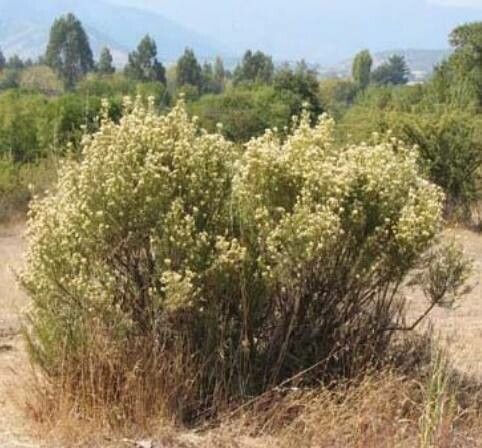
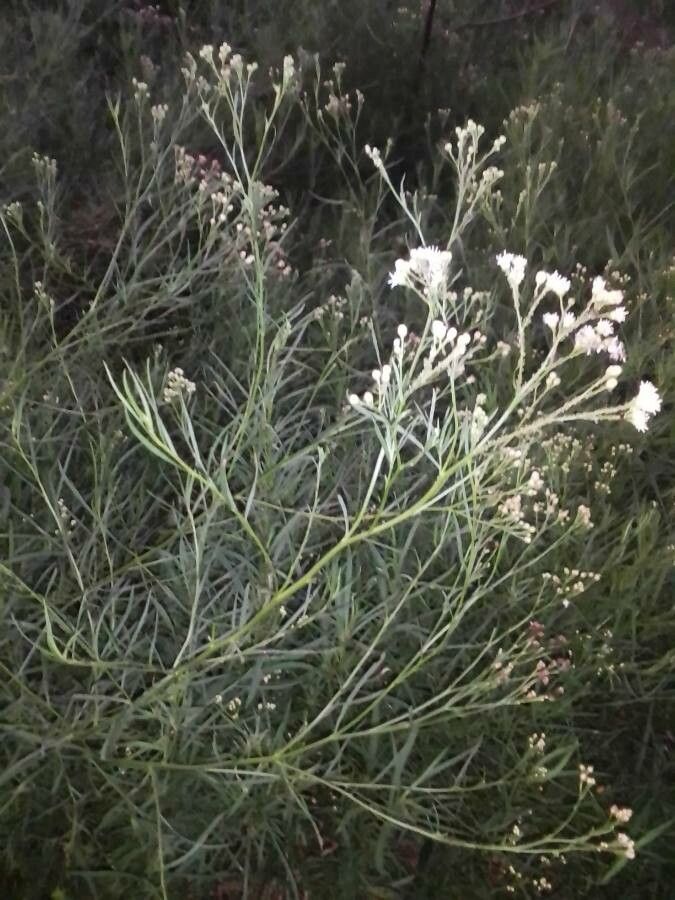
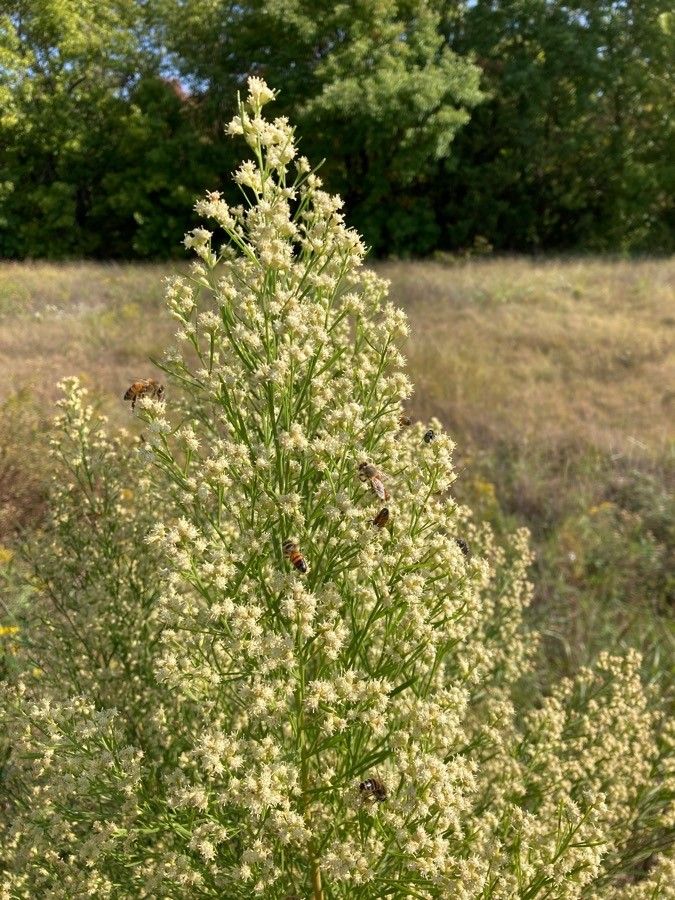
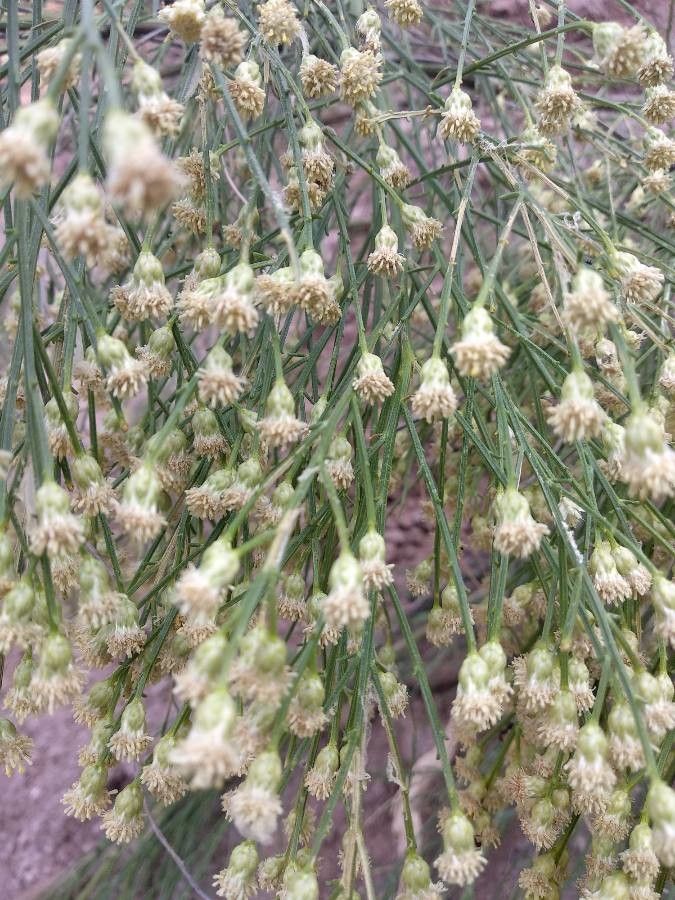
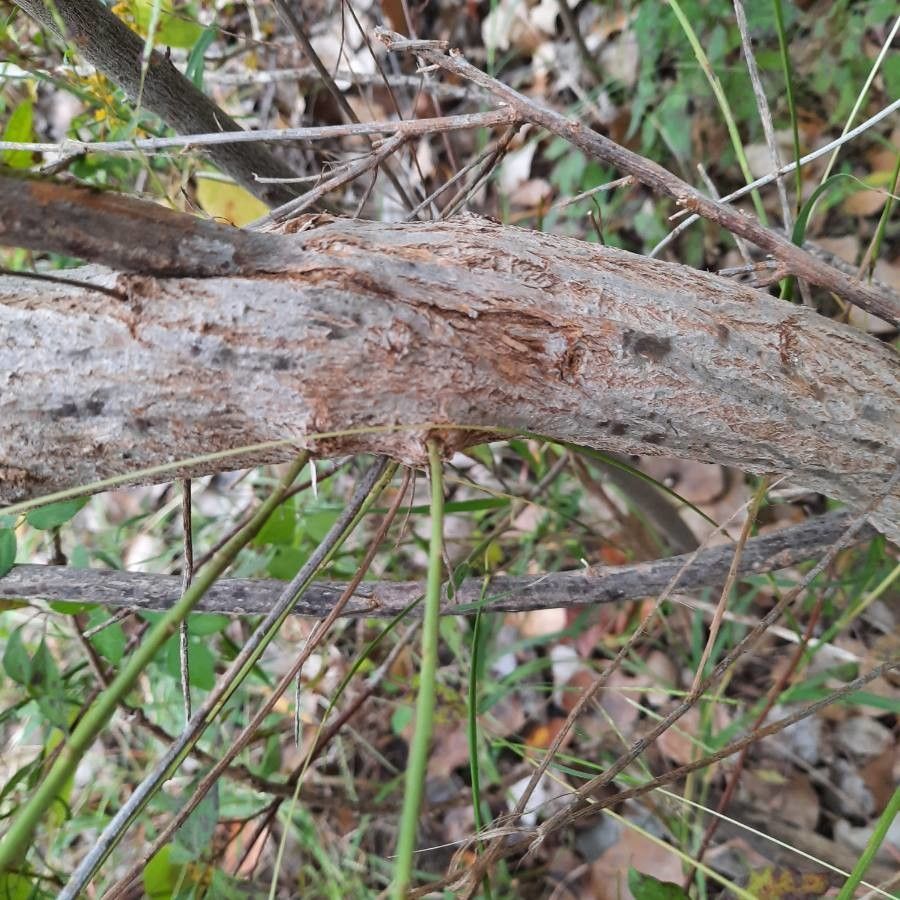
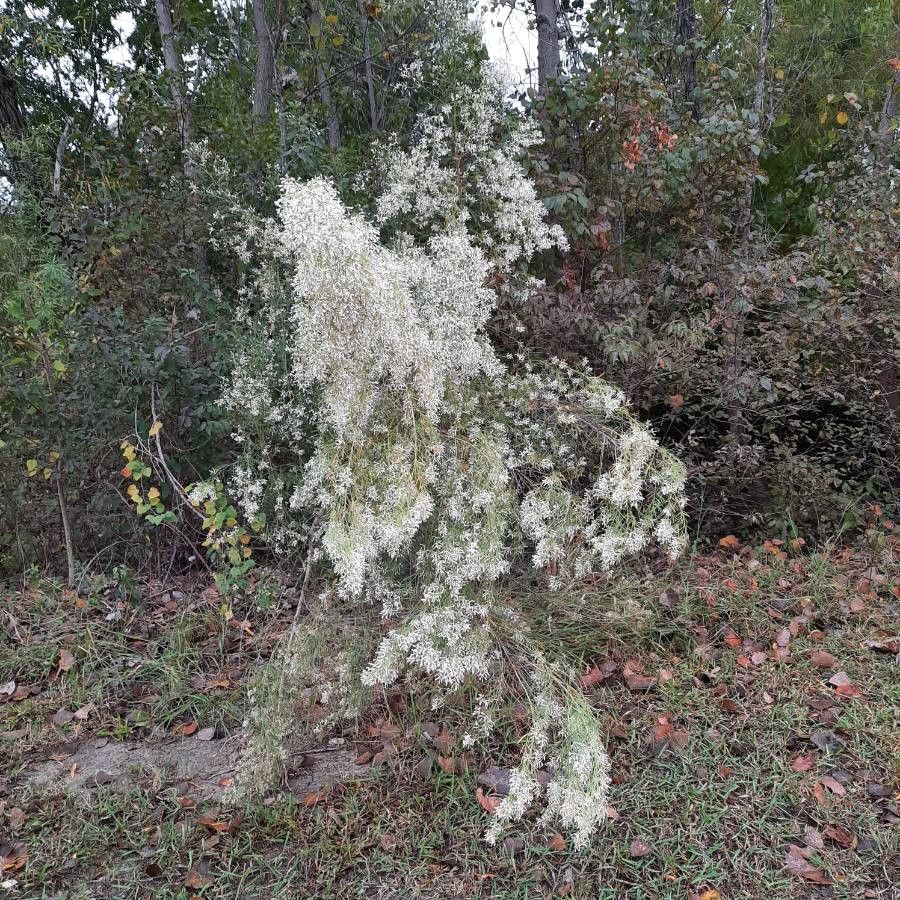
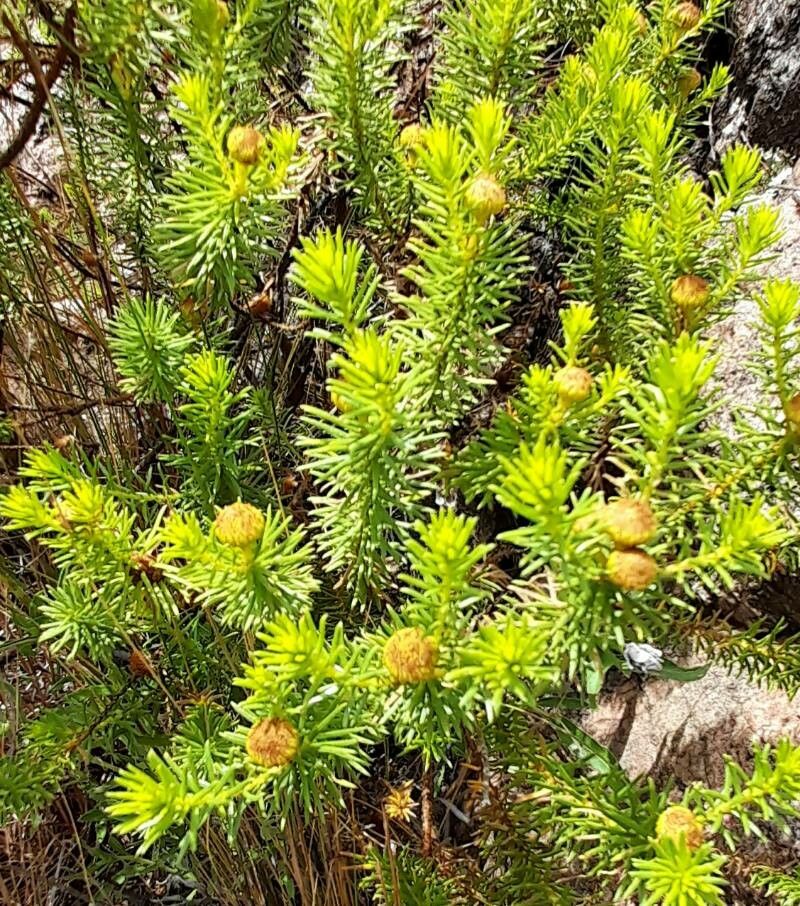
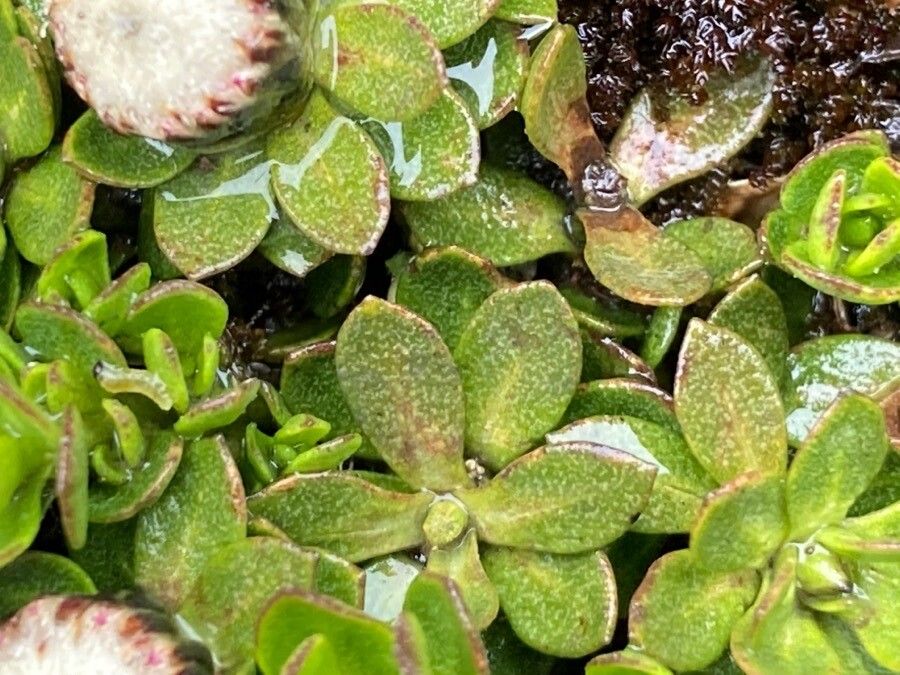
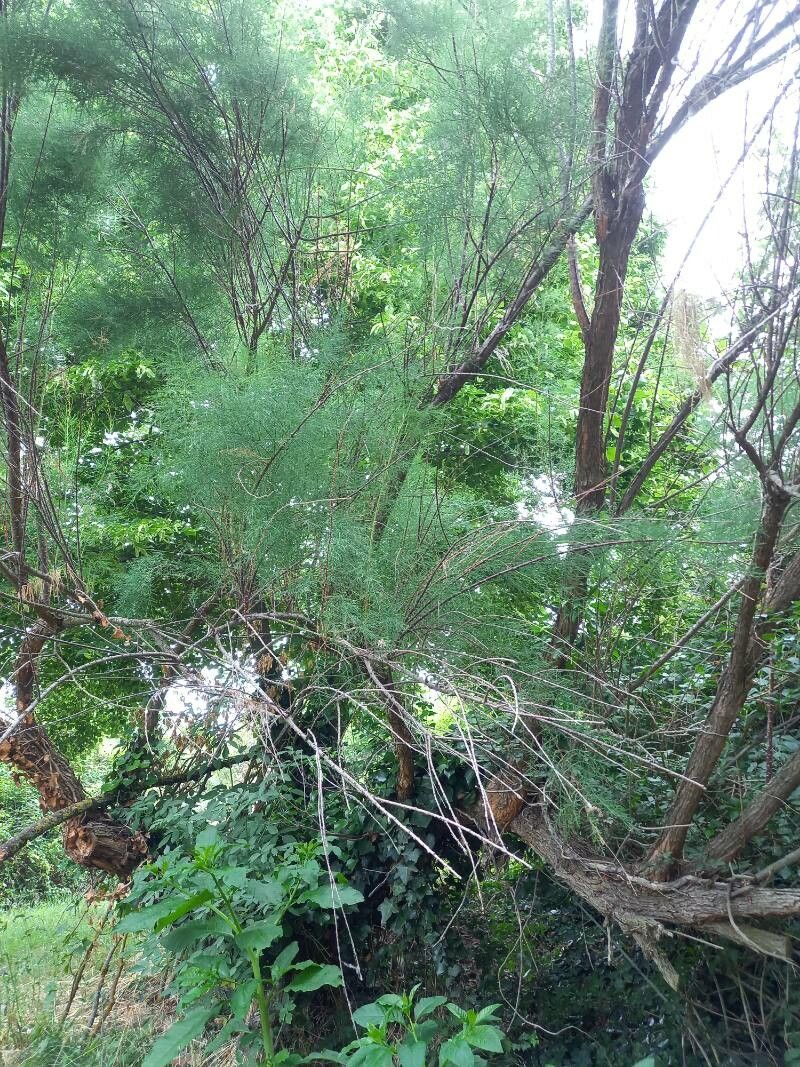
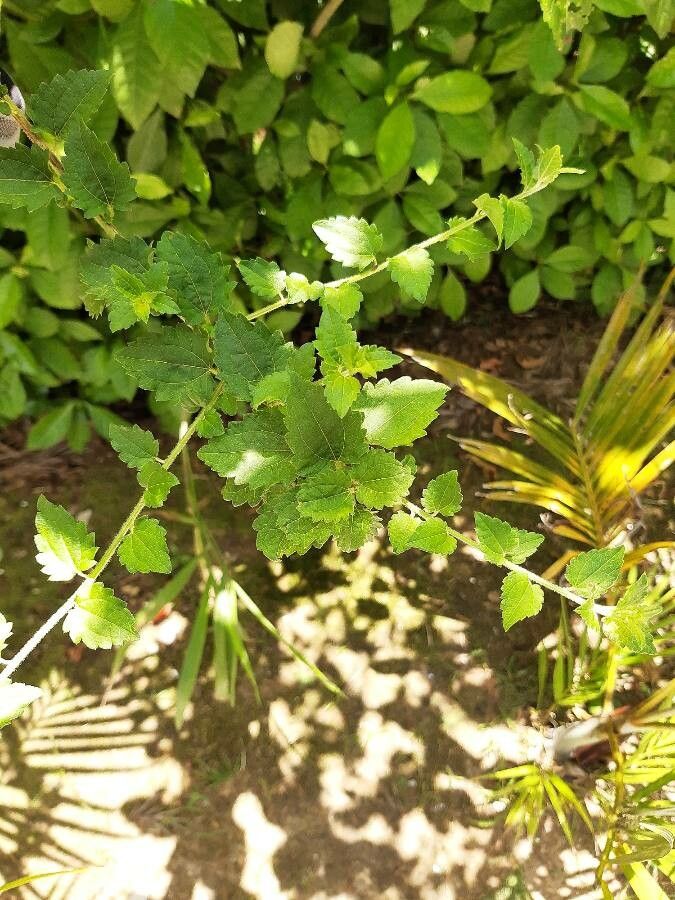
Baccharis neglecta, commonly known as the False Willow, is a species of flowering plant in the Asteraceae family. Native to North America, it thrives in a variety of habitats, including wetlands, prairies, and woodlands. The plant typically reaches up to 6 feet in height and features narrow leaves that are green on top and white underneath. Its small, white or pinkish flowers bloom from August to October.
For centuries, Native American tribes have used Baccharis neglecta for medicinal purposes, believing it to have anti-inflammatory properties useful for treating ailments such as fever, coughs, colds, and arthritis pain.
Ecologically, Baccharis neglecta plays a significant role by providing habitat for wildlife, including birds and insects. Its seeds serve as a vital food source for birds during the winter months when other food supplies may be limited.
However, despite its medicinal benefits and ecological importance, Baccharis neglecta can become invasive if not properly managed. It can spread rapidly through rhizomes or seeds dispersed by wind or water currents.
In summary, Baccharis neglecta is a fascinating species of flowering plant with numerous medicinal and ecological uses. Nevertheless, it requires careful management when grown outside its native range due to its invasive potential.
Roosevelt weed shows good resistance to disease and is generally not prone to illnesses. In terms of care, this plant is relatively low-maintenance. When planted outdoors, it needs minimal watering, and larger plants typically do not require pruning. However, smaller plants should be pruned after they have bloomed. Roosevelt weedt is suitable for anyone with an outdoor space, such as a garden or deck, and does not demand much care experience.
How to keep Baccharis Neglecta.
Light
Roosevelt weed thrives in areas with moderate sunlight, encouraging healthy growth. Its native habitats had filtered light, which helped build its tolerance for different light levels. However, too much or too little light can harm the plant's health.
Water
Roosevelt weed, a plant from arid regions, demonstrates remarkable drought tolerance. It requires watering only once every 2 to 3 weeks. When grown outdoors, it benefits from natural rainfall, which supports the development of a strong root system adapted to dry conditions. This trait reflects its adaptation to the sporadic rainfall of its native habitat.
Temperature
Roosevelt weed is highly adaptable to a wide range of climates, from blazing summers to frosty winters. Nonetheless, it has a preferred temperature range for optimal growth. If temperatures rise too far, the plant becomes vulnerable to heat and humidity stress, which can kill it. In areas where temperatures near the lower limit of its cold tolerance, providing insulation to protect the plant is important.
Fertilizer
Fertilize your Roosevelt weed in early spring to encourage healthy growth. Consistent fertilization improves overall health, leading to vigorous growth, increased tolerance of harsh conditions, and enhanced resistance to pests and diseases. Keep to a regular fertilization routine for your Roosevelt weed to maintain vibrant, deeply colored foliage and a lush appearance.
Pruning
To encourage healthy growth, improve airflow, and shape the Roosevelt weed, early spring pruning is beneficial. Be sure to remove dead branches and thin out dense areas to prevent pests. Regular pruning helps maintain the plant's vitality and appearance. Always use clean, sharp tools to minimize damage and promote quick recovery.
Botanical profile.
- Plant Type
- Shrub
- Life Cycle
- Perennial
- Genus
- Baccharis
- Family
- Asteraceae
- Hardiness Zone
- 6-11
- Mature Height
- 1.83 m to 3.05 m
- Mature Spread
- 1.83 m to 3.05 m
- Leaf Color
- Green
- Leaf Type
- Semi-evergreen
- Flower Color
- White
- Flower Size
- 2.54 cm
- Bloom Time
- Late spring, Early summer, Mid summer
- Planting Time
- Spring
- Harvest Time
- Mid summer, Late summer, Early fall
- Native Area
- Mexico
Other names.
Reader questions.
How should I water my Roosevelt weed plant?
To optimize root growth, place a garden hose at the base of your plants instead of watering the leaves directly. If your plants are outdoors and exposed to direct sunlight, be sure to water the leaves more frequently. For a more thorough watering, consider using bubblers or soaker hoses to moisten the roots. When adding or removing plants, use soaker hoses that cover the entire garden or bed to encourage deep root growth. After watering, remove any excess water and allow the soil to dry before watering again. To prevent diseases, water at ground level rather than overhead. On sunny days, it can be beneficial to spray the entire bush with water. Keep in mind that Roosevelt weed prefers deep watering rather than light sprinkling, regardless of whether it is in a pot or in-ground.
What are the sunlight requirements for Roosevelt weed?
Roosevelt weed requires about 3-6 hours of sunlight daily, thriving in moderate sun exposure akin to its ancestral habitats dappled in sunlight. It's adaptable to various light conditions, but both too much and too little light can negatively impact its vitality. It's important to watch how sunlight moves through your garden and choose spots that offer a balance of light and shade, ensuring the plant's happiness and healthy growth.
What is Roosevelt weed?
Roosevelt weed, scientifically known as Baccharis neglecta, is a plant recognized for its distinctive characteristics and botanical significance. While specifics regarding its essential features, symptoms of its presence, and additional details weren't provided, the plant is distinguished by its botanical nomenclature.
What should I do if I give too much or too little water to Roosevelt weed?
An overwatered Roosevelt weed will show signs of yellowing, dropping leaves, and wilting. The plant may also appear dull and unhealthy, with mushy stems. It's best to adjust your watering schedule when these signs start to appear. Wilting can also indicate under watering, which would cause the leaves to become crispy and dry. If the soil is dry and watering alone is not enough, give the plant a thorough watering. This will help the Roosevelt weed recover, but it may still have dry and yellow leaves due to root damage. Once it returns to normal, the yellowing of the leaves will stop. When growing the Roosevelt weed indoors, always check the moisture levels in the pot and avoid overwatering. Look out for black spots, and if present, allow the soil to dry by refraining from watering for a few days. Overwatering can lead to root rot, so if you notice discolored and slimy roots, consider transferring the plant to a different pot. Preventing root rot by avoiding excessively soggy soil is crucial. When planting the Roosevelt weed outdoors, make sure to dig deeper and check the soil moisture. If you find that the soil is too dry, it may indicate underwatering, and proper watering is necessary for the plant's recovery.
How can artificial lighting benefit indoor Roosevelt weed plants?
When natural sunlight is insufficient, especially during winter or in less sunny spaces, indoor Roosevelt weed plants can greatly benefit from artificial lighting. The right type of artificial light, like LED lights, can provide the specific wavelengths needed for optimal growth. For full sun plants, 30-50W/sq ft of artificial light is necessary; partial sun plants require 20-30W/sq ft, and full shade plants need 10-20W/sq ft. Positioning the light source 12-36 inches above the plant and ensuring it receives 8-12 hours of light per day mimics natural sunlight conditions, promoting faster, healthier growth.
How often do I need to water my Roosevelt weed?
The Roosevelt weed prefers deep and infrequent watering, especially when planted in pots. To ensure the soil doesn't dry out too quickly, soak the plant in a gallon of water each time. In colder regions, water every 3 to 5 days. Check the soil moisture level by feeling the top 2-3 inches of soil, and water if it feels dry. On hot days, check the moisture daily as the soil in the pot can dry out quickly. If you have a garden, irrigate the soil as needed. In hot climates, water once a week when the top 2-3 inches of soil become too dry. Be mindful of rainfall and avoid overwatering to prevent root rot. Use 3 to 4 inches of mulch outdoors to conserve water. Sandy soil requires more frequent watering compared to clay soil, which can be watered less often. Keep track of watering dates and pay attention to drooping leaves as an indication of when to water.
What symptoms indicate insufficient light for indoor Roosevelt weed?
Indoor Roosevelt weed showing symptoms of light deficiency may exhibit small leaves, leggy or sparse growth, faster leaf drop, slower or no new growth, lighter-colored new leaves, and other symptoms caused by excessive light like chlorosis, sunscald, leaf curling, wilting, and leaf scorching. These signs indicate the plant is struggling with its current light conditions, either too little for optimal growth or too much, leading to damage and reduced health.
How much water should I give my Roosevelt weed?
The Roosevelt weed typically requires about a gallon of water on a regular basis. For potted plants, it's best to water them deeply until you notice water dripping out of the bottom of the pot. Then, allow the soil to dry out before watering again. To determine how much water you've given your plant in a week, you can use a water calculator or a moisture meter. During the flowering period, it's important to provide ample water, but allow it to evaporate afterwards to avoid root rot. If the Roosevelt weed is planted outdoors and receives sufficient rainfall, additional watering may not be necessary. However, when the plant is young or newly planted, be sure it receives 1-2 inches of rain per week. As the Roosevelt weed matures, it can rely solely on rainfall. Only during very hot weather or prolonged periods without rainfall (2-3 weeks), should you consider giving it a thorough watering during the cooler part of the day to prevent damage from high heat. Additional watering will be necessary during extended dry spells.
How can I adjust light conditions for optimal Roosevelt weed growth?
To optimize light conditions for Roosevelt weed, gradually introduce the plant to sunnier spots, aiming for 3-6 hours of direct sunlight daily. For indoor plants that are large or hard to move, consider using artificial lighting such as desk, ceiling lamps, or professional grow lights for at least 8 hours daily. Outdoors, move your plants gradually to sunnier locations to prevent sunburn. If sunlight is blocked by trees, consider pruning to allow more light through. For smaller plants, transplant them during their dormant period to a location with ample sunlight and good drainage. Note that parts of the plant affected by previous insufficient sunlight may not recover, but new growth will be healthy with adjusted light exposure.
Should I change how often I water my Roosevelt weed based on the time of year or the weather conditions?
-The Roosevelt weed is an outdoor plant that prefers rainwater, but during dry periods, you may need to water it. -During the spring and fall, keep the soil moist but not soggy for optimal growth. -In the summer, hot weather and lack of rain can cause water to evaporate quickly, so you'll need to water more frequently. -During winter, the Roosevelt weed needs less water because it goes dormant, but make sure the soil has good drainage. -When the plant is in a pot, water it well and ensure it has proper drainage. -Deeply water the entire root system once or twice a week, avoiding shallow sprinkles that reach the leaves. -Don't let the plant dry out completely in the fall or winter, even during dormancy. -Avoid overwatering, as the plant doesn't like sitting in water for too long. -Applying mulch can help reduce stress, conserve water, and promote healthy blooms.
What should I watch out for when I water my Roosevelt weed in different seasons, climates, or during different growing times?
If you plant Roosevelt weed in the ground, it mainly relies on rain for watering. However, if there is no rainfall for 2-3 weeks, you should consider giving the plants a deep watering. It is best to water Roosevelt weed in the morning during the summer to avoid stressing the roots with a large temperature difference. Avoid watering the bushes when it's too hot outside. Start mulching them in the spring when the ground is not too cold. The age of the plants is important, as newly planted ones often fail to grow due to a lack of water. Once the plants are established, reduce the watering schedule. Especially in the fall and winter, if the soil has water-retaining material, watering can be reduced. Dry winds in winter can dry out the plants, and newly planted ones are at risk of drought during windy seasons. Potted plants dry out faster and require more watering. Pay attention to signs such as reduced blooming and drying leaves. Watering potted plants can be complex and varies in frequency. Avoid letting pot-planted plants sit in water, and don't use containers with saucers, bowls, or trays. Overwatering in the fall can cause mottled or yellowish foliage. It is always best to prevent overwatering, regardless of the current climate or season. During the flowering months, increase the watering frequency, but once the plants are fully grown, give them a rest. Water them adequately every 3 to 5 days without sticking to a regular schedule. Check the soil's dryness by using your finger or a moisture meter. Be careful not to overwater or underwater, as this can lead to root rot and plant death, regardless of the climate or season in your area.
Why is it important to water my Roosevelt weed?
Watering the Roosevelt weed is essential for transporting nutrients from the soil to the rest of the plant. To maintain the health of this species, it is important to water it appropriately. The amount of water needed depends on the weather conditions in your area as well as the type of soil the plant is in. While the Roosevelt weed thrives on moist soil, it cannot tolerate excessive waterlogging. When planting it in the ground, make sure to provide enough mulch and avoid under-watering. For potted Roosevelt weeds, it is best to give them a full can of water, ensuring that the soil at the base is moist for optimal blooms. If you are growing them for foliage, water them to a depth of 10 to 20 inches for continued growth. During rainy periods, it is unnecessary to water the plants as they can obtain the necessary nutrients from the rainwater.