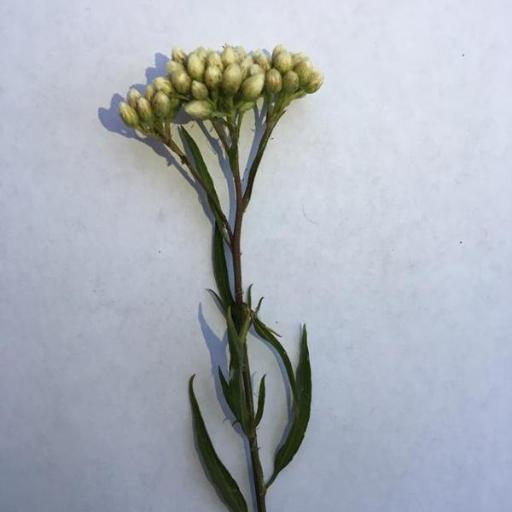
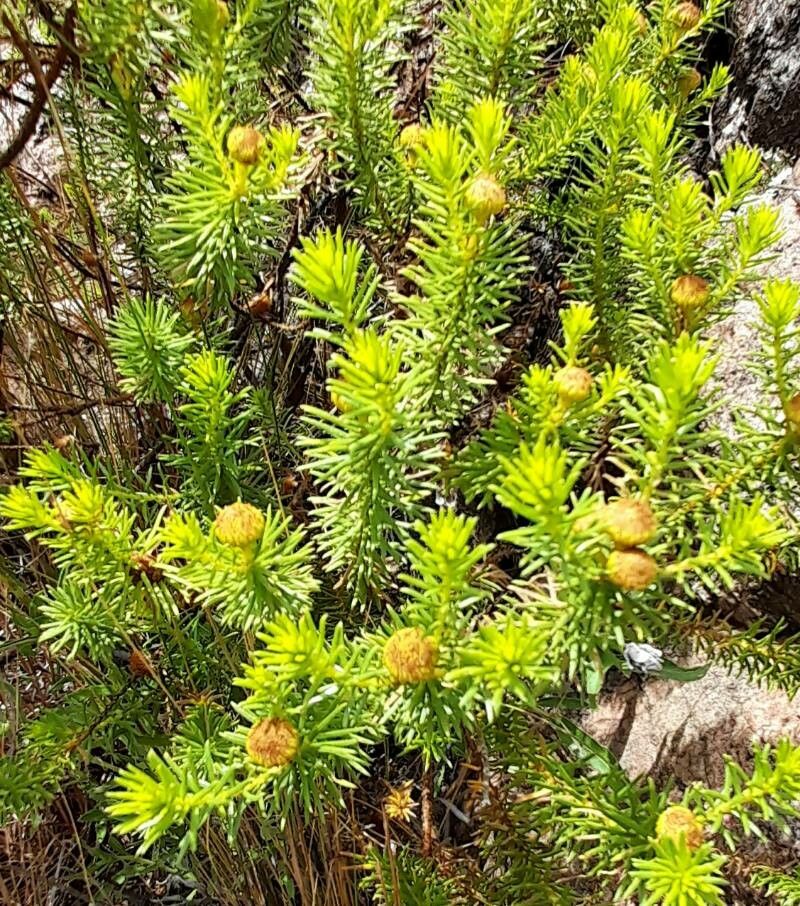
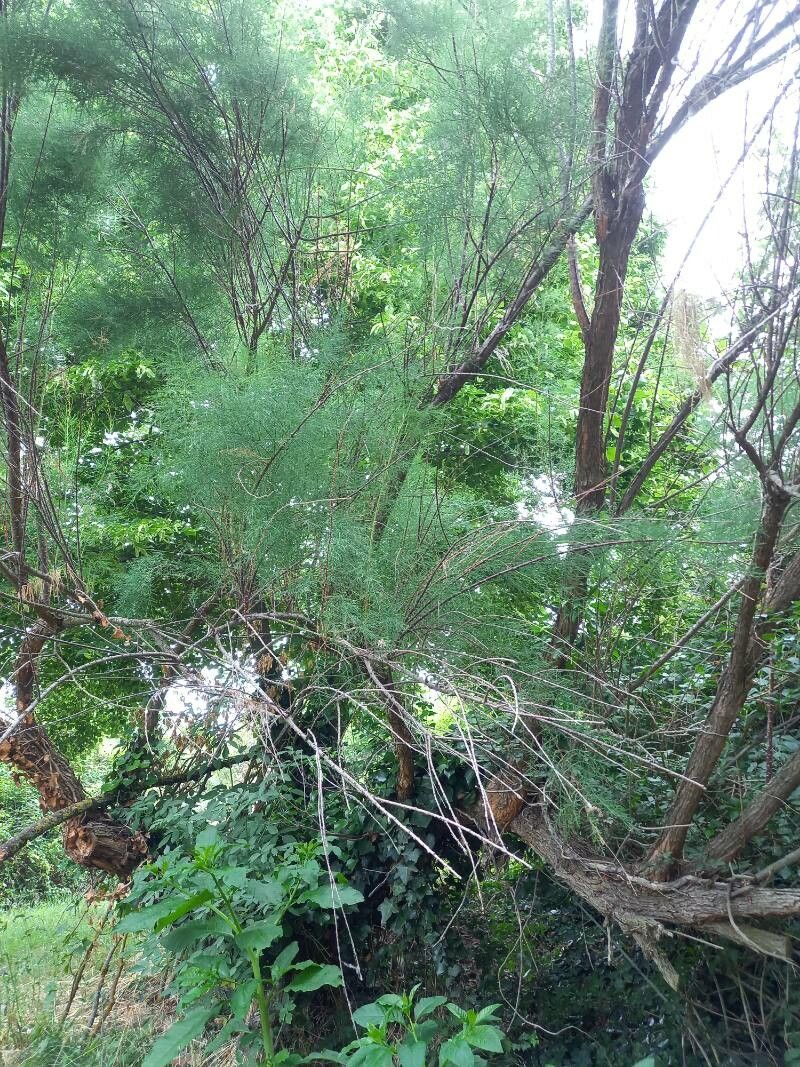
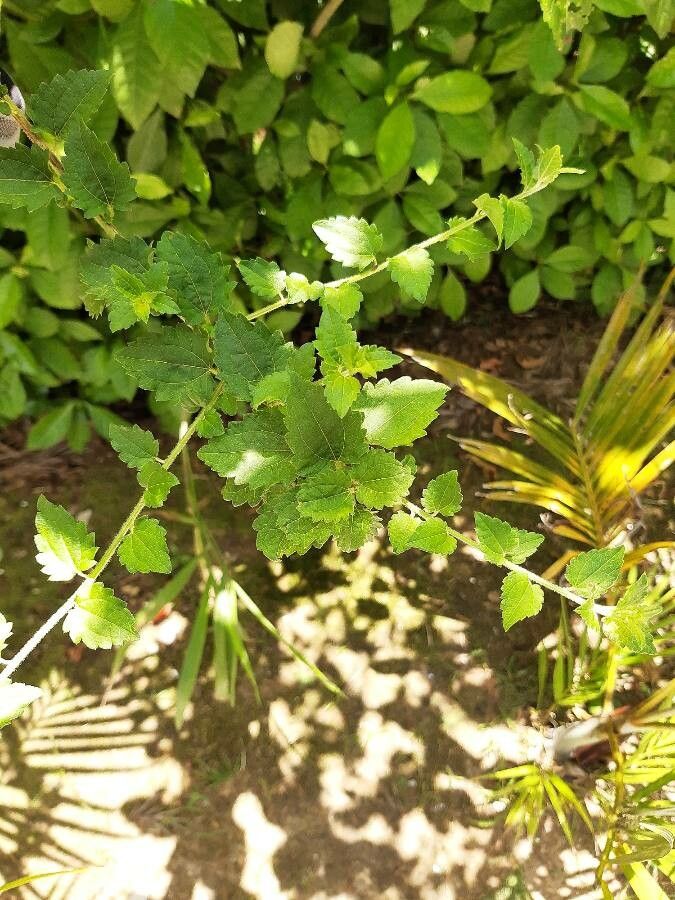
Baccharis glutinosa is a species of flowering plant in the daisy family known by the common names saltmarsh baccharis and Douglas' falsewillow. The species has a discontinuous distribution, found in western North America (California, southern Oregon, northern Baja California) and in South America (Brazil, Bolivia, etc.). The North American populations were for many years listed as a separate species, B. douglasii, but more recent studies suggest that the plants from the two continents are better regarded as one species.
Saltmarsh baccharis is fairly disease-resistant and is usually not susceptible to illnesses. In terms of care, this plant is relatively low-maintenance. When planted outdoors, it only needs minimal watering, and larger plants generally do not require pruning. Smaller plants, however, should be pruned after they have bloomed. Saltmarsh baccharis is suitable for anyone with an outdoor area, such as a garden or deck, and does not require much gardening experience.
How to keep Baccharis Glutinosa.
Temperature
Saltmarsh baccharis is highly adaptable to a variety of climate conditions, from blistering summers to freezing winters. Nevertheless, it has a preferred temperature range for optimal growth. If temperatures rise too much, the plant can suffer from heat and humidity stress that may kill it. In locations where temperatures approach the lower limit of its cold tolerance, applying insulation measures is necessary to protect the plant.
Fertilizer
Fertilize your Saltmarsh baccharis in early spring to encourage healthy growth. Regular feeding improves overall health, producing vigorous growth, increased resilience to challenging conditions, and enhanced resistance to pests and diseases. Keep a consistent fertilization schedule for your Saltmarsh baccharis to maintain vibrant, deeply colored, and lush foliage.
Botanical profile.
- Plant Type
- Shrub
- Life Cycle
- Perennial
- Genus
- Baccharis
- Family
- Asteraceae
- Hardiness Zone
- 5-11
Other names.