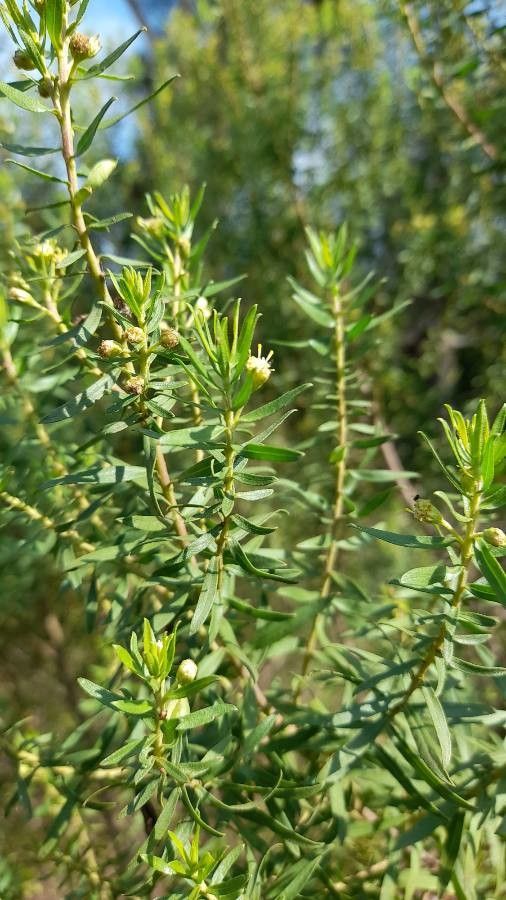
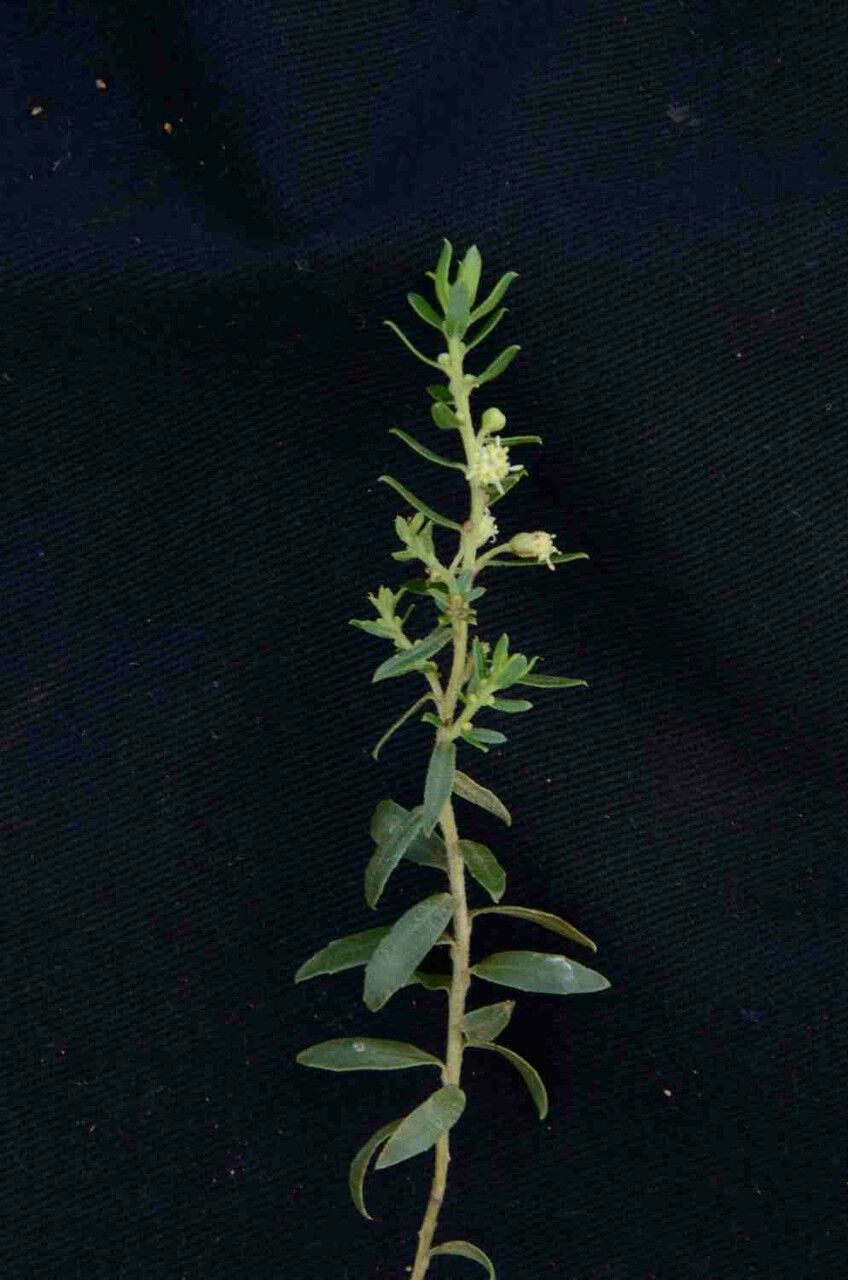
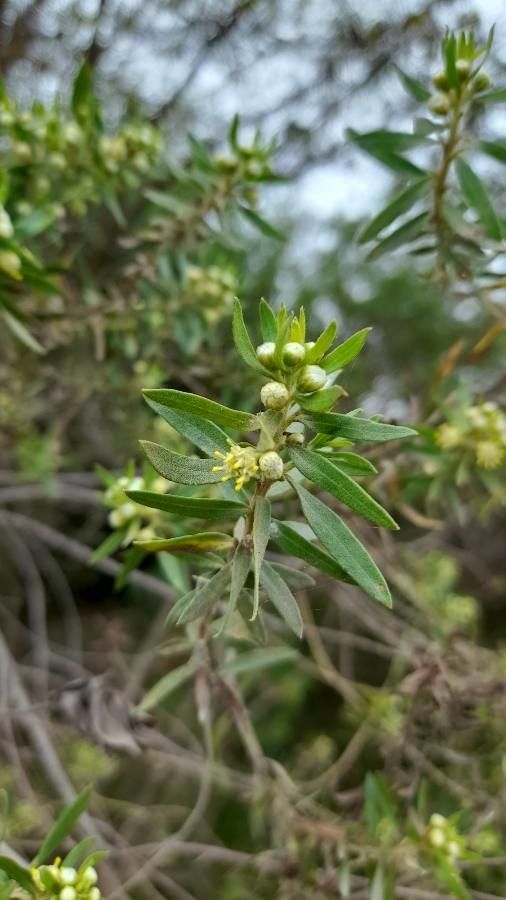
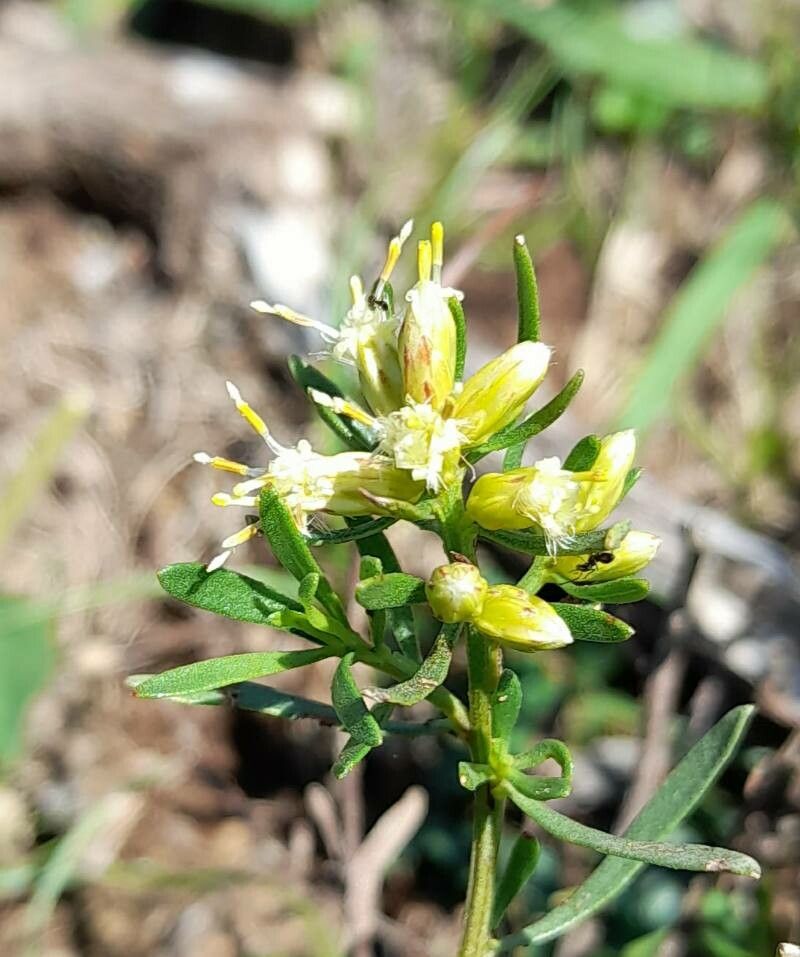
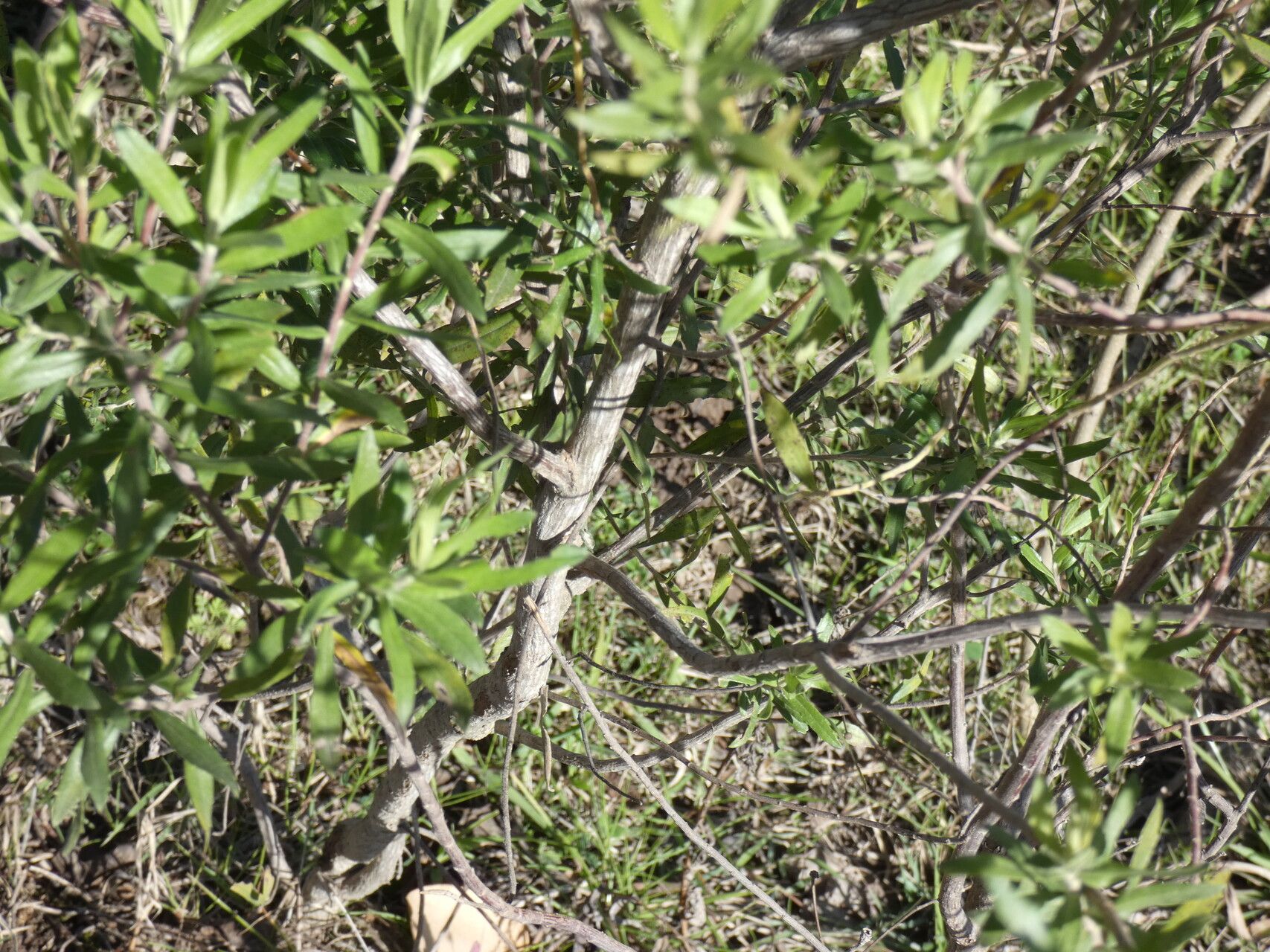
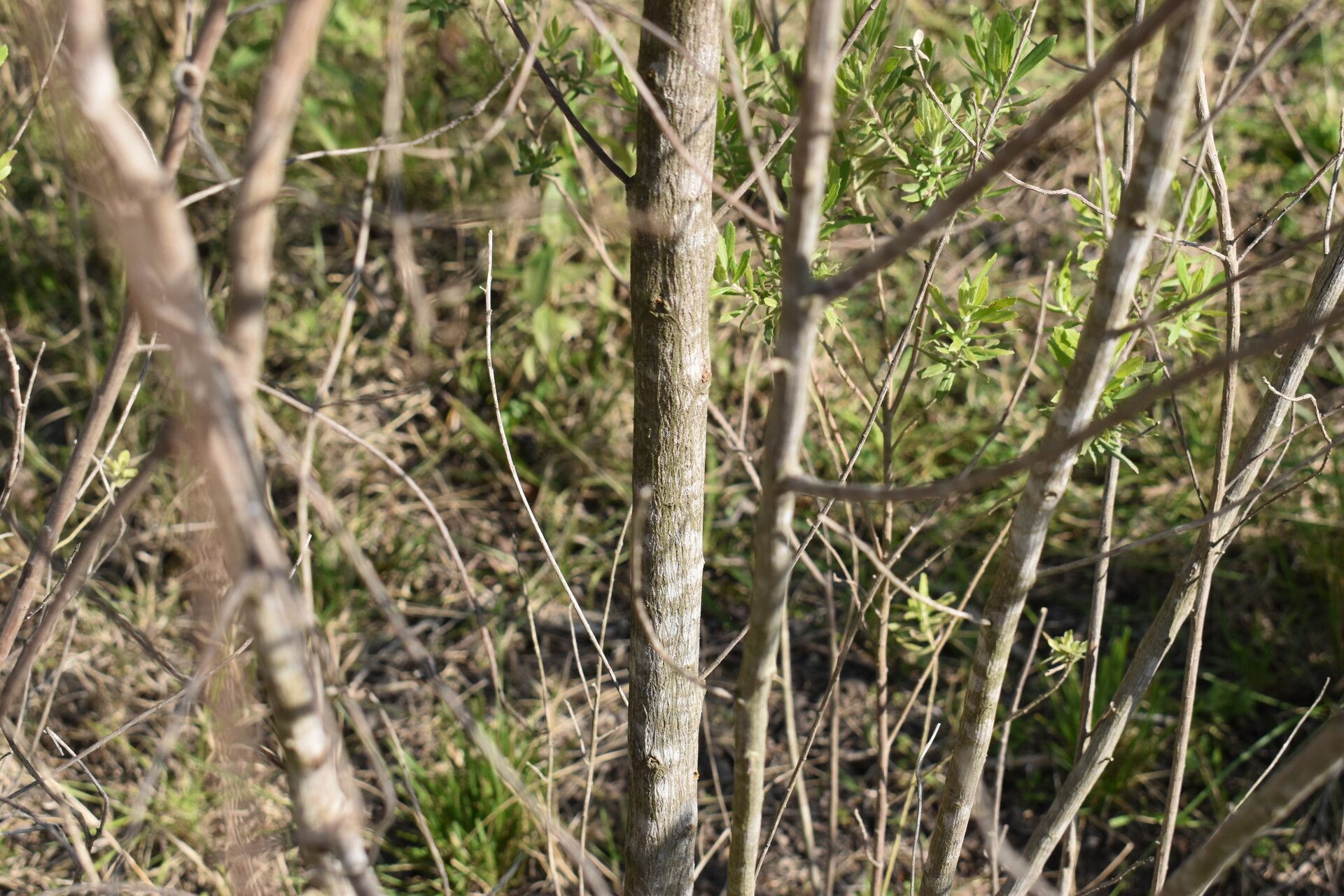
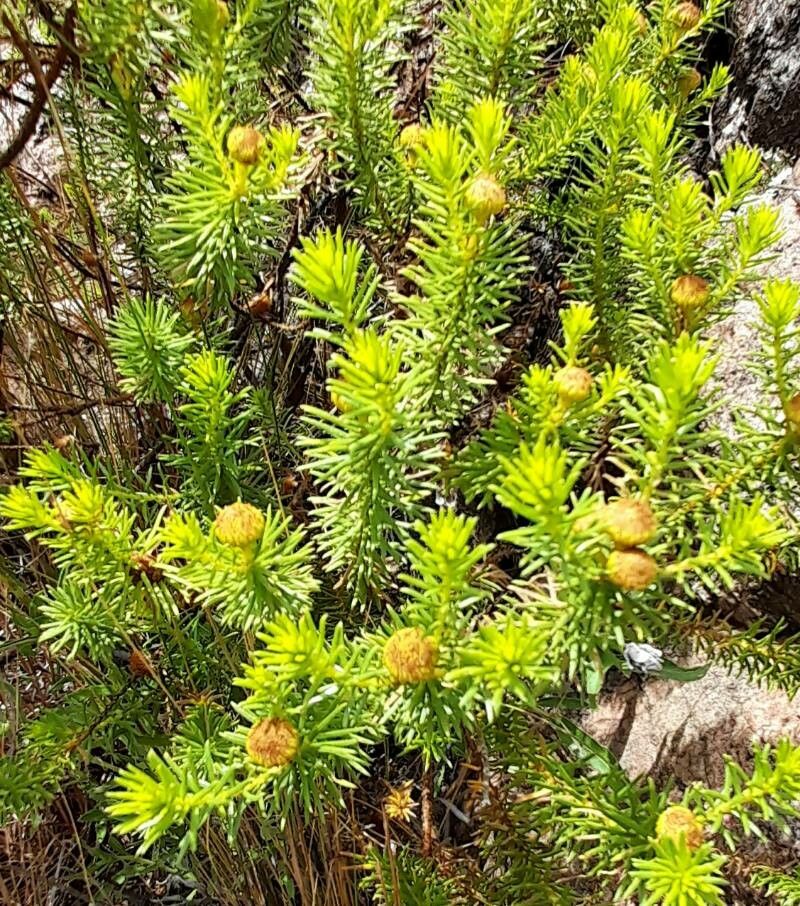
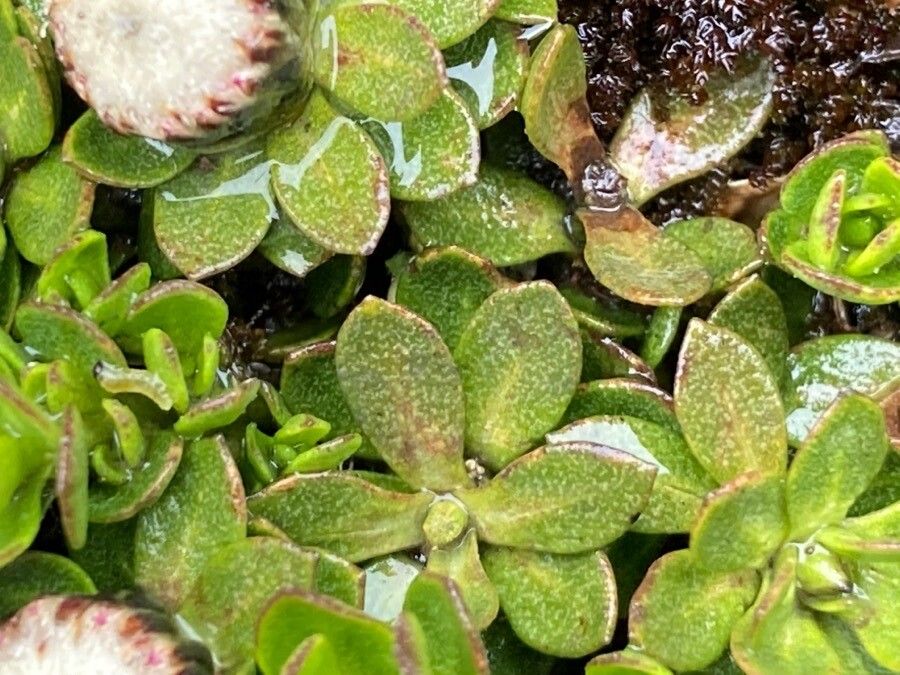
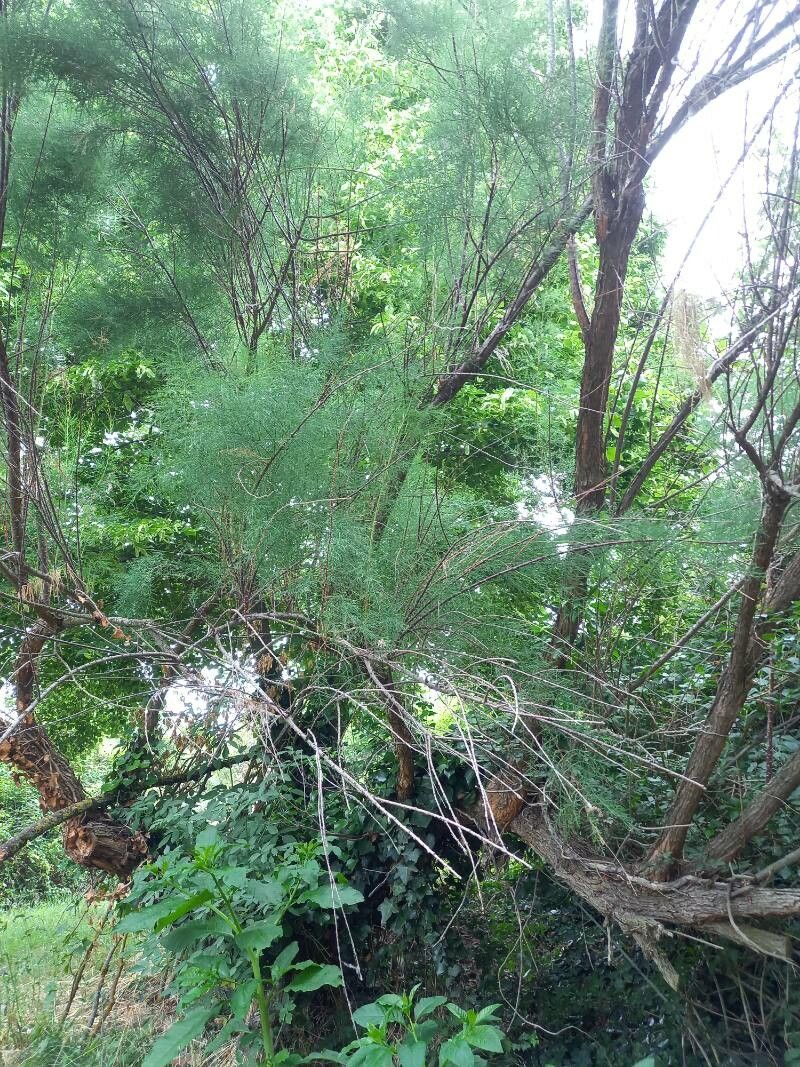
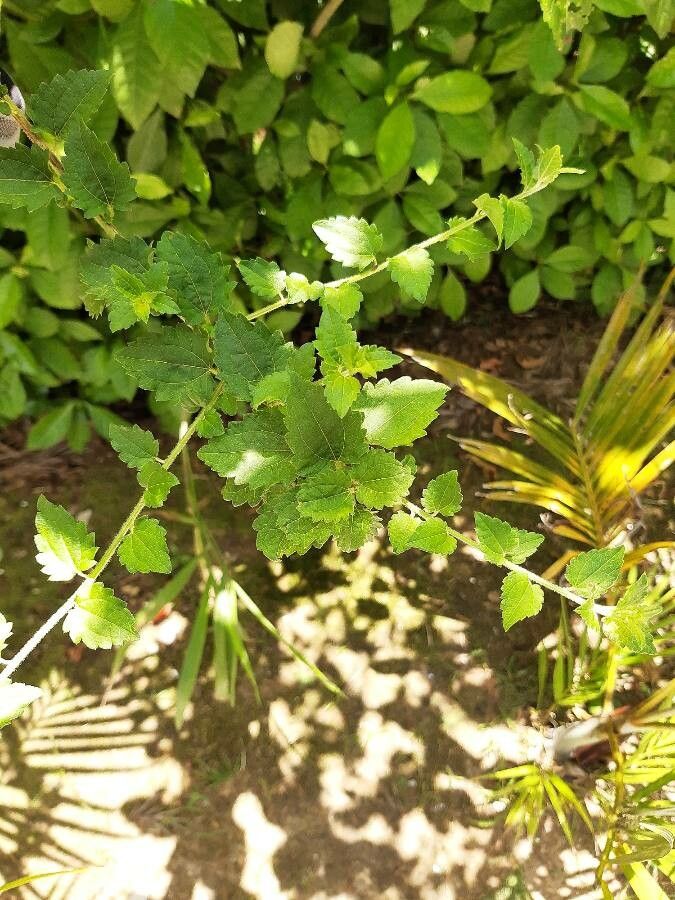
Baccharis dracunculifolia, commonly known as "alecrim-do-campo" or "vassoura," is a shrub species native to Brazil. Belonging to the Asteraceae family, it can grow up to 5 meters tall. The plant features a woody stem and small, narrow leaves that release a pleasant aroma when crushed. It blooms with small white flowers from August to October.
Baccharis dracunculifolia is commonly found in the Cerrado and Atlantic Forest biomes of Brazil, where it plays a crucial ecological role as a pioneer species in disturbed areas. Indigenous communities have traditionally used the plant for its anti-inflammatory properties.
Recently, Baccharis dracunculifolia has garnered attention for its potential in producing green propolis - a natural product with antimicrobial properties widely utilized in traditional medicine and the cosmetics industry.
However, the species faces threats from deforestation and habitat loss due to activities such as agricultural expansion and urbanization. Conservation efforts are essential to protect this important plant species from extinction.
Baccharis dracunculifolia has good resistance to disease and is generally not susceptible to illnesses. Regarding care, this plant is fairly low-maintenance. When grown outdoors it needs little watering, and larger plants typically do not require pruning. Smaller plants, however, should be pruned after they finish blooming. Baccharis dracunculifolia is well suited for anyone with an outdoor area, such as a garden or deck, and does not demand extensive gardening experience.
How to keep Baccharis Dracunculifolia.
Light
Baccharis dracunculifolia comes from open habitats, such as sunny meadows and forest margins, which offer abundant light. It performs best in Full Sun but can also tolerate Partial Sun, adapting well to a range of sunlight conditions.
Temperature
Baccharis dracunculifolia is fairly adaptable to temperature, capable of withstanding higher heat and greater temperature fluctuations. In hot conditions, attention should be paid to watering and providing appropriate shade to avoid sunburn. Conversely, Baccharis dracunculifolia has relatively low tolerance for cold. While it can endure some chill, excessively cold conditions can cause frost damage.
Fertilizer
To encourage healthy development, fertilize your Baccharis dracunculifolia in early spring. Consistent feeding improves overall health, leading to vigorous growth, greater tolerance of harsh conditions, and enhanced resistance to diseases and pests. Keep to a defined fertilization schedule for your Baccharis dracunculifolia to preserve vibrant, deeply colored foliage and a lush appearance.
Botanical profile.
- Plant Type
- Shrub
- Life Cycle
- Perennial
- Genus
- Baccharis
- Family
- Asteraceae
- Hardiness Zone
- 9-11
- Mature Height
- 2 m
- Mature Spread
- 1.52 m to 3.05 m
- Leaf Color
- Green
- Leaf Type
- Evergreen
- Flower Color
- Yellow
- Flower Size
- 0.51 cm to 0.76 cm
- Bloom Time
- Late summer, Early fall, Mid fall
- Planting Time
- Spring, Summer
- Harvest Time
- Mid fall, Late fall, Early winter
Other names.