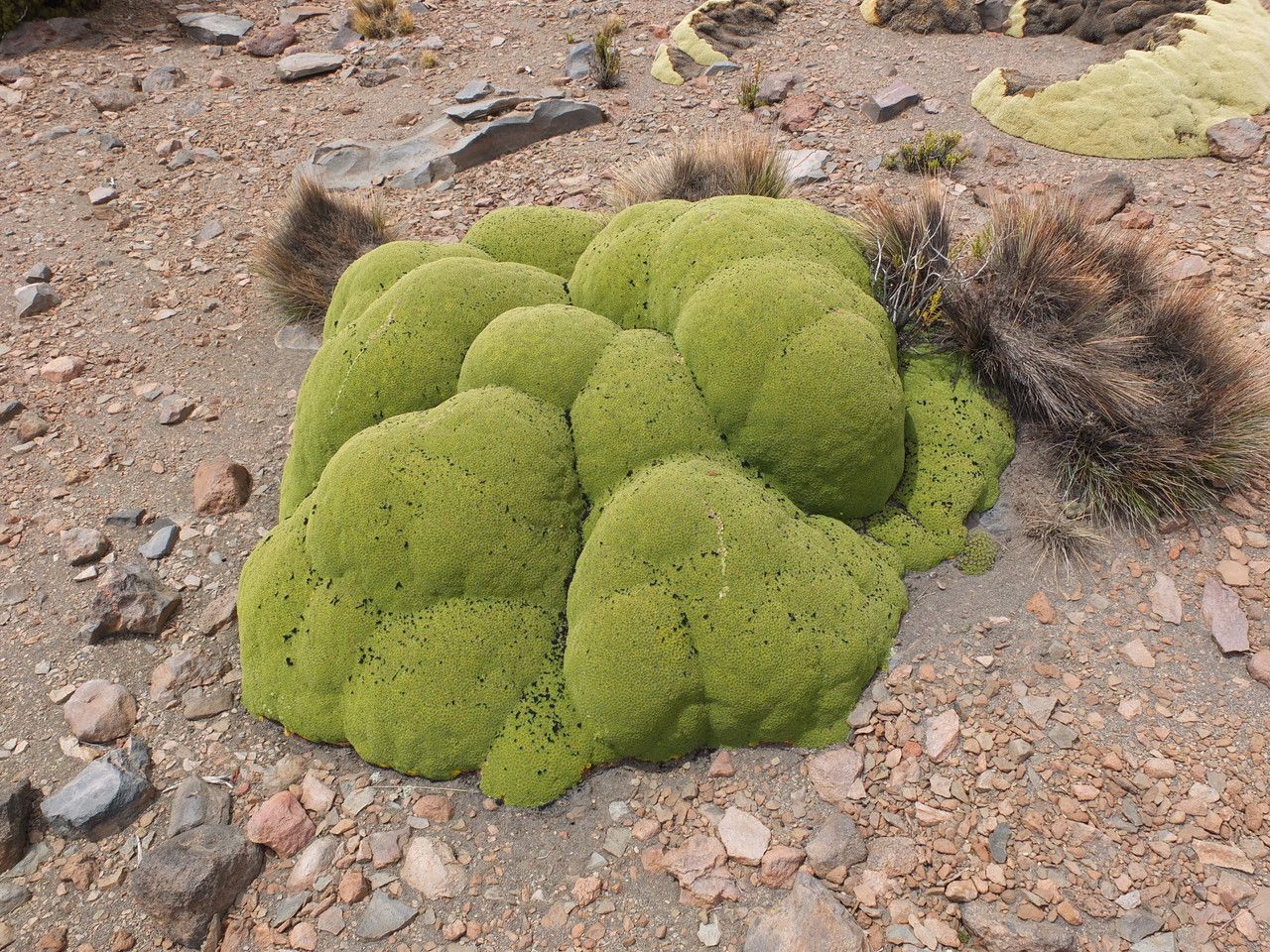
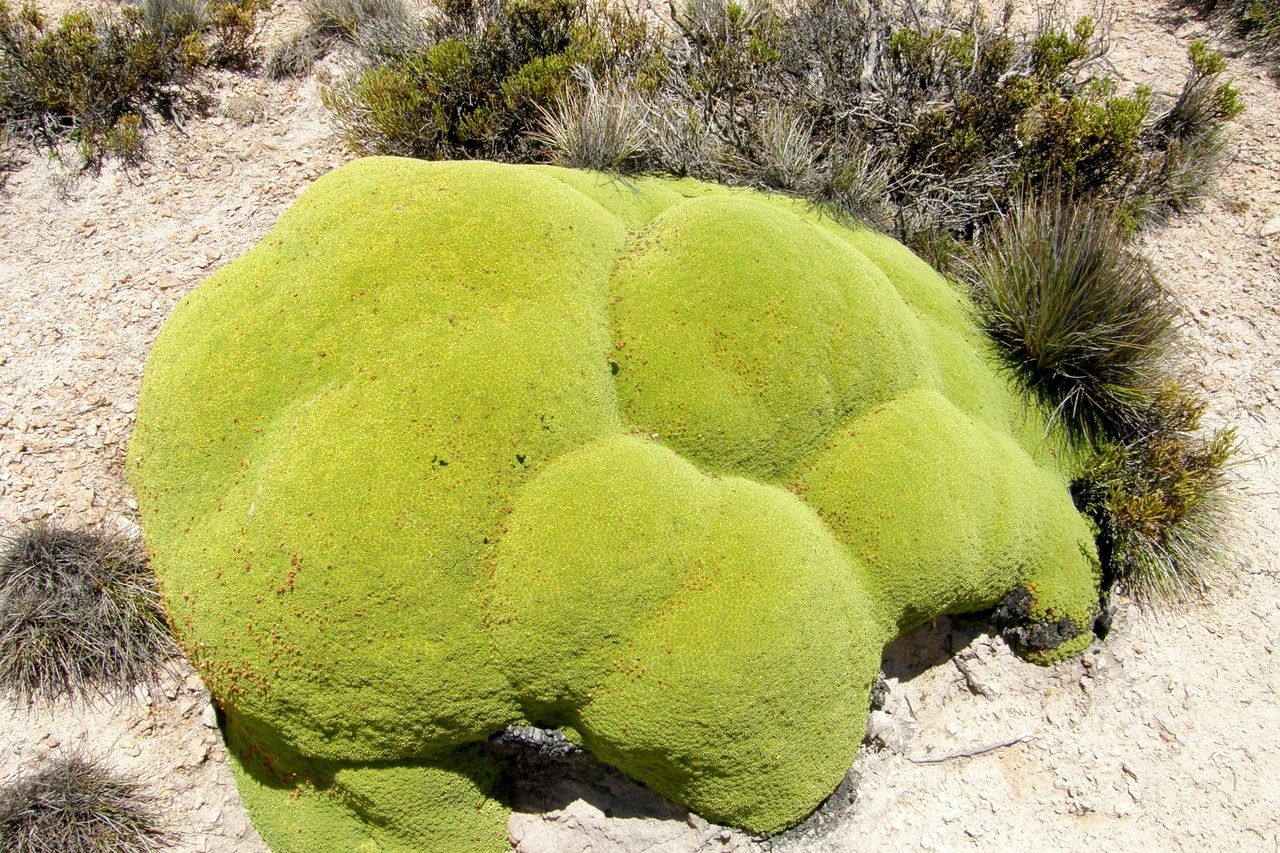
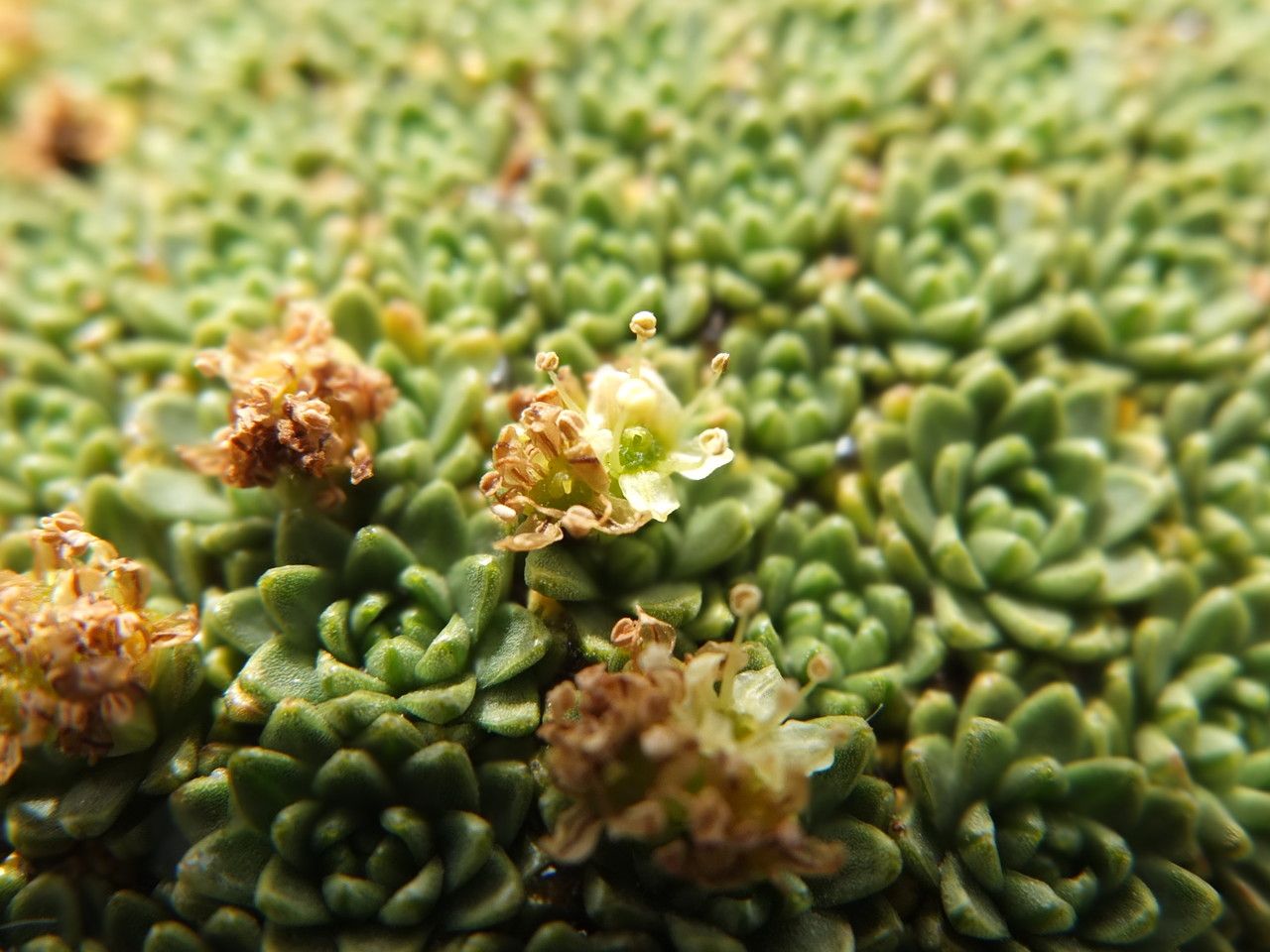
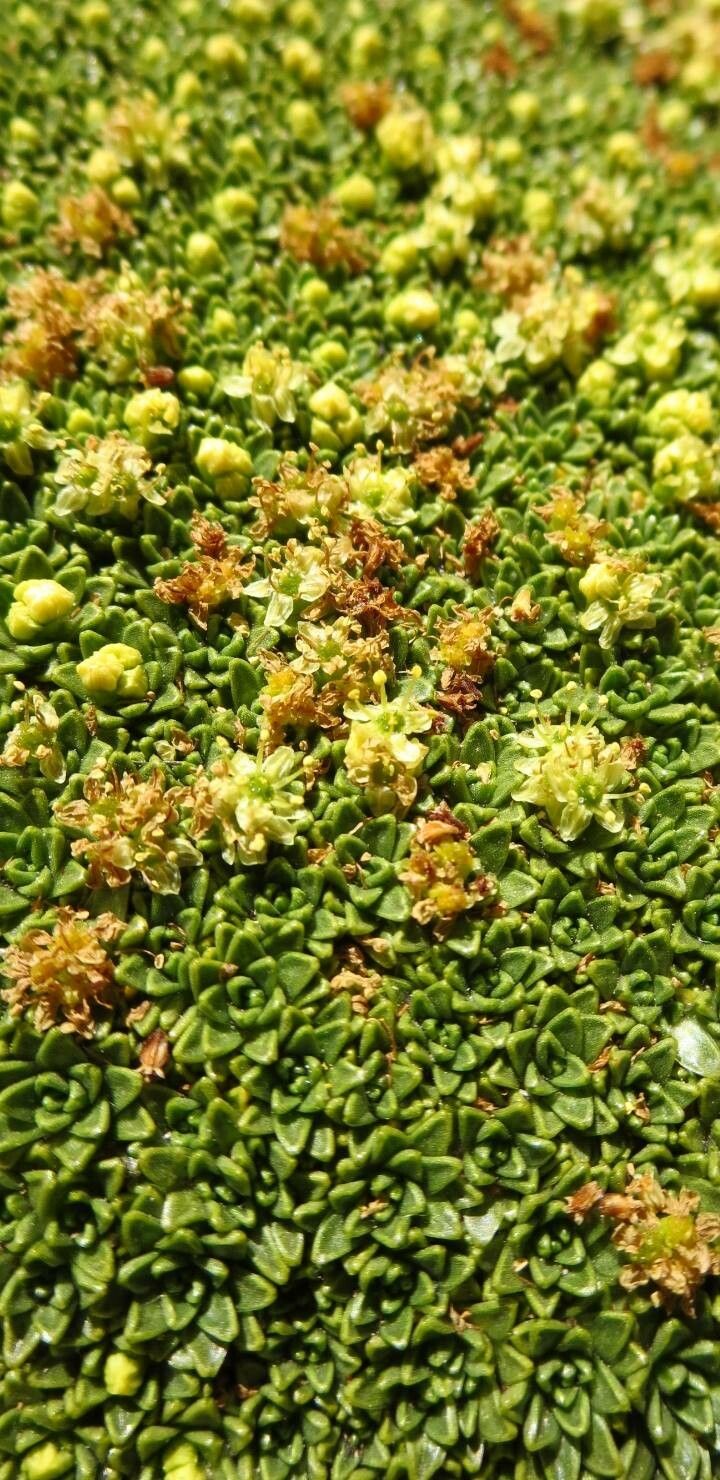
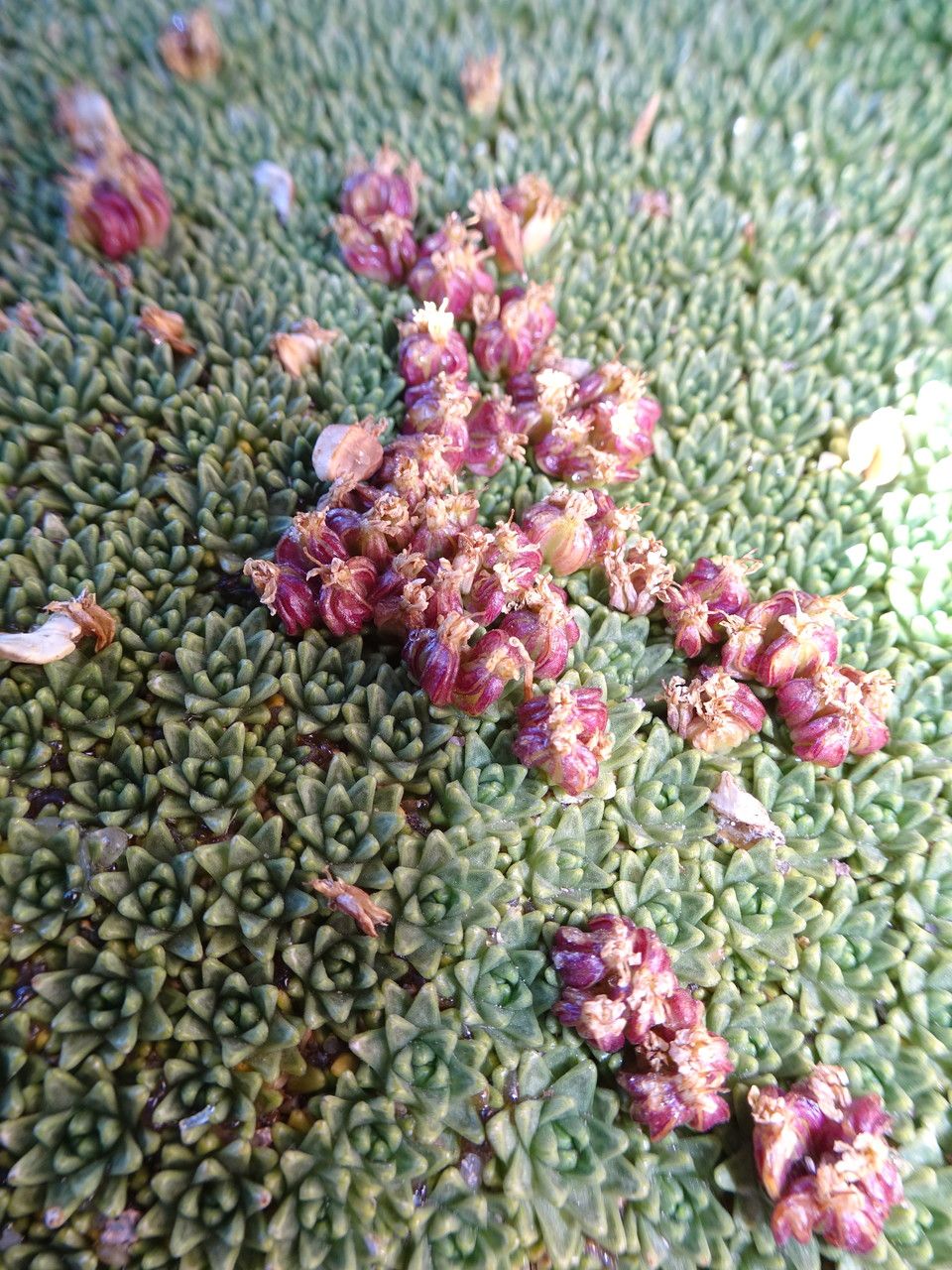
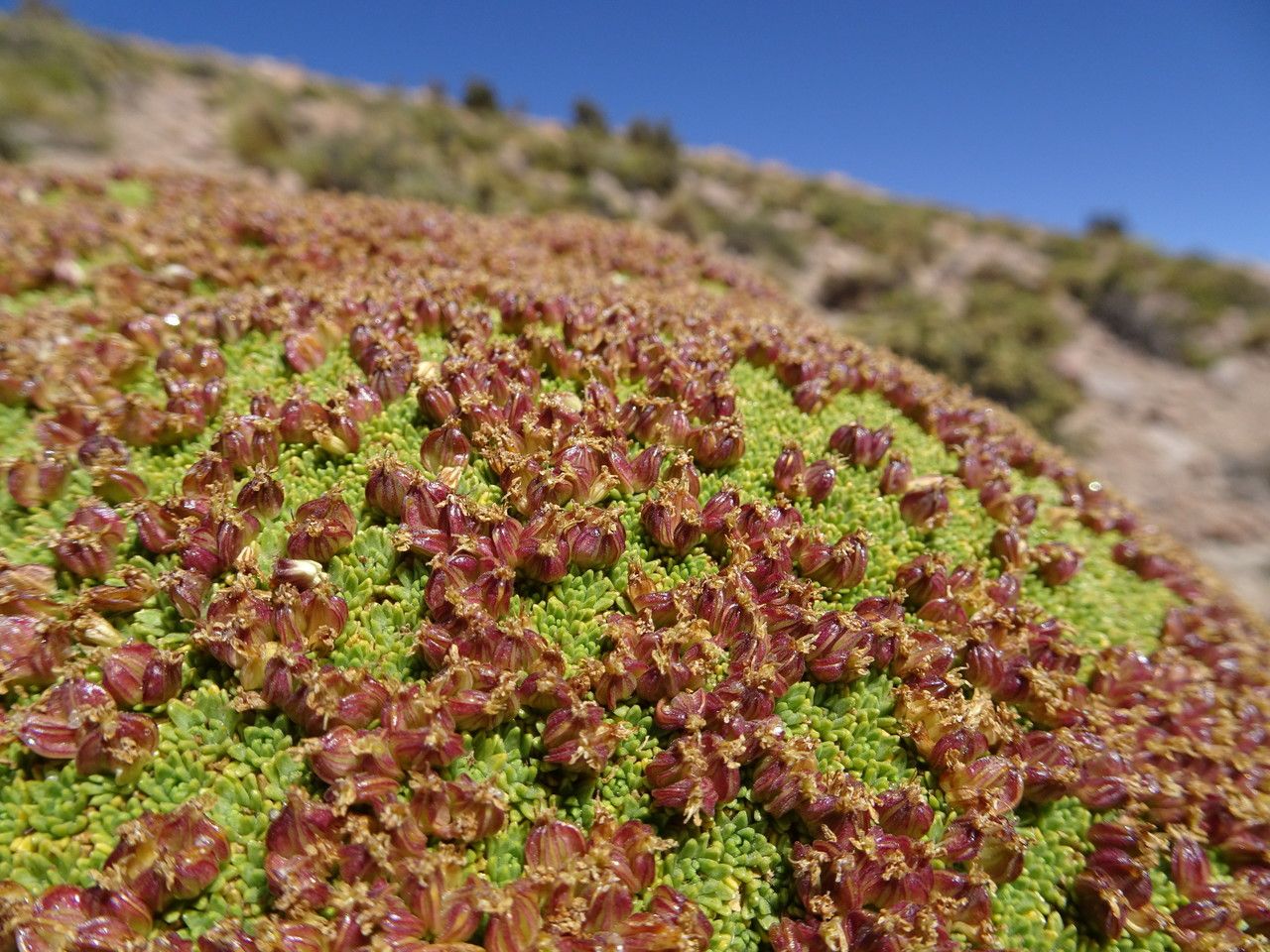
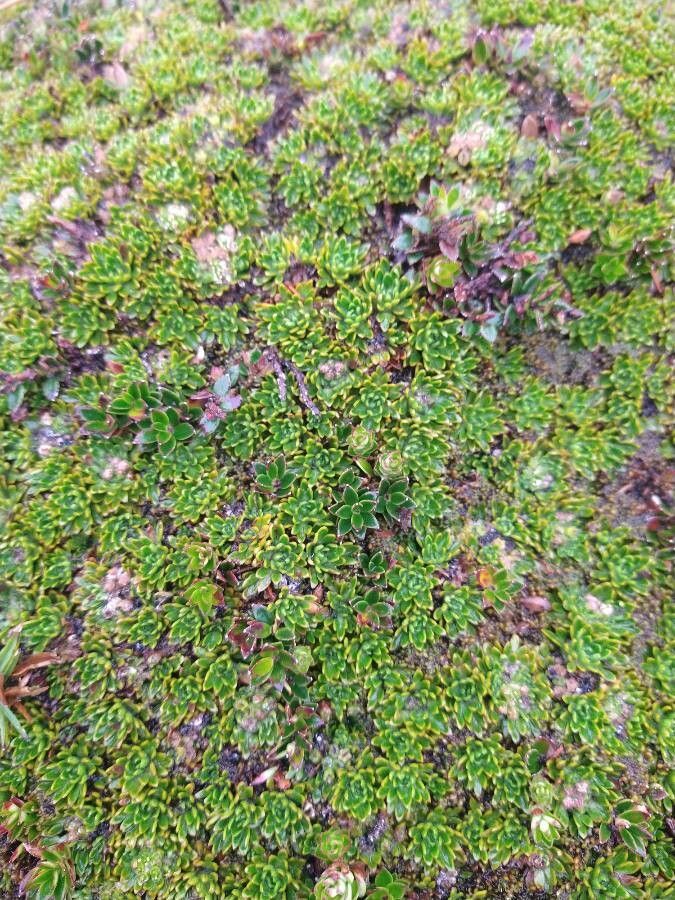
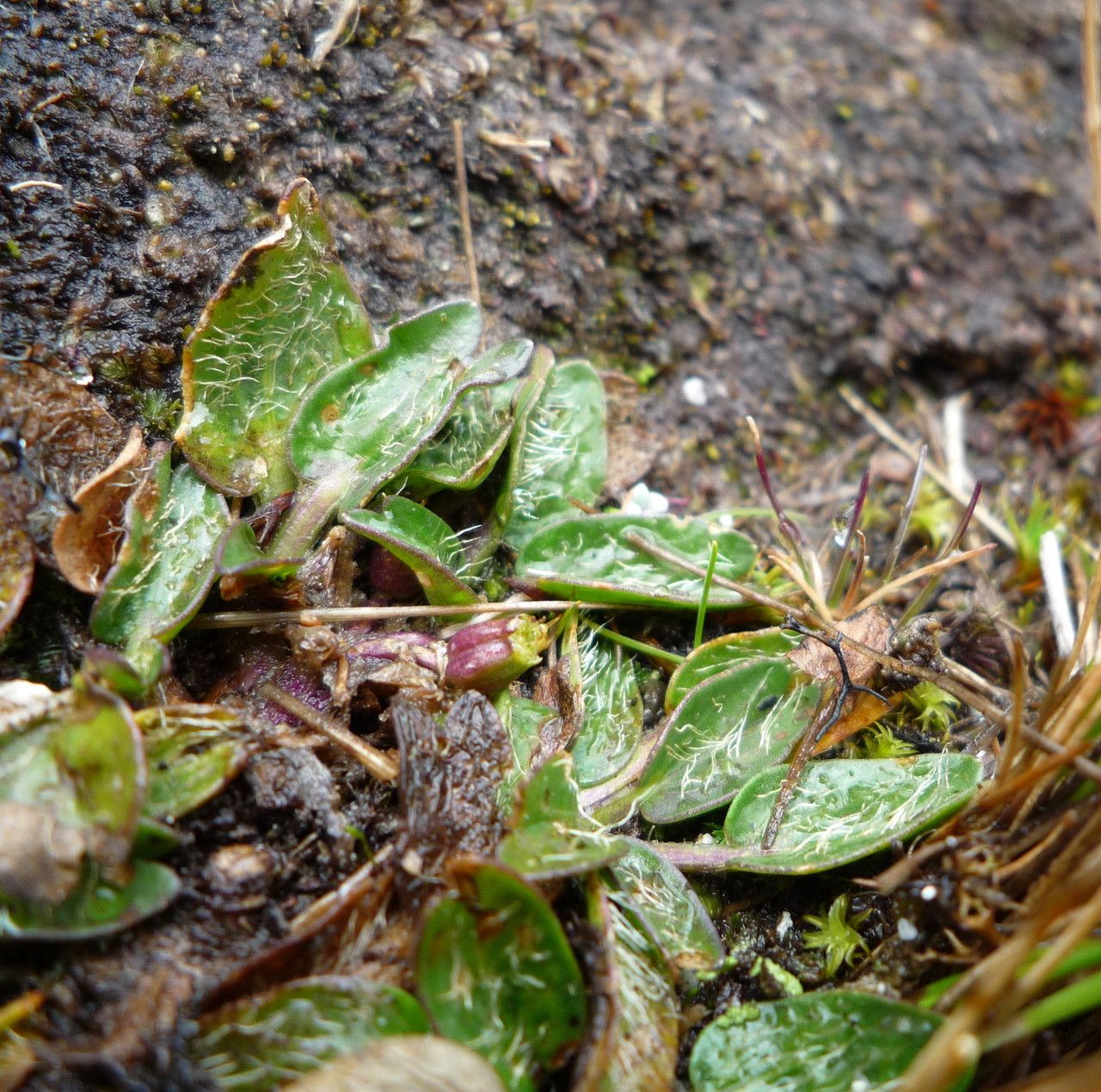
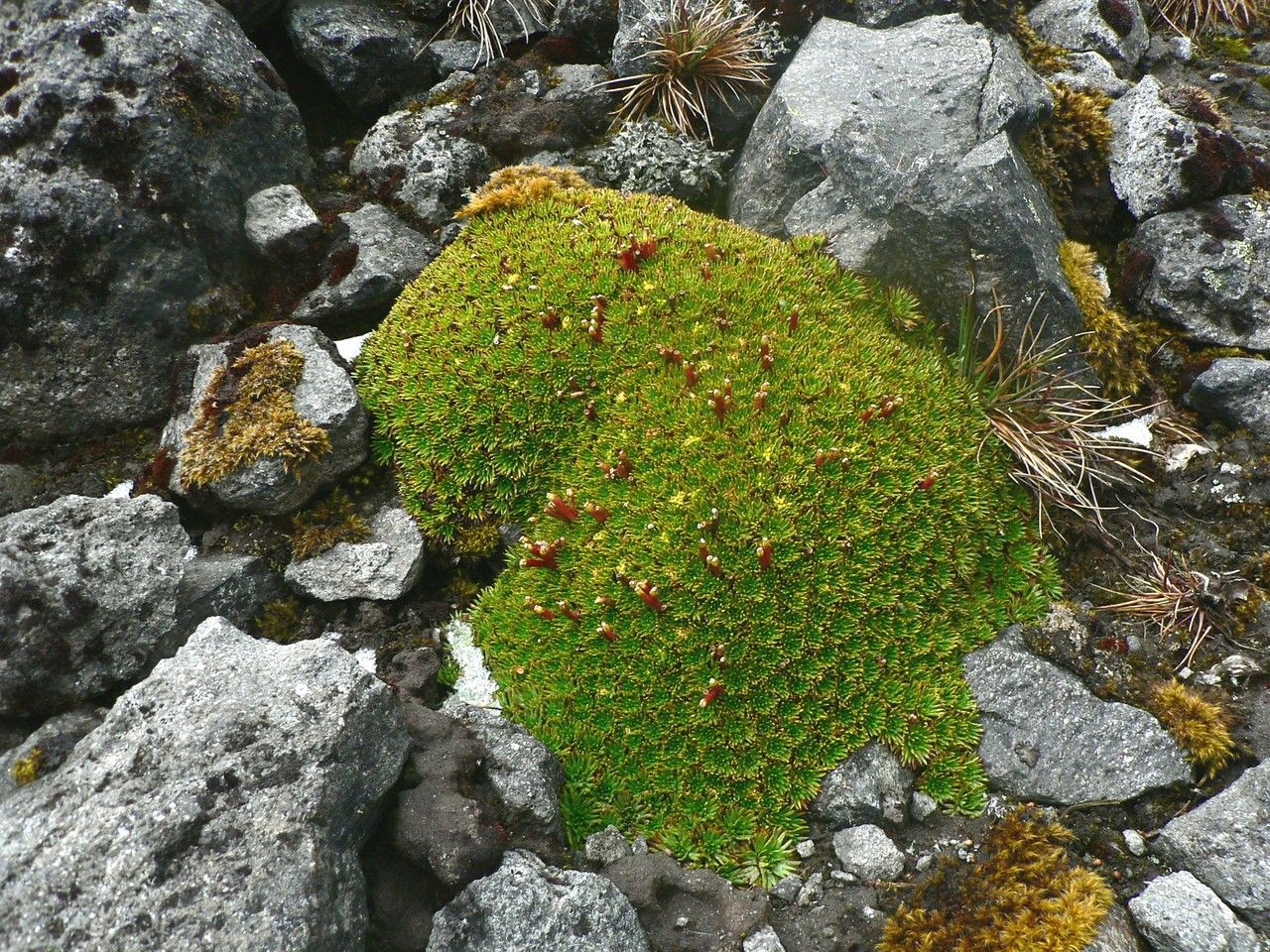
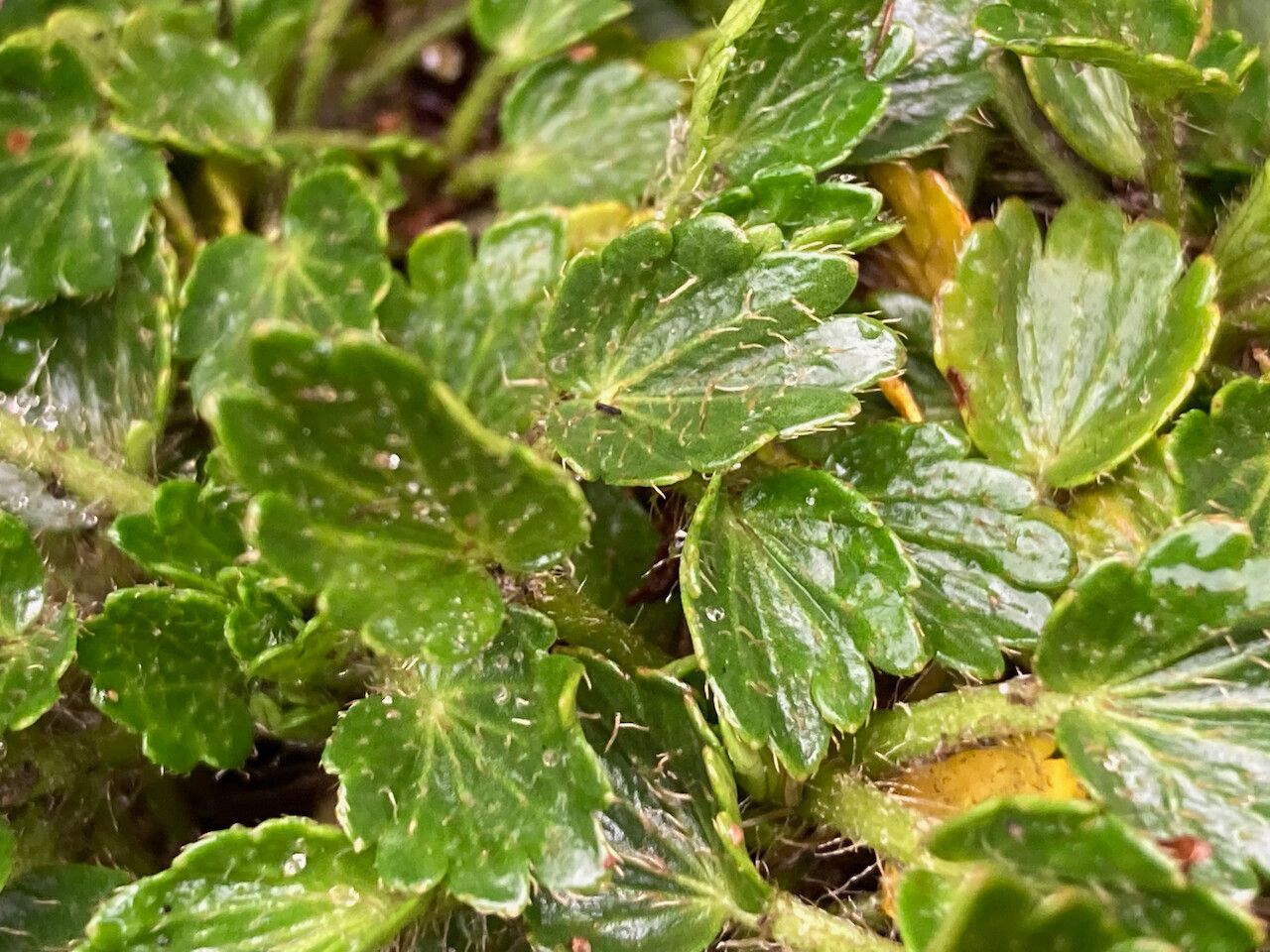
Yareta or llareta (Azorella compacta, known historically as Azorella yareta, from yarita in the Quechua language) is a velvety, chartreuse cushion plant in the family Apiaceae which is native to South America. It grows in the Puna grasslands of the Andes in Peru, Bolivia, northern Chile and western Argentina at altitudes between 3,200 and 5,250 metres (10,500 and 17,220 ft).
Yareta has moderate resistance to diseases but is more vulnerable to humidity and excessive watering. It becomes even more prone to illness if it is both deprived of light and overwatered. Regarding care, Yareta tolerates drought and can go long periods without being watered. It requires little fertilizer and only occasional pruning. Because of these traits, it is appropriate for gardeners of any experience level, particularly for those who prefer to spend less time on plant care or who may be away from home for extended stretches. It suits people who do not wish to invest much time in maintenance yet still want a plant that is simple to care for.
How to keep Azorella Compacta.
Light
Native to arid regions, Yareta grows best in full sun; its native habitat features intense sunlight and very little shade. It can also tolerate partial sun, offering some flexibility in its growth.
Temperature
Yareta grows best in warm conditions and requires higher temperatures during the growing season to encourage growth and metabolic activity. It prefers abundant sunlight, suitable moisture levels, and good airflow. It is vulnerable to harm from very low temperatures and from overwatering. Finding a balance is important, and excessively high heat or overly dry conditions should be avoided.
Fertilizer
For Yareta, small amounts of fertilizer applied 1-2 times a year during the growing season are sufficient. Avoid fertilizing in winter or summer when it's dormant. Cut back on fertilizer for repotted plants and wait a couple of months after repotting before fertilizing. Fertilizing promotes healthy growth and encourages blooms.
Pruning
Yareta is a plant that thrives in high-altitude regions and is known for its dense, cushion-like growth. To keep it well-shaped, ensure good air circulation, and remove dead sections, it's best to prune it in early spring. Regular pruning helps prevent disease and encourages new growth. Be sure to use clean, sharp tools to minimize stress on the plant.
Botanical profile.
- Plant Type
- Succulent
- Life Cycle
- Perennial
- Genus
- Azorella
- Family
- Apiaceae
- Hardiness Zone
- 7-10
- Mature Height
- 10 cm to 49 cm
- Mature Spread
- 0.91 m to 3.05 m
- Leaf Color
- Dark Green, Olive Drab
- Leaf Type
- Evergreen
- Flower Size
- 0.25 cm to 0.51 cm
- Bloom Time
- Late winter, Early spring
- Planting Time
- Spring, Summer
- Harvest Time
- Mid spring, Late spring
- Native Area
- Bolivia, Peru