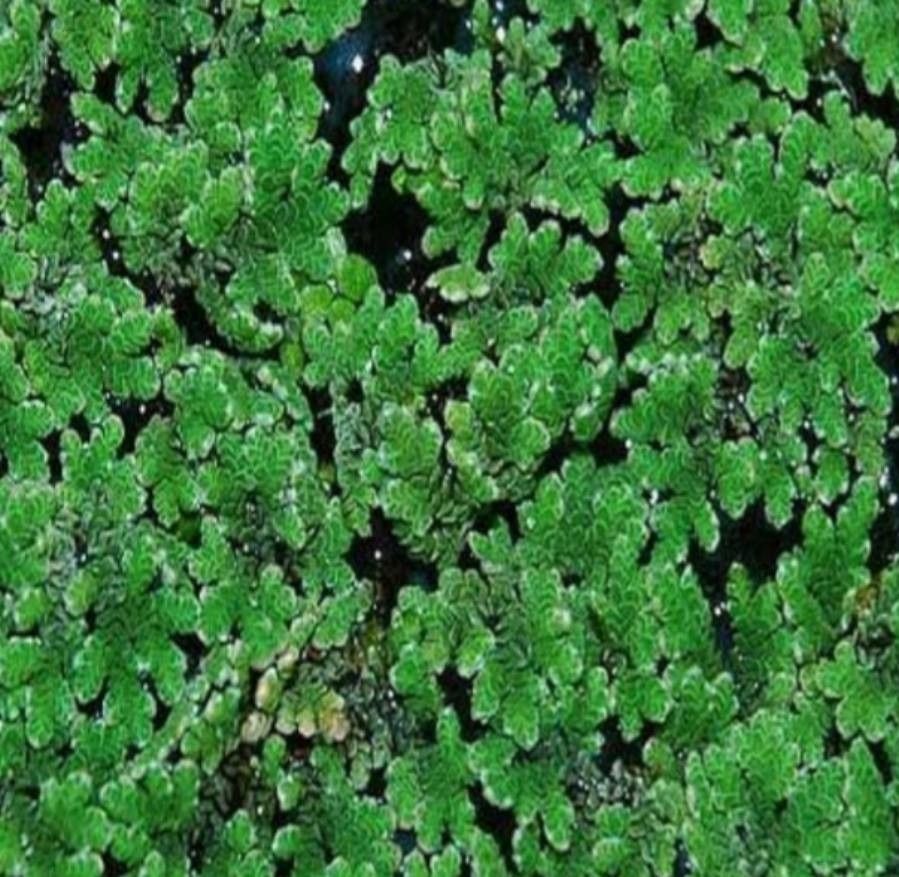
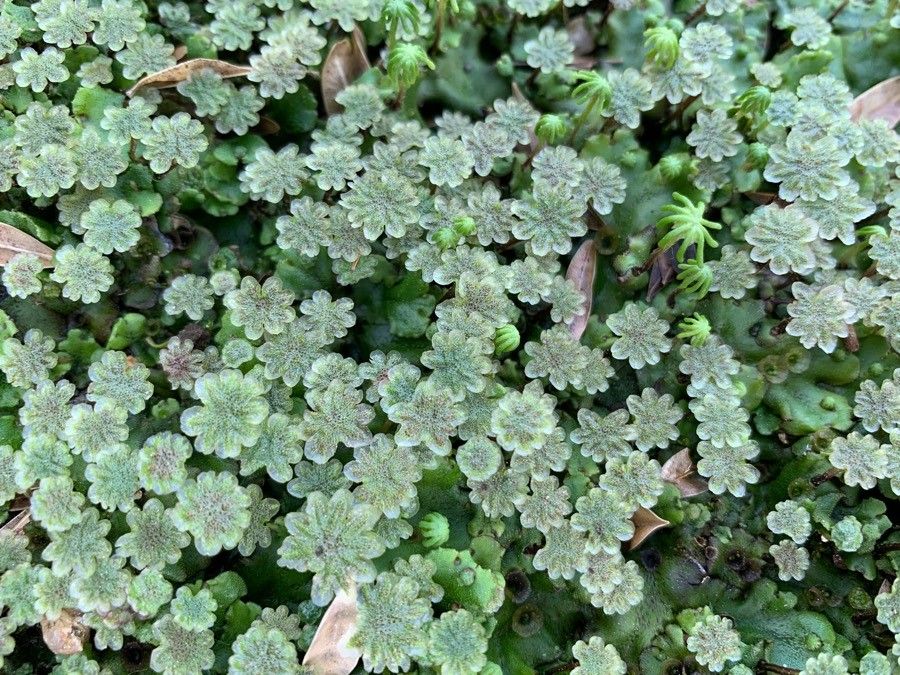
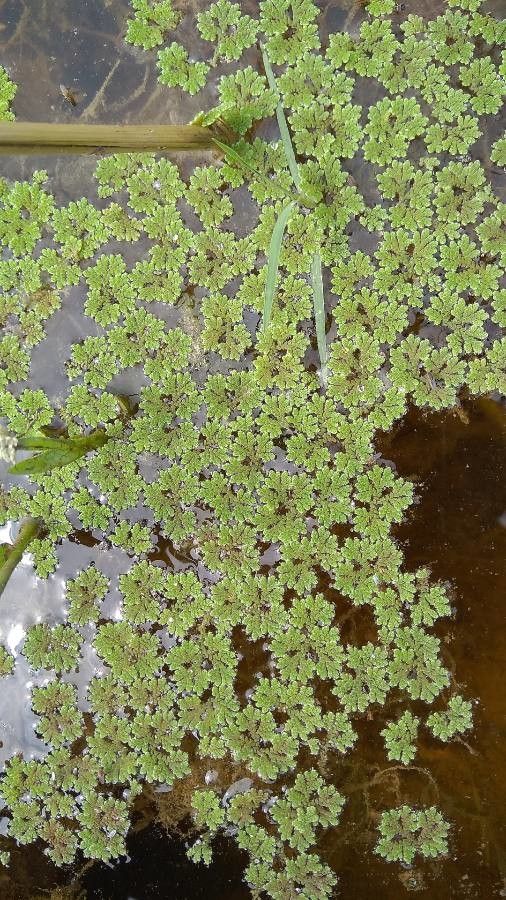
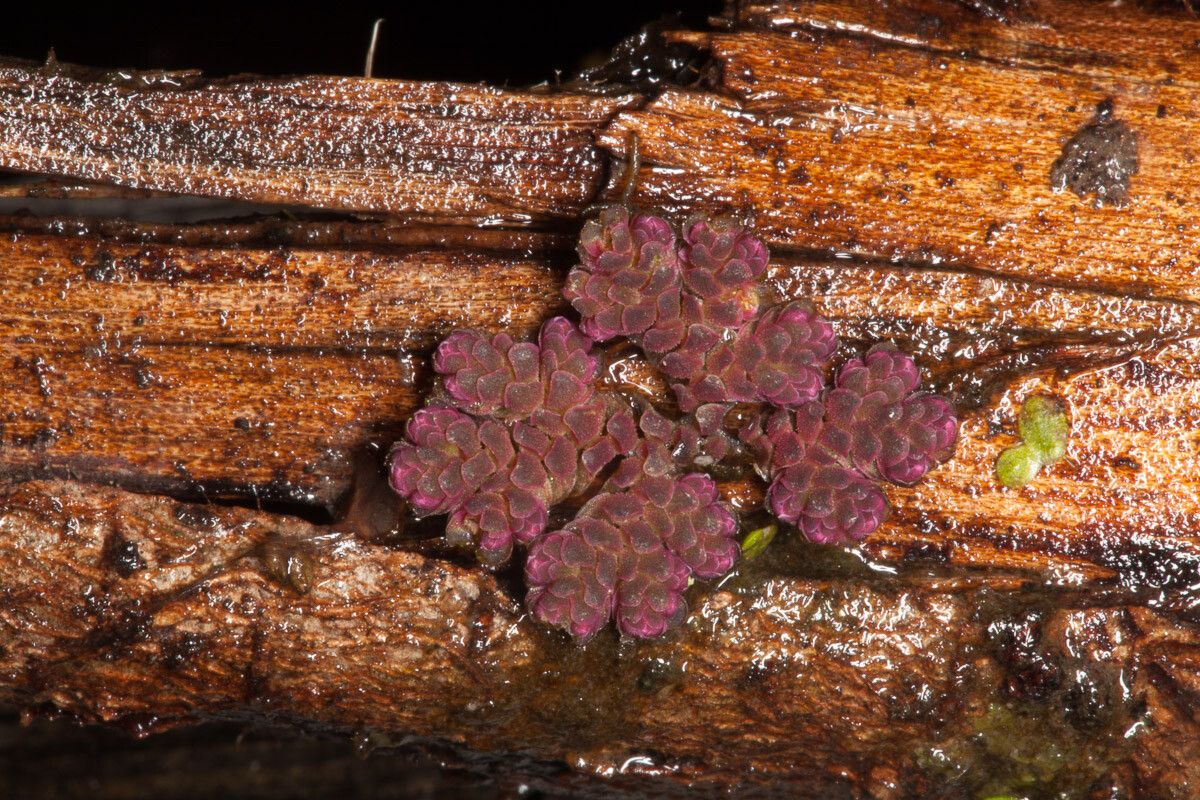
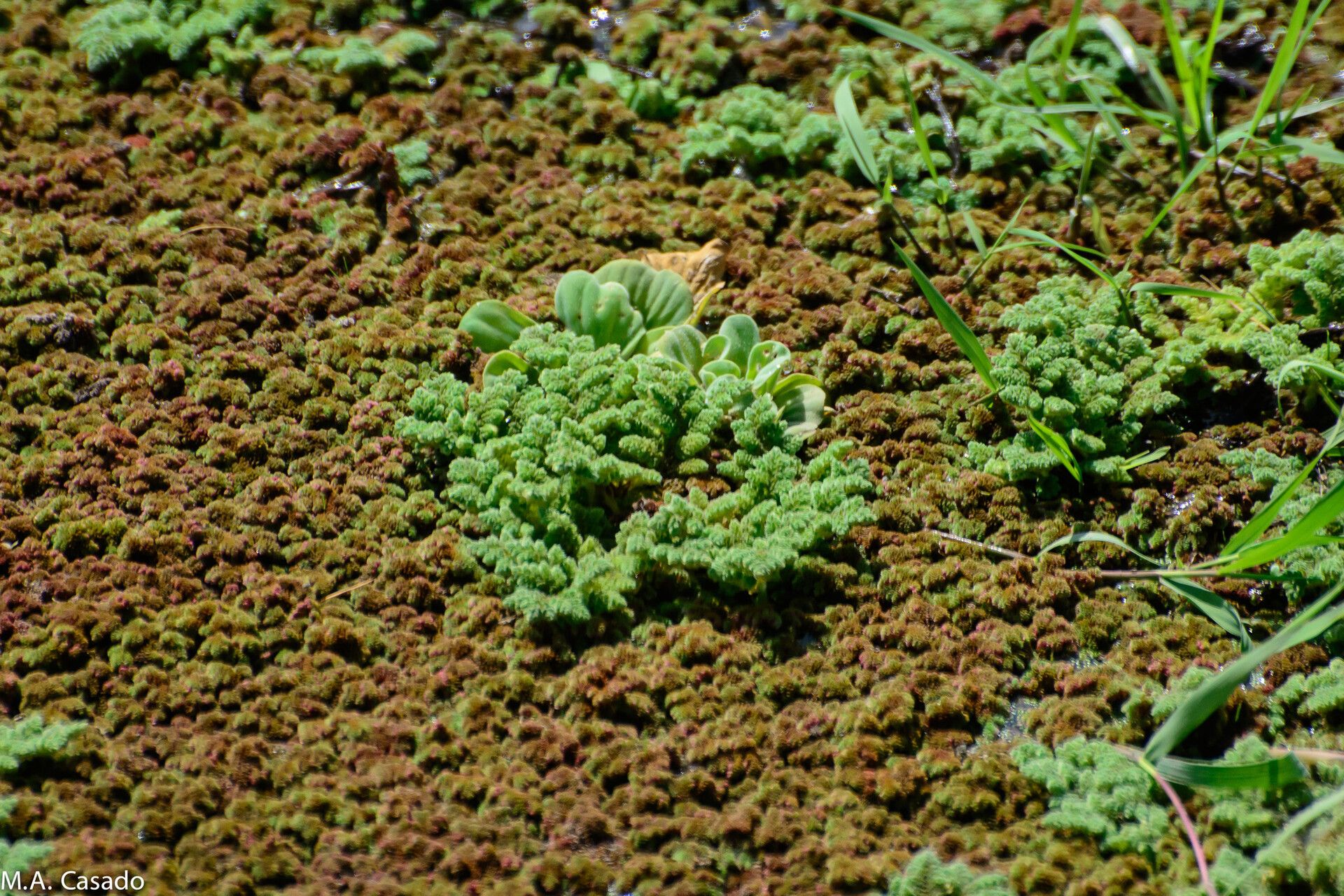
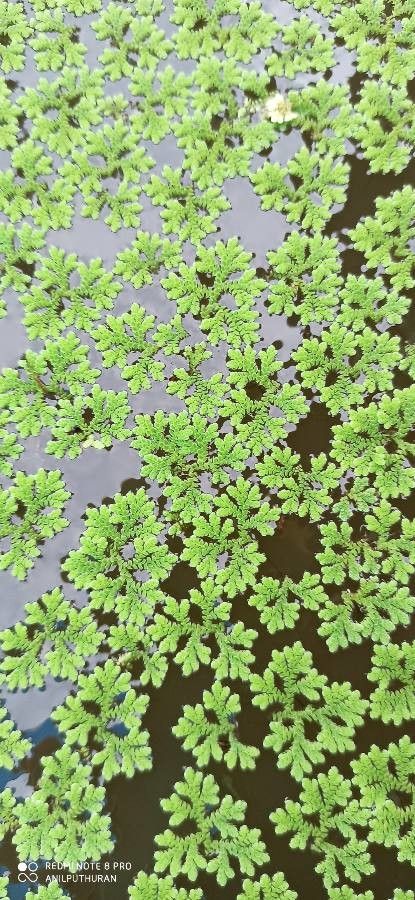
Azolla caroliniana, commonly known as mosquito fern, is a small aquatic fern native to North America. The name "mosquito fern" derives from its ability to blanket the surfaces of still water bodies, hindering mosquito larvae from accessing air. The plant features small, green leaves arranged in pairs along a central stem. It reproduces rapidly through vegetative propagation, forming dense mats on the water's surface and providing habitat for various aquatic organisms.
Azolla caroliniana is valued for multiple uses, including as a biofertilizer and animal feed, thanks to its high nitrogen content. It can fix atmospheric nitrogen through a symbiotic relationship with cyanobacteria located in specialized structures on its leaves called "heterocysts." This nitrogen-fixing ability makes the plant a vital component of wetland ecosystems, where it plays a crucial role in nutrient cycling.
However, despite its benefits, Azolla caroliniana can become invasive and create ecological problems when introduced to non-native habitats. In such environments, it can outcompete native species and disrupt ecosystem processes. Therefore, caution is advised when using this plant outside its natural range or habitat.
Carolina mosquito fern has good resistance to disease and is generally unlikely to suffer from illnesses. However, it can be vulnerable to pests and diseases present in its surroundings. These problems are typically not serious. As for care, this plant requires a moderate amount of attention. It should be pruned regularly to preserve a neat appearance and support healthy growth. Fertilizing can also encourage flowering. Carolina mosquito fern is a good choice for anyone with outdoor space, such as a garden or patio, and does not need extensive experience in plant care. It may need more attention when grown indoors.
How to keep Azolla Caroliniana.
Light
Carolina mosquito fern does best when it gets sun all day. It can survive in places with less sun, but its healthiest state is seen with maximum daylight. It comes from areas with plenty of light, though too much sun can possibly harm the plant.
Water
Carolina mosquito fern thrives in moist freshwater environments and requires weekly watering for optimal growth. This aquatic fern is excellent at filtering and purifying water, which enhances the health and clarity of its ecosystem. It is commonly cultivated outdoors.
Temperature
Carolina mosquito fern comes from regions where temperatures typically range from 68 to 100 °F (20 to 38 ℃). The plant does best in that temperature range. Provide additional shade during hotter seasons; shading is unnecessary in winter.
Fertilizer
To help Carolina mosquito fern thrive, apply a balanced fertilizer with a higher nitrogen content once a month during the growing season, from spring to summer. Stop fertilizing in the winter and be sure to dilute the fertilizer as recommended to prevent overfertilization. Monitor the plant's response and adjust your care routine based on seasonal changes for the best results.
Pruning
The Carolina mosquito fern is a small, floating aquatic fern that grows rapidly and forms dense mats. To control its spread, lightly prune the fern in early spring and thin out overcrowded areas as needed. Regular pruning improves water aeration, prevents stagnation, maintains an appealing look, and promotes healthier growth.
Botanical profile.
- Plant Type
- Herb
- Life Cycle
- Annual
- Genus
- Azolla
- Family
- Salviniaceae
- Hardiness Zone
- 7-11
- Mature Height
- 15 cm
- Mature Spread
- 5 cm to 10 cm
- Leaf Color
- Green
- Leaf Type
- Semi-evergreen
- Planting Time
- Spring, Autumn
- Native Area
- Colombia, Cuba, Venezuela, Peru, Guyana, Brazil, Ecuador, Jamaica
Other names.
Reader questions.
How should I water my Carolina mosquito fern?
To water Carolina mosquito fern, you have several options for watering tools such as a garden hose with a spray nozzle or a watering can. The plant is not too picky about the type of water it receives, whether it's rainwater, tap water, or filtered water. However, it's generally best to avoid watering from overhead as this can harm the leaves and flowers and potentially lead to disease. A drip irrigation system is often the ideal method for watering Carolina mosquito ferns, as it evenly and directly applies water to the soil. If you have a container-grown fern, you can use similar watering methods but with tools like a cup, watering can, or tap water to water the soil directly.
Why should I put fertilizer on my Carolina mosquito fern?
Not all plants require additional fertilizers as some are able to obtain the necessary nutrients for growth on their own. Carolina mosquito fern, like other plants, relies on nutrients to support its growth and internal processes. Nitrogen, phosphorus, and potassium are the main nutrients that plants require, with nitrogen being particularly important for foliage development. However, it can be challenging for Carolina mosquito fern to acquire sufficient nitrogen from the soil alone. As a result, many gardeners opt to supplement the plant's nitrogen levels by providing it with an external nitrogen source.
How many hours of sunlight does Carolina mosquito fern need each day to grow well?
To ensure optimal growth and survival, it is recommended to give the plants a minimum of 6 to 8 hours of sunlight daily. Particularly during the summer, they thrive with greater exposure to morning light. The Carolina mosquito fern, in particular, requires abundant sunlight. The more light these species receive, the better their ability to produce food, display stunning blooms, and endure.
What is the best temperature for Carolina mosquito fern?
The ideal temperature for Carolina mosquito fern depends on the time of year. There are two main seasons to consider: the growing season and the dormancy season. During the growing season, when the plant is sprouting, the best temperature range is between 65-80℉ (18-27℃). If the temperature drops below 15℉ (-10℃), the plant may suffer, with leaves turning brown and wilting. However, if it is a short cold snap, the plant may survive with some help. On the other hand, during the warmer parts of the year, Carolina mosquito fern should be protected from temperatures that are too high. The upper limit for this plant is between 95-105℉ (35-40℃). Temperatures above this range can damage the plant's foliage and blooms, causing wilting, drooping, and even sunburn on the leaves, which may be difficult for the plant to recover from. Fortunately, there are several quick and easy ways to address this issue.
What should I do if I give my Carolina mosquito fern too much water or too little water?
To prevent underwatering your Carolina mosquito fern, simply water it more regularly when it appears dry. On the other hand, overwatering can be more harmful, leading to disease and decline. To avoid this, choose a growing location with ample sunlight and good drainage. If your fern is in a pot, consider replanting it in a container with better drainage and loose soil.
When should I fertilize my Carolina mosquito fern for best results?
To ensure Carolina mosquito fern thrives, fertilize it once a month during its active growth period in spring and summer. Do not fertilize during fall and winter, when the plant is less active. Look for signs of new growth as an indicator to begin fertilizing. The same schedule applies whether the plant is grown outdoors or in a container indoors. However, if it is in a container, you may not need to fertilize for the first one to two months. Container soil typically contains enough nutrients initially, and you should only start fertilizing after the plant has been in the same soil for some time.
What kind of sunlight does the Carolina mosquito fern need?
The Carolina mosquito fern thrives in full sunlight, so it's important to avoid overcrowding them. They need even exposure to the sun to ensure their leaves receive sufficient sunlight. If you plant them in pots, place them in windows with direct sun to ensure they receive full sunlight throughout the year. They don't do well in partial or filtered light, as this can result in weak stems and unhealthy flowers. It's ideal for the Carolina mosquito fern to be continuously exposed to the sun.
The Carolina mosquito fern needs specific temperatures during its first year or when it is a seedling.
If this is the first year of your Carolina mosquito fern outside as a new plant, it may require additional care during the coldest months. Frost can cause significant damage and prevent healthy growth in the spring. To protect the plant, it needs to be kept at 40℉ (5℃) or above until it is established. This can be achieved by either bringing it indoors for a month or two or using mulch or fabric barriers to shield it from frost. During the first year or two, it's advisable to plant the Carolina mosquito fern in a shadier spot as smaller and weaker plants struggle to regulate their temperatures in the heat. Limiting direct sunlight to no more than five hours per day, especially if the temperature exceeds 80℉ (27℃), is recommended. Shadecloth and regular watering or misting are crucial for controlling heat during the summer.
How often should I give water to my Carolina mosquito fern?
For Carolina mosquito fern, it is important to water regularly throughout the growing season. In spring, water the plant once a week. As the season progresses and it gets warmer, increase the watering to two to three times per week. However, be careful not to exceed this rate as it can harm the plant. Regardless of the watering frequency, ensure that the soil remains moist but not wet. Watering Carolina mosquito fern in a pot is slightly different. The soil in a pot tends to heat up and dry out faster than ground soil. Therefore, you should water a potted Carolina mosquito fern a few times per week, as compared to just once per week for an in-ground plant.
When is it not a good idea to fertilize my Carolina mosquito fern?
To ensure the best results, avoid fertilizing your Carolina mosquito fern if it shows signs of illness or has bugs on it. It's also important not to fertilize a dehydrated plant, as it can worsen the problem. Only apply fertilizer to healthy plants. When watering, be cautious not to splash fertilizer onto the leaves or stem, as it can cause damage. Unless you have a specific foliar fertilizer, avoid direct contact between the plant and the fertilizer.
Does sunlight harm plants? How can you protect Carolina mosquito fern from damage caused by the sun and heat?
The Carolina mosquito fern is prone to damage when the temperature exceeds 90℉(32℃), especially if it is exposed to prolonged sunlight. To protect the plant, it is recommended to provide some shade in the afternoon during the summer, as the sunlight is stronger and lasts 50% longer compared to winter. If the plant is stressed by sunlight, ensure it stays hydrated by watering it when the top of the soil is about 2 inches dry. If the heat is too intense, consider moving container plants indoors. It is normal for the leaves to wilt during the day, as they usually recover at night. However, if the Carolina mosquito fern remains droopy, it means the plant is losing water rapidly and requires additional watering.
How can I keep Carolina mosquito fern safe from very hot or cold weather?
During the growing season, if the temperature drops below 15℉ (-10℃), there are ways to protect Carolina mosquito fern from frost or cold damage. If you have it in a container, you can bring it inside where there is bright, indirect light until the temperature warms up again. If it's planted in the ground, you can use mulch or horticultural fabric to create a barrier around the plant, which will protect it from frost and cold wind. In hot temperatures above 80℉ (27℃), it's important to limit the plant's sun exposure to six hours or less, preferably in the morning. Setting up shade cloth or a fine plastic mesh can help reduce direct sunlight during the hottest parts of the day. Additionally, installing a misting system can release a cooling mist around the base of the plant to lower ground temperatures.