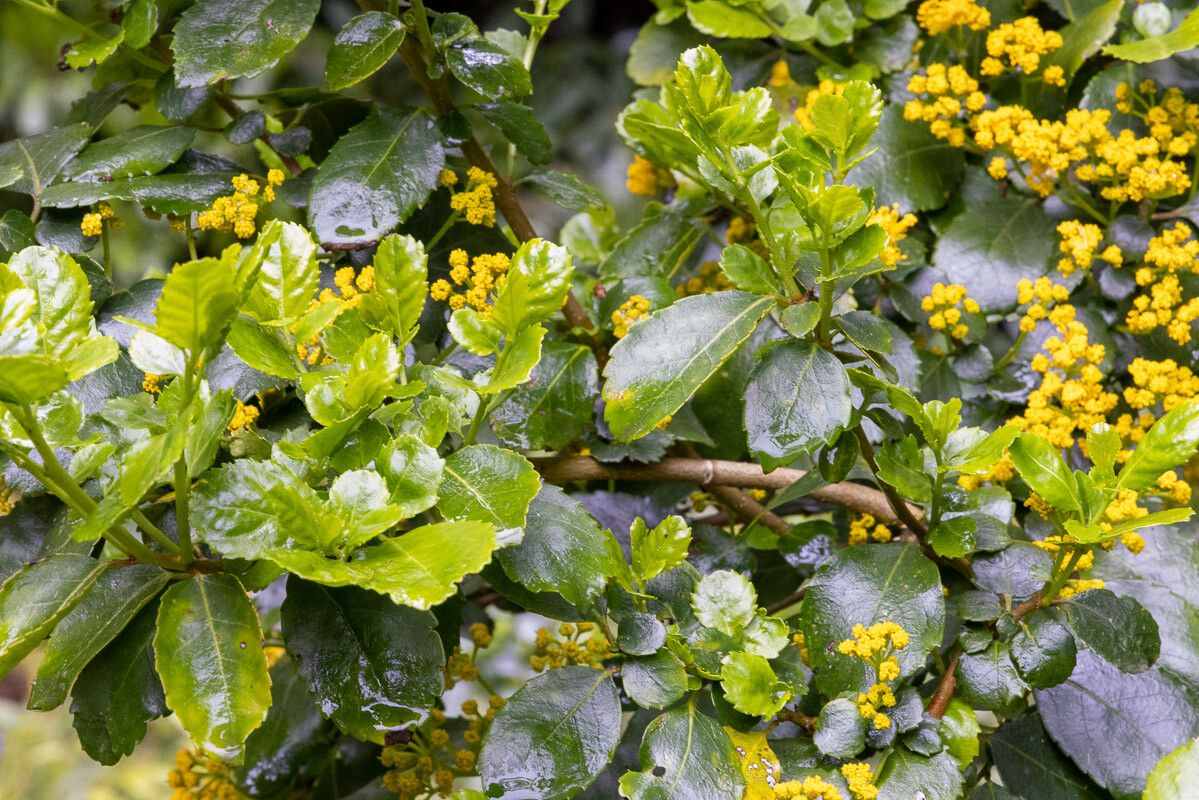
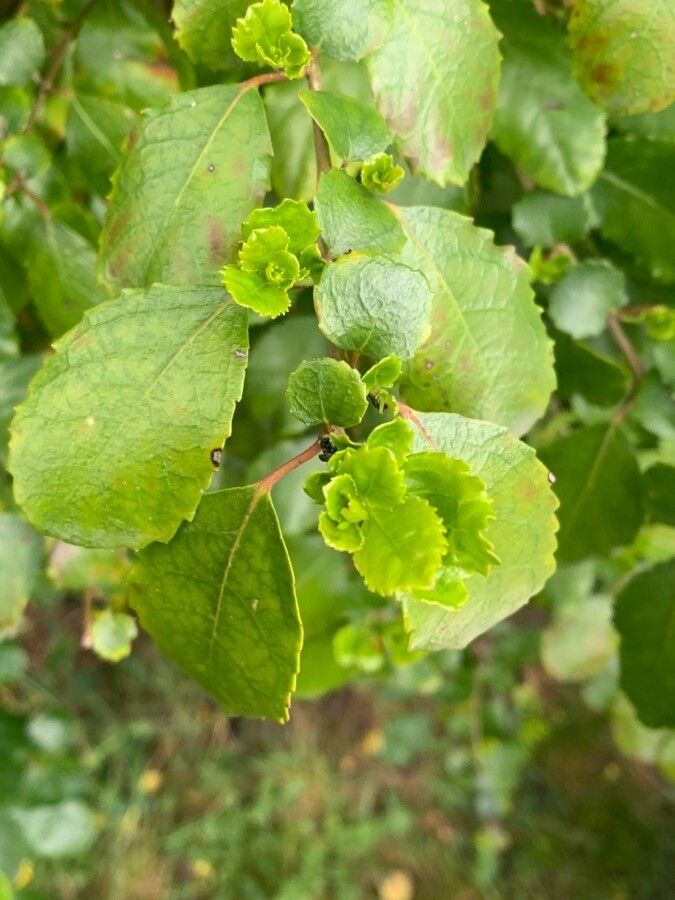
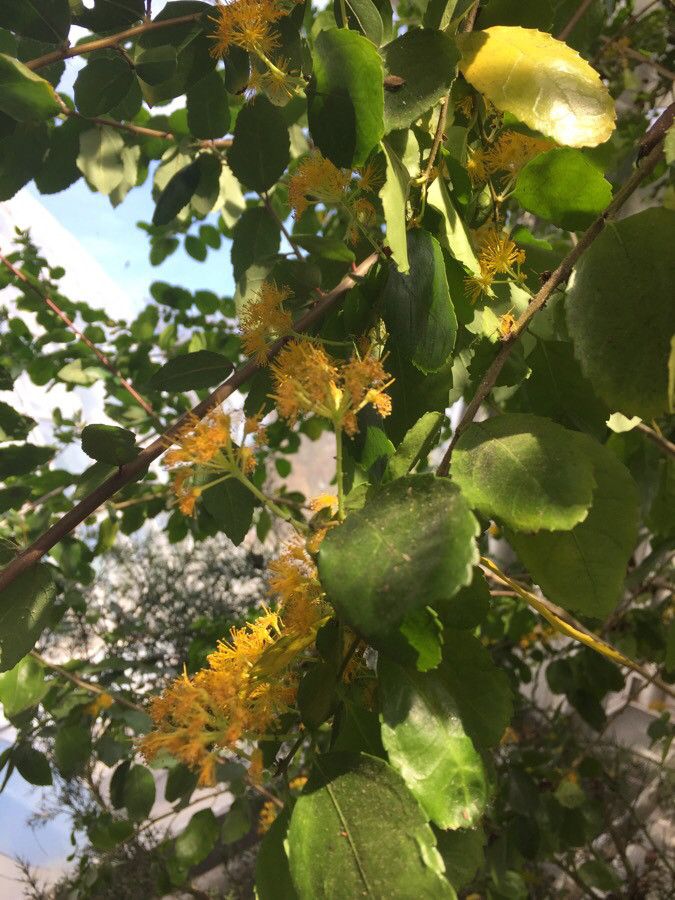
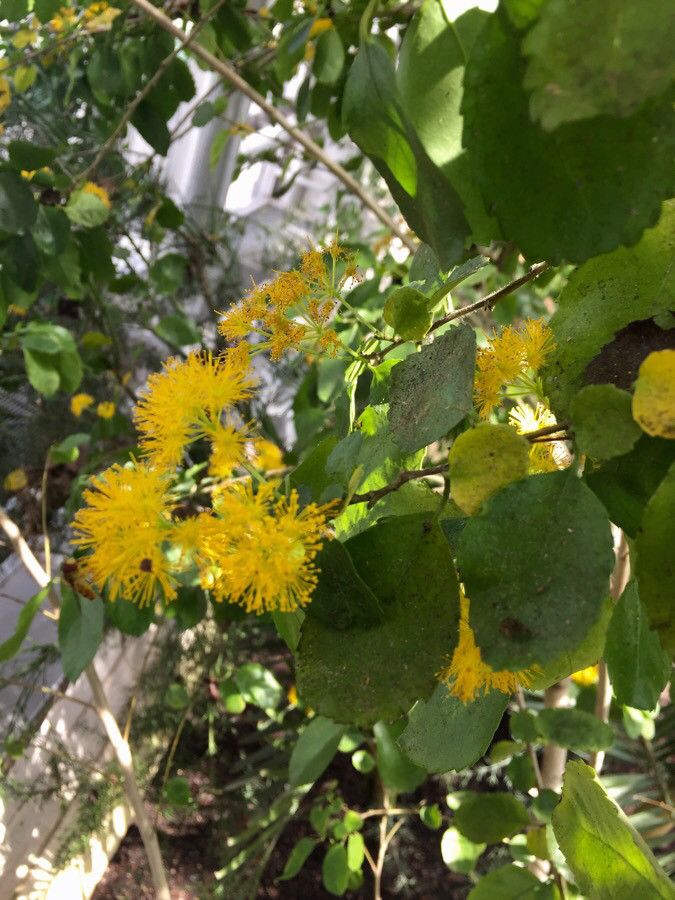
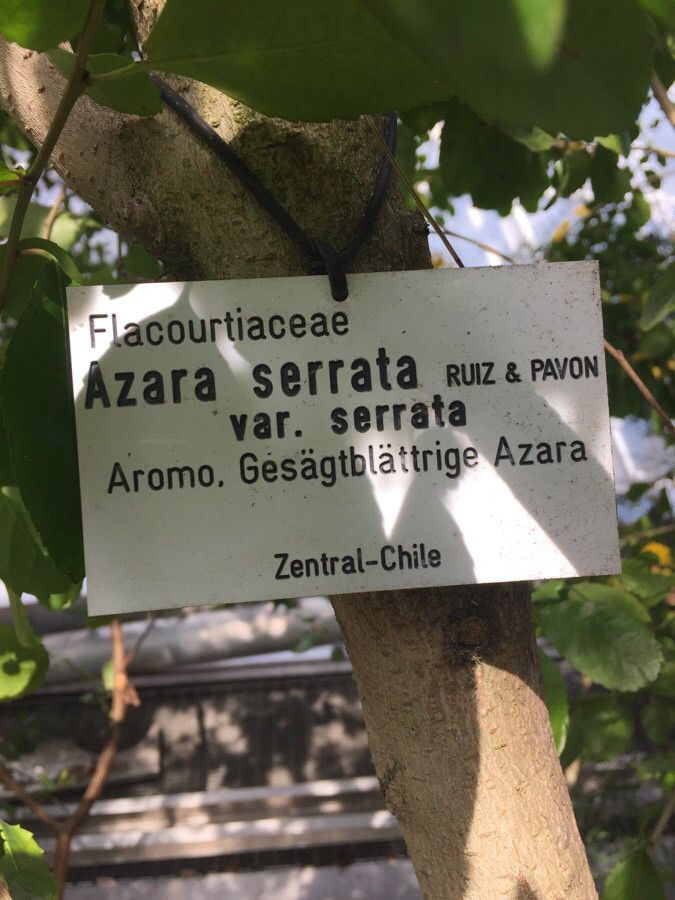
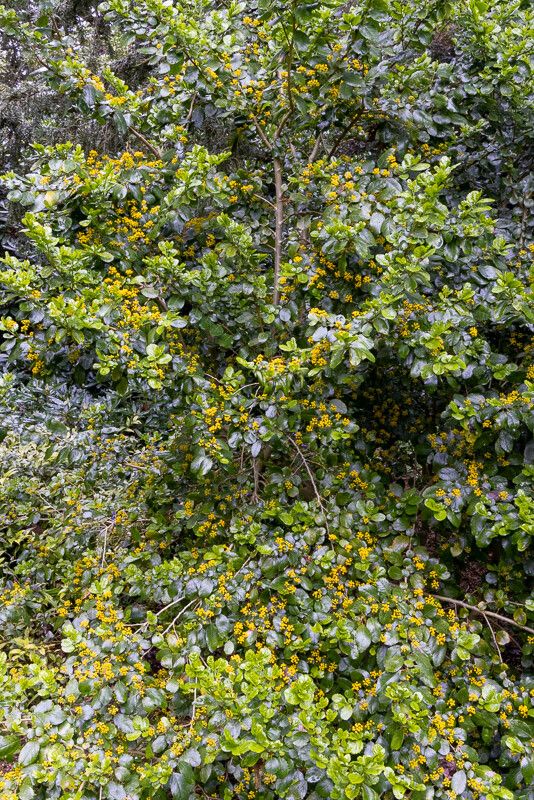
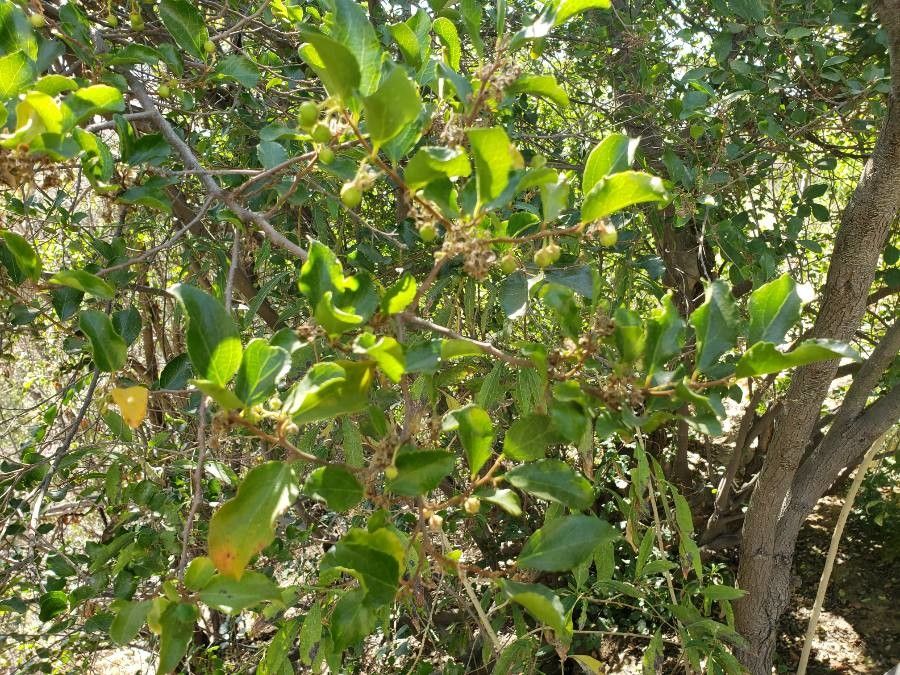
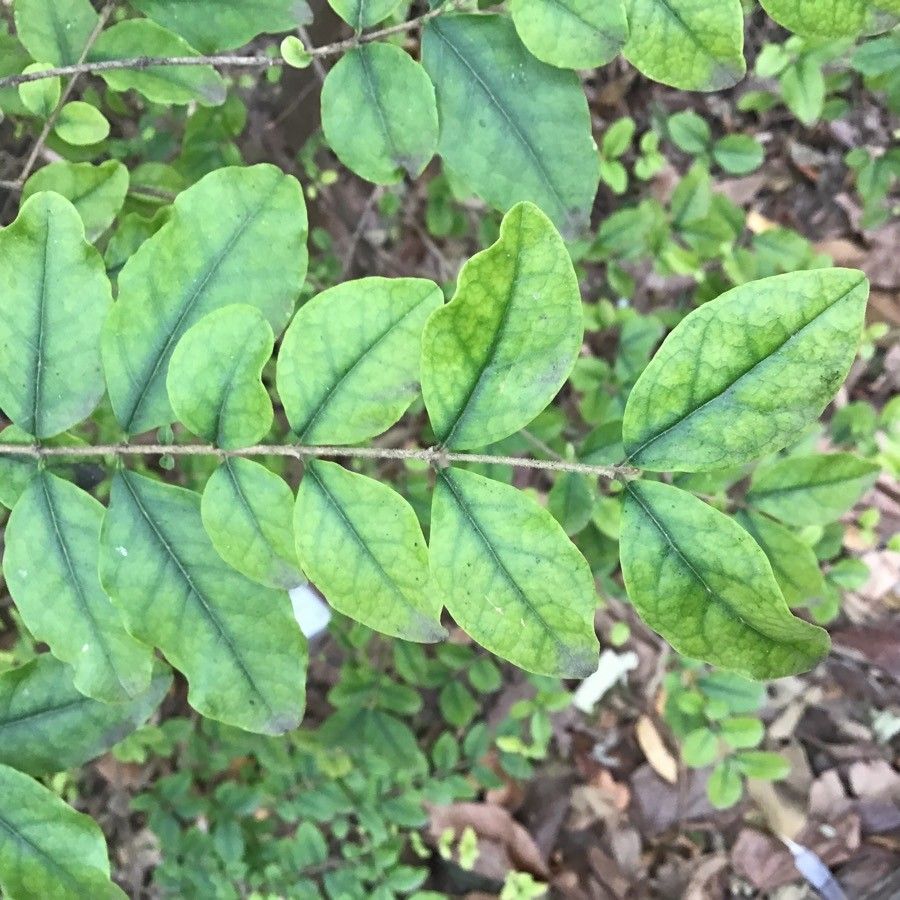
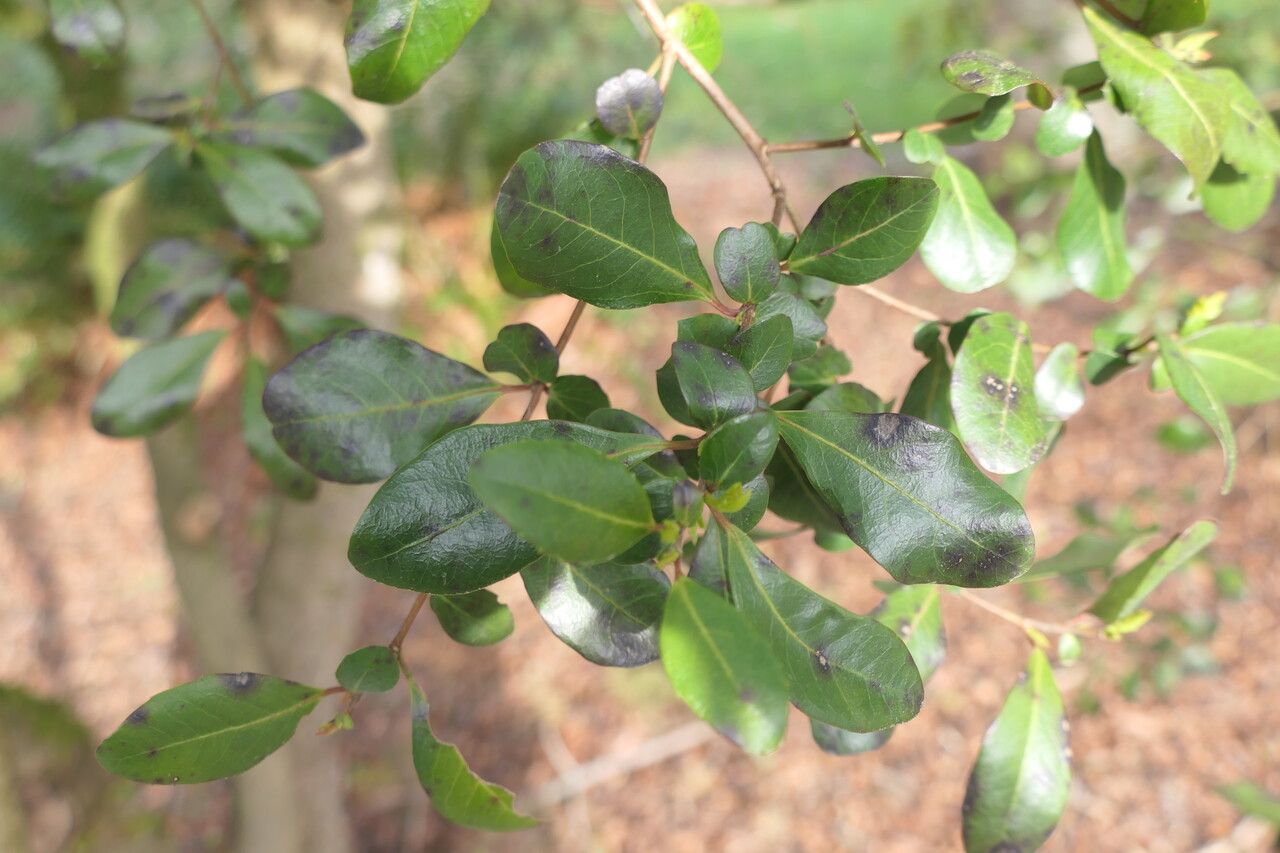
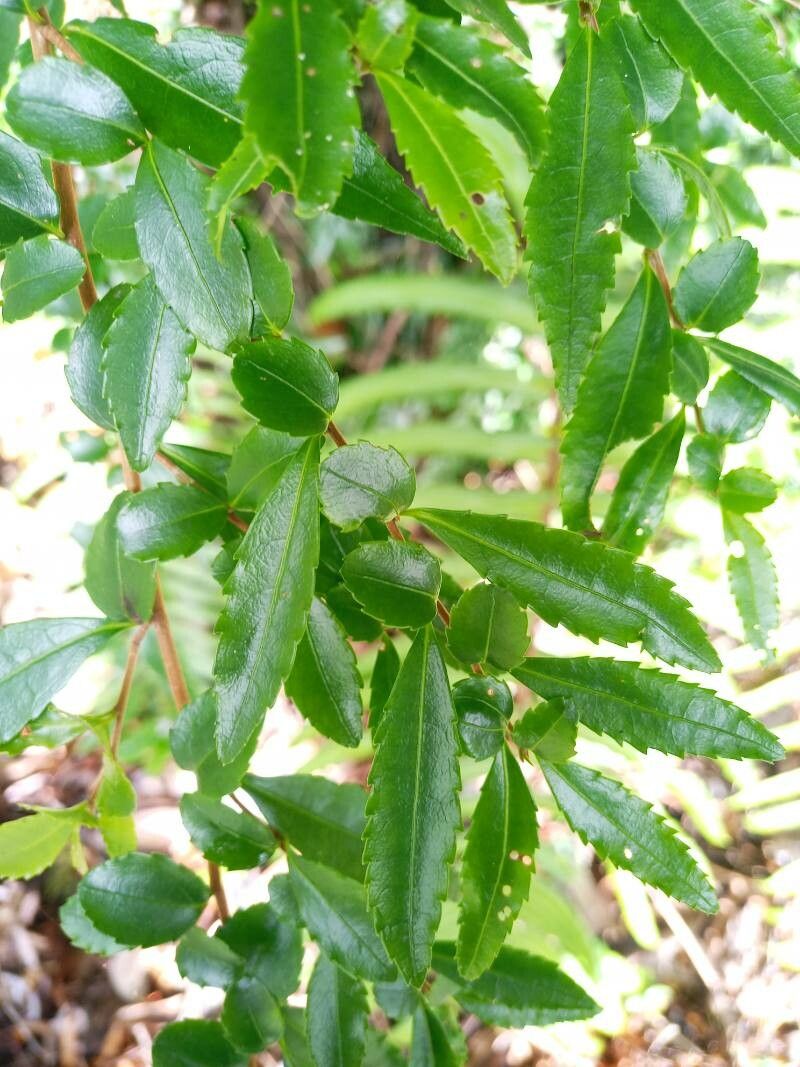
Azara serrata is a small to medium-sized evergreen tree in the Salicaceae family, native to Chile and Argentina, and can grow up to 10 meters tall. The tree features a dense, rounded crown with glossy, dark green leaves that are oval-shaped and can reach up to 10 cm in length.
In the spring, Azara serrata produces fragrant yellow flowers, followed by small green fruits that turn yellow when ripe. Each fruit contains one or two seeds.
This plant is popular as an ornamental tree in gardens due to its attractive foliage and flowers. It prefers well-drained soil with regular watering but can tolerate some drought once established.
Additionally, Azara serrata has been used for medicinal purposes by indigenous people for centuries due to its anti-inflammatory properties. The bark has traditionally been used as a remedy for rheumatism, fever, and other ailments.
Overall, Azara serrata is a visually appealing evergreen tree with both ornamental and medicinal value, making it a popular choice among gardeners worldwide.
Saw-toothed azara has strong resistance to disease and is typically not susceptible to illnesses. In terms of upkeep, this plant is fairly low-maintenance. When grown outdoors it needs only light watering, and larger specimens usually do not require pruning. Smaller plants, however, should be trimmed after they finish blooming. Saw-toothed azarat is suitable for anyone with outdoor space, such as a garden or deck, and does not demand extensive gardening experience.
How to keep Azara Serrata.
Light
Saw-toothed azara comes from open habitats, such as sunny meadows and forest edges, which offer abundant light. It does best in Full Sun but can also tolerate Partial Sun, adapting well to a range of sunlight conditions.
Water
The saw-toothed azara thrives in moderate moisture environments and should be watered every 1-2 weeks to maintain optimal health. It is best suited for indoor cultivation, where it enjoys stable humidity levels. Being an evergreen plant, it requires consistent moisture to keep its glossy foliage healthy, even outside the growing season.
Temperature
Saw-toothed azara adapts well to a wide range of climate conditions, from scorching summers to cold winters. It does, however, have a preferred temperature range for growth. If temperatures get too high, the plant can experience stress from heat and humidity that may lead to its death. In locations where temperatures approach the lower limit of its cold tolerance, it is important to provide insulation to protect the plant.
Fertilizer
Timing is essential for fertilizing Saw-toothed azara. Begin in early spring and continue with monthly applications until early summer. Fertilizer promotes attractive blooms and supplies energy during both dormant and active growth periods.
Pruning
The saw-toothed azara features serrated leaves and can grow into a dense shrub. To maintain its health, prune the plant from early to late winter. Remove any dead branches and thin out crowded areas to improve air circulation. Be sure to use sharp, clean tools to prevent disease and help the plant retain its natural shape, promoting healthier growth.
Botanical profile.
- Plant Type
- Shrub
- Life Cycle
- Perennial
- Genus
- Azara
- Family
- Salicaceae
- Hardiness Zone
- 8-11
- Mature Height
- 3.96 m
- Mature Spread
- 3.05 m
- Leaf Color
- Green
- Leaf Type
- Evergreen
- Flower Color
- Yellow
- Flower Size
- 0.51 cm to 1.02 cm
- Bloom Time
- Early spring, Mid spring
- Planting Time
- Spring, Summer
- Harvest Time
- Early summer, Mid summer
Other names.