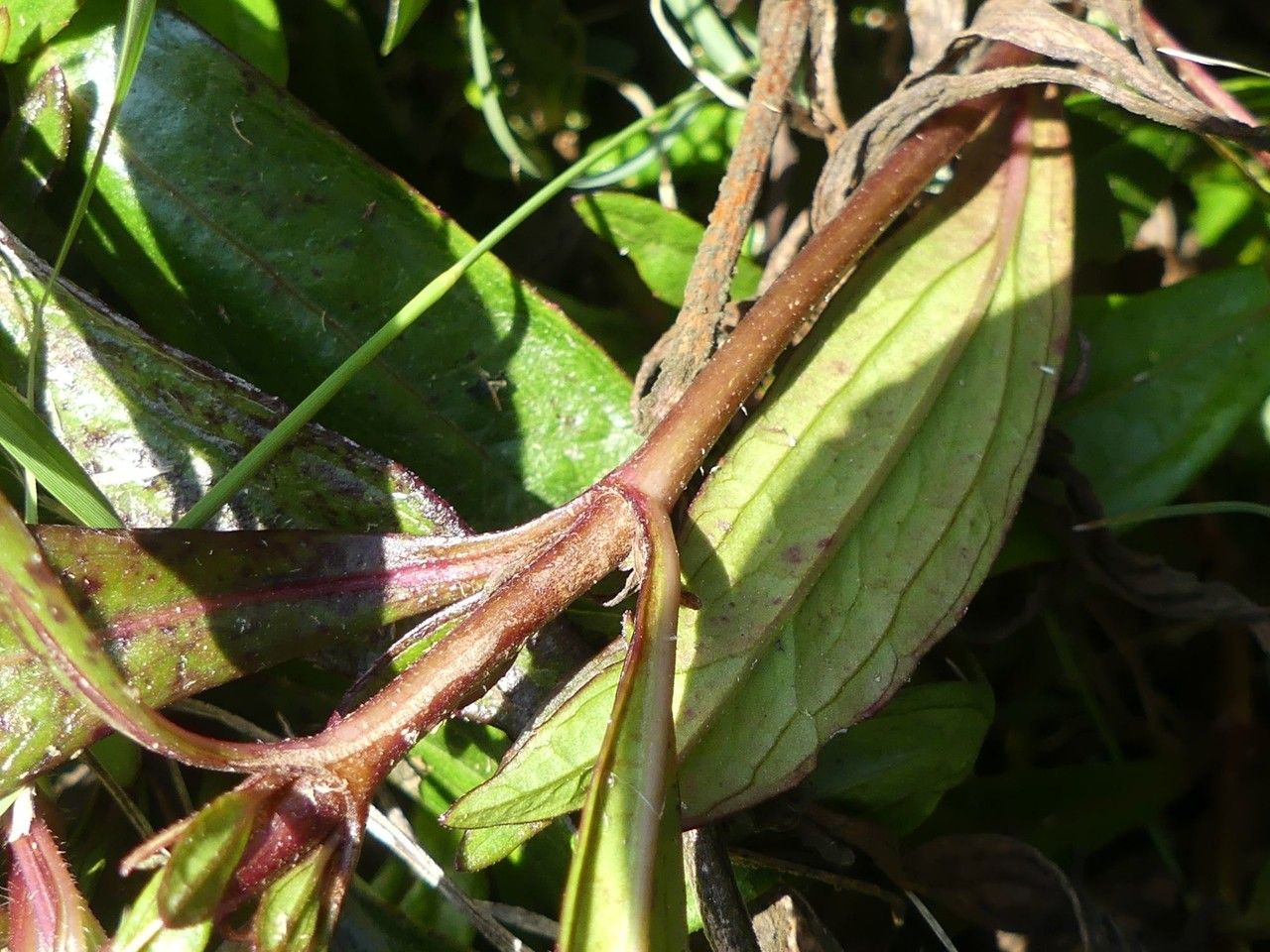
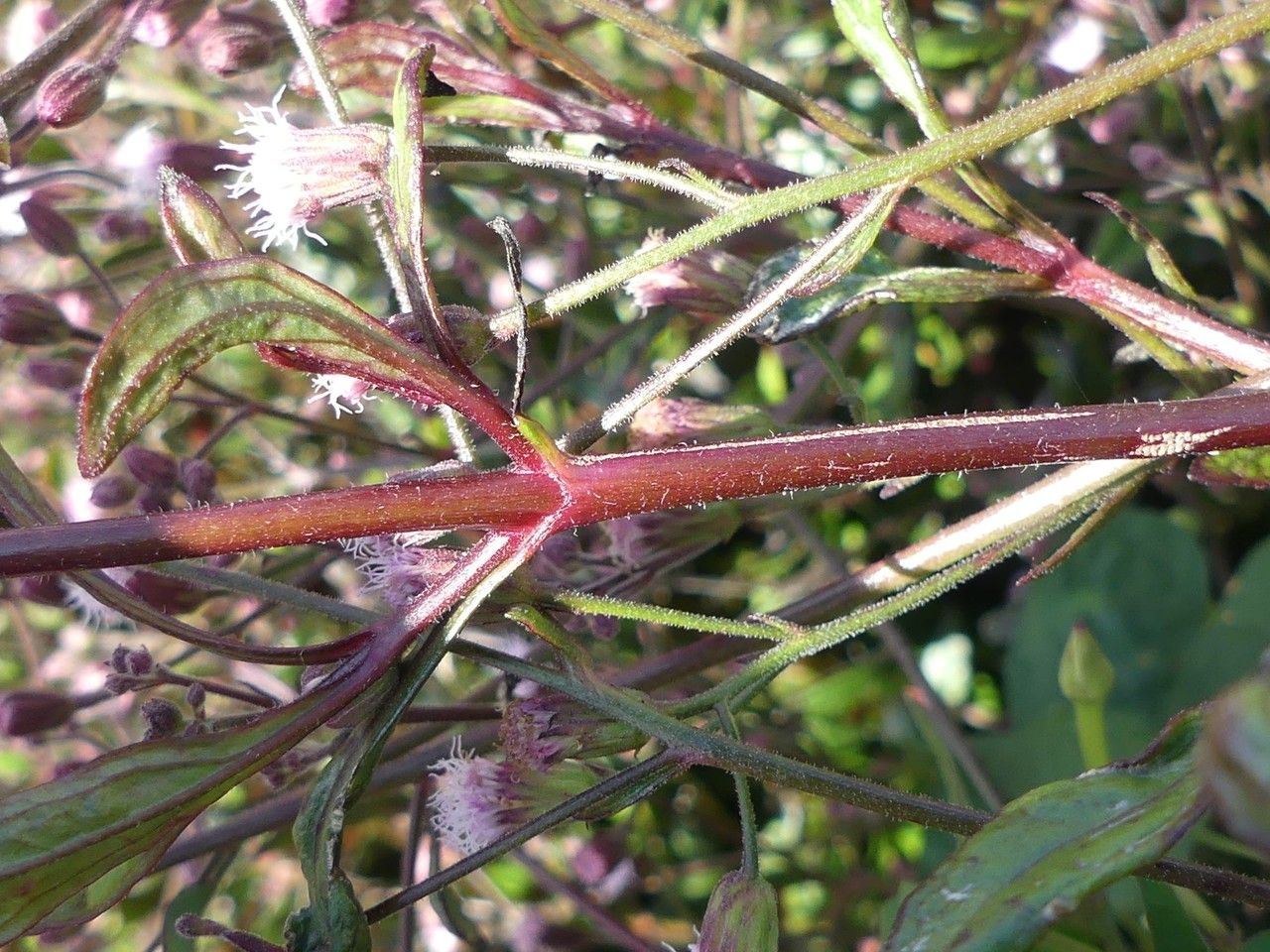
Ayapana triplinervis is a perennial herbaceous plant belonging to the Asteraceae family. Although native to Central and South America, it can also be found in various parts of the world, including Asia and Africa. This plant features a woody stem that can reach up to 2 meters in height, with leaves arranged alternately along the stem.
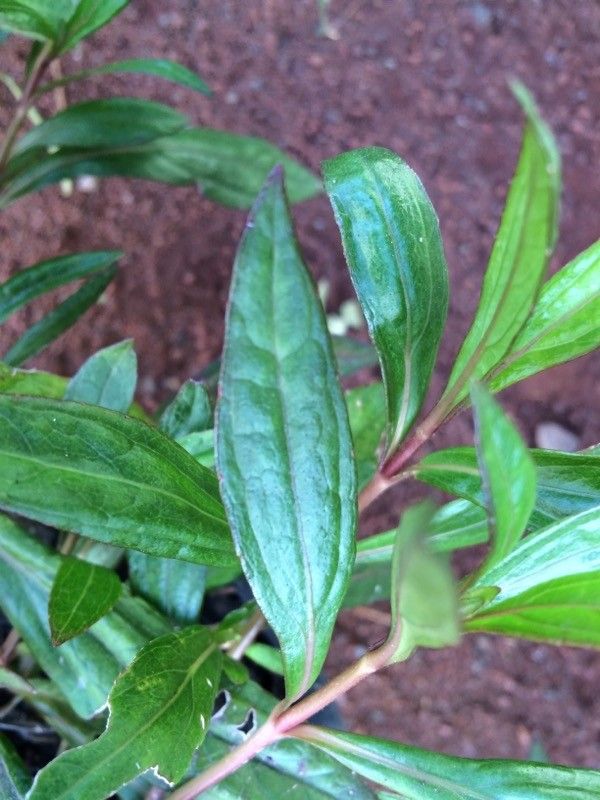
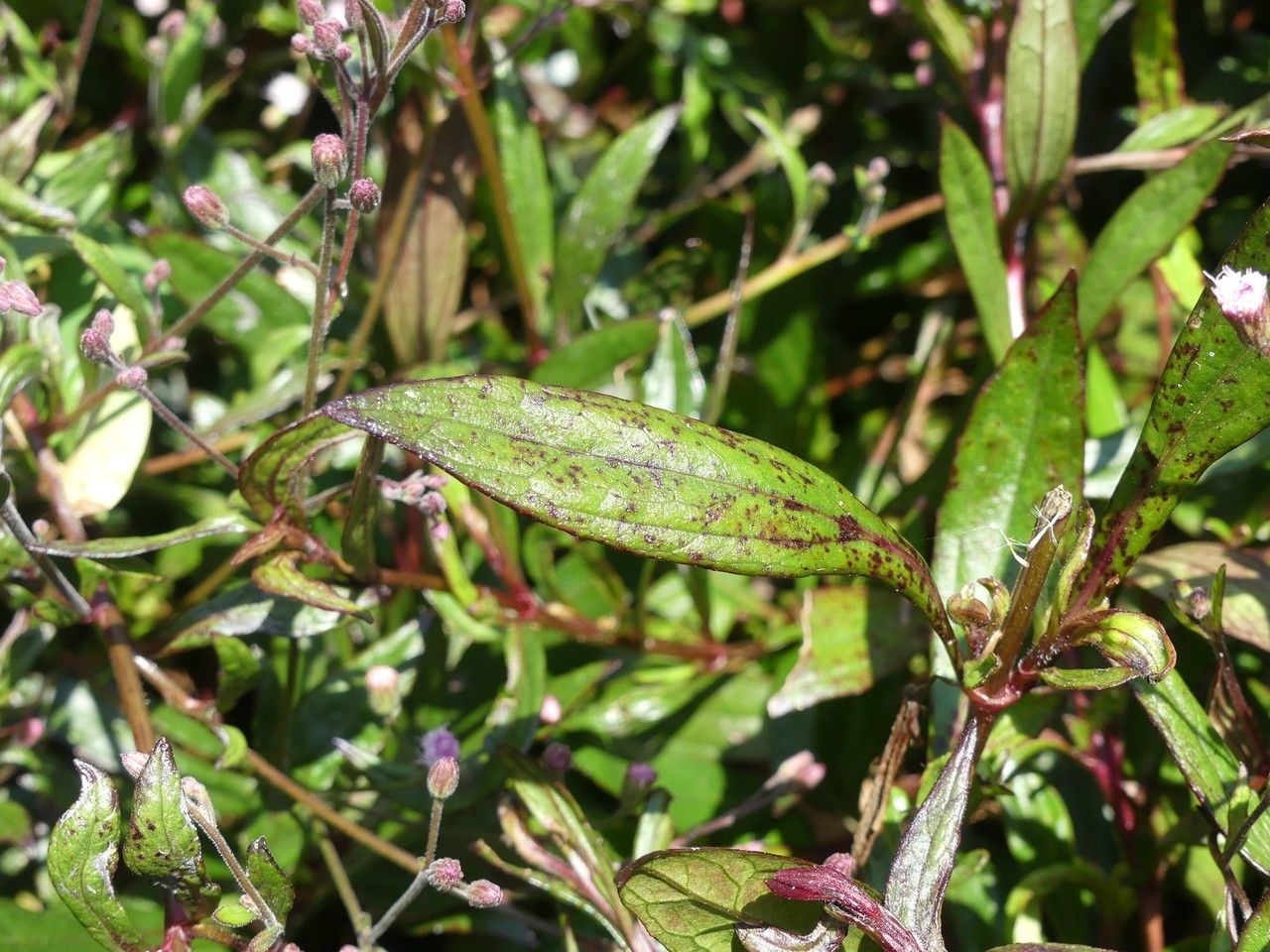
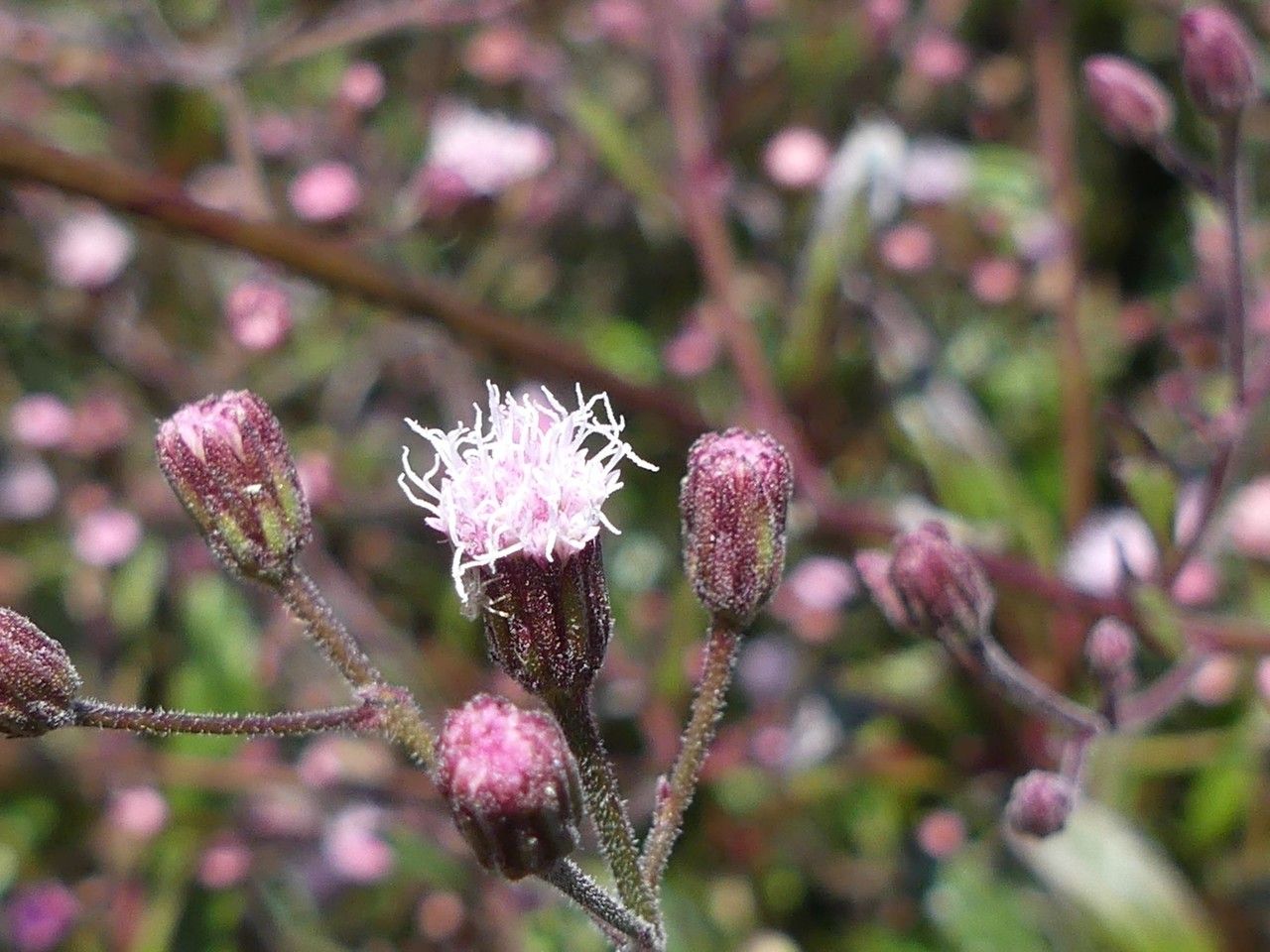
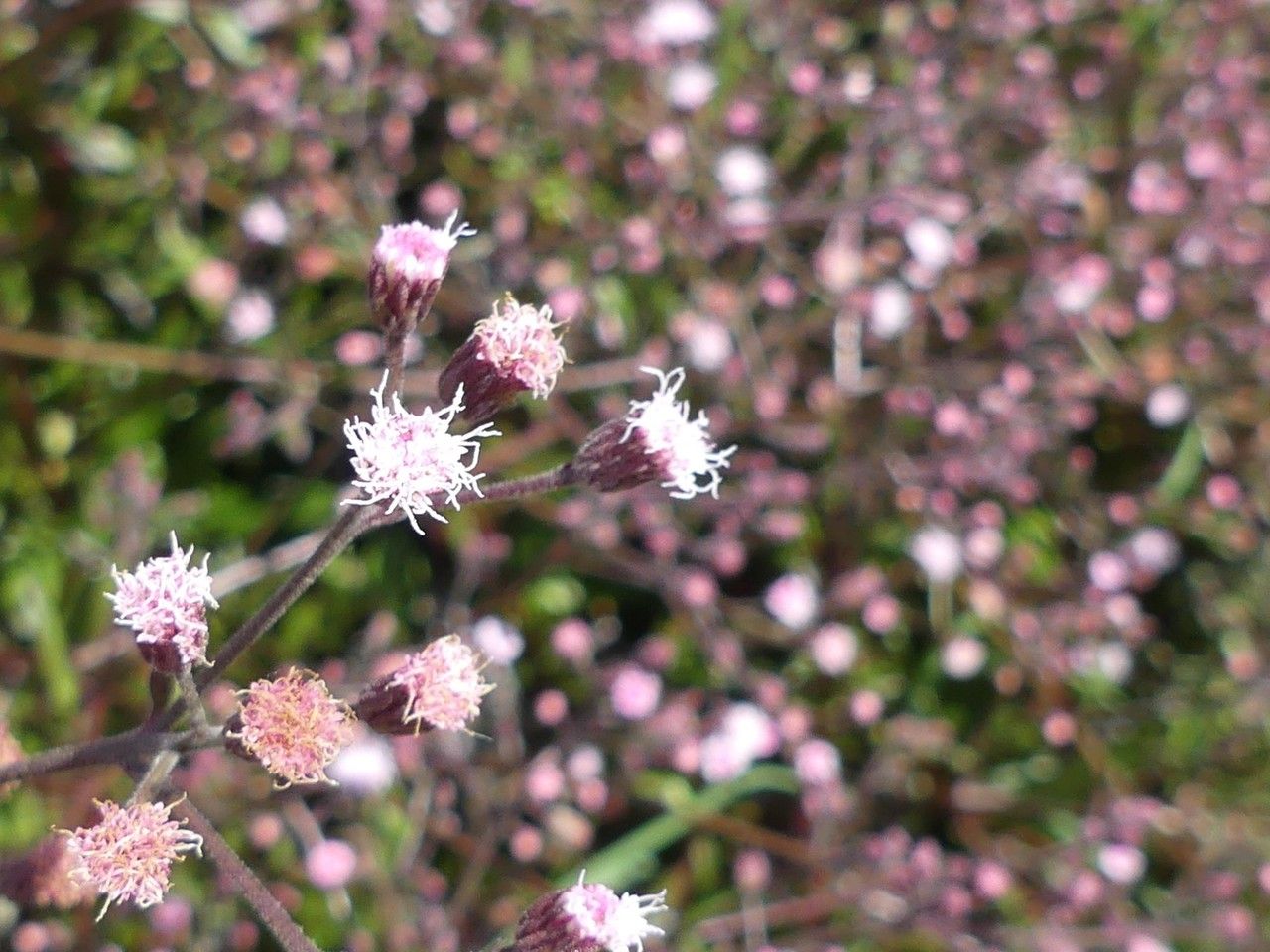
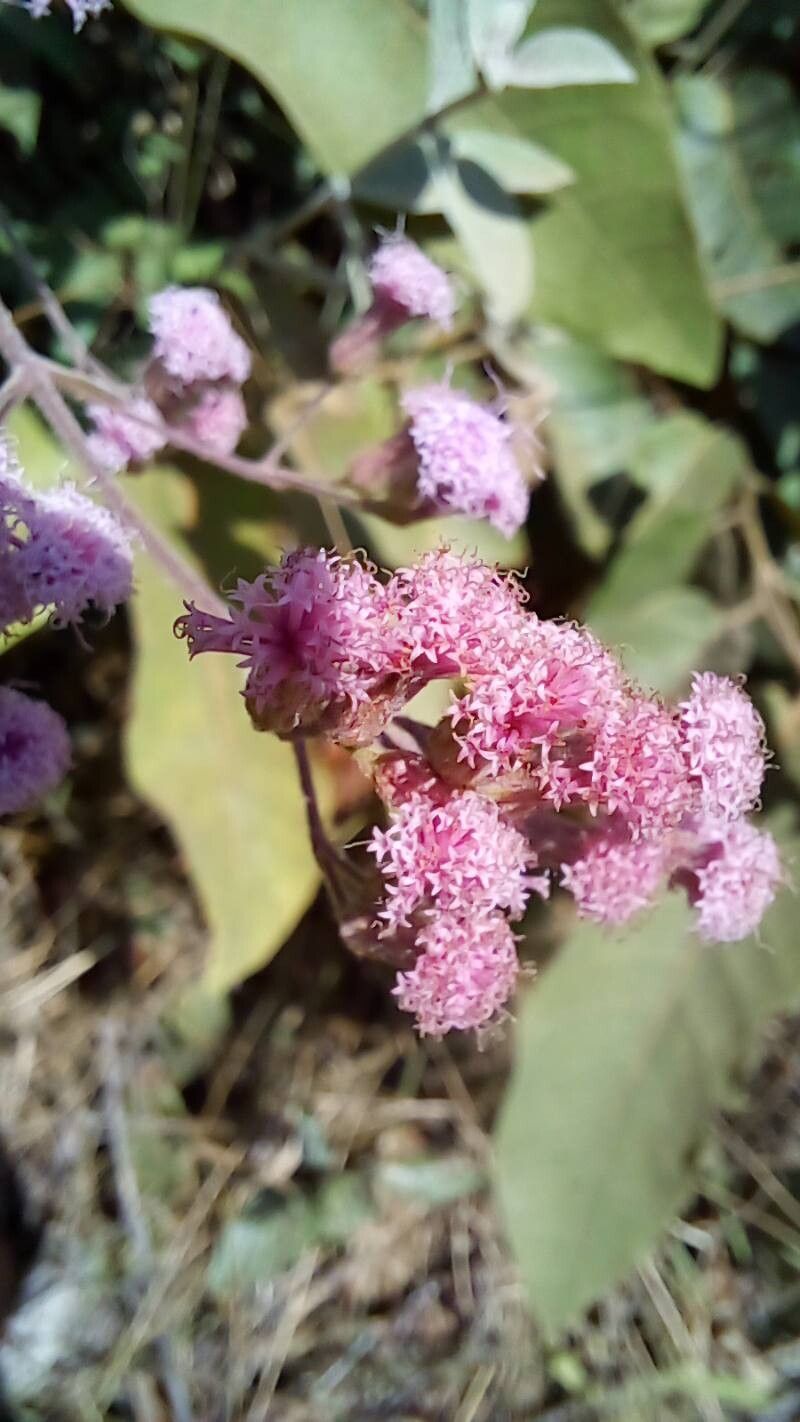
The leaves of Ayapana triplinervis are simple and have serrated edges. They are dark green on the top and lighter green on the underside. The flowers are small, white or pinkish in color, and grouped in clusters at the ends of the branches.
For centuries, indigenous people in South America have used Ayapana triplinervis for its medicinal properties. It is believed to have anti-inflammatory effects and has been utilized to treat various ailments such as fevers, coughs, colds, headaches, and stomach problems, among others.
Besides its medicinal uses, Ayapana triplinervis also serves as a vital food source for various animals. Birds feed on its seeds, while some insects consume its leaves.
In summary, Ayapana triplinervis is a significant plant with both medicinal and ecological importance. It serves as a crucial food source for animals, making it an essential part of many ecosystems where it naturally grows or is cultivated by humans.
Triplinerved eupatorium is fairly disease-resistant and typically not prone to illnesses. Still, it can be affected by pests and diseases present in its environment. Such infections are generally not severe. Regarding care, the plant needs a moderate amount of attention. It should be pruned regularly to preserve a neat appearance and healthy growth. Fertilizing can also encourage flowering. Triplinerved eupatorium is appropriate for anyone with an outdoor area, like a garden or patio, and does not demand extensive gardening experience. It may need more care when kept indoors.
How to keep Ayapana Triplinervis.
Light
Triplinerved eupatorium is a perennial herbaceous species that favors sunny sites and originates in open habitats, commonly occurring in meadows and grasslands. It prefers full sun but will also tolerate partial sun.
Temperature
Triplinerved eupatorium comes from tropical areas where the climate is generally warm and humid. Consequently, it is adapted to high heat and humidity. It is sensitive to abrupt temperature changes and prefers a steady thermal environment, so avoiding indoor temperature fluctuations is important. It typically cannot tolerate cold and needs warmer temperatures to grow. If the ambient temperature falls too low, the plant may stop growing or even die.
Fertilizer
Appropriate fertilization is essential for the health and appearance of Triplinerved eupatorium. Fertilize Triplinerved eupatorium in the summer, repeating the application monthly throughout the season. Nutrients supply the energy for growth and support the plant’s parts. Fertilizing improves Triplinerved eupatorium’s flowering, ensuring the best blooms.
Botanical profile.
- Plant Type
- Herb
- Life Cycle
- Perennial
- Genus
- Ayapana
- Family
- Asteraceae
- Hardiness Zone
- 10-12
- Mature Height
- 30 cm to 61 cm
- Mature Spread
- 30 cm to 46 cm
- Leaf Color
- Green, Dark Green
- Leaf Type
- Evergreen
- Flower Size
- 0.51 cm to 0.76 cm
- Bloom Time
- Summer, Early fall, Mid fall
- Planting Time
- Spring
- Harvest Time
- Late summer, Fall, Early winter
- Native Area
- Ecuador
Other names.