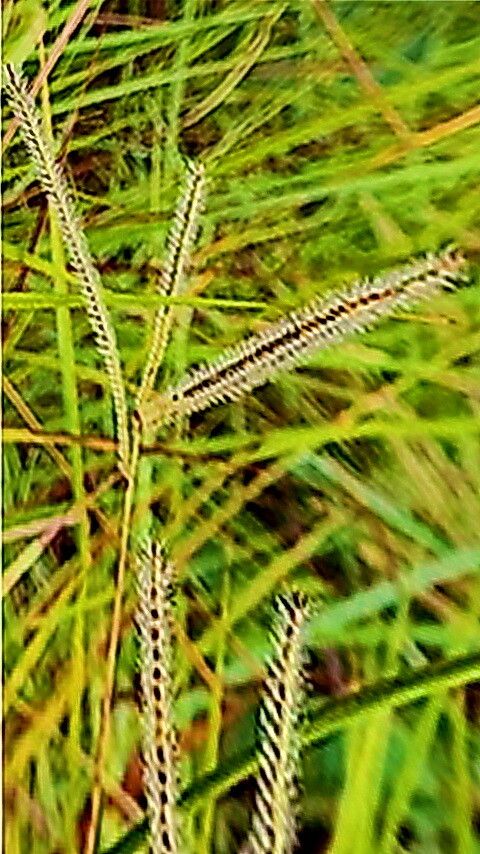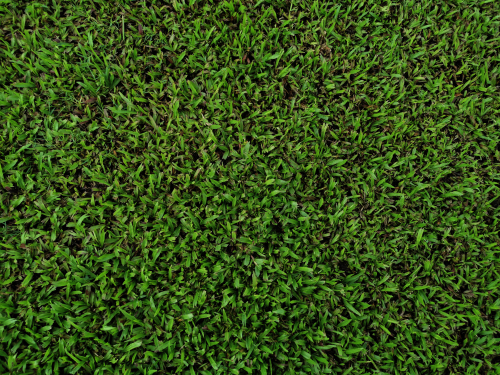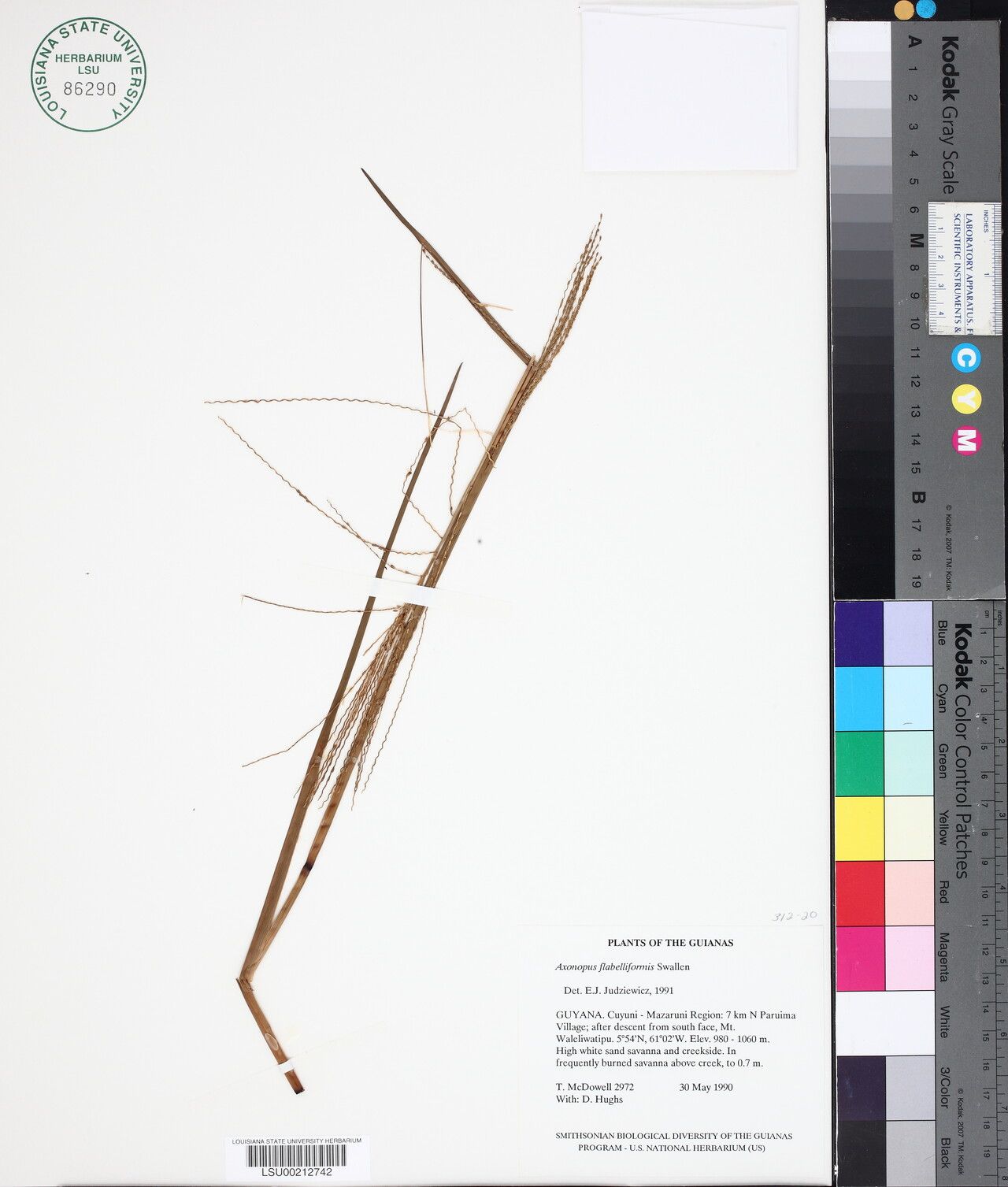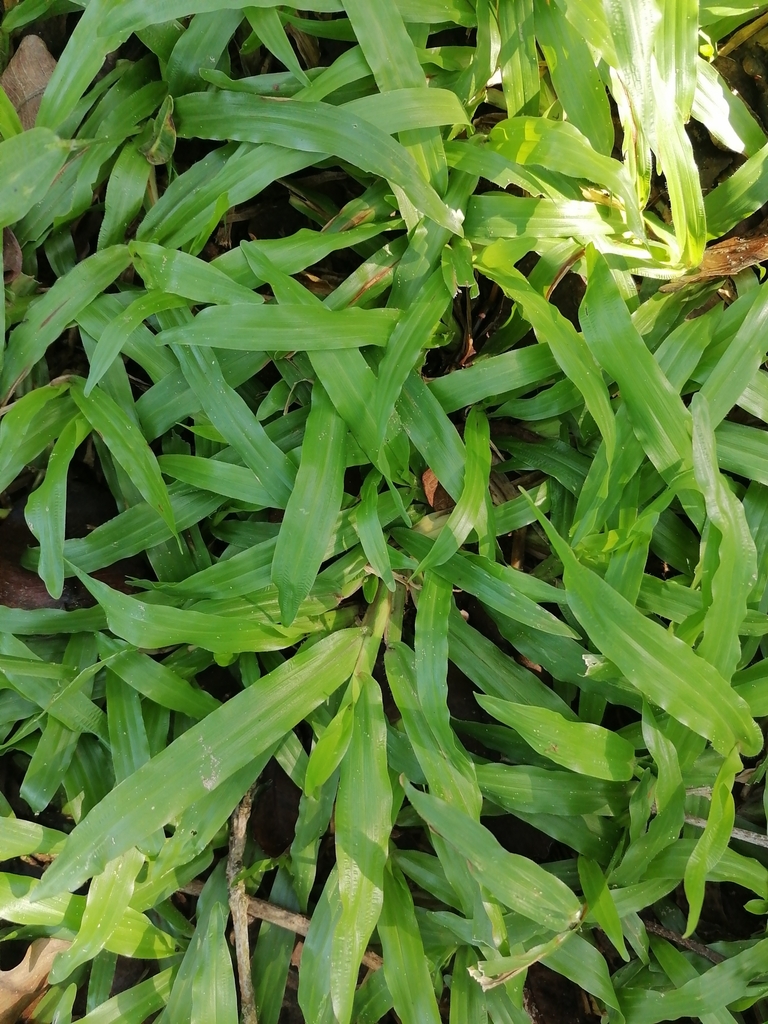
Axonopus compressus, commonly known as carpet grass, is a warm-season perennial grass native to the tropical and subtropical regions of the Americas. This low-growing plant forms a dense mat with short, flat leaves and boasts an extensive root system that makes it both drought-tolerant and resilient under heavy foot traffic.
Carpet grass thrives in moist soils but can withstand some drought conditions. It grows best in full sunlight, though it can also tolerate partial shade. During the summer months, the plant produces small flowers on spikes.
Often used as turfgrass, carpet grass is ideal for areas where other turfgrass varieties struggle due to poor soil conditions or heavy foot traffic. It also serves as an excellent ground cover for erosion control on slopes or along waterways.
Carpet-Grass is commonly found in pasture lands across the globe. Though it offers limited nutritional value to livestock, it has the advantage of regrowing quickly after grazing. Additionally, Carpet-Grass is beneficial for soil stabilization. It is often used as a hardy lawn grass in areas that are difficult to maintain regularly. FUN FACT · FROM THE LIBRARY
While carpet grass requires minimal maintenance, regular mowing during the growing season helps keep it neat and tidy. Overall, Axonopus compressus is a superb choice for those seeking a low-maintenance ground cover or turfgrass in warm climates, particularly in areas with poor soil conditions or high foot traffic.
Broadleaf Carpetgrass, also known as Carpet-Grass or Blanket Grass, gets its name from its ability to quickly cover open ground with a layer of low-lying greenery. The species name "compressus" probably refers to the grass's habit of sprawling flat against, or nearly against, the ground instead of growing vertically.
Carpet-Grass demonstrates strong disease resistance and is generally not susceptible to illnesses. With regard to care, this plant is fairly low maintenance. When grown outdoors it needs only minimal watering, and larger plants typically do not require pruning. Smaller plants, however, should be pruned after they finish blooming. Carpet-Grasst is well suited for anyone who has an outdoor area, like a garden or a deck, and does not demand extensive experience in plant care.
How to keep Axonopus Compressus.
Light
Carpet-Grass performs best in locations that receive intense, direct sunlight for most of the day. It can also tolerate sites that get sun for only part of the day. Too much light can cause leaf burn, while too little light can compromise the plant's health.
Water
Carpet Grass thrives in tropical environments where there is consistent moisture and high humidity. It prefers soil that remains evenly moist and benefits from weekly watering. During its growing season, natural rainfall typically supports lush growth, reducing the need for additional irrigation.
Humidity
This plant needs special care because it loves high humidity levels of 60-80% or more. The best way to achieve this is by placing a humidifier near the plant. Daily misting is also essential! Make sure the room has good ventilation.
Temperature
Carpet-Grass is a warm-season grass that favors temperatures between 68 and 100 ℉ (20 and 38 ℃). It originates from tropical and subtropical regions and needs relatively high temperatures to grow well. In cooler seasons, establishing the grass may require warmer soil temperatures.
Fertilizer
Carpet-Grass needs extra nutrients to encourage healthy new growth. In spring, adding compost around the base of the plant can effectively supply the nutrition it requires. Fertilizing supports vigorous growth and helps the plant resist diseases and pests.
Botanical profile.
- Plant Type
- Grass
- Life Cycle
- Perennial
- Genus
- Axonopus
- Family
- Poaceae
- Hardiness Zone
- 9-11
- Mature Height
- 8 cm to 61 cm
- Mature Spread
- 5 cm
- Leaf Color
- Green
- Leaf Type
- Evergreen
- Flower Color
- Green, Yellow
- Flower Size
- 0.10 cm to 0.13 cm
- Bloom Time
- Early summer, Mid summer
- Planting Time
- Spring, Summer
- Harvest Time
- Mid summer, Late summer
- Native Area
- Belize, Honduras, Mexico, Guatemala, Peru, Panama, Jamaica, Colombia, Bahamas, Cuba, Bolivia, Venezuela, Brazil, Guyana, El Salvador, Nicaragua, Ecuador, Costa Rica
Other names.
Reader questions.
What should I do if I give my Carpet-Grass too much or too little water?
This beautiful ornamental grass relies on proper watering to thrive. In the ground, watering issues can be resolved, but in a container, both too much and too little water can quickly kill Carpet-Grass. Insufficient water can cause growth stunting, while overwatering leads to yellow leaves with brown tips. Underwatering results in drooping leaves, weak seed head production, and browned leaves. If you suspect incorrect watering, first determine whether it is due to excessive or insufficient water. In the case of overwatering, immediately stop watering and wait for heavy soils to dry out. Once new growth appears, test the soil for moisture and decide if more water is needed. Conversely, if the grass seems thirsty, give it a deep drink and observe if it improves. Overall, remember that infrequent, deep watering is preferable to shallow, frequent watering. This encourages deep root growth, promoting drought resistance and preventing watering-related issues.
Why should I put fertilizer on my Carpet-Grass?
Fertilizing Carpet-Grass is important because it provides your plant with the necessary nutrients for healthy new growth, while also supporting the health of old growth. Additionally, a proper nutrient supply can aid in your plant's defense against diseases and pests.
What are the sunlight requirements for Carpet-Grass?
Carpet-Grass thrives best when exposed to full sunlight, requiring above 6 hours of sunlight per day to prosper. It can also adapt to partial sun conditions, which means about 3-6 hours of sunlight daily. It's essential to observe the patterns of sunlight in your garden to ensure your Carpet-Grass gets the optimal balance of light and shade, guaranteeing its growth and health.
What are the ideal temperature conditions for Carpet-Grass?
Carpet-Grass (Axonopus compressus), a warm-season grass, thrives in temperatures ranging from 68 to 100°F (20 to 38°C), making it well-suited for tropical and subtropical climates. It requires relatively high temperatures to grow optimally. During colder seasons, it's important to maintain soil warmth for successful establishment. The grass is extremely sensitive to cold, and exposure to temperatures near or below 0°C is harmful. For indoor carpet-grass care in autumn and winter, it's recommended to keep the plant above 20°C, placing it near a bright window and away from heaters to avoid cold damage.
How often should I water my Carpet-Grass? -> How much should I water my Carpet-Grass?
The watering needs of Carpet-Grass depend on its planting location. Generally, it should be watered every week. In hot climates, watering once or twice a week in the summer may be necessary. In moderate climates, watering once every seven days or more may be sufficient. Grass in containers usually needs more frequent watering compared to grass in the ground. However, the watering frequency also depends on the species and its location. Shaded grasses require less frequent watering than grasses in the ground. Carpet-Grass should only be watered when the soil is dry. There are a few signs to watch for if you're unsure when to water. Pressing your finger into the soil a couple of inches will indicate if it's dry. For potted grass, you can weigh it with a portable scale or simply feel if the pot feels light due to lack of water. When the roots lack sufficient water, the grass blades may appear folded and thinner than usual. Despite its drought tolerance, regular, deep waterings will result in a beautiful color. In the wild, Carpet-Grass grows in open scrubland exposed to extreme heat, bright sun, and intermittent rain. Although this grass is drought resistant, it still requires care and attention. Gardeners agree that consistent watering is beneficial for its thriving. Newly planted Carpet-Grass needs more frequent watering until it establishes deep roots. In pots, the soil dries out quickly, especially if it's exposed to hot, direct sun. Test the soil every 3 to 4 days and water only when it feels dry. Carpet-Grass in the ground generally requires less watering, depending on the type of soil. Clay soils hold moisture below the surface, even if they feel dry on top. Sandy soils that drain quickly will need more frequent watering.
When should I fertilize my Carpet-Grass for the best results?
To ensure the survival of Carpet-Grass in the garden, it is important to know when to fertilize it. This grass doesn't need a lot of nutrients when it is dying back, so avoid applying additional fertilizer during this time. Instead, it is advisable to use mulch or compost around the plant's base. While diluted fertilizer can be applied at the beginning of the growing season, it is generally not recommended.
How can artificial lighting benefit Carpet-Grass and what are the recommendations?
For indoor Carpet-Grass or plants in areas with insufficient natural sunlight, especially during winter or less sunny spaces, artificial lighting can be a vital solution. LED lights are recommended due to their capability to provide specific wavelengths needed by plants. Full sun plants should have 30-50W/sq ft of artificial light, partial sun plants require 20-30W/sq ft, and full shade plants need 10-20W/sq ft. The light source should be placed 12-36 inches above the plant, mimicking natural sunlight, and the duration of light exposure should be 8-12 hours per day to promote faster, healthier growth.
How does low temperature affect Carpet-Grass and what can be done?
Carpet-Grass favors warm climates and is not tolerant of cold temperatures, showing optimal growth above 20°C and requiring conditions to remain above 0°C during winter. Exposure to temperatures below -5°C can cause the leaves to lighten and, following frost, turn brown or black. Symptoms may include wilting and drooping. To mitigate frost damage, frost-affected parts should be trimmed, and the plant immediately moved to a warmer indoor setting. It's advisable to place Carpet-Grass near a south-facing window for adequate sunlight and avoid placing it near heaters or air conditioning vents to prevent the air from getting too dry.
What should I watch out for when watering my Carpet-Grass at different times of the year, in different weather conditions, or during different growth phases?
To determine if you are watering your grass enough, you can observe its growth rate. In the hottest months, Carpet-Grass has been known to double in size within a year. If the weather is hot but the grass is not growing vigorously, you may need to adjust your watering schedule. In winter, you may be able to water only once a month, but it's still important to check the soil for moisture. During the warmest months when the grass is growing, it will need more water than usual. However, during winter and cooler months, the water requirement will be significantly reduced. Importantly, always let the soil in which Carpet-Grass is planted dry out completely before adding water.
When is it not a good time to fertilize Carpet-Grass?
If you are not using packaged fertilizers, don't worry about when to stop feeding Carpet-Grass. Simply apply a layer of compost or mulch in the spring, and it will be sufficient for the entire year. There's no need to mulch or compost in the winter when the plant is dormant.
What symptoms indicate insufficient or excessive light exposure for Carpet-Grass?
Symptoms of insufficient light include smaller new leaves, leggy or sparse growth, faster leaf drop, slower or no new growth, lighter-colored new leaves due to lack of chlorophyll and essential nutrients, and possible leaf loss. Excessive sunlight can cause chlorosis (leaf yellowing), sunscald (damage from intense light), leaf curling as a defense mechanism, wilting due to increased water loss, and leaf scorching characterized by brown, dry edges on leaves. These conditions affect the plant's ability to photosynthesize and overall health.
What precautions should be taken for Carpet-Grass during high temperatures?
In the summer, it's important to ensure Carpet-Grass does not experience temperatures above 38°C. Temperatures exceeding 43°C can lead to lighter leaf colors and increase susceptibility to sunburn. To address sunburn damage, trim the sunburned and dry parts away and move the plant to a shaded area during the peak sun hours of midday and afternoon. Adequate watering in the morning and evening will help keep the soil moist and support the plant's health during high temperatures.