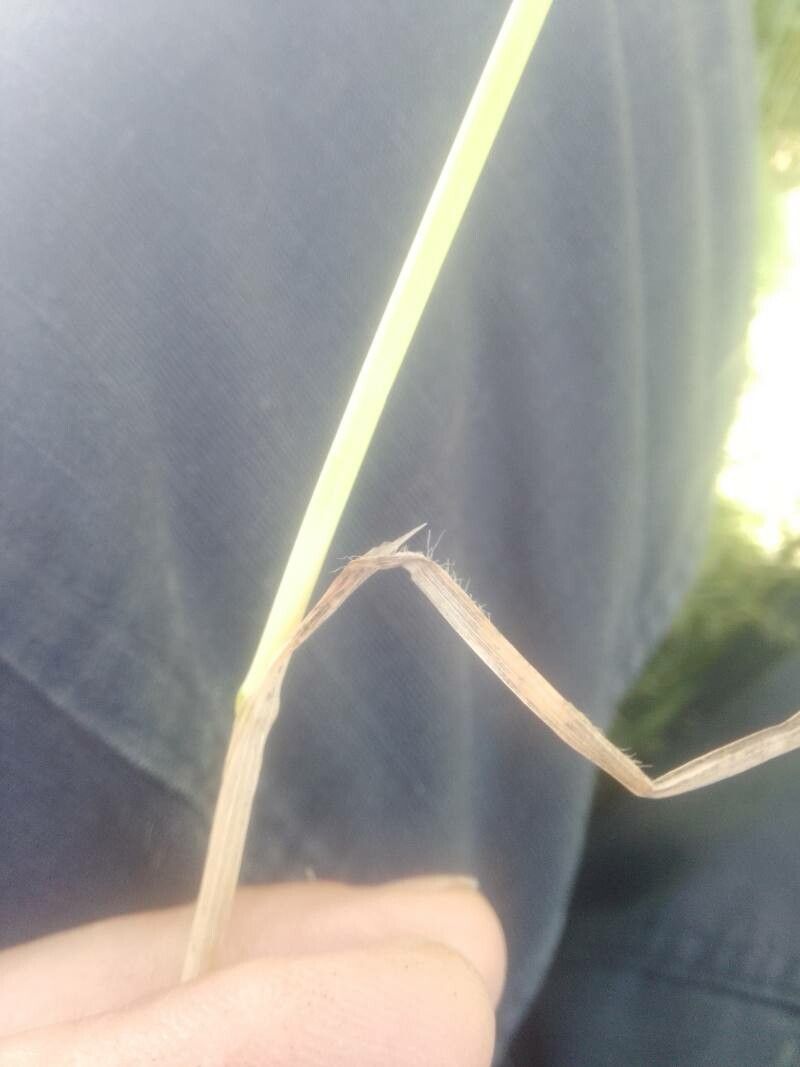
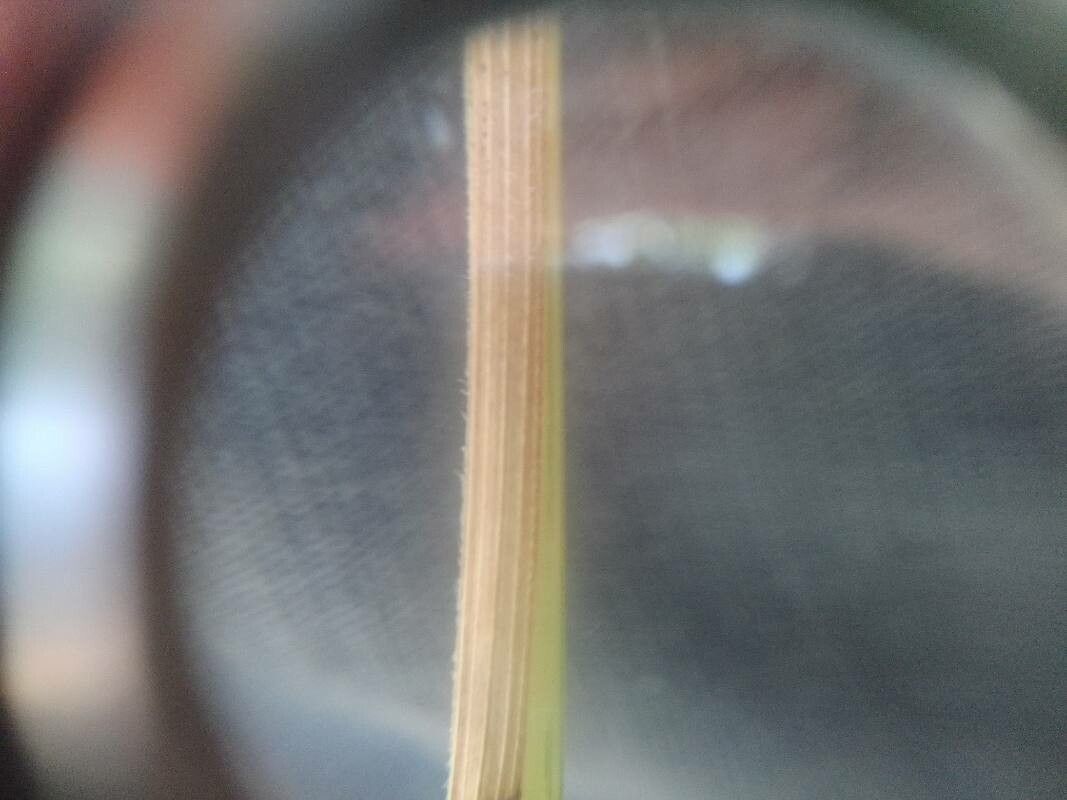
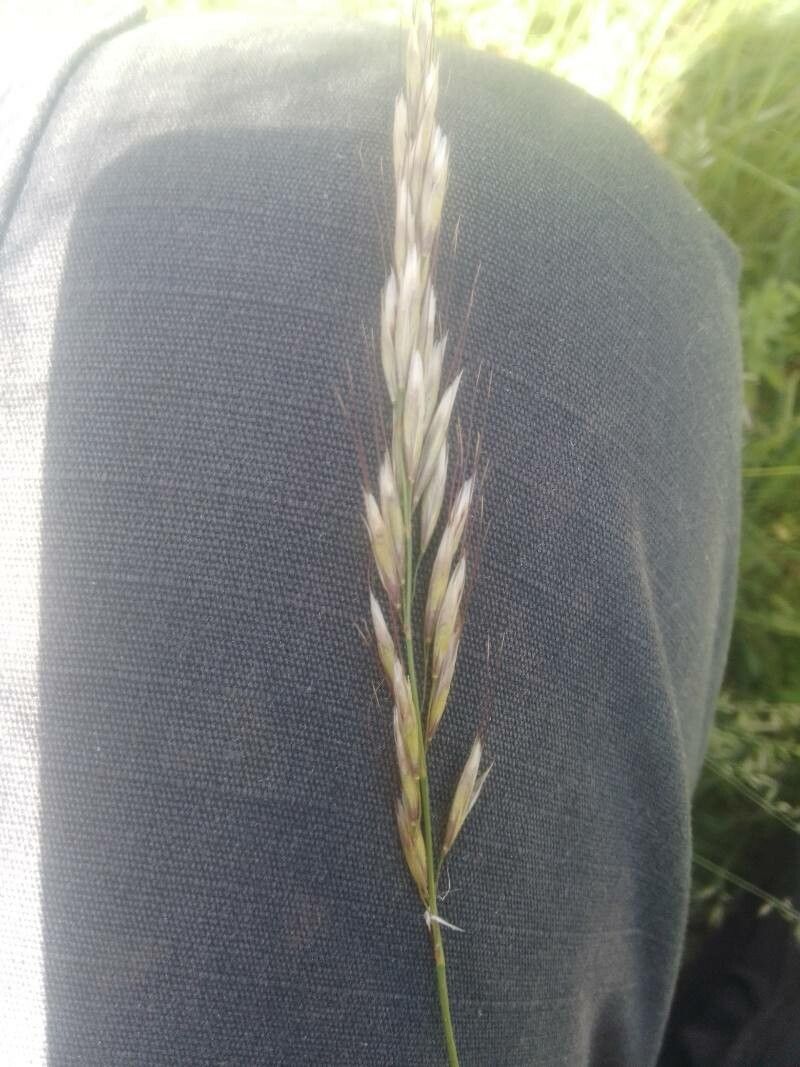
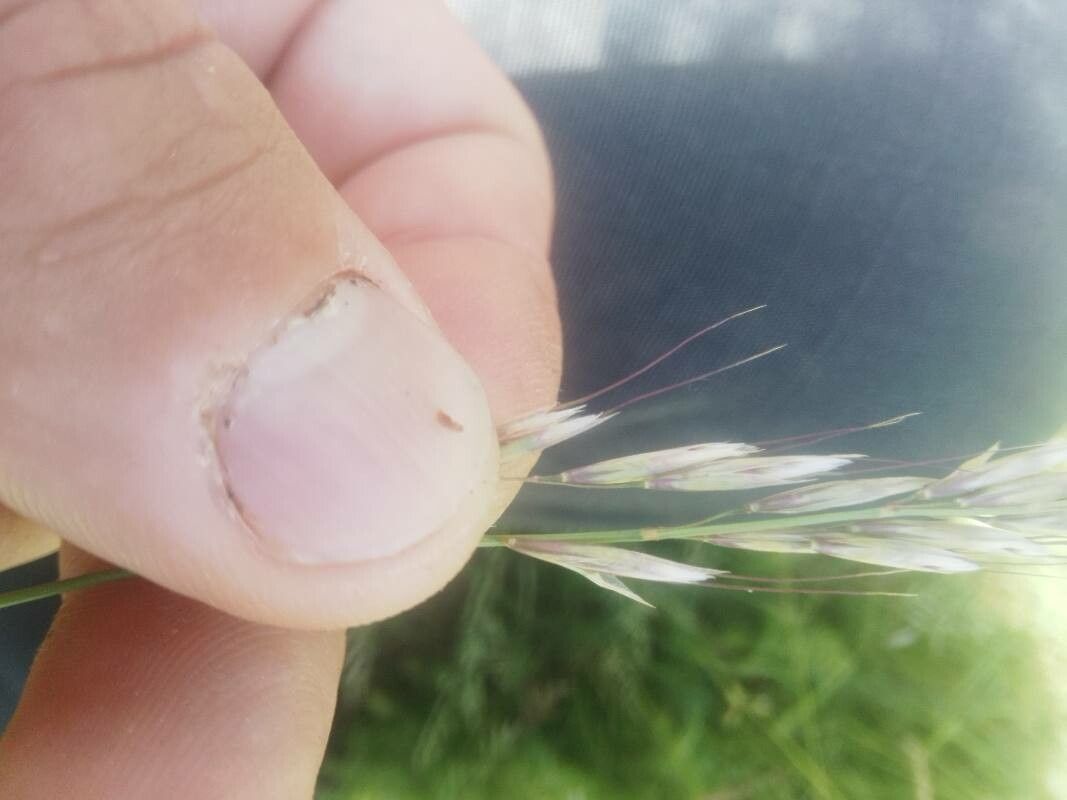
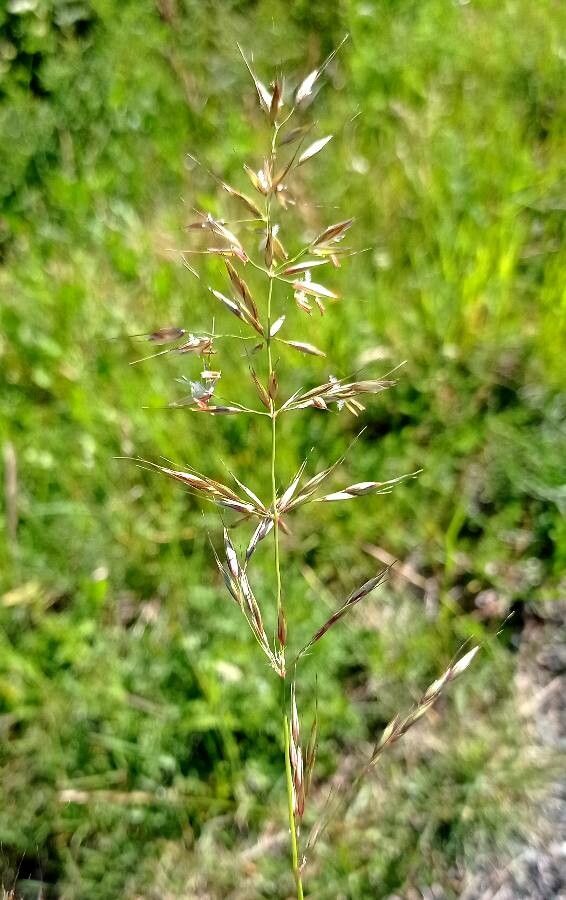
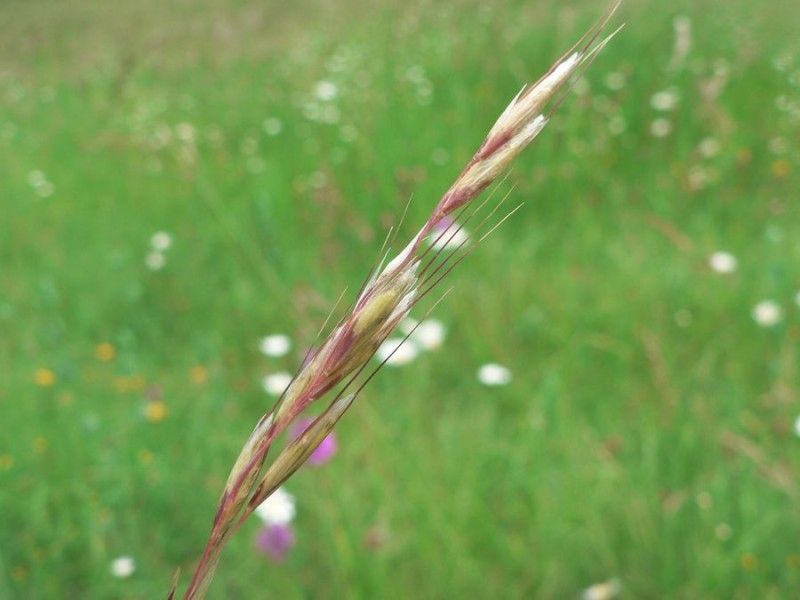
Avenula is a genus of Eurasian flowering plants in the grass family. Over 100 names have been proposed for species, subspecies, varieties, and other infraspecific taxa within Avenula, but only one species is accepted. The others names are all regarded as synonyms of other accepted names. The only recognized species in the genus is Avenula pubescens, commonly known as downy oat-grass or downy alpine oatgrass, native to Europe and Asia from Iceland and Portugal to Xinjiang, Mongolia, and Siberia. It is also naturalized in scattered locations in North America, in states as Connecticut, Delaware, Minnesota, New Jersey and Vermont, and in Canadian provinces such as Alberta, Manitoba, Ontario, Quebec, and Saskatchewan.Other genera containing species once included in Avenula: Helictochloa, Helictotrichon and Tricholemma.
Downy alpine oatgrass resists disease well and is typically not susceptible to problems. Regarding care, this plant is fairly low-maintenance. When grown outdoors it needs only minimal watering, and larger specimens usually do not require pruning. Smaller plants, however, should be trimmed after they finish blooming. Downy alpine oatgrasst is appropriate for anyone with an outdoor area, such as a garden or deck, and does not demand much prior care experience.
How to keep Avenula Pubescens.
Light
Downy alpine oatgrass is a sun-loving, perennial herbaceous species native to open habitats and commonly thriving in meadows and grasslands. It prefers full sun but can also tolerate partial sunlight.
Water
Downy alpine oatgrass thrives in cool temperate climates with consistent moisture, although it can tolerate brief dry spells. For optimal growth, it prefers stable moisture levels and should be watered weekly. While natural rainfall usually supports its growth outdoors, additional watering might be necessary during extended dry periods to keep it lush and healthy.
Temperature
Downy alpine oatgrass is native to habitats where temperatures are generally between 41 and 95°F (5 to 35 ℃). It prefers these moderate conditions but can adapt to slight seasonal temperature variations. For successful growth, keep this temperature range year-round.
Fertilizer
Downy alpine oatgrass benefits from extra nutrients to encourage healthy new growth. In spring, spreading some compost around the plant's base can effectively supply the nutrition it requires. Fertilizing helps support vigorous growth and improves the plant's resistance to diseases and pests.
Pruning
Downy alpine oatgrass, known for its soft texture in mountainous regions, benefits from pruning in early spring to promote healthy growth. Remove dead stems and thin out dense areas to improve air circulation. If necessary, rejuvenate clumps by cutting them back to ensure vitality and robust foliage throughout the growing season.
Botanical profile.
- Plant Type
- Grass
- Life Cycle
- Perennial
- Genus
- Avenula
- Family
- Poaceae
- Hardiness Zone
- 5-9
- Mature Height
- 30 cm to 91 cm
- Mature Spread
- 20 cm to 40 cm
- Leaf Color
- Green, Dark Green
- Leaf Type
- Deciduous
- Flower Color
- Yellow, Green, Purple, Brown
- Flower Size
- 0.51 cm to 0.76 cm
- Bloom Time
- Late spring, Early summer
- Planting Time
- Spring, Autumn
- Harvest Time
- Mid summer, Late summer
Other names.
Reader questions.
What should I do if I give my Downy alpine oatgrass too much or too little water?
Proper watering is essential for the health and performance of this beautiful ornamental grass. When planted in the ground, any watering issues can usually be resolved. However, in a container, too much or too little water will quickly kill Downy alpine oatgrass. Improper watering can cause growth to stop, lead to yellow leaves with brown tips in cases of overwatering, and result in drooping leaves, weak seed head production, and browned leaves when underwatered. If you suspect that your Downy alpine oatgrass has been watered improperly, the first step is to determine if it is receiving too much or too little water. If it's receiving too much, stop watering immediately. It may take some time for heavy soils to dry out, so patience is important. Once you see new growth, test the soil's moisture level to decide if it needs more water. On the other hand, if the grass is not getting enough water, simply give it a deep drink and observe if it improves. Remember that it is always better to provide long, deep waterings rather than frequent shallow ones. This encourages the grass to develop deep roots, making it more resistant to drought and less prone to watering-related problems.
What are the sunlight requirements for Downy alpine oatgrass?
Downy alpine oatgrass, known botanically as Avenula pubescens, is a perennial herbaceous plant that prefers full sun, requiring more than 6 hours of sunlight daily. However, it can also thrive in partial sun conditions, which means about 3-6 hours of sunlight. It's essential to monitor the movement of sunlight through your garden to find spots that offer a balance of light and shade, ensuring the plant's optimal growth and happiness.
What temperature is best for Downy alpine oatgrass?
The ideal temperature for Downy alpine oatgrass depends on the time of year. There are two main seasons to consider: the growing season and the dormancy season. During the growing season, which is when the plant starts to sprout, the best temperature range is between 65 to 80℉ (18 to 27℃). If it gets colder than 15℉ (-10℃), the plant will suffer and its leaves may turn brown and wilt. However, if it's just a short cold snap, Downy alpine oatgrass might survive with some assistance. In the warmer months, it's important to protect Downy alpine oatgrass from excessive heat. The plant can tolerate temperatures of up to 95-105℉ (35-40℃). Anything higher than that can damage the leaves and blooms, causing wilting, drooping, and even sunburn. It can be challenging for the plant to recover from this damage. Fortunately, there are several easy and quick ways to address this issue.
How often should I give water to my Downy alpine oatgrass?
The watering needs of Downy alpine oatgrass will vary depending on where it is planted. Generally, it is recommended to water this grass every week. However, in hot climates, watering once or twice a week in the summer may be necessary. In moderate climates, watering once every seven days or more may be sufficient. Grass in containers generally need more frequent watering compared to grasses planted in the ground. Additionally, the location of the grass also affects its watering needs. Shaded grasses require less frequent watering compared to grasses planted in the ground. When it comes to watering Downy alpine oatgrass, it is important to only water when the soil is dry. Here are a few cues to help determine when to water: checking the soil moisture by pressing your finger a couple of inches into the soil, weighing the potted grass to see if it feels lighter from lack of water, and observing the appearance of the grass blades (folded and thinner when lacking water). Although Downy alpine oatgrass is drought-resistant, it still requires care and attention. Watering this grass consistently is recommended for optimal growth and beautiful color. When newly planted, it needs more frequent watering until it establishes deep roots. In pots, the soil tends to dry out quickly, especially if exposed to hot, direct sun. So, it's important to test the soil every 3 to 4 days and water only when it feels dry. Oatgrass planted in the ground generally requires less watering, but it depends on the type of soil it is grown in. Heavy clay soil can retain moisture below the surface even if it feels dry on top, while sandy soils that drain quickly may need more frequent watering.
Can I use artificial lighting for Downy alpine oatgrass indoors?
Yes, artificial lighting can be an effective solution for growing Downy alpine oatgrass indoors, especially when natural sunlight is insufficient. LED lights are recommended due to their ability to provide specific wavelengths needed for plant growth. For plants requiring full sun, 30-50 watts per square foot of artificial light is needed, whereas partial sun plants need 20-30 watts per square foot. Position the light source 12-36 inches above the plant and ensure it receives 8-12 hours of light per day to mimic natural daylight hours, promoting healthier growth.
The temperature needed for the first year or young Downy alpine oatgrass plants.
If you have recently planted Downy alpine oatgrass outside, especially if it's its first year, it's important to take extra care during the coldest months. Frost can cause significant damage and hinder its growth in the following spring. To protect the plant, it should be kept at a temperature of 40℉(5℃) or above until it is well-established. This can be achieved by either bringing it indoors for a month or two or using mulch or fabric barriers to shield it from frost. During the first year or two, it's recommended to plant the oatgrass in a shadier area. Smaller and weaker plants struggle to regulate their own temperature in hot conditions. Therefore, they should receive no more than five hours of direct sunlight per day, especially if the daytime temperature exceeds 80℉(27℃). Using shadecloth and providing frequent watering or misting can help control the heat during summer.
What should I watch out for when I water my Downy alpine oatgrass in different seasons, climates, or during different stages of growth?
To determine if you're watering enough, pay attention to the rate of growth of your grass. Downy alpine oatgrass, for example, tends to double in size within a year during the hottest months. If the weather is hot but the grass isn't growing vigorously, you may need to adjust your watering schedule. In winter, watering once a month might be sufficient, but always check the soil for moisture. On the other hand, during the warmest months when the grass is actively growing, it will require more water. But in winter and cooler months, watering needs will significantly decrease. The key rule for Downy alpine oatgrass is to let the soil dry out completely before applying water.
What are the symptoms of inadequate lighting for Downy alpine oatgrass?
Symptoms of inadequate lighting for Downy alpine oatgrass include smaller new leaves, leggy or sparse growth, faster leaf drop, slower or halted new growth, and lighter-colored new leaves. Additionally, the plant may experience chlorosis (yellowing leaves due to chlorophyll breakdown), sunscald (damage from intense sunlight), leaf curling (a defense mechanism against excessive sunlight), wilting (due to loss of turgor pressure), and leaf scorching (brown, dry edges caused by excessive sunlight). These symptoms indicate the plant's need for more suitable light conditions.
What can I do to keep Downy Alpine Oatgrass safe from very hot or very cold weather?
If cold temperatures below 15℉ (-10℃) occur during the growing season, there are ways to protect Downy alpine oatgrass from frost or cold damage. If you have it in a container, you can bring it inside in bright, indirect light until the temperatures rise again. For plants in the ground, you can use mulch or horticultural fabric to create a barrier that insulates the plant from frost and cold wind. On the other hand, if the temperatures go above 80℉ (27℃) in the shade, limit the plant's exposure to sunlight to six hours or less per day, preferably in the morning. You can use shade cloth or fine plastic mesh to reduce direct sunlight during the hottest parts of the day. Additionally, installing a misting system that releases cooling mist around the base of the plant can lower ground temperatures during the day.
How can I address insufficient sunlight exposure for Downy alpine oatgrass?
To address insufficient sunlight exposure for Downy alpine oatgrass, gradually move the plant to a sunnier location, ensuring it receives at least 6 hours of direct sunlight daily. If the plant is large or not easily movable, consider using a desk or ceiling lamp for at least 8 hours daily, or invest in professional grow lights. For outdoor plants, ensure a gradual transition to sunnier spots to avoid sunburn. It's important to note that parts of the plant affected by insufficient sunlight may not recover, but new growth should be healthy after adjusting light exposure. Also, consider reducing obstructions such as pruning trees or relocating smaller plants to areas with better sunlight and drainage.
The suggested temperatures for Downy alpine oatgrass in the dormant season.
During the cold winter months, Downy alpine oatgrass needs to stay dormant until it's time to sprout. Sprouting too early, before the last frost is over, can be deadly, especially if it has already started growing. Winter temperatures should ideally be below 32℉(0℃), but up to 40℉(5℃) is okay. In more temperate climates, like woodland rainforests, a warm spell can cause Downy alpine oatgrass to sprout prematurely. If there's still a risk of frost, you can cover it with clear plastic on stakes to protect it. This cover can be removed once the danger of frost has passed. Sometimes, Downy alpine oatgrass will sprout correctly without any help, but using this method increases the chances of a successful second sprouting.