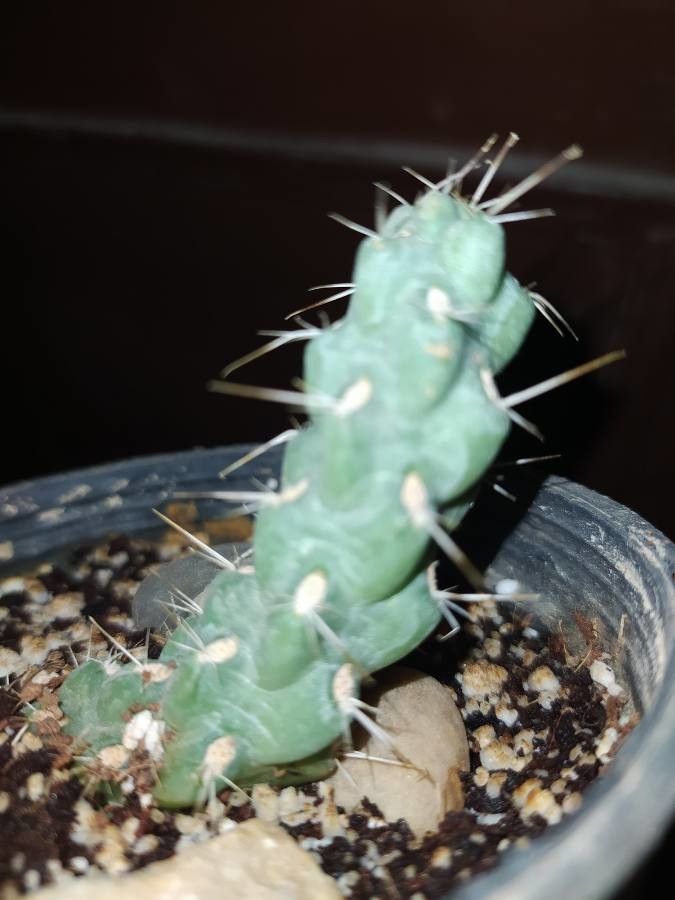
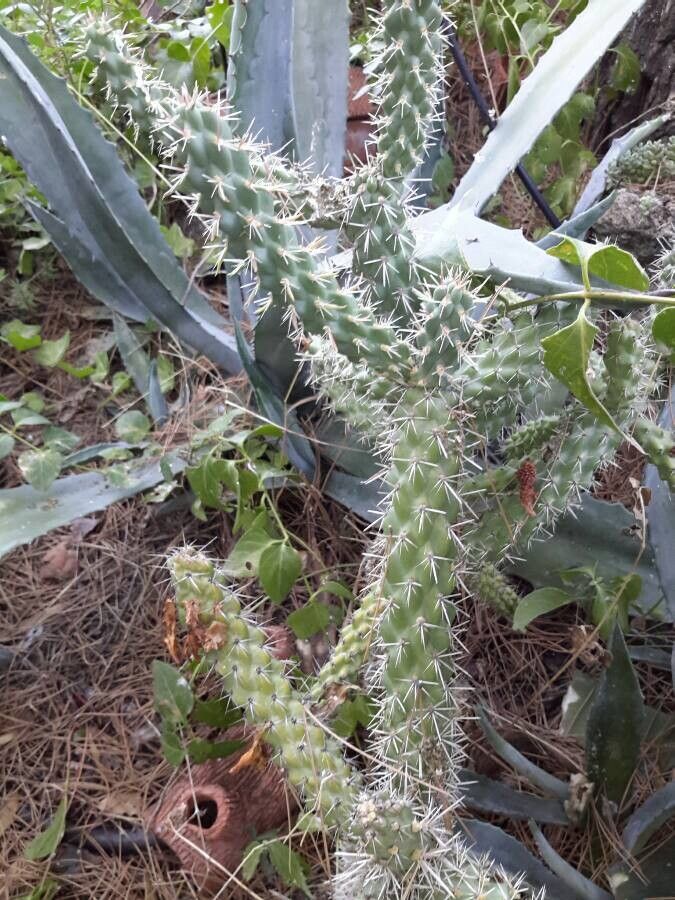
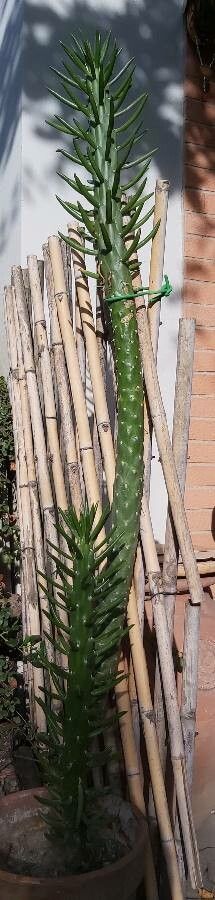
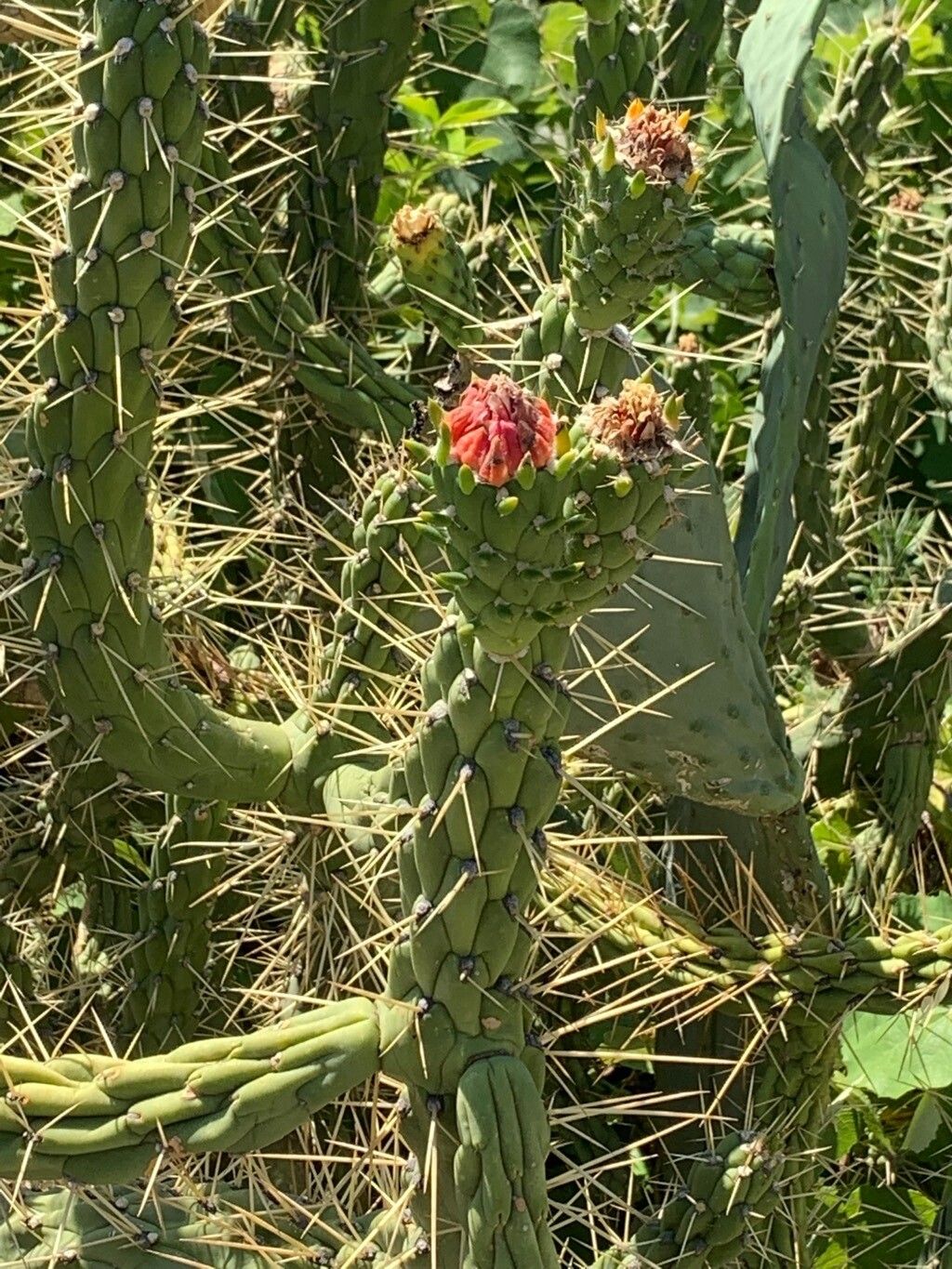
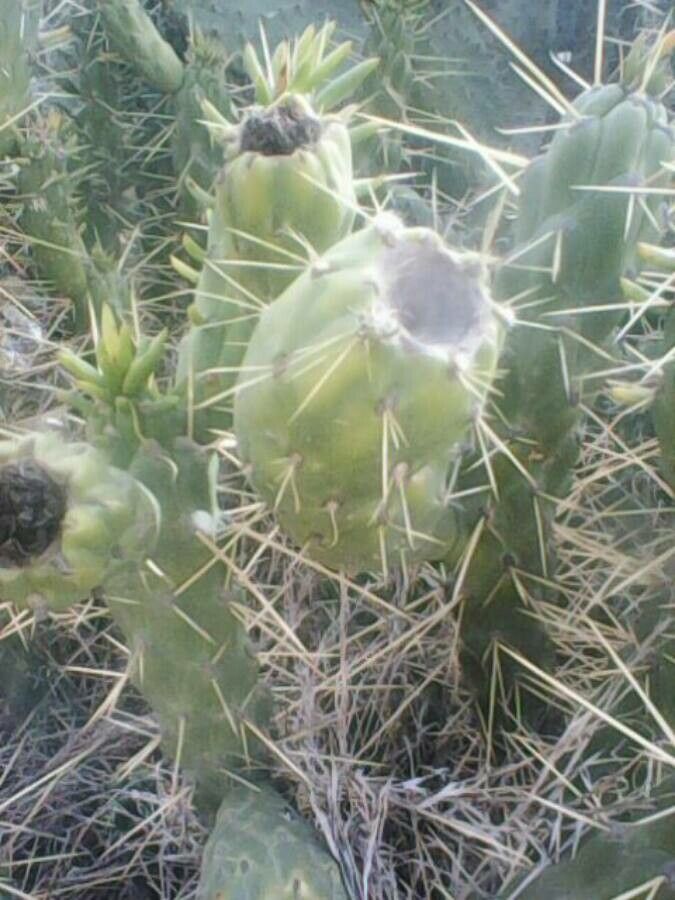
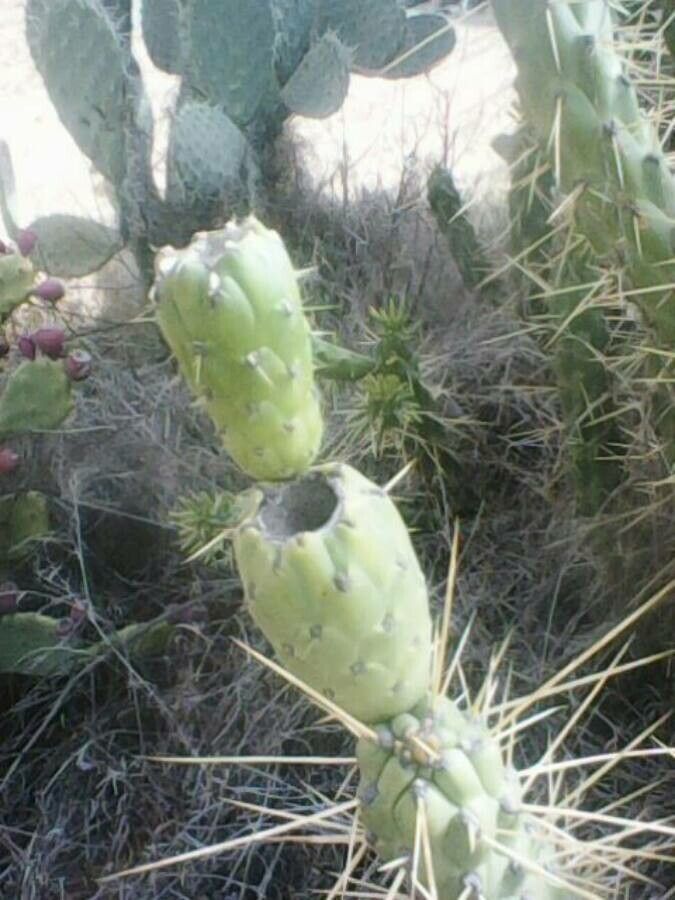
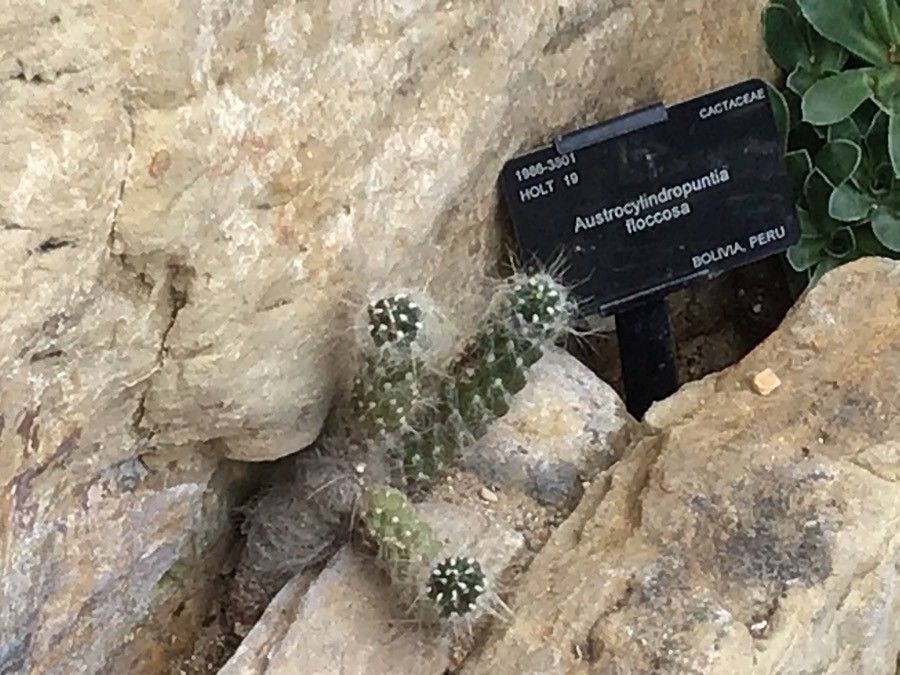
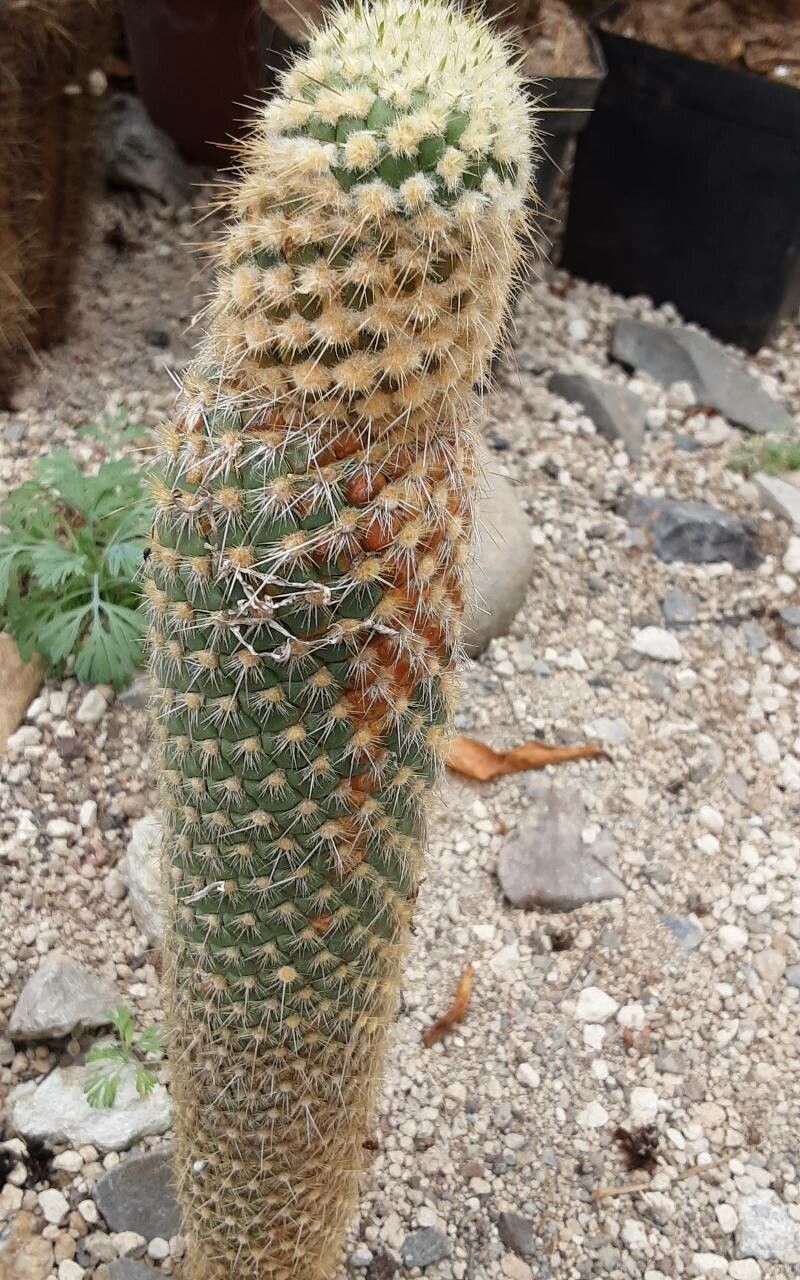
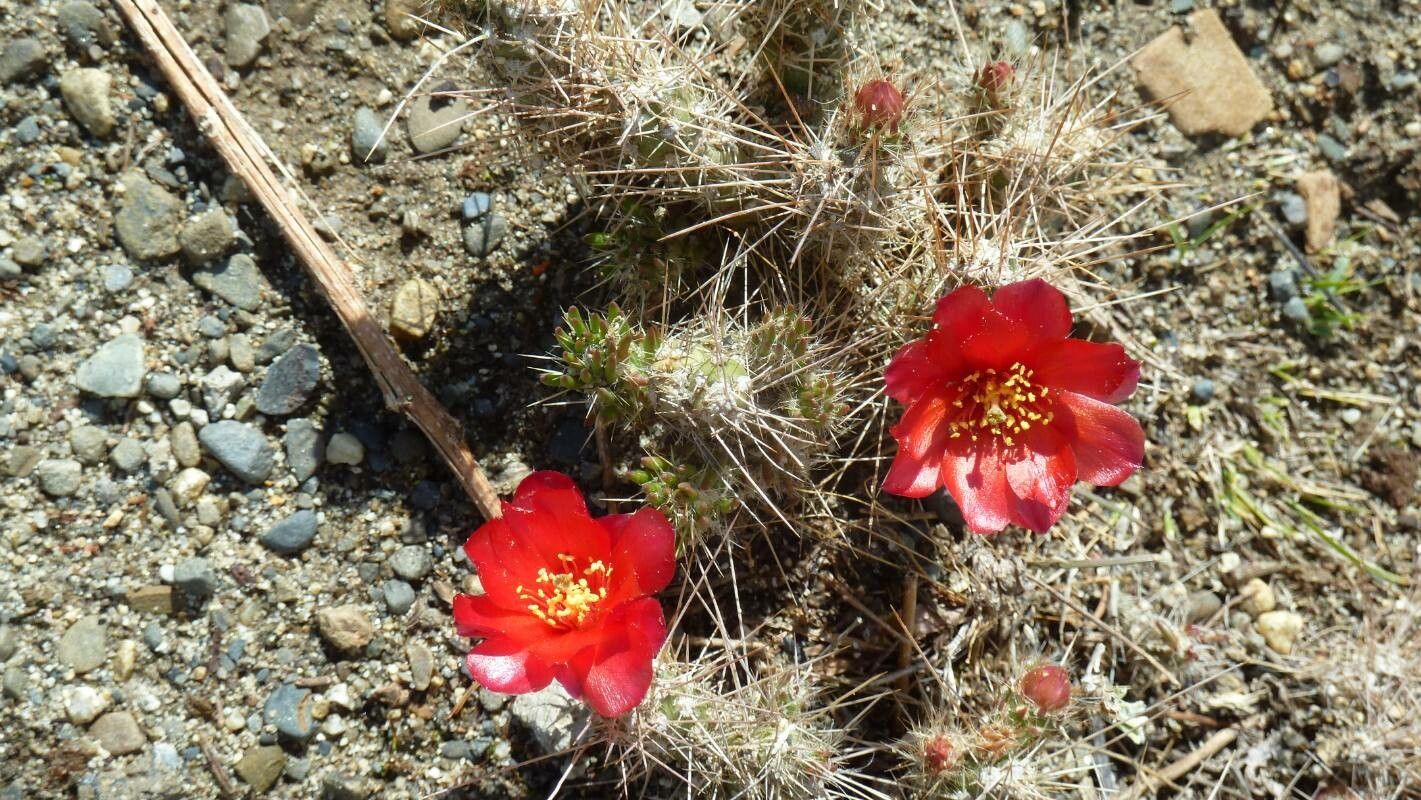
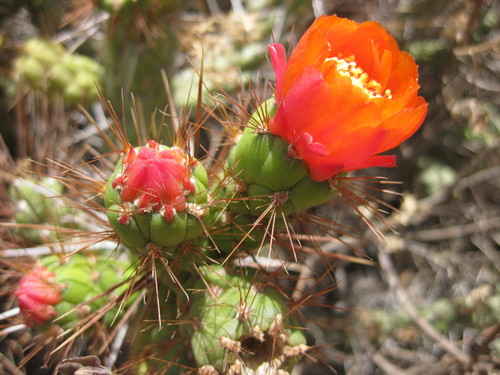
Austrocylindropuntia cylindrica (syn. Opuntia cylindrica), the cane cactus, is a species of flowering plant in the family Cactaceae. It is native to Colombia, Ecuador, and Peru, and it has been introduced to the Canary Islands, Morocco, Eritrea, Ethiopia, South Africa, Australia, and New Zealand. A popular ornamental, it is an invasive species in Europe, South Africa, and Australia. Due to a misidentification, for a time this species was erroneously thought to contain mescaline.
Cane cactus is largely disease-resistant and tolerates normal care without becoming sick easily. That said, it can be prone to mealybugs, which may cause some damage but are typically not a serious problem. In terms of care, Cane cactus is drought-tolerant and does not require frequent watering. It can withstand long periods without water and needs little fertilizer. However, it is highly susceptible to root rot if kept in poor lighting and overwatered. Overall, Cane cactus is well suited for people who want a low-maintenance plant, but it remains important to understand and meet its basic needs. It is especially appropriate for those who are away for long periods and might forget to water their plants regularly.
How to keep Austrocylindropuntia Cylindrica.
Light
Native to dry areas, Cane cactus thrives in full sun; its native habitat is marked by intense sunlight and little shade. It will also tolerate partial sun, giving it some flexibility in its growth.
Water
Cane cactus is a drought-tolerant, evergreen plant that thrives in arid regions. It requires watering only once every three weeks. Native to desert environments, this cactus efficiently stores water, allowing it to maintain hydration throughout the year, even during extended dry spells and seasonal changes.
Humidity
This plant prefers dry conditions, so don't mist it. However, watering it less often can also thrive in higher humidity.
Temperature
Cane cactus favors the warmer end of temperate zones, doing best between 68 to 95 °F (20 to 35 ℃). Native to regions with clear seasonal shifts, it can adapt to temperature variations. In cooler months, keeping at least 68 °F (20 ℃) is beneficial.
Fertilizer
For cane cactus, light applications of fertilizer once or twice a year during the growing season are sufficient. Do not fertilize in winter or during the summer dormancy. Reduce the amount of fertilizer for plants that have been repotted and wait a couple of months after repotting before applying fertilizer. Fertilizing promotes healthy growth and encourages flowering.
Pruning
Cane cacti require minimal pruning. Simply focus on removing any withered flowers and branches. This practice helps the plant allocate nutrients more effectively towards healthy growth.
Botanical profile.
- Plant Type
- Succulent
- Life Cycle
- Perennial
- Genus
- Austrocylindropuntia
- Family
- Cactaceae
- Hardiness Zone
- 9-10
- Mature Height
- 15 cm
- Mature Spread
- 30 cm
- Leaf Color
- Dark Green
- Leaf Type
- Evergreen
- Flower Color
- Red
- Flower Size
- 3.05 cm to 5.08 cm
- Bloom Time
- Summer
- Planting Time
- Spring, Summer
- Harvest Time
- Late summer, Early fall, Mid fall
- Native Area
- Colombia, Ecuador, Peru
Other names.