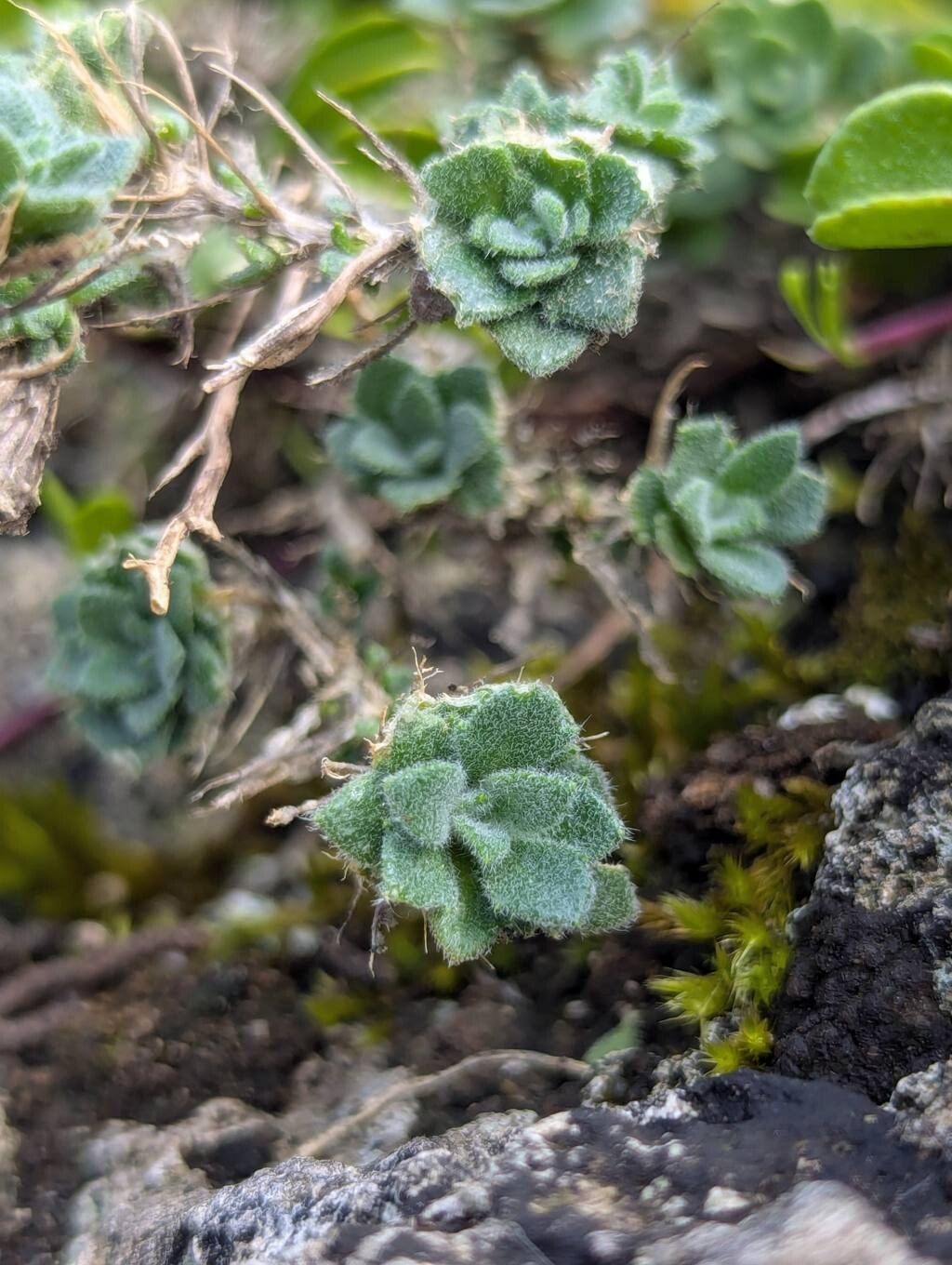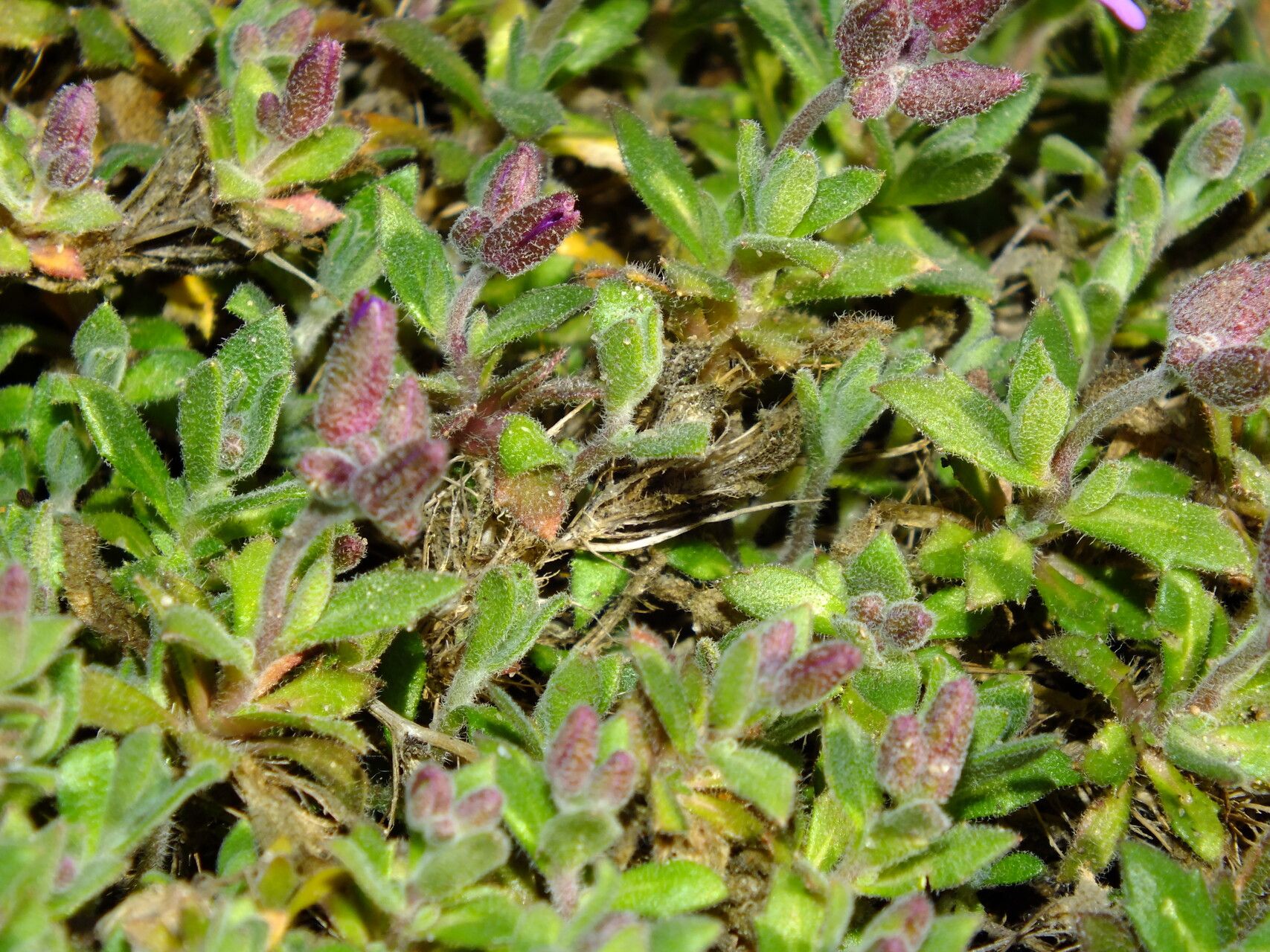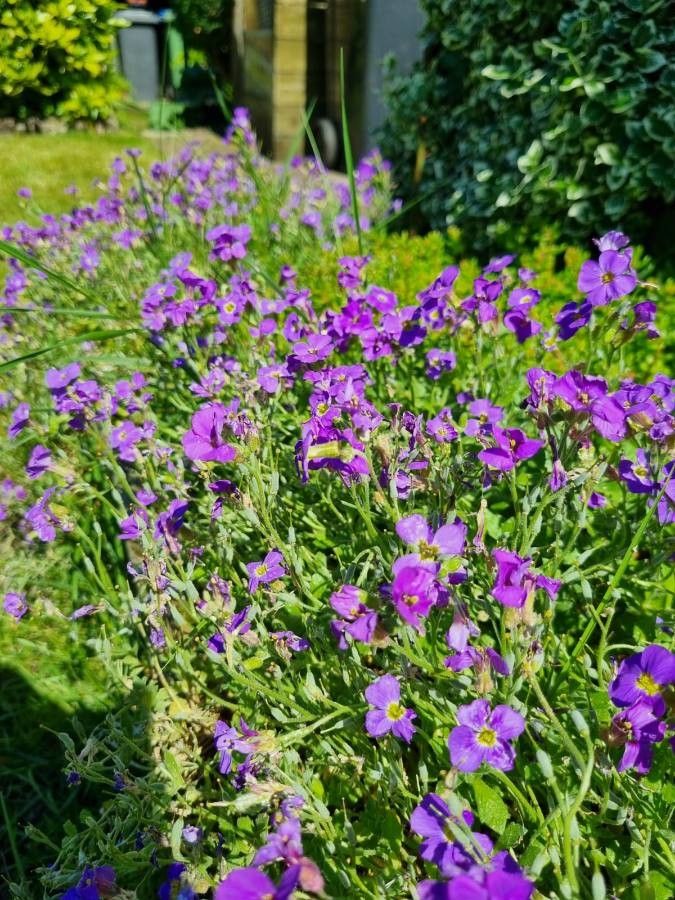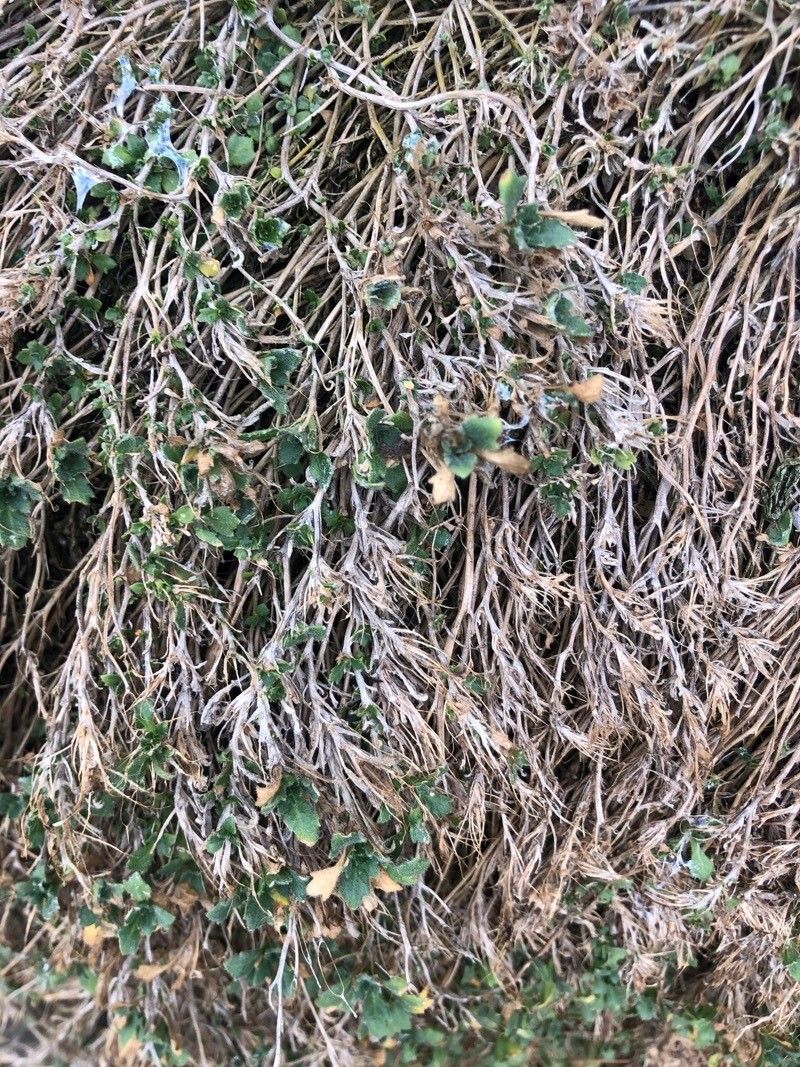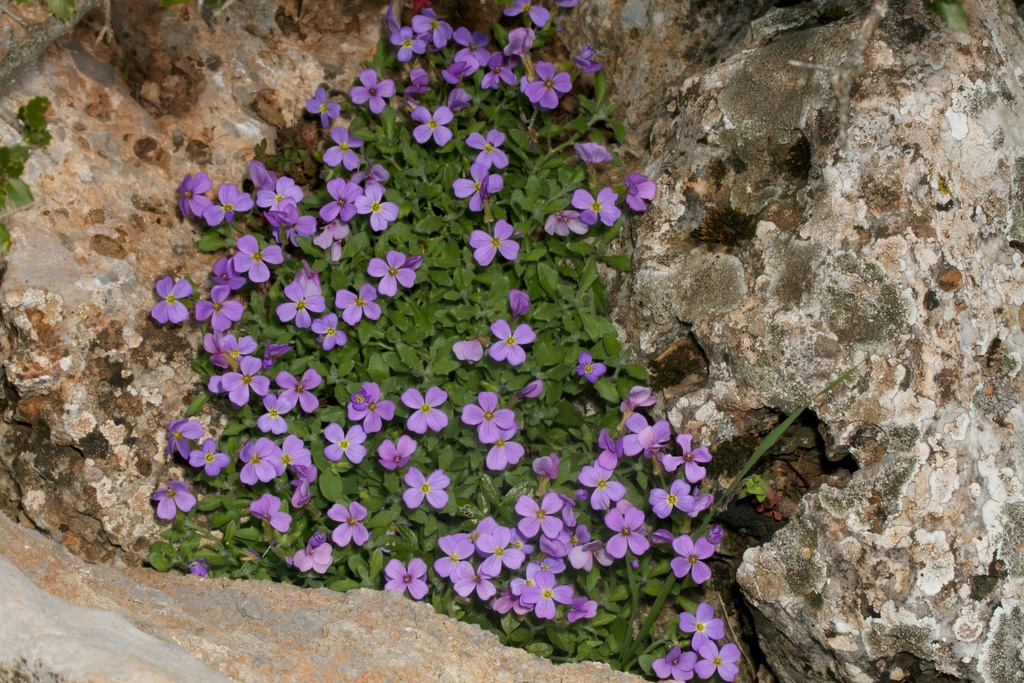
Aubrieta, commonly known as rock cress or wall cress, is a genus of flowering plants in the family Brassicaceae. These low-growing, evergreen perennials are native to Europe and Asia and are cherished for their stunning spring blooms. Aubrieta produces small, four-petaled flowers in a variety of shades, including purple, pink, blue, and white, which create a carpet-like display over the plant.
Aubrieta thrives in well-drained soil and prefers full sun to partial shade. While the plants are drought-tolerant once established, they still benefit from regular watering during dry periods. These resilient perennials typically grow up to 6 inches in height and can spread up to 2 feet wide.
Rock cress is frequently used as ground cover in rock gardens or on slopes due to its rapid spreading ability and low maintenance needs. It can also be grown in containers or used as edging along garden beds.
Purple rock cress is a low-maintenance perennial ground cover ideal for rock gardens, hillsides, and as an attractive border for flowerbeds. As an alpine plant, it is particularly well-suited for rock gardens. Its compact and short stature allows it to endure the cold and winds commonly found at higher elevations. FUN FACT · FROM THE LIBRARY
Overall, Aubrieta is an appealing perennial that brings color and texture to any garden setting with its vibrant spring blooms and evergreen foliage that endures throughout the year.
Purple rock cress is a species of flowering plant in the mustard family. It is often cultivated as a groundcover, in rock gardens, or in crevices in walls, where it produces masses of brightly colored flowers in the spring. Because the flowers are primarily purple, the plant is named purple rock cress.
Purple rock cress is fairly disease-resistant and usually not highly prone to illnesses. Still, it can be vulnerable to pests and diseases present in its environment, though such infections tend to be mild. Regarding care, this plant has moderate maintenance needs. It should be pruned regularly to preserve a neat appearance and support healthy growth. Fertilizing can also encourage flowering. Purple rock cress is suitable for anyone with outdoor space, like a garden or patio, and does not demand extensive gardening experience. It may need more attention when grown indoors.
How to keep Aubrieta Deltoidea.
Light
Purple rock cress prefers intense sunlight but can tolerate somewhat shadier conditions that improve its growth and fertility. Its natural habitat features abundant sun. Excessive shading may lead to weaker foliage and reduced flowering, while too much sun can cause leaf burn.
Water
Purple rock cress is well-suited to rocky slopes and thrives in well-drained, low-moisture environments, making it drought-tolerant. Once established, it only needs watering every two weeks. As an evergreen perennial, it is ideal for rock gardens. Consistent, sparse watering helps maintain its vibrant foliage year-round while preventing overwatering.
Temperature
Purple rock cress originates from temperate regions and prefers temperatures between 68 and 95 °F (20 to 35 ℃). In every season, proper temperature regulation is important to recreate its native habitats. Extended exposure to extreme cold or heat should be avoided to preserve its health.
Fertilizer
The best time to fertilize a Purple rock cress is in early spring, as it emerges from dormancy and starts active growth. Fertilization supplies essential nutrients needed for healthy development. Although Purple rock cress has fairly low fertilizer requirements, applying fertilizer annually can improve its survival and encourage better, longer-lasting blooms.
Pruning
Purple rock cress benefits from pruning after it finishes flowering, which usually occurs from early to late spring. Cutting it back by one-third and removing any damaged stems helps maintain its compact shape, enhances air circulation, and promotes healthy growth. To reduce the risk of disease and ensure healthier blooms and overall appearance, be sure to use sharp, clean tools when pruning.
Pot & Repot
When repotting Purple rock cress, choose a pot 1-2 inches (2.5–5.1 cm) larger with ample drainage. Use a well-draining potting mix. Repot in spring or fall, ensuring that the root ball is slightly lower than the rim of the flower pot. Water thoroughly after repotting and place in a warm spot with indirect sunlight.
Toxicity
Aubrieta deltoidea has no toxic effects reported.
Further reading →
The toxicity and danger assessments provided are for reference only. We do not assure their accuracy, so it's crucial not to depend on them. Seek professional advice when necessary for accurate guidance.
Botanical profile.
- Plant Type
- Herb
- Life Cycle
- Perennial, Annual
- Genus
- Aubrieta
- Family
- Brassicaceae
- Hardiness Zone
- 5-8
- Mature Height
- 5 cm to 20 cm
- Mature Spread
- 15 cm
- Leaf Color
- Green, Blue
- Leaf Type
- Semi-evergreen
- Flower Color
- Purple, Violet
- Flower Size
- 2.54 cm
- Bloom Time
- Mid spring, Late spring
- Planting Time
- Spring
- Harvest Time
- Early summer, Mid summer
- Native Area
- Turkey, Italy, Bulgaria, Albania, Greece
Other names.
Reader questions.
How should I water my Purple rock cress?
To properly water the Purple rock cress, it is recommended to use filtered water at room temperature. Tap water may contain harmful particles, so filtered water is preferable. The Purple rock cress is accustomed to warm conditions, so using cold water can be a shock to its system. It is advised to avoid overhead watering, as it can lead to foliage issues. Instead, apply filtered room temperature water directly to the soil until it is fully saturated. This helps moisten the roots and facilitate their spread in the soil to absorb necessary nutrients.
Why should I put fertilizer on my Purple rock cress?
Fertilization plays a crucial role in the growth of Purple rock cress and other plants. It provides necessary nutrients for both the above and below-ground parts of the plant. Although Purple rock cress has relatively low fertilization requirements, regular fertilization can significantly benefit the plant. It helps the plant survive and promotes the production of long-lasting, beautiful flowers. Therefore, individuals who want their Purple rock cress to thrive should prioritize annual fertilization.
How much sunlight does purple rock cress require?
Purple rock cress flourishes in full sunlight, requiring more than 6 hours of sunlight daily for optimal growth, but can also tolerate partial sun, which is about 3-6 hours of sunlight. This plant enjoys intensive solar exposure, crucial for its growth and fertility, making it essential to find a garden spot that receives plentiful sun. However, it's also adaptable to slightly dimmer conditions, which might not drastically affect its vitality. It's imperative to watch how sunlight moves through your garden to ensure the spots you choose offer a good balance of light and shade, crucial for the plants' happiness.
What is the native environment of Purple rock cress?
Purple rock cress, known botanically as Aubrieta deltoidea, is native to temperate environments. It thrives in a temperature range of 68 to 95 °F (20 to 35 °C), which is crucial for mimicking its natural habitat. The plant is tailored to withstand such conditions, but it is important to adjust its exposure to temperature properly across different seasons.
What should I do if I give too much or too little water to my Purple rock cress plant?
Overwatering is a common issue for Purple rock cress and can cause wilting, yellowing, and diseases like root rot, mold, and mildew. Underwatering is less common, but can make the leaves brittle and brown. It's important to notice the signs of overwatering early and adjust your watering schedule accordingly. If the soil doesn't drain well, replace it with a well-draining potting mix. If your plant is not getting enough water, simply increase the frequency of watering.
When should I fertilize my Purple rock cress?
The best time to fertilize a Purple rock cress is in late winter to early spring when it is coming out of dormancy and starting to grow. This will ensure healthy growth and a good start to the season. Fertilizing during the fall is also okay, but it is not recommended to fertilize during summer or winter.
What are the effects of insufficient sunlight on purple rock cress?
Insufficient sunlight can lead to several symptoms indicating poor health in purple rock cress, such as smaller new leaves, leggy or sparse growth, faster leaf drop, slower or no new growth, and lighter-colored new leaves. These symptoms arise because the plant struggles with low light conditions, affecting its growth and overall well-being. To maintain the plant's health, providing ample sunlight is crucial as it directly impacts their ability to photosynthesize and thrive.
How does Purple rock cress handle cold temperatures?
Purple rock cress exhibits strong resistance to cold and typically does not require special frost protection measures during winter. However, if temperatures are expected to plummet below -25°C, protective measures should be taken. Covering the plant with soil or straw can offer adequate cold protection. Additionally, watering the plant abundantly before the first freeze in autumn to keep the soil moist is advisable. This preparation helps prevent drought and ensures the plant has access to water during the winter and early spring.
How frequently do I need to water my Purple rock cress?
If your Purple rock cress is in a pot, the best way to determine if it needs water is to stick your finger in the soil. If the top two to three inches of soil are dry, it's time to water it. If you have Purple rock cress planted in the ground, you can use the same method to test the soil. When the top few inches are dry, it's time to water. Typically, during spring and early fall, you'll need to water this plant about once per week. In extremely hot weather, you may need to water it twice or more per week. However, it's worth mentioning that mature, well-established Purple rock cress can handle drought conditions well.
When is it not a good idea to fertilize my Purple rock cress plant?
To properly care for your Purple rock cress, it's best to fertilize it only in late winter and early spring. This plant requires minimal fertilization, so one feeding per year is sufficient. Avoid fertilizing during spring, summer, and fall to prevent overfertilization and its complications. An exception is if you missed fertilizing in spring, then it's acceptable to feed it in the fall. Additionally, refrain from fertilizing during the winter as the plant is dormant and does not experience new growth.
Can purple rock cress be affected by too much sunlight?
Yes, purple rock cress can be negatively affected by excessive sunlight exposure. Symptoms such as chlorosis, where leaves lose their green color and turn yellow, sunscald, which damages the plant's leaves or stems, leaf curling as a defense mechanism to reduce surface area exposed to sunlight, wilting due to increased water loss, and leaf scorching characterized by brown, dry edges on leaves all indicate that a plant is receiving too much sunlight. These conditions can severely impact the plant's health, reducing its ability to photosynthesize and maintain hydration.
What happens to Purple rock cress in low temperatures, and how should it be cared for?
In low temperatures, particularly under 0°C and more so below -25°C, Purple rock cress may not show immediate damage but could experience decreased sprouting or fail to sprout at all come spring. The optimal solution for any non-sprouting parts in spring is to remove them, allowing for the potential growth of new, healthy parts of the plant.