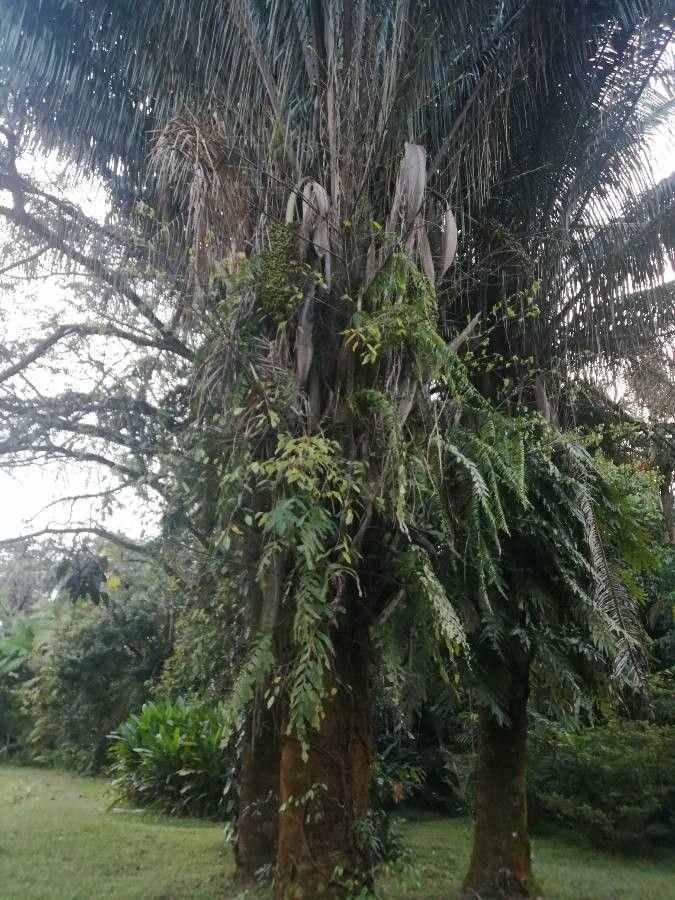
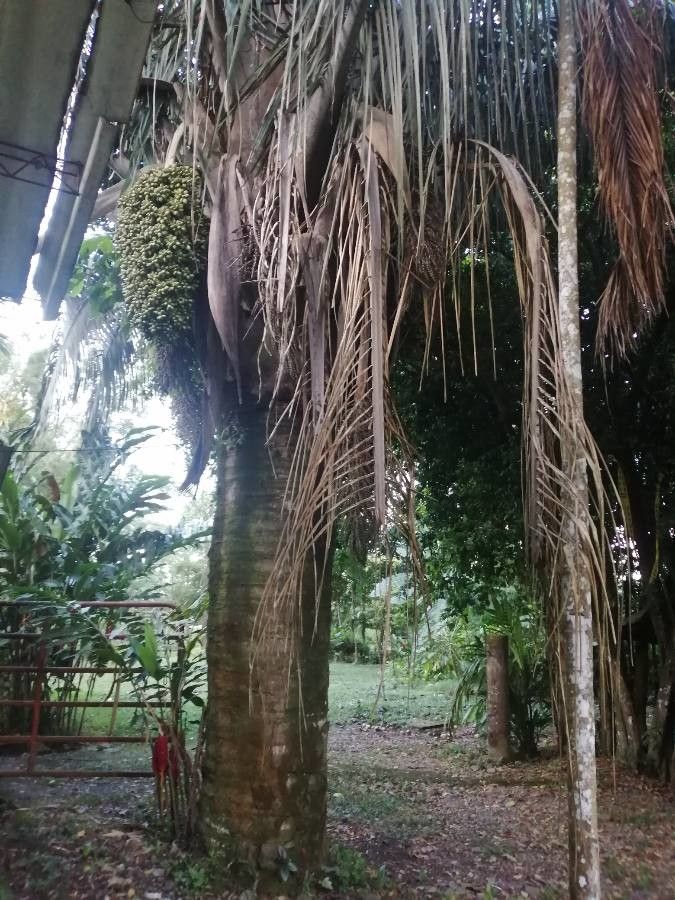
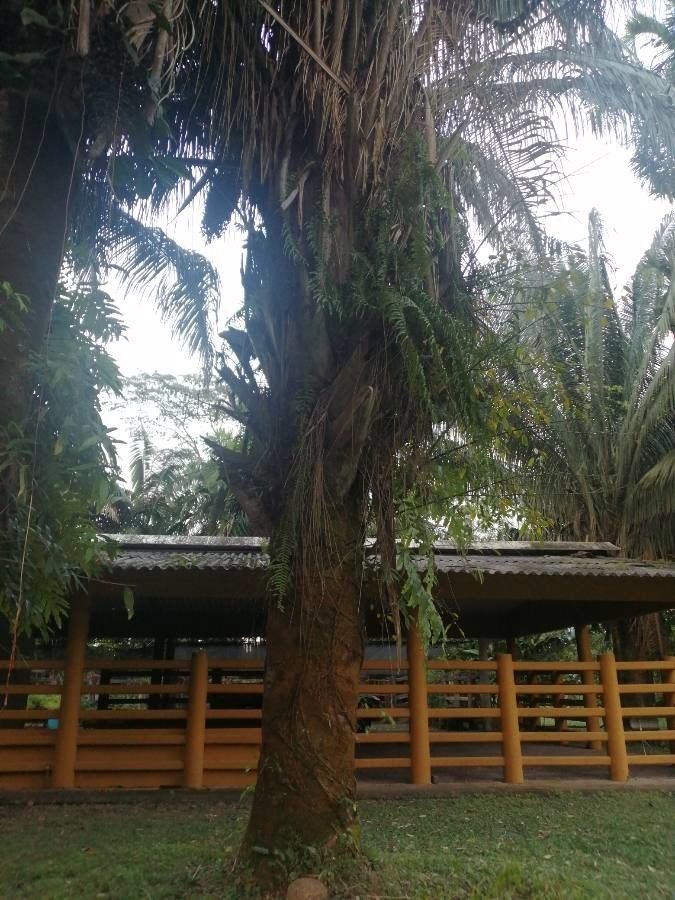
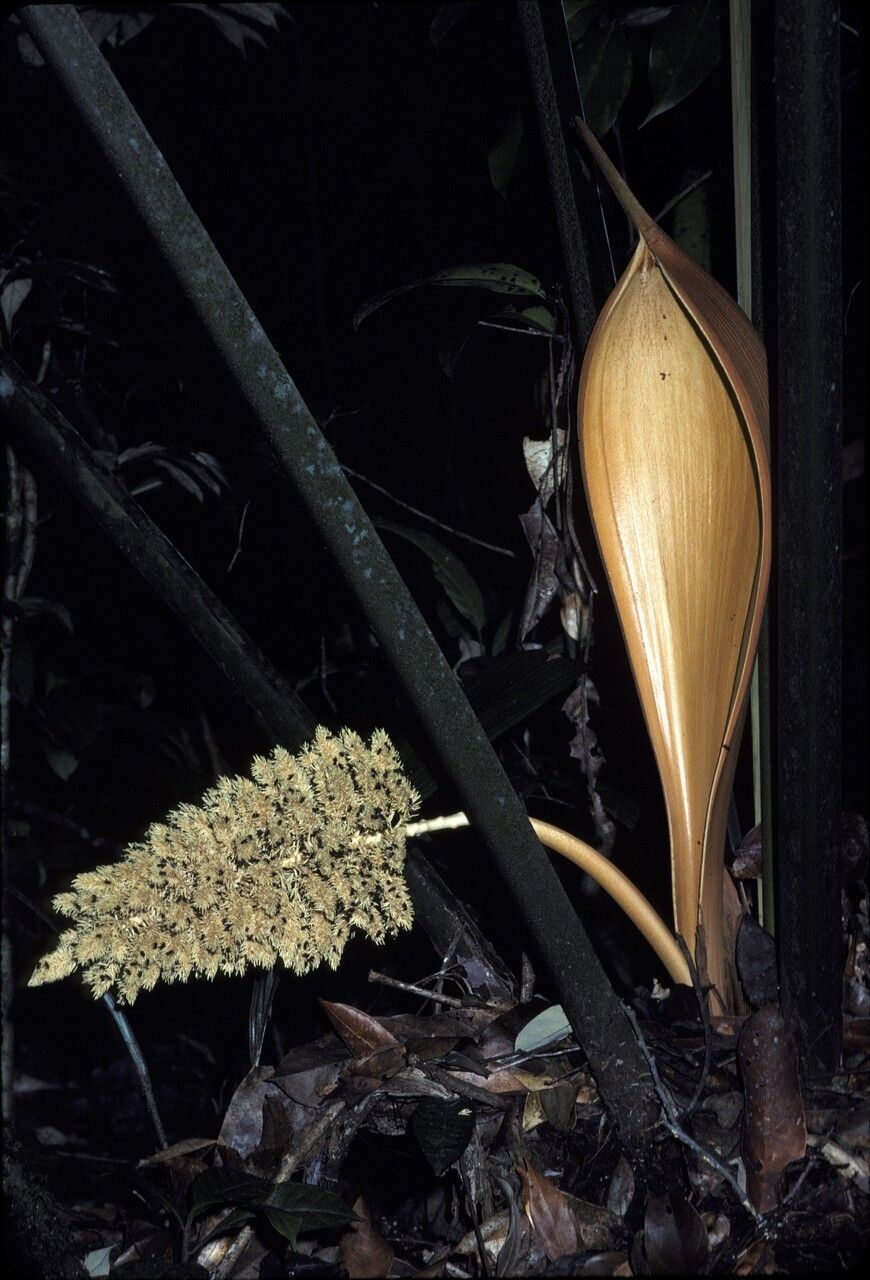
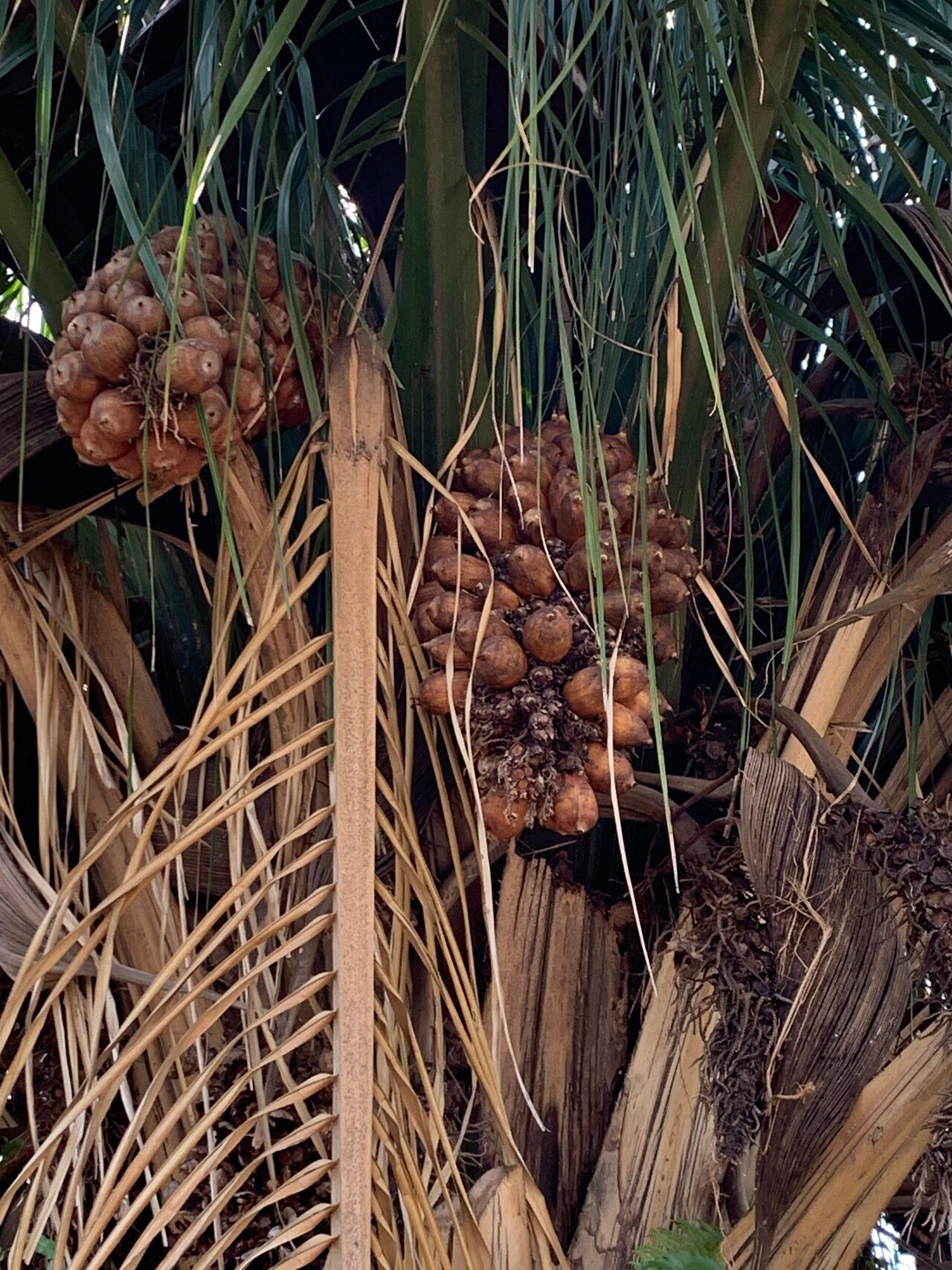
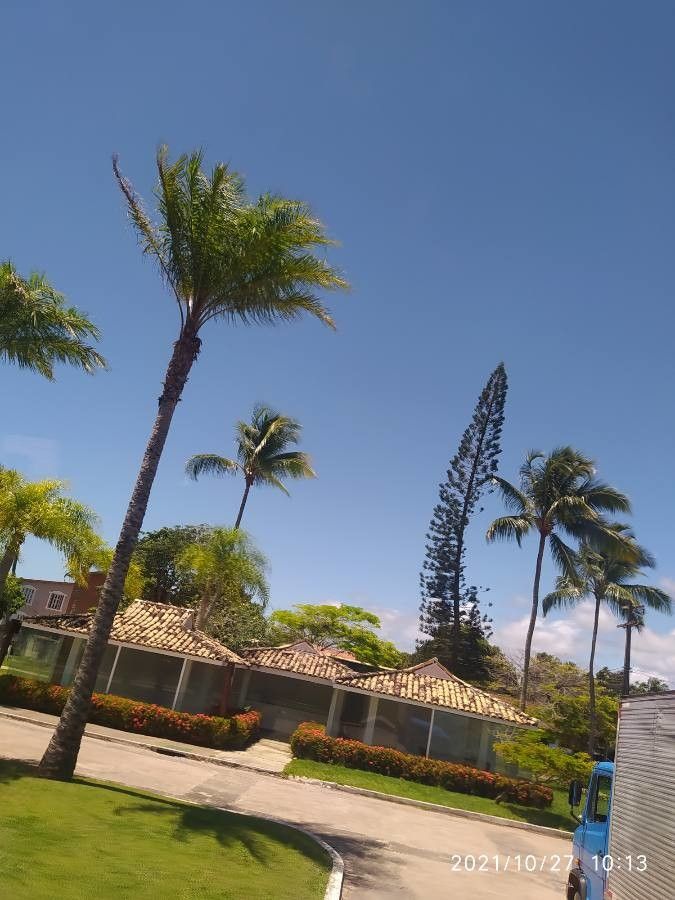
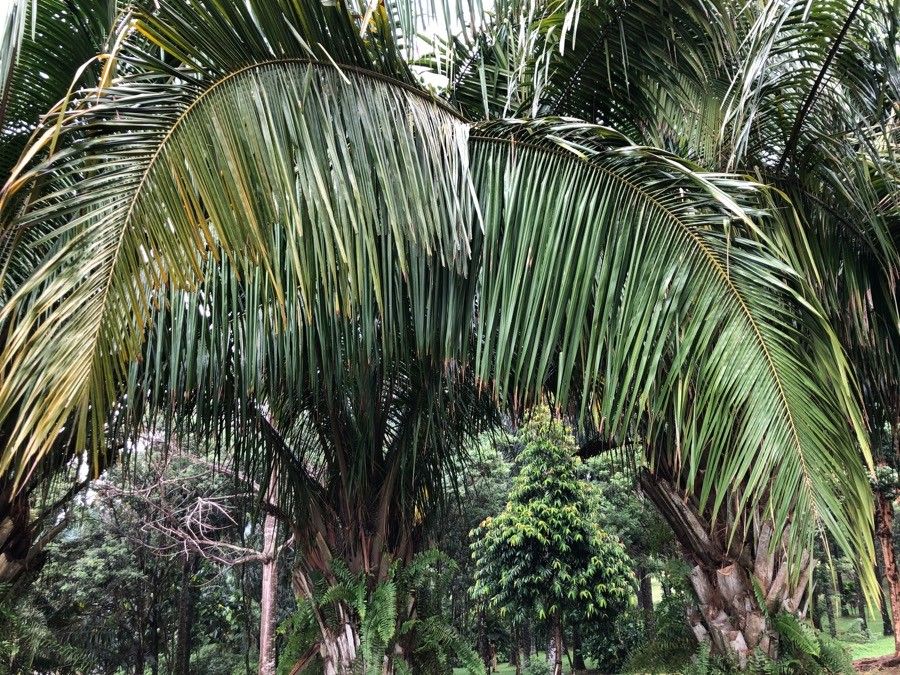
Attalea butyracea is a species of palm tree native from Mexico to northern South America.
The American oil palm is well resistant to disease and typically not vulnerable to ailments. Concerning care, this plant is fairly low-maintenance. When grown outdoors it needs little watering, and larger specimens usually do not require pruning. Smaller plants, however, should be trimmed after they have finished blooming. The American oil palm is appropriate for anyone who has outdoor space, such as a garden or a deck, and it does not demand extensive plant-care experience.
How to keep Attalea Butyracea.
Light
The American oil palm is native to open habitats, such as sunny meadows and forest edges, which provide plentiful light. It prefers Full Sun but can tolerate Partial Sun, adapting well to a range of sunlight conditions.
Temperature
American oil palm originates in tropical areas where the climate is generally warm and humid. Consequently, it is well suited to high temperatures and humidity. It is sensitive to abrupt temperature changes and prefers a steady thermal environment, so it is important to prevent temperature fluctuations indoors. It usually cannot tolerate cold conditions and needs higher temperatures to grow. If the surrounding temperature falls too low, the plant may stop growing or even die.
Fertilizer
Fertilizing is essential for the care of the American oil palm. Consistent feeding during the growing season maintains energy for its showy leaves and supports overall growth. If fertilization is neglected, leaves can become unhealthy, the plant’s ornamental value declines, and growth may be stunted or weak and prone to breakage.
Pruning
The American oil palm is a robust tree with broad fronds and a thick trunk. To maintain its health and appearance, prune it in early spring. Focus on removing dead fronds and old flower stalks, but be careful not to over-prune. This helps improve air circulation, deter pests, and enhance the palm’s appearance. Additionally, make sure to sanitize your tools before use to prevent the spread of disease.
Botanical profile.
- Plant Type
- Tree
- Life Cycle
- Perennial
- Genus
- Attalea
- Family
- Arecaceae
- Hardiness Zone
- 10-12
- Mature Height
- 20.12 m
- Mature Spread
- 14.94 m
- Leaf Color
- Dark Green
- Leaf Type
- Evergreen
- Flower Color
- Yellow, Cream
- Flower Size
- 1.02 cm to 2.03 cm
- Bloom Time
- All year round
- Planting Time
- Spring, Summer, Autumn
- Harvest Time
- All year round
- Native Area
- Colombia, Honduras, Mexico, Bolivia, Venezuela, Peru, Brazil, Ecuador
Other names.
Reader questions.
What are the sunlight requirements for American oil palm?
American oil palm requires full sun, which means it needs more than 6 hours of sunlight daily to thrive. However, it can also tolerate partial sun conditions, receiving about 3-6 hours of sunlight. It's essential to observe how sunlight moves through your garden to find spots that provide a perfect balance of light and shade, ensuring your plant's happiness.
How does American oil palm adapt to different light conditions?
Originating from open environments like sunny meadows and forest edges, American oil palm is well-adapted to various light conditions. It thrives best in full sun but can also grow in partial sun, making it versatile for different garden or indoor settings. For indoor plants, especially in less sunny spaces or during winter, artificial lighting such as LED lights can be crucial. These should be adjusted in terms of type, distance, and duration to mimic natural sunlight, ensuring optimal growth.
What are the symptoms of light deficiency in American oil palm?
When American oil palm is grown in suboptimal lighting, it may exhibit symptoms such as smaller new leaves, leggy or sparse growth, faster leaf drop, slower or halted growth, lighter-colored or chlorotic new leaves, and possible damage from excessive sunlight like sunscald, leaf curling, wilting, and leaf scorching. These symptoms highlight the plant's sensitivity to light conditions and the importance of adequate sunlight or artificial lighting for its health.
How can I address sunlight-related issues with my American oil palm?
To address light deficiency or overexposure, start by gradually moving your plants to a location with better sunlight, aiming for at least 6 hours of direct sunlight daily. For indoor plants that are not easily movable, consider using artificial light, keeping lamps on for at least 8 hours a day. For outdoor plants, avoid sudden changes in light intensity to prevent sunburn. Additionally, you can minimize obstructions by pruning branches or moving smaller plants to sunnier spots, ensuring adequate sunlight reaches your plants.