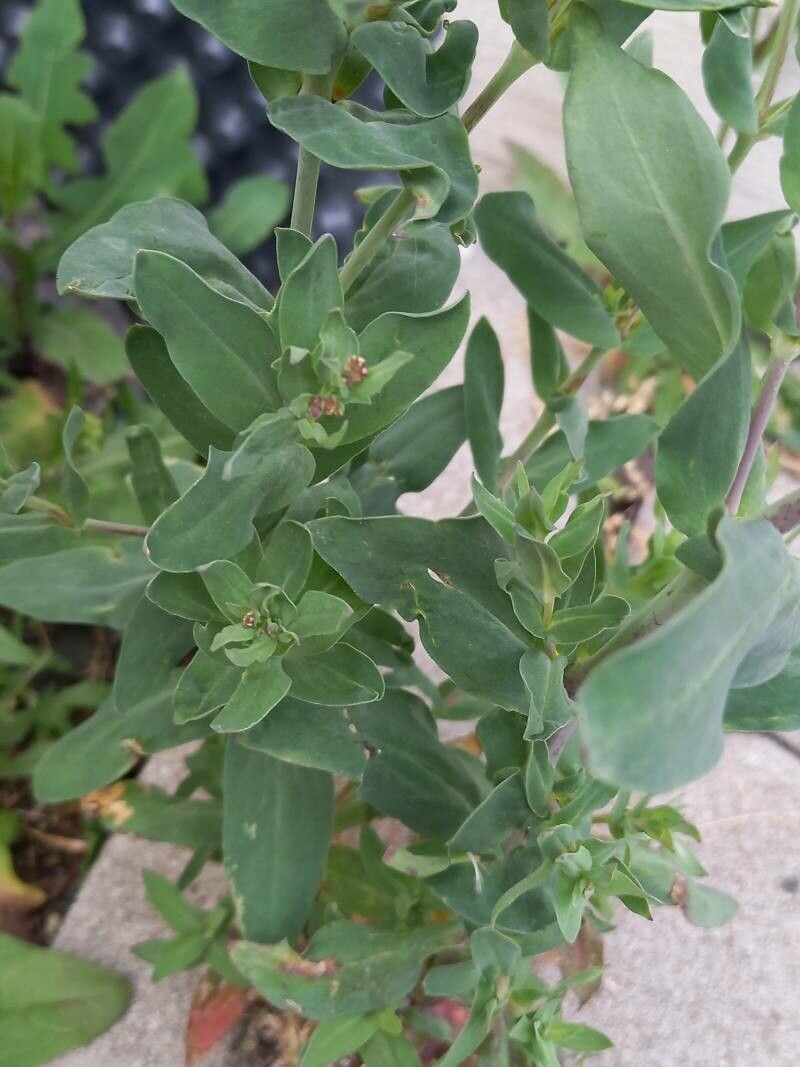
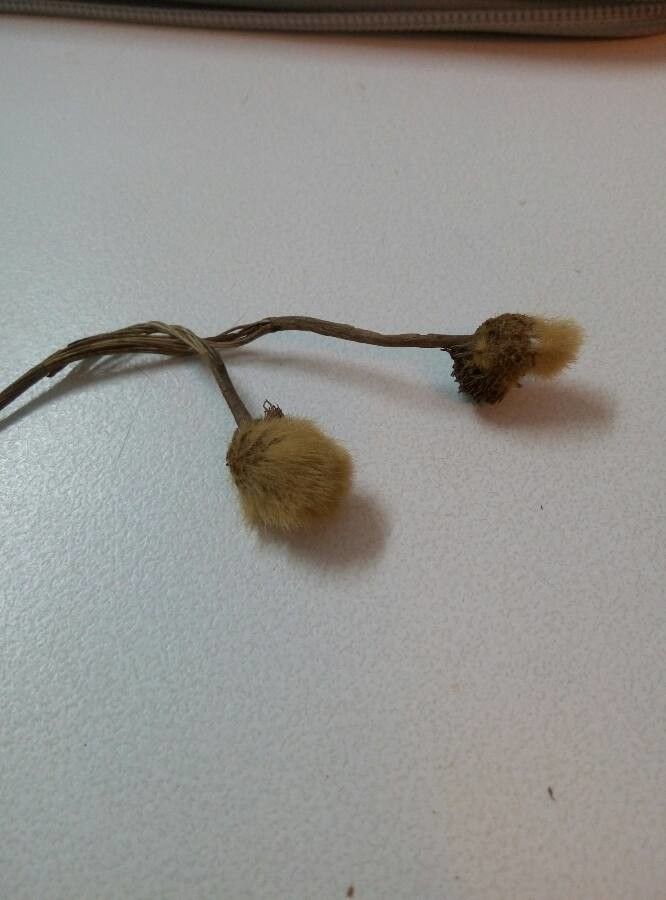
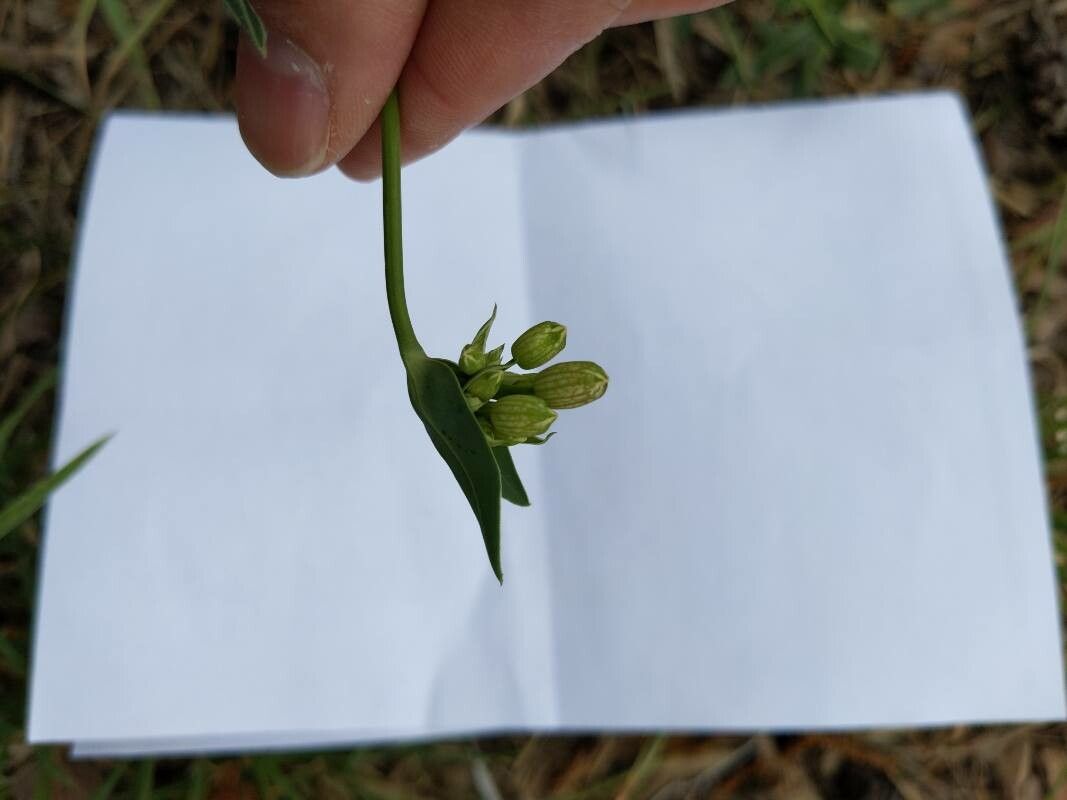
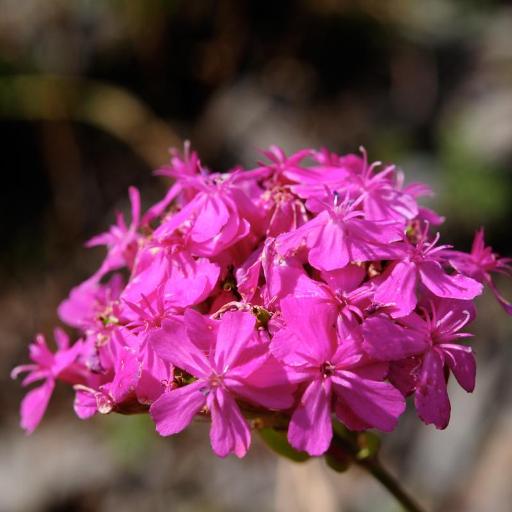
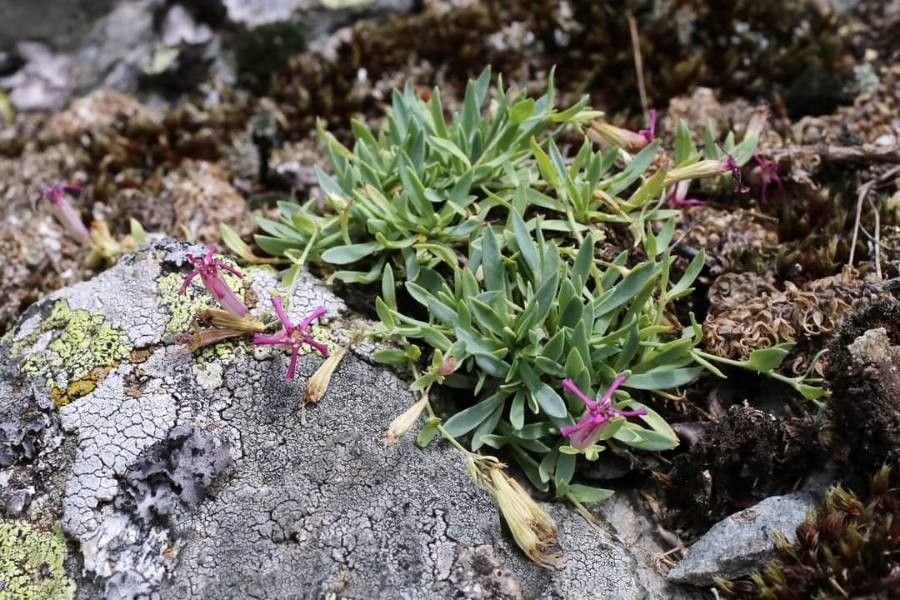
Atocion armeria, commonly known as Sea Pink or Thrift, is a perennial plant belonging to the Plumbaginaceae family. Native to Europe, it thrives in coastal areas and rocky cliffs. The plant exhibits a compact growth habit with tufts of grass-like leaves that form dense mats. These evergreen leaves are blue-green in color.
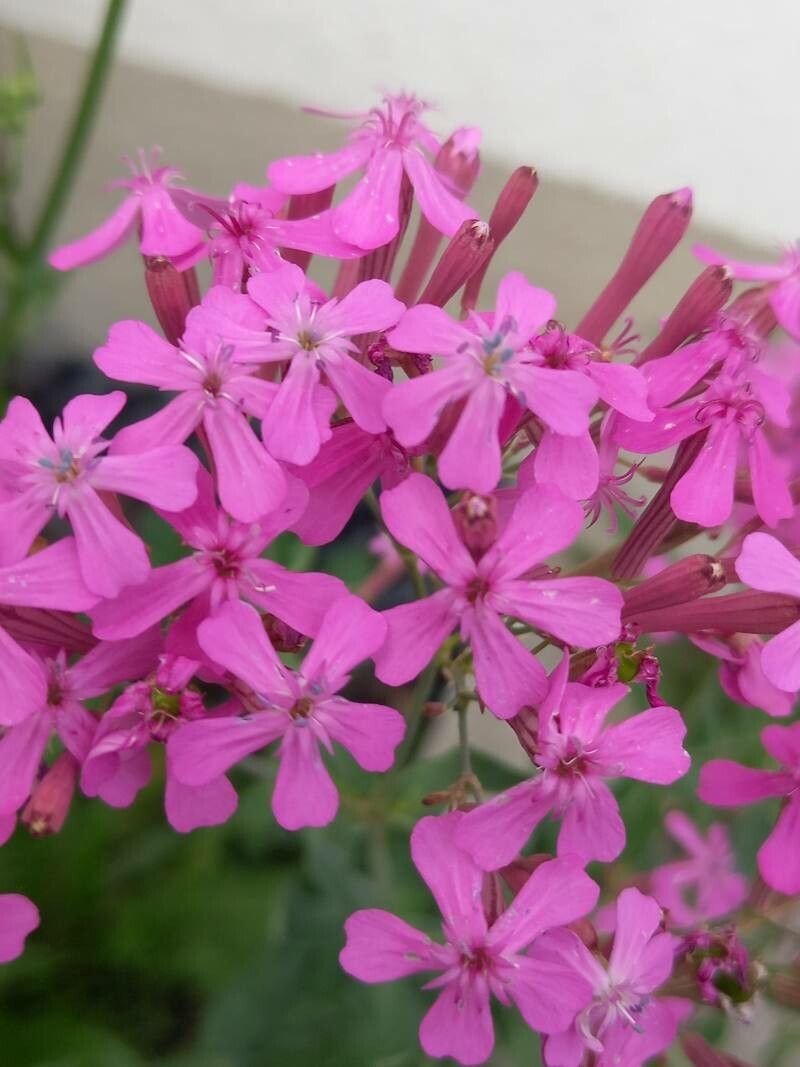
Sea Pink produces small, pink or white flowers that bloom in clusters atop long stems from late spring to early summer. The fragrant flowers attract bees, butterflies, and other pollinators.
Atocion armeria prefers well-drained soil with full sun exposure but can tolerate partial shade. Once established, it is drought-tolerant but requires regular watering during its growing season.
In landscaping, Sea Pink is versatile and valuable. It serves as an excellent ground cover for rock gardens or coastal landscapes, thanks to its ability to withstand salt spray from the ocean breeze. It also makes an attractive border plant for pathways or garden beds.
Overall, Atocion armeria is a hardy perennial with attractive foliage and beautiful blooms that add color and texture to any landscape design. Additionally, it provides ecological benefits by attracting pollinators like bees and butterflies.
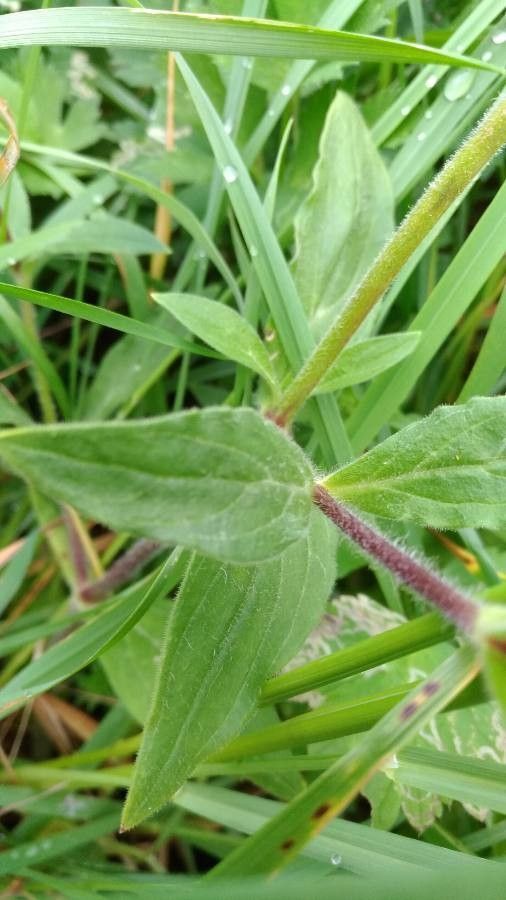
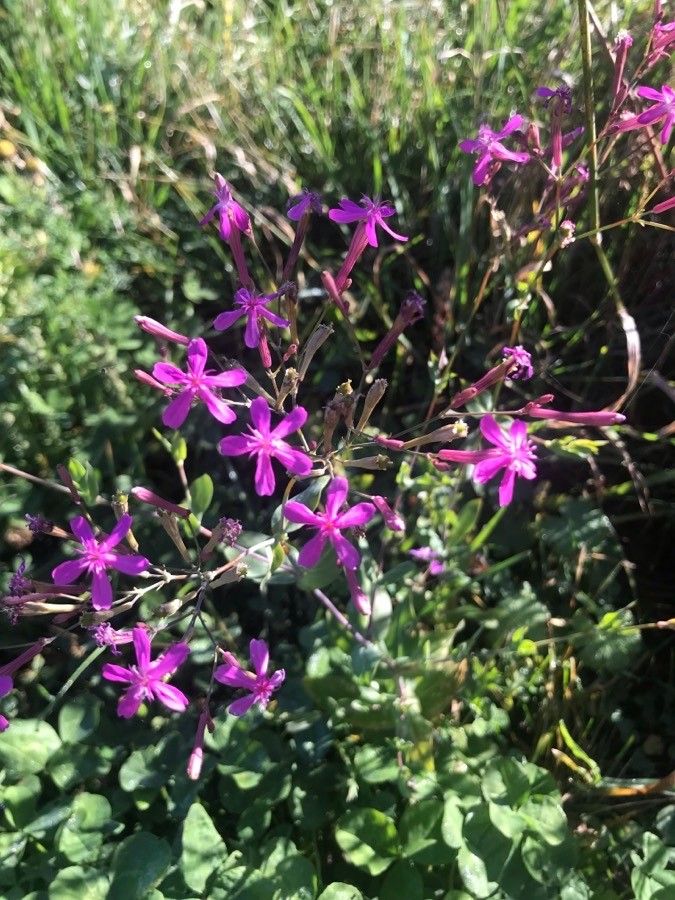
None-So-Pretty (Sweet William Catchfly): How did this lovely plant with its pretty pink flowers get such an undesirable common name? The answer lies in its sticky stems, which attract and entangle tiny insects, leaving the entire plant covered with them. Ironically, despite its name, it doesn't actually catch flies.
Sweet william catchfly has strong resistance to disease and is generally not very susceptible to illnesses. Nevertheless, it can be affected by pests and diseases present in its environment. These infections tend to be mild. Regarding care, the plant needs a moderate level of maintenance. Regular pruning is necessary to preserve a neat appearance and encourage healthy growth. Applying fertilizer can also support better flowering. Sweet william catchfly is a good choice for anyone with outdoor space, such as a garden or patio, and does not demand extensive plant-care experience. It may need extra attention if cultivated indoors.
How to keep Atocion Armeria.
Light
Sweet William catchfly flourishes with unobstructed exposure to sunlight, a preference linked to its natural growing environment. This sunlight exposure is essential for healthy development during the various stages of growth. Excessive sun can scorch the leaves, while inadequate light may impair its vital functions.
Water
Sweet William catchfly, native to temperate regions, thrives best in conditions of moderate moisture and can withstand short periods of dryness. To keep this plant healthy, it should be watered weekly. Mulching is recommended as it helps retain moisture, complementing its natural growth cycle. Commonly seen in garden beds, this outdoor plant benefits from consistent water availability, provided it does not become waterlogged.
Temperature
Sweet william catchfly can tolerate a wide range of temperatures, though its distribution can still be restricted by particular combinations of moisture and heat. It does best in warm summer conditions with enough rainfall or watering. Long periods of cloudy, rainy weather or extended high temperatures increase the risk of the plant dying. In winter, shielding it from the cold can enhance its chances of survival.
Fertilizer
When Sweet william catchfly has opened most of its blooms to full size, it's time to resume fertilizing. At about the peak of bloom production, begin fertilizing again once every three to four weeks, weather permitting. Then, when Sweet william catchfly starts producing fewer new blooms, stop fertilizing; there's no need to fertilize once the plant can no longer produce more blooms.
Pruning
Sweet William catchfly flourishes with proper pruning, ideally done from early to late spring. To stimulate growth and encourage a second bloom, remove spent flowers and dead stems. Using clean, sharp tools helps prevent disease and enhances air circulation, improving the plant's vigor and ornamental appeal.
Botanical profile.
- Plant Type
- Herb
- Life Cycle
- Annual, Perennial
- Genus
- Atocion
- Family
- Caryophyllaceae
- Hardiness Zone
- 3-9
- Mature Height
- 20 cm to 61 cm
- Mature Spread
- 15 cm to 30 cm
- Leaf Color
- Green
- Leaf Type
- Deciduous
- Flower Color
- Pink
- Flower Size
- 2.03 cm to 3.05 cm
- Bloom Time
- Late spring, Early summer, Mid summer
- Planting Time
- Spring
- Harvest Time
- Mid summer
- Native Area
- Turkey, Austria, Czech Republic, Slovakia, Montenegro, Bulgaria, Poland, Greece, Croatia, Slovenia, Ukraine, Serbia, Russia, Lithuania, Hungary, Germany, Italy, Switzerland, Albania, Romania, France
Other names.
Reader questions.
What do I do if I give my Sweet william catchfly too much or too little water?
The solution for underwatering Sweet William catchfly is simple: when you notice it lacks moisture, water it more regularly. Overwatering, however, is a more serious problem. It can lead to diseases and the death of the plant. To prevent this, choose a suitable growing location with adequate sunlight and good drainage. If you overwater a potted Sweet William catchfly, consider changing the pot to ensure proper drainage. When repotting, use loose soil and a pot that drains well.
What are the sunlight requirements for Sweet William catchfly?
Sweet William catchfly requires full sun, meaning it needs above 6 hours of sunlight daily. Monitoring the movement of sunlight through your garden is crucial to finding spots that offer a balance of light and shade, ensuring the plant's health. However, too much sunlight can lead to leaf scorching, while insufficient light may affect the plant's vital functions.
What is the botanical name of Sweet William Catchfly?
The botanical name of Sweet William Catchfly is Atocion armeria.
How often do I need to water my Sweet william catchfly?
Sweet william catchfly requires regular watering throughout the growing season. In the spring, water it once a week. As the season progresses and becomes warmer, increase watering to two to three times a week. However, exceeding this rate can harm the plant. Regardless of watering frequency, ensure that the soil remains moist but not wet. Watering a potted sweet william catchfly is slightly different. The soil in pots tends to heat up and dry out faster, so water container-grown plants a few times per week, compared to once a week for plants in the ground.
How essential is sunlight for Sweet William catchfly's growth?
Sunlight is crucial for the healthy growth of Sweet William catchfly at various growth stages, as the plant thrives under unobstructed exposure to the sun's rays. This is tied to its natural growing environment where it enjoys the full benefit of sunshine. Leaf scorching can occur with excessive sunlight, and insufficient light can thwart its essential functions. For indoor plants lacking in natural sunlight, especially during winter or in less sunny spaces, artificial lighting is vital. Artificial lights, such as LED, that provide 30-50W/sq ft for full sun plants, 20-30W/sq ft for partial sun plants, and 10-20W/sq ft for full shade plants can promote faster, healthier growth. Placement should be 12-36 inches above the plant, mimicking natural sunlight for 8-12 hours per day.
How much water does my Sweet William Catchfly plant need?
When determining how much water to give to your Sweet william catchfly, there are a few approaches you can take. One method is to feel the soil for moisture and water until the top six inches feel moist. Another option is to use a standard measurement, such as two gallons per week, depending on the temperature and soil dryness. However, be cautious of overwatering if your plant doesn't need that much. When growing in a container, you'll need to use a different method. Make sure to moisten all the layers of dry soil and check for moisture by sticking your finger in the soil or observing excess water draining out of the pot's holes.
What are the symptoms of insufficient sunlight in Sweet William catchfly?
When Sweet William catchfly is grown indoors or under inadequate light, it may exhibit various symptoms indicative of light deficiency. These include smaller new leaves, leggy or sparse growth due to longer spaces between leaves/stems, faster leaf drop as the plant sheds older leaves to conserve resources, and slower or halted new growth. Furthermore, insufficient sunlight may lead to lighter-colored new leaves and chlorosis, where leaves lose their green color, turning yellow due to a lack of chlorophyll. Sunscald, leaf curling, wilting, and leaf scorching can also occur from excessive sunlight, indicating both the critical need for proper sunlight and the risks of overexposure.
How can I know if I am watering my Sweet William catchfly enough?
When caring for Sweet william catchfly, it can be challenging to find the right balance with watering. These plants have deep roots that need to be moistened weekly, but they are also highly vulnerable to root rot. Overwatering can lead to browning and other issues. Underwatering is less of a concern as these plants can survive without frequent watering, but prolonged water deprivation may cause wilting and dry leaves.
What solutions exist for Sweet William catchfly experiencing insufficient sunlight?
For plants experiencing insufficient sunlight, a gradual increase in exposure is vital. Indoors, move plants to a sunnier location each week until achieving at least 6 hours of direct sunlight daily, using a south-facing window for maximum exposure. Artificial lighting, such as desk or ceiling lamps, should be on for at least 8 hours daily, or you can invest in professional grow lights. Outdoors, transition your plants gradually to sunnier spots to prevent sunburn, noting that parts of the plant affected by previous low light may not recover, but new growth will be healthy post-adjustment. Also, to increase sunlight for ground plants, reduce obstructions like tree branches and consider transplanting smaller plants to sunnier locations during their dormant period for better sunlight access and drainage.
How should I give water to my Sweet william catchfly during different seasons?
As the season progresses, your Sweet william catchfly's water needs will increase. In spring, watering once a week should suffice. However, as the summer heat sets in, you may need to water more frequently, possibly up to three times a week. This is especially important for Sweet william catchfly grown in containers, as the soil in containers tends to dry out faster in warm weather. In autumn, when the plants are still blooming, they may require less water due to cooler temperatures and less intense sunlight.
How do I water my Sweet william catchfly as it grows?
Sweet william catchfly goes through various growth stages throughout the year, each with different water requirements. To start, when you plant sweet william catchfly as a seed, it needs more water for germination. You should water it frequently to keep the soil consistently moist. After a few weeks, when the plant emerges from the soil, it will require slightly less water. When the plant is mature, you can switch to a regular watering schedule of about once a week. During flower development, slightly increased watering may be necessary to support the process.
What's the difference between watering Sweet william catchfly inside and outside?
Most Sweet william catchfly prefer growing outdoors for a few reasons. Firstly, these plants tend to grow quite tall, which makes it more suitable for them to be planted in open spaces. Secondly, they require a significant amount of daily sunlight, which may not be easily provided in most indoor growing locations. However, if you are able to create an appropriate indoor growing environment, you will need to water your Sweet william catchfly more frequently compared to outdoor growing. This is because indoor locations are often drier due to HVAC units, and container soil can dry out quickly as well.