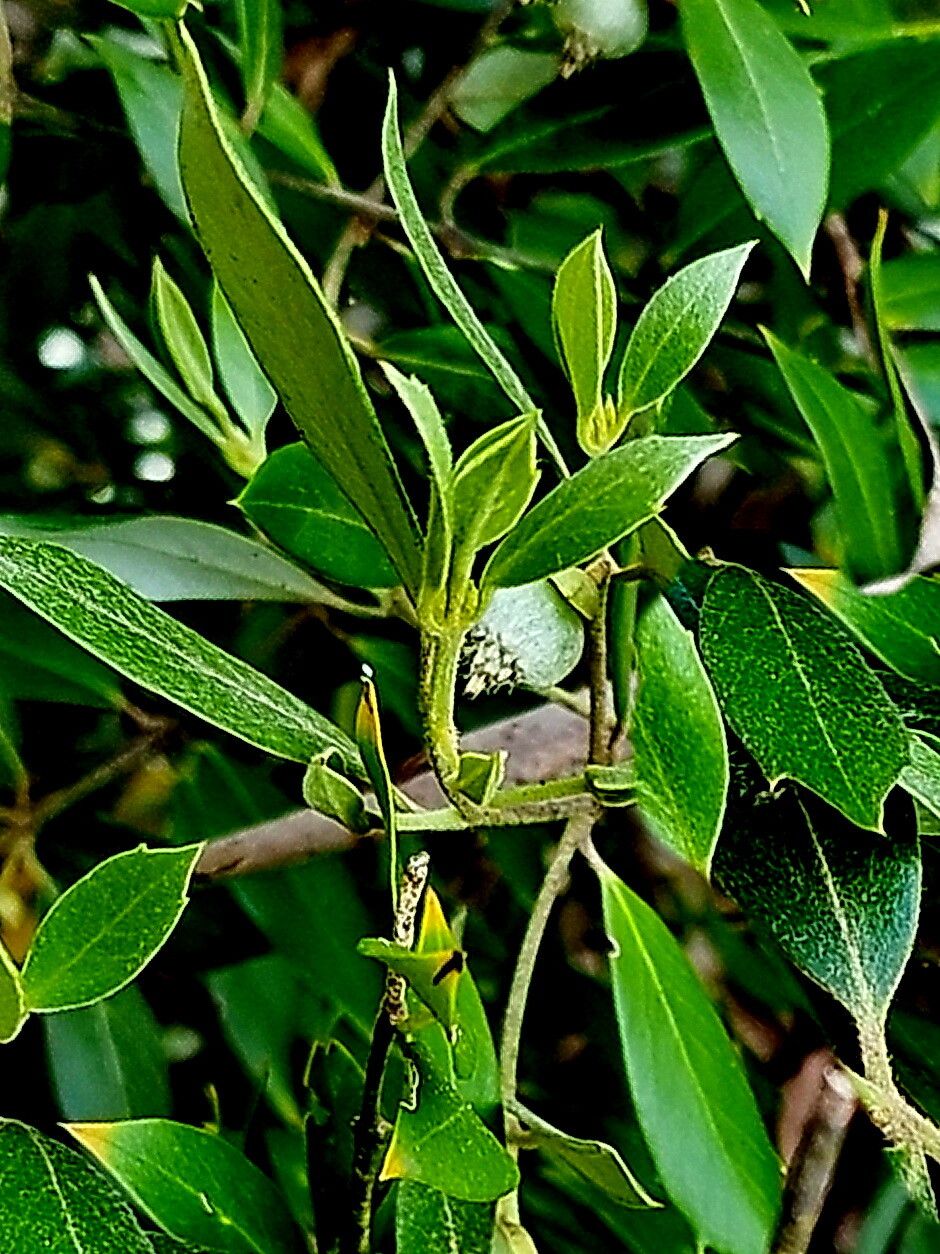
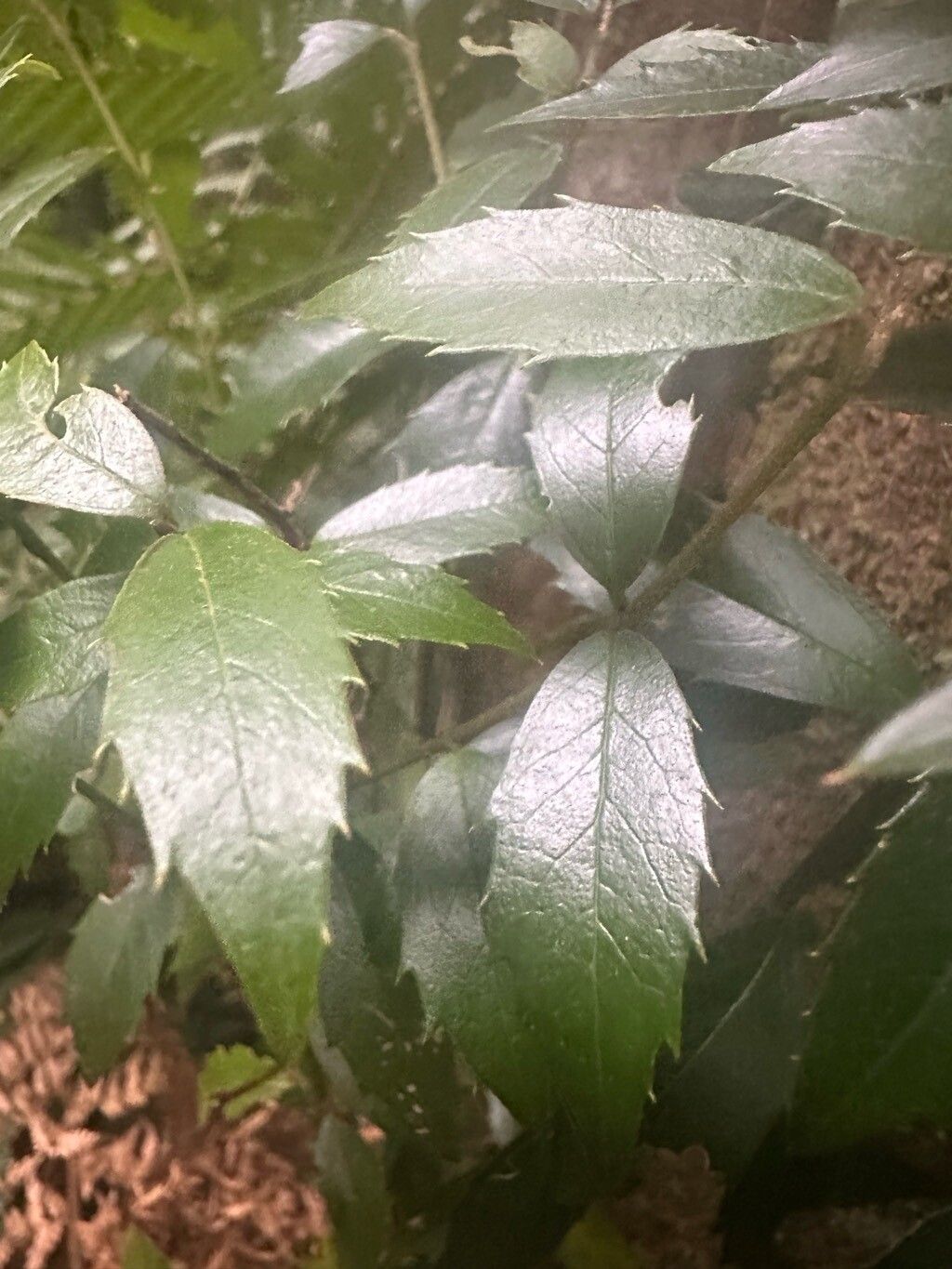
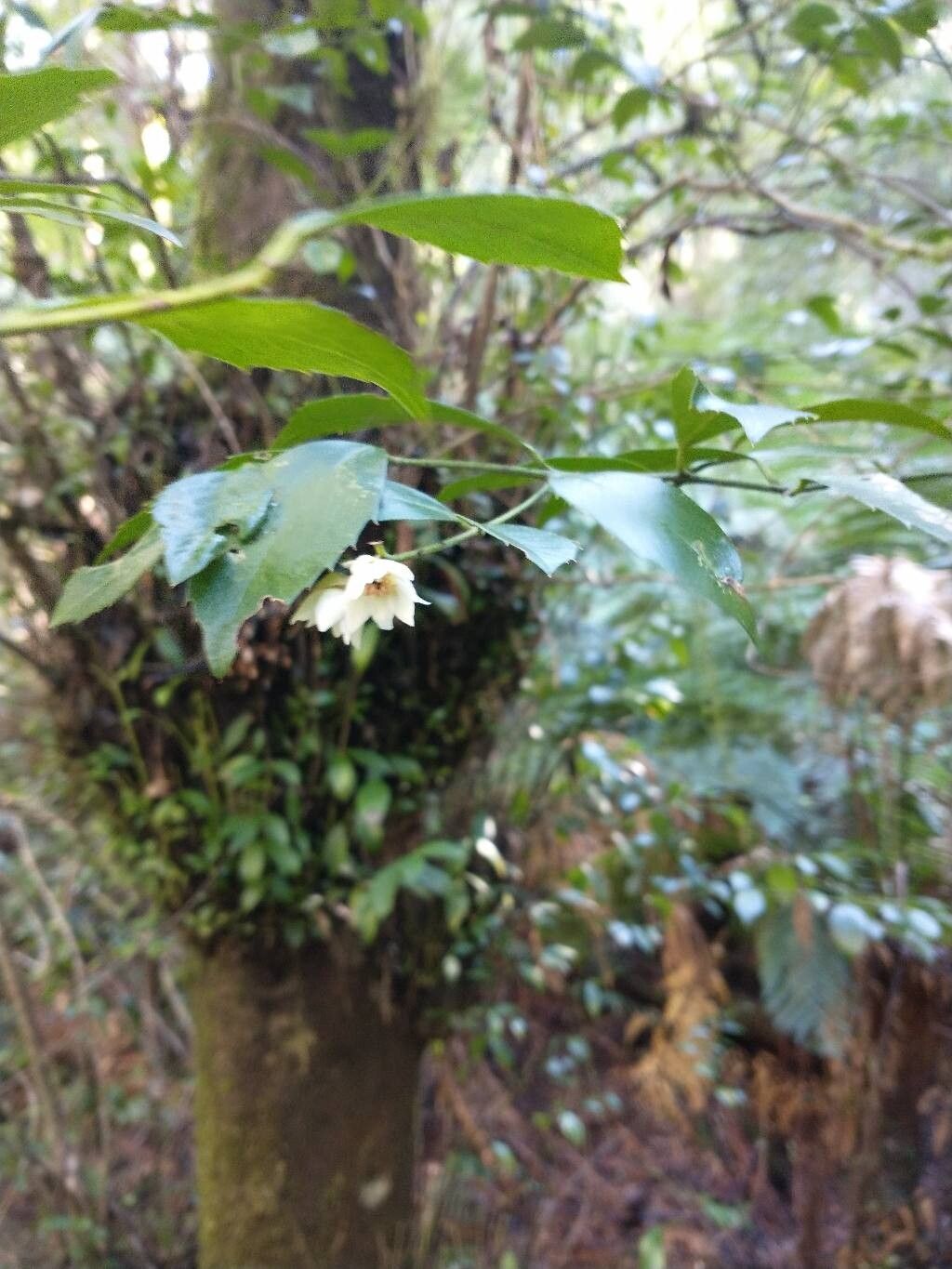
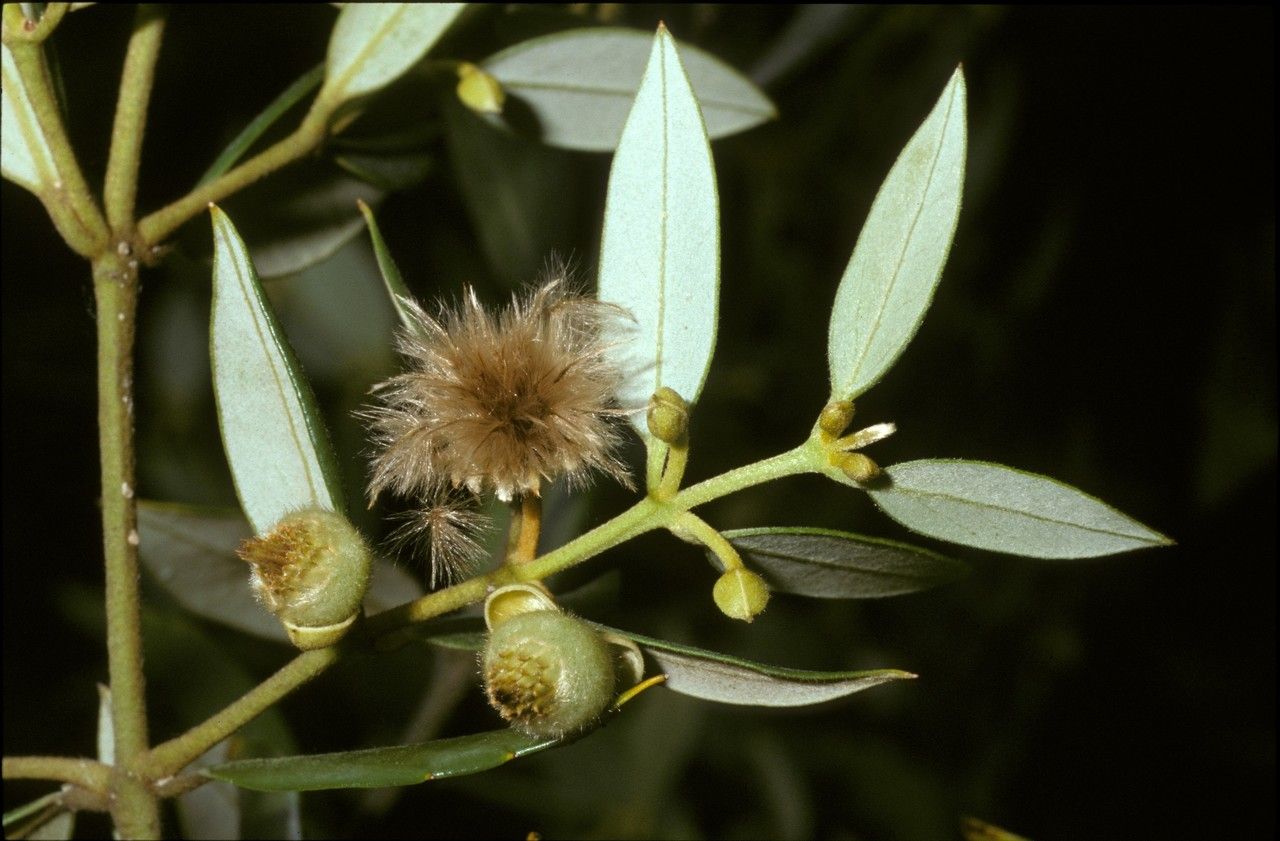
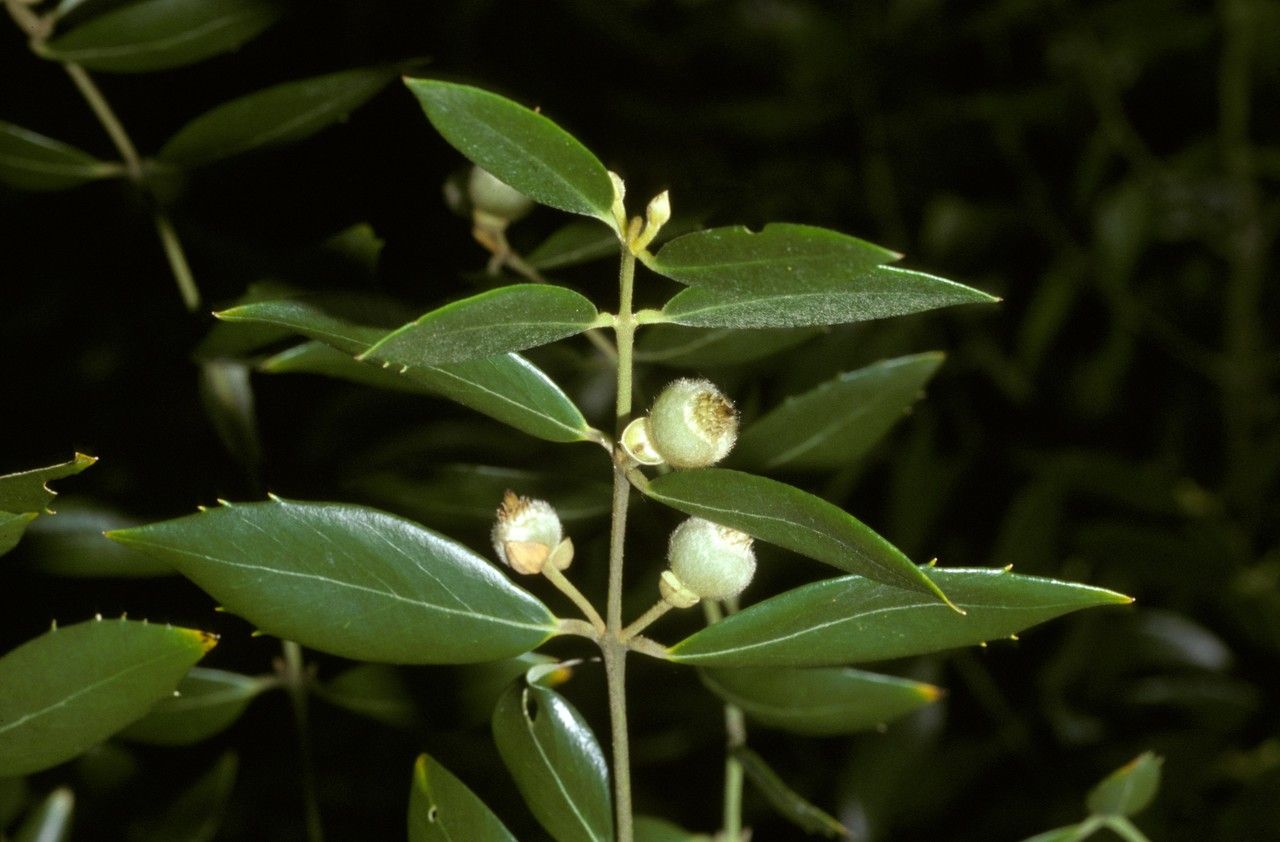
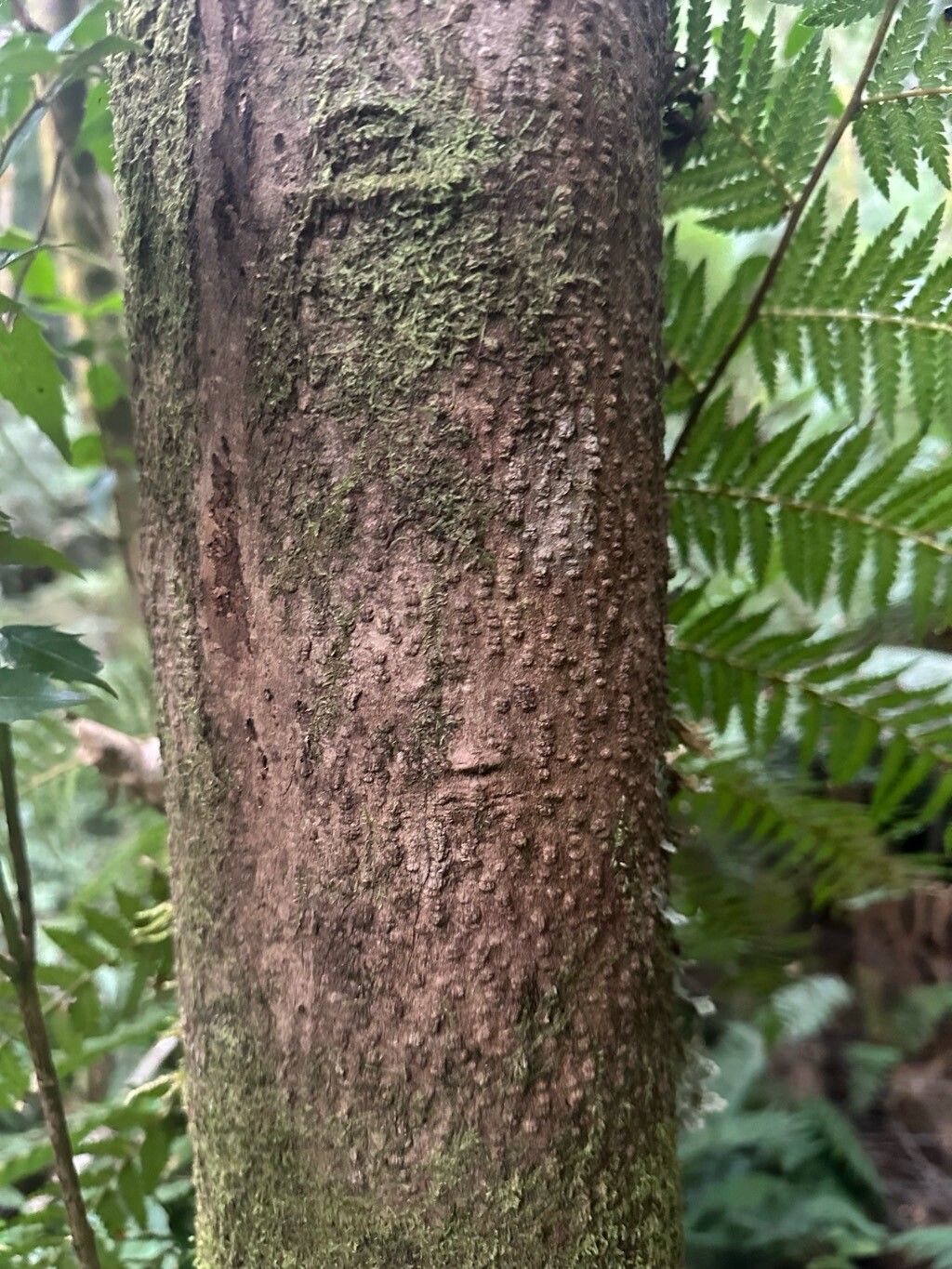
Atherosperma moschatum, commonly known as Tasmanian sassafras, is an evergreen tree species native to the cool temperate rainforests of Tasmania and Victoria in Australia. It can reach a height of up to 30 meters and features a straight trunk with smooth bark, which can be either gray or brown. The leaves are glossy green, oval-shaped with pointed tips, and can grow up to 10 centimeters long. The flowers are small and inconspicuous, while the fruit is a small capsule containing numerous seeds.
The wood of Atherosperma moschatum is highly valued for its durability, strength, and attractive grain patterns. It is commonly used in furniture making and boat building due to its resistance to rotting in water.
Ecologically, the plant plays a significant role by providing habitat for various birds and mammals such as possums. Its leaves are also an essential food source for the larvae of certain butterfly species.
Despite its wide distribution throughout Tasmania's forests, Atherosperma moschatum faces threats from habitat loss due to logging, agriculture, and urbanization. Conservation efforts, including planting programs, have been initiated by various organizations to restore degraded forests where this tree naturally grows.
Overall, Atherosperma moschatum is an important tree species both ecologically and economically. It holds cultural significance among indigenous communities, who have traditionally used it for medicinal purposes, among other uses.
The Australian snowdrop tree is disease-resistant and generally not susceptible to illnesses. Its care requirements are relatively low. When grown outdoors it needs minimal watering, and larger plants typically do not require pruning. Smaller plants, however, should be pruned after they finish blooming. The Australian snowdrop tree is suitable for anyone with outdoor space, such as a garden or a deck, and does not demand extensive care experience.
How to keep Atherosperma Moschatum.
Light
The Australian snowdrop tree originates from habitats like forest understories or rocky regions, where it is naturally shaded. It favors conditions of partial sun, but can also adjust to total sunlight or complete shade, showcasing its adaptable and robust characteristics.
Temperature
The Australian snowdrop tree exhibits substantial flexibility in adapt to a range of weather conditions, from hot summers to cold winters. However, it does have a preferred range of temperatures for optimal growth. If temperatures rise excessively, the tree is likely to undergo heat and moisture stress, leading to its possible death. In areas where the temperatures reach its lower cold-resistance limit, it becomes crucial to apply measures to insulate and safeguard the tree.
Fertilizer
The timing of fertilization is crucial for the Australian snowdrop tree. It is recommended to fertilize in the early parts of spring, and continue on a monthly basis until the early parts of summer. Fertilizer assists in producing beautiful flowers and provides the necessary energy during both dormant and growth phases.
Pruning
To maintain the shape and health of an Australian snowdrop tree, it’s best to perform light pruning in early spring. Focus on removing any dead or damaged branches and thinning out crowded areas to enhance air circulation. Be sure to use clean, sharp tools and avoid heavy pruning. This approach encourages the tree's natural form and promotes flowering, leading to optimal growth and appearance.
Botanical profile.
- Plant Type
- Tree
- Life Cycle
- Perennial
- Genus
- Atherosperma
- Family
- Atherospermataceae
- Hardiness Zone
- 8-10
- Mature Height
- 6.1 m
- Mature Spread
- 3.05 m
- Leaf Color
- Dark Green, Forest Green
- Leaf Type
- Evergreen
- Flower Color
- White
- Flower Size
- 1.02 cm to 2.03 cm
- Bloom Time
- Late summer, Early fall, Mid fall
- Planting Time
- Spring, Summer
- Harvest Time
- Late fall, Early winter, Mid winter
Other names.