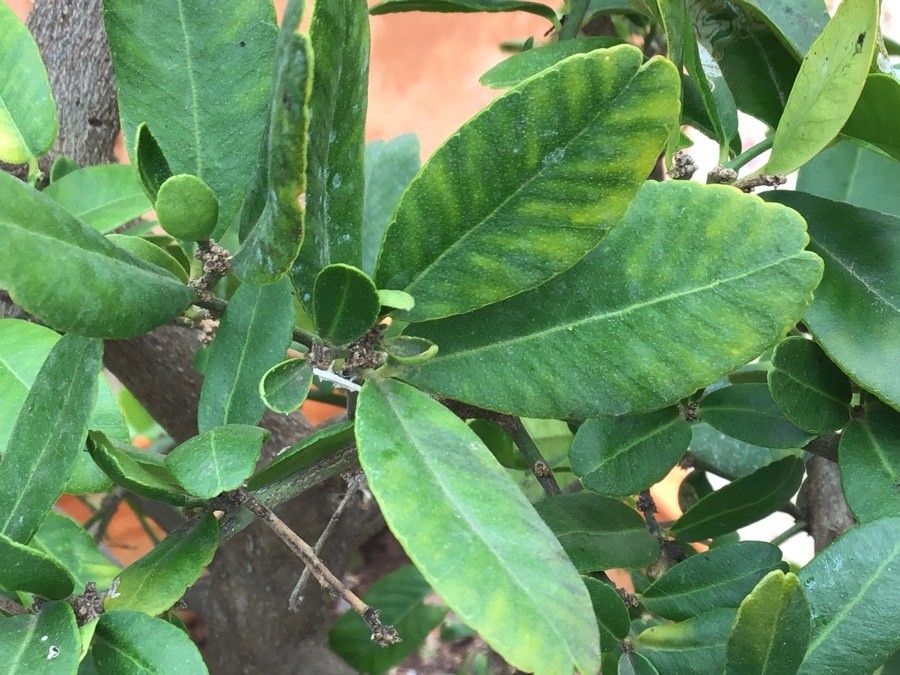
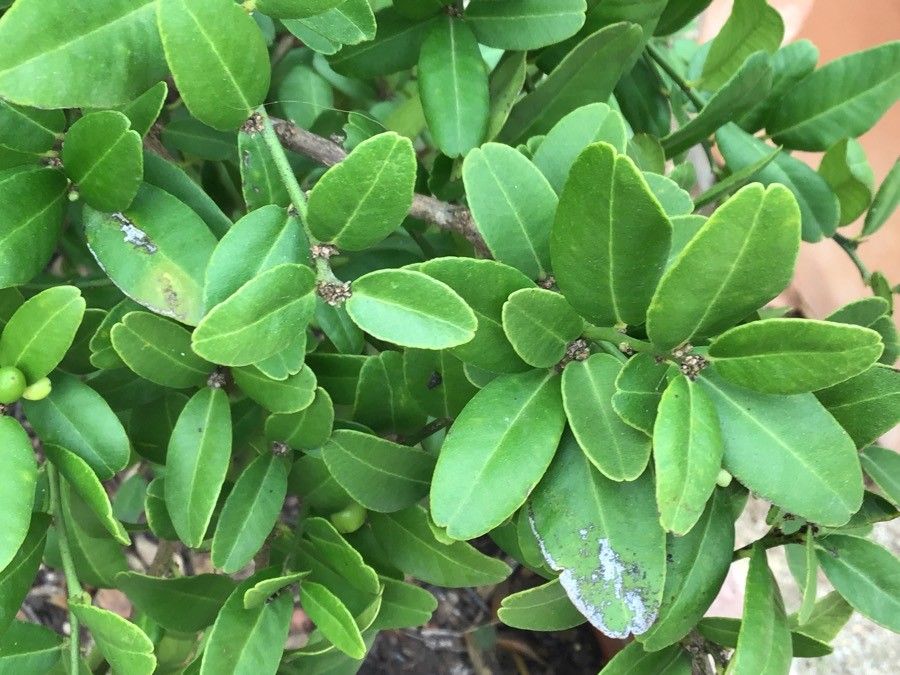
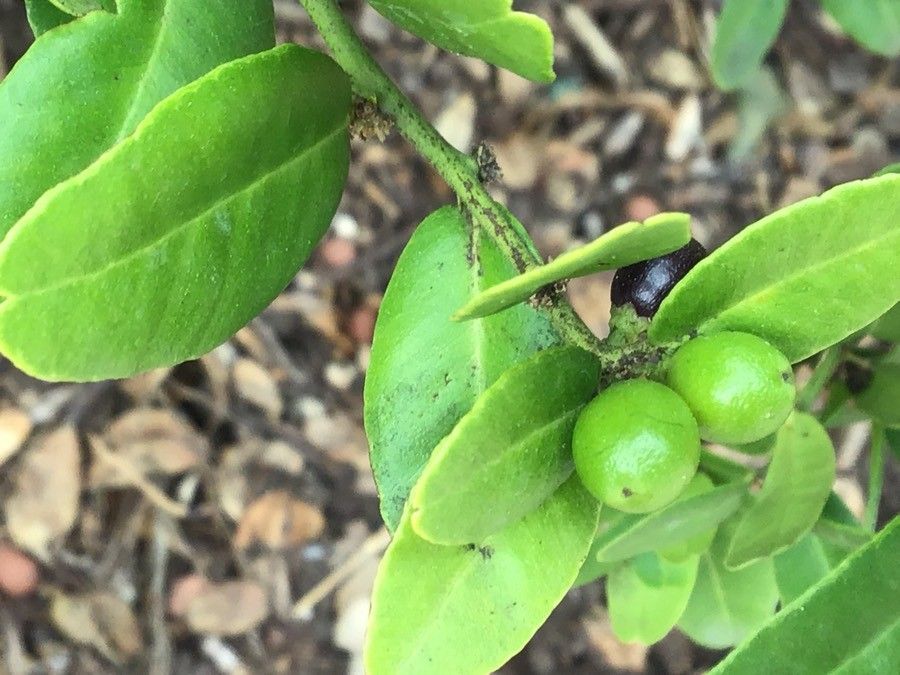
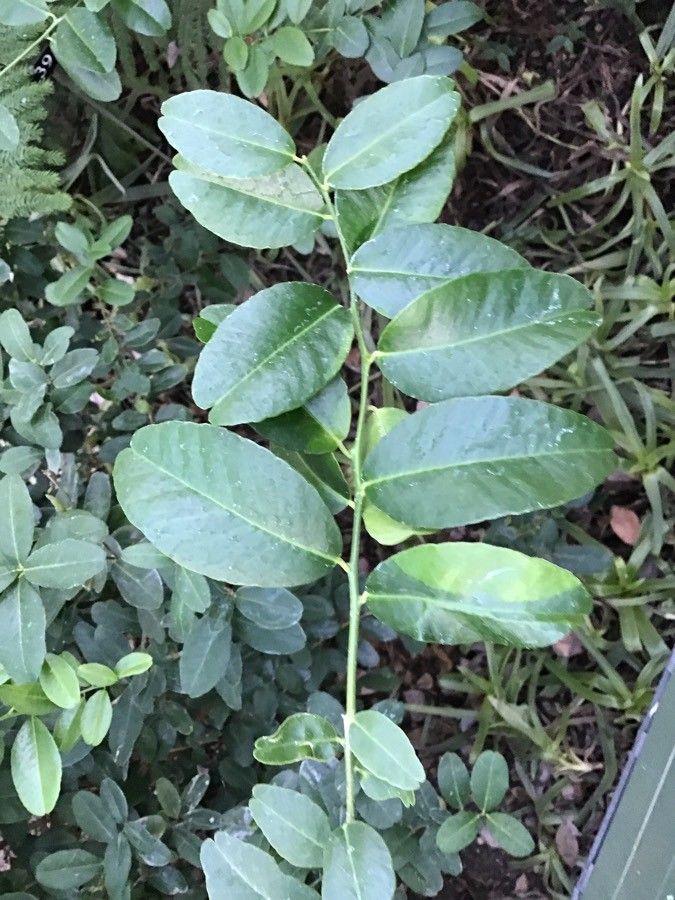
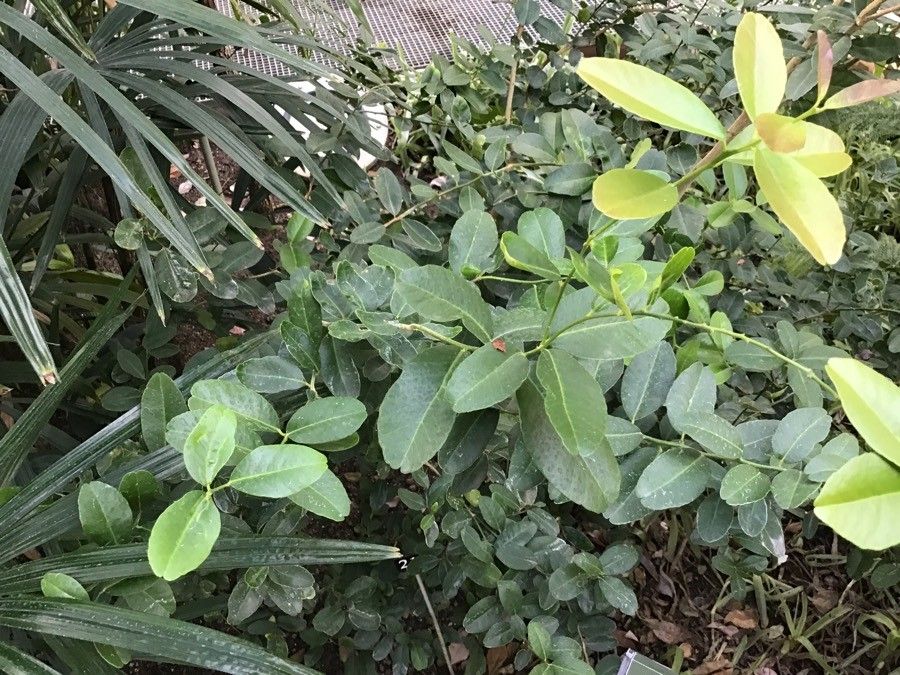
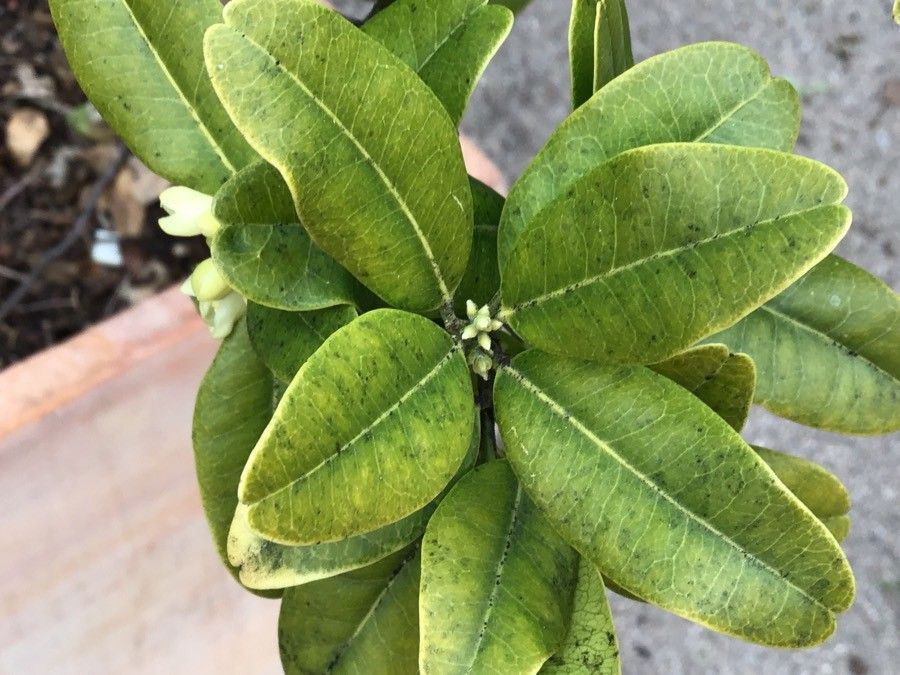
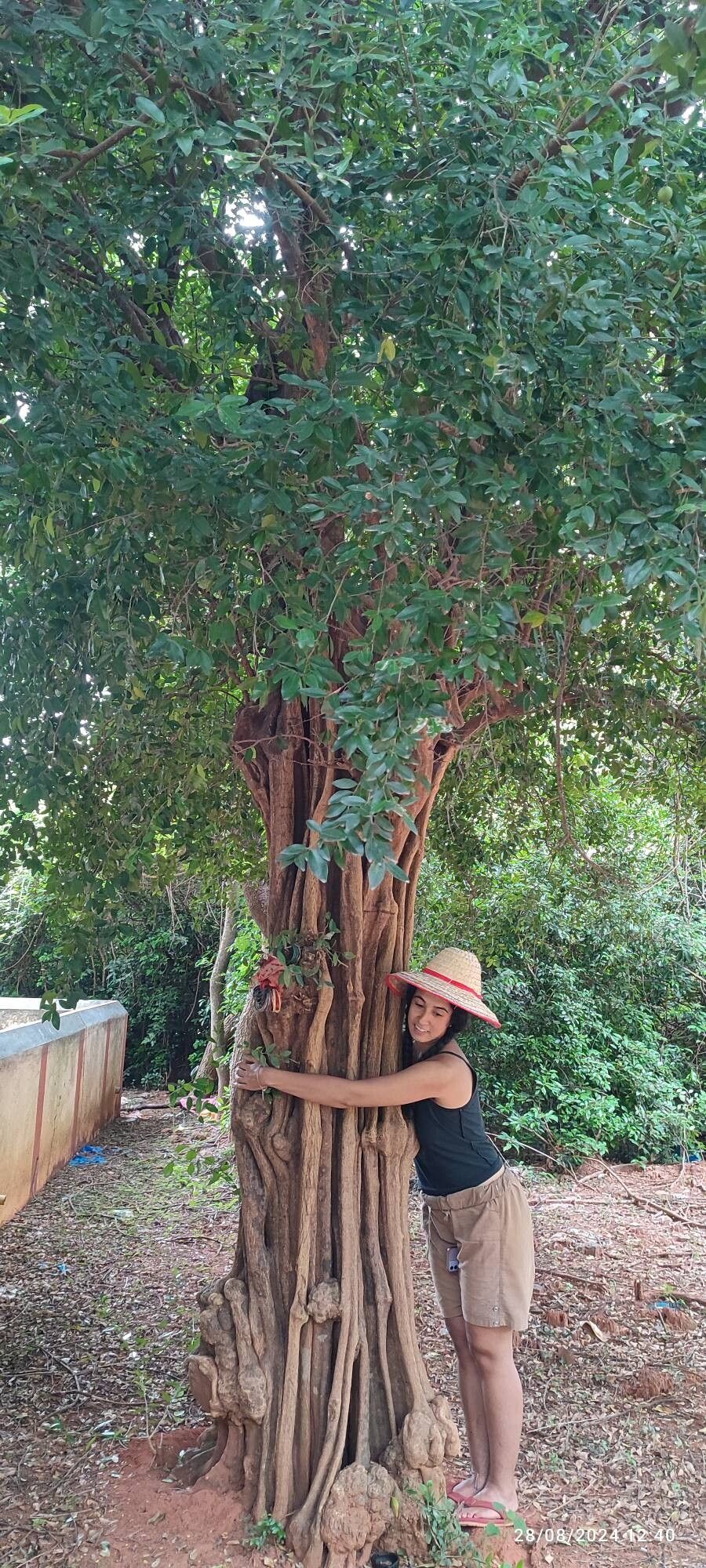
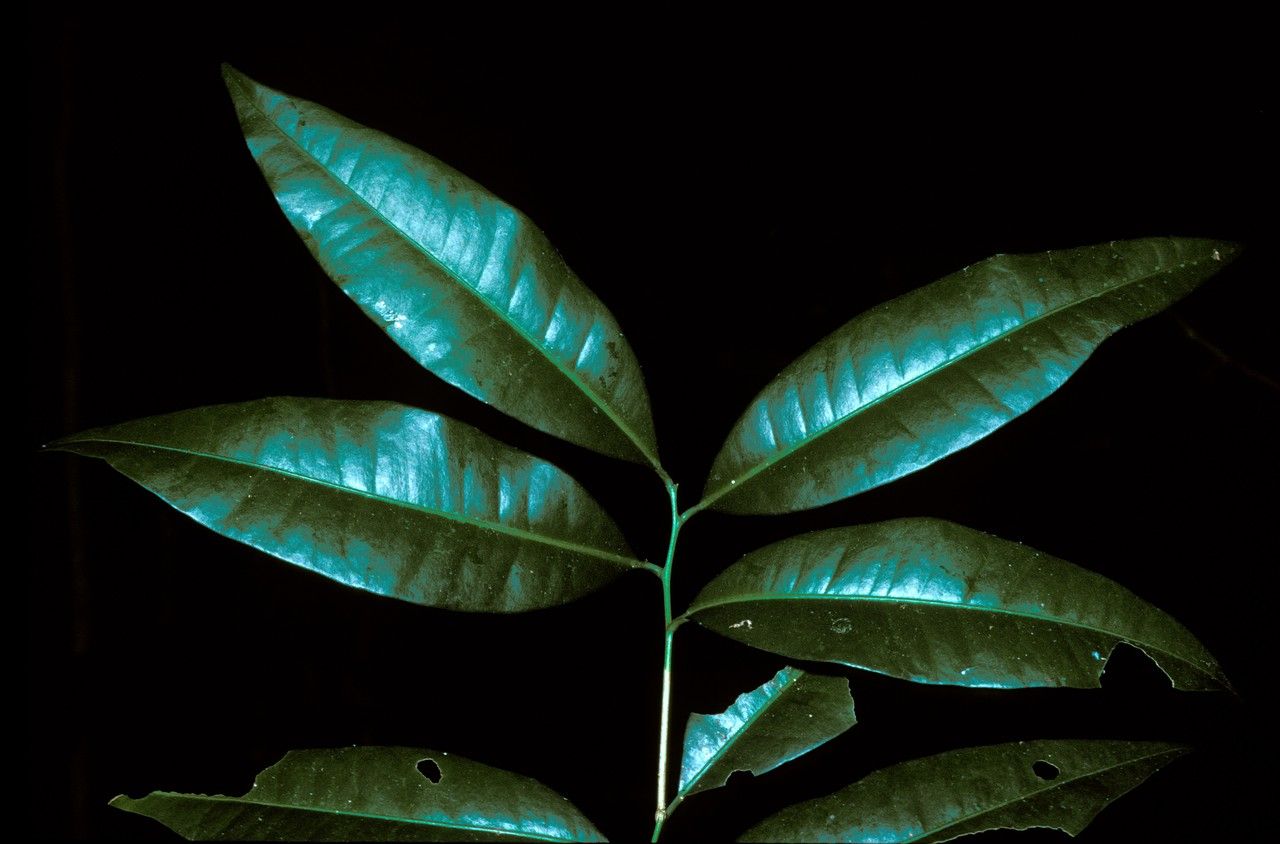
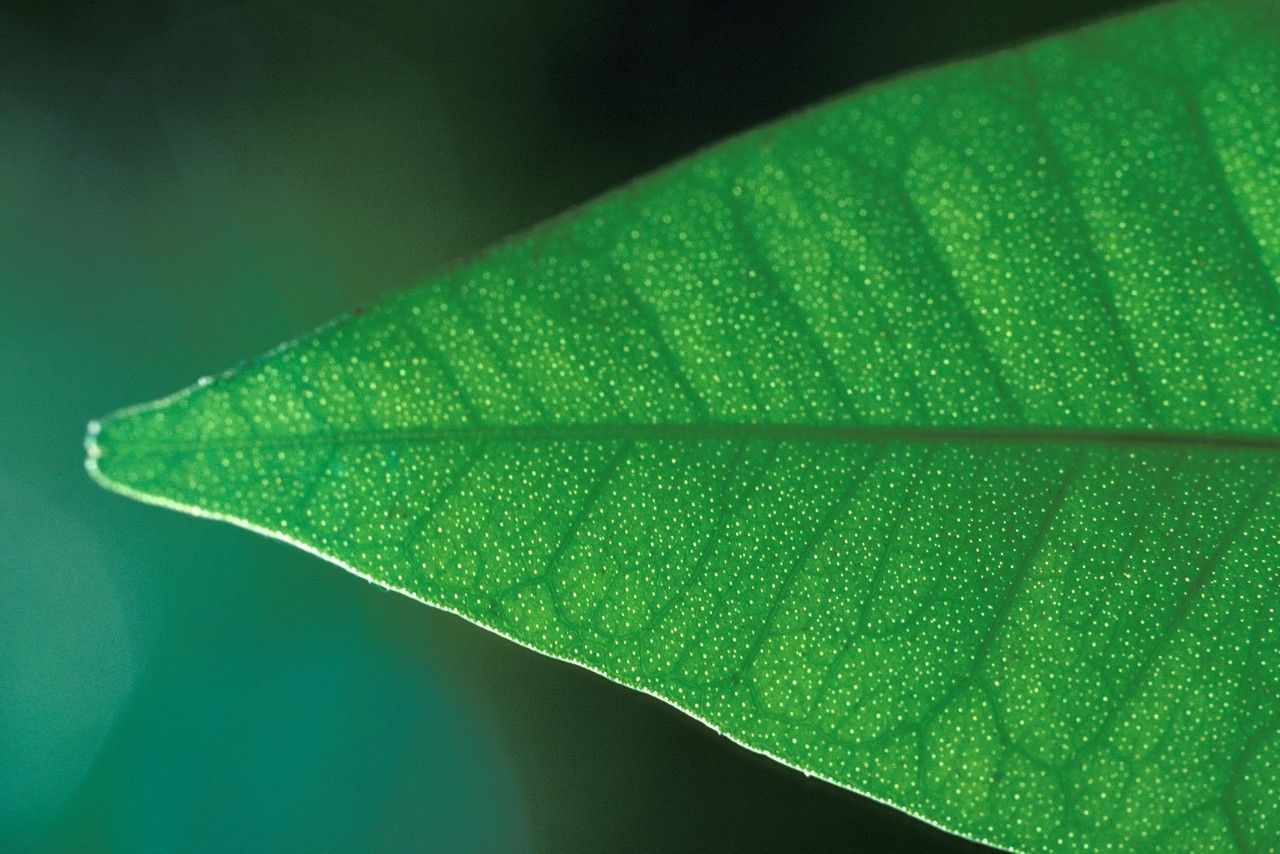
Atalantia buxifolia, synonym Severinia buxifolia, is a species of plant in the family Rutaceae, related to Citrus and Citropsis. Its common names include Chinese box-orange, box orange or boxthorn. It is native to southern China. It produces small black berries that resemble black currants. The fruits are eaten by birds that disperse its seeds. It is an evergreen in the wild.
The Chinese box orange is resistant to diseases and generally not susceptible to them. In terms of care, this plant is fairly low maintenance. When planted outdoors it needs only minimal watering, and larger plants usually do not require pruning. Smaller plants, however, should be pruned after they have finished blooming. The Chinese box orange is suitable for anyone with outdoor space, such as a garden or a deck, and does not demand extensive care experience.
How to keep Atalantia Buxifolia.
Light
The Chinese box orange plant flourishes in settings where it gets full sunlight throughout the day, however it can also survive in places that have just a moderate amount of sunlight. Insufficient exposure might result in its growth being hindered, whereas excessive sunlight can cause the leaves to burn.
Water
The Chinese box orange is native to arid regions and is highly drought-tolerant. It prefers dry conditions and should be watered every one to two weeks. This plant thrives when the soil moisture mimics the sporadic rainfall of its natural habitat. When grown outdoors, its watering needs are determined by the seasonal rainfall patterns.
Temperature
The Chinese box orange is native to regions with temperatures ranging from 59 to 89.6 °F (or 15 to 32 ℃). It is most suited for growth in climates that are moderate to warm, and necessary adjustments should be made during the cooler seasons to maintain an environment within the plant's preferred conditions.
Fertilizer
To yield the best fruit, the Chinese box orange plant needs an adequate amount of nutrients. Administer fertilizer at the onset of spring to promote new growth and flower formation. Consistent fertilization aids the plant in maintaining its health, producing tastier fruit, and avoiding problems associated with nutrient inadequacy such as yellowing leaves and subpar fruit yield.
Pot & Repot
To ensure the optimal health of a Chinese box orange plant, repot it every 2 to 3 years during spring. Choose a moderately-sized pot to allow for root expansion, and provide the plant with bright, indirect sunlight. Make sure the pot has proper drainage to prevent waterlogging. Once the plant is established in its new environment, it becomes quite resilient and requires minimal care.
Botanical profile.
- Plant Type
- Shrub
- Life Cycle
- Perennial
- Genus
- Atalantia
- Family
- Rutaceae
- Hardiness Zone
- 8
- Mature Height
- 2.44 m
- Mature Spread
- 1.52 m to 2.13 m
- Leaf Color
- Dark Green
- Leaf Type
- Evergreen
- Flower Color
- White
- Flower Size
- 1.02 cm to 1.52 cm
- Bloom Time
- Mid spring, Late spring
- Planting Time
- Spring, Summer, Autumn
- Harvest Time
- Late summer, Early fall, Mid fall
- Native Area
- Cambodia, Vietnam, Laos, Thailand, China
Other names.
Reader questions.
What are the sunlight requirements for Chinese box orange?
The Chinese box orange requires abundant sunshine throughout the day to thrive, making full sun exposure, defined as above 6 hours of sunlight daily, ideal. However, it can also tolerate partial sun, which is about 3-6 hours of sunlight. It's crucial to observe the movement of sunlight in your garden to find spots that offer a blend of light and shade, ensuring the plants' well-being. Bear in mind that while this plant prospers in ample light, too little can cause stunted growth, and excessive exposure might lead to leaf burn.
What is the indigenous temperature range for Chinese box orange growth?
The Chinese box orange, botanically known as Atalantia buxifolia, thrives in temperature ranges between 59 to 89.6 °F (15 to 32 °C). This plant prefers moderate to warm climates for optimal growth. During cooler seasons, it's crucial to adjust the environment to maintain temperatures within this comfort zone to ensure the plant's well-being.
How can artificial lighting assist in the growth of Chinese box orange indoors?
When natural sunlight is not enough, especially during winter or in less sunny areas, artificial lighting becomes crucial for the healthy growth of indoor Chinese box orange plants. Optimal growth under artificial lighting can be achieved by selecting the appropriate type of light, with LED lights being a popular choice due to their ability to provide specific wavelengths needed by plants. Full sun plants require 30-50W/sq ft, partial sun plants 20-30W/sq ft, and full shade plants 10-20W/sq ft of artificial light. The light source should be placed 12-36 inches above the plant, imitating natural sunlight and ensuring the plants receive 8-12 hours of light per day.
Does the Chinese box orange require special frost protection measures during winter?
The Chinese box orange exhibits strong cold resistance, typically eliminating the need for special frost protection measures during winter. However, in conditions where winter temperatures are predicted to fall below -10°C, it becomes important to undertake cold protection steps. This includes wrapping the trunk and branches with insulating materials like non-woven fabric or cloth. Additionally, before the onset of the first freeze in autumn, abundantly watering the plant to keep the soil moist ensures that it enters a frozen state more prepared, helping to guard against drought and water scarcity during winter and early spring.
What are the important symptoms of incorrect lighting in Chinese box orange?
Chinese box orange exhibits several symptoms when exposed to suboptimal lighting conditions. Inadequate light can lead to smaller leaves, leggy or sparse growth, early leaf drop, and halted growth due to the plant entering survival mode. Leaves might appear pale or develop chlorosis, losing their green color and turning yellow, which is a sign of insufficient chlorophyll and essential nutrients. Sunscald, leaf curling, wilting, and leaf scorching are symptoms associated with too much sunlight, indicating damage from intense exposure. These symptoms highlight the plant's struggle with maintaining health under improper lighting, necessitating adjustments to its environment.
How does the Chinese box orange react to low temperatures?
The Chinese box orange is cold-tolerant and prefers temperature conditions above 15°C for optimal health. Throughout the winter, maintaining temperatures above -5°C is ideal. If temperatures drop below -10°C, the plant might not show immediate external changes during winter; however, come spring, you may notice branches becoming brittle and dry with no new shoots emerging. To address this, pruning dead branches that fail to produce new leaves in the spring is recommended.
How can you address the lighting needs of Chinese box orange?
To cater to the lighting needs of Chinese box orange, gradual adaptation is key. For indoor plants needing more light, start by moving them closer to a sunnier spot each week until they get at least 6 hours of direct sunlight daily, utilizing south-facing windows for maximum exposure. If moving the plant isn't feasible, consider artificial lighting, keeping a desk or ceiling lamp on for a minimum of 8 hours daily or employing professional grow lights. For outdoor plants, similarly, move them gradually to sunnier locations to prevent sunburn. Removing obstructions or transplanting to sunnier spots may also be necessary to ensure adequate sunlight exposure. Though parts of the plant that suffered from low light might not revive, new growth post-adjustment will be healthy.
How should the Chinese box orange be cared for during high temperatures?
In summer, it's critical to ensure that temperatures around the Chinese box orange do not exceed 32°C. Exposure to temperatures above 35°C can lead to the leaves turning lighter in color, tips drying and becoming withered, and increased susceptibility to sunburn. To mitigate such damage, it's advisable to trim away sunburned and dried-up parts. Moving the plant to a shaded location or employing a shade cloth during the intense midday and afternoon sun can offer relief. Additionally, watering the plant in the morning and evening helps maintain soil moisture, providing the plant with a healthier environment during high temperature periods.